Zinc Sulfate: A Look at Its Journey, Science, and Uses
Historical Development
Zinc sulfate has a history tied closely to shifts in scientific understanding and industrial growth. In the early days, curiosity in alchemy guided people to experiment with metals and minerals, but clearer definitions settled in during the nineteenth century. Industrialization called for compounds that could restore crops and meet growing health needs, and zinc sulfate soon found a place both on farms and in medicine cabinets. During periods of widespread zinc deficiency, especially after major wars, this compound drew attention for its simple chemistry and direct ways of tackling shortages. Medical applications took off once scientists realized zinc’s key role in human biology, pushing research toward supplements and treatments. Its story grows out of economic necessity and evolving science, gaining momentum through patient trial, error, and adaptation.
Product Overview
Zinc sulfate stands as a colorless, crystalline solid or as a granular powder, often selected for its ease of dissolution in water. Bulk suppliers offer it in several hydrates, the most common being the heptahydrate form, which suits both agricultural and pharmaceutical needs. While consumers may spot zinc sulfate on drugstore shelves, most of its journey takes place in fertilizer factories, textile plants, and animal feed mills. Handling this product requires strict attention to purity levels, especially where food or medicinal use is concerned. With global trade fueling the supply chain, regulatory reviews have become more rigorous, and international quality benchmarks guide both small and large manufacturers.
Physical & Chemical Properties
Clear as glass in its crystalline form, zinc sulfate dissolves in water with remarkable ease, releasing zinc ions in a snap, and it leaves no strong odor behind. It has a moderate molecular weight, and the dry powder clumps when damp. The heptahydrate version melts at a relatively low temperature, signaling water loss before more violent decomposition. Zinc sulfate reacts with strong alkalis, handling acids with less fuss. Its solubility makes it easy to apply through irrigation or spraying, appealing to farmers and industry technicians alike. The chemical’s steadiness under normal storage helps keep it reliably consistent over extended shelf life.
Technical Specifications & Labeling
Manufacturers define zinc sulfate through mineral content, hydration state, particle size, and trace impurities, tracing every batch through rigorous documentation to meet industry and health safety codes. Packages spell out zinc content by percentage, point out the hydrate form, and list moisture or heavy metal concentrations. In pharmaceutical contexts, each label tells the user exactly what to expect, which becomes vital for dosing accuracy in clinical and veterinary settings. Fertilizer labels typically highlight zinc content clearly, as farming benefits hinge on precise application rates. Cross-compliance with ISO and local guidelines keeps the procurement process fair and transparent, helping end users choose the right grade.
Preparation Method
Producers start with a raw zinc mineral, usually zincite or sphalerite, and treat it with sulfuric acid in batches or continuous reactors, creating a reaction that yields zinc sulfate and releases carbon dioxide. This step needs careful controls; too much acid results in excessive by-products, while impure feedstock produces a low-grade material. Engineers then filter, concentrate, and crystallize the solution, drying it for final storage. They recycle spent acids and filter wastes because today's oversight expects careful stewardship of resources. Lab-scale experiments provide the foundation for these long-standing industrial routines, but constant adjustments keep the process efficient and safe as environmental standards continue to rise.
Chemical Reactions & Modifications
Zinc sulfate reacts with sodium carbonate to create zinc carbonate, a safer form in some animal feeds, and industry converts it to other zinc salts using simple double-replacement chemistry. It breaks down when heated to high temperatures, first losing water and then decomposing to zinc oxide and sulfur oxides. In the presence of strong bases, zinc sulfate forms insoluble hydroxides, letting water treatment plants pull zinc out of waste streams. Newer studies focus on improving selectivity and yield in these conversions, and ongoing trials explore using biocatalysts or greener solvents for certain modifications. The chemistry, established but not static, remains a favorite test-case in education, too.
Synonyms & Product Names
Markets know zinc sulfate by a range of names: white vitriol, zinc vitriol, and sometimes as simply 'zincous sulfate.' Technical brochures prefer the systematic name, but commercial outlets often stick to common trade names or archaic terms, especially in regions with deep agricultural traditions. While lab-grade stocks may use the pentahydrate or heptahydrate suffix, animal feed and fertilizer producers rarely make a fuss except where regulations or nutrition facts require airtight clarity.
Safety & Operational Standards
Working with zinc sulfate brings responsibility, especially concerning occupational safety, environmental exposure, and consumer protection. Lab and industrial staff wear gloves, goggles, and sometimes respirators; even minor skin exposure can cause irritation in sensitive individuals. Water runoff from large operations must pass strict discharge checks, since aquatic life reacts quickly to zinc levels above the norm. Safety data sheets warn against dust inhalation and specify what to do in case of accidental spills. These rules extend to transport and storage, where facilities guard against leaks and mislabeling with regular audits. Recent updates to global safety codes push for better worker training and better monitoring of warehouse conditions, plugging old gaps.
Application Area
In farming, zinc sulfate holds a main seat as a micronutrient for crops like corn and citrus, coming to the rescue in zinc-deficient soils common in many regions. Sprayed as foliar feeds, it helps boost yields and fruit quality, and soil application brings back the missing nutrition. In animal husbandry, feed supplements aim for healthier growth, better immunity, and reproductivity in livestock. Medicinally, doctors write prescriptions for hydrating solutions that tackle zinc deficiencies fast, especially in children fighting diarrhea or chronic illness. Water treatment facilities choose zinc sulfate to pull out unwanted impurities, and textile mills use it as a mordant in dyeing. The chemical’s footprint stretches from small village fields to biotech labs, shining brightest where cost-efficient impact matters most.
Research & Development
Research in this field picks away at both efficiency and sustainability challenges. Academic groups analyze how zinc sulfate interacts with plant roots under different soil conditions, turning up surprising links between trace element ratios and disease resistance. Engineers tweak production lines to recover more zinc from low-grade ores or recycling streams, and studies probe bioavailability in fortified foods. Environmental science explores ways to maintain crop nutrition without overloading rivers and lakes with runoff. Public health campaigns lean into large-scale trials, figuring out the best supplemental dosages for high-risk children. The hunt for new delivery forms—encapsulated, slow-release granules or liquid concentrates—offers scope for technical breakthroughs and commercial growth.
Toxicity Research
Toxicologists track zinc sulfate impacts across humans, livestock, and the natural world. Acute poisoning, though rare, can follow from excessive dosing, especially if safety margins aren’t respected. Long-term buildup in waterways harms aquatic insects and fish, and excessive soil use shifts local microbial ecology. Public health watches for signs of accidental or misuse-driven overdose, especially in children or in populations turning to homemade remedies. Labs perform regular in vivo and in vitro assays, searching for both short-term symptoms and chronic exposure results. Regulatory agencies update exposure limits and call for ongoing reporting from both producers and bulk users.
Future Prospects
Opportunities for zinc sulfate keep broadening as climate change, food security, and population health press harder. Scientific communities draw more on smart farming, where digital monitoring helps apply exactly enough nutrient, trimming excess and loss. Emerging green manufacturing routes, which skip harsh chemicals or close resource loops, promise less waste and cleaner outputs. As precision medicine spreads, demand for specialized zinc solutions may climb, and regulatory frameworks set the playing field for new products. Trade remains sensitive to local shortages or surpluses, setting up potential volatility if production gets disrupted. The public conversation grows more informed each year, driving shifts in policy, supply chain logistics, and research investment. Zinc sulfate, an old companion to science and industry, stands poised for next chapters shaped by sharper data, greater accountability, and a global push for sustainable growth.
What is Zinc Sulfate used for?
Essential for Human Health
Zinc sulfate shows up quietly in many parts of daily life. Anyone who pays attention to nutrition labels has probably seen zinc listed as a key mineral. Doctors suggest zinc supplements for people with a weak immune system, delayed growth, or certain skin problems. Zinc sulfate steps in here because the body absorbs it well, especially in cases of deficiency.
I grew up with a parent who kept a close watch on supplements in our house. Anytime someone complained of a slow-healing cut or caught every passing cold, out came the zinc tablets. Research backs up the wisdom. Zinc deficiency triggers issues ranging from poor wound healing to regular infections. The World Health Organization reports that nearly 17% of the global population risks insufficient zinc intake. Places where diets lean heavily on plants often lack enough zinc, making supplements like zinc sulfate a go-to.
Agricultural Heavy Lifting
Zinc sulfate doesn’t stick to health aisles alone. Anyone who has worked on a farm or garden likely knows the frustration of stunted crops. Many American soils, especially those with lots of phosphorus fertilizers, end up low in zinc. Corn, beans, wheat, and rice all rely on zinc for proper growth. Crop failures linked to soil lacking in trace minerals never seem rare enough.
In my own garden, yellowing leaves or stunted tomato plants have pointed to potential zinc deficiency. Farmers usually spread zinc sulfate onto fields in a granular or dissolved form, and there’s strong evidence this improves crop yield and nutrition. The payoff is clear: more food and healthier plants.
Common in Animal Nutrition
Back in college, a friend worked summers on a dairy farm. He always said healthy cows meant quality milk, and mineral mixes were part of the daily feed truck. Zinc sulfate, added to animal feed, keeps livestock in good shape. It strengthens hooves, boosts immunity, and even helps with fertility in pigs and poultry. Those who care about animal welfare notice how proper trace mineral nutrition keeps animals free from common problems like skin lesions or foot rot.
Industrial Uses Unfortunately Off the Radar
Outside food and health, zinc sulfate finds a home in the chemical industry. Paper makers use it for bleaching and as a preservative. Leather tanners rely on it to prepare hides. It plays a role in producing rayon, a material found in everything from sportswear to upholstery. Many of these uses fly under the radar, unless you’ve worked in those industries or paid attention to how consumer goods come to life.
Risks and Management
All chemicals carry their own risks. Direct contact with zinc sulfate can irritate skin and eyes. Overuse in agriculture can alter soil chemistry or threaten aquatic life if runoff enters waterways. People shouldn’t self-medicate with zinc sulfate without medical advice. The US National Institutes of Health sets a daily upper intake limit for zinc to protect organs and avoid copper deficiency.
Science supports smarter, targeted applications. Soil testing keeps us from dumping too much on fields. Responsible packaging and workplace safety limits unwanted exposure. On the health side, registered dietitians can spot actual deficiencies and guide people toward the right amount of supplementation.
Zinc sulfate might never trend online, but it works every day in the background. Knowledge and careful management turn it from just another white powder to a real asset for both people and the planet.
What are the side effects of Zinc Sulfate?
Why Zinc Sulfate Draws So Much Attention
Zinc often pops up as a recommended supplement for immune health. Doctors sometimes suggest zinc sulfate for folks who have trouble getting enough zinc from their diet. This mineral plays a big role in immune function, wound healing, and DNA creation. A shortfall in zinc leads to poor appetite, skin rashes, or slow healing. Since zinc sounds so important, many people assume more must be better. That logic doesn’t always hold true.
Digestive Troubles Aren’t Uncommon
Anyone who takes zinc sulfate without food knows it hits the stomach hard. Nausea and stomach cramps top the list of complaints reported by patients. Others mention heartburn or water diarrhea. Ironically, those very symptoms can leave someone more dehydrated, particularly if they’re taking zinc for a viral illness.
Researchers at the Mayo Clinic point out that doses above 40 mg of elemental zinc per day increase the risk of digestive side effects. The National Institutes of Health back that up, emphasizing moderation. I’ve tried zinc myself a few times to fight off colds, and the queasiness was hard to ignore unless I ate with it. Chasing down supplements on an empty stomach may not go well for most people.
Bad Reactions Beyond the Gut
Stomach issues make up the most common complaints, but other problems can show up with long-term or high-dose use. After weeks on zinc sulfate, some people notice a metallic taste that won’t quit. Headaches and fatigue also get reported, especially with high doses. There are rare allergic reactions too—itching, swelling, and even difficulty breathing—so those symptoms should mean an immediate trip to the doctor.
Another risk gets overlooked. Zinc competes with copper for absorption in the gut. Overdoing the zinc for long periods may cause copper deficiency. That creates its own set of problems: anemia, tingling nerves, maybe even trouble with walking, according to NIH clinical research.
Possible Long-Term Issues
Continued high intake sets the stage for more than just copper loss. Too much zinc interferes with cholesterol and weakens the immune system. The irony hurts—someone popping zinc to boost their immune function can actually weaken it if they take too much.
Finding a Safer Path Forward
Before reaching for zinc sulfate, consider a quick check with a healthcare provider. They help determine whether zinc is really necessary and, if so, what dose fits best. For most people, a balanced diet covers zinc needs. Meats, dairy, nuts, and whole grains bring zinc to the table in a way the body handles better than pills.
Anyone relying on supplements should read the label for dosage and instructions on how to take it with food. Managing symptoms starts with honesty—telling a doctor about any trouble with supplements helps prevent complications. Zinc sulfate brings real value for people with proven need, but the right information and an honest conversation with a medical professional make all the difference.
How should I take Zinc Sulfate?
Understanding Why Zinc Sulfate Matters
Most people recognize zinc as something you find in a supplement aisle, or as a buzzword during cold season. Zinc sulfate stands out as a form used often for boosting low levels in the body, and sometimes for treating other conditions like acne or stomach ulcers. Keeping your zinc levels up matters for your immune system, skin, and sense of taste. In my own life, I started paying attention to zinc after reading research pointing to its role in speeding up wound healing and supporting day-to-day health.
Doctors sometimes recommend zinc sulfate when bloodwork shows a real deficiency. That's not rare—vegetarians, folks with digestive issues, or anyone with a limited diet could run low. According to the National Institutes of Health, about 12% of Americans struggle with getting enough zinc from foods alone. The risk of low levels isn't something to brush off. Over time, mild shortages can open the door to recurring infections and poor appetite, or leave you feeling tired for no good reason.
How to Take Zinc Sulfate the Smart Way
Zinc sulfate comes as tablets, capsules, and sometimes as a liquid. The label might tell you to swallow your dose with a glass of water. This isn’t just to help get it down—taking zinc with plenty of water cuts the risk of stomach upset, the most common complaint I’ve seen with this supplement. It makes a real difference. I learned the hard way that taking zinc sulfate on an empty stomach can leave you nauseous for the rest of the morning.
Timing matters too. Iron, calcium, and fiber-rich foods can block absorption, so it pays to time zinc away from breakfast cereals, multivitamins, and dairy. About two hours apart does the trick. Splitting doses can save your stomach grief. High doses all at once can lead to cramps or even vomiting. Some brands also suggest taking zinc with food if you’re sensitive, as it can soften the blow to your stomach.
A typical adult dose hovers around 220 mg of zinc sulfate, providing about 50 mg of elemental zinc. Too much zinc can cause trouble—chronic high intake lowers good HDL cholesterol, saps copper, and leaves you prone to more problems than it solves. It's worth talking to your doctor or a registered dietitian before jumping in, especially if you take other medications.
The Big Picture: Safety, Side Effects, and Getting Enough from Food
Supplements help fill the gaps, but getting nutrients from food often works better. Oysters, beef, pumpkin seeds, and lentils deliver zinc in a way your body absorbs more easily. Relying on pills as a first choice can backfire, especially if you don’t actually need them.
People with chronic illnesses or those using certain medications—like diuretics or antibiotics—need to watch out for interactions. Reporting any new symptoms to your care team can avoid confusion. If nausea, bad taste in your mouth, or stomach pain crop up and stick around, it might be time to cut back or switch strategies.
Not everyone needs daily zinc supplementation. Testing, qualified medical advice, and real food can work together. Raising awareness about simple habits—taking zinc sulfate with water, not overdoing it, and checking drug interactions—can go a long way toward better health. From my own trial and error, listening to your body and reading expert sources makes all the difference.
Can I take Zinc Sulfate with other medications?
Juggling Pills: The Real-Life Balancing Act
It’s common to see a bottle of zinc sulfate in the cupboard next to blood pressure meds, statins, asthma inhalers, or diabetes pills. Maybe a doctor recommended zinc supplements for your immune system, or maybe you’re hoping to fix a mild deficiency. Either way, concerns pop up: Is it safe? Could it mess with other medications?
The Science: Zinc’s Great, But It’s Pushy
Zinc doesn’t just sit quietly in your system. It tries to “go first” through the digestive tract. It competes with copper, iron, and magnesium for absorption. Antibiotics pay a price, too. For example, antibiotics like tetracyclines and quinolones practically get handcuffed by zinc sulfate. Your stomach mixes the two, and the result is that not enough antibiotics get absorbed. If you’re sick and need those antibiotics working at full strength, that becomes a real problem.
The thyroid needs some breathing space from zinc as well. If you’re taking levothyroxine, zinc may grab some of its attention and lower how much medicine enters your bloodstream. It’s not just about one or two pills, either. Ask around any clinic or pharmacy, and stories pour out: a patient whose zinc supplement dulled the impact of their Parkinson’s drugs, or dulled the effects of penicillamine in someone fighting rheumatoid arthritis.
Everyday Choices: Timing and Small Tweaks
Doctors and pharmacists have a favorite rule: keep a buffer. Take zinc sulfate at least two hours before or after other pills, especially antibiotics or thyroid medication. Chasing every pill with a glass of water, then setting a phone reminder for your zinc dose later, becomes an easy fix. It stops the stomach jousting match that happens when too many players try to be absorbed at the same time. Even taking zinc on an empty stomach, if your gut can handle it, helps dodge trouble.
People Matter: Individual Differences Should Guide You
One-size-fits-all advice doesn’t fit real life. Age, medical background, and diet mix things up. Older adults may absorb zinc differently because their stomach acid runs lower. Vegans and vegetarians who already miss out on some animal-based minerals may need extra guidance. That’s why checking in with a healthcare provider wins here. A pharmacist can review your medicine list or spot clashes that might not show up in a quick Google search. Doctors can order blood tests if you’re at risk of deficiency or overload. Both can help you find a dose that supports your health rather than creating new headaches.
Some Good Habits Take Pressure Off
Reading the label on your supplement bottle sounds obvious, but there’s a catch: some multivitamins already pack enough zinc. More isn’t better—too much zinc blocks copper, which plays a key role in nerves and blood health. Sticking to recommended amounts, tracking how your body responds, and sharing any side effects with your care team sets you up for success. Heartburn, nausea, or weird tastes should not be ignored. They’re signs your body wants a reset or a different approach.
Solutions That Stand Up to Real Life
Better public information about supplement and medicine conflicts helps everyone make smarter choices. Pharmacies can print reminders on pill bottles or include interaction warnings with receipts. Clinics can ask about over-the-counter supplements during check-ins. For patients, a simple app or notebook tracking pills and dose times keeps things visible and reduces accidents. These practical steps close the gap between science and everyday health decisions.
Is Zinc Sulfate safe during pregnancy?
Understanding the Role of Zinc
Zinc plays a key role in a healthy pregnancy. It supports cell growth, immune function, and helps the body process nutrients efficiently. Pregnant women often hear about folic acid and iron but less about zinc. Doctors started paying more attention to zinc after some researchers linked zinc deficiency with complications like low birth weight and preterm delivery. The growing body of research does not ignore it anymore.
Zinc Sulfate Supplements: Worth the Concern?
Pharmacies stock shelves with all sorts of prenatal vitamins, and some list zinc sulfate as a main ingredient. Some women take pure zinc sulfate tablets when they feel their diets may not meet the daily requirements. Naturally, questions about safety pop up—no one wants to put their baby at risk.
Experts agree on this: healthy zinc levels matter. Meeting the recommended daily allowance—about 11 mg for most pregnant women, according to the National Institutes of Health—appears beneficial. Research from the World Health Organization shows that zinc supplementation during pregnancy may help cut the risk of early delivery, especially in populations where zinc deficiency is common.
Let’s Look at Safety
Zinc sulfate does not carry red flags for most pregnancies when taken at doses doctors suggest. High doses, though, can spell problems. Taking much more than what’s recommended may lead to side effects like nausea, vomiting, stomach cramps, and, if taken long enough at high levels, trouble with copper absorption. Too much zinc for long periods sometimes weakens the immune system—a problem most people try to avoid, particularly when pregnant.
Some studies report that pregnancy outcomes do not dramatically change with moderate zinc supplementation for women who get enough zinc from their diets. Eating a variety of meats, beans, and dairy often does the trick. For those with poor nutrition, supplements offer a backup plan. Quality control matters—a supplement needs to come from a reliable source, because contamination and dosing errors do crop up in poorly regulated products.
Doctors and Individual Needs
Each pregnancy story looks a bit different. Talking with a healthcare provider takes out much of the guesswork. A doctor weighs factors like diet, other supplements, existing health issues, and area-specific nutrition challenges before offering advice about zinc sulfate or any other supplement. Blood tests do help when there’s a question about deficiency.
Prenatal vitamins from trusted brands usually include all needed minerals, zinc included, at safe levels. Most women described feeling more reassured sticking to these, rather than mixing and matching single-nutrient products without guidance. It’s tempting to double up on pills and powders “just in case,” but too much of a good thing can turn the tables.
Eating Right Still Matters Most
Real food trumps pills in a lot of ways. Food-based sources of zinc—beef, lentils, nuts, dairy—get absorbed naturally, and give a bigger mix of nutrients. I know from experience that shopping for and preparing actual meals takes more effort than swallowing a pill, but the benefits stack up over time. For women who have trouble eating enough or have special diets (vegetarian or vegan diets, for example), conversations with dietitians sometimes lead to the addition of zinc sulfate.
Final Thought: Knowledge and Care Go Hand-in-Hand
Informed choices count during pregnancy. Zinc sulfate delivers value when the body truly needs it and gets dosed right. Medical guidance, real food, and safe, regulated supplements form a solid foundation for a healthy pregnancy. Scanning internet headlines or trusting word-of-mouth without checking with a healthcare provider won’t match taking a personalized, science-backed path.
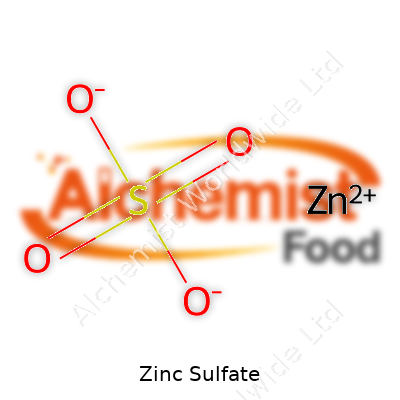
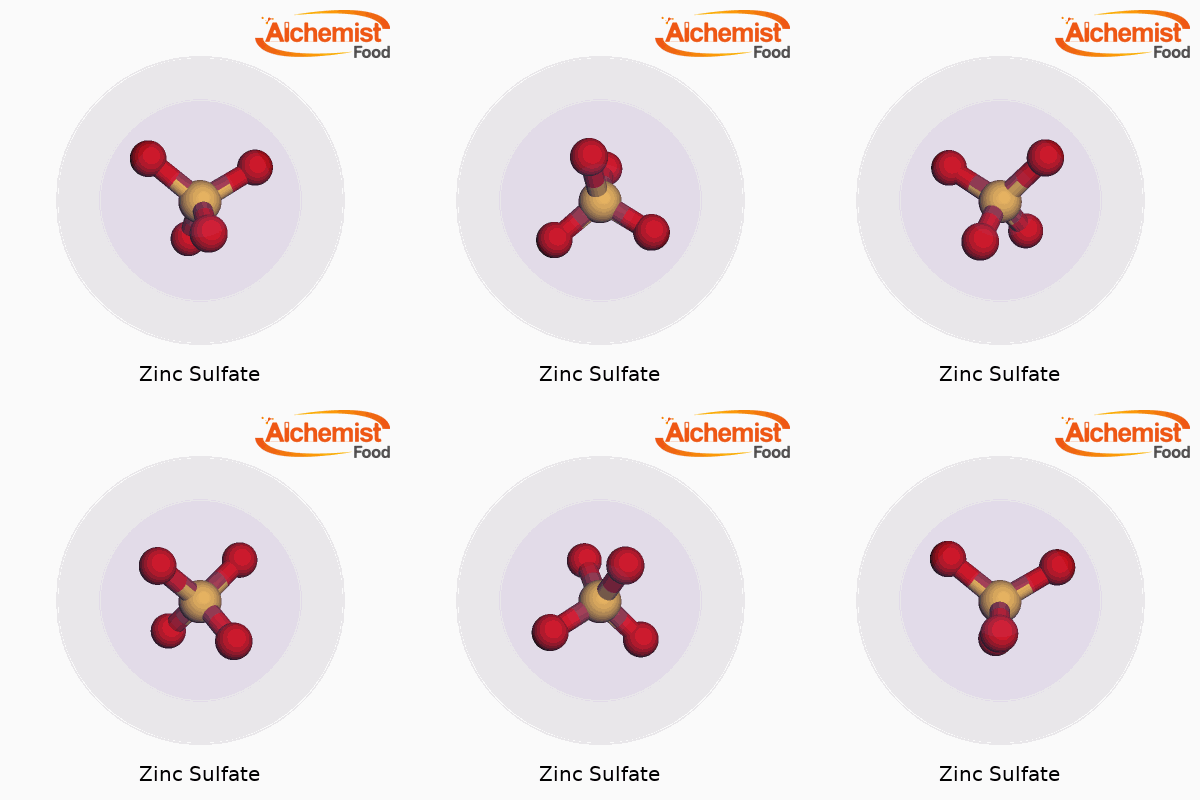
| Names | |
| Preferred IUPAC name | zinc sulfate |
| Other names |
White Vitriol Zinc Sulphate Sulfuric acid, zinc salt Goslarite ZnSO4 |
| Pronunciation | /ˈzɪŋk ˈsʌl.feɪt/ |
| Preferred IUPAC name | sulfato de zinc |
| Other names |
Zinc sulfate White vitriol Zinc sulphate Sulfuric acid, zinc salt (1:1) Zinci sulfas |
| Pronunciation | /ˈzɪŋk ˈsʌl.feɪt/ |
| Identifiers | |
| CAS Number | 7733-02-0 |
| Beilstein Reference | 1209227 |
| ChEBI | CHEBI:35176 |
| ChEMBL | CHEMBL1200340 |
| ChemSpider | 20743929 |
| DrugBank | DB09322 |
| ECHA InfoCard | 03d3e372-07b3-4347-a0c7-5f0170c9a904 |
| EC Number | 231-793-3 |
| Gmelin Reference | Gmelin Reference: 1451 |
| KEGG | C14818 |
| MeSH | D015928 |
| PubChem CID | 24424 |
| RTECS number | ZH5300000 |
| UNII | NRN8055739 |
| UN number | UN3077 |
| CAS Number | 7733-02-0 |
| Beilstein Reference | 82742 |
| ChEBI | CHEBI:35176 |
| ChEMBL | CHEMBL1359 |
| ChemSpider | 21513 |
| DrugBank | DB09322 |
| ECHA InfoCard | 031461839041-52-7 |
| EC Number | 231-793-3 |
| Gmelin Reference | Gmelin Reference: 7048 |
| KEGG | C01452 |
| MeSH | D015928 |
| PubChem CID | 24819 |
| RTECS number | ZH5300001 |
| UNII | 0J9Z5X6Z1G |
| UN number | UN3077 |
| Properties | |
| Chemical formula | ZnSO4 |
| Molar mass | 161.47 g/mol |
| Appearance | White powder or colorless crystals |
| Odor | Odorless |
| Density | 4.39 g/cm³ |
| Solubility in water | 965 g/L (20 °C) |
| log P | -4.2 |
| Vapor pressure | Negligible |
| Acidity (pKa) | 4.4 |
| Basicity (pKb) | 4.7 |
| Magnetic susceptibility (χ) | Diamagnetic |
| Refractive index (nD) | 1.69 |
| Dipole moment | 0 D |
| Chemical formula | ZnSO4 |
| Molar mass | 161.47 g/mol |
| Appearance | White, odorless, crystalline powder or granules |
| Odor | Odorless |
| Density | 3.54 g/cm³ |
| Solubility in water | 580 g/L (20 °C) |
| log P | -4.2 |
| Vapor pressure | Negligible |
| Acidity (pKa) | 4.4 |
| Magnetic susceptibility (χ) | -2.2·10⁻⁶ |
| Refractive index (nD) | 1.6 |
| Dipole moment | 0 Debye |
| Thermochemistry | |
| Std molar entropy (S⦵298) | 110.5 J·mol⁻¹·K⁻¹ |
| Std enthalpy of formation (ΔfH⦵298) | -980.0 kJ/mol |
| Std molar entropy (S⦵298) | 110.5 J/(mol·K) |
| Std enthalpy of formation (ΔfH⦵298) | -982.0 kJ/mol |
| Std enthalpy of combustion (ΔcH⦵298) | -770 kJ/mol |
| Pharmacology | |
| ATC code | A12CB01 |
| ATC code | A12CB01 |
| Hazards | |
| Main hazards | Irritating to eyes, skin, and respiratory tract; harmful if swallowed; may cause environmental damage. |
| GHS labelling | GHS07, GHS09 |
| Pictograms | GHS05,GHS07 |
| Signal word | Warning |
| Hazard statements | H302, H318 |
| Precautionary statements | P264, P270, P273, P301+P312, P330, P391, P501 |
| NFPA 704 (fire diamond) | 2-0-1 |
| Lethal dose or concentration | LD50 Rat oral 2,150 mg/kg |
| LD50 (median dose) | LD50 (median dose) of Zinc Sulfate: "1710 mg/kg (oral, rat) |
| NIOSH | ZN3500000 |
| PEL (Permissible) | PEL (Permissible Exposure Limit) for Zinc Sulfate: 15 mg/m³ (total dust), 5 mg/m³ (respirable fraction) |
| REL (Recommended) | 30 mg/day |
| IDLH (Immediate danger) | Not listed. |
| Main hazards | Harmful if swallowed. Causes serious eye irritation. Causes skin irritation. May cause respiratory irritation. |
| GHS labelling | GHS07, GHS09 |
| Pictograms | GHS05,GHS07 |
| Signal word | Warning |
| Hazard statements | Hazard statements: "H302, H315, H318, H410 |
| Precautionary statements | P264, P270, P273, P301+P312, P330, P501 |
| NFPA 704 (fire diamond) | 2-0-1 |
| Lethal dose or concentration | LD50 oral rat 2150 mg/kg |
| LD50 (median dose) | LD50 (median dose): Rat oral 2,849 mg/kg |
| NIOSH | ZN028 |
| PEL (Permissible) | PEL = "15 mg/m3 (total dust), 5 mg/m3 (respirable fraction) |
| REL (Recommended) | 30 mg/day |
| Related compounds | |
| Related compounds |
Zinc chloride Zinc nitrate Zinc carbonate Zinc acetate Magnesium sulfate Copper(II) sulfate |
| Related compounds |
Zinc chloride Zinc nitrate Zinc carbonate Zinc acetate Copper(II) sulfate Magnesium sulfate |



