Zinc Oxide: Looking Closer at an Old Essential
Historical Development
Before composite materials swept through the industrial world, zinc oxide had carved out a legacy all its own. Old records from Asia point toward zinc ore as a medicinal powder, showing up centuries ago on wound dressings and skin ailments. Artisans in 18th-century Europe shifted focus from base metals to refining zinc oxide, fueling its early days in paints, ceramics, and glass. Innovations appeared fast once chemists isolated methods for consistent production. The French process, named after LeClaire in the 19th century, transformed zinc metal into white, powdery oxide with high purity. Factories churned out vast amounts for paints and rubber, cementing its place in growing economies. Progress did not stand still. American chemists in the early 1900s perfected the indirect (French) and direct (American) processes, supporting industries eager for everything from tires to batteries. On every continent, you find traces of zinc oxide’s march forward—sometimes overlooked, but always present.
Product Overview
In modern supply chains, zinc oxide shows up as a fine white powder. Manufacturers value consistent particle size, tight purity standards, and versatility. You can spot it by its slightly astringent smell and its chalky, satiny feel between your fingers. Makers ship it in sturdy bags or silo containers, watching out for moisture and contamination. On warehouse shelves behind locked doors, labels carry trade names, batch numbers, and purity ratings—often above 99 percent for industrial grade. Big chemical giants tout proprietary brands with minor tweaks that promise lower contaminants, tighter controls, or specialized application strength. You’ll find zinc oxide serving as a pigment in paints, a UV filter in personal care goods, a vulcanization accelerator in tires, and a trace nutrient in animal feed. Everyday life incorporates it far more often than most realize.
Physical & Chemical Properties
Chemically, zinc oxide carries the formula ZnO. At room temperature, it stands as a white, insoluble solid. Temperatures above 1975°F (about 1079°C) prompt it to sublimate, making it a reliable marker of heat in manufacturing. This oxide blocks visible and ultraviolet light, which explains its role in sunscreens and protective coatings. Electrical conductivity runs low, but certain crystal forms act as semiconductors, spurring interest in microelectronics. Insolubility in water keeps it intact, but dilute acids break it down, releasing zinc ions. At a closer glance, its hexagonal crystal structure locks in chemical stability. Particles come in a wide range—submicron for electronics, up to 5 microns for bulk powders. At high temperatures, this oxide glows in yellow, reverting to white on cooling—a trait noticed by early glassmakers working at blast furnaces.
Technical Specifications & Labeling
Technical data sheets lay out clear demands for industrial buyers. Purity sits above 99 percent for most paint and pharmaceutical batches, but rubber use sometimes tolerates 98 percent. Particle size distribution falls in a critical range, with D50 values (average diameter) between 0.1 and 2.5 microns for most specialty applications. Moisture content stays below 0.5 percent. Manufacturers disclose residual lead, cadmium, and arsenic, as even low traces draw scrutiny near food or cosmetics. Lot numbers track each drum to its factory origin. Labels include UN numbers for transport and GHS symbols alerting to inhalation risk. Workers expect hazard sheets with each shipment, often stored digitally for instant retrieval. Specialists pore over all these figures, knowing that even a tiny impurity can shift electrical or optical performance down the line.
Preparation Method
Makers derive zinc oxide from two main routes—indirect and direct methods. The indirect process vaporizes pure zinc metal, which reacts with air in high-temperature chambers to yield ultra-white, fine powder. The direct process, on the other hand, starts from natural zinc ores. Ores react with carbon in firing kilns, producing crude zinc vapors that oxidize to form zinc oxide. Only purification steps pull the end product up to a pharmaceutical standard. There’s also a wet-chemical route where zinc sulfate or chloride gets neutralized with alkali, leading to a precipitate that dries into usable powder. Each approach shapes particle size and purity, which workers monitor with x-ray diffraction, sieves, and spectral analysis. Factories blend new technologies—like controlled-atmosphere furnaces and computer-regulated feedstock monitoring—to keep every shipment within spec, a task that doesn’t forgive shortcuts.
Chemical Reactions & Modifications
Zinc oxide stands out for its stable, amphoteric behavior, reacting both as a base and an acid. In strong acids, it yields soluble zinc salts. In alkali, zincate ions form, which then play a role in chemical syntheses and electroplating. High-energy applications drive research into doping zinc oxide with small amounts of transition metals, which open up optical, electrical, and magnetic effects unseen in the pure compound. Modern labs experiment with surface modifications, often by attaching organosilicon or titanate groups, to increase compatibility with plastics and coatings. Photocatalytic versions help break down pollutants under sunlight, carving a promising path in environmental cleanup. Engineers find room for innovation at every corner—new particle morphologies, core-shell structures, and hybrid composites keep the zinc oxide portfolio moving well beyond its original uses.
Synonyms & Product Names
On paperwork and regulatory forms, zinc oxide travels under many aliases. Common synonyms include “white seal,” “zinc white,” and “philosopher’s wool,” a phrase dating back to medieval alchemists. You might spot catalog listings for “flowers of zinc” or “oxozinc,” especially in older texts. Each distributor offers its own house-code: Zano, Z-Cote, and Nanox for sunscreen-ready powders, for example. Ceramics and glass catalogs also refer to “China white.” These alternate names often hint at the powder's particle size or coating chemistry, signaling to experienced users that not all zinc oxide fits every job.
Safety & Operational Standards
Workshops and labs handle zinc oxide with fixed rules. Inhalation poses the greatest risk, as breathing in fines or dust can cause metal fume fever—an occupational hazard known for aching muscles and fever that mimics flu. Regulatory bodies—including OSHA, NIOSH, and the European Chemicals Agency—set exposure thresholds, often at 5 mg/m³ for workplace air. Workers gear up with dust masks and forced-ventilation booths, while production lines run under strict dust-control protocols. Material Safety Data Sheets (MSDS) detail spill procedures, fire hazards, and medical responses for acute overexposure. In shipping, classifying zinc oxide as a non-flammable, non-corrosive substance leaves most regulatory controls to clean-up and respiratory protection. Attention to housekeeping and periodic air sampling keeps risk low even on high-output lines.
Application Area
Zinc oxide features in so many products that you nearly have to look for its absence, not its presence. Tire factories rely on it for vulcanizing rubber, increasing durability and resistance to wear. Sunscreen formulas use ultra-fine particles that block both UVA and UVB rays without irritating skin—a sharp improvement over early sunblocks relying on greasy or irritating agents. Ceramic glazes and glassmakers count on zinc oxide for whiteness, luster, and ultra-clean melting behavior. Paints and coatings use it not only as a pigment but as a mildew and corrosion inhibitor. Animal feed premixes get zinc oxide for its role as an essential nutrient, promoting healthy growth in hogs, poultry, and cattle. In electronics, thin films allow semiconducting behavior critical for sensors and transparent conductors. Even over-the-counter creams for eczema, diaper rash, or minor burns draw performance from this trusty white powder.
Research & Development
Academic labs and corporate R&D centers keep expanding zinc oxide’s reach. Nanoparticles take center stage—engineers tune them for narrow bandgap semiconductors, piezoelectric sensors, and high-sensitivity photodetectors. Composites incorporating zinc oxide whiskers or rods find their way into lightweight batteries, flexible electronics, and antimicrobial surfaces. Research into quantum dots coupled with zinc oxide opens up new data storage and display applications. Scientists investigate how altering crystal structure or doping alters everything from luminescence to magnetism. In medicine, zinc oxide nanoparticles see use as potential drug carriers and as antibacterial coatings for medical devices. Arguments continue regarding how small particle size tweaks toxicology or bioactivity, with regulatory agencies watching lab claims closely. No single version of zinc oxide will solve every problem, so teams pursue tailored approaches, ensuring innovation remains practical as well as inventive.
Toxicity Research
Toxicologists pay close attention to zinc oxide, especially at the nanoscale. Inhaled powders can trigger short-term inflammation in lung tissue, yet full-blown chronic disease remains rare with workplace protections. Oral toxicity lies low: the body manages small zinc intakes through natural metabolic pathways. Nanoparticles raise more questions because their shape and surface area may heighten interaction with living tissues. Some studies suggest oxidative stress in cultured cells at high concentrations, but animal models and real-world exposure scenarios often fail to show lasting harm where protective protocols are respected. Regulatory guidance for cosmetics and sunscreens draws from hundreds of studies, with agencies like the US FDA and EU SCCS reviewing risks before approval. Environmental releases draw review, too, especially near water sources, since high zinc levels disrupt aquatic organisms. Good stewardship over waste streams and adherence to established exposure limits keep both workers and the public safe as zinc oxide plays its many roles.
Future Prospects
Opportunities grow for zinc oxide in the decades ahead. Demand for non-toxic, broad-spectrum UV blockers fuels new sunscreen and coating technologies. Flexible electronics and wearable sensors count on zinc oxide’s piezoelectric and semiconducting traits, especially as researchers shrink circuits deeper into the nanoscale level. Environmental uses—air and water purification, antimicrobial coatings, solar energy harvesting—continue to drive innovation. The market shifts toward greener, sustainable manufacturing routes, aiming to cut energy input and greenhouse gas emissions while recycling process waste. Regulatory agencies push for even stricter purity and documentation, especially near consumer goods. At trade shows and technical conferences, you hear suppliers and startups promising even smarter, safer formulations. Zinc oxide, once mined and milled for humble paint, now anchors a toolkit that shapes emerging technology, modern medicine, and ecological stewardship.
What are the main uses of Zinc Oxide?
Zinc Oxide in Everyday Products
Zinc oxide shows up in places most people don’t expect, often right at home. Flip over a bottle of sunscreen and the odd white cast on your skin often has zinc oxide to thank. This mineral blocks both UVA and UVB rays, which helps keep skin safer than many chemical filters. Dermatologists recommend it for sensitive skin, babies, or people who want to lower the risk of irritation. That white residue might not win style points, but it guards against real sun damage and has long-term health benefits.
People also find zinc oxide in diaper rash creams, calamine lotion, and some acne treatments. Anybody who’s cared for a baby can vouch for the relief zinc oxide brings when dealing with diaper rash and irritated skin. It helps form a barrier over the skin that keeps moisture and irritants out. Even adults with seasonal rashes or dry patches will see it on ingredient lists at the pharmacy.
Zinc Oxide in Industry
Beyond the bathroom shelf, zinc oxide plays a crucial part in making rubber tires strong and springy. Rubber industries rely on it as a curing agent. Tires without this compound break down faster and wear unevenly, risking safety on the road. The same trick applies to rubber belts, hoses, and shoe soles. Factory workers in these settings know how consistent quality zinc oxide keeps machinery moving safely and products lasting longer.
Paint makers often lean on zinc oxide too. Painters and builders might remember the days when mildew showed up quickly on exterior coats, especially in damp places. Zinc oxide in paint stops fungi and mold from settling in. This makes homes, hospitals, and schools healthier spaces by reducing those black splotches on ceilings and walls.
Electronics and Renewable Energy
Recent years have seen zinc oxide enter tech and green energy spaces. Smartphone screens, solar panels, and even sensors for smart devices use thin films made from this material. Its transparency and ability to conduct electricity make it suitable for touchscreens and LEDs, powering displays we all use daily. Research in solar panel manufacturing has found that adding zinc oxide boosts efficiency, making clean energy more affordable.
Opportunities and Challenges
The range of zinc oxide uses comes from both tradition and innovation. Centuries ago, people used it to soothe skin. Now, it helps society build safer cars, longer-lasting buildings, and clearer electronic displays. This wide use isn’t without tradeoffs. Mining and refining zinc challenges both environmental and health standards. Sustainable sourcing and recycling efforts need more attention, especially as demand grows in renewable energy and electronics.
In my experience, communities that keep public conversations open about material sourcing often push companies to raise their environmental standards. Factories using recycled zinc or safer extraction methods tend to build more trust. Educators and consumers who learn where these materials come from help hold industries accountable. Solutions lie in innovation, community pressure, and clear labeling—things that benefit both people and the planet.
Is Zinc Oxide safe for skin applications?
The Role of Zinc Oxide in Skincare
Zinc oxide often pops up in mineral sunscreens, diaper rash creams, and daily moisturizers. For years, it has built a reputation as a reliable physical blocker against UV rays. Spending much of my own time outside, almost every dermatologist I've visited has pointed me right to zinc as a go-to for sun protection, especially for sensitive skin. The ingredient forms a thin layer on the surface, reflecting both UVA and UVB rays. People looking for gentle options—anyone dealing with acne, rosacea, or allergies—often breathe easier knowing zinc oxide avoids the sting and irritation found with some chemical filters.
What Science Says About Absorption and Safety
Worries about nanoparticles or overall safety sometimes come up, especially with mineral sunscreens. The FDA and a range of dermatologists recognize zinc oxide as a safe and effective active when used externally. Studies published by journals like Photodermatology, Photoimmunology & Photomedicine have shown that even the nano-sized versions don’t penetrate beyond the outer layer of dead skin cells. Most of the evidence points out that zinc oxide stays where it’s supposed to—on top. The Environmental Working Group (EWG) has given zinc oxide some of its best safety scores for sun protection. Even for babies, zinc oxide forms the basis for trusted products like Desitin and Boudreaux’s Butt Paste.
Skin Health and Allergic Reactions
Few ingredients get through life with a spotless record, but zinc oxide comes close. Allergic reactions show up rarely. The American Academy of Dermatology notes that it tends to calm, not trigger, inflammation. Someone struggling with breakouts or red patches often finds relief with zinc-based creams instead of extra redness or burning. From my own testing of dozens of sunscreens and soothing balms, formulas with zinc oxide tend to feel gentle. The finish can sometimes look a little white or chalky, which frustrates some people with deeper skin tones. Much of the talk about reformulation and transparency in sunscreen choices centers around ways to reduce this white cast without compromising safety.
Product Types and Precautions
Not every product containing zinc oxide looks or works the same way. Some thin lotions combine zinc with plant oils to smooth application. Sport sunscreens or water-resistant sticks sometimes add waxes for extra staying power. It helps to check the ingredient list for anything that could personally trigger irritation—some fragrances or preservatives can make a well-intentioned product less friendly. Applying zinc oxide in thick layers day after day rarely causes buildup or clogged pores, according to both the Mayo Clinic and Cleveland Clinic, but thorough cleansing at night helps avoid any lingering residue.
My Take: Transparency, Testing, and Smart Choices
People want to know what they’re putting on themselves and their children. Zinc oxide remains a trustworthy ingredient, so long as you’re using reputable brands that publish their third-party testing and comply with safety standards. Those with particular sensitivities sometimes patch test new sunscreens or soothing balms. More companies should list percentages of active minerals on their labels and keep ingredient panels simple. For anyone with doubts, checking with a dermatologist or pediatrician brings peace of mind. As regulations evolve and more data rolls in, sticking with well-reviewed, zinc-based products offers strong protection and keeps daily routines simple.
What are the benefits of Zinc Oxide in sunscreens?
Why Choose Zinc Oxide?
Sunscreen labels often list a jumble of ingredients, but zinc oxide stands out on my shopping trip for a reason: it shields skin from both UVA and UVB rays. Many filters handle only one side of the solar spectrum, but zinc oxide covers all the bases. On long, sunny hikes, I look for it because missing out on UVA protection risks deeper skin damage—wrinkles, age spots, and in some cases, a higher chance of skin cancer. Research from the Skin Cancer Foundation backs this up, pointing out how zinc oxide offers broad-spectrum coverage.
Gentle on Sensitive Skin
Plenty of folks, myself included, have struggled with sunscreens that sting around the eyes or spark a rash within minutes. Some chemical UV filters can irritate skin, a common story among parents of young kids or allergy-prone adults. Zinc oxide doesn’t soak in and react with the skin. It sits on top and reflects rays away—no stinging or burning sensation, just simple protection. Pediatricians and dermatologists have recommended zinc oxide for babies for years, especially for those with eczema or sensitive spots.
Physical Barrier, Not a Chemical One
Many chemical filters need to be absorbed into the skin to do their work, and some break down in sunlight, raising concerns about stability and long-term exposure. No one wants to worry about whether sunscreen’s working as sweat drips down after an hour outdoors. Zinc oxide, though, acts as a physical shield. It blocks rays from the start and stays effective for long stretches, making it a solid choice for sports and swimming. If you’ve stood on the sidelines of a kids’ soccer game in July, you know reapplying every hour isn’t always practical—zinc oxide has your back for longer.
Safety for People and the Planet
Concerns run deeper than just healthy skin. In recent years, studies have shown that certain chemical sunscreens can harm coral reefs and disrupt marine life. Hawaii and other regions have banned oxybenzone and octinoxate for this very reason. Zinc oxide tops many lists for reef-safe sun protection. As a non-nano mineral, it doesn’t dissolve or interact with sea environments the way some synthetic chemicals do. So when families slather up before snorkeling, they’re not just protecting themselves—they’re avoiding harm to fragile ocean ecosystems.
Better Texture and Wearability Than Ever
Some folks remember zinc oxide as the thick, chalky paste lifeguards wore across their noses. That texture lingers in a lot of memories, but formulators have made huge strides. Modern mineral sunscreens go on smoothly, and newer micronized forms avoid that ghostly white streak. Looking into recent technical advances, the American Academy of Dermatology reports growing popularity for these improvements. So now, people with deeper skin tones or makeup wearers can get full protection without that notorious white cast.
Making the Switch
Reliable sun protection matters more than just about any other self-care product, and zinc oxide answers many needs at once. Its benefits touch on health, convenience, family safety, and responsibility to the larger environment. Picking up a tube with zinc oxide means making a smart, well-supported choice backed by science and dermatologist experience. The world outside won’t stop for long ingredient lists, but it rewards genuine protection and less worry—qualities zinc oxide brings to every beach bag and hiking backpack.
Are there any side effects of using Zinc Oxide products?
Digging Into Zinc Oxide: Not Just for Sunscreen
Zinc oxide has built a solid reputation on drugstore shelves, especially in summer. It shows up in sunscreens, diaper rash creams, powders, and even wound-care ointments. Anyone who’s ever juggled a squirming baby or worried about sunburn probably knows that thick, white cream. Some folks even swear by it for spot-treating acne. The reason? Zinc oxide acts as a physical barrier against UV rays and soothes the skin when it’s raw or irritated.
Still, any product that goes on or in the body deserves more than just a pat on the back and a quick scan through an ingredients list. Having used sunscreen nearly every day since a bad sunburn in my teen years, I started reading up on what’s actually in the stuff after a friend with sensitive skin reacted badly one summer. Is zinc oxide as harmless as it feels?
Possible Side Effects From Real-World Experiences
Most people use zinc oxide without a hitch. For many, it stays on the surface and does its job, then washes off with soap and water. Problems don’t pop up for most users. But anyone with thin or sensitive skin, allergies, broken skin, or a tendency to react to new products should know what can go wrong.
Redness, itching, stinging, or dryness can surprise the unlucky few. This sort of irritation comes up once in a while for people who try a new zinc oxide sunscreen, especially children or adults with eczema. One study in the Journal of the American Academy of Dermatology lists allergic contact dermatitis as a fairly rare possibility, but certainly not unheard of. Tiny particles of zinc oxide don’t seem to get inside healthy skin, but cracked or injured skin may let some in, making reactions more likely. Eyelids, lips, or open wound areas are usually most sensitive.
Sunscreen sprays and powders add more wrinkles. Spraying powdery sunscreen in the air creates a risk of breathing in the zinc oxide. Breathing in tiny particles long-term can bother the lungs, particularly for people with asthma or chronic conditions. The FDA has flagged this, though current research doesn’t show regular sunscreen users face serious lung risk if they use the products as directed. Still, it pushes industry and consumers to think harder about powders and sprays versus creams, especially for kids.
The Bigger Picture: What The Science Says
Unlike some chemical sunscreen filters which may disrupt hormones or trigger allergies, zinc oxide has cleared most safety reviews for decades. The Environmental Working Group rates zinc oxide among the safest choices, since it doesn’t break down in sunlight or get absorbed into the bloodstream in large amounts.
But no chemical deserves a free pass. To protect yourself, checking labels matters. Manufacturer quality can shift, and not all zinc oxide products guarantee purity or avoid sneaking in troubling fillers. Medical advice counts for people with chronic skin conditions, since a professional can flag if a breakout or rash might come from zinc or something else mixed into a tube.
Finding Smarter Solutions: What Consumers Can Do
Spot-testing a small area on forearm skin helps catch a reaction before it spreads. Keeping zinc oxide off broken or inflamed skin also lowers risk, unless your doctor tells you otherwise. Avoiding spray forms, especially around kids, avoids breathing in particles. For babies or anyone with loads of allergies, look for formulas with as few extra ingredients as possible.
If redness or bumps appear, washing the product off quickly and switching to a gentler product never hurts. Anyone who’s had a nasty reaction, shouldn’t give up on sun or rash protection entirely—just consult a dermatologist, since there’s almost always another option. Understanding what we put on or in our bodies is worth the time, even with something as old-school as zinc oxide.
Is Zinc Oxide suitable for sensitive skin types?
Getting Past the Industry Lingo
Walking through the skincare aisle, shelves burst with “sensitive skin friendly” labels promising gentle formulas. As someone who’s tried everything from oatmeal face masks to fragrance-free creams, the mineral zinc oxide stands out. Dermatologists keep talking about it, especially for people who want protection without redness or breakouts. Sunscreens and lotions using zinc oxide have built a solid reputation. Even people battling eczema or rosacea are encouraged to look at this ingredient. Zinc oxide dishes out broad-spectrum sun protection by sitting on the surface of the skin and reflecting UV rays. Chemical sunscreens, on the other hand, absorb rays and can cause stinging or small bumps.
Why So Many Dermatologists Recommend It
Doctors don’t just rely on theories or beauty trends. Strong evidence comes from clinical studies and decades of patient stories. About 10% to 15% of the population gets irritation from sun filters like oxybenzone or avobenzone. But zinc oxide rarely triggers such reactions. The particles are too large to be absorbed through healthy skin, so there’s little risk of systemic side effects. That’s a green light for people with allergies or chronic rashes.
Beyond that, zinc oxide shows real physical action. It deflects both UVA and UVB rays. Chemical sunscreens need half an hour before stepping into sunlight, but a zinc product gets to work right away. That payoff matters for anyone who forgets sunscreen until leaving the house (guilty as charged).
Personal Experience Wearing Zinc Sunscreens
Growing up with fair, easily irritated skin led me on a long hunt for something that wouldn’t itch or burn. A thin layer of zinc oxide cream meant I could play outside without flaring up. Over the years, I noticed that zinc products avoided triggering the burning sensation that came with chemical sunscreens or perfumed lotions. Studies show less stinging, less contact dermatitis, and stronger acceptance among people like me who feel every ingredient change.
What’s often left out of the conversation is that zinc oxide not only protects from sun but also calms inflammation. Physicians sometimes use it in diaper rash creams or anti-acne ointments. There’s strong research showing it helps with redness and even supports healing when used appropriately.
Things to Watch Out For
Some folks still worry about the white cast that zinc oxide leaves on darker skin tones, but newer formulations using micronized particles have improved. That comes with concerns about nanoparticles and safety, yet most research says non-nano zinc oxide doesn’t penetrate skin or cause harm. Checking for “non-nano” on the label and reading product reviews helps.
Despite all its benefits, it’s worth remembering that many lotions stack on extra dyes or fragrances. Even with zinc oxide, these extras can start a reaction. Look for simple ingredient lists, and patch-test on a small area first. People with severe allergies or a rare history of skin reactions should talk to a dermatologist before full use.
Practical Paths Forward
Manufacturers putting thought into formulas for sensitive skin is crucial. They can skip harsh preservatives and fragrances, keep ingredient lists short, and use verified safe grades of zinc oxide. As consumers, keeping notes about which products bring irritation can help narrow down the right fit. Reading labels and consulting trusted sources, like the American Academy of Dermatology or the National Eczema Association, offers solid guidance. If something stirs up the skin, taking a break and seeing a certified dermatologist always beats pushing through for the sake of finishing a bottle.
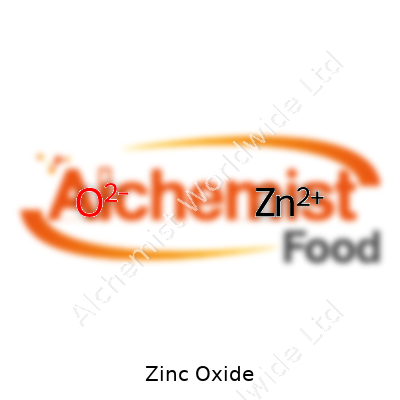
| Names | |
| Preferred IUPAC name | Oxidaneazanezinc |
| Other names |
Calamine Chinese White Piasma Flowers of zinc Zinc white C.I. Pigment White 4 ZnO |
| Pronunciation | /ˌzɪŋk ˈɒksaɪd/ |
| Preferred IUPAC name | zinc oxide |
| Other names |
C.I. Pigment White 4 Chinese white Zinc white Flowers of zinc |
| Pronunciation | /ˈzɪŋk ˈɒksaɪd/ |
| Identifiers | |
| CAS Number | 1314-13-2 |
| Beilstein Reference | 4098732 |
| ChEBI | CHEBI:3651 |
| ChEMBL | CHEMBL1201775 |
| ChemSpider | 14115 |
| DrugBank | DB09321 |
| ECHA InfoCard | 07e27fa8-5c9d-402f-99dc-57504d1267f4 |
| EC Number | 215-222-5 |
| Gmelin Reference | 763 |
| KEGG | C09904 |
| MeSH | D015928 |
| PubChem CID | 26686683 |
| RTECS number | ZINCOS0008 |
| UNII | SOI2LOH54Z |
| UN number | 3077 |
| CompTox Dashboard (EPA) | DTXSID2021594 |
| CAS Number | 1314-13-2 |
| Beilstein Reference | Beilstein Reference: 4128716 |
| ChEBI | CHEBI:3653 |
| ChEMBL | CHEMBL1201597 |
| ChemSpider | 8829 |
| DrugBank | DB09321 |
| ECHA InfoCard | 01afc6b8-0414-48de-b1be-2139f30d9d9b |
| EC Number | 215-222-5 |
| Gmelin Reference | 822 |
| KEGG | C07914 |
| MeSH | D015928 |
| PubChem CID | 24855753 |
| RTECS number | ZINC Oxide RTECS number: ZH4810000 |
| UNII | SOI2LOH54Z |
| UN number | UN3077 |
| Properties | |
| Chemical formula | ZnO |
| Molar mass | 81.38 g/mol |
| Appearance | White powder or nearly white powder |
| Odor | Odorless |
| Density | 5.61 g/cm3 |
| Solubility in water | Insoluble |
| log P | -0.07 |
| Vapor pressure | Negligible |
| Acidity (pKa) | Ionic (does not have a pKa) |
| Basicity (pKb) | 6.7 |
| Magnetic susceptibility (χ) | −0.000003 |
| Refractive index (nD) | 2.008 |
| Viscosity | Viscous liquid |
| Dipole moment | 0.000 D |
| Chemical formula | ZnO |
| Molar mass | 81.38 g/mol |
| Appearance | White powder or white to yellowish powder |
| Odor | Odorless |
| Density | 5.61 g/cm³ |
| Solubility in water | Insoluble |
| log P | -0.07 |
| Vapor pressure | Negligible |
| Acidity (pKa) | Ionic (does not have a pKa) |
| Basicity (pKb) | 6.2 |
| Magnetic susceptibility (χ) | +1600.0e-6 |
| Refractive index (nD) | 2.009 |
| Dipole moment | 0.0 D |
| Thermochemistry | |
| Std molar entropy (S⦵298) | 43.6 J·mol⁻¹·K⁻¹ |
| Std enthalpy of formation (ΔfH⦵298) | -348 kJ/mol |
| Std enthalpy of combustion (ΔcH⦵298) | –348 kJ/mol |
| Std molar entropy (S⦵298) | 43.6 J·mol⁻¹·K⁻¹ |
| Std enthalpy of formation (ΔfH⦵298) | -348.0 kJ/mol |
| Std enthalpy of combustion (ΔcH⦵298) | -348.0 kJ·mol⁻¹ |
| Pharmacology | |
| ATC code | D02AB02 |
| ATC code | D02AB02 |
| Hazards | |
| Main hazards | May cause respiratory irritation. May be harmful if swallowed or inhaled. Causes eye and skin irritation. |
| GHS labelling | GHS07, GHS09 |
| Pictograms | GHS07,GHS09 |
| Signal word | Warning |
| Hazard statements | H410: Very toxic to aquatic life with long lasting effects. |
| Precautionary statements | P264, P280, P302+P352, P305+P351+P338, P337+P313 |
| NFPA 704 (fire diamond) | Health: 1, Flammability: 0, Instability: 1, Special: - |
| Lethal dose or concentration | LD50 Oral - Rat - > 5,000 mg/kg |
| LD50 (median dose) | LD50 (median dose): Oral (rat): > 5000 mg/kg |
| NIOSH | ZN4810000 |
| PEL (Permissible) | PEL (Permissible Exposure Limit) for Zinc Oxide: "5 mg/m³ (respirable fraction), 15 mg/m³ (total dust) |
| REL (Recommended) | '10 mg/kg bw/d' |
| Main hazards | Causes eye, skin, and respiratory tract irritation; harmful if inhaled or swallowed; dust may cause mechanical irritation. |
| GHS labelling | GHS07, GHS09 |
| Pictograms | GHS07,GHS09 |
| Signal word | Warning |
| Hazard statements | H410: Very toxic to aquatic life with long lasting effects. |
| Precautionary statements | P264, P273, P280, P302+P352, P305+P351+P338, P332+P313, P362+P364 |
| NFPA 704 (fire diamond) | 2-0-0 |
| Explosive limits | Non-explosive |
| Lethal dose or concentration | LD50 Oral Rat: > 5000 mg/kg |
| LD50 (median dose) | LD50 (median dose): Oral-rat LD50 > 5,000 mg/kg |
| NIOSH | ZS7200000 |
| PEL (Permissible) | 5 mg/m³ |
| REL (Recommended) | 40 mg |
| IDLH (Immediate danger) | No IDLH established. |
| Related compounds | |
| Related compounds |
Zinc peroxide Zinc sulfide Zincite Iron oxide Aluminum oxide |
| Related compounds |
Zinc peroxide Zinc sulfide Zinc selenide Zinc telluride Zinc acetate Zinc chloride Zinc nitrate Zinc sulfate Cadmium oxide Mercury(II) oxide |



