Taurine: An In-Depth Commentary on Its Development, Uses, and Future
Historical Development of Taurine
Taurine drew the attention of early chemists in the 19th century, during a period packed with rapid discoveries in biological sciences. Scientists first identified it in ox bile, which explains the root of its name—‘Taurus’ meaning bull in Latin. As researchers dug deeper, they noticed its presence across a wide variety of animal tissues. Over decades, its importance unfolded step by step, not just as a curiosity but as a compound with roles in cellular health, energy metabolism, and beyond. Taurine’s journey moved from the shadows of obscure lab notes to a recognized player in nutrition and biochemistry. The transition wasn’t overnight. As lab techniques shifted from crude extractions to sophisticated chromatographic methods, researchers learned to pinpoint and quantify tiny amounts of taurine across different organisms. Its story parallels the general progress of laboratory science—a slow, steady accumulation of facts, building a case that this simple molecule deserved more attention.
Product Overview
Today, taurine surfaces everywhere: from supplement capsules on supermarket shelves to energy drinks, pet foods, and even clinical nutrition products. The market demand swelled as word spread about its supposed health perks and its physiological roles. Commercial taurine doesn’t stem from livestock anymore—the global appetite outstrips the capacity of any natural extraction, so nearly all of it comes from chemical synthesis. These products fall under strict regulations, with manufacturers guiding batch purity, form (powder, crystalline), and packaging to keep taurine stable and uncontaminated. Many supplement products advertise taurine doses in the range of 500 mg to 2 grams, sometimes blended with caffeine or B-vitamins. The commercial push comes not just from wellness trends but from clinical science acknowledging taurine’s place in heart health, sports recovery, and certain rare metabolic conditions.
Physical & Chemical Properties
Taurine’s chemical formula, C2H7NO3S, hosts a sulfonic acid group in place of the more common carboxylic acid found in most amino acids. This tweak makes taurine stand out, both in structure and in how it behaves in solution. Taurine looks like a white, odorless, crystalline powder at room temperature. It dissolves well in water—a bonus for practical use in foods and feeds—and doesn’t dissolve in organic solvents like ethanol or ether. Pure taurine resists heat and light pretty well, so shelf stability offers few headaches for manufacturers or consumers. Its melting point sits above 300°C, and it holds up well during standard processing or cooking methods, keeping its structure and function intact without forming toxic byproducts.
Technical Specifications & Labeling
Each taurine batch comes with technical sheets showing details like purity (typically above 98%), heavy metal content (lead, arsenic, mercury, cadmium usually must fall below 1-3 ppm), water content, and residue on ignition. The food and supplement industries demand clear labeling to trace lots, verify manufacturer location, and declare net content—regulators respond sternly if any cloud appears over taurine’s safety or composition. Many taurine labels also offer brief hints about vegan suitability, because today’s taurine comes from synthetic, not animal, routes. Ingredient labels under both FDA and EFSA guidelines group taurine alongside other permitted amino acid-like substances, with recommended daily intake levels based on the intended audience, whether adult, child, or pet.
Preparation Method
Taurine emerges from several methods, but industrial production mainly depends on the reaction of ethylene oxide with sodium bisulfite, then combining that intermediate with ammonia for ring opening and final conversion. Some processes use isethionic acid as a backbone to speed up intermediate steps. Every pathway aims to deliver high purity, low byproduct, and robust consistency from one batch to the next. Large-scale reactors run under controlled pressure, temperature, and pH regimes, with in-process monitoring checking yield and purity at crucial points. Strict environmental standards require plant operators to capture and recycle wastes, reduce power loads, and avoid dangerous byproducts—responsible production isn’t just an add-on; it is essential for both legal compliance and social responsibility.
Chemical Reactions & Modifications
Taurine’s chemistry revolves around the sulfonic acid group. Its main reactions involve forming salts with various metals, creating derivatives for medical or industrial use, and coupling with other amino acids for research. Cross-linking or derivatizing taurine allows pharmaceutical groups to tailor molecules for drug delivery or as tools for exploring cell membrane transport. Taurine doesn’t react with common oxidizers under normal conditions, so stability remains high in complex blends. Some scientists modify taurine’s structure to explore new therapeutic actions—altering its backbone or side groups can tweak how cells perceive or transport it. Despite its simplicity, taurine opens up chemical avenues for both routine manufacture and future molecules designed for specific health or industrial targets.
Synonyms & Product Names
Taurine picks up different names depending on the product context or region. Scientific literature often calls it 2-aminoethanesulfonic acid or simply tauric acid. Supplements might list it as l-taurine, even though its ‘L’ and ‘D’ forms don’t apply neatly in the classic sense of amino acids. Animal feed ingredients, especially in aquaculture or pet food, roll out taurine under standardized codes reflecting global commodity tracking systems. End-user products rarely confuse it with other ingredients, though cautious labeling avoids any reference to animals for vegan or vegetarian buyers. The International Union of Pure and Applied Chemistry recognizes its systematic name, but the global market sticks to ‘taurine’ for clarity and searchability.
Safety & Operational Standards
Taurine enjoys a strong safety profile at typical intake levels. Food safety authorities worldwide reviewed dozens of toxicity, metabolism, and metabolic studies before granting it “generally recognized as safe” status under common intake scenarios. Occupational safety—covering production, packaging, and transport—follows standard protocols: goggles and gloves for dust, venting in bulk operations, and spill containment for large container rupture. Packages carry hazard labels only for bulk powder, mainly for respiratory irritation. Supplement and beverage companies lean on good manufacturing practices (GMP) and quality testing—batch records and certificates of analysis track each stage from synthesis to point-of-sale. The sharp rise in consumer awareness pushes companies to disclose information up-front, which helps avoid regulatory slip-ups and protects user trust.
Application Area
Taurine’s reach crosses industries and disciplines. Energy drinks make up a huge slice of the global demand, marketing taurine’s role in focus and stamina support. Pet and aquaculture feeds lean on taurine’s vital functions—without it, many cats develop heart problems (dilated cardiomyopathy), and shrimp farming runs into stress and survival issues. Medical nutrition teams use taurine in patient formulas for premature infants and those with rare metabolic deficiencies. Sports recovery, vision health, and even anti-aging sectors turn to taurine, partly based on emerging data linking it to reduced oxidative stress and better cell protection in challenging environments. Beyond health, taurine finds use as a specialty chemical in analytical chemistry, surfactant formulations, and niche electroplating processes.
Research & Development
Academic and corporate labs push hard to unlock taurine’s deeper properties. Ongoing projects peer into taurine’s function at the cellular and systemic levels. Researchers study its effects in health conditions such as heart failure, diabetes, and neurodegenerative diseases. Preclinical work probes whether taurine can modulate neurotransmitters or shield cells from oxidative damage in brain and muscle. Drug developers modify taurine to create target delivery systems, banking on its ability to cross certain biological membranes more easily than bigger molecules. Longitudinal studies track taurine blood levels across large populations to tease out correlations between intake and chronic disease outcomes. Clinics in Asia and Europe run controlled trials checking if taurine-enriched meals deliver lasting changes in heart rate, recovery from exercise, or control of metabolic markers. What emerges from this flood of data is a portrait of taurine as a robust, flexible compound, with plenty of uses not yet tapped fully.
Toxicity Research
Long-term studies in animals and humans demonstrate that taurine stands well below risk thresholds for toxicity—doses up to several grams per day show few side effects in healthy adults. Some people loading up on multi-ingredient energy drinks experience jitters or gastrointestinal upset, but research pins those mostly on caffeine or other stimulants. High-dose taurine trials keep finding that the body efficiently clears excess via urine, leaving few traces behind after short half-lives. Regulatory agencies flag caution mainly for those with kidney impairment or special metabolic disorders. Scientists seldom find taurine participating in harmful reactions within food or biological systems, which upgrades its profile as a safe choice for food enrichment or supplementation. Still, researchers keep searching—each new big data review seeks out links between long-term, high-level taurine intake and rare adverse events, aiming to spot issues before they scale out to whole populations.
Future Prospects
The future for taurine stretches wide open. The ever-expanding field of personalized nutrition hints at using taurine in tailored regimens for genetic or lifestyle groups. Advances in plant-based protein foods raise demand for taurine fortification, especially in products for pets—many of which lack natural sources in vegan formulations. Research into its antioxidant and anti-inflammatory potential pushes taurine toward new clinical applications, from metabolic disease management to protection during cancer therapy. Synthetic biology may soon deliver more efficient, eco-friendly routes that shrink the environmental footprint and open up new supply chains. As the world’s population grows and ages, interest in compounds like taurine rises—not out of hype, but as a steady answer in the search for proven, well-understood nutritional tools. Leaders in science, industry, and public health will keep watching taurine’s story as new discoveries nudge it into more roles, proving there’s plenty left to learn and plenty of use for this unassuming but essential molecule.
What is taurine and what are its benefits?
The Basics of Taurine
Taurine, an amino acid your body makes naturally, plays a role far bigger than most folks realize. It pops up all over, from energy drinks to pet food labels, but most don’t exactly know what it does. Taurine isn’t like the building block amino acids that chain together for protein. Instead, it helps manage key processes: balancing fluids, supporting nerves, and keeping heartbeats steady.
Heart and Blood Benefits
For the heart, taurine comes up as a defender. Studies link higher taurine to reduced risk of heart disease. In my own family, high blood pressure runs like an unwelcome guest. I pay close attention to anything that helps. Small clinical trials have shown that people with borderline hypertension who supplement with taurine sometimes see modest drops in their numbers. This matters for folks hunting for natural options besides medication alone. It’s not a magic bullet, but it looks helpful, especially alongside a better diet and more activity.
Brain and Nerves
Taurine earns credit for helping the brain send signals. People with epilepsy sometimes show lower taurine levels, though doctors still debate the significance. In mouse studies, adding taurine often leads to calmer nerves and better memory, though this hasn’t fully translated to humans. I talked to a neurologist a few months ago who pointed out that taurine’s calming effect on the brain’s excitability could explain why some energy drinks leave people less jittery than pure caffeine shots.
Exercise and Muscle Support
Athletes and gym-goers sometimes turn to taurine for its rumored boost in performance and recovery. Evidence supports faster recovery after intense workouts, less muscle soreness, and possibly less oxidative stress on muscle. I’ve felt that difference myself after using a sports drink with added taurine post-run. The science suggests taurine reduces inflammation and cell damage, letting muscles heal up a bit faster. Bodybuilders especially seem to value that edge when training hard several days in a row.
Eye Health and Diabetes Link
In the eye, taurine concentration runs high. Some people with retinal disorders show lower levels, leading scientists to explore connections. Experiments suggest taurine can guard the eye’s cells against degeneration, especially among older adults. Diabetes also pops up in taurine research. A Japanese cohort study found lower rates of diabetes in people with high taurine intake, possibly because taurine helps insulin do its job. It’s no substitute for lifestyle changes, but the evidence for support in metabolic health keeps growing.
Food Sources and Cautions
Taurine comes easy through a balanced diet. Animal foods pack it in: meat, fish, eggs, dairy. Vegetarians and vegans usually make their own; deficiencies are rare. Supplements flood the market, and energy drinks pour in big amounts. Overdoing it doesn’t look dangerous for most healthy adults. The European Food Safety Authority reviewed taurine dosages in energy drinks and found no consistent harm, though combining these drinks with alcohol or using them for long gaming sessions raises concerns, especially for young people. A moderate diet, paired with reasonable supplement use, gives most people more than enough.
Looking Forward
Doctors and researchers keep digging into taurine’s story, especially its impact on aging, chronic disease, and brain health. The best benefits still come from overall good habits: exercise, sleep, less junk food, and more whole meals. Taurine may offer a small boost along the way, but the basics always matter most.
Is taurine safe to consume daily?
Looking Beyond the Hype
Energy drinks and supplements keep tossing taurine into the mix. People want to know if it's safe to have taurine every day, especially since marketing makes it seem essential to both athletes and casual folks alike. My local grocery store keeps stacking energy drinks with taurine on the same shelf as bottled water, so I get why questions keep popping up. After looking into the science and listening to medical advice, I notice the story goes deeper than flashy ads suggest.
What Taurine Does Inside the Body
Taurine has roots in biology. It’s a sulfur-containing amino acid. Organs like the brain, heart, and eyes need it. My own routine includes checking labels, and it’s surprising to see taurine in not only energy drinks but also baby formula and pet food. The body makes taurine on its own, and most people get enough from meat, fish, and dairy. It plays a part in moving minerals in and out of cells, controlling nerve signals, and helping the heart stay steady.
Daily Safety in Practice
Experts like the European Food Safety Authority say up to three grams per day from supplements seems safe for healthy adults. That covers typical intakes from drinks and pills. Studies haven’t linked common doses to big health risks in healthy people, though the real risk comes from other ingredients—think caffeine and sugar—found in energy drinks. People mixing high doses with lots of caffeine or alcohol can end up shaky, restless, or worse.
I’ve talked with friends who train for sports or hit the gym regularly. Many say taurine gives a mild boost, sharpens focus, or eases post-workout soreness. Those effects don’t show up much if you already eat a protein-rich diet. Sometimes I get questions from family who worry about the ‘synthetic’ label. Research shows that manufactured taurine matches what’s found in natural foods, so purity isn’t the issue. Long-term effects from high supplementation stay murky, though, since few studies run for years on people downing several grams per day.
Who Should Be More Careful?
People with chronic health issues—especially kidney or heart trouble—should talk to a healthcare provider before reaching for supplements every day. Some evidence points to rare side effects like stomach pain or mild sores in high doses. Since taurine leaves the body in urine, kidneys do most of the work handling it. Caution makes sense for kids and teenagers, since their needs differ, and safe upper limits stay unclear for them. Pregnant or breastfeeding women get the standard advice: better to steer clear unless a doctor says otherwise.
How to Make Informed Choices
The best bet stays boring: eat balanced meals and stick to food-based sources. If someone feels drawn to daily taurine supplements or drinks, sticking below three grams each day fits with expert guidance. Watch out for added caffeine, since that’s usually the troublemaker. Some folks track their own reactions and cycle off supplements after a few weeks, checking how their bodies feel. No one size fits all, and honest conversations with healthcare professionals still beat guessing based on buzzwords.
Moving Toward Smart Habits
People keep searching for shortcuts to energy and better focus. In reality, taurine works best as part of a bigger health picture, not a magic bullet in a bottle. It pays to cut through the noise, look at science, and focus on basics: what you eat, how you move, and what you need for your own goals and limits.
What are the side effects of taurine supplements?
Energy Drinks and Taurine Hype
Walk into any grocery store, you’ll notice energy drinks and supplements flaunting taurine as a quick-acting booster. Taurine shows up in these products because it’s an amino acid that plays a role in muscle function, brain health, and metabolism. I remember my college days, relying on energy drinks for late-night study sessions. Back then, most of us never asked if the “extra kick” would eventually kick back.
Folks grab these drinks for a quick boost, but few pause to ask: “Does taurine cause trouble for my body?” Scientists have dug into this, and results deserve attention.
Common Side Effects and Who Feels Them
At reasonable doses, most healthy adults handle taurine with no trouble. The FDA gave it a “generally recognized as safe” label for up to 3,000 milligrams daily. But people don’t always stick to safe limits, especially with multiple servings or mixing supplements.
Nausea and stomach pain come up most often among complaints. I’ve seen friends chug drinks, then regret it as their guts twist in knots. Sometimes, loose stools follow. These symptoms warn that the body wants a break.
Other people report mild headaches or feeling a bit jittery, especially when they combine taurine with big doses of caffeine. Energy drinks mix several stimulants, making it tricky to blame one ingredient, but taurine often sits high on the ingredients list.
Who Really Needs to Watch Out?
For folks with kidney or liver issues, taurine can increase strain on organs meant to filter waste. The body produces its own taurine, so extra from a supplement adds stress, especially when organ function already runs slow. There’s not enough research on long-term, high-dose taurine use in these groups. I’ve heard doctors warn patients not to experiment.
Mixing energy drinks or taurine powder with alcohol poses bigger risks. Research shows possible heart rhythm problems when taurine and alcohol combine, and doctors worry about irregular heartbeats. Some young people ended up in emergency rooms, their hearts racing and blood pressure spiking.
Looking at the Science and Seeking Solutions
Doctors and researchers keep a close watch on new studies, searching for patterns. Most agree that moderation holds the key, just like with coffee. Maybe most people never feel side effects, but piling taurine on top of other stimulants brings up new problems. That’s especially true for teens or people with heart disease, diabetes, or high blood pressure.
Reading product labels matters more than ever. One energy drink might list 1,000 mg of taurine per can, and stacking two or three cans racks up the dose fast. Side effects hit harder the more you take.
Clearer public guidance could help—labels often don’t warn about possible stomach pain, heart palpitations, or other discomfort. Schools, parents, and healthcare professionals need to talk openly about risks and teach smart choices, rather than waiting until someone lands in urgent care.
The Takeaway for Everyday Life
Taurine shows promise for short-term support, but respect the limits. Personal experience and science both point to the same truth: listen to your body. If side effects show up or you’re dealing with other health problems, don’t muscle through them. Cut back, check in with a healthcare provider, and remember, an extra boost from a can or pill doesn’t replace sleep, good food, or a healthy routine.
How much taurine should I take per day?
Understanding Taurine Beyond the Hype
Taurine shows up on ingredient lists of energy drinks, supplements, and health powders. Folks in gyms talk it up for recovery and focus, while health forums buzz with talk of longevity and muscle performance. This rise in interest often brings up one simple question—how much taurine should you actually take each day?
Looking at the Science
Taurine comes naturally from meats, fish, and dairy, so most people get a baseline supply right from a balanced diet. A typical omnivorous menu gives around 40–400 mg daily through food alone. Some research points to taurine’s role in heart function, insulin sensitivity, brain development, and even in calming the nervous system. Most studies jump to much higher amounts, running trials at 1,000–3,000 mg a day for adults.
These higher doses get attention because they might offer protective effects for the heart or help with exercise fatigue in athletes. Data from clinical trials hasn’t turned up major safety concerns from supplementing up to 3,000 mg per day for several months. Anything beyond that, the evidence gets thin and some scientists worry about liver strain or possible drug interactions.
Listening to the Body
Taurine isn’t a ‘more is better’ story. I learned this lesson myself after trying a popular pre-workout powder, thinking the extra taurine would sharpen energy before lifting. Instead, I ended up with gut discomfort and hardly felt any performance edge. A few weeks later, I stuck with simple meals and found my energy more stable—no spike, no crash, and definitely no queasy stomach. Reading up on user experiences, I found a lot of people agreed: above a certain dose, the benefits plateau.
Talking to a family doctor helped clear up the confusion. He pointed out that science still explores long-term effects, and supplement labels often treat all adults as the same. What works for a 200-pound weightlifter doesn’t always fit a smaller, less-active person or someone with chronic health conditions. Consulting someone with clinical expertise allows for factoring in individual needs and medical history, especially for anyone taking blood pressure medicine or managing diabetes. Some drugs interact with taurine, and not all supplement companies follow strict quality controls.
Setting Realistic Expectations
Most healthy adults seem to land safely at 500–2,000 mg a day, either as a supplement or through combined food and drink intake. The European Food Safety Authority and several regulatory bodies set 3,000 mg per day as a practical upper safe limit, based on current data. Folks with kidney or liver concerns, pregnant women, and kids should generally avoid experimenting with high doses.
No supplement acts as a shortcut for good habits or balanced nutrition. Focusing too much on one compound can cause folks to miss bigger health factors—regular sleep, enough movement, less ultra-processed food, and managing stress. Taurine works as one piece in the puzzle of overall health, not a cure-all or miracle fix.
Weighing Options for Safety and Value
Anyone eyeing a taurine supplement should check independent lab tests and pick brands with transparent ingredient lists. Tracking changes in mood, sleep, energy, or digestion offers clues if a certain amount or timing helps or hinders. If curiosity stays high, talk things over with a healthcare provider to avoid problems or wasted money.
No one-size-fits-all answer exists, but the current science, lived experience, and professional advice all point to moderation and caution over chasing high doses. Health moves forward one choice at a time, not with a single supplement.
Is taurine suitable for vegetarians and vegans?
Looking Beyond the Label
Walk down any supplement aisle and you’ll spot taurine everywhere—often with promises of energy boosts and sharper focus. Plenty of vegetarians and vegans start to wonder if taking taurine lines up with their values since the word “amino acid” sounds tied to animal products. To figure out the truth, you need more than clever marketing: you need to know where taurine comes from, what the body actually does with it, and whether it fits plant-based living.
Sources Say: It's Complicated
Taurine first came from animal tissues long ago, which explains a lot of the confusion. It’s found in the hearts, brains, and muscles of meat and fish—places many plant-based folks avoid. Luckily, science stepped up. Today’s supplement taurine is usually made in labs by combining synthetic ingredients. No animal has to be involved, and the raw materials can be sourced without animal byproducts. Companies like Cargill and large pharmaceutical labs supply taurine this way, making it possible for most modern taurine supplements to fit vegan and vegetarian diets.
Checking the Fine Print
Labels don’t always shout about the source, yet some do mention “synthetic taurine” or carry a vegan certification stamp. That’s a clear path. If nothing’s stated, shoppers might want to write to the company or look for a product that confirms its vegan status. Personal experience matters to people who grew up reading labels before plant-based products went mainstream; being picky builds trust in what goes into the body.
Why Does Taurine Matter at All?
People follow plant-based eating for health, religion, or the environment—and taurine plays a role in heart, nerve, and eye function. Unlike some nutrients, humans don’t need taurine from food since the liver can produce it out of cysteine (an amino acid found in beans, whole grains, and nuts). Some groups, like premature infants, those with rare metabolic issues, and people with restricted diets, might produce less. Most healthy adults pulling protein from plant sources see no dip in taurine levels. For many vegans, that means no urgent need to gulp down supplements.
Marketing Versus Reality
Taurine's superstar status mostly comes from energy drinks and bodybuilding circles, but long-term studies show no clear link between extra taurine and supercharged performance in healthy people. Some claims rhyme with urban legend: tales promising cognitive miracles, biceps overnight, or “vitality.” Scientific reviews, such as one from the European Food Safety Authority, keep a level head about actual benefits and safety.
What Can Companies Do?
Honesty on the label wins loyalty. Brands that show precise sourcing and certifications remove confusion. Industry shifts toward full transparency, with verified vegan badges, help everyone, not just plant-based shoppers. Nutritionists and doctors should become familiar with synthetic taurine so they can reassure patients, especially those switching diets or managing tough conditions.
Commonsense for Everyday Choices
Vegetarians and vegans can usually take taurine made in today’s labs without compromise, as long as labels or company statements back it up. Sticking to simple, whole foods remains a grounding force for most plant-based eaters, with supplements filling special gaps. Less mystique, more fact-checking, and cautious buying—those habits matter far more than industry hype.
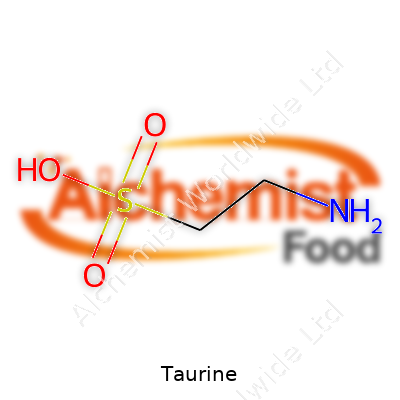
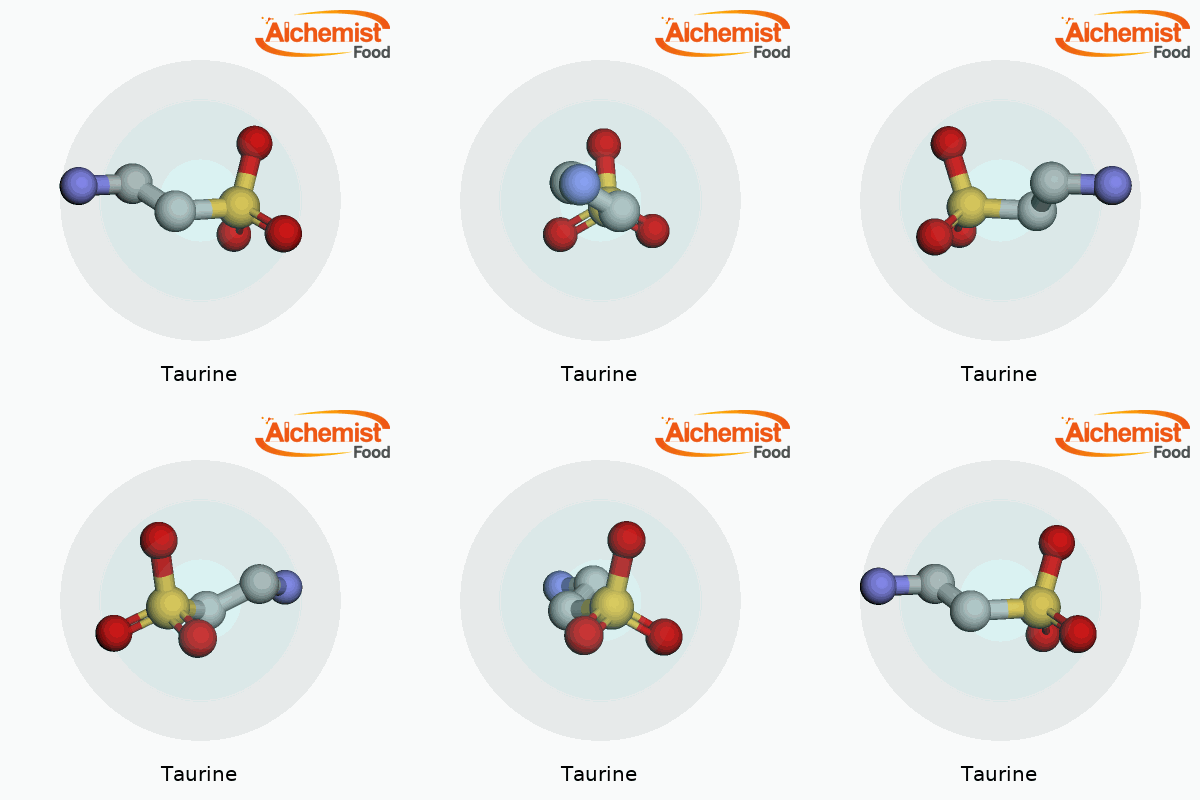
| Names | |
| Preferred IUPAC name | 2-aminoethane-1-sulfonic acid |
| Other names |
2-aminoethanesulfonic acid tauric acid β-aminoethanesulfonic acid |
| Pronunciation | /ˈtɔːriːn/ |
| Preferred IUPAC name | 2-aminoethanesulfonic acid |
| Other names |
2-aminoethanesulfonic acid Taurina Taurin |
| Pronunciation | /ˈtɔːriːn/ |
| Identifiers | |
| CAS Number | 107-35-7 |
| 3D model (JSmol) | Taurine JSmol 3D model string: ``` CCS(=O)(=O)N ``` |
| Beilstein Reference | 1718730 |
| ChEBI | CHEBI:15891 |
| ChEMBL | CHEMBL1125 |
| ChemSpider | 955 |
| DrugBank | DB01942 |
| ECHA InfoCard | 03fcb742-3290-4763-961d-7313d61f2bcb |
| EC Number | 3.7.1.1 |
| Gmelin Reference | 60747 |
| KEGG | C00245 |
| MeSH | D013761 |
| PubChem CID | 1063 |
| RTECS number | KJZ92N96FK |
| UNII | EWQ57Q8I5X |
| UN number | UN1326 |
| CompTox Dashboard (EPA) | DTXSID7020182 |
| CAS Number | 107-35-7 |
| Beilstein Reference | 1207934 |
| ChEBI | CHEBI:15891 |
| ChEMBL | CHEMBL1137 |
| ChemSpider | 986 |
| DrugBank | DB01944 |
| ECHA InfoCard | 100.007.465 |
| EC Number | 200-868-2 |
| Gmelin Reference | 71513 |
| KEGG | C00245 |
| MeSH | D013661 |
| PubChem CID | 1117 |
| RTECS number | WS0940000 |
| UNII | EW39Q5T28K |
| UN number | UN3077 |
| CompTox Dashboard (EPA) | DTXSID2021804 |
| Properties | |
| Chemical formula | C2H7NO3S |
| Molar mass | 125.15 g/mol |
| Appearance | White crystals or crystalline powder |
| Odor | Odorless |
| Density | 0.80 g/cm³ |
| Solubility in water | Soluble |
| log P | -2.8 |
| Vapor pressure | Negligible |
| Acidity (pKa) | 1.5 |
| Basicity (pKb) | -9.1 |
| Magnetic susceptibility (χ) | -28.8·10⁻⁶ cm³/mol |
| Refractive index (nD) | 1.651 |
| Dipole moment | 6.539 D |
| Chemical formula | C2H7NO3S |
| Molar mass | 125.15 g/mol |
| Appearance | White crystalline powder |
| Odor | Odorless |
| Density | 1.00 g/cm3 |
| Solubility in water | Soluble |
| log P | -2.8 |
| Vapor pressure | Decomposes |
| Acidity (pKa) | 1.5 (sulfonic acid), 8.74 (amino group) |
| Basicity (pKb) | 1.64 |
| Magnetic susceptibility (χ) | -27.4·10⁻⁶ cm³/mol |
| Refractive index (nD) | 1.607 |
| Dipole moment | 6.534 D |
| Thermochemistry | |
| Std molar entropy (S⦵298) | 111.6 J·mol⁻¹·K⁻¹ |
| Std enthalpy of formation (ΔfH⦵298) | -697.9 kJ/mol |
| Std enthalpy of combustion (ΔcH⦵298) | -334.6 kJ·mol⁻¹ |
| Std molar entropy (S⦵298) | 146.7 J·mol⁻¹·K⁻¹ |
| Std enthalpy of formation (ΔfH⦵298) | -641.3 kJ/mol |
| Std enthalpy of combustion (ΔcH⦵298) | -355.3 kJ/mol |
| Pharmacology | |
| ATC code | A16AA27 |
| ATC code | A16AA27 |
| Hazards | |
| Main hazards | May cause respiratory tract irritation. May cause eye irritation. May cause skin irritation. |
| GHS labelling | GHS07 |
| Pictograms | Xi; Xn |
| Signal word | No signal word |
| Hazard statements | Hazard statements: Not a hazardous substance or mixture according to Regulation (EC) No. 1272/2008. |
| Precautionary statements | P264, P270 |
| NFPA 704 (fire diamond) | 1-0-0 |
| Flash point | > 230 °C |
| Autoignition temperature | 450 °C |
| Lethal dose or concentration | LD50 (oral, rat): >5000 mg/kg |
| LD50 (median dose) | LD50: 42 g/kg (rat, oral) |
| NIOSH | ZE1810001 |
| PEL (Permissible) | Unestablished |
| REL (Recommended) | 2000 mg |
| GHS labelling | GHS07 |
| Pictograms | ☠️⚡💊 |
| Signal word | Warning |
| Hazard statements | H315, H319 |
| Precautionary statements | P264, P270 |
| NFPA 704 (fire diamond) | 1-0-0 |
| Flash point | >185 °C |
| Autoignition temperature | 350 °C (662 °F) |
| Lethal dose or concentration | LD50 (oral, rat): > 2000 mg/kg |
| LD50 (median dose) | LD50 (median dose) of Taurine: 42,000 mg/kg (rat, oral) |
| PEL (Permissible) | 3 mg/m3 |
| REL (Recommended) | 500-2000 mg per day |
| Related compounds | |
| Related compounds |
Homotaurine Isethionic acid Sulfinic acid Cysteic acid Taurocholic acid |
| Related compounds |
Homotaurine Taurocyamine Tauroursodeoxycholic acid (TUDCA) Isethionic acid Cysteamine Hypotaurine |



