Sulfur Dioxide: Unpacking Its Role in Industry, Science, and Safety
Historical Development
Sulfur dioxide plays a foundational role in the growth of modern chemical industries. People have recognized its sharp, suffocating odor since ancient times. Alchemists and early chemists experimented with burning sulfur, producing sulfur dioxide trails long before the science behind it took shape. By the late 1700s, Joseph Priestley and Antoine Lavoisier isolated and understood the gas, linking it directly to the combustion of elemental sulfur. These breakthroughs gave rise to the industrial application of sulfur dioxide during the rise of lead-chamber and contact processes, turning it into a cornerstone for sulfuric acid production. The legacy persists: nearly all manufactured sulfur dioxide either feeds this key industry or spins off for food preservation and sanitation.
Product Overview
Sulfur dioxide comes as a colorless, choking gas. Its chemical makeup—one sulfur atom, two oxygen atoms—makes it simple in form but unforgiving without the right handling. On the supply chain, industries either purchase pressurized liquefied gas in steel cylinders or produce it on site for continuous processes. Purity standards swing with the sector: the food industry aims for 99.9% or greater, while general industrial use gets by with slightly lower grades. Transportation takes careful choreography. Hazmat-trained staff, isolating valves, and constant monitoring chase down risks from leaks or improper storage conditions.
Physical & Chemical Properties
Sulfur dioxide boils at -10°C and condenses just below room temperature; it refuses to catch on fire and dissolves easily in water, producing sulfurous acid. That solubility drives much of its industrial value. People detect its biting smell at five parts per million, making leaks hard to ignore. Its density at room temperature comes in at about 2.6 times greater than air, so spills hug the ground, moving unpredictably in enclosed spaces. Unlike oxygen or nitrogen, sulfur dioxide interferes with respiration, attaching stubbornly to moisture in lungs. In terms of reactivity, it oxidizes slowly in air, feeding large-scale acid rain risks and corrosion.
Technical Specifications & Labeling
Practical work with sulfur dioxide demands straightforward specifications on purity, moisture content, gas pressure, and cylinder weight. Cylinder color codes and hazard signage fall under national standards—the purple diamond of inhalation hazard, clear “Toxic Gas” stamp, and UN number (1079) warn anyone in a warehouse or aboard a railcar what they’re handling. Companies must document pressure readings, hydrostatic tests, serial numbers, and fill dates for compliance. Ventilation, leak sensors, and regular valve maintenance join labeling and paperwork. Full Material Safety Data Sheets go with every order; anyone responsible for exposing staff, transport, or using it in process engineering expects this information to be up to date and within arm’s reach.
Preparation Method
Producing sulfur dioxide traces directly to elemental sulfur or sulfide ores like pyrite. Combustion of sulfur yields sulfur dioxide as the main product; industries harness high-temperature furnaces, scrub impurities, and then liquefy the gas under pressure. Some flows pull sulfur dioxide from roasting of copper, lead, and zinc ores, capturing it as a byproduct. These routes allow regions rich in metal ores to move waste gases into chemical value chains instead of venting them into local air. Quality control during production means no room for moisture, oxygen, or carbon oxides, since these contaminants reduce effectiveness across food, electronics, and pharmaceutical applications.
Chemical Reactions & Modifications
Few chemicals offer so many uses with so basic a structure. In water, sulfur dioxide forms acidic solutions, disinfects, and breaks down organic matter. Mixed with chlorine, it acts as a potent bleaching agent. With proper catalysts—including vanadium pentoxide at high temperatures—sulfur dioxide lifts straight to sulfur trioxide, the key precursor for sulfuric acid. It reduces permanganates, reacts with hydrogen peroxide, and in organic chemistry, serves as a reducing or sulfonating agent. None of these transformations occur safely or quickly without strict temperature, pH, and concentration controls. Overexposure, impure reagents, or equipment failure can push these reactions into runaway territory.
Synonyms & Product Names
The chemical industry likes alternate names: sulfurous anhydride, sulfurous oxide, or SO2. In food processing, you might see E220 or “preservative 220” on labels. Safety documentation and shipping containers stick with the IUPAC name or simply “liquefied sulfur dioxide.” The diversity of product names springs not from confusion, but from tradition, regulation, and differences in international trade nomenclature. Clear labeling and harmonized documentation prevent costly mix-ups—especially when the same chemical turns up in a sterilizing chamber, a wine barrel, or a foundry’s gas stream.
Safety & Operational Standards
No shortcut exists in handling sulfur dioxide safely. Even brief overexposure at a few parts per million triggers coughing, eye irritation, and in some cases, asthmatic episodes. Protective equipment—full-face respirators, chemical-resistant gloves, and forced ventilation—join process monitoring and alarm systems. Storage tanks and pipelines incorporate fail-safes, such as double block-and-bleed valve arrangements, inert gas blanketing, and pressure relief valves. Regular training drills and incident reporting go hand in hand with routine equipment inspection. Public agencies keep tight thresholds for workplace exposure (OSHA: 5 ppm over 8 hours), and food processors must demonstrate with each lot that any residue in product falls below FSANZ or FDA regulatory cutoffs.
Application Area
Sulfur dioxide functions as a workhorse ingredient almost everywhere. Winemakers use it to halt fermentation and prevent spoilage from bacteria. Dried fruit producers dose apricots, raisins, and peaches, chasing off mold and bacterial growth while maintaining color. Industrial processes lean on sulfur dioxide for paper pulping, cleaning smokestacks, or fabricating sulfuric acid. Water treatment engineers inject it for dechlorination, neutralizing traces of excessive chlorine before releasing water. Research laboratories use tightly defined grades for calibration, oxidation, or as a reference standard. Despite advances in alternatives, cost and availability keep sulfur dioxide at the core of many value chains.
Research & Development
Chemists and engineers keep pushing the boundary of sulfur dioxide’s utility. Recent years show a drift toward greener synthesis and effective capture methods, driven by climate and pollution concerns. Sulfur dioxide removal from power plant exhaust—by flue-gas desulfurization—cuts acid rain, while also feeding the manufacture of gypsum. Material scientists experiment with new sensors for on-the-spot leak detection, using optical, colorimetric, or nano-enabled methods. Ongoing pilot studies test sulfur dioxide’s role in breaking down environmental pollutants, tackling dye waste and some persistent pesticides at scale. Progress in catalytic efficiency and gas sequestration may rewrite the rules of how industries harness or dispose of this stubborn gas.
Toxicity Research
At the health level, studies leave little doubt: sulfur dioxide exposure puts respiratory health at risk, especially in people with asthma or other lung conditions. Animal and epidemiological studies document cellular inflammation and reduced lung function after both short-term and chronic exposure. Communities living downwind of coal plants or metal smelters report elevated asthma attacks, hospital admissions, and in some studies, increased mortality. Researchers connect these health effects both to direct gas exposure and to the cascade of secondary particles formed when SO2 reacts in the air. Food science groups dig into residual risk for sensitive individuals, including those prone to “sulfite sensitivity” in food and wine. Regulators keep tightening insight on “safe” thresholds, and food companies invest in better detection, removal, and labeling systems.
Future Prospects
Moving forward, handling and application of sulfur dioxide will face tighter environmental and health oversight. Calls grow louder for industries to close the loop—capturing more emissions, recycling waste heat, and channeling byproducts into added-value goods. Researchers continue to hunt for greener chemistry replacements, but cost, reliability, and regulatory inertia keep sulfur dioxide deeply embedded. Innovations in continuous monitoring, smart PPE, and AI-driven leak response offer a shot at reducing incidents. As society seeks healthier food and air, demand for transparency—in sourcing, labeling, and safety—gains traction. The balance between industrial need and public well-being will shape how future generations wield this powerful, storied gas and how we rewrite the rules of longstanding chemical stewardship.
What is sulfur dioxide used for?
Where Sulfur Dioxide Shows Up Every Day
Sulfur dioxide, often called SO₂, doesn’t pop up in conversation at the dinner table, but it’s got a solid place in life. Anyone who’s uncorked a bottle of white wine, walked through a vineyard in harvest season, or read the ingredient lists on dried fruits has probably encountered it. SO₂ has kept the mold and rot off grapes and raisins for over a century. It stops bacteria from making off flavors in wine, brightens color in foods, and keeps products lasting through long trips to markets. Most winemakers count on it to prevent their work from spoiling before anyone even gets a taste.
Factories lean on sulfur dioxide, too. Steel makers need it to clean metals during production. Paper plants depend on it to treat wood chips. Sulfur dioxide strips the unwanted stuff out, leaving behind cleaner pulp for smooth white sheets. Water treatment plants use it to remove extra chlorine. Even the pharmaceutical business finds uses for it in making some medicines and chemicals. Each use leaves a mark, whether keeping foods safe or churning out familiar objects like paper, wine, and canned fruit.
Risks Hit Close to Home
Sulfur dioxide does its job well, but its downside can’t be ignored. I remember working part-time at a food storage warehouse — every year, pallets of dried apricots arrived, fogged with an acrid, sharp smell no one mistook for anything else. Nobody lingered near the doors, since breathing in the fumes stings your nose and throat. The World Health Organization and the CDC call out this risk clearly: short exposure causes coughing, chest tightness, and teary eyes. Kids and anyone struggling with asthma feel it harder and faster than the rest of us.
Outdoor air filled with SO₂ from power plants or cars makes city smog more than just an eyesore. In places like Beijing, Delhi, and some U.S. industrial towns, traps of SO₂ join with other pollutants to form acid rain and make breathing tough, especially for older people. Regular exposure connects with more hospital visits, especially during heat waves and bad air days. Looking at maps of asthma rates and sulfur pollution tells a direct story: unhealthy air lands in wallets and lives, not just on stats sheets.
Careful Use Matters
I grew up watching my neighbor, who runs a family vineyard, check and re-check his barrels with sulfur strips and meters. He understood each extra bit meant fewer bacteria, but too much brought complaints and ruined batches. Sulfur doesn’t vanish after doing its work — it can hang around as residue. Store-bought dried apricots sometimes cause allergic reactions. Labels help, but not every shopper knows to scan for "contains sulfites." People with asthma or allergies risk hard times after snacking or sipping.
Chemical plants now rely on scrubbers and filters that pull sulfur dioxide out of emissions before anything leaves the smokestacks. Power stations in big cities track SO₂ levels in real time and slowly lean toward cleaner fuels and renewables. Rules from the EPA have forced older factories to clean up, cutting SO₂ pollution across the U.S. by two-thirds since the 1980s. The switch didn’t come from thin air; it followed protests, lawsuits, and years of asthma cases piling up.
Balancing the Good with the Harm
Sulfur dioxide gets plenty done, but each use asks for care and regular checks. Food makers need to flag where it turns up, using just enough to do the job. Industries aiming for clean air need to back their word with action, investing in cleaner tech and not short-cutting filters. For the rest of us, even a glance at an ingredient list or learning why a wine bottle reads “contains sulfites” makes a real difference. Every choice — by a winemaker, factory owner, or consumer — shapes what role sulfur dioxide plays from now on.
Is sulfur dioxide safe to use or consume?
What Is Sulfur Dioxide Doing in Our Food?
Walk into any supermarket and you might find sulfur dioxide hiding on the back of labels – dried fruits, wines, canned veggies, and some juices. Food makers rely on it to keep foods fresh, bright, and safe from spoilage. In wine, it stops nasty bacteria from turning a good bottle bad. Dried apricots stay orange and lively, not brown and dull. This all sounds practical, but the reality can get complicated.
Why Do Authorities Allow Sulfur Dioxide?
The U.S. Food and Drug Administration (FDA) classifies sulfur dioxide as Generally Recognized as Safe (GRAS) at low levels. The European Union also lays out firm limits. These aren't arbitrary. Scientists have logged years of study looking at how the body handles small doses. Most people break it down without much fuss. Regulations force companies to label any food that could leave someone exposed to 10 mg/kg or more. It’s not about profit; the aim rests on making food last longer, making fruit look appealing, or keeping wine stable.
Who Faces the Risk?
The trouble starts for people with asthma or sulfite sensitivity. I have a friend who started sneezing and wheezing every time she ate out. She dug into it and found out sulfites in salad bars and wines bothered her airways. Scientists estimate about 1 in 100 people with asthma see reactions from sulfites. Symptoms can range from running nose to dangerous breathing problems. For these individuals, even tiny traces can trigger a scare.
Kids face their own risks. No parent wants to see their child suddenly break out in hives or start coughing. That’s why regulators watch children’s intake closely. If a parent suspects a reaction, keeping a food diary and watching labels does more than any allergy test.
Is Sulfur Dioxide Toxic?
High amounts will hurt anyone, not just those with asthma. Breathing sulfur dioxide gas at work or near big industrial stacks has serious risks — cough, throat irritation, and long-term problems in the lungs. Eating huge portions of dried fruit isn’t going to send someone to the hospital, but swallowing several times the allowed maximum could lead to stomach cramps or worse. That’s rare among adults following a normal diet.
Finding a Better Balance
Better labeling stands as a key step. Companies have to describe what goes into packaged foods clearly. I appreciate stores that mark “contains sulfites” in bold letters. Alternatives exist too. Vitamin C (ascorbic acid) or natural extracts offer some of the same antioxidant powers. Small wineries and organic brands experiment with these, for people who want fewer additives. Of course, sugars and acids in the food help too, so folks can opt for fresh over preserved foods and skip the question entirely.
Advice from Both Sides of the Table
Read labels, especially if asthma or allergies run in the family. If you host guests, ask about food sensitivities. Cook more at home; swap out dried mangoes with fresh fruit or use lemon in place of additives when making preserves. Small changes lower risk, without walking away from the convenience companies provide.
The safety of sulfur dioxide depends on how much, how often, and who eats it. Food makers and regulators should keep working together to improve transparency and educate the public. Until then, asking questions at the grocery store pays off, and those with sensitivities can find plenty of ways to eat well without fear.
What are the health risks associated with sulfur dioxide exposure?
The Air We Breathe Can Be Tricky
Sulfur dioxide slips into our lungs much more often than most realize. I’ve lived in areas with heavy traffic, power plants, and some days the air stings if you’re outside too long. Breathing sulfur dioxide can hit the chest in a way that’s sharp and sudden, not just for folks with asthma or lung issues, but for anyone. Shortness of breath, burning in the throat, coughing fits—all start cropping up once the stuff is in the air, especially on humid days.
Why Sulfur Dioxide Is a Problem
This isn’t only about dirty air. Sulfur dioxide breaks down into small particles that can slip deep into the lungs. The EPA and World Health Organization both draw a clear line; regular exposure ramps up trips to the ER and spikes up respiratory disease. A report from the American Lung Association shows that communities near coal-fired plants face greater risks of bronchitis and asthma attacks. I’ve seen families pack up and move, chasing cleaner air, after a child couldn’t shake off a bad cough for months during the high-output season.
Chronic Exposure Leaves Its Mark
Long-term exposure does more than irritate your nose or lungs. Kids who grow up breathing high levels of sulfur dioxide struggle more with lung function later in life. Seniors with heart conditions face higher chances of complications. People like my uncle, who never missed a day of work at the refinery, developed chronic bronchitis by his forties. Studies link these trends strongly to repeated sulfur dioxide exposure.
A Closer Look at the Numbers
This isn’t just fear-mongering. Data backs it up. The Centers for Disease Control and Prevention points to increased hospital visits for heart and lung problems on days when sulfur dioxide levels spike. For every 10-ppb jump in air concentration, the risk of an asthma-related visit rises by several percent. Cities with less regulation feel the hit even harder. People living downwind of industrial sites rarely get any warning about air quality before suffering fresh symptoms.
What We Can Do
Regulations cut exposure, but enforcement gets spotty. Cleaner fuels and scrubber technologies on smokestacks work, yet upgrades take time and industry pushback runs deep. Once, I attended a local meeting where people pointed out a simple act: planting trees. Trees act as filters. They don’t solve the problem at its source but offer some relief in neighborhoods pressed up against factories.
A quicker win comes from better public alerts. Air monitors post real-time readings online but not everyone checks. Setting up text alerts and school notifications keeps vulnerable people inside when levels rise. In my town, a simple alert system helped track daily air safety, which parents relied on to make decisions about recess or outdoor exercise.
The Path Forward
Cleaner energy choices and tougher emission rules carry real weight. Switching to renewables, trading old diesel fleets for electric vehicles, and holding plants to stricter standards make a lasting impact on air quality. Personal awareness carries some power too. People press for better policies when they see the problem up close, whether through a child’s breathlessness or a parent’s persistent cough. Nobody wants pollution sneaking in with every inhale, least of all those who can’t just pick up and move. The solution sits in strong science, practical action, and the grit to demand cleaner air for everyone.
How should sulfur dioxide be stored and handled?
Why Getting Sulfur Dioxide Right Matters
Sulfur dioxide plays a role in all kinds of workplaces—winemaking, water treatment, even food preservation. Up close, it’s a tough customer. Its smell—sharp and choking—gives away its real danger. Inhaling even small amounts can irritate lungs, eyes, and skin. Long-term, careless exposure steals health and puts more than workers at risk. Safety with sulfur dioxide isn’t optional. It’s a responsibility to coworkers, families, and communities.
Storage Tanks: What Works and What Fails
Tanks built for sulfur dioxide use heavy-duty steel, lined with materials that keep corrosion at bay. Proper pressure ratings matter here. I once saw a site that put storage in a corner—out of mind, out of sight—and paid the price when a line corroded and leaked. Safe storage always means checking welds and seals. Skip routine checks, and leaks will find you.
Cool, dry places—the less sunlight, the better—help the tanks last. Valves and gauges get fitted so that pressure sits where it should. Everyone on shift should recognize the hiss of a pressure relief valve. Facilities that keep sulfur dioxide far from regular workspaces, food, and water run into fewer emergencies. No storage near heat sources or chemical incompatibles like water or ammonia. Even in smaller wineries, locking tanks inside fenced areas with warning signs keeps curious hands away.
Handling It Right, Every Day
Handling sulfur dioxide isn’t only about the right gloves and face shields. Full-face respirators or supplied air respirators aren’t up for debate. If the container says “SO2” on the label, only trained people crack the valve. Training doesn’t just mean a video and a checklist. Simulated leaks or drill days remind people what that gas smells like and what steps to take if alarms sound. From experience, panic multiplies when teams haven’t practiced.
Personal protective equipment (PPE) for sulfur dioxide stands out: acid-resistant suits, chemical gloves, and eye protection. Even the boots need to pass muster. I’ve watched a worker suit up three times for a five-minute job. No complaints. Burns and respiratory distress leave a deeper mark than sweat.
Safety Systems and Emergency Plans
No one storing sulfur dioxide ignores monitors that catch leaks. Gas detectors with alarms—checked every shift—keep everyone in the loop. It pays to have a ventilation system that whisks away fumes before people get in trouble. Showers and eye wash stations that work, not just look good for inspections, make the difference when seconds count. Paths to exits should never be stacked with boxes or gear.
Plans for leaks need more than a binder on a shelf. People follow routines so emergency response feels automatic. Local clinics should know what chemicals the facility uses so they aren’t caught off guard. Neighborhoods want regular updates about risks. Investing in community relationships can prove as important as spending on steel tanks.
Room to Improve
Safer storage and handling practices rest on knowledge, investment, and transparency. Plenty of companies skip steps until a close call scares them straight. Leadership must act before someone gets hurt. Audits by outside experts, investment in newer detection tools, and keeping the conversation open all contribute. Real safety with sulfur dioxide builds trust from the inside out—and it shows in fewer accidents and healthier people.
What industries commonly use sulfur dioxide?
Food and Beverage Preservation
Walk into any winery or food processing plant and you'll find sulfur dioxide playing a quiet but crucial role. Winemakers rely on it for its antibacterial power, protecting their product from spoilage. Fresh fruits like dried apricots often arrive in snack aisles shining bright orange, thanks to sulfur dioxide keeping them from browning. It stops unwanted mold and wild yeast from taking over. In the food world, safety and consistency matter, and this chemical helps produce achieve longer shelf lives and safer consumption.
Pulp and Paper Mills
Factories producing glossy white paper often tap into sulfur dioxide’s reducing properties. It’s a key piece of the “sulfite process,” which breaks down wood chips into pulp for paper. Without it, books, newspapers, and paper packaging would lose their brightness. The result: cleaner and whiter paper for desks, schools, and grocery stores. The pulp and paper sector has used this process for over a century, and though newer, greener alternatives pop up, sulfur dioxide keeps its place due to efficiency and cost.
Chemical Manufacturing
Chemical makers count on sulfur dioxide for a laundry list of compounds. It's the doorway to sulfuric acid, one of the most widely made industrial chemicals in the world. From fertilizers that feed crops to industrial cleaners and batteries, sulfuric acid production depends heavily on the conversion of sulfur dioxide in the “contact process.” Many folks don’t consider how closely daily life ties back to this chemical chain.
Textile Bleaching and Processing
Bright, color-fast fabrics require help from sulfur dioxide in dyeing and bleaching. Textile workers count on its bleaching action for whitening wool and silk, and its role as an antioxidant to finish fabrics that hold onto color without toxic mold. Global clothing production leans on these properties, especially in places where modern alternatives don’t always fit budgets or infrastructure.
Pharmaceuticals and Laboratories
In smaller but still vital pockets, sulfur dioxide appears in drug synthesis and as a sterilizing agent in laboratories. Research and medication development sometimes depend on its reactivity to kick off chemical reactions. Companies producing drugs for infection control and diagnostics often use sulfur dioxide as both a raw material and a cleaning agent.
Mining and Ore Processing
Mines extracting copper and other metals need strong chemicals to separate out valuable material from rock. Here, sulfur dioxide helps leach metals from ore, letting producers get better yields with fewer steps. Areas built on natural resources, like Chile or Zambia, know this process well; it drives thousands of jobs and huge export revenues. Smelting also produces sulfur dioxide as a byproduct, adding another level of complexity to its management.
Environmental and Health Considerations
Using sulfur dioxide brings costs beyond the factory. Exposure can hit workers hard—breathing issues aren’t uncommon when controls slip. Plants installing scrubbers and better ventilation systems take head-on steps toward safer work environments. Outside factories, sulfur dioxide emissions shape air quality regulations. Communities living near major plants sometimes push for monitoring and stricter pollution limits, since unchecked releases play a role in acid rain.
Smarter Future Uses
Innovation can ease risks without tossing out all of sulfur dioxide’s useful traits. Advanced filtration, real-time leak detection, and worker training cut accidents. In food and wine, producers experiment with lower doses and natural alternatives, especially for people sensitive to sulfites. Responsible use asks the right questions: Where is it needed, and how can we handle the risks? Getting that balance means safer industries, better food, and healthier communities.
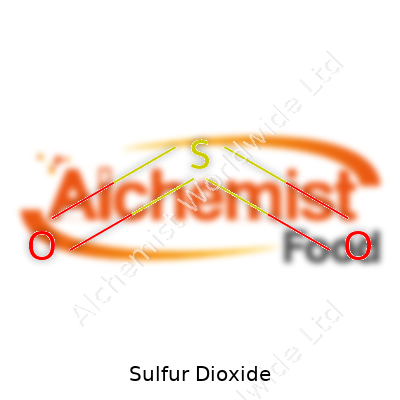
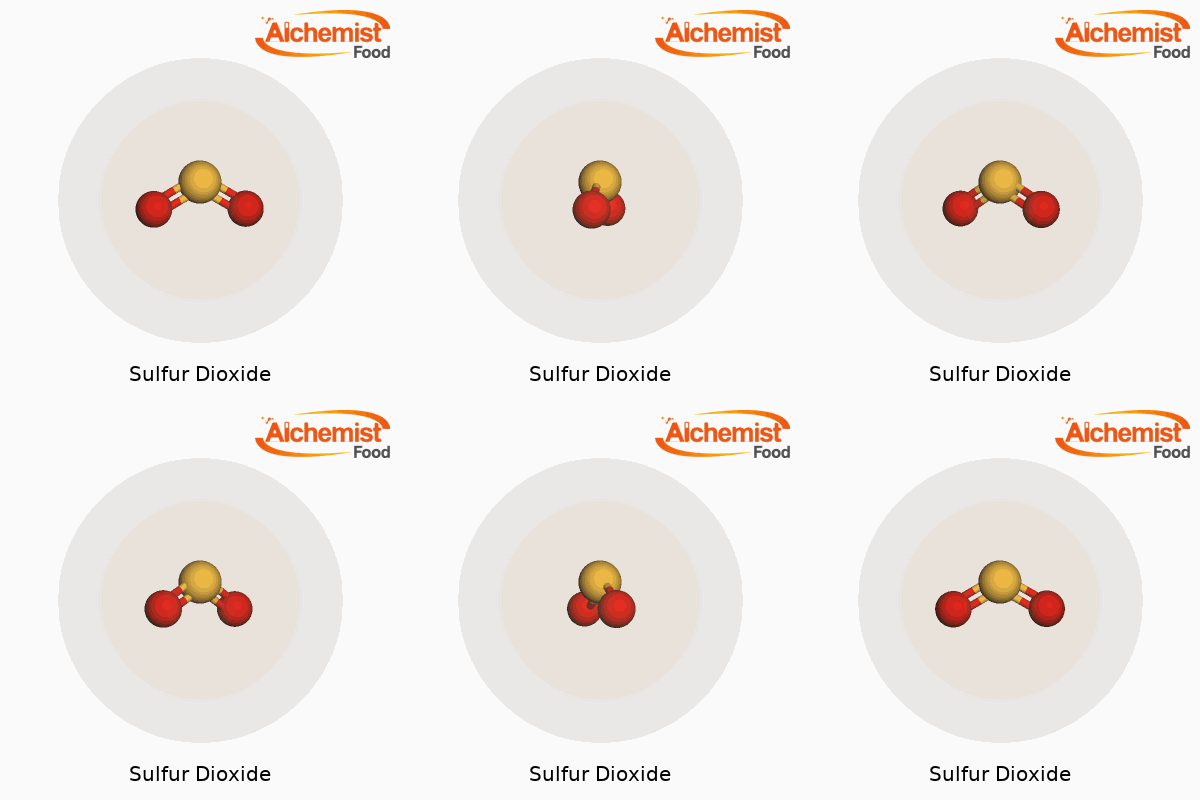
| Names | |
| Preferred IUPAC name | sulfur dioxide |
| Other names |
Sulphur dioxide Sulfurous anhydride Sulfurous oxide SO2 |
| Pronunciation | /ˈsʌlfər daɪˈɒksaɪd/ |
| Preferred IUPAC name | Sulfur dioxide |
| Other names |
Sulphur dioxide Sulfurous anhydride Sulfurous oxide SO2 |
| Pronunciation | /ˈsʌl.fər daɪˈɒk.saɪd/ |
| Identifiers | |
| CAS Number | 7446-09-5 |
| Beilstein Reference | 1202391 |
| ChEBI | CHEBI:28267 |
| ChEMBL | CHEMBL1356 |
| ChemSpider | 14137 |
| DrugBank | DB11131 |
| ECHA InfoCard | 03ee89c4-3de1-491a-bb90-6bb9f15ea2b9 |
| EC Number | 231-195-2 |
| Gmelin Reference | Gm.176 |
| KEGG | C16236 |
| MeSH | D013430 |
| PubChem CID | 947 |
| RTECS number | WS4550000 |
| UNII | NYL4276TMT |
| UN number | UN1079 |
| CAS Number | 7446-09-5 |
| Beilstein Reference | 1209222 |
| ChEBI | CHEBI:947 |
| ChEMBL | CHEMBL1366 |
| ChemSpider | 676 |
| DrugBank | DB11096 |
| ECHA InfoCard | 100.028.935 |
| EC Number | 231-195-2 |
| Gmelin Reference | Gmelin 108 |
| KEGG | C16236 |
| MeSH | D013406 |
| PubChem CID | 947 |
| RTECS number | WS4550000 |
| UNII | LXAQATDMOO |
| UN number | UN1079 |
| Properties | |
| Chemical formula | SO2 |
| Molar mass | 64.07 g/mol |
| Appearance | Colorless gas with a pungent, suffocating odor. |
| Odor | Pungent, irritating suffocating odor |
| Density | 1.43 kg/m³ |
| Solubility in water | 8.8 g/100 mL (20 °C) |
| log P | -2.529 |
| Vapor pressure | 3,400 mmHg (20°C) |
| Acidity (pKa) | 1.81 |
| Basicity (pKb) | 7.2 |
| Magnetic susceptibility (χ) | Diamagnetic |
| Refractive index (nD) | 1.0006 |
| Viscosity | Gas, negligible viscosity |
| Dipole moment | 1.63 D |
| Chemical formula | SO2 |
| Molar mass | 64.07 g/mol |
| Appearance | Colorless gas with a pungent, suffocating odor |
| Odor | Pungent, suffocating |
| Density | 2.93 kg/m³ |
| Solubility in water | 8.8 g/100 mL (20 °C) |
| log P | -2.53 |
| Vapor pressure | 3 atm (at 25 °C) |
| Acidity (pKa) | 1.76 |
| Basicity (pKb) | 7.2 |
| Magnetic susceptibility (χ) | '−29.0 × 10⁻⁶ cm³/mol' |
| Refractive index (nD) | 1.000645 |
| Viscosity | Gas |
| Dipole moment | 1.63 D |
| Thermochemistry | |
| Std molar entropy (S⦵298) | 248.2 J·mol⁻¹·K⁻¹ |
| Std enthalpy of formation (ΔfH⦵298) | -296.8 kJ/mol |
| Std enthalpy of combustion (ΔcH⦵298) | –296.8 kJ·mol⁻¹ |
| Std molar entropy (S⦵298) | 248.2 J·mol⁻¹·K⁻¹ |
| Std enthalpy of formation (ΔfH⦵298) | –296.8 kJ mol⁻¹ |
| Std enthalpy of combustion (ΔcH⦵298) | -296.8 kJ·mol⁻¹ |
| Pharmacology | |
| ATC code | V03AB02 |
| ATC code | V03AB02 |
| Hazards | |
| Main hazards | Toxic by inhalation, causes burns, may cause respiratory irritation. |
| GHS labelling | GHS02, GHS04, GHS06 |
| Pictograms | GHS05,GHS06,GHS08 |
| Signal word | Danger |
| Hazard statements | H331, H314, H319, H335 |
| Precautionary statements | P220, P244, P260, P261, P271, P273, P301+P310, P304+P340, P305+P351+P338, P308+P311, P370+P376, P403+P233, P405, P501 |
| NFPA 704 (fire diamond) | 3-0-0-Acid |
| Autoignition temperature | Autoignition temperature: 920°C |
| Explosive limits | Not explosive as such |
| Lethal dose or concentration | LDLo oral human: 100 mg/kg |
| LD50 (median dose) | 2,520 ppm (rat, 1 hour) |
| NIOSH | RN1600 |
| PEL (Permissible) | 5 ppm |
| REL (Recommended) | 0.05 ppm |
| IDLH (Immediate danger) | 100 ppm |
| Main hazards | Toxic if inhaled, causes severe skin burns and eye damage, may cause respiratory irritation. |
| GHS labelling | GHS02, GHS05, GHS06 |
| Pictograms | GHS05,GHS06 |
| Signal word | Danger |
| Hazard statements | H331, H314, H335 |
| Precautionary statements | P210, P220, P221, P261, P271, P280, P285, P302+P352, P304+P340, P305+P351+P338, P312, P314, P337+P313, P370+P378, P403+P233, P501 |
| NFPA 704 (fire diamond) | 2-0-0-SA |
| Lethal dose or concentration | LC₅₀ (rat, inhalation): 2520 mg/m³ (1 hour) |
| LD50 (median dose) | LD50 (median dose): 2,520 mg/m3 (rat, inhalation, 1 hour) |
| NIOSH | RS2325000 |
| PEL (Permissible) | 5 ppm |
| REL (Recommended) | 0.7 mg/kg bw |
| IDLH (Immediate danger) | 100 ppm |
| Related compounds | |
| Related compounds |
Sulfur trioxide Sulfurous acid Sodium sulfite |
| Related compounds |
Sulfur trioxide Sulfurous acid Sulfite Sulfate Thionyl chloride Disulfur dioxide |



