Sodium Stearate: A Practical Examination
Historical Development
Soap has been around for thousands of years, but it wasn’t until the rise of industrial chemistry in the 19th century that sodium stearate emerged as a recognizable chemical compound. Early soap makers relied on boiling animal fats with lye, and chemists learned to separate out stearic acid, creating a more refined product. Factories in Europe and the United States started producing sodium stearate toward the end of the 1800s, fueling the shift from household soap-making to a global industry. This compound contributed to the clean revolution—the ability to wash clothes, skin, and even industrial equipment reliably, which changed daily routines and public health outcomes on a massive scale. Companies broadened the scope of what “soap” could accomplish, and sodium stearate soon found itself not just in bathroom bars but throughout countless modern products.
Product Overview
Sometimes labeled as the backbone of bar soap, sodium stearate carries fatty acid chains and a sodium ion, crafted from stearic acid. Manufacturers favor this substance thanks to its flexibility; it can work as a surfactant, a thickener, or a stabilizer. Its ability to form gels and mix with water and oils pushes it ahead in the world of personal care, cleaning products, and even industrial processes. Buyers expect a clean, white powder or granule that dissolves in warm water and gives off that signature soapy feel and aroma. On a shelf, you'll spot sodium stearate in diverse forms, but its essence never changes—a chemical structure that binds up grease and oil and lets them wash away.
Physical & Chemical Properties
Sodium stearate appears as a solid, usually a white powder or flakes, giving off a faint fatty odor. It melts between 245°C to 255°C, signaling strong chemical stability at room temperature—handy for storage and transport. It dissolves better in hot water than cold, forming a cloudy solution that quickly becomes slick and foamy. Chemically, its formula is C18H35NaO2, and it includes a long hydrocarbon tail with a carboxyl head carrying the sodium ion. In contact with acids, sodium stearate reverts to stearic acid and sodium salt of the acid, laying the ground for many chemical reactions. Its surface-active qualities let it break down oils, disperse dirt, and suspend unwanted particles. This isn’t just useful in hygiene; it finds a place anywhere grease or residue needs clearing.
Technical Specifications & Labeling
Producers sell sodium stearate under regulatory guidelines set by agencies like the FDA or EPA when destined for cosmetics or food-contact applications. Typical purity levels range from 98 to 99 percent, with detailed analysis showing limited moisture content, low levels of free stearic acid, and tight controls on heavy metal impurities. On labels, you’ll spot the name sodium stearate, but also synonyms like Octadecanoic acid, sodium salt, or E570 in EU food codes. Buyers scan for batch numbers, manufacturing dates, and storage instructions; big players in cosmetics look for extra certifications showing the absence of unwanted byproducts or allergens. Even the particle size and hydration state matter, especially when the ingredient needs to blend evenly without clumping or causing texture problems.
Preparation Method
Manufacturers make sodium stearate by reacting stearic acid, usually derived from animal fats or vegetable oils, with sodium hydroxide. In an industrial setting, the process often starts with hydrolyzing fat, then distilling out pure stearic acid. Workers add sodium hydroxide to a heated vessel, then slowly introduce the melted acid. The reaction gives off heat and needs careful temperature control to stop splattering or incomplete reactions. The finished product is filtered, washed, and dried, resulting in a fine, clean salt. The modern process, refined by decades of experience, brings high yields with few contaminants, supporting a range of industries that demand reliability in every shipment.
Chemical Reactions & Modifications
Beyond making soap, sodium stearate acts as a jumping-off point for more complex reactions. Add acid, and you’ll regenerate stearic acid; add certain metal ions, and it produces metallic stearates used in lubricants and plastics. Chemists can tweak the fatty acid mix, changing the melt point or the foaming qualities, depending on what a customer needs. Blended with other surfactants, sodium stearate opens the door to specialty products such as transparent soaps, gels, or even advanced lubricants for industrial machinery. People have experimented with mixing it with magnesium or zinc salts for faster water dispersal. In pharmaceutical manufacturing, careful chemical modifications tune its properties to match everything from pill coatings to emulsifiers in ointments.
Synonyms & Product Names
In the trade, sodium stearate carries a range of synonyms—sodium octadecanoate, E570, soap, or even sodium salt of stearic acid. Some catalogs feature trade names depending on supplier blends or purity, but the chemistry stays consistent. Regulatory filings, ingredient lists, and technical data sheets stick to a few standard identities, making it easier for buyers and health officials to cross-check safety and compliance information. The same ingredient shows up as the core component of basic soap or as a small part of a multi-ingredient cleaning system. For international buyers, keeping a running list of labels and synonyms saves hours in logistics and customs clearance—and cuts through confusion in safety documentation.
Safety & Operational Standards
Sodium stearate rates as safe for regular handling in most contexts, yet workers in large facilities wear gloves and masks to protect against dust. Skin and respiratory irritation can result from airborne powder, so factories use enclosed handling systems and good ventilation. The regulatory agencies keep tight limits on lead, arsenic, or other heavy metals in the final product meant for consumer goods. Safety Data Sheets list storage guidelines—keep dry, avoid strong acids, store in sealed containers. Even during transit, companies pad shipments against moisture damage. In schools and laboratories, students handle small amounts with standard lab gear but learn to respect the compound’s alkaline properties. While rare, spills of unneutralized sodium stearate in water can make surface films that wildlife struggle to break through, so waste disposal gets regulated, too.
Application Area
You find sodium stearate almost everywhere—bar soap, deodorants, toothpaste, rubber, plastics, and even in certain food wrappers. In toiletries, it holds texture and makes rich lather; in industrial settings, it keeps rubber from sticking during mold operations. Automotive greases and pharmaceuticals use it as a lubricant or pill-release agent. Paint formulations, paper manufacturing, and textiles rely on it for its dispersing and anti-static roles. Its main selling point remains: a surfactant that breaks down oily messes, binds up grime, and lets water carry them away. Brands want reliable, reproducible foam and gentle feel, so even a small adjustment in sodium stearate changes the whole performance profile of a consumer product. Our kitchens, bathrooms, garages—virtually every space with a cleaning need—draws on this chemical legacy.
Research & Development
R&D teams experiment with sodium stearate, seeking out sustainable raw materials and ways to reduce its carbon footprint. Plant-based stearic acid—palm or coconut—gains traction in markets where animal products matter to buyers. Researchers dig into particle size, surface area, and ways to combine sodium stearate with modern polymers for more active cleaning. In cosmetics, R&D labs chase new blends to hold up under heat, cold, and hard water conditions. Ingredient suppliers spend time modeling chemical behavior to lower cost and boost performance. Across the board, this ingredient bridges the needs of fast-moving consumer brands and mature industries, prompting constant tweaks and trials.
Toxicity Research
Most toxicology studies show sodium stearate causes mild irritation at worst—eye or skin contact with concentrated solutions, for instance—without causing lasting effects. In chronic animal studies, no clear evidence of organ toxicity or carcinogenic risk stands out. Environmental fate investigations report moderate aquatic toxicity when large amounts hit small closed systems; the compound biodegrades relatively quickly, breaking down to simple fatty acids and sodium ions. Regulatory watchdogs in Europe and the US review decades of data, focusing on contaminants or residual chemicals rather than the core sodium stearate molecule. For consumer safety, purity takes center stage, and periodic reevaluation follows newly developed analytical tests. These days, talk around toxicity usually shifts to debates over feedstocks—palm oil, animal fats—and how those supply chains intersect with health and environmental concerns.
Future Prospects
Markets for sodium stearate face steady—if unglamorous—growth. Sustainability drives most new investment, with labs trying to shift away from palm-based stearic acid and toward novel feedstocks like algae or laboratory fermentation. Automation and AI map out ways to tighten process efficiencies, cut waste, and track traceability from farm to factory. Pharmaceutical and biotech fields want higher purity grades for sensitive drug formulations, while food and cosmetic regulators look for more transparent labeling and faster contaminant tracking. Eco-conscious brands trend toward solid products—shampoo bars, toothpaste tablets—that owe their texture and performance to sodium stearate’s unique profile. Even as ingredient lists shrink or brands shift to natural-sounding alternatives, the backbone remains fatty acid chemistry. Next steps likely blend chemistry with greener manufacturing, heightened safety standards, and a greater focus on supply chain transparency.
What is sodium stearate used for?
Everyday Encounters With Sodium Stearate
Sodium stearate turns up in places most folks don’t notice. Flip over a bar of solid white soap—the ingredient list almost always includes it. Melt some deodorant on your morning routine, and that stick probably holds a good dose. I remember watching a factory tour video as a kid and being amazed how simple chemicals get molded into the products we use every day. Sodium stearate deserves credit for much of that—the stuff gives shape and firmness to things like soap and deodorants. Its presence means your soap bar holds together instead of melting away into a puddle on the dish. It’s that behind-the-scenes helper we rarely talk about.
The Science That Makes Soap Work
This simple salt, made from stearic acid and sodium hydroxide, mixes water with oil. Rub soap on greasy hands, and sodium stearate surrounds the oil droplets, suspending the grime so water can rinse it away. That “squeaky clean” feeling? You can thank sodium stearate for that. Modern hygiene got a boost once scientists understood this reaction. In cramped dorm showers, crowded home bathrooms, busy gyms, sodium stearate delivers cleanliness, even without fancy packaging.
Not Just for Cleaning—A Role in Cosmetics and Medicine
Pick up a lipstick, chew on gum, dab some cream on dry skin. Sodium stearate sits in the background of these products, doing heavy lifting. In cosmetics, it keeps things from separating. Creams, gels, and deodorants hold together because sodium stearate thickens and stabilizes formulas. Without this workhorse ingredient, many products would run or crumble. Chewing gum needs a soft, flexible texture—add sodium stearate and you get that perfect chew without a waxy mess. Even in some toothpastes, it helps spread the paste smoothly across teeth.
Safety and Sustainability: Common Questions
Plenty of folks worry when they see chemical names on packaging. Years of research show that sodium stearate, used in the right amounts, doesn’t cause harm to skin or health for most people. It comes from plant and animal fats, though, so some vegetarians and vegans check the source if it matters to them. Companies that take transparency seriously share information about their raw materials and processing methods. Most regulatory agencies consider sodium stearate safe for regular use in cosmetics and soaps.
Room for Improvement in Industry
As someone who values both everyday convenience and environmental responsibility, sourcing matters to me. Some brands commit to sourcing stearic acid from sustainable palm oil or plant sources. Others skip animal fats entirely. More companies looking at these issues signals a shift—demand for eco-friendly, cruelty-free ingredients keeps growing. Labels tell only part of the story. Brands that invite questions and show how their ingredients impact the world build more trust.
Sodium Stearate’s Place in Our Lives
Open your cupboard or medicine cabinet and you’re likely looking at products powered by sodium stearate. Think of it as a quiet partner in your daily comfort—necessary, time-tested, and, with thoughtful sourcing, aligned with modern values. Simple things often make the biggest difference.
Is sodium stearate safe for skin?
What Sodium Stearate Does in Skin Care
Sodium stearate pops up all over the ingredient lists of soaps, cleansers, and even some makeups. The reason for that is simple—this salt takes stearic acid and joins it with sodium, creating an ingredient that helps turn oils and fats into foam. In short, it’s what gives a bar soap that creamy, bubbly lather. If you’ve ever slipped a bar of soap between your hands and felt it fizz up, you’ve already used sodium stearate. It also keeps products solid at room temperature and stops them from melting into puddles in the shower.
Is It Safe for the Skin?
Your skin works hard to block out stuff that shouldn’t go in. With sodium stearate, research and decades of use in everything from deodorants to face washes show that most people can use it daily without worry. The Cosmetic Ingredient Review (CIR) has studied this ingredient, giving it a thumbs up for safety at the concentrations used in personal care. Beauty brands turn to sodium stearate because it’s reliable and has a long track record that doesn’t raise red flags.
Plenty of dermatologists have patients who wash with bar soap every morning, and almost none come in worried about sodium stearate itself. The few people who run into issues are usually dealing with dry or sensitive skin—people whose skin might react to many common cleansers. For most, this ingredient won’t cause irritation, redness, or breakouts.
Where Concerns Come From
Some folks who spend a lot of time reading labels might see the word “sodium” and start thinking about harsh sulfates—a group known for stripping the skin’s oils. Sodium stearate doesn’t work anything like those harsh foaming agents. It’s milder, especially since it’s paired with stearic acid, which you even find in shea butter and cocoa butter.
Allergies are rare. Cases usually involve larger amounts or leave-on products, but even then, these problems are hard to find in the medical literature. People with extremely sensitive or broken skin (those with eczema, for instance) sometimes notice a little sting or dryness. That’s usually not a direct effect of sodium stearate, but a sign to try a more moisturizing cleanser overall.
Backing It Up with Science
The U.S. Food and Drug Administration, along with the European Union, puts sodium stearate in the “safe” column for cosmetics. It’s been tested, reviewed, and found to have low toxicity whether you’re using it on your face, hands, or all over. Animal testing and long-term studies show no links to cancer or hormone problems.
The Environmental Working Group, known for flagging risky ingredients, rates sodium stearate as a “low hazard” substance. Scientific reviews support this rating, and there’s not much debate in the dermatology world about its basic safety. In fact, you’re more likely to run into trouble with dyes, added fragrances, or preservatives in your cleanser than you are with sodium stearate itself.
What to Do If You Have Sensitive Skin
Anyone with dry patches, redness, or trouble with harsher soaps can look for gentle bars that focus on added moisturizers—think shea butter, glycerin, or oat extracts. Try out different brands and look for simple ingredient lists. If something stings or makes your skin worse after a few washes, stop using it and try something with fewer ingredients.
Sodium stearate gets used all around the world because it keeps cleansers stable, helps them clean without harshness, and doesn’t set off alarm bells for most skin types. Good skin care isn’t about avoiding every unfamiliar name, but about learning what works with your skin’s natural balance.
Is sodium stearate natural or synthetic?
What Is It?
Open a box of bar soap, flip around a deodorant stick, or scan the label on some cleansing balms. The name “sodium stearate” pops up in many products, doing a lot of heavy lifting. Sodium stearate works as a surfactant, helping oil and water mix, and pulling grime away from skin. It’s also a main driver for those generous, stable soap lathers people enjoy. For all its everyday use, questions about whether it’s “natural” or “synthetic” keep coming up.
The Origin Story
Sodium stearate forms when stearic acid combines with sodium hydroxide. Stearic acid sounds like some hard-to-pronounce chemical, but it comes mostly from fats—animal and plant. Beef tallow, cocoa butter, shea butter, coconut oil, and palm oil all contain stearic acid. Soapmakers learned to extract and use stearic acid long before chemistry hit the high-tech era. In days past, people would mix lard or tallow with lye (itself made from wood ashes) to make soap that included sodium stearate, even if they didn’t call it that.
Modern Manufacturing Methods
The giant tanks and perfectly calibrated equipment in modern factories churn out sodium stearate with a consistency backyard soapers dream about. Here’s the part that throws this ingredient into a gray zone: while stearic acid can come directly from natural plant or animal fats, converting it into sodium stearate almost always happens in a lab or industrial setting. The sodium hydroxide used (which is just lye) gets created using electricity and salt water, not mined straight from the earth or pressed from seeds.
Lab-made or not, the chemical reaction doesn’t leave behind harmful residues if done right. It looks different from unprocessed fat, and it’s far purer. Purity matters—dirty fats in soap lead to products that can spoil or irritate skin. Yet people worry about “synthetic” sounding processes, probably because of years of scary headlines about chemical additives.
Natural Labels and Consumer Perception
Some brands put “natural” front and center, especially for soaps or deodorants. For people hunting for products with minimal processing, the connection between the raw material (plant oils or animal fats) and the finished soap gets blurred. Legally, “natural” is a loose term, open to interpretation. The extraction, purification, and reaction steps all take place in big factories, so purists might balk at calling sodium stearate “all-natural.” Still, the process starts with real, renewable resources.
Concerns about animal byproducts are real. Vegans check if brands use plant-based stearic acid, and manufacturers increasingly choose palm or coconut oils to answer the call. Yet palm oil brings its own baggage: deforestation, shrinking habitats, and labor concerns. The story gets tangled—seeking “naturalness” sometimes introduces ethical trouble somewhere else.
What Matters Most
People should know what they’re putting on their skin. Full ingredient lists, sourcing details, and honest answers about how stuff gets made matter more to me than a simple natural/synthetic label. No one likes buzzwords masking reality. The truth: sodium stearate starts from something close to nature, gets transformed by people and machines, and lands in soap, makeup, and even some food. I look for companies willing to share how they make things, and I watch for certifications from trusted third parties, like COSMOS or USDA Organic, when uncertainty creeps in.
Looking Forward
If demand grows for transparency, we’ll probably see more brands sharing details about the fats they use and the families or farms supplying them. Companies moving toward renewable, plant-based sources can help reduce our reliance on controversial animal or palm oil. As a consumer, I stand by demanding solid info about ingredients. The “natural or synthetic” debate isn’t going anywhere, but I’d rather choose based on facts than fuzzy labels.
Can sodium stearate cause allergies?
Understanding Sodium Stearate in Everyday Products
Sodium stearate shows up in all sorts of daily items – bar soaps, deodorants, toothpastes, and even some processed foods. People tend to trust products with familiar-sounding ingredients, but this chemical raises plenty of questions from parents and anyone with sensitive skin. It's worth taking a closer look at whether sodium stearate really causes allergic reactions or if its reputation gets mixed up with more notorious chemicals.
Unpacking Sodium Stearate’s Safety
Sodium stearate comes from stearic acid, which usually gets sourced from plant oils like palm or animal fats. Manufacturers rely on it for its ability to help clean the skin and create a lather. According to studies that show up in scientific literature, most people can use products containing sodium stearate with no issues. Both the U.S. Food and Drug Administration and the Cosmetic Ingredient Review Expert Panel have listed it as a safe ingredient, which is not something every ingredient used in cosmetics can say.
Individual Reactions Do Happen
Even ingredients considered safe sometimes cause problems. Sodium stearate doesn’t show up on lists of common allergens. Still, there are a few cases where people developed contact dermatitis after using soaps or creams with this additive. These stories turn up every now and then, especially among folks who already deal with eczema or other skin sensitivities. It’s often not just one ingredient at fault. Sometimes a combination of fragrances, preservatives, and surfactants works together to irritate skin, and sodium stearate catches some of the blame.
How to Spot a Reaction
If a soap or cosmetic causes redness, itching, or swelling, people usually want quick answers. Red raised patches, dry flaky skin, or stinging usually mean it’s time to put the product aside. Patch testing offers one way for doctors to identify whether sodium stearate triggered the reaction or if some other chemical is the real culprit. According to allergists, only a small percentage of people show true sensitivity to this compound.
What Can Consumers Do?
Reading product ingredient lists makes a difference. Sticking with plain, fragrance-free products cuts the risk for anyone prone to allergies. Dermatologists suggest trying anything new on a small area before using it all over. For those who suspect a reaction, heading to a board-certified dermatologist gets better answers than guessing at home.
Food products with sodium stearate usually contain it in tiny amounts. Most evidence suggests these low levels don’t trouble healthy immune systems. People with specific allergies—especially to animal fats—can look for plant-based claims if that feels safer. The same idea goes for vegans who want to avoid animal-derived ingredients.
Manufacturers and Their Role
Cosmetic and soap companies have upped their game in recent years, sharing more information about sourcing and testing. Transparency has become more than a marketing tool—it calms concerns and lets people with allergies shop smarter. Some brands now leave out sodium stearate in response to consumer feedback, using alternatives like potassium cocoate or other plant-based surfactants.
Allergy risk often depends on the mix of ingredients and someone’s personal history, not one ingredient alone. Talking to healthcare providers, reading labels, and choosing reputable products help cut guesswork and keep skin calm.
Is sodium stearate vegan?
Sifting Through Ingredient Labels
I’ve spent years scanning soap labels and double-checking ingredients in deodorants after going plant-based. Sodium stearate seems to pop up everywhere—bars of soap, toothpaste, some cosmetics, even a few processed foods. I used to feel a bit smug when I saw chemical names like that, thinking, “At least nothing animal-based here.” Over time, I learned that chemistry class and the world’s food industries don’t always make those lines clear.
The Source Story: Plants or Animals?
Sodium stearate is basically the salt of stearic acid. That means stearic acid reacts with sodium hydroxide, producing this salt. The catch comes from the stearic acid itself. Companies can get this fatty acid from plant oils—soybean or palm oil are common choices—or from animal fats, usually from beef or pork sources.
Global markets lean on plant-sourced stearic acid because there’s a massive demand for palm oil and soy-based ingredients. Palm oil plantations—especially in Southeast Asia—fuel a huge chunk of the cosmetic and food ingredient industry. Palm-based stearic acid keeps costs down and supply steady, especially since animal fat gets pricier and comes with supply chain issues. Some smaller companies or brands with unique manufacturing processes may still opt for animal-based sources if they want specific textures, but it’s rare on an industrial scale.
Finding out if a product uses plant- or animal-derived stearic acid isn’t always easy. Food labeling laws in most countries don’t require companies to list the source, only the chemical ingredient. Some personal care brands advertise “vegetable-based” production, but not everyone makes that promise. I’ve emailed companies out of curiosity and sometimes get clear answers—sometimes only polite shrugs.
Why the Fuss Matters
For vegans, the source behind every ingredient matters, not just the finished product. Some folks want to avoid even tiny traces of animal products, whether for ethical reasons, environmental ones, or allergies. Palm oil’s environmental footprint brings its own set of hard questions—clear-cut forests, wildlife habitat loss, and community impacts. We don’t just look at animals; we follow the trail back to the land itself.
Some vegans draw lines between “plant-based” and “strict vegan” products by considering animal testing or hidden animal derivatives. Sodium stearate walks a fine line, depending on its raw material. As a mother, I find myself teaching my kids that “vegan” doesn’t always look as straightforward as a green logo or a friendly claim. Sometimes, ethics stretch into unexpected places like saponification tanks and supply chains half a world away.
Pushing for Transparency and Better Choices
Tighter labeling rules could help everyone. Demanding full disclosure of ingredient sources would spare vegans, vegetarians, and those with allergies a lot of second-guessing. Companies already get consumer questions about everything from animal testing to gluten content; clear answers about sodium stearate production wouldn’t create much extra work.
Supporting vegan brands that use certified plant-sourced stearic acid, boycotting products with gray-area labels, or contacting companies pushes the industry bit by bit toward transparency. It doesn’t hurt to look for independent vegan certifications—reputable marks like The Vegan Society carry weight and usually won’t back companies that use animal-derived stearic acid.
Sodium stearate highlights a lesson that comes up again and again: reading a label is only the first step. Staying informed, staying curious, and speaking up for clear information is how people drive ingredient change in daily life and industry alike.
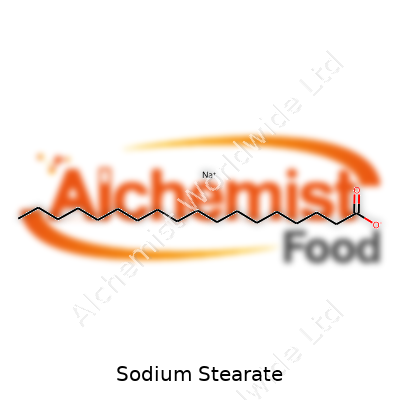
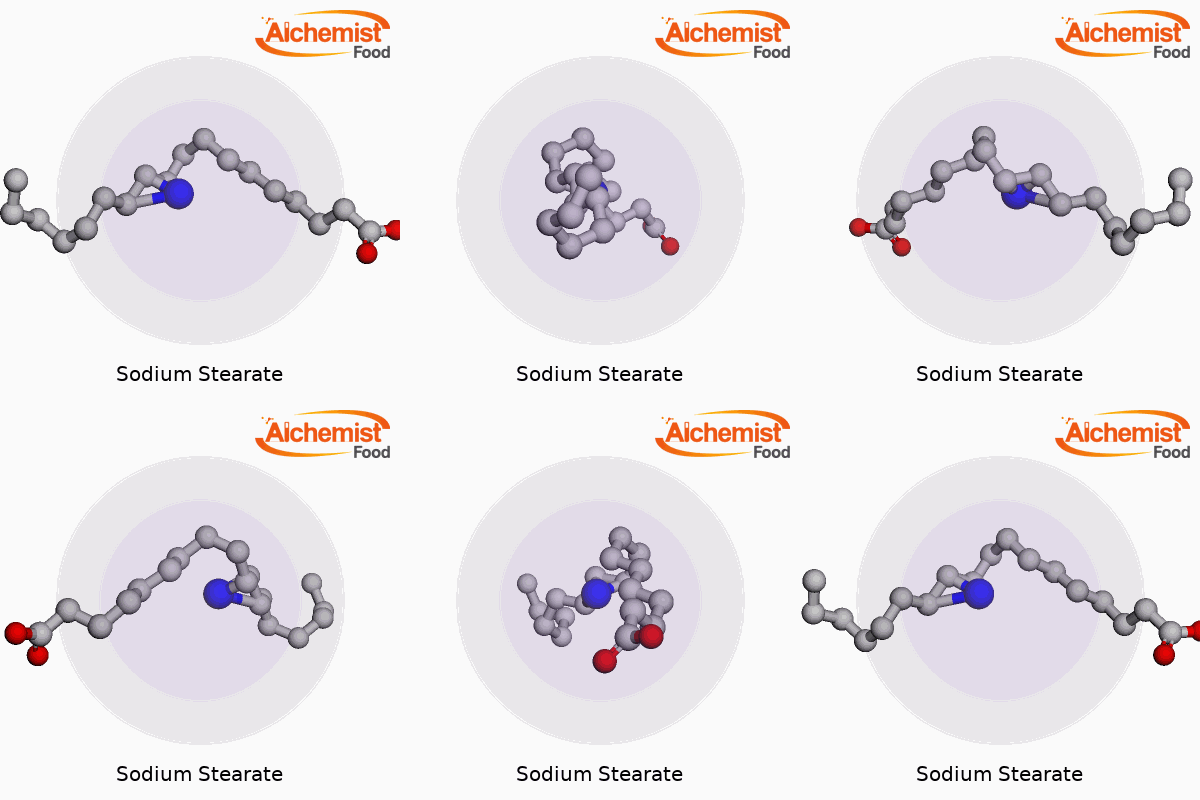
| Names | |
| Preferred IUPAC name | sodium octadecanoate |
| Other names |
Octadecanoic acid sodium salt Stearic acid sodium salt Sodium octadecanoate Stearate of soda |
| Pronunciation | /ˈsəʊdiəm ˈstɪəreɪt/ |
| Preferred IUPAC name | sodium octadecanoate |
| Other names |
Octadecanoic acid sodium salt Sodium octadecanoate Stearic acid sodium salt Stearate of soda |
| Pronunciation | /ˈsəʊdiəm ˈstɪəreɪt/ |
| Identifiers | |
| CAS Number | 822-16-2 |
| Beilstein Reference | 1718734 |
| ChEBI | CHEBI:11103 |
| ChEMBL | CHEMBL1201734 |
| ChemSpider | 22261 |
| DrugBank | DB02860 |
| ECHA InfoCard | 100.289.164 |
| EC Number | EC 209-163-7 |
| Gmelin Reference | 80578 |
| KEGG | C01766 |
| MeSH | D013006 |
| PubChem CID | 61790 |
| RTECS number | WNLLA9432L |
| UNII | 1XRS88-8EK |
| UN number | UN2817 |
| CAS Number | 822-16-2 |
| Beilstein Reference | 1200405 |
| ChEBI | CHEBI:39867 |
| ChEMBL | CHEMBL253881 |
| ChemSpider | 5515 |
| DrugBank | DB01361 |
| ECHA InfoCard | 100.032.258 |
| EC Number | EC 209-149-1 |
| Gmelin Reference | 40797 |
| KEGG | C14422 |
| MeSH | D013006 |
| PubChem CID | 23665763 |
| RTECS number | WIYTAA041E |
| UNII | UNII-**H1B63ZFF4U** |
| UN number | UN1325 |
| CompTox Dashboard (EPA) | DTXSID5020746 |
| Properties | |
| Chemical formula | C18H35NaO2 |
| Molar mass | 306.48 g/mol |
| Appearance | White powder or crystalline solid |
| Odor | odorless |
| Density | 0.35 g/cm³ |
| Solubility in water | Moderately soluble in water |
| log P | -1.3 |
| Vapor pressure | Negligible |
| Acidity (pKa) | pKa ≈ 4.75 |
| Basicity (pKb) | pKb ≈ 0.5 |
| Magnetic susceptibility (χ) | −23.1×10⁻⁶ cm³/mol |
| Refractive index (nD) | 1.047 |
| Viscosity | Viscous liquid |
| Dipole moment | 1.70 D |
| Chemical formula | C18H35NaO2 |
| Molar mass | 306.48 g/mol |
| Appearance | White solid or powder |
| Odor | Odorless |
| Density | 0.95 g/cm³ |
| Solubility in water | slightly soluble |
| log P | -1.3 |
| Vapor pressure | Negligible |
| Acidity (pKa) | pKa ≈ 5.0 |
| Basicity (pKb) | 14.73 |
| Magnetic susceptibility (χ) | −35.6×10⁻⁶ cm³/mol |
| Refractive index (nD) | 1.452 |
| Viscosity | Viscous liquid |
| Dipole moment | 1.70 D |
| Thermochemistry | |
| Std molar entropy (S⦵298) | 472.5 J·mol⁻¹·K⁻¹ |
| Std enthalpy of formation (ΔfH⦵298) | -790.5 kJ/mol |
| Std enthalpy of combustion (ΔcH⦵298) | -8415.1 kJ/mol |
| Std molar entropy (S⦵298) | 472.36 J·mol⁻¹·K⁻¹ |
| Std enthalpy of formation (ΔfH⦵298) | -751.8 kJ/mol |
| Std enthalpy of combustion (ΔcH⦵298) | -9914 kJ/mol |
| Pharmacology | |
| ATC code | A01AA01 |
| ATC code | A01AA01 |
| Hazards | |
| Main hazards | May cause eye, skin, and respiratory tract irritation. |
| GHS labelling | GHS07 |
| Pictograms | GHS07, GHS09 |
| Signal word | Warning |
| Hazard statements | H315: Causes skin irritation. H319: Causes serious eye irritation. |
| Precautionary statements | P264, P270, P305+P351+P338, P337+P313 |
| NFPA 704 (fire diamond) | 1-0-2-W |
| Flash point | > 250 °C |
| Autoignition temperature | > 370 °C |
| Lethal dose or concentration | LD50 Oral Rat > 2,000 mg/kg |
| LD50 (median dose) | LD50 (median dose): Oral-rat LD50: > 2000 mg/kg |
| NIOSH | WU0085000 |
| PEL (Permissible) | Not established |
| REL (Recommended) | 50 mg/kg |
| IDLH (Immediate danger) | Not established |
| Main hazards | May cause eye, skin, and respiratory irritation. |
| GHS labelling | GHS07 |
| Pictograms | GHS07, GHS08 |
| Signal word | Warning |
| Hazard statements | H319: Causes serious eye irritation. |
| Precautionary statements | P264, P270, P280, P301+P312, P330, P501 |
| Flash point | > 196 °C |
| Autoignition temperature | > 310°C |
| Lethal dose or concentration | LD50 Oral Rat > 2000 mg/kg |
| LD50 (median dose) | > 2000 mg/kg (Rat, oral) |
| NIOSH | WI5700000 |
| PEL (Permissible) | PEL (Permissible Exposure Limit) for Sodium Stearate: Not established |
| REL (Recommended) | 20% |
| Related compounds | |
| Related compounds |
Sodium palmitate Potassium stearate Magnesium stearate Calcium stearate Stearic acid |
| Related compounds |
Stearic acid Sodium palmitate Sodium oleate Potassium stearate Magnesium stearate Calcium stearate |



