Sodium Nitrite: A Closer Look at Its Journey, Features, and Future
Historical Development
Sodium nitrite has roots tangled deep in the story of industrial chemistry, weaving through centuries of food preservation and chemical innovation. Before refrigeration, preserving meat relied heavily on mixtures containing nitrates and nitrites. Butchers and food makers learned early that certain salts not only kept meat from spoiling but also gave it a pink hue and characteristic flavor. By the late 19th century, large-scale production picked up pace as demand for reliable curing agents and dyes shot up. The shift from crude blends to pure sodium nitrite saw the chemical industry refine its preparation, making high-purity grades accessible to industries worldwide. Today, sodium nitrite’s track record in food safety, coupled with a catalog of research spanning decades, underscores the legacy it carries into contemporary use.
Product Overview
Anyone dealing with sodium nitrite notices its fine, pale, yellowish appearance. Found in labs and factories, it arrives as a crystalline, slightly hygroscopic powder or granule. In the commercial space, it often gets packed in moisture-resistant drums or polyethylene-lined bags to guard against caking. Producers ship tons each year, serving markets from large meat processing plants and chemical manufacturers to smaller labs and research outfits. Packaging must meet hazard regulations, keeping the material dry and labeled with clear hazard symbols and user instructions.
Physical & Chemical Properties
Sodium nitrite’s chemistry feels straightforward on the surface—a simple inorganic salt with the formula NaNO2. Its melting point lands around 271°C, showing stable, non-volatile character in its solid form. It dissolves easily in water, where its pale color vanishes in a clear solution. As a strong oxidizer, the salt reacts with acids, giving off toxic nitrogen oxides, so storage must keep it away from acids and compatible with inert materials. In contact with reducing agents or combustible substances, sodium nitrite can trigger fires or explosions, especially in high concentrations, raising clear handling and operational concerns.
Technical Specifications & Labeling
In industry, specifications aren’t just paperwork—they’re the safety net. High-grade sodium nitrite targets purity levels above 98.5%, with manufacturers listing chlorides, sulfates, heavy metals, and insoluble materials in parts per million. Each bag or drum gets stamped with manufacturer data, batch codes, UN hazardous material identifiers, and toxicity warnings in compliance with GHS standards. Large food-grade batches require FDA or EU validation, and labels display shelf life, storage instructions, and clear warning signs, all designed to reduce risk during shipment and storage.
Preparation Method
Manufacturing sodium nitrite starts with the nitrosation of sodium nitrate, which takes place in controlled reactors. Commonly, sodium nitrate reacts with a reducing agent like metallic lead or zinc under heat, generating sodium nitrite and water. Another route relies on the absorption of nitrogen oxides in sodium carbonate solutions, a method that chemical giants still use for huge production volumes. Reducing unwanted by-products, especially sodium nitrate contamination, calls for tight temperature and concentration control every step of the way. Filtration, crystallization, and drying transform the solution into the market-ready powder found across industries.
Chemical Reactions & Modifications
Sodium nitrite shows its reactive nature when mixed with acids, kicking off the evolution of toxic nitrogen dioxide gas—an immediate health hazard in closed spaces. In organic chemistry labs, sodium nitrite finds a spot in diazotization reactions, helping transform aromatic amines into diazonium salts, which then link up with phenols and other compounds. In water treatment, the compound works with sulfamic acid to neutralize excess chlorine from disinfection processes. Chemical engineers sometimes tweak its reactivity with calcium or potassium salts to alter its solubility or stabilization features when the application calls for it.
Synonyms & Product Names
Sodium nitrite travels under various names, from its IUPAC title (sodium nitrite) to aliases like nitrous acid, sodium salt. The food sector refers to it by its E number: E250. European manufacturers sometimes list it as Natriumnitrit, reflecting language differences. These synonyms show up on paperwork, customs manifests, and safety sheets, demanding close attention to technical documentation to prevent confusion between similar chemicals.
Safety & Operational Standards
No one should underestimate the risks of sodium nitrite, especially indoors or near organic matter. Direct ingestion or contact with concentrated forms leads to rapid-onset symptoms—methemoglobinemia, headache, hypoxia. OSHA and local authorities enforce strict handling rules: employees need chemical-resistant gloves, splash goggles, and respirators for bulk operations. Storage requires cool, dry, well-ventilated spaces, far from combustible or acidic materials. Spill kits with sodium thiosulfate, which neutralizes nitrites, have to be kept nearby. Disposal gets tracked under hazardous waste laws, so nothing slips through the cracks. Training sessions and drills prep staff to handle leaks or accidental mix-ups, reducing the toll on health and business.
Application Area
Sodium nitrite remains a linchpin for meat processors, giving corned beef, hot dogs, and bacon their signature taste and rosy color while holding back the growth of Clostridium botulinum. The dye and pigment industry taps into its oxidative punch to produce azo dyes, crucial for the fashion and textile world. In pharmaceuticals, sodium nitrite plays a role as a precursor in the synthesis of vasodilators and antidotes for cyanide poisoning. Environmental labs use it for testing water, especially when tracking disinfection by-products. Metal finishing shops rely on it to inhibit rust in closed-loop cooling systems and boilers, keeping equipment from seizing up with corrosion. Each field demands its own grade, purity, and assurance of safety.
Research & Development
R&D teams pour resources into lowering sodium nitrite’s risks while keeping its benefits. Academics test blends with natural extracts to reduce the need for synthetic additives in meat products. Biochemists hunt for new pharmaceutical pathways involving nitrosation, hoping to find treatments with fewer side effects. Startups in water tech explore ways to limit the release of nitrite and nitrate in treated wastewater, which can cause trouble for aquatic ecosystems. Recent studies track the microstructure of meat products cured with nitrite, exploring how formulation changes affect shelf life. Even with these advances, regulatory changes and evolving consumer preferences push researchers back to the drawing board.
Toxicity Research
Researchers have documented the dangers of sodium nitrite for over a century, but attention has intensified since studies linked it to methemoglobinemia and cancer risks stemming from nitrosamine formation. Toxicologists continually study exposure limits for workers, consumers, and the environment. Governments set strict maximum allowable concentrations in food; exceeding these can transform a preservative into a poison. Chronic low-dose exposure gets a hard look in epidemiological work, especially in populations with high cured meat consumption. Healthcare workers and emergency responders keep antidotes on hand in case of accidental or intentional ingestion. Toxicity profiles guide every regulation, and ongoing surveillance of food supplies ensures compliance stays tight.
Future Prospects
Companies and scientists taking on sodium nitrite’s future focus on making food safer and greener. Trends tilt toward substitutes that deliver the same preservation and coloring without forming harmful by-products. Advances in packaging cut down on the need for chemical preservatives, which could lower overall sodium nitrite usage. Regulatory agencies scrutinize every new study, ready to adjust legal thresholds as new health information surfaces. Meanwhile, industries that count on nitrite for corrosion control or chemical synthesis experiment with process tweaks to recycle and recover unused nitrite, cutting down on waste. The next chapter for sodium nitrite will have to balance old strengths with tighter rules and a fresher approach to safety and environmental care.
What is sodium nitrite used for?
The Role of Sodium Nitrite in Food
Growing up, my family always enjoyed a big breakfast on Sundays. Sausage, bacon, ham, all sizzling on the stove. Few realize that those bright pink slices of ham owe their color and flavor to sodium nitrite. This chemical compound helps keep cured meats both flavorful and safe to eat. Sodium nitrite slows the growth of bacteria that cause botulism, a serious foodborne illness. Without it, products like hot dogs, deli meats, and smoked fish would spoil a lot faster. Health authorities, including the USDA, permit its limited use because it extends shelf life and keeps the risk of some foodborne diseases low.
Some people worry about sodium nitrite because, under high heat, it can help form nitrosamines—compounds linked to cancer in animal studies. The science here matters. Modern food processing uses as little sodium nitrite as possible, and producers add vitamin C (ascorbate) to recipes. This nifty step cuts the risk of harmful compounds forming. So, yes, there’s risk, but smart manufacturing keeps it in check, proven by decades of public health guidance.
Outside the Kitchen: Industry Uses
Factories and power plants rely on sodium nitrite too. In my college days, I worked a summer job in a water treatment plant. The old-timers taught me that sodium nitrite keeps massive boilers from rusting out. The compound acts as a corrosion inhibitor, forming a protective layer inside pipes. This saves buildiings, machines, and city budgets from big repair bills. Water quality standards keep a close watch here; nobody wants workplace chemicals seeping into local lakes or tap water.
Textile and dye industries make use of sodium nitrite as well. It helps fix dyes onto fabric so shirts hold their color wash after wash. Chemists also use it to make specialty compounds. If a manufacturer wants to produce certain medicines, sodium nitrite is often one of the starting chemicals. These tasks require proper training and careful handling. Exposure at work brings health risks such as headaches or breathing trouble if rules aren’t followed. The Occupational Safety and Health Administration (OSHA) sets legal limits and recommends protective gear. Wearing gloves and goggles in the lab isn’t just for style—it keeps workers safe.
Health and Safety Concerns
Sodium nitrite sounds like something only chemists should handle, but it’s hidden in products all around us. Critics push for more “clean label” foods, without artificial preservatives. Some research links nitrites and nitrates in processed foods to higher cancer rates, especially for those eating lots of cured meats. The World Health Organization calls processed meats a carcinogen, mostly due to compounds that can form from nitrites. These concerns have led more brands to drop or minimize nitrites, swapping in celery powder and natural sources instead. The science is still sorting out whether these natural options are safer.
I’ve noticed people reading ingredient lists more closely. Transparency in food labeling, education on safe food handling, and balanced diet choices can help minimize risk. For workers, stronger enforcement of safety standards needs ongoing attention, so no one’s health is put at risk just to save a few dollars.
Looking Ahead
Balancing food safety, worker protection, and public health makes the question of sodium nitrite complicated. It does a real job keeping food and machines running, but it needs respect and oversight. Smarter regulations and honest communication can ensure its benefits are real without hidden hazards.
Is sodium nitrite safe for human consumption?
Understanding What Sodium Nitrite Does
Sodium nitrite shows up in a lot of food products, from deli meats to hot dogs and bacon. It helps preserve color, kills off bacteria, and keeps foods from spoiling too fast. When I cook breakfast and slice into crispy bacon, there’s science working behind the scenes to make sure I’m not biting into spoiled meat. Sodium nitrite keeps the meat pink, but it also extends shelf-life, making food more convenient for busy people and families.
The Safety Debate
Big questions surround whether sodium nitrite brings more good than harm. On one hand, it stops the growth of Clostridium botulinum, which causes botulism, a nerve toxin that can land someone in the hospital. The Centers for Disease Control and Prevention (CDC) point out that foodborne botulism is rare in countries where proper food safety practices, like nitrite use, are routine.
On the other side, research suggests nitrites can form compounds called nitrosamines, especially when exposed to high heat during cooking. Nitrosamines link to higher rates of certain cancers, according to agencies like the World Health Organization. The International Agency for Research on Cancer (IARC) labeled processed meats containing nitrites as "carcinogenic to humans" based on studies involving large groups of people. Processed meats show a consistent connection to colorectal cancer risk.
What Does Experience Show?
Growing up, my family had a mix of traditional home-cooked meals and store-bought deli sandwiches. I noticed the taste and look of the meats never changed, even days after buying them. At the time, I never thought about what ensured that stability. Now knowing about nitrites, I appreciate their role, but I also pay more attention to moderation and variety in what I eat. No one wants to give up foods they love, but few people want to ignore a growing body of health warnings.
Quantity Matters
Regulatory agencies like the U.S. Food and Drug Administration (FDA) and the European Food Safety Authority (EFSA) set strict limits for how much sodium nitrite can be added to foods. The amounts allowed are low. The idea here follows a simple rule: the dose makes the poison. Drinking pure sodium nitrite or eating massive quantities would risk severe harm—or worse. Used within approved limits, the scientific evidence suggests most people face minimal risk, especially if their overall diet includes fruits and vegetables, which contain antioxidants that help neutralize harmful compounds.
Finding a Balance
The easiest move for most people is eating fewer processed meats and packing in more fresh food. Cooking at lower temperatures also reduces nitrosamine formation. Some companies now use natural sources of nitrite, like celery powder. But the chemistry doesn’t really change—so the health impact is pretty much the same. Transparency about what goes into food empowers people to make their own choices.
People get to decide what trade-offs to make. Living with food safety, flavor, and health risks is part of modern life. Government oversight, honest labeling, and consumer awareness all help nudge choices in better directions. Instead of swinging to extremes, paying attention and varying the diet builds a safer and more informed way forward.
What are the risks of handling sodium nitrite?
Sodium Nitrite: More Than Just a Common Chemical
Sodium nitrite pops up in plenty of places—food preservation, dye manufacturing, chemistry labs. Most people don’t realize how dangerous it can become if treated carelessly. I remember first coming across a container of it during an internship at a water treatment facility; the supervisor immediately gave me gloves and strict instructions. That set the tone. Even though it seems familiar, sodium nitrite can turn hazardous surprisingly fast.
Why Sodium Nitrite Poses Health Risks
Direct skin contact brings irritation and rashes almost immediately. Powder gets on your hands—then even a quick rub of the eye—leads to hours of discomfort. That's the mild end. Breathing in the dust causes headaches, dizziness, and even shortness of breath for some. More direct exposure, swallowing even small amounts, pushes the risks much further. It turns hemoglobin into methemoglobin, starving cells of oxygen. Cases show even a few grams have sent adults to the emergency room.
The poison center in the city recorded a case of sodium nitrite ingestion last year; the person had tried to self-harm. Paramedics relied on rapid antidote administration and oxygen therapy, but even in this fortunate outcome, the effects on their organs lingered for weeks. Not many realize just how little can tip the situation from safe to truly life-threatening.
Environmental Hazards and Workplace Concerns
Improper disposal can leach nitrites into water supplies, affecting aquatic life and, eventually, the wider community. I recall seeing safety posters reminding staff to keep it away from drains and sinks. Once in groundwater, sodium nitrite can convert into nitrosamines, which researchers tie closely to cancer development. Even kitchen staff using it to cure meats must follow strict limits, as accidental overuse has led to serious food poisoning outbreaks.
Accidents Happen: Cutting Through Complacency
No one likes to think they’ll make a mistake, especially with routine jobs. Yet tiredness, distractions, or rushing to finish up can snowball into real emergencies. A few years back, a lab worker skipped goggles, thinking nothing of a small spill. The splash caught an eye, and the resulting corneal injury required hospital treatment. Accidents rarely announce themselves; complacency opens the door every time.
Better Habits and Smarter Systems
Gloves, goggles, and a lab coat may seem like overkill to some. They make all the difference. Reliable training matters, too. Every fresh employee at my old workplace went through a hazard course, with regular updates each year. Regulations require storage in clearly labeled, sealed containers, away from acids or combustible materials. Double-checking processes—and having a culture that encourages speaking up about near-misses—keeps everyone safer.
Safer alternatives for some uses of sodium nitrite could drop the overall risk. Research continues on new preservatives or anti-corrosive agents. Precise digital dosing systems offer better control than the old scoop-and-weigh days. Public awareness campaigns also help; clearer labeling and online warnings about sodium nitrite’s toxicity can prevent its misuse outside of professional settings.
Sodium nitrite isn’t some villain out to get us. It’s a tool—a dangerous one in the wrong hands or with a careless attitude. Knowledge, training, and the right gear spell the difference between it being a valuable chemical and a headline-making hazard.
How should sodium nitrite be stored?
Sodium Nitrite’s Role and Risks
Ask anyone who has handled sodium nitrite in a lab, and you’ll hear stories of how little it takes to cause a problem. Stories stick with me: a hurried shift, someone grabbing a bag without gloves, a small spill left unchecked. This white, powdery chemical works in everything from curing meats to industrial dye processes—yet its dangers don’t always get the attention they deserve. The compound can react with acids to release toxic gases. Direct contact sometimes irritates skin or eyes. Ingesting even a modest amount can poison a grown adult. After seeing what one careless moment can do, I learned quickly: respect the substance, and it returns the favor.
A Container Won’t Fix Everything—But It Matters
I remember my first chemistry job. The manager would drill into us: “Original packaging, always.” Manufacturers design containers to seal tightly, resist leaks, and block out moisture. Moisture loves sodium nitrite; it clumps the powder and starts slow chemical changes. Store it in a glass, HDPE, or heavy-duty plastic container with a secure, gasketed lid. The wrong choice—an old soft drink bottle, a thin plastic bag—becomes a risk not just for you but everyone around. A cracked lid could mean a slow leak, condensation on a shelf, or chemical burns for the next person who handles it. Label everything in bold print, and never rely only on memory or colored tape.
Temperature and Sunlight: Small Choices, Big Impact
During a hot summer in a poorly ventilated room, sodium nitrite breaks down, sometimes forming sodium nitrate or those hazardous nitrous gases. Find a dry, cool, and shaded spot. Sunlight speeds up the breakdown and warms the air inside even a tightly closed jar. Once, storage near a sunny window led to yellowish, clumped powder and a rotten egg smell—it was a sign the chemical had started to degrade. The lesson hits home fast: stable temperature and no direct light make all the difference. No chemical belongs above a radiator, on a sun-warmed shelf, or stuffed next to a drafty windowpane.
Separation Stops Surprises
I learned to never stick sodium nitrite on a shelf next to acids. Even small shared airspace can allow fumes to mix, leading to a dangerous scenario. My old supervisor would always keep all oxidizers like sodium nitrite on separate, dedicated shelving—far from anything flammable, organic, or strongly acidic. Once, a warehouse worker put sodium nitrite beside hydrochloric acid. Both packages leaked slightly. The resulting vapor was enough to set off the air quality alarms. The cost of a separate, ventilated cabinet is nothing compared to a hospital bill or OSHA fine.
Practical Protections and Simple Habits
No procedure beats personal education and vigilance. Keep a written log of chemical storage, and rotate old stock first. I wear gloves and splash goggles each time I handle the container, then I wash my hands before touching anything else. With good storage setup—tight containers, clear labels, separate shelves, steady room temperature—most accidents never happen. If you spot a spill, treat it as a priority: ventilate, clean with caution, and treat your workspace seriously until the job is done. Sodium nitrite won’t wait for you to catch up. Build good habits from the start, and you keep yourself and others safe without worrying every time you open the storage cabinet.
What is the difference between sodium nitrite and sodium nitrate?
Everyday Chemistry in the Food World
Take a look at the back of a package of bacon or a bag of beef jerky, and you’ll probably notice something that ends in “-ate” or “-ite.” Sodium nitrite and sodium nitrate show up a lot in cured meats, and plenty of conversations at the dinner table spark up around what they do, why we use them, and if there’s real risk hiding in these chemical names. Having worked with food safety teams in commercial kitchens, the distinction between these two gets practical real quick. They aren’t just similar-sounding words—all those science lessons about elements and compounds circle back to the way real food gets made and preserved.
What Makes Them Different?
Both come from the same chemical family, but sodium nitrite (NaNO2) and sodium nitrate (NaNO3) take different tracks inside your body and in how food is prepared. Sodium nitrate works as a preservative, extending the shelf life of meats and some cheeses. In the curing process, sodium nitrate can convert to sodium nitrite over time. That’s why people often talk about one when they mean the other. Sodium nitrite steps in for its ability to stop bacteria—especially the tough kind like Clostridium botulinum, which causes botulism.
In practice, if you’ve pulled off a salty ham at home, it likely relied more on nitrites. Nitrites help keep the color appealing and give cured meats their signature taste. Nitrates, on the other hand, do their job over a long period, letting the conversion happen slowly. Basically, nitrites act fast, nitrates take their time. Chemically, the extra oxygen atom in nitrate makes it more stable and less reactive. This small shift forms the basis for why these ingredients get used differently.
Health Concerns That Stick Around
Stories about these chemicals often spiral into debates about cancer risk and food safety. The World Health Organization highlighted a connection between processed meats and certain cancers, focusing on nitrites because at high temperatures or during digestion, nitrites can form nitrosamines. Nitrosamines are the real culprits—these compounds do damage at the cellular level in lab studies. Some folks feel nervous, but numbers matter. Processed meats, in moderation, expose you to far less nitrite than what most city water supplies already contain or what you pick up from a spinach salad. Spinach, celery, and beets naturally pack more nitrate than lunch meat does.
Of course, that doesn’t mean processed meats slapped with these preservatives should play a starring role in the diet. My experience in community nutrition projects shows people aren’t always ready to abandon old habits, but reminding them to eat more fresh food makes the biggest difference.
Steps in the Right Direction
Food science keeps moving forward, and companies now use ingredients like celery powder, which is high in natural nitrate, as an alternative. It’s a clever workaround but doesn’t change the underlying chemistry—celery powder still converts to nitrite in the meat. If someone wants to limit their exposure, cooking at lower temperatures and choosing a variety of fresh foods can help. But it’s tough to avoid preserved foods entirely, especially with busy lives and tight budgets.
For most people shopping with health in mind, learning to read labels and staying informed cuts through a lot of the confusion. Science tells us moderation, variety, and cooking methods all matter far more than panic over a single chemical in the ingredient list.
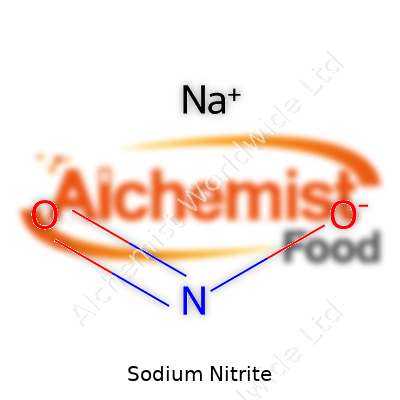
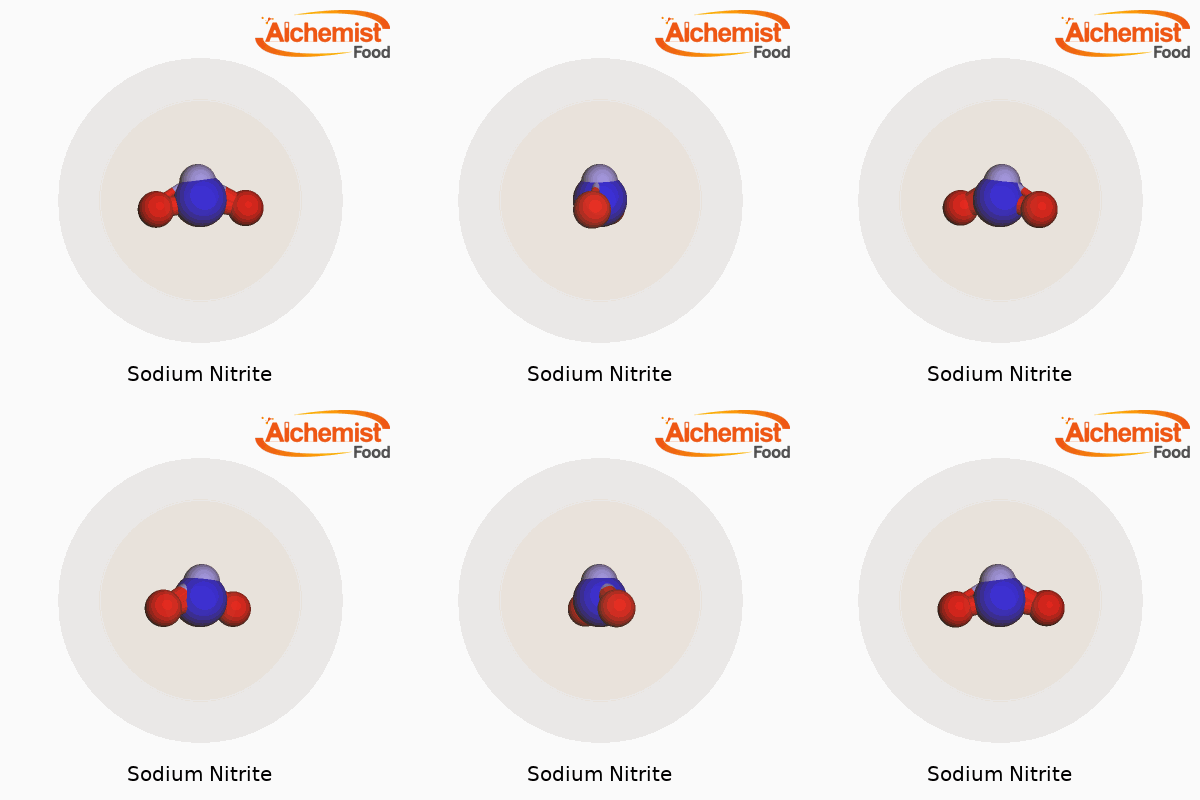
| Names | |
| Preferred IUPAC name | Sodium nitrite |
| Other names |
Nitrous acid, sodium salt Sodium nitrite (NaNO2) E250 Sodium salt of nitrous acid |
| Pronunciation | /ˈsəʊdiəm ˈnaɪtraɪt/ |
| Preferred IUPAC name | sodium nitrite |
| Other names |
Nitrous acid sodium salt Sodium nitrite E250 Natrium nitrosum Sodinitrit Nitrite de sodium |
| Pronunciation | /ˈsəʊdiəm ˈnaɪtraɪt/ |
| Identifiers | |
| CAS Number | 7632-00-0 |
| Beilstein Reference | Beilstein Reference: 3537552 |
| ChEBI | CHEBI:7555 |
| ChEMBL | CHEMBL1359 |
| ChemSpider | 14229 |
| DrugBank | DB00755 |
| ECHA InfoCard | 100.007.150 |
| EC Number | 231-555-9 |
| Gmelin Reference | Gmelin Reference: 14245 |
| KEGG | C00308 |
| MeSH | D009698 |
| PubChem CID | 23668142 |
| RTECS number | RA1225000 |
| UNII | O9KAK3S5MY |
| UN number | 1500 |
| CAS Number | 7632-00-0 |
| Beilstein Reference | Beilstein 3591862 |
| ChEBI | CHEBI:26218 |
| ChEMBL | CHEMBL19238 |
| ChemSpider | 6925 |
| DrugBank | **DB00755** |
| ECHA InfoCard | 100.007.355 |
| EC Number | 231-555-9 |
| Gmelin Reference | 853 |
| KEGG | C00268 |
| MeSH | D019341 |
| PubChem CID | 23668193 |
| RTECS number | RA1225000 |
| UNII | J3P41NOJ2B |
| UN number | UN1500 |
| Properties | |
| Chemical formula | NaNO2 |
| Molar mass | 68.995 g/mol |
| Appearance | White to slightly yellowish crystalline powder |
| Odor | Odorless |
| Density | 2.17 g/cm³ |
| Solubility in water | 821 g/L (20 °C) |
| log P | -3.7 |
| Vapor pressure | 1 mmHg (at 20 °C) |
| Acidity (pKa) | pKa ≈ 3.0 |
| Basicity (pKb) | 11 |
| Magnetic susceptibility (χ) | +27.0·10⁻⁶ cm³/mol |
| Refractive index (nD) | 1.341 |
| Viscosity | 3 cP (20 °C) |
| Dipole moment | 2.51 D |
| Chemical formula | NaNO2 |
| Molar mass | 68.995 g/mol |
| Appearance | white to slightly yellowish crystalline powder |
| Odor | Odorless |
| Density | 2.168 g/cm³ |
| Solubility in water | 820 g/L (20 °C) |
| log P | -3.7 |
| Vapor pressure | Negligible |
| Acidity (pKa) | 3.0 |
| Basicity (pKb) | pKb = 10.07 |
| Magnetic susceptibility (χ) | +630.0e-6 cm^3/mol |
| Refractive index (nD) | 1.522 |
| Dipole moment | 11.51 D |
| Thermochemistry | |
| Std molar entropy (S⦵298) | 107.0 J mol⁻¹ K⁻¹ |
| Std enthalpy of formation (ΔfH⦵298) | -360.0 kJ/mol |
| Std enthalpy of combustion (ΔcH⦵298) | -360.0 kJ/mol |
| Std molar entropy (S⦵298) | 91.3 J·mol⁻¹·K⁻¹ |
| Std enthalpy of formation (ΔfH⦵298) | −360.4 kJ/mol |
| Std enthalpy of combustion (ΔcH⦵298) | –75.8 kJ/mol |
| Pharmacology | |
| ATC code | V03AB08 |
| ATC code | V03AB08 |
| Hazards | |
| Main hazards | Oxidizer, toxic if swallowed, may cause methemoglobinemia, harmful to aquatic life |
| GHS labelling | GHS07, GHS09 |
| Pictograms | GHS07,GHS09 |
| Signal word | Danger |
| Hazard statements | H301: Toxic if swallowed. H332: Harmful if inhaled. H400: Very toxic to aquatic life. |
| Precautionary statements | P264, P270, P273, P301+P310, P330, P391, P501 |
| NFPA 704 (fire diamond) | 3-0-1 OX |
| Autoignition temperature | > 491°C (916°F) |
| Lethal dose or concentration | LD50 Oral Rat 85 mg/kg |
| LD50 (median dose) | 180 mg/kg (oral, rat) |
| NIOSH | SD6475000 |
| PEL (Permissible) | PEL (Permissible Exposure Limit) for Sodium Nitrite: "No OSHA PEL established |
| REL (Recommended) | 150–200 mg/kg |
| IDLH (Immediate danger) | 10 mg/m3 |
| Main hazards | Toxic if swallowed; contact with acids liberates toxic gas; may cause methemoglobinemia; oxidizer. |
| GHS labelling | GHS02, GHS06, GHS09 |
| Pictograms | GHS07,GHS09 |
| Signal word | Danger |
| Hazard statements | H271, H301, H319, H335 |
| Precautionary statements | P264, P270, P273, P301+P310, P304+P340, P308+P311, P264, P270, P273, P301+P310, P304+P340, P308+P311, P501 |
| NFPA 704 (fire diamond) | Health: 2, Flammability: 0, Instability: 1, Special: OX |
| Autoignition temperature | 538°C (1000°F) |
| Explosive limits | Not explosive |
| Lethal dose or concentration | LD50 Oral Rat: 180 mg/kg |
| LD50 (median dose) | LD50 (median dose): 180 mg/kg (oral, rat) |
| NIOSH | SNM50000 |
| REL (Recommended) | 500 mg |
| IDLH (Immediate danger) | 10 mg/m³ |
| Related compounds | |
| Related compounds |
Sodium nitrate Potassium nitrite Potassium nitrate Nitrous acid Nitric oxide |
| Related compounds |
Potassium nitrite Sodium nitrate Sodium chloride Potassium nitrate Nitrous acid |



