Sodium Nitrate: A Closer Look at Its Journey and Importance
Historical Development
People started mining sodium nitrate centuries ago, mostly in places like Chile’s Atacama Desert. You can trace the real industrial boom to the 19th century, when saltpeter fields didn’t just make the Chilean economy tick but also changed the way countries fought wars and grew food. Farmers tried it out in the fields, and soon enough, it powered the first waves of explosive manufacturing. This fertilizer-turned-propellant gave rise to small mining towns, railway lines, and trade routes, connecting continents and shifting global economies. Local workers—many far from home—handled the extraction and purification, and as demand grew for better nutrition and stronger fertilizer, chemists searched for efficient methods to separate sodium nitrate from its raw ore neighbors.
Product Overview
Sodium nitrate appears as a white, gritty, odorless crystalline solid. Commercial grades don’t fuss over perfection: sometimes specks from its mineral relatives slip through. The chemical formula is NaNO3. You’ll find the product packed in solid bags, sometimes pelleted or granulated for easier handling in big plants or fields. Over time, its role has shifted from raw fertilizer to a key ingredient in explosives, food preservation, glass making, and heat transfer. In each industry, sodium nitrate answers some clear needs: either by speeding up chemical reactions or by feeding soil a steady source of nitrogen.
Physical & Chemical Properties
This salt dissolves easily in water. Touch it, and the grains feel a bit softer than sugar. Melt it, and sodium nitrate turns liquid somewhere beyond 300°C. It reacts eagerly if mixed with more reactive agents; this readiness explains the strict controls around its transportation and storage. Oxidizing power sits at its core. Drop it in with organic material and a spark, and you’ll get the kind of heat prized by those making fireworks or propellants. Its density hovers around 2.26 g/cm³. Shelf life depends on storage: humidity starts breaking sodium nitrate down, so dry containers matter. You won’t get a whiff from it—odor doesn’t warn you of its presence—but its bitterness, if tasted, gives it away.
Technical Specifications & Labeling
Shipping sodium nitrate runs up against strict technical specs. Purity matters for industrial buyers—grades may start above 99% NaNO3 for electronics and precision manufacturing, while the agricultural version tolerates a few more trace elements. Packages must wear clear hazard markers since sodium nitrate oxidizes so strongly. UN1942 stands as its international shipping tag. Bags and containers need waterproof lining, and bulk shipments require compatible silos or tankers. Safety sheets go with every shipment, referencing international safety codes such as the GHS (Globally Harmonized System), and every label details batch number, net weight, manufacturing origin, and date to satisfy both customs and end-users.
Preparation Method
Traditional extraction drew from caliche ore in South America—miners leached the ground rock with water, then concentrated this broth and let crystals fall out as water evaporated. This remains common practice wherever raw ore exists near the surface, but outside those regions, chemists synthesize sodium nitrate by neutralizing nitric acid with soda ash (sodium carbonate) or caustic soda (sodium hydroxide). This lab route gets tighter control over impurities and scales up simply by keeping the reactors running and the filters clean. Afterward, the salt is washed, dried, and crushed or granulated. Firms inspect for contaminants, sieve for size, then move material into sterile storage, watching closely for moisture that could begin breaking down the product.
Chemical Reactions & Modifications
Drop sodium nitrate in water and you get sodium and nitrate ions wandering independently. When mixed with a reducing agent—think sugar or sulfur—it fuels combustion reactions. Set the right temperature, and in the presence of strong acids, sodium nitrate yields nitric acid, unlocking another chapter in its industrial life. In organic chemistry, the nitrate group sometimes swaps out for other functional groups. Controlled heating with metals or other salts provides a toolkit for synthetic chemists looking to build more complex nitrate-based compounds or to strip off sodium and bring in different cations.
Synonyms & Product Names
In older books and labels, sodium nitrate shows up as Chile saltpeter, soda niter, or just nitrate of soda. Farmers might spot it on fertilizer bags under various brand names linked to specific crop blends. Industrial buyers sometimes search using codes like E251 when the interest shifts to the food-grade preservative market, especially for cured meats. This chemical’s multiple aliases confuse newcomers but make sense once you see it sprawled across fields in South America, pressed into saltpeter cakes for long-term storage, or packed as pure white powder in chemical supplier catalogs.
Safety & Operational Standards
Handling sodium nitrate takes common sense mixed with specific rules. It doesn’t burn itself, but it feeds flames so efficiently that mixing with fuels or organic waste can spark disaster. Governments require clear signage in every warehouse and train staff to avoid accidental mixing. Companies store the salt in dry, sealed bins, and any spills need immediate cleanup—brooms and water sprays work best since blowing the powder around spreads contamination. Eye protection and gloves keep handlers safe from rare eye or skin irritation. The salt poses bigger health questions not through skin, but if fine dusts get into the lungs. This material showed up in some tragic industrial accidents, so operational safety rules—regular ventilation, flame-free areas, robust spill response—aren't negotiable. Transporters register cargo with local safety bureaus and maintain communication during shipping.
Application Area
Most sodium nitrate still lands on crops as fertilizer, feeding the world’s food systems with life-boosting nitrogen. It gives a quick dose of soluble nitrate, and crops absorb it soon after irrigation. Glass makers add it to molten sand for clarity and flow, especially in specialty or sheet glass. Explosives rely on its oxidizing backbone—miners and military outfits combine it with fuel blends for dynamite and gunpowder alternatives. Food processors lean on sodium nitrate to cure meats, keeping color and shelf stability high. Heat transfer salts in solar energy projects include sodium nitrate to soak up and release stored thermal energy, allowing round-the-clock power delivery. Waterworks and wastewater plants sometimes lean on it for denitrification or odor control, narrowing the pollutant load on exit streams. Certain labs use sodium nitrate to separate out DNA and proteins in fast, clean reactions.
Research & Development
Researchers don’t drop sodium nitrate from study; they've simply shifted attention to smarter uses. One hot area: using nitrate-based salts to from cost-effective molten salt batteries and grid-scale heat storage, driving renewables forward. Ongoing trials focus on blending sodium nitrate with other salts for solar thermal towers, where temperature control can make or break power generation. On the agriculture side, agronomists explore formulas that give crops nitrate benefits with less runoff—targeting sustainable practices and improved food safety. Chemical engineers tweak ways to reuse industrial nitrate waste, cycling back into fresh product or alternative syntheses, drawing from sustainability and circular economy ideas. Food scientists assess how nitrate levels in processed meats relate to human health—balancing color retention, taste, and long-term safety. Every year brings new journal articles and patents as universities and private labs try to redefine sodium nitrate’s place in a changing world.
Toxicity Research
Nitrate itself draws debate when public health enters the picture. Governments monitor drinking water, wary of excessive nitrate that transforms into nitrite in the gut and links with certain forms of cancer and blue baby syndrome. Limits typically run below 50 mg/L in most countries. Studies in laboratory animals trace possible chronic toxicity, though the doses explored often outpace what most people encounter day-to-day. Some researchers highlight its role in the formation of nitrosamines—chemicals flagged as possible human carcinogens—when cured meats or nitrate-laden foods get cooked at high heat. Regulators pushed for clear labeling and better food manufacturing practices, responding to consumer concern and shifting evidence. Still, sodium nitrate ranks as a low acute toxin: the lethal dose by mouth for adults stands far from any ordinary exposure, but repeated, large-scale ingestion raises questions around long-term health.
Future Prospects
Sodium nitrate doesn’t fade from the landscape; more industries rediscover its value with green technology and emerging food applications. Solar power and concentrated renewable energy projects demand stable, affordable thermal storage, and sodium nitrate blends top many wish lists. Water treatment and precision agriculture stand to benefit from better nitrate control, dialing efficiency up and environmental impact down. Process chemists, working on ever-cleaner synthesis, look for partners in recycling waste nitrate—closing the loop and reducing chemical waste streams. Research into plant-based foods and meat alternatives sometimes circles back to nitrate as both a fortifier and subtle flavor element. Meanwhile, global suppliers face new regulations and stricter international shipping codes, nudging the field toward safer, more transparent supply chains. As demand rides these new currents—cleaner food, advanced energy, focused agriculture—the challenge comes down to better stewardship, smarter manufacturing, and full transparency. Each year, sodium nitrate finds new roles, shaped by research and experience, rather than left behind by progress.
What is sodium nitrate used for?
More Than Just a Food Additive
Sodium nitrate has popped up on plenty of ingredient labels in the grocery aisle, especially on packs of bacon, deli meats, and some snack sausages. It helps preserve color and keeps bacteria in check, which means meats last longer and look more appealing. Growing up, I watched my parents pull ham out for sandwiches, never guessing something like sodium nitrate made that possible. It doesn’t only touch our kitchen tables. This salt gets deeply mixed into farming, medicine, even fireworks. Digging into its uses shows just how interconnected science and daily life really are.
Keeping Food Safe and Tasty
In food, sodium nitrate doesn’t just act as a preservative. It fights harmful bacteria like Clostridium botulinum, the bug that brings nasty food poisoning. With global outbreaks popping up from time to time, this matters a lot. Sodium nitrate, together with its cousin sodium nitrite, holds a track record for cutting down on illnesses linked to processed meats. The meat stays safe longer, and the pink-red look from your deli counter sticks around. That’s why folks with experience in the food industry know how tightly regulations control exactly how much gets used—a little too much, and risks start to rise.
Farming and Fertilizers
Farmers use sodium nitrate to feed plants just as much as food makers use it to preserve meats. Crops lean on nitrogen, and sodium nitrate delivers a steady dose. I spent a summer working in a farming supply store, and bags of “Chile saltpeter”—another name for sodium nitrate—flew off the shelves in planting season. Farmers prefer it for fast-growing veggies and leafy greens, especially where other nitrogen sources just don’t spread out well or act quick enough.
Life Beyond Food and Farming
Sodium nitrate plays a role in medicine, too. Hospitals might use it in specialized procedures, or pharmacists rely on it as a base for certain drugs. Some treatments for angina, a type of chest pain, have drawn from nitrates. The science owes plenty to compounds like these—and it doesn’t stop there.
Explosives and fireworks rely on sodium nitrate. It reacts to supply oxygen fast, fueling brilliant colors in pyrotechnics and stable performance in mining. Widespread mining decades ago in Chile focused almost entirely on scraping sodium nitrate out of the earth to power industries far away. While the mining slowed down in modern times due to cheaper lab-made alternatives, you’ll still find it tucked inside specialty explosives.
Risks, Scrutiny, and Smarter Solutions
People want to know if their food stays safe, and sodium nitrate stirs debate. Scientists point to some studies that link high intake from preserved foods to health risks like cancer. Still, natural veggies carry nitrates, too—sometimes at even higher levels. Food safety agencies limit the amounts allowed in grocery meat and watch for new research every year. Smarter processing techniques have popped up, using things like celery extract, but truth is, those “natural” sources supply similar nitrate content. The hunt for better ways to keep food safe and long-lasting never ends.
Looking Ahead
The real challenge: keep the benefits while shrinking health concerns. Companies invent plant-based preservatives or push fresher cold-chain delivery. Someone with family working in food logistics knows the strain of keeping products fresh without heavy preservatives. Better education helps everyone—because understanding how something works makes people less scared of its name. It also helps more folks spot hidden nitrate sources in what they eat, so smart choices become easier at home or the store. Sodium nitrate remains common, but awareness drives the call for thoughtful progress in both science and safety.
Is sodium nitrate safe for consumption?
What Is Sodium Nitrate?
Sodium nitrate shows up on plenty of food ingredient lists, especially in bacon, deli meats, and some cheeses. Most folks probably don’t give it much thought. Food manufacturers use sodium nitrate to help preserve color in meats and stop bacteria from growing. As someone who’s been caught more than once with a forgotten pack of ham in the fridge, I get it — food lasts longer, no one wants to eat something that’s gone gray, and taste stays sharp. This additive isn’t new; it’s been part of curing foods for centuries, long before supermarkets became a thing.
What Does the Research Say?
Experts and food safety organizations agree on one thing: Small amounts of sodium nitrate don’t cause immediate health problems. The U.S. Food and Drug Administration and European Food Safety Authority have studied preservatives like sodium nitrate for years. They passed rules on how much food companies can add, keeping the range well below the levels that cause issues in animal tests.
Studies do raise concerns about eating a lot of processed meats. Research connects habits like eating lots of bacon, ham, or salami to a higher risk for colon cancer. The World Health Organization points to processed meats as a cancer risk and says nitrites and nitrates may play a role. Still, scientists debate the exact cause, since other things in processed meats could contribute.
Real-World Choices
Plenty of folks overthink food labels and give up on lunchmeat entirely. Cutting out processed meats isn’t realistic for everyone, especially with busy schedules, kids' lunches to pack, or work meetings running into lunchtime. I try not to panic about an occasional ham sandwich. The risk really starts adding up when someone relies on packaged meats as a main food group day after day.
Vitamin C and certain spices cut down on the formation of nitrosamines, the cancer-linked compounds that concern scientists. Many companies add these to cured meats now. Eating more fruits and vegetables alongside your meal keeps things in balance. My own family keeps bell peppers and oranges handy — they disappear quickly and nobody talks about nitrates at the dinner table.
Practical Steps for Eating Safer
Choosing unprocessed meats or plant-based options more often won’t hurt. If processed meat makes the occasional appearance, go for brands that note added vitamin C (ascorbic acid) or stick to foods marked “no added nitrates or nitrites.” Cooking at lower temperatures and avoiding blackened or charred meats also lowers nitrosamine risk.
Product labels can get confusing. Companies market some foods as “nitrate-free” but may use celery powder or juice, which contains naturally occurring nitrates. It’s a bit of a loophole and doesn’t always mean the food is free from risks. I like to read past the front label and check the ingredients list.
The Bottom Line for Most People
Eating a steak, sending kids off with pepperoni sticks, or picking up smoked turkey isn’t a problem by itself. Trouble comes from building a diet entirely around foods high in preservatives like sodium nitrate. My doctor always says: variety matters. Fill the plate with a mix of fresh foods, use processed meats sparingly, and don’t overthink every slice of salami. Small, mindful changes go a lot further than panic-driven diets or swearing off favorite foods forever — in my experience, they actually stick.
What are the potential health risks of sodium nitrate?
What is Sodium Nitrate?
Anyone who has tasted bacon or enjoyed some cured ham has come across sodium nitrate. It’s a preservative found in hot dogs, deli meats, and other processed foods. Sodium nitrate keeps food fresh longer and gives cured meats their bright color. This isn’t only about flavor; sodium nitrate plays a key role in food safety, preventing dangerous bacteria like Clostridium botulinum from causing botulism.
What Raises Concern?
Looking at labels, people notice sodium nitrate and wonder about health effects. It doesn’t get absorbed by the body like ordinary table salt. Instead, it can change inside us, especially after cooking or during digestion. Once sodium nitrate enters the body, it can react with other compounds, sometimes forming nitrosamines—chemicals linked to cancer in animal studies. The International Agency for Research on Cancer has classified processed meats as carcinogenic, partly because of these reactions.
Evidence and Warnings
Government agencies such as the FDA watch food additives closely. They set limits for sodium nitrate in food, guided by years of lab research and health statistics. Large-scale population studies link heavy consumption of processed meats with higher risks of certain cancers, especially colorectal cancer. A study in the journal JAMA Internal Medicine in 2015 found that eating more processed meat increases cancer risk. For heart health, there’s more to consider. People with diets high in sodium nitrate sometimes see higher rates of heart disease. This isn’t only because of sodium, but also the potential for nitrates to damage blood vessels.
Real-Life Experience
My own family saw health issues that made us read food labels more closely. After my dad’s heart surgery, we looked for ways to cut down sodium and suspicious additives. Our fridge still has ham—but now it’s a treat, not a daily habit. This change came easier than expected. Swapping in roast chicken, fresh veggies, and whole grains costs a bit more time but pays off in peace of mind. Many families in my circle report more energy and better digestion when they back off processed meats.
Smart Ways to Limit Risks
Nobody has to cut out their favorite foods completely. The science suggests moderation. Eat more fresh foods. Find meats without added preservatives or those marked as “nitrate-free.” Trust your senses—fresh meats often taste richer and cleaner. Some fruits and vegetables also contain natural nitrates, but these come with fiber and antioxidants, counteracting negative effects.
Cooks can also help cut nitrosamines by using lower temperatures and avoiding burnt or overly crispy cured meats. Adding vitamin C-rich foods like bell peppers or citrus to a meal offers extra protection—studies show this vitamin helps block the formation of nitrosamines.
The Bigger Picture
Food safety matters for all ages. Learning more about what goes in daily meals leads to better choices. Nobody wants unnecessary chemicals in their body, especially if linked to cancer. With a little effort, skipping some sodium nitrate becomes part of lifelong good health. For people passionate about food, there’s pride in serving something safer. Sometimes what we don’t see in our meals shapes our well-being most.
How should sodium nitrate be stored?
Recognizing the Risks
Sodium nitrate shows up a lot in agriculture, food preservation, explosives, and labs. Even so, this common chemical brings a real set of risks to the table. Decades of working around fertilizers and chemical storage rooms have convinced me that some mistakes can carry consequences. Heat, moisture, and accidentally mixing chemicals don’t sound that dangerous on paper, but in practice, each has triggered more than one close call in industrial settings.
Why Dry Storage Makes a Difference
Moisture is no friend to sodium nitrate. As soon as a bag rips in a humid storeroom, the powder clumps up and starts reacting. That’s not just a mess—contaminated, wet sodium nitrate becomes unstable, especially near organic material or fuels. One year, a neighboring farm’s fertilizer room flooded, and the nitrate bags sitting on concrete soaked up enough water to ruin a season’s supply. Some even caught fire when the farmer tried to dry out the lumps. After hearing this, I always keep sodium nitrate in a room with a dehumidifier and place bags on pallets, away from direct contact with the ground and walls.
Temperature and Ventilation
Heat speeds up everything. In a poorly ventilated shed during a Midwest heatwave, the air got thick, and some barrels bulged. Not everyone knows that sodium nitrate can break down and release nitrogen oxides if it gets hot enough. Proper ventilation and cool temperatures go a long way. Insulation, shade, and fans sound simple, but on hot days, these steps can keep the chemical from breaking down and protect anyone working near it.
Isolation from Fuels and Organics
Agricultural chemicals and fuels sometimes end up on the same property. If sodium nitrate leaks into grain, sawdust, or fuel oil, it can ignite with surprising force. I watched a small workshop go up in flames after a leaky barrel of sodium nitrate powder landed on an oily rag pile. Separating sodium nitrate from combustibles isn’t overkill. Storage guidelines from OSHA fall in line with this real-world wisdom: keep strong oxidizers far from anything that burns.
Safe Containers Matter
Sodium nitrate packaging deserves attention. Avoiding metal containers is important, as some metals can spark reactions, especially if the chemical is damp. I’ve seen plastic drums hold up best—no rust, less corrosion, and a tight seal against moisture. It pays to label every container with clear hazard warnings. Visiting sites that skip this step, I notice confusion and accidents crop up more often.
Access Control and Security
Because sodium nitrate plays a role in making explosives, industry guidelines urge strict access control. In my community, local agricultural suppliers lock storerooms and keep logs of who takes what. Installing locks, marking restricted areas, and training staff all reduce theft or tampering. After a local theft in 2018, the farm co-op doubled down on security—private storerooms, upgraded locks, and ID checks for anyone withdrawing bulk chemicals.
Regular Inspection
Chemicals get forgotten on quiet shelves. Every few weeks, I walk through our storage areas and look for broken containers, leaks, and old stock. Checking inventory isn’t just about avoiding waste; an unnoticed spill can eat through concrete and trigger much bigger problems over time.
Clear Emergency Procedures
Anyone working near sodium nitrate should know what to do if a spill or fire happens. Having gloves, goggles, and spill cleanup kits on hand is essential. On larger sites, visible exits and fire extinguishers (not water-based) give everyone peace of mind. Basic safety training and a list of emergency contacts by the door save lives and property.
Summary of Key Steps
- Store in dry, cool, well-ventilated rooms above ground level.
- Keep away from fuels, wood, paper, and oily materials.
- Use plastic or corrosion-resistant containers with tight lids.
- Limit access and keep detailed records of distribution.
- Inspect storage areas regularly and handle old material properly.
- Train staff, provide safety gear, and post clear emergency instructions.
Is sodium nitrate the same as saltpeter?
Straight Talk: Chemistry and Common Names
People tend to lump sodium nitrate and saltpeter together, mostly because saltpeter has become a catch-all label in history. Grandma’s old pickling recipe calls for “saltpeter,” but a chemistry teacher insists there are several types. The real answer isn’t just about what these chemicals look like or how they taste; it’s about how nature built their molecules.
Breaking Down the Science
Sodium nitrate is a white, crystalline compound found in deserts of Chile and Peru. Its formula, NaNO3, sounds a lot like potassium nitrate, KNO3, which also shares the “saltpeter” name. Chemically, sodium nitrate contains sodium, nitrogen, and oxygen. Potassium nitrate contains potassium, nitrogen, and oxygen. Swap sodium out for potassium, and reactions change.
Through years in the kitchen and the garden, I learned to pay close attention to labels. Fertilizer stores sell both sodium nitrate and potassium nitrate, labeling both as “saltpeter.” I once tried using the wrong one to cure meat. I ended up with ham so salty and metallic it went straight in the trash. Cookbooks rarely draw a clear line, showing just how tangled history and chemistry got with these names.
Real-World Uses and Safety
Centuries ago, “saltpeter” meant potassium nitrate, the backbone of gunpowder production. Not much changed until mining expanded in the 19th century. Chilean sodium nitrate hit the market, flooding agriculture and industry. Commercial fertilizers now rely on both forms, but their effects in crops and soils differ. For gardens, potassium nitrate builds bigger, healthier fruit in potassium-poor soil, while sodium nitrate works as a quick hit of nitrogen but can cause salt build-up and damage if used carelessly.
Food preservation adds another layer. Sodium nitrate and sodium nitrite work as curing agents, blocking harmful bacteria in dried sausage and ham. Potassium nitrate can step in, but it changes flavors. Mislabeling or using too much can cause health issues. The Centers for Disease Control and Prevention outline nitrate poisoning risks—especially in drinking water or improperly cured meats. High intake introduces headaches, stomach upset, even changes in blood chemistry. After seeing neighbors suffer these issues, I always check the source and the recommended dose, and I teach others to do the same.
Solutions: Clear Names and Smarter Regulation
Part of the confusion comes from lazy labeling and blurry regulations. Chemistry texts in schools still gloss over the differences. Grocery stores and online sellers offer both salts, but not all bother to specify whether it’s sodium or potassium based. I’ve heard complaints from bakers and farmers. Some got stuck with a product they couldn't return, while others—myself included—lost time and money on failed projects.
Getting clear, accurate names on bags and jars would help. Transparent labeling, enforced in stores and supply chains, keeps buyers safe and informed. As agriculture and home food preservation become more popular, folks need basic chemical literacy. Local libraries and community centers could offer short workshops that cover not just recipes, but safe handling and naming of all curing and fertilizer salts.
Looking Forward
People deserve to know what they’re buying and eating. The food and garden industries should step up, make distinctions obvious, and give everyone the tools to stay safe. As more people get interested in backyard food, clearer education about sodium nitrate, potassium nitrate, and old-school “saltpeter” cuts through the fog of history and hype. It helps build confidence and better results, from farm rows to dinner tables.
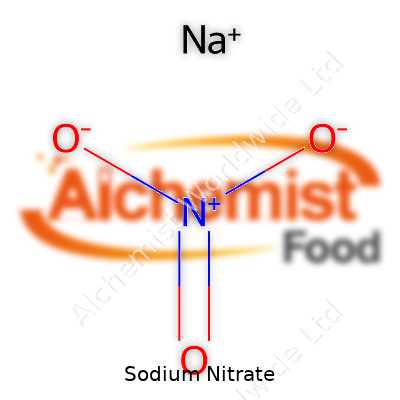
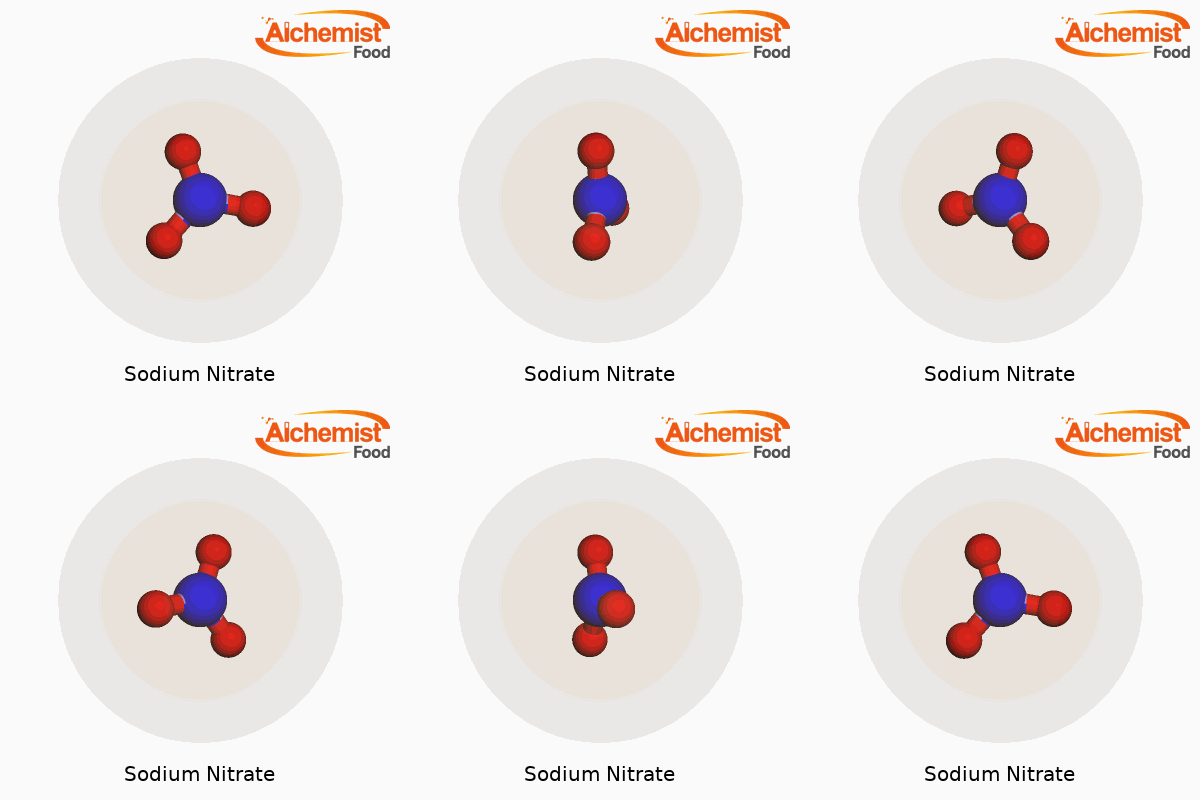
| Names | |
| Preferred IUPAC name | Sodium nitrate |
| Other names |
Chile saltpeter Nitratine Peru saltpeter Soda niter |
| Pronunciation | /ˈsəʊdiəm ˈnaɪtreɪt/ |
| Preferred IUPAC name | Sodium nitrate |
| Other names |
Chile saltpeter Nitratine Soda niter Norwegian saltpeter |
| Pronunciation | /ˈsəʊdiəm ˈnaɪtreɪt/ |
| Identifiers | |
| CAS Number | 7631-99-4 |
| Beilstein Reference | 3530806 |
| ChEBI | CHEBI:76207 |
| ChEMBL | CHEMBL1355 |
| ChemSpider | 10919 |
| DrugBank | DB09466 |
| ECHA InfoCard | 100.007.320 |
| EC Number | 231-554-3 |
| Gmelin Reference | 604674 |
| KEGG | C00286 |
| MeSH | D009678 |
| PubChem CID | 24268 |
| RTECS number | WC5600000 |
| UNII | OUYCCCASQSCX |
| UN number | 1498 |
| CAS Number | 7631-99-4 |
| Beilstein Reference | 146171 |
| ChEBI | CHEBI:7803 |
| ChEMBL | CHEMBL1355 |
| ChemSpider | 10624 |
| DrugBank | DB06754 |
| ECHA InfoCard | 100.007.828 |
| EC Number | 231-554-3 |
| Gmelin Reference | Gmelin Reference: 1555 |
| KEGG | C00286 |
| MeSH | D009678 |
| PubChem CID | 24268 |
| RTECS number | WV0800000 |
| UNII | OU422SE5KS |
| UN number | 1498 |
| Properties | |
| Chemical formula | NaNO3 |
| Molar mass | 84.9947 g/mol |
| Appearance | White crystalline solid |
| Odor | Odorless |
| Density | 2.26 g/cm³ |
| Solubility in water | 820 g/L (20 °C) |
| log P | -3.7 |
| Vapor pressure | Negligible |
| Acidity (pKa) | Acidity (pKa): -1.3 |
| Basicity (pKb) | 13.87 |
| Magnetic susceptibility (χ) | +20.0·10⁻⁶ cm³/mol |
| Refractive index (nD) | 1.586 |
| Viscosity | 20 cP (20°C) |
| Dipole moment | 0 D |
| Chemical formula | NaNO3 |
| Molar mass | 84.99 g/mol |
| Appearance | White crystalline solid |
| Odor | Odorless |
| Density | 2.26 g/cm³ |
| Solubility in water | 82.3 g/100 mL (25 °C) |
| log P | “-3.7” |
| Vapor pressure | Vapor pressure: Negligible |
| Basicity (pKb) | pKb > 14 |
| Magnetic susceptibility (χ) | +0.3e-6 |
| Refractive index (nD) | 1.335 |
| Viscosity | 1.51 mPa·s (at 25 °C, 1 M aqueous solution) |
| Dipole moment | 0 D |
| Thermochemistry | |
| Std molar entropy (S⦵298) | 116.5 J·mol⁻¹·K⁻¹ |
| Std enthalpy of formation (ΔfH⦵298) | -467.85 kJ/mol |
| Std enthalpy of combustion (ΔcH⦵298) | −446.0 kJ/mol |
| Std molar entropy (S⦵298) | 116.5 J·mol⁻¹·K⁻¹ |
| Std enthalpy of formation (ΔfH⦵298) | -467.85 kJ/mol |
| Pharmacology | |
| ATC code | V03AB21 |
| ATC code | B05XA14 |
| Hazards | |
| Main hazards | Oxidizing solid, may intensify fire; harmful if swallowed, causes serious eye irritation |
| GHS labelling | GHS07, GHS09 |
| Pictograms | GHS03,GHS07 |
| Signal word | Warning |
| Hazard statements | H272, H319 |
| Precautionary statements | P210, P220, P221, P264, P270, P273, P280, P301+P312, P305+P351+P338, P306+P360, P370+P378, P403+P233, P501 |
| NFPA 704 (fire diamond) | 2-0-0-OX |
| Autoignition temperature | > 650 °C (1,202 °F) |
| Explosive limits | Not explosive as sold. |
| Lethal dose or concentration | LD50 Oral Rat 1267 mg/kg |
| LD50 (median dose) | 3,430 mg/kg (oral, rat) |
| NIOSH | SN8845000 |
| PEL (Permissible) | PEL (Permissible Exposure Limit) for Sodium Nitrate: "Not established |
| REL (Recommended) | 30 mg/L |
| IDLH (Immediate danger) | 250 mg/m³ |
| GHS labelling | GHS07, GHS09 |
| Pictograms | GHS03,GHS07 |
| Signal word | Warning |
| Hazard statements | H272, H319 |
| Precautionary statements | P210, P220, P221, P264, P280, P370+P378, P501 |
| NFPA 704 (fire diamond) | 2-0-0 oxidizer |
| Autoignition temperature | > 600 °C (1112 °F; 873 K) |
| Explosive limits | Not explosive |
| Lethal dose or concentration | LD50 Oral - Rat - 3,430 mg/kg |
| LD50 (median dose) | LD50 (median dose): Rat oral 1267 mg/kg |
| NIOSH | SN0540000 |
| PEL (Permissible) | PEL (Permissible Exposure Limit) of Sodium Nitrate: "15 mg/m³ (total dust), 5 mg/m³ (respirable fraction) as Particulates Not Otherwise Regulated (PNOR) |
| REL (Recommended) | 30 mg/L |
| IDLH (Immediate danger) | Immediate danger to life or health (IDLH) for Sodium Nitrate is "2500 mg/m³". |
| Related compounds | |
| Related compounds |
Potassium nitrate Sodium nitrite Ammonium nitrate Sodium chlorate Sodium sulfate |
| Related compounds |
Sodium nitrite Potassium nitrate Potassium nitrite Calcium nitrate Ammonium nitrate Sodium sulfate |



