Sodium Butyrate: Past, Present, and Future
Historical Development
Sodium butyrate has roots stretching back into the 19th century, when early chemists separated and named butyric acid from rancid butter. In the decades that followed, some of the world’s great chemical minds managed to refine, study, and eventually produce sodium butyrate, the sodium salt of butyric acid. Scientists noticed early on that butyrates had a role to play in both animal and human digestion. Agricultural researchers started looking into these compounds for animal feed and health as farming science took off through the last century. By the 2000s, sodium butyrate popped up in medical journals again and again, especially as microbiome research lent new life to “short-chain fatty acids.” Researchers started piecing together how this simple molecule could shape animal health, gut function, and immune systems.
Product Overview
Sodium butyrate stands out as a white, nearly odorless powder that offers more than just academic interest. Companies package it in airtight, light-blocking containers to keep out moisture, since this product absorbs water from air. On a commercial scale, manufacturers sell it in different grades, from animal feed to pharmaceutical-grade material. Laboratories and food-tech developers have found sodium butyrate fits right into a growing toolbox of gut-modulating ingredients. Some researchers even see it as a promising candidate for blending into supplements or specialty nutrition products targeting gastrointestinal health.
Physical and Chemical Properties
This compound shows itself as a dry, crystalline powder with a faint fatty odor when pure and undiluted. Sodium butyrate boasts a molecular formula of C4H7NaO2 and a molecular weight around 110.09 g/mol. It dissolves easily in water, forming clear, slightly alkaline solutions, making it useful in animal feeding and lab work. The compound’s melting point sits near 250°C, and it holds up well under normal storage, although it breaks down under strong heat or acid conditions. The sodium salt brings the benefits of butyric acid without the harsh smell or handling hassles this organic acid would have in a raw form. This gives it a more comfortable entry into the hands of feed mills, research labs, and food processors.
Technical Specifications & Labeling
Real-world sodium butyrate ships out in bulk packaging by specialized chemical companies with strict regulatory labeling. Food- and pharma-grade lots follow guidelines around purity, heavy metals, and microbial contaminants, often guaranteeing butyrate content above 98%, heavy metals less than 10 ppm, and moisture less than 0.5%. Quality control teams check batch integrity at every stage, from testing raw materials to analyzing finished batches for consistency and safety. Most packaging comes stamped with batch numbers, expiry, hazard symbols, and recommended storage instructions. Regulatory requirements mean labels must detail hazard information. Facilities working with sodium butyrate face extra scrutiny in places like the European Union, where REACH and food additive standards govern import, handling, and sales.
Preparation Method
Industrial production usually combines butyric acid and a sodium base, most often sodium hydroxide. Butyric acid, itself extracted by fermenting plant or animal fats, reacts with sodium hydroxide in water, forming sodium butyrate through neutralization. This simple reaction lets producers scale up production, delivering consistent quality suited for food, pharma, and animal nutrition. Once the reaction finishes, technicians filter, wash, and dry the product. Final milling breaks down any clumps for a uniform powder. This mix of fermentation chemistry, classic acid-base neutralization, and modern quality control spells out how 19th-century curiosity has paved its way into 21st-century mass production.
Chemical Reactions & Modifications
Sodium butyrate doesn’t just stay as-is in applications. It can react with strong acids to regenerate free butyric acid, though most users avoid this due to the compound’s sharp, unpleasant odor. Industrial chemists sometimes use sodium butyrate to supply the butyrate ion in broader chemical syntheses, acting as a starting block for more complex molecules. In food and feed tech, microencapsulation remains popular, sealing sodium butyrate inside waxes or fatty coatings. This modification helps deliver the active molecule directly to target areas like the lower intestine in animal nutrition, promoting maximum benefit before the body can absorb or degrade it elsewhere. Such process tweaks push sodium butyrate beyond a single-use ingredient.
Synonyms & Product Names
In catalogs and research papers, sodium butyrate turns up under several names: sodium butanoate, butyric acid sodium salt, E570a in food labeling within the EU, or simply C4H7NaO2. Product naming takes another turn in the animal feed world, with brands adding their own trade names or microencapsulation trademarks. End-users—whether farmers, veterinarians, or researchers—usually seek out sodium butyrate or a product specifying its percentage and the delivery method (coated, protected, or plain).
Safety & Operational Standards
In practice, sodium butyrate warrants careful handling, though it ranks low on the hazard scale. Direct contact with eyes or mucous membranes can cause mild irritation, and inhaling airborne powder isn’t pleasant. Storage guidelines call for cool, dry, sealed environments to keep the product stable. Warehouses posting clear hazard labels and enforcing good ventilation create workplaces that protect staff and product integrity. Industry standards set by regulators like OSHA, the European Chemicals Agency, and food safety authorities lay out requirements for worker training, personal protective equipment, and regular site safety audits. In shipping and logistics, sodium butyrate does not classify as a hazardous chemical, which streamlines road and rail transport compared to more dangerous goods.
Application Area
Most sodium butyrate ships off to the animal feed sector. Farmers add it to piglet, poultry, and dairy diets, giving animals a boost to gut health, resilience, and feed efficiency. Research over the past few decades shows clear benefits, including lower pathogen levels in the gut, less diarrhea in weaning animals, and more robust growth—even under commercial farm stressors. Veterinary research often cites sodium butyrate’s effect on promoting healthy colon cells and “good” microbes in the digestive tract. Human health circles discuss butyrate from a microbiome viewpoint: it’s a star fuel source for colon cells and shapes immune activity in the bowel. Some supplement companies now experiment with sodium butyrate capsules to influence gut wellness, digestive comfort, and metabolic outcomes. In agriculture, food processing, and laboratory settings, sodium butyrate’s roles keep multiplying, as new studies emerge on tissue culture, immune modulation, and even gene expression.
Research & Development
Scientists dive deep into sodium butyrate’s biology and utility, chasing details about how this molecule impacts everything from livestock to laboratory models of disease. Recent research looks at its role in epigenetic modulation, where sodium butyrate influences which genes turn off or on in mammalian cells by blocking histone deacetylases. This line of work connects sodium butyrate to treatments for cancer, neurodegenerative disorders, and metabolic diseases. In agriculture, researchers test different coatings and blends, seeking ways to release butyrate in the right place at the right time. Pharmaceutical companies pursue trials on oral, enteric-coated sodium butyrate capsules for use in bowel disorders like ulcerative colitis or irritable bowel syndrome. Data from Europe and Asia show feeding sodium butyrate to production animals can slash rates of gastrointestinal illness and even trim reliance on subtherapeutic antibiotics.
Toxicity Research
Toxicologists speak with some confidence about sodium butyrate’s relative safety when it lands in feeds or supplements at recommended doses. Acute toxicity studies in rodents point to high LD50 values, well beyond what any feeding or supplementation study deploys. Feeding trials in pigs, chickens, and calves find few negative effects, provided dosing stays within scientifically established boundaries. Some people may experience mild gastrointestinal bloating or discomfort at very high intake, a side effect tied to the same physiological processes butyrate activates in the gut. Regulatory assessments in food and feed sectors treat sodium butyrate as a low-risk material, but quality assurance staff in feed mills and supplement plants still stick closely to legal limits and monitoring, especially when handling giant volumes.
Future Prospects
As interest in the gut microbiome grows, sodium butyrate’s future looks active and full of possibilities. Food scientists hope to engineer stable, palatable delivery systems for human supplements or functional foods, aimed at everyone from infants to the elderly. Veterinary researchers continue to fine-tune animal feed applications, with eyes on reducing antibiotic use in farming. Cancer biologists, neurologists, and immunologists draw new lines connecting sodium butyrate to disease prevention, resilience, and therapies in early-stage trials. Industry investment powers research partnerships between academic labs and commercial companies, racing to unlock new ways to deploy or synthesize sodium butyrate. As sustainability comes under the spotlight, bioprocessing companies experiment with greener, less wasteful methods of production, tying sodium butyrate into the broader movement for environmentally-friendly food and pharma ingredients.
What are the health benefits of Sodium Butyrate?
Gut Health, Up Close
Growing up, a lot of folks thought only about vitamins, maybe some probiotics, and kept the talk of gut health pretty simple. New research points to something less talked about: sodium butyrate. It’s a byproduct made when the good bacteria in your intestines break down fiber. While not many people get excited about fatty acid salts, science keeps showing sodium butyrate offers more than you’d expect, especially for your digestive system.
Why the Hype?
I first came across sodium butyrate reading about foods that support colon health. People often link its benefits to whole grains, legumes, and resistant starches. Butyrate helps fuel the cells lining your colon. In studies from reputable institutions like the Cleveland Clinic and Mayo Clinic, researchers point out that a healthy colon means better digestion, fewer bathroom problems, and support for the immune system. People who eat high-fiber diets—think beans, sweet potatoes, oats—feed the bacteria that make butyrate. The payback comes as stronger gut lining and less inflammation.
Inflammation’s Enemy
A few family members with inflammatory bowel disease (IBD) got me digging into sodium butyrate. Clinical studies published in Gastroenterology and Clinical Nutrition journals show sodium butyrate helps calm an angry gut. It eases symptoms for some with conditions like Crohn’s or ulcerative colitis. The science says butyrate limits certain inflammatory signals. It may even help repair small injuries in the intestinal walls. If you know someone who feels trapped by a sensitive stomach, this kind of news stands out.
Brain and Mood Connection
It’s easy to see our brain and gut as separate, but they talk to each other more often than most realize. Sodium butyrate can support the production of neurotransmitters like serotonin. According to research in Nature Reviews Neuroscience, doctors see promise for sodium butyrate as a potential booster for mood and memory. Scientists are still figuring out what these findings mean for stress, depression, and even dementia. Early evidence, though, hints at a new way to think about mental health—one that runs straight through the digestive tract.
Possible Routes to Better Health
One simple solution stands out: eat more fiber. A higher intake of plant-based foods, including asparagus, garlic, and lentils, can raise natural butyrate production. Supplements exist, but these work best along with real food, not instead of it. People with specific health conditions should talk to a trusted healthcare provider before starting supplements.
Real-World Takeaways
The typical Western diet leaves many people low on fiber, which means missing out on sodium butyrate’s advantages. With growing rates of digestive and mood disorders, the push for fiber earns extra weight. I’ve noticed, after swapping more beans and greens into my meals, digestive comfort improves. An ounce of prevention comes much easier than a pound of cure. For most, caring for the gut doesn’t call for fancy pills—just practical foods that lift butyrate production, support the guts, and maybe even brighten your mood.
How should Sodium Butyrate be taken or consumed?
Navigating the Basics
Sodium butyrate draws attention for gut health, especially among folks who deal with digestive discomfort or want to support a balanced microbiome. I’ve seen plenty of curiosity about how to use it correctly and safely—not just among researchers, but in health circles and regular kitchens. Anyone curious about sodium butyrate usually faces the same questions: pill, powder, or food? Timing, dose, and whether it messes with daily life. These details matter a lot more than they seem at first glance.
Choosing the Right Form
Most people reach for supplements. Powder form and capsules are both easy to find. Capsules come with less odor, which helps—anyone using the powder knows the smell can make your eyes water. I once tried mixing sodium butyrate (from fermentation) into a smoothie and instantly regretted it because the flavor stayed with me all day. Capsules sidestep that problem, and most folks find them friendlier, especially for travel and work.
Dosing With Care
Starting low makes the most sense. Some experts in gut disorders, like those treating inflammatory bowel diseases or IBS, recommend starting with 300–600 mg per day. Many studies, including a 2022 review from the journal Nutrients, support those numbers for positive shifts in gut health. Bumping up to a gram, or even more, sometimes happens under doctor supervision. Jumping in at high doses causes bloating or cramping, so a gradual climb proves smarter.
Timing and Food Pairing
Eating sodium butyrate with food reduces stomach upset. Capsules, especially, break down better when not sitting in an empty stomach’s harsh acid. I find breakfast with some healthy fats and protein helps. For people with sensitive digestion, split doses—half in the morning, half at night—cuts down on discomfort. Some researchers believe evening dosing supports the gut lining’s nighttime repair work, though there’s no single rule.
Do You Actually Need a Supplement?
Sodium butyrate shows promise, but food sources of butyrate still stand strong. Fermented foods like aged cheese or butter from grass-fed cows deliver natural butyrate. High-fiber foods (think oats, beans, apples) feed gut bacteria so they produce butyrate in the colon. A diet built around diverse fibers—something most nutrition experts, including the Harvard T.H. Chan School of Public Health, recommend—often gives solid digestive support without a pill.
Safety and Quality
Quality control remains a top priority. The supplement market sometimes skimps on testing. Buy from established brands with third-party verification. Labels matter. Look for dosage amounts, ingredient transparency, and batch numbers. Too many experiences with questionable supplements remind me: cheap can mean risky. Certain people—pregnant women, children, or those with serious health issues—should double-check with a doctor.
Bigger Picture
Plenty of interest surrounds sodium butyrate, and not just among biohackers. As new research unpacks more about gut-brain signaling, immune health, and metabolism, sodium butyrate’s practical use will keep drawing questions and experiments. Supplements offer convenience, but diet forms the only lasting strategy you can trust over the long haul. That’s what most nutritionists say, and it matches what works best for me and friends who care about balanced, everyday health.
Are there any side effects of using Sodium Butyrate?
Looking at Sodium Butyrate’s Popularity
Lately, sodium butyrate has received lots of attention in health circles. Folks claim it supports gut health, helps with inflammation, and even boosts brain function. Some doctors rave about its potential for people with digestive troubles. But as with everything in nutrition, things aren't black and white. Side effects matter—especially with substances folks consider “natural” or “healthy.”
Direct Experience and What Research Says
Supplements crowd the shelves and the urge to try the latest one can be strong. In my own life, I’ve met several people jumping on the sodium butyrate bandwagon after reading inspiring blogs or studies. Many feel fine. Some notice subtle changes like less bloating. Still, a few share that things don’t go so smoothly.
Science offers a mixed bag of insight. Published studies from major journals, such as the World Journal of Gastroenterology, point out that sodium butyrate can improve metabolism in the gut and lower some inflammation. But flip to discussion threads in real-world communities or reports from physicians and you’ll find a handful of repeating complaints: stomach pain, diarrhea, mild cramping, and flatulence. Sometimes, people feel nauseated. Supplements tend to bring out these effects more often because they come in higher-than-dietary doses.
Why Do Side Effects Happen?
Butyrate production happens naturally in the body—gut bacteria make it when breaking down dietary fiber. Most people take in moderate amounts through food, like butter and cheese. Supplementing with sodium butyrate pushes doses higher than usual, and sensitive digestive tracts push back. The gut may react to sudden exposure, especially for those unaccustomed to high-fiber diets. Folks with underlying gastrointestinal disorders can trigger or worsen symptoms.
Some people worry about long-term consequences. Research so far does not connect sodium butyrate to chronic damage in healthy adults taking typical supplement dosages for short periods. That said, pregnant people and young kids should be extra cautious. Safety data for these groups remains thin.
Solutions for Safer Use
Navigating supplements takes thought and responsibility. Most nutritionists, including those at Harvard’s T.H. Chan School of Public Health, recommend starting at a low dose. Introducing sodium butyrate slowly lets the gut adapt and helps spot adverse effects early on. Taking it with food often calms down much of the stomach upset.
Anyone with a pre-existing health condition ought to talk with their healthcare provider before starting a regimen. A brief chat can prevent a string of unnecessary doctor visits. It makes sense to track any noticeable changes in symptoms. If side effects ramp up, it’s time to stop. Supplements always sit behind real, fiber-rich foods when it comes to gut health support; that’s advice echoed by doctors and dietitians across the board.
Final Thoughts on Judging Side Effects
No supplement gets a free pass—not even those with strong research behind them. Reliable information, a willingness to listen to the body, and a good relationship with a doctor keep things from going off the rails. Knowledge isn’t just safety; it’s empowerment. Sodium butyrate holds promise for some, but risks—though often minor—shouldn’t be ignored.
Is Sodium Butyrate safe for long-term use?
What Draws Attention to Sodium Butyrate?
People looking for supplements to boost gut health often come across sodium butyrate. Its biggest appeal hangs on research linking butyrate—produced naturally by gut bacteria—to benefits like reduced inflammation, improved colon health, and possible mental health support. It’s easy to see why supplement companies promote capsules packed with sodium butyrate as the next step for health-conscious folks.
The Safety Conversation: What Evidence Shows
Long-term safety questions aren’t only fair—they’re essential. A lot of interest grows from animal studies. Researchers report that sodium butyrate, in moderate doses, supports gut lining repair and immune function in rodents. Most animals handle it fine over several months—sometimes up to a year. But translating results from a mouse to a person has never been simple.
Actual human studies remain sparse, especially beyond short-term or clinical settings. Most trials focus on people with medical conditions like ulcerative colitis or irritable bowel, with studies often lasting just weeks or months. Few report harm, and some show minor stomach upset or loose stools. From personal experience working as a medical writer, I see a clear pattern: rare reports of negative side effects surface from those taking larger doses, but most folks use far less than the amounts given in research settings.
Ingredient Quality and Dosing: Real-World Risks
Supplements vary widely. No two sodium butyrate products look or absorb the same. I have skimmed through multiple supplement bottles in health food shops. Some capsules use questionable fillers or rush the formulation process; others lack strict quality standards. This makes it difficult for consumers to know what exactly they're adding to their routine.
Too much butyrate risks bloating, cramps, or diarrhea. Those with underlying gut problems seem most at risk, likely because their digestive tracts struggle with big shifts. The rest digest sodium butyrate easily, provided they stick to moderate doses. Since most people already get some butyrate from dietary fiber (think beans, oats, and apples), there’s no pressure to pile on pills unless advised by a healthcare professional.
Who Should Approach with Caution?
Specific groups—children, pregnant women, those on kidney or heart medications—need advice from a knowledgeable doctor before using sodium butyrate. No safety net covers these folks because studies rarely include them. The supplement's sodium content adds extra salt, which could impact blood pressure or kidney function. Anyone already juggling these concerns should leave the trend alone for now.
Toward More Transparent Use
Long-term safety remains unanswered. The scientific record sets no clear ceiling for how much and how long is safe. This calls for proper medical supervision for anyone thinking about using sodium butyrate for longer than a couple of months. Keeping a food diary and tracking symptoms helps spot issues early. Regular check-ups and bloodwork go a long way for those blending supplements with prescription medications.
Researchers are catching up. Smarter studies on human volunteers, with careful follow-up for months or even years, would clear up doubts. Until then, the best bet is a fiber-rich plate—letting nature and your gut do their work. Supplements can fill gaps, but natural approaches feel steadier and safer for the long haul.
Can Sodium Butyrate help with gut health or digestive issues?
Looking at What Matters in Digestive Wellness
Gut problems have a way of creeping in and making everyday life frustrating. Bloating, discomfort, or unpredictable digestion can turn meals into a gamble. Over years of reading research, talking with nutritionists, and reflecting on friends’ personal journeys through digestive trouble, a common theme pops up: the gut needs balance, both in bacteria and the nutrients that support it. Sodium butyrate often gets mentioned, but many folks haven’t heard of it or have questions about what it actually does for gut health.
What is Sodium Butyrate?
Sodium butyrate comes from butyric acid. In the body, some types of gut bacteria turn fiber from foods like oats, beans, or vegetables into butyrate. This short-chain fatty acid supports the cells lining the gut and fuels helpful bacteria. When people talk about “feeding your gut,” this connection to butyrate shows up again and again. Sometimes, though, fiber just isn’t enough, so supplement companies offer sodium butyrate in capsule form.
The Research So Far
Several studies published over the last decade keep circling back to sodium butyrate as a potential game-changer for people with certain digestive struggles. For example, research in the journal Gut showed that people with irritable bowel syndrome (IBS) sometimes have less butyrate-producing bacteria. Animal experiments make it clear that butyrate calms gut inflammation, helps seal up the lining of the colon, and encourages healthy movement of food through the digestive tract. Human evidence is a bit less dramatic, but some clinical trials report fewer symptoms and improved quality of life after supplementing for a few months.
I’ve spoken to several people who tried sodium butyrate, usually after getting advice from a gut health specialist. A few felt noticeable relief within weeks, while others saw little change. The response seems to ride on individual factors—like diet, stress, or the balance of bacteria already living in the gut.
Why Gut Health Deserves Attention
A gut in poor shape does more than just mess with digestion. Recent science connects gut bacteria and their byproducts—such as butyrate—not just to immediate issues like IBS or bloating, but also to immune function, mood, and even heart health. When gut cells lack support and the lining gets “leaky,” it sets the stage for inflammation throughout the body. That’s why substances that support these cells, including butyrate, hold so much interest for researchers and health professionals alike.
Practical Solutions and Choices
Rather than jumping straight to supplements, I’ve noticed dietitians suggest checking fiber intake first. Eating a strong mix of vegetables, legumes, nuts, and seeds helps the gut make its own butyrate. Some people prefer food-based approaches—think whole grains or resistant starches—which encourage a diverse, resilient microbiome. If a doctor or nutritionist recommends sodium butyrate, paying attention to personal reactions matters. Some feel side effects like mild cramping or changes in stool. Making major changes without professional guidance can backfire, so expert input earns its place.
Wrapping Up with Care and Curiosity
Sodium butyrate stands out not as a miracle fix, but as one piece in the gut puzzle. Evidence points toward real benefits for some, especially for people with chronic digestive conditions. The path rarely depends on a single supplement; instead, it drifts toward food, lifestyle, and, sometimes, evidence-backed products under professional watch. As with so many things in health, sticking close to the evidence and personal experience gives the best shot at lasting results.
What are the health benefits of Sodium Butyrate?
What Sodium Butyrate Brings to the Table
I never paid much attention to words like “butyrate” before dealing with gut issues myself. As I juggled doctors and tried different diets, I read about a compound called sodium butyrate. This substance naturally forms in the gut when bacteria digest fiber. It surprised me, but research shows its influence reaches from digestive comfort to brain health.
Gut Health Gets Real Support
Sodium butyrate stands out for nurturing the cells lining the colon. These cells, called colonocytes, get much of their energy from butyrate, making the gut barrier stronger and more resilient. When the gut lining works well, it acts like a wall against unwanted particles sneaking into the bloodstream. Gut lining trouble, often linked to “leaky gut,” has been tied to inflammation and a range of health problems, including autoimmune and metabolic disorders. I noticed that small changes—like getting more fiber and butyrate—brought honest improvement in gut comfort and regularity.
Anti-Inflammatory Punch
Butyrate shines as a natural anti-inflammatory agent. According to a review in Nature Reviews Gastroenterology & Hepatology (2018), butyrate dials back the release of inflammatory molecules inside the gut. Relief for those with inflammation-heavy conditions, like Crohn’s disease and ulcerative colitis, isn’t just theory. Clinical trials show sodium butyrate enema therapy helped patients with mild to moderate colitis reduce symptoms. It seems to cool chronic inflammation, giving people a break from endless gut pain.
Brain and Mood Connection
Butyrate’s reach goes beyond the gut. The brain-gut connection turns out to be more real than I first thought. Studies in Frontiers in Psychiatry linked butyrate intake to a lower risk of anxiety and depression-like behaviors in animal models. Researchers believe this relates to butyrate’s role in keeping inflammation down in the brain and helping nerve cells thrive. Getting my digestion in order helped my own mood and energy, something I carry into daily life now.
Metabolism and Blood Sugar
Blood sugar control often feels like a battle with willpower and luck, but gut health plays a silent role. Sodium butyrate helps guts produce hormones that manage hunger and insulin response. Some animal studies show that butyrate can improve insulin sensitivity and may help support healthier blood sugar levels. It’s not magic, but it takes some strain off already-stressed systems that run on modern food and habits.
Daily Actions and Solutions
Most people don’t need a supplement to get the benefits of butyrate. Eating more high-fiber foods—think oats, lentils, bananas, onions—feeds gut bacteria that create butyrate naturally. For people with gut diseases or special dietary needs, supplementing under a doctor’s supervision can help. Quality matters; not every supplement is created equal, so working with a trained health professional helps filter out gimmicks from real science.
Sodium butyrate isn’t a cure-all, but it helps repair, calm, and energize both gut and mind. Real-world relief often starts from what happens deep inside the digestive tract. Looking after gut bacteria with thoughtful eating habits brings changes that last—and the evidence grows more convincing every year.
Are there any side effects of taking Sodium Butyrate?
What Is Sodium Butyrate?
Sodium butyrate is a salt form of butyric acid, a short-chain fatty acid produced by gut bacteria during the fermentation of dietary fiber. Some supplement companies promote it for digestive health, mental focus, and immune support. Many people try it because of promising research in gut health and brain function. Even though it has drawn lots of attention, not everyone knows about its potential side effects, especially when taken in higher doses or long-term.
Checking the Science and Personal Observations
As someone who has watched digestive health trends for years, I’ve noticed more people reaching for sodium butyrate as a daily supplement. It’s easy to get swept up in positive testimonials. At the same time, too little attention goes toward real-world effects, especially among those who don’t have direct supervision from healthcare professionals.
The research so far shows sodium butyrate is generally safe for most adults at suggested doses. Still, some people do get unwanted effects. Mild digestive trouble often pops up. Gas, bloating, and cramps don’t always stick around for long, but they show the gut isn’t used to having that much butyrate at once. For some, this discomfort fades after a few days, while others have to weigh whether it’s worth continuing.
Who Should Be More Careful?
Not everyone who tries sodium butyrate walks away with a glowing review. People with sensitive guts—like those with irritable bowel syndrome or inflammatory bowel disease—sometimes report stronger stomach pain or increased urgency. For these folks, upping the dose too quickly can tip the balance in the wrong direction. Anyone with a chronic digestive condition should talk things over with a doctor or dietitian before starting any new supplement.
People following certain diets, like ketogenic, paleo, or those with dairy allergies, often add sodium butyrate to fill specific nutrient gaps. In my own discussions with dietitians and patients, the pattern repeats: those who start low and increase slowly have a smoother time than those who jump to high doses right away. It's a reminder that personal tolerance trumps one-size-fits-all advice.
Other Considerations and Drug Interactions
Early animal studies hinted at benefits for brain function and metabolic health, yet few human trials have gone deep into safety profiles. Most commercially available sodium butyrate supplements don’t have strong data backing their quality or purity. This leaves room for unwanted ingredients or uneven dosing, which can play a role in unexpected side effects.
As with many supplements, those taking prescription drugs need to ask about possible interactions. Sodium butyrate appears safe in most cases, but anyone on blood pressure medication or those with kidney problems should check in with a healthcare provider. Sodium load from supplements can add up for people keeping sodium intake in check.
Ways To Minimize Risks
One of the best habits is reading supplement labels carefully and starting with the lowest dose possible. Paying attention to how your own body reacts goes a long way, and keeping a journal of symptoms can help spot patterns. Buying from companies with third-party testing gives an extra measure of confidence. For anyone who experiences strong gastrointestinal discomfort that doesn’t ease up, stopping the supplement and seeking guidance makes sense.
In the end, knowing your own health history and getting advice from trusted, well-trained healthcare professionals gives the safest path forward with sodium butyrate. New trends in gut health bring new possibilities—and with them, a responsibility to balance hope with healthy skepticism and real-life feedback.
How should Sodium Butyrate be taken or dosed?
Understanding the Role of Sodium Butyrate
Sodium butyrate keeps getting attention, not just from supplement fans, but from researchers who study the gut-brain connection. This compound, a salt form of butyric acid, is produced when gut bacteria break down fiber from food. Functional medicine doctors highlight its value for gut lining repair and inflammation control, while some recent clinical reviews point to its effects on energy, digestion, and mood. But interest always circles back to the basics: What’s a reasonable dose, how should people take it, and is it safe for everyone?
The Dosage Debate: Listen to Both Research and the Body
Most studies use capsule doses between 300 mg to 1,500 mg daily, split into two or three servings. A summary in the journal “Nutrients” tallied dozens of studies on humans, with gut health as the main focus. The majority showed benefit for intestinal barrier function and even for those with irritable bowel complaints using doses near 600 mg per day. But some gut doctors say people with especially sensitive stomachs may feel discomfort if they jump into higher doses. Only a fraction of trials push above 1,500 mg daily. For most adults, starting with a low dose, like 300 mg once a day with food, helps test how the body responds.
I tried sodium butyrate myself during a run of antibiotics after a stubborn stomach bug. I found two things matter most: the form and the timing. Enteric-coated capsules survive the stomach acid better, delivering the butyrate to where bacteria naturally produce it—the colon. I noticed much less bloating using these than powder dissolved in water. Timing with food also made a noticeable difference for me; a few times I took sodium butyrate on an empty stomach, I got mild nausea. Taking it with a meal seemed to blunt this side effect and just felt easier on digestion.
Safety and Who Shouldn’t Rush In
Butyrate supplements haven’t shown concerning side effects in most clinical trials, even in those using doses near 2 grams daily for short spans. The few reports of cramps or loose stools tend to happen when someone starts at a higher dose. Folks with a history of stomach ulcers or chronic GI inflammation should check with their doctor, since their guts already struggle with extra salt loads. For kids and pregnant women, trials are still thin, so caution is the smart option.
Making It Work Every Day
No supplement can replace a diet high in plant fibers and whole grains—the real “feed” for the butyrate-producing bacteria in your gut. But for people struggling with leaky gut, post-antibiotic recovery, or lingering bowel discomfort, sodium butyrate stands out as an accessible add-on. Adding it gradually, with food, in a coated capsule, is how most nutrition experts recommend rolling it out. People should watch for any signs of gut upset and track changes over one to two weeks before considering a higher dose.
Healthcare providers can bring added benefit by pairing sodium butyrate with probiotics or prebiotic fibers, which gives bacteria what they need to produce even more butyrate from food. The real goal is to foster a gut environment that thrives even after discontinuing supplements. That takes a blend of targeted support, time, and respect for each body’s limits.
Is Sodium Butyrate safe for long-term use?
What is Sodium Butyrate?
Sodium butyrate shows up in health blogs, supplement labels, and even discussions among doctors as an option for gut support. It’s a salt form of butyric acid, one of the short-chain fatty acids naturally made in the gut when bacteria ferment dietary fiber. Some use sodium butyrate capsules to deal with digestive issues. Others look to science reporting benefits for metabolism, brain function, and inflammation control.
What the Science Says
Researchers have spent time studying sodium butyrate's role in gut health. In lab models, butyrate strengthens the barrier in the colon, eases inflammation, and shapes the immune response. Human studies remain fewer, but a handful show benefits for people with inflammatory bowel disease or irritable bowel syndrome. Some reports suggest sodium butyrate could support brain health or metabolic function, but those studies often involve animals, not humans.
I notice people are drawn to supplements with strong claims tied to them. The trouble is, even promising results in mice don’t always guarantee the same results in humans. Human digestion, metabolism, and daily lifestyle all play a role. Researchers like to remind us that gut bacteria naturally make butyrate when we eat foods high in fiber — whole grains, beans, fruits, and vegetables. Since sodium butyrate supplements bypass the natural fermentation process, safety requires careful attention.
Long-Term Safety Concerns
Most safety research looks at short-term use — weeks to a couple months. Clinical trials enrolling people with ulcerative colitis gave patients sodium butyrate for up to 12 weeks and watched for signs of liver or kidney strain. No major side effects turned up at typical doses. Some people did report mild bloating or stomach upset, which faded after a few days. I often hear from friends trying new supplements that the adjustment period for the gut isn’t always smooth.
No major regulatory agency has approved sodium butyrate as a medication or food additive for general use by the public. There are studies looking at animals on sodium butyrate for months, often at doses higher than any capsule would deliver, and those didn’t show organ damage or signs of serious harm. Still, no one can say for sure how a daily sodium butyrate habit plays out in humans over years, or what might change in those with underlying health problems.
What Experts Suggest
Doctors and dietitians suggest focusing on fiber-rich foods before reaching for supplements. Fiber fuels the gut bacteria that make butyrate on their own, plus it brings other nutrients and feeds a diverse microbiome. For anyone considering sodium butyrate long-term, it’s smart to talk to a healthcare provider first. Rare allergies, sensitivities, or interactions can show up. This is especially true for people managing chronic conditions or those on medications.
Manufacturers often skip rigorous third-party testing, so supplement quality varies. A bottle may not always contain the dose the label claims. As with any supplement, sticking to professional advice means better safety. If using sodium butyrate brings relief, regular check-ins with a doctor help spot any early warning signs.
Looking Toward the Future
Science keeps moving. More clinical trials will help show what sodium butyrate really offers when people use it beyond a few months. Until those answers arrive, people interested in supporting their gut can focus on a diverse, whole-foods diet and stay informed with advice from trusted healthcare providers.
What conditions or symptoms does Sodium Butyrate help with?
Understanding the Value of Butyrate for Digestion
Digestive health has a way of affecting everything else. You’ll notice the connection every time a stomachache throws your whole day off. Sodium butyrate, a salt form of butyric acid, often gets mentioned in gut health circles for its direct impact on the lining of the colon. It doesn’t get nearly as much mainstream attention as probiotics or fiber, but it deserves a seat at the same table.
Supporting Inflammatory Bowel Conditions
People dealing with ulcerative colitis, Crohn’s disease, or even irritable bowel syndrome frequently look for answers that go beyond prescription drugs. Studies show that sodium butyrate plays a big role in calming the digestive tract. Inflammation, once it sneaks into the gut lining, can linger for months and make eating almost anything a struggle. Evidence points to butyrate as a direct fuel source for colon cells, which helps them heal and regenerate. This simple compound can slow down many of the painful flares by balancing inflammation. Clinical research from Europe found that sodium butyrate enemas led to reduced symptoms in patients with mild to moderate ulcerative colitis, offering some relief without adding long lists of side effects.
Improving Symptoms in Irritable Bowel Syndrome (IBS)
Bloating, cramping, and unpredictable trips to the bathroom mark life with IBS. I’ve watched friends cut out food after food, desperate to find what upsets their system. Butyrate helps here, too. It works by restoring the health of the gut barrier and strengthening the connection between cells. Researchers report that IBS patients taking sodium butyrate supplements experienced fewer abdominal symptoms, with some even regaining food tolerance. The feedback I hear from those who’ve tried it often centers on feeling “settled in their gut,” which counts for a lot after years of digestive distress.
Gut-Brain Axis and Mood Improvements
The idea that what impacts the gut flows upward to the brain continues to gain ground. Sodium butyrate doesn’t just help the digestive system; it also supports mental health by affecting brain function through neurotransmitter balance. Preliminary animal studies suggest that butyrate might reduce anxiety and depression-like symptoms. That comes from its influence on inflammation and its ability to support the production of certain brain chemicals. More research in humans will clarify how much difference this makes, but it’s clear the link between gut health and mood matters.
Protecting Metabolic Health
Metabolic syndromes like obesity or type 2 diabetes all involve some element of chronic inflammation. Gut bacteria that produce butyric acid contribute to lower inflammation and better insulin sensitivity. Where fiber intake fails, supplemental sodium butyrate stands in to maintain the same benefits. Some clinical studies show positive changes in glucose control and inflammation markers in people who use it. That’s significant for those struggling to keep their weight or blood sugar under control, especially if diet changes alone haven’t helped.
Moving Toward Practical Solutions
Eating more fiber-rich foods like oats, beans, and vegetables supports the natural production of butyrate by gut bacteria. Some folks, though, need extra help. Supplementation offers one practical tool, but the focus always comes back to whole-food dietary habits and a diverse gut microbiome. If symptoms stick around, it’s smart to check with a healthcare professional familiar with gut health. Sodium butyrate isn’t a miracle, but as more evidence surfaces, it looks less like a trendy fix and more like a worthwhile consideration for long-term digestive well-being.
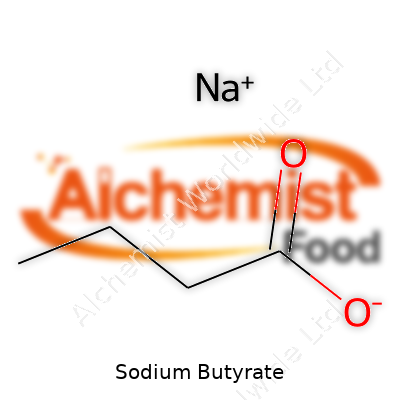
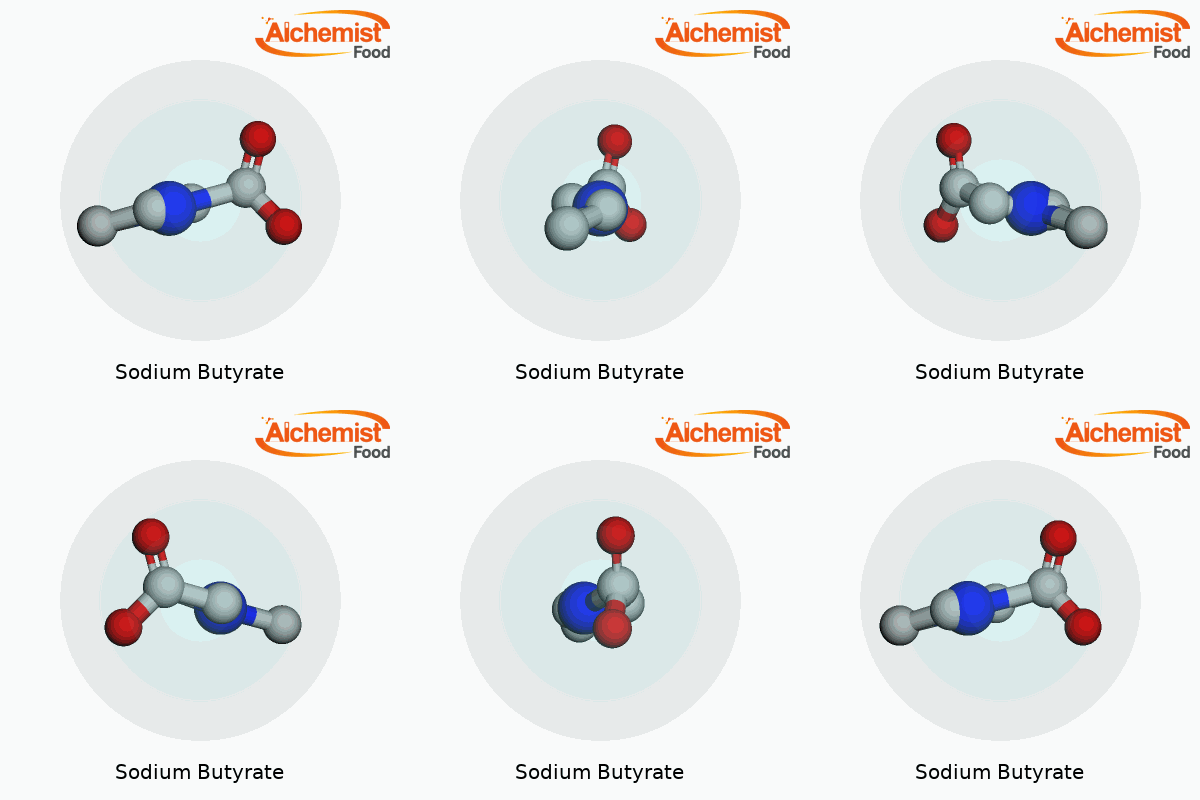
| Names | |
| Preferred IUPAC name | Sodium butanoate |
| Other names |
Butyric acid sodium salt Sodium butanoate Butanoic acid sodium salt EINECS 208-190-9 Sodium butyrate, technical grade |
| Pronunciation | /ˈsəʊdiəm ˈbjuːtəreɪt/ |
| Preferred IUPAC name | sodium butanoate |
| Other names |
Butyric acid sodium salt Sodium butanoate Butanoic acid sodium salt |
| Pronunciation | /ˈsəʊdiəm bjuːtɪreɪt/ |
| Identifiers | |
| CAS Number | 156-54-7 |
| Beilstein Reference | 1718735 |
| ChEBI | CHEBI:28358 |
| ChEMBL | CHEMBL1519 |
| ChemSpider | 167409 |
| DrugBank | DB00139 |
| ECHA InfoCard | 13d768b0-43ab-41f0-9b2e-2c8bfe80c4fd |
| EC Number | 156-54-7 |
| Gmelin Reference | 71438 |
| KEGG | C00711 |
| MeSH | D017866 |
| PubChem CID | 23665474 |
| RTECS number | EW5425000 |
| UNII | F0M6P2CCR1 |
| UN number | UN3248 |
| CAS Number | 156-54-7 |
| 3D model (JSmol) | `CCCC(=O)[O-].[Na+]` |
| Beilstein Reference | 1718734 |
| ChEBI | CHEBI:50052 |
| ChEMBL | CHEMBL2105937 |
| ChemSpider | 69210 |
| DrugBank | DB00139 |
| ECHA InfoCard | 03d52e61-1c1c-4a5d-bbb5-4bb6a2e63faf |
| EC Number | 1310-73-2 |
| Gmelin Reference | 82736 |
| KEGG | C00719 |
| MeSH | D016280 |
| PubChem CID | 23665474 |
| RTECS number | WN8UHQ5K7W |
| UNII | 0LUYQZ95FG |
| UN number | UN2817 |
| Properties | |
| Chemical formula | NaC4H7O2 |
| Molar mass | 110.09 g/mol |
| Appearance | White crystalline powder |
| Odor | Slight butyric acid odor |
| Density | 1.1 g/cm3 |
| Solubility in water | Soluble in water |
| log P | -2.3 |
| Vapor pressure | <0.01 mm Hg (20°C) |
| Acidity (pKa) | 4.82 |
| Basicity (pKb) | pKb = 4.83 |
| Magnetic susceptibility (χ) | -38.4e-6 cm³/mol |
| Refractive index (nD) | nD 1.440 |
| Viscosity | Viscous liquid |
| Dipole moment | 1.82 D |
| Chemical formula | NaC4H7O2 |
| Molar mass | 110.09 g/mol |
| Appearance | White crystalline powder |
| Odor | Odor: Slightly unpleasant |
| Density | 1.1 g/cm3 |
| Solubility in water | Soluble in water |
| log P | -2.3 |
| Vapor pressure | <0.1 hPa (20 °C) |
| Acidity (pKa) | 4.82 |
| Basicity (pKb) | 4.83 |
| Magnetic susceptibility (χ) | -29.0·10⁻⁶ cm³/mol |
| Dipole moment | 1.82 D |
| Thermochemistry | |
| Std molar entropy (S⦵298) | 374.1 J·mol⁻¹·K⁻¹ |
| Std enthalpy of formation (ΔfH⦵298) | -491.1 kJ/mol |
| Std enthalpy of combustion (ΔcH⦵298) | -2181.5 kJ/mol |
| Std molar entropy (S⦵298) | 324.6 J·mol⁻¹·K⁻¹ |
| Std enthalpy of formation (ΔfH⦵298) | -523.6 kJ/mol |
| Std enthalpy of combustion (ΔcH⦵298) | -2026.7 kJ/mol |
| Pharmacology | |
| ATC code | A07EC04 |
| ATC code | A07FA01 |
| Hazards | |
| Main hazards | Harmful if swallowed. Causes serious eye irritation. Causes skin irritation. |
| GHS labelling | GHS07, GHS08 |
| Pictograms | GHS07,GHS08 |
| Signal word | Warning |
| Hazard statements | H315: Causes skin irritation. H319: Causes serious eye irritation. H335: May cause respiratory irritation. |
| Precautionary statements | P264, P270, P280, P301+P312, P305+P351+P338, P330, P337+P313, P501 |
| NFPA 704 (fire diamond) | 2-1-0 |
| Flash point | 77 °C |
| Autoignition temperature | 310°C |
| Lethal dose or concentration | LD₅₀ (oral, rat): 1360 mg/kg |
| LD50 (median dose) | LD50 (median dose): Rat oral 1360 mg/kg |
| NIOSH | SEV35000 |
| PEL (Permissible) | PEL (Permissible Exposure Limit) for Sodium Butyrate: Not established |
| REL (Recommended) | 600 mg/day |
| Main hazards | May cause respiratory irritation. Causes serious eye irritation. Causes skin irritation. Harmful if swallowed. |
| GHS labelling | GHS05, GHS07 |
| Pictograms | GHS07 |
| Signal word | Warning |
| Hazard statements | H315, H319, H335 |
| Precautionary statements | P264, P270, P273, P280, P301+P312, P305+P351+P338, P337+P313 |
| Flash point | 62.8 °C |
| Autoignition temperature | 320 °C |
| Explosive limits | Not explosive |
| Lethal dose or concentration | LD50 (oral, rat): 1490 mg/kg |
| LD50 (median dose) | 5800 mg/kg (rat, oral) |
| NIOSH | WAJ9579U15 |
| PEL (Permissible) | PEL for Sodium Butyrate: Not established |
| REL (Recommended) | 300-1000 mg daily |
| IDLH (Immediate danger) | No specific IDLH established |
| Related compounds | |
| Related compounds |
Butyric acid Sodium valerate Potassium butyrate Calcium butyrate Magnesium butyrate |
| Related compounds |
Butyric acid Sodium propionate Sodium valerate Potassium butyrate |



