Sodium Bicarbonate: Everyday Chemistry and Deeper Potential
Historical Development
People recognized the power of sodium bicarbonate long before it turned into packets for baking or drums for industry. Egyptians used natural natron—similar to sodium bicarbonate—around 3500 BC in mummification and cleaning. Fast forward to the late 18th century, French chemist Nicolas Leblanc introduced methods to extract soda ash from salt, a move that helped mass-produce sodium bicarbonate. The Solvay process, which spun out in Belgium in the 1860s, let producers scale up efficiently. By the turn of the twentieth century, sodium bicarbonate settled into daily life. Its price dropped, but its uses just kept growing. Whether folks baked with it, cleaned with it, or reached for it in the medicine cabinet, sodium bicarbonate became a cross-continental basic.
Product Overview
Sodium bicarbonate, known as baking soda, pops up in kitchens, factories, farms, and hospitals. Everybody counts on its reliable white powder form and its ability to interact gently with household acids and bases. It often lands on ingredient lists, chemical supply catalogs, and even fire extinguishers. You find it where people need something non-toxic but effective—cleaning a coffee mug, sweetening tomato sauce’s acidity, buffering pools, or curbing acid buildup in the stomach. It’s cheap, safe in normal amounts, and doesn’t bring a sharp smell or taste, unless you overdo it in a recipe.
Physical & Chemical Properties
Sodium bicarbonate looks simple: small, white crystals or a fine powder. It feels mildly gritty, dissolves in water with a faint fizz, and gives off a slightly salty and alkaline edge. Chemically, its formula reads NaHCO3. Nature allows this material to live comfortably—stable around room temperature, non-flammable, and only offering up real action when heated or mixed with acids. It splits up into carbon dioxide, water, and sodium carbonate in a hot oven, which gives biscuits or cakes their rise. Wet it with lemon juice or vinegar, you watch bubbles release as carbon dioxide escapes. At high heat, its decomposition proves useful beyond baking—creating safer environments in industrial settings where fire suppression counts.
Technical Specifications & Labeling
Producers list technical points about sodium bicarbonate: purity sits above 99% for food and pharmaceutical grades. Moisture levels usually hover under 0.25%. Particle size gets attention—fine powder for kitchen and laboratory use, coarser grains for pool maintenance or feed additives. Labels demand clear origin, lot number, expiration date, and no cross-contaminants (especially for pharmaceutical and food applications). In places like the US and EU, agencies such as FDA and EFSA monitor quality claims to keep safety in check.
Preparation Method
Industrial sodium bicarbonate comes mostly from the Solvay process. Here, ammonia reacts with carbon dioxide and brine, generating ammonium bicarbonate and sodium chloride. The process then churns out sodium bicarbonate by passing carbon dioxide through ammoniated brine, allowing it to precipitate out as a solid for collection. Laboratories may synthesize smaller, high-purity batches by bubbling carbon dioxide through sodium carbonate solution. After isolation, drying techniques pull remaining water, and sieving sorts grain size. The original bulk crystal is rarely left unchanged; it usually gets milled or granulated to fit customer needs, showing just how flexible bulk chemistry can serve ordinary and specialized tasks.
Chemical Reactions & Modifications
Heat or acid both trigger sodium bicarbonate’s signature reaction, sending bubbles of carbon dioxide into the air and making it a favorite for leavening. Mixed with vinegar for classroom volcanoes or industrial neutralization, it always turns up reliable. Combinations with potassium compounds or certain metal ions invite different shifts—potassium bicarbonate forms, or sodium carbonate appears on heating. Chemists can also tailor the surface properties by coating grains, helping them work better in fire extinguishers or slow-release medical formulations. While its utility stays basic, the chemistry still allows for new tweaks with every new challenge.
Synonyms & Product Names
You catch sodium bicarbonate under several names, depending on your territory or use case—baking soda, bread soda, bicarbonate of soda, or just sodium hydrogen carbonate. Bulk suppliers often list it under these or with variations, including proprietary blends for specialty work. The food industry sometimes shortens it to E500(ii), following coding rules for food additives. Rarely do people confuse it with caustic or hazardous substances, but product packaging still spells out the safe and intended uses.
Safety & Operational Standards
Working with sodium bicarbonate rarely brings danger. It won’t burn skin or poison air in a typical home or factory. At worst, careless handling stirs up dust, leading to slight eye or throat irritation. Large-scale workers use dust masks, gloves, and proper ventilation to stay out of harm’s way. Industry standards call for careful storage—dry, cool, and well-sealed containers—since moisture causes caking and can reduce performance. In terms of ingestion, food-grade sodium bicarbonate remains recognized as safe by major food authorities, but like most things, overconsumption triggers metabolic changes that nobody wants. Reliable systems for tracking supply chain purity prevent contamination.
Application Area
The stage for sodium bicarbonate seems endless. Home bakers rely on it for fluffy cakes and quick breads. Cleaners swear by it for scrubbing stains and smells from refrigerators, sneakers, and everything in between. Pool operators toss bags into recirculating systems to balance pH. Fire fighters reach for sodium bicarbonate extinguishers for grease and electrical fires. Pharmacies sell it for occasional indigestion relief or to treat some poisonings. Farmers mix it into animal feed—dairy operations, for instance, use it to reduce acidosis and boost milk yield. Factories add it as a buffer or pH regulator in everything from plastics to dyes. Hospitals and emergency responders count on it as a buffer in IV drips, targeting dangerous shifts in blood acidity. Through all these roles, sodium bicarbonate’s basic chemistry underpins solid, real-world results.
Research & Development
Researchers see sodium bicarbonate as an old standby, but they keep digging for new use cases. Teams have explored its anti-fungal and antibacterial properties—especially on crops and food preservation. Others examine it as a treatment for chronic kidney disease to buffer acid loads in the blood, and early-stage clinical trials probe its effects on certain types of metabolic acidosis and some cancers. Water treatment pros experiment with using sodium bicarbonate in wastewater remediation, hoping to reduce toxic heavy metals or neutralize chemical spills without the side effects of harsher chemicals. Developers in the food and beverage sector continue to search for blends that deliver better flavor or texture control in gluten-free and alternative baking.
Toxicity Research
For something in pantries and hospitals worldwide, toxicity data clears most concerns. Researchers confirm that, at reasonable doses, sodium bicarbonate poses little risk to people or animals. Its use in infants and patients with kidney or respiratory issues draws extra caution, since unhealthy amounts alter body fluid chemistry, shifting pH levels too far from normal and risking metabolic alkalosis. Veterinary science shows that farm animals, especially dairy cattle, do well with controlled doses to curb rumen acidosis, but excess causes nutrient imbalances. Rare poisonings occur with overuse as an antacid or during misguided home treatments. These cases prompt veterinarians and clinicians to stress sensible dosing and careful education for animal handlers and the public.
Future Prospects
Sodium bicarbonate won’t fade from view soon. More interest in sustainable chemistry has companies leaning into sodium bicarbonate as a milder, less hazardous solution compared to traditional industrial acids or alkalis. Water pollution controls rely on it to help buffer runoff, and new fire safety technology continues to embed it for electrical and grease fires. Medical researchers dig deeper into how it responds to metabolic and cancer-related acidosis. Food scientists refine its role in gluten-free and plant-based products. Chemists scan for new ways to engineer surface reactions, aiming for smarter fire suppression, detoxification kits, or medical delivery systems. Cost remains low, safety stays high, and the list of applications only grows longer as fresh eyes tackle stubborn, everyday problems with this humble compound.
What is sodium bicarbonate used for?
The Everyday Wonder in Your Kitchen and Beyond
Open a kitchen cupboard, and chances are a box of baking soda lives there. Most people call it baking soda, but its chemical name, sodium bicarbonate, shows up quietly all over daily life. People tend to think of it as nothing more than something for cookies or cakes. That’s just scratching the surface. I grew up with a box in the fridge to keep odors down, and the same box moonlighted as a cleaner when it was time to scrub the sink. Over the years, it’s shown up in my medicine cabinet, my cleaning tool kit, and even in a few science experiments with my kids.
Baking and Cooking
No conversation about sodium bicarbonate goes far before baking comes up. This stuff gives cakes, muffins, and breads that fluffy, light texture everyone loves. It reacts with acids like lemon juice, yogurt, or vinegar to create bubbles of carbon dioxide that help batters expand. Without it, banana bread lacks that gentle rise that transforms a lump of batter into a golden treat. Food science backs this up. The American Chemical Society explains that these reactions balance flavors and give baked goods a better texture. Even as an adult, seeing cookies rise in the oven still feels a bit magical.
Household Cleaning and Odor Control
Baking soda tackles tough stains and bad smells. Sprinkle it on a greasy stovetop, let it sit, then scrub with a wet sponge. You’ll see the gunk lift right up. I’ve used it to get rid of coffee stains from mugs and deodorize shoes that have seen better days. To this day, my mom keeps an open box in the fridge, the freezer, and under the sink. That tradition comes from real results—scientific tests show sodium bicarbonate neutralizes strong smells by expanding surface area where odors get trapped. The same principle helps remove the smell after an onion-heavy dinner or a spill in the car.
Around the Body: Health and Everyday Relief
Most people don’t think of sodium bicarbonate as medicine, but it’s been used for ages to ease heartburn and indigestion by neutralizing stomach acid. Many over-the-counter antacids have it as a key ingredient. After a spicy meal, a small spoonful mixed into water can cool down that burning feeling fast. Dentists sometimes recommend it as a gentle toothpaste or mouthwash. The American Dental Association recognizes its ability to freshen breath and remove surface stains from teeth. Too much can cause problems for those with heart or kidney conditions, so it pays to read up or check with a doctor first.
Beyond the Kitchen: Laundry and Cleaning Booster
I learned in my twenties that throwing a cup of baking soda into the laundry helps clean towels that have built up a musty odor. Lots of people use it to clean up after pets, soaking it up after an accident on the carpet or neutralizing lingering smells. It acts tougher than some chemical-laden cleaners, yet remains gentle on fabrics and sensitive skin. For people wary about harsh cleaning agents, it serves as a go-to around the house.
Sodium Bicarbonate in Emergencies
Baking soda even steps in during some emergencies. Small household grease fires can be smothered with a handful of it, since it releases carbon dioxide and chokes out a fire’s oxygen source. I keep a box close to the stove just in case, like my parents did. The Red Cross recommends this tip for pan fires where water would only make things worse.
Making the Most of a Reliable Staple
Baking soda does more than sit on a shelf waiting for the next batch of cookies. It belongs in first aid kits, cleaning caddies, and even in beauty routines. Its versatility offers cost savings, chemical reduction, and daily solutions that just work. If you haven’t explored what it can do outside baking, you’re missing out on some easy wins in life—and often, some peace of mind.
Is sodium bicarbonate safe to consume?
The Scoop on Baking Soda
Sodium bicarbonate shows up in most kitchens as baking soda. People sprinkle it into cakes, pancakes, and even homemade toothpaste. Some folks swear by it for heartburn, others dabble in DIY cleaning. So, does sprinkling a bit of this white powder into your food carry any risks? I remember my grandmother using it for baking and as a quick fix for acidic stomach, all without concern. Over time, I realized not everyone takes the time to check whether an old remedy like this fits modern health expectations.
What Happens Inside the Body?
Eat a small amount, and sodium bicarbonate neutralizes stomach acid. This brings quick relief for heartburn or an upset stomach. Doctors sometimes recommend it for this reason, but, just like salt, too much causes problems. The sodium part of the equation spikes blood pressure if someone uses it in large quantities, especially if they’re already sensitive to salt. It also throws off the body’s acid-base balance. More than a teaspoon, taken at once, can cause nausea, cramps, and even worse if someone keeps at it.
Stories and Science Back This Up
Overusing baking soda brings real risk. In emergency rooms, doctors see cases where people land in trouble after chugging sodium bicarbonate mixed in water as a home remedy. In severe cases, especially among kids or folks with kidney or heart trouble, it triggers a condition called metabolic alkalosis. This means the blood turns too alkaline, and this impacts how organs run. A report from the American Journal of Emergency Medicine describes patients who got sick after taking more than 10 grams (about two teaspoons) at once. The symptoms they saw included vomiting, muscle twitching, and confusion.
For most adults in good health, the amount found in a batch of muffins or a spoon mixed with water usually won’t cause harm. The U.S. FDA rates sodium bicarbonate as “generally recognized as safe” (GRAS) when used as intended: a pinch in food or occasional heartburn help. People using prescription medicine, especially for high blood pressure or kidney problems, need to ask their doctor before using baking soda, even in small doses. Some medications interact, and the extra sodium builds up fast.
Why Not Just Skip It?
Swapping out sodium bicarbonate means baked goods lose fluff and tenderness. The acid-neutralizing power makes cakes rise. At the same time, people who watch salt intake or struggle with kidney disease should skip homemade antacid tricks and stick with approved therapies. The CDC notes more than 100 million adults in the U.S. have high blood pressure. For them, even the sodium in little things adds up.
Better Ways to Use and Handle It
Treat baking soda as a kitchen helper, not a daily tonic. For mild heartburn, talk to a healthcare provider about safe over-the-counter options. Keep it out of reach of kids, who might see white powder and think it’s sugar. If you ever feel unwell after using sodium bicarbonate, like vomiting, cramping, or breathing trouble, seek medical attention right away.
Experience in the kitchen—and learning from trusted sources—teaches that a dash of anything can be helpful, but too much wrecks the recipe. The science and stories from the ER prove baking soda is no exception. Cook with care, pay attention to your health, and check with professionals before turning to the internet for “miracle” cures.
What are the side effects of sodium bicarbonate?
Common Reactions and Why They Happen
Most kitchen shelves and medicine cabinets hide a box or two of sodium bicarbonate. Folks mix it with water for indigestion or sprinkle it to deodorize the fridge, confident it can’t do much harm. Still, using this household staple inside the body can bring a handful of side effects that deserve attention.
Sodium bicarbonate, or baking soda, neutralizes stomach acid. Many love that quick relief from heartburn and stomach upset. But the science says throwing off acid levels can throw everything else out of whack. Too much can cause you to belch and bloat. Gas builds up as acids meet the base. I’ve seen patients complain of stomach cramps and passing gas after downing a spoonful. That’s normal—your body reacts to rapid change with a protest.
Salt sneaks into the picture, too. Each teaspoon holds over 1,200 milligrams of sodium. People who deal with heart, liver, or kidney problems put themselves at risk for high blood pressure or fluid retention if they use sodium bicarbonate regularly. I recall a friend with chronic heart failure who used it once for reflux, then landed in the ER with swelling and shortness of breath. Her doctors pointed at her sodium intake from baking soda.
Big Risks Rarely Mentioned
One overlooked risk involves messing with blood chemistry. Our bodies work hard to keep blood at the right pH. Swallowing too much sodium bicarbonate tips blood toward alkalosis, a state where things get too basic. That shift confuses the balance of electrolytes—potassium and calcium drift out of range. Muscle twitching, hand tremors, or even seizures can follow. Studies have described hospital admissions from people who tried internet “cleanses” and landed with muscle cramps, confusion, or heart rhythm changes.
If you have kidney issues, your body struggles to clear the sodium and extra bicarbonate. Doctors warn about worsening kidney function or even kidney stones building up if you keep dosing over time. Sometimes the dangers seem hidden. Those with slow or weak kidneys may not know anything is wrong until symptoms flare up.
Interactions with Medications
Some drugs react badly with sodium bicarbonate. Antibiotics like tetracycline may get blocked from absorbing properly. Heart medications—especially diuretics—don’t play well with high sodium. If you take daily prescription pills, it makes sense to check with a pharmacist or doctor before adding anything new, even if it seems as basic as baking soda. I’ve seen medical professionals warn about life-threatening risks when these combinations sneak up on unsuspecting patients.
Safer Habits and What to Watch
For the general public, moderation keeps problems at bay. Stick to short-term, small doses if using sodium bicarbonate for heartburn. Avoid using it every day or long term unless a health professional guides you. People with high blood pressure, heart failure, or kidney disease should steer clear altogether. Symptoms like shortness of breath, swelling, confusion, or muscle twitching signal it’s time to get medical help.
It’s easy to forget a kitchen product can have serious effects. Looking at sodium bicarbonate as more than just a handy powder helps remind us that “natural” doesn’t mean side-effect free. Making informed choices—especially when health conditions are in play—keeps everyone out of avoidable trouble.
How should sodium bicarbonate be stored?
Why Storage Matters for Everyday Folks
Sodium bicarbonate shows up in kitchens, classrooms, and even medical kits. Lots of people know it as baking soda. At a glance, it looks pretty basic, just a white powder in a little carton or tub. Looks can fool you, though. Ask anybody who’s pulled out an old box only to find lumps or weird smells. Proper storage keeps it usable and safe for all those household and health tasks, whether you’re keeping the fridge fresh or prepping for an antacid dose.
Humidity: The Real Enemy
Most kitchen pantries get humid, especially after a summer storm or when the kettle’s working overtime. Moisture turns baking soda into clumps, and it quickly loses its kick. I’ve opened boxes left near the sink, only to find a mushy mess. Keeping sodium bicarbonate tightly sealed shuts out the air and stops it from absorbing water from every steamy pot or spill nearby. In practice, a glass jar with a solid lid or a good-quality plastic tub does wonders.
Avoiding Contamination, One Step at a Time
Strong odors travel fast. The powder picks up smells from soap, spices, and cleaners left nearby. Forget tossing the opened box back next to that half-peeled onion. A tight container not only blocks moisture but also keeps the soda from soaking in unpleasant scents. I’ve made this mistake enough times. Next thing you know, the cookies you just baked taste a bit like last night’s garlic bread. Sets the mood, but not in a good way.
Cool and Dry Means Reliable
A spot near the stove or on top of the fridge isn’t helpful. Heat speeds up chemical breakdowns. Over the years, I’ve seen baking soda clump and lose its fizz in places with temperature swings. Choose a shelf away from heat sources. Basements work if they’re not damp, but a kitchen cupboard that stays cool and dry often works best for most people. This holds true for other handy powders, like cornstarch or powdered sugar.
Original Packaging Only Goes So Far
Manufacturers often sell baking soda in cardboard or thin paper boxes. These packages give short-term protection. For folks living in humid climates—or in busy homes where kids and pets might trash or tip that box—it just doesn’t last. Once opened, pouring the powder into a sealed jar or tin stops messes and keeps the product fresh much longer. Label the new container to prevent confusion. In shared kitchens, labels help everyone avoid mix-ups.
Safety Hazards: Small and Rare, but Worth a Word
While sodium bicarbonate is pretty safe, it’s smart to keep it out of reach of little kids or pets, since large ingestions can sometimes cause upset stomach or more serious trouble. In my own home, we store it on a higher shelf, next to the spices but far from cleaning chemicals, to avoid accidents or cross-contamination.
Community Knowledge and Trustworthy Sources
Expert sources like the U.S. Food and Drug Administration and household science guides agree on basic principles: keep sodium bicarbonate away from moisture, odors, and heat. This advice comes from decades of testing and real-world use, not just lab theory. Listening to family, cooks, or even school science teachers, I keep reaching for the same storage tricks—and every time, they work.
Better Storage, Less Waste
Nobody wants to toss out a half-used box that’s gone bad. With a little care—think clean containers, tight lids, and cool shelves—sodium bicarbonate stays good for years. It’s a cheap fix that saves both money and headaches. With so many uses, from cooking to cleaning and even basic first aid, it deserves better than a soggy box shoved in the back corner.
Can sodium bicarbonate interact with other medications?
Sodium Bicarbonate—Not Just for Baking
Sodium bicarbonate looks harmless enough, sitting quietly in the kitchen or medicine cabinet. Most folks know it as baking soda, but some doctors recommend it for heartburn, indigestion, or even certain kidney conditions. I’ve seen relatives reach for it instead of antacids, convinced of its immediate relief. On its own, it seems simple. In practice, sodium bicarbonate works in the body well beyond neutralizing stomach acid.
Not as Simple as It Seems
Plenty of people pop a bit of baking soda in water, believing it can’t hurt. But even “safe” remedies can run into trouble with other medicines. I learned this firsthand in pharmacy practice. Many patients never mention their home remedies until something goes sideways. Sodium bicarbonate stands out because it changes the pH level in the stomach and the blood. Think of pH as the scorekeeper for acidity. A shift here can speed up or slow down how some medicines work. For instance, the body absorbs some drugs only if the stomach stays acidic. Change that setting, and suddenly, your anti-fungal pills may not do much.
Common Medicines That Clash
Digoxin comes to mind immediately. This heart medication needs a certain stomach acidity to dissolve and work. Sodium bicarbonate tweaks the balance, making digoxin less reliable. Antibiotics like tetracycline also need stomach acid to work their way into the bloodstream. Add baking soda, and your infection-fighter stalls out. Some blood pressure pills, especially those that help the kidneys get rid of too much acid, run into double trouble. If someone takes sodium bicarbonate on top, the body could end up holding on to too much bicarbonate, tipping into confusion, twitching, or even trouble breathing.
Hidden Risks With Chronic Health Issues
People with kidney problems often walk a tightrope. Doctors sometimes use sodium bicarbonate to help these patients balance their acid-base makeup. But adding more or less without checking blood work can push the kidneys too far. There’s no easy way to guess the effect. I’ve seen patients land in the hospital because too much sodium built up, raising their blood pressure and swelling their ankles.
Beyond Interactions—A Closer Look at the Whole Patient
It’s easy to trust old remedies. Our brains grow up hearing stories about quick home fixes. But our bodies don’t run on folklore. Most older adults use several prescriptions. Every new pill or powder adds more puzzle pieces, not fewer. Pharmacists and doctors often catch drug interactions during reviews, but only if the patient shares every supplement and home remedy. I once worked with a man who used sodium bicarbonate every day for heartburn alongside his blood pressure pills. He never thought to mention it. His swelling grew worse over months, and no one guessed why until his wife finally spoke up.
Taking Steps To Stay Safe
Oversight matters here. It helps to keep a written list of everything you take—whether it’s prescribed, over the counter, or something your neighbor swears by. Taking this list to every appointment pays off. Pharmacists spot interactions that slip past busy doctors. Many drug stores offer medication reviews for free. Taking advantage of these check-ups can save you from unexpected problems before they land you in the doctor’s office or worse.
Finding Real Solutions
Sodium bicarbonate has its moments, but it’s not a cure-all. Better to check in with a healthcare pro before mixing any medications. Open conversations save trouble down the road. Asking questions helps everyone. Nobody expects you to know every side effect or interaction. Sharing information helps you protect your health, and makes it easier for your care team to spot a brewing problem before it boils over.
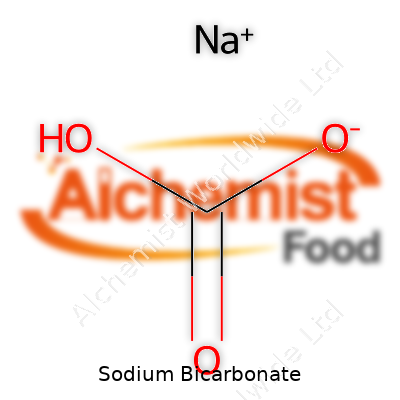
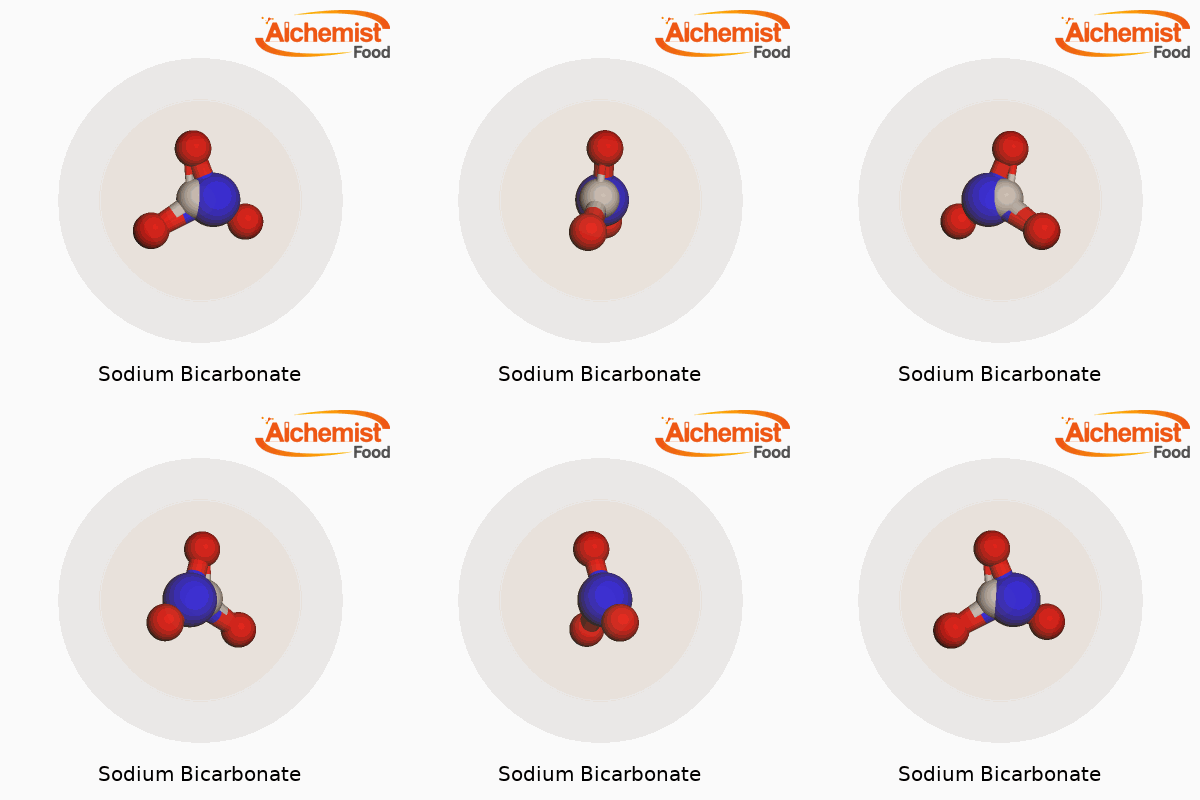
| Names | |
| Preferred IUPAC name | sodium hydrogen carbonate |
| Other names |
Baking Soda Sodium Hydrogen Carbonate Bicarbonate of Soda Bread Soda Cooking Soda Bicarb |
| Pronunciation | /ˌsəʊdiəm baɪˈkɑːbəneɪt/ |
| Preferred IUPAC name | Sodium hydrogen carbonate |
| Other names |
Baking Soda Bicarbonate of Soda Sodium Hydrogen Carbonate Bread Soda Cooking Soda E500 |
| Pronunciation | /ˌsoʊ.di.əm baɪˈkɑːr.bə.neɪt/ |
| Identifiers | |
| CAS Number | 144-55-8 |
| Beilstein Reference | 3929846 |
| ChEBI | CHEBI:32139 |
| ChEMBL | CHEMBL1359 |
| ChemSpider | 5631 |
| DrugBank | DB01390 |
| ECHA InfoCard | 100.011.004 |
| EC Number | 011-005-00-2 |
| Gmelin Reference | 63994 |
| KEGG | C01342 |
| MeSH | D013505 |
| PubChem CID | 516892 |
| RTECS number | VZ0950000 |
| UNII | EWQ57Q8I5X |
| UN number | UN3077 |
| CAS Number | 144-55-8 |
| Beilstein Reference | 1713882 |
| ChEBI | CHEBI:32139 |
| ChEMBL | CHEMBL1357 |
| ChemSpider | 8619 |
| DrugBank | DB01390 |
| ECHA InfoCard | 100.011.131 |
| EC Number | 011-005-00-2 |
| Gmelin Reference | Gmelin Reference: **37957** |
| KEGG | C01353 |
| MeSH | D012011 |
| PubChem CID | 516892 |
| RTECS number | VZ0950000 |
| UNII | EWQ57Q8I5X |
| UN number | UN2808 |
| CompTox Dashboard (EPA) | DJJNHAYRUOAPIN-UHFFFAOYSA-M |
| Properties | |
| Chemical formula | NaHCO3 |
| Molar mass | 84.01 g/mol |
| Appearance | White crystalline powder |
| Odor | Odorless |
| Density | 2.16 g/cm³ |
| Solubility in water | 70 g/L (20 °C) |
| log P | -4.7 |
| Vapor pressure | Negligible |
| Acidity (pKa) | 6.3 |
| Basicity (pKb) | 7.6 |
| Magnetic susceptibility (χ) | -19.0·10⁻⁶ cm³/mol |
| Refractive index (nD) | 1.380 |
| Dipole moment | 1.41 D |
| Chemical formula | NaHCO₃ |
| Molar mass | 84.01 g/mol |
| Appearance | A white, crystalline powder |
| Odor | Odorless |
| Density | 2.16 g/cm³ |
| Solubility in water | 65.2 g/L (20 °C) |
| log P | -11.7 |
| Vapor pressure | Negligible |
| Acidity (pKa) | 6.3 |
| Basicity (pKb) | pKb = 7.6 |
| Magnetic susceptibility (χ) | Diamagnetic |
| Refractive index (nD) | 1.380 |
| Dipole moment | 1.41 D |
| Thermochemistry | |
| Std molar entropy (S⦵298) | 102 J/(mol·K) |
| Std enthalpy of formation (ΔfH⦵298) | -947.7 kJ/mol |
| Std enthalpy of combustion (ΔcH⦵298) | -947.7 kJ/mol |
| Std molar entropy (S⦵298) | 102.0 J·mol⁻¹·K⁻¹ |
| Std enthalpy of formation (ΔfH⦵298) | -947.7 kJ/mol |
| Std enthalpy of combustion (ΔcH⦵298) | −947.7 kJ/mol |
| Pharmacology | |
| ATC code | A02AA02 |
| ATC code | A02AA01 |
| Hazards | |
| Main hazards | Not considered hazardous under normal conditions. |
| GHS labelling | GHS labelling: Not classified as a hazardous substance or mixture according to the Globally Harmonized System (GHS). |
| Pictograms | GHS07 |
| Hazard statements | Not hazardous according to GHS classification. |
| Precautionary statements | P264, P270, P305+P351+P338, P337+P313 |
| NFPA 704 (fire diamond) | 0-0-0 |
| Autoignition temperature | Sodium bicarbonate does not have an autoignition temperature. |
| Lethal dose or concentration | LD50 (Rat, oral): 4220 mg/kg |
| LD50 (median dose) | LD50 (median dose): 4220 mg/kg (oral, rat) |
| NIOSH | NA9475000 |
| PEL (Permissible) | 10 mg/m³ |
| REL (Recommended) | 300 mg/kg |
| Main hazards | May cause mild eye irritation. |
| GHS labelling | GHS labelling: Not classified as a hazardous substance or mixture according to the Globally Harmonized System (GHS). |
| Pictograms | GHS07 |
| Hazard statements | Not a hazardous substance or mixture. |
| NFPA 704 (fire diamond) | Health: 1, Flammability: 0, Instability: 0, Special: - |
| Explosive limits | Non-explosive |
| Lethal dose or concentration | LD50 (oral, rat): 4220 mg/kg |
| LD50 (median dose) | LD50 (oral, rat): 4,220 mg/kg |
| NIOSH | VW4150000 |
| PEL (Permissible) | Not established |
| REL (Recommended) | 0.3–0.5 mg/kg bw |
| Related compounds | |
| Related compounds |
Sodium carbonate Sodium hydroxide Sodium chloride Potassium bicarbonate Ammonium bicarbonate |
| Related compounds |
Sodium carbonate Sodium hydroxide Potassium bicarbonate Ammonium bicarbonate Calcium carbonate |



