Exploring Silicon Dioxide: Beyond Sand and Glass
Historical Development
People have leaned on silicon dioxide for generations, though not always by its proper name. From ancient Egypt to the glassmakers of Venice, this mineral shaped early technology just as it now shapes modern industries. Early artisans saw the sparkle of sand and carved out glass beads, building a bridge from raw material to innovation. In the nineteenth century, scientific research started peeling back the layers behind quartz and silica, shifting the way the world interacts with the natural world. Now, chemists and manufacturers are able to manipulate its form for electronics, construction, and even the food on our table.
Product Overview
Once you start looking for silicon dioxide, it's everywhere: in watches, cement, sunscreen, semiconductors, and more. Its simple formula—SiO2—belies a huge diversity of shapes and uses. The gritty grains on a sandy beach, the heat-resistant shield on a spacecraft, clear glasses sitting on your nose, or a packet keeping snacks dry, all rely on the same chemical backbone. Its versatility lets it blend into medicine as a thickener or flow agent, and companies count on it for purifying water or insulating delicate circuits.
Physical & Chemical Properties
Silicon dioxide appears as a hard, crystalline solid, often transparent or white. It won’t melt until temperatures soar above 1,600°C, a point well out of reach for most kitchen ovens. In its crystalline form, quartz, it shows piezoelectricity and can generate a charge under stress. Its stubbornly strong Si-O bond shrugs off most acids but gives in to hydrofluoric acid, making it both robust and specific in its chemical behavior. This resilience helped preserve ancient glass, while the light weight and inert nature push it into modern pharmaceuticals.
Technical Specifications & Labeling
Commercial silicon dioxide arrives in several recognized forms: fumed silica, precipitated silica, and the larger crystals of quartz. Each form brings differences in density, surface area, and particle size. Labels and safety data sheets stick to standards defined by regulatory agencies—food-grade silica comes with guarantees of purity and origins, industrial batches offer technical specs for particle size distribution, purity, pH, and moisture content. Companies list these figures for buyers who depend on strict quality control, especially where health or electronics are concerned.
Preparation Method
Manufacturers produce silicon dioxide through extraction and synthesis. Mining delivers quartz and sand by the ton, washed and classified for construction or glass-making. For specialized uses, chemists precipitate silica by acidifying sodium silicate, controlling pH and temperature to tailor the texture. Fumed silica comes via burning silicon tetrachloride in a hydrogen-oxygen flame, yielding extremely fine powders. Each path gives a different structure, suited for everything from rubber reinforcement to food additives.
Chemical Reactions & Modifications
Silicon dioxide resists change until faced with strong bases or hydrofluoric acid. These reactions allow surface modification, grafting on functional groups that create hydrophobic or hydrophilic behavior. Modified silica appears in chromatography, catalysts, and advanced coatings. The backbone stays the same, but surface tweaks multiply the roles it can play, lending itself to selective adsorption or enhanced compatibility with polymers. I’ve seen how surface-treated silica can help paints stay glossy and pharmaceuticals flow smoothly through tablet presses.
Synonyms & Product Names
Chemists and buyers might call it silica, quartz, cristobalite, or fumed silica, depending on their focus. In foods, you might spot it hiding behind “E551.” In the tech world, it’s a backbone for fiber optics, and in construction, it’s a quiet hero behind every sturdy concrete block. Each name hints at its journey, whether through natural rock or synthetic chemistry.
Safety & Operational Standards
Safety comes front and center, especially on job sites. Silica dust stirs up real health risks. Chronic exposure without protection can cause silicosis or other lung diseases. Regulators like OSHA and the EU set strict exposure limits, enforce workplace controls, and demand personal protection equipment. Strict measures, including dust collection and careful labeling, help keep workers healthy. The food and drug industries run further checks for purity, ensuring that what ends up in capsules or food doesn’t carry toxic metals or unapproved contaminants.
Application Area
Few materials play as many roles as silicon dioxide. From microchips powering smartphones to the glossy finish of toothpaste, the range spans nearly every industry. Construction firms trust it for strength in concrete; glassmakers rely on it for clarity and durability. Drug manufacturers depend on ultra-fine, purified grades to flow into capsules. Food technologists sprinkle it as a caking agent to keep powders from clumping. I remember marveling at the sheer number of uses—once you start noticing, silicon dioxide pops up in everything from brewery filtration to the fiber-optic lines delivering the internet.
Research & Development
Laboratories keep finding new tricks for silicon dioxide. Nanotechnology boosts its value, letting particles serve as drug carriers or delivery systems for targeted cancer treatment. Engineers manipulate the structure of silica aerogels for insulation that holds up in space or in refrigerators at home. Analytical chemists craft porous variants that snag trace chemicals for environmental testing. Every year, thousands of research papers try to squeeze more use out of this unpretentious chemical.
Toxicity Research
Toxicologists keep a close eye on silicon dioxide’s safety profile. While large particles pass through the body without much trouble, inhaling fine dust can scar lungs permanently. The World Health Organization, OSHA, and other regulatory bodies base their recommendations on years of occupational health studies. Synthetic amorphous silica finds approval for food use, as studies show minimal absorption or bioaccumulation. Yet, the focus on nanoparticles grows as scientists look for long-term effects and environmental fate, leaving some questions to be solved in busy labs around the world.
Future Prospects
The next era promises even more uses for silicon dioxide. With the need for cleaner energy, better batteries, and lighter materials, silicon dioxide stands ready as a base for innovation. Electronics will keep getting smaller, powered by silicon-based transistors and glass fibers. Biomedicine expects more from silica as a delivery agent or imaging enhancer. Environmental engineers look to it for safer filtration and remediation. Personally, I’ve watched basic sand transform into a tool for solving 21st-century problems. With all this ongoing innovation, people have barely scratched the surface.
What is Silicon Dioxide used for?
More Than Just Sand on the Beach
Ask most people where they’ve run into silicon dioxide and they might point to the beach, thinking of sand between their toes. That’s only part of the story. Silicon dioxide, or silica, isn’t just about sandy shores—its presence spans much further, showing up in our kitchens, medicine cabinets, and smart devices. A lot goes unnoticed until you step back and realize how often we cross paths with this ingredient.
How Food Stays Free-Flowing and Safe
Any baker who’s tangled with clumpy flour knows the pain of ingredients sticking together in humid air. This is where silicon dioxide steps in as a food additive. It keeps powdered drink mixes, spices, and salt flowing smoothly. The U.S. Food and Drug Administration considers it safe, in part because it passes through our digestive systems without being absorbed. Its tiny particles coat grains of powder to keep them dry. It’s remarkable that an ingredient derived from quartz can make something as simple as table salt pour so easily.
Medicine Relies on Small Wonders
I’ve spilled prescription pills on my kitchen table enough to notice those little additives in the ingredient list. Silicon dioxide plays a big role in keeping medications stable. Pharmaceutical companies use it to prevent tablets from sticking together or jamming machinery. Without it, powdered medications would glob up, ruining accuracy for patients and slowing down production. Medical devices and toothpaste sometimes use it for gentle abrasion, helping scrub teeth without causing harm.
Cleaner Water, Clearer Views
You probably don’t wake up thinking about water purification, but clean water owes a lot to silicon dioxide. Many municipal filtration systems turn to it to help trap debris, making sure what comes through the tap is safe. In glassmaking, it acts as a building block, bringing us clear windows and durable containers for food storage. Its ability to create a strong, heat-resistant surface also shows up in cookware like Pyrex.
Technology Runs on Silica
Anyone who’s picked up a smartphone or flipped open a laptop screen is staring through layers that owe their resilience to silicon dioxide. The tech industry has built its world around this mineral, both in microchips and as a crucial ingredient in glass for displays. Silicon’s electrical properties let engineers pack more processing power into smaller and more reliable devices. It’s wild to think those advances trace back to the same type of crystal people once used for simple hourglasses.
Looking Forward: Safety and Sustainability
Some concerns have popped up about the safety of nano-sized particles of silicon dioxide, especially after certain scientific studies highlighted potential risks from inhalation. It pays to remember that regulation and oversight have kept food and drug formulations well within safe limits. The bigger conversation focuses on how industry can source and process this mineral responsibly, keeping worker safety in mind and ensuring that waste doesn’t harm the environment. Between stricter guidelines and new research, we keep learning more about balancing benefit and caution.
Why It Matters
It’s easy to overlook the role silicon dioxide plays, but once people start reading labels or learning how products are made, they see how deeply it’s woven into everyday life. From crunchier bread crusts to longer-lasting electronics, this minuscule mineral works quietly behind the scenes. That connection between everyday comfort and the science of these tiny crystals shapes how we live and what we expect from the products we use.
Is Silicon Dioxide safe for consumption?
What Is Silicon Dioxide?
Open up a bag of chips and look at the ingredient list, and there’s a decent chance you’ll spot “silicon dioxide.” This mineral, basically a type of sand, lands in all sorts of everyday foods, especially powdered stuff like seasonings, coffee creamers, and even vitamin tablets. The point? Keep things from clumping together into useless rocks when they’re supposed to pour nice and easy. In the world of food processing, practicality matters a lot — nobody wants to struggle with sticky spices or rock-hard garlic powder that refuses to shake out.
People Get Wary of Chemicals
Whenever a mineral or compound shows up in processed food, people start to get nervous. It’s hard to blame anyone for worrying after hearing about additives linked to health issues. I remember growing up, my family used to side-eye pretty much any ingredient with a chemistry-sounding name. Over time, there’s been no shortage of fear around anything that sounds unnatural. Even now, concerned shoppers sometimes ask whether eating “sand” really makes sense.
What Science Says About Eating Silicon Dioxide
Silicon dioxide is nearly everywhere — not just industrial stuff but in nature too. It’s the main building block in rocks, soil, and even the walls of tiny plants called diatoms that float in lakes and oceans. In food, the FDA and European Food Safety Authority have studied it. Both groups say it’s safe when used in small amounts. It doesn’t dissolve or react much inside a person’s gut. It pretty much passes straight through the system, leaving the body just like fiber does.
There’s no real evidence tying approved silicon dioxide use in food to health problems. Even groups that push for tough food safety rules don’t raise major alarms here. In studies where animals were fed more silicon dioxide than anyone ever eats, there were no changes in organs or body chemistry. Very high amounts could — in theory — irritate lungs if someone breathes invisible dust at work, but nobody’s sprinkling pure powder and sniffing it for fun.
Real Problems With Processed Foods Are Bigger
When it comes to what trips up our diets or leads to health struggles, picking on silicon dioxide misses the larger picture. Most snack foods and shelf-stable convenience meals overload with sugar, salt, and cheap fats. These ingredients actually contribute to rising rates of diabetes, high blood pressure, and heart disease. The sprinkle of silicon dioxide? It just keeps your cocoa or bouillon powder flowing instead of turning into a brick.
Smart Ways to Shop and Eat
I find myself less interested in demonizing certain minor additives and more motivated by the big shifts — cooking food at home more often, reading labels for sugar content, and focusing on whole fruits and vegetables. That’s what’s made the most difference in improving my health and energy levels. Food companies sometimes rely on ingredients like silicon dioxide because it solves practical problems, not because they’re chasing some complicated chemical agenda.
If someone feels truly unsettled about any additive, it helps to cut back on ultraprocessed foods. Fresh foods barely rely on flow agents or anti-caking stuff. For everyone else, worrying over minuscule traces of silicon dioxide seems a step too far. Most public health groups agree — it’s what you eat in total, not the little things in the background, that matters most for well-being.
What are the side effects of Silicon Dioxide?
What Exactly Is Silicon Dioxide?
Most folks have eaten food with silicon dioxide, even if they didn’t realize it. This common food additive keeps powdered goods from clumping up—think salt, instant soups, coffee creamers. Manufacturers pull silicon dioxide from sand or quartz, then grind it into a fine white powder. It works behind the scenes in tons of processed foods and supplements.
Why Do People Worry About Silicon Dioxide?
Plenty of ingredients listed on packaged food cause confusion or spark debates, and silicon dioxide lands in that camp for some. People wonder if it harms the body, especially since “sand” or “glass” sound scary as food ingredients. A few headlines over the years have questioned its long-term safety or pointed out animal studies with questionable results.
What Have Studies Shown So Far?
Silicon dioxide doesn’t break down in the body the same way other minerals do. Tiny particles move through the digestive tract and get expelled in waste, without sticking around. The U.S. Food and Drug Administration calls it “generally recognized as safe” for human consumption. European regulators say the same. Research has not turned up strong links between typical silicon dioxide intake and health troubles in people.
There have been a few studies using rats, injecting them with silicon dioxide in high doses. Some rats developed lung problems from experiments with powdered dust inhalation. Still, the levels in food are far lower, and eating is different from breathing in dust. Human exposure from normal food use stays well within safety margins. Plus, adults in the U.S. take in only 20-50 milligrams of silicon dioxide per day from food—tiny amounts compared to the levels tested in animals.
Possible Side Effects Most Folks Care About
Eating a standard diet with some processed foods, it’s rare for a healthy person to notice side effects from silicon dioxide. If someone does react, it’s often not about silicon dioxide on its own. Some people with allergies or sensitivities may react to other additives in processed foods, and silicon dioxide tends to get lumped in with the rest.
People inhaling lots of fine silicon dioxide dust at work can suffer lung problems over time. That’s why companies provide masks and follow safety rules in mining, stone cutting, or construction. But ingesting food-grade silicon dioxide, processed in trace amounts, looks different from industrial exposure.
Every once in a while, someone with pre-existing digestive issues might say they feel bloated or uncomfortable after eating foods with many additives. That’s tough to pin on silicon dioxide without more convincing science. More research could help sort out if people with particular sensitivities should steer clear. Listening to your own body matters. If you feel unwell after eating ultra-processed snacks, switching to simpler options makes sense.
What Can People Do If They Still Feel Unsure?
If silicon dioxide in food leaves you uneasy, it’s possible to stick with eating habits based on whole foods. Fruits, veggies, grains, meats, and homemade dishes skip these additives. Reading ingredient lists can help limit exposure. Remember that avoiding silicon dioxide in food matters a lot less compared to bigger health risks like smoking, heavy drinking, missing sleep, or eating too much sugar and fat.
Questions about food additives are fair game. Consumers want honesty and transparency from brands. The more we know, the smarter choices we make. Everyone can push for clearer labeling, more research, and open discussions about the stuff in our food.
Is Silicon Dioxide natural or synthetic?
Silicon Dioxide: From Earth to Lab
Silicon dioxide sounds like something out of a chemistry textbook, but it’s actually all around us. I’ve kicked up dust hiking desert trails and watched waves crash onto glassy beaches—the sand, the shimmer, that’s silicon dioxide. Volcanoes push it out, rivers tumble it along, even plants like horsetail absorb it. Quartz crystals glint with its structure, and every grain of beach sand carries its signature. In this way, nobody can claim silicon dioxide is a modern invention; nature crafts it in overwhelming abundance.
People learned long ago to harness this raw mineral. Stone tools came first, glass later. Today, silicon dioxide goes far beyond beaches and gemstones. You’ll see it listed in ingredient panels for foods, pills, and beauty products. Its job may be to stop clumping or to keep things smooth. Here’s the catch: there’s a lot more to it than scooping sand and calling it done.
Natural Roots, Human Hands
There’s no denying silicon dioxide hosts a dual identity. Yes, it rises from the earth, but industry also shapes it in new ways. Companies often need ultra-pure forms—no dirt, no stray metals, nothing but SiO2. To hit this standard, they grow it synthetically under controlled heat and pressure. The process looks pretty different from a gusty day at the shore, yet chemically, the crystal matches what you’d find in sandstone or granite.
Synthetic forms step in because they match food, supplement, and electronics manufacturers’ strict requirements. In microchips, for instance, even a tiny flaw in silicon dioxide would cause chaos. So, labs mimic nature’s work but steer clear of the randomness. It goes beyond purity. The way particles join, their size, and the resulting texture get tweaked for every need, whether it’s toothpaste or touchscreen glass.
Safety and Everyday Use
Growing up, people scoffed about “chemicals” in food. I worried, too, spotting names like silicon dioxide on packaging. Yet, scientific reviews keep showing it’s safe in the tiny doses added to flour or salt. Regulatory agencies on almost every continent have dug through decades of studies and found the natural form and the lab-grown twins behave the same inside the human body. Neither gets absorbed much—they pass through, mostly unchanged.
Still, some caution surfaces over “nanoparticles” or forms that are unusually fine. Critics ask if these new shapes could work their way into the body in unexpected ways. The studies so far look reassuring, but researchers keep watching. If you’re the kind of person who doesn’t want anything remotely synthetic in your food, that label helps you spot it and decide for yourself.
Where We Go from Here
Looking at silicon dioxide’s role in our lives, I don’t see it as a villain or a magic bullet. It springs from rock and sand, yet human hands have figured out countless uses that nature never bothered with. The question really boils down to trust: trust in the raw material, the science checking its safety, and the companies that add it to what we eat and use. Personally, I find comfort in the stories of both the forest and the factory—the fact that some things last through ages, whether unearthed or engineered.
Can Silicon Dioxide cause allergies?
What is Silicon Dioxide Anyway?
Silicon dioxide shows up on just about every ingredient label in my pantry. You’ll see it called “anti-caking agent” in flour, seasonings, even some vitamins. As a naturally occurring mineral—think sand or quartz—manufacturers grind it down and sprinkle tiny specks into food so things don’t clump together. Since it’s everywhere, folks sometimes get nervous and want to know: Can silicon dioxide set off allergic reactions?
Where the Science Stands on Allergies
The short answer is: true allergies to silicon dioxide look rare. Food allergies happen when the immune system treats a protein as an invader. Silicon dioxide has zero protein, so the body usually ignores it. Reputable studies, as referenced by agencies like the U.S. Food and Drug Administration, show almost no reports of people having classic “food allergy” responses—like hives or anaphylaxis—from eating tiny amounts of this mineral in everyday food.
I checked with a few practicing allergists and looked through global health reports. No credible evidence jumps out showing that silicon dioxide causes real food allergy in most people eating normal foods. The FDA groups it with other additives they consider safe for typical use. That’s a distinction, because a “food intolerance” doesn’t fire up the immune system the same way as an allergy.
When People Really Do React
I’m not saying that absolutely nobody reacts. I’ve read about rare cases, especially folks who work in manufacturing plants where the dust fills the air. If you inhale a lot of fine dust over years, the lungs can get inflamed, as in “silicosis.” Eating small amounts in food, though, has never been linked to that outcome.
I remember talking to a coworker who suffers from asthma. He told me bulk flour processing set off coughing fits if the area went dusty. That’s a reaction to breathing in particles—not a food allergy from eating the finished product. It’s a reminder that breathing and eating use entirely different body systems, and reactions can differ a lot.
Why Ingredient Transparency Still Matters
Though true silicon dioxide allergies seem very unlikely, clear labeling of ingredients always feels important. Sometimes, people worry about the unknown, not the actual evidence. Seeing exactly what ends up in packaged food lets consumers make informed choices about what they eat. For someone with a wide range of allergies or sensitivities, being able to identify every ingredient counts. That trust between food makers and shoppers builds confidence.
If you ever feel unwell after eating food with silicon dioxide, checking in with a physician makes sense. Sometimes, the real culprit hides somewhere else among the ingredients or from a different intolerance.
How the Food System Could Improve
No one likes surprises in their food. Everyone has the right to know what they eat, and how it might affect them. Better ingredient lists, access to third-party testing, and continuing public health research help keep everyone safe—even when serious risk turns out to be low. The more manufacturers engage with their customers about why they use additives, how they test safety, and what alternatives exist, the more trust grows
For most people, silicon dioxide won’t show up on allergy tests or spark a trip to the ER. Staying informed, asking questions, and knowing the science brings the peace of mind that’s worth as much as the food itself.
What is silicon dioxide used for?
A Common Ingredient with Uncommon Reach
For most people, sand and glass come to mind right away with silicon dioxide. This mineral is in every beach you’ve ever walked on, but it’s also hiding in your everyday life in far more places than most realize. Take food, for example. Silicon dioxide plays a quiet role in preventing your favorite snacks from clumping together inside the bag, especially in powdered soup mixes and coffee creamer. Food producers rely on it to keep things flowing smoothly, instead of turning into a brick on the shelf.
In my own kitchen, I’ve pulled an old spice jar from the cupboard and found the powder stuck together like wet cement. That would not be an issue with a sprinkle of silicon dioxide. The Food and Drug Administration has given its blessing for using small amounts, and reputable brands have kept to those limits, respecting both safety and function. It offers some peace of mind to know that science and regulators keep an eye on these subtle additives.
Beyond the Supermarket: Silicon Dioxide in Industry
Manufacturing depends on silicon dioxide in ways that steady whole economies. Glass owes its clarity and strength to the mineral. If you’ve ever fixed a window, you’ve handled it. Tech companies look toward it with a different angle. Silicon chips, which make our phones, televisions, and even the dashboard of a family car smarter, can’t work without silicon dioxide. They carve patterns into thin wafers, building transistors not much bigger than a grain of pollen.
Take construction: concrete, bricks, and ceramics need silicon dioxide for durability. As a kid, I watched houses go up in my neighborhood and never realized just how much of that stone and mortar drew on these minerals dug from the earth. Fiber optics, those hair-thin threads that carry the world’s phone calls and streaming videos at blinding speeds, start with glass so pure it comes from a carefully refined batch of silicon dioxide.
The Medical Connection
Hospital labs and pharmaceutical factories trust silicon dioxide for more than just bulk. Tablets often use it as a flowing agent so medicines don’t jam up the machines or end up in the wrong shape. Dentists even use it to polish teeth, while some special medical devices have coatings or components formed with silicon dioxide to support biocompatibility and cleanliness.
Environmental Footprint and Safer Choices
Like most things we dig up, harvest or synthesize, the world has to handle silicon dioxide responsibly. Pulling quartz from the earth or breaking down beach sand can strain natural habitats. Some manufacturers have switched to more sustainable practices, favoring recycled materials for glass and electronics. Researchers continue to improve manufacturing, chipping away at waste and pollution step by step. Keeping an eye on sourcing can make a difference for companies and consumers alike.
No single material explains modern life as neatly as silicon dioxide. Whether you’re biting into a cracker, scrolling on a smartphone, or opening a sunny window, chances are you’re relying on a mineral that’s been refined, ground and shaped to serve without fuss or fanfare. If that sounds mundane, remember that an ordinary mineral often makes the extraordinary possible.
Is silicon dioxide safe for consumption?
Why Silicon Dioxide Ends Up in Food
Walk through a grocery store and scan ingredient lists. Silicon dioxide pops up in everything from powdered soups to spices and coffee creamers. This tiny mineral keeps food from clumping or turning into a brick in the jar. It’s a white powder made of silicon and oxygen, which also form the backbone of sand and glass. Most folks don’t realize this mineral, in a purified food-grade form, has been part of packaged food for decades.
What Science Says About Eating Silicon Dioxide
Regulators like the U.S. Food and Drug Administration and the European Food Safety Authority have reviewed research on this additive. Both have called it safe. They set upper limits on how much food can contain, but even people who eat a lot of processed snacks don’t get close to these amounts. Scientists studied how bodies handle silicon dioxide and found that it passes through without building up. Most gets flushed out in the same way as roughage. No big surprises.
Real-World Health Picture
I’ve eaten plenty of supermarket foods with this additive and never had any real trouble. Turns out, I’m not alone—medical reports don’t pile up with stories of harm. Some folks worry because the word ‘silica’ shows up in headlines about workplace dust. The issue with breathing in clouds of industrial silica doesn’t apply to eating tiny amounts in food. Studies on people and animals who eat normal levels show no sign of toxicity, allergic reactions, or stomach distress.
Common-Sense Consumer Concerns
Natural food fans sometimes raise eyebrows at anything with a mineral-sounding name. Some argue that adding anything not strictly necessary might not be worth it. A few websites claim it’s linked to health issues, but strong clinical proof doesn’t back up those warnings. My parents always said to focus on whole foods—fresh fruits, veggies, basic grains. That’s something nutrition researchers agree on. Still, even folks eating ultra-clean end up ingesting trace minerals from the dust on their carrots or the water in their taps.
Practical Solutions and Transparency
People often just want to know what’s in their food and why it’s there. Food makers could do more to explain ingredient lists in simple language. Educating shoppers about why additives like silicon dioxide are used—so their garlic powder stays loose instead of turning to concrete—might reduce concerns. Some stores now label items as "additive-free" where possible. At home, swapping to whole or homemade versions cuts out additives. On days where time’s tight, a sprinkle of taco seasoning that lists silicon dioxide isn’t a major risk, based on what today’s research says.
Building Trust Around Everyday Ingredients
Trust grows when companies are upfront, regulators double-check safety, doctors and dietitians stay current, and shoppers keep asking questions. Everyone’s gut is a little different, so those with sensitivities should listen to their bodies and pick products that feel right. Reading up on both scientific reviews and real-world experiences helps people make smart decisions for themselves and their families.
What are the health risks associated with silicon dioxide?
Silicon Dioxide in Daily Life
Silicon dioxide gets sprinkled into a lot of foods and supplements—usually in the form of a fine white powder. Companies use it to keep clumping at bay in instant soups, seasonings, powdered drinks, and more. Folks even come across it outside the kitchen in products such as toothpaste and cosmetics. Seeing its name on a label might sound unsettling, especially since it’s basically the main ingredient in sand.
What Science Says about Eating Silicon Dioxide
The Food and Drug Administration considers silicon dioxide safe for regular use. The European Food Safety Authority came to a similar decision in 2018, though it called for more research on very tiny, so-called “nano” forms of this compound. Most of the time, the type put in food contains particles much bigger than nanoparticles.
Silicon dioxide doesn’t dissolve in water or break down in the stomach. Instead, most of it passes right through the body. Animal studies have not found that normal amounts build up or cause harm. Actual poisoning has only happened after huge, unrealistic doses.
Some people worry that because it’s related to substances in rocks and glass, it might scratch up the gut or slip into tissues where it doesn’t belong. Data doesn’t really back up those fears when doses stay within food industry limits. Researchers haven’t found strong evidence for DNA damage, dangerous build-up, or gut inflammation from ordinary dietary exposure.
Risks from Breathing It In
Everything changes if you work in jobs where you breathe lot of fine silicon dioxide dust—think mining, stone cutting, or sandblasting. For those workers, inhaling fine crystalline dust can trigger silicosis, a lung disease that scars the lungs and raises the risk for cancer. But eating or swallowing the kind used as a food additive does not present that same danger.
Concerns about Nanoparticles
Nanotechnology has people talking. Nano-silicon dioxide acts differently than larger versions, since it’s so small it might cross cell barriers. Animal experiments suggest that very tiny forms, if eaten in large quantities for long stretches, could stir up low-level inflammation or mess with the immune system. Right now, most of the food industry uses the bigger, safer particles, but some countries are keeping an eye on nano-forms just to be safe.
Balancing Convenience Against Risks
For folks looking to avoid silicon dioxide, the good news comes down to choice. The risks from the levels in snacks, spices or tablets look very low, based on decades of use and repeat studies. Silicon dioxide makes life easier for manufacturers by keeping powders flowing, and it tends to play a pretty minor role in what people actually eat.
Where it shows up in huge amounts—like in the workplace dust clouds—stricter rules have cropped up to protect lungs and long-term health. For the grocery line, double-checking ingredient lists gives a way to steer clear for anyone who still wants to avoid it. Real harm has shown up for lungs on the factory floor, not from lunch.
Looking for New Answers
As companies develop new additives and more high-tech forms, each shift calls for fresh research. Scientists try to look far ahead, checking whether any particle’s size, shape, or surface could cause unseen problems over the long haul. Groups such as the World Health Organization support more research on how these materials interact with our bodies, especially as they shrink down to nanoscale. Having honest studies and public updates helps keep trust in what goes into everyday products.
Is silicon dioxide natural or synthetic?
Silicon Dioxide: More Common Than You Think
Walk along a beach and you’re likely stepping on grains of silicon dioxide, better known as quartz sand. Dig deeper into your pantry and you'll spot it in food ingredient lists, often labeled as an anti-caking agent. Silicon dioxide’s reputation for being both “natural” and “synthetic” starts with where it comes from and how it ends up in so many different products.
Quartz or Lab Coat: Both Still Silicon Dioxide
Silicon dioxide forms naturally in the earth. It makes up over a quarter of the planet’s crust, found in rocks, sand, even in bodies as delicate as diatoms—the microscopic life forms that build glass-like shells. I remember backpacking in the Rockies and pausing to grab a smooth stone from a riverbank. The sparkle on that stone came from tiny quartz crystals, all made of silicon dioxide.
Industry wants more than sparkly rocks, though. Glass, computer chips, porcelain—these need purer, more predictable forms. So, manufacturers learned to cook up silicon dioxide in factories, using chemical reactions to control purity and particle size. What’s in that packet keeping your vitamins dry probably didn’t come from a river, but from a lab reactor. It’s the same chemical formula, just a different start.
Natural or Synthetic—Does It Matter?
Folks choosing what to eat or what to use at home often worry about the “natural” label. But whether silicon dioxide comes from a mountain, a stretch of desert, or a sterile reactor, its molecules don’t change. It’s always one silicon atom, two oxygens. In labs and in nature, silicon dioxide looks and behaves the same.
Health scares sometimes pop up because “synthetic” gets a bad rap. But all the reputable science points to the same conclusion: silicon dioxide doesn’t build up in our bodies. Our digestive system lets it pass right through. Many companies add it to bread, spices and supplements to stop powders from clumping—not to change nutrition, just to keep products easy to use.
The FDA and similar agencies across the world review the evidence and allow both natural and synthetic sources in food. They set limits on allowable daily intake and monitor for impurities, like heavy metals, which could sneak into low-quality manufacturing. We, as consumers, face more danger from eating too much sugar or salt than from the trace amounts of silicon dioxide scattered through our snacks.
Best Practices and Smarter Regulation
Companies can still do better. Some countries press for transparency on food labels, so shoppers see where ingredients originate. Stronger oversight cuts down the risk of contaminated batches. I find peace of mind buying from brands open about sourcing and manufacturing—not just with buzzwords, but with real documentation if I ask.
Scientists keep finding more uses for silicon dioxide, from water filters to cancer treatments. There’s no need to fear it in food or products, as long as the rules keep standards high and companies take care with sourcing and storage. As someone who tries to eat fresh and simple, I skip heavily processed snacks, but I don't lose sleep over the “contains silicon dioxide” line.
Silicon dioxide spans natural beauty and modern technology. We find it hiking outdoors, but it also keeps the chips running in phones and laptops. It’s a grounding reminder that what’s safe or unsafe depends on care, not just chemistry.
What industries commonly use silicon dioxide?
Silicon Dioxide in Food and Drink
Walk through any grocery store and grab a packaged snack or powdery drink mix. Tucked deep in the ingredient list, you’ll spot silicon dioxide. It helps keep things from clumping together, so your powdered coffee creamer pours smoothly and doesn’t turn into a single hard lump during muggy months. The FDA recognizes it as safe because it doesn’t build up in the body, and it pops up in salt shakers, spice blends, and even shredded cheese.
My time working in a bakery showed just how easily bulk ingredients could turn into rocks without anti-caking help. Workers don’t want to spend half their day smashing chunks out of flour or seasonings. This simple compound has kept food factories running smoothly and keeps households tossing cheese onto pizza with zero hassle.
Pharmaceuticals and Supplements
Silicon dioxide crops up in tablets and capsules. Pill makers use it as a flow agent, stopping powders from sticking to machines during production. I once shadowed a pharmacist and watched in disbelief at how fine many medicinal powders are—if not for silicon dioxide, those machines would clog nonstop, slowing down life-saving work.
The National Institutes of Health note that small amounts pass through the digestive system without a problem. Huge vitamin manufacturers lean on it to speed up production and keep product costs down.
Glass, Ceramics, and Construction
City skylines would look nothing like they do without sand, and most of that sand is silicon dioxide. It’s a backbone for making glass windows in high-rise towers and soda bottles we toss in the recycling bin. Glass makers need extremely pure sand to get those crystal-clear results, and they use decades-old glassblowing techniques, combined with modern purity controls.
In ceramics, silicon dioxide lends strength to tiles, porcelain sinks, and dinnerware. Over in construction, it turns up in cement and concrete. Driving around my hometown, I see it every time a new sidewalk gets poured or a house foundation goes in—it’s literally beneath our feet in some form for almost every building.
Electronics and Semiconductors
Think about how much time we stare at screens. The chips and components behind those glass surfaces would not exist without silicon dioxide. Semiconductor makers use it to insulate and protect the circuitry inside nearly every computer, smartphone, and car navigation system. As an insulator, it stops electricity from leaking where it shouldn’t, keeping devices reliable and efficient.
The tech industry spends fortunes purifying and shaping silicon dioxide into wafers thinner than a fingernail, crucial for shrinking computers and making them faster every year. It’s not flashy, but this material has powered the digital transformation in every sphere of life.
Risks and Responsible Use
No material is perfect. Workers in glass plants and construction breathe in fine silica dust, which can scar the lungs—a disease called silicosis. The Occupational Safety and Health Administration sets strict limits on exposure and enforces rules requiring masks and ventilation in these industries. Some countries have taken steps to introduce better dust control and medical monitoring on job sites. Tech and construction companies who’ve adopted best practices have seen lower rates of illness.
From the snacks in our kitchens to our cell phones and city skylines, silicon dioxide shows up more than most people realize. Its impact stretches from the most familiar parts of life to the cutting edge of industry and science. The task now: keep finding ways to use it safely, for both workers and the world’s growing appetite for newer and better things.
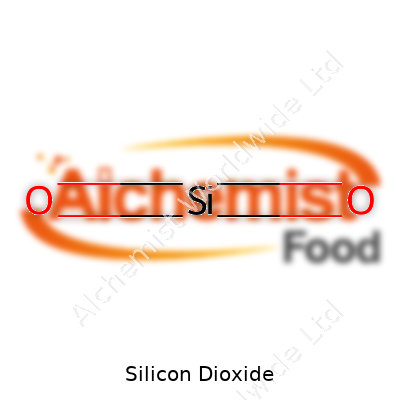
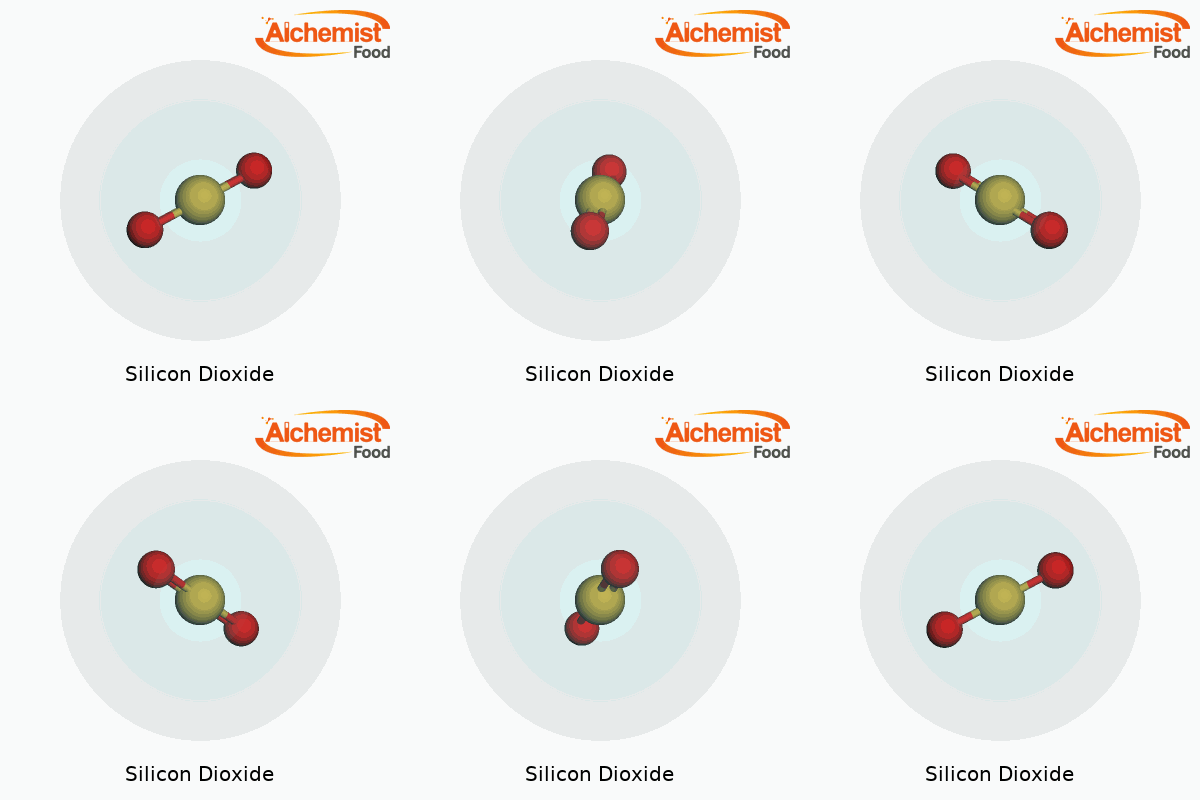
| Names | |
| Preferred IUPAC name | dioxosilane |
| Other names |
Silica Quartz Cristobalite Tridymite Amorphous silica |
| Pronunciation | /ˌsɪl.ɪ.kən daɪˈɒk.saɪd/ |
| Preferred IUPAC name | dioxosilane |
| Other names |
Silica Quartz Silicon(IV) oxide Crystalline silica Amorphous silica |
| Pronunciation | /ˌsɪl.ɪ.kən daɪˈɒksaɪd/ |
| Identifiers | |
| CAS Number | 7631-86-9 |
| Beilstein Reference | 1363697 |
| ChEBI | CHEBI:30563 |
| ChEMBL | CHEMBL1201772 |
| ChemSpider | 5461129 |
| DrugBank | DB09481 |
| ECHA InfoCard | 100.028.257 |
| EC Number | 231-545-4 |
| Gmelin Reference | 676 |
| KEGG | C08289 |
| MeSH | D012954 |
| PubChem CID | 5461123 |
| RTECS number | VV7310000 |
| UNII | ETJ7Z6XBU4 |
| UN number | UN1950 |
| CAS Number | 7631-86-9 |
| Beilstein Reference | 4091040 |
| ChEBI | CHEBI:30563 |
| ChEMBL | CHEMBL1201731 |
| ChemSpider | 6820 |
| DrugBank | DB09545 |
| ECHA InfoCard | 03c9e4e8-6a0c-4815-aef1-fd8a4d3395b1 |
| EC Number | 231-545-4 |
| Gmelin Reference | 837 |
| KEGG | C08294 |
| MeSH | D014065 |
| PubChem CID | 5461123 |
| RTECS number | VV7310000 |
| UNII | NMQ347994Z |
| UN number | UN1950 |
| CompTox Dashboard (EPA) | Silicon Dioxide CompTox Dashboard (EPA): **DTXSID2020001** |
| Properties | |
| Chemical formula | SiO2 |
| Molar mass | 60.08 g/mol |
| Appearance | White or colorless, odorless, crystalline powder or granules |
| Odor | Odorless |
| Density | 2.65 g/cm³ |
| Solubility in water | Insoluble |
| log P | -2.71 |
| Vapor pressure | Negligible |
| Acidity (pKa) | 7.7 |
| Magnetic susceptibility (χ) | −9.0×10⁻⁵ |
| Refractive index (nD) | 1.458 |
| Dipole moment | 0.0 D |
| Chemical formula | SiO2 |
| Molar mass | 60.08 g/mol |
| Appearance | White or off-white powder |
| Odor | Odorless |
| Density | 2.65 g/cm³ |
| Solubility in water | Insoluble |
| log P | 0.00 |
| Vapor pressure | 0 mm Hg (25°C) |
| Acidity (pKa) | 7.7 |
| Basicity (pKb) | 7.7 |
| Magnetic susceptibility (χ) | −9.9 × 10^-6 |
| Refractive index (nD) | 1.458 |
| Dipole moment | 0 |
| Thermochemistry | |
| Std molar entropy (S⦵298) | 41.84 J·mol⁻¹·K⁻¹ |
| Std enthalpy of formation (ΔfH⦵298) | -910.9 kJ/mol |
| Std enthalpy of combustion (ΔcH⦵298) | –910.9 kJ·mol⁻¹ |
| Std molar entropy (S⦵298) | 41.46 J/(mol·K) |
| Std enthalpy of formation (ΔfH⦵298) | -910.9 kJ/mol |
| Std enthalpy of combustion (ΔcH⦵298) | -910.9 kJ/mol |
| Pharmacology | |
| ATC code | A12CX |
| ATC code | A07BC04 |
| Hazards | |
| Main hazards | May cause respiratory irritation. |
| GHS labelling | GHS07, GHS08 |
| Pictograms | GHS07 |
| Signal word | Warning |
| Hazard statements | H332, H335 |
| Precautionary statements | P261, P264, P271, P280, P285, P302+P352, P304+P340, P305+P351+P338, P312, P403+P233, P501 |
| NFPA 704 (fire diamond) | Health: 1, Flammability: 0, Instability: 0, Special: - |
| Lethal dose or concentration | LD50 Oral Rat 3160 mg/kg |
| LD50 (median dose) | LD50 (oral, rat): >5000 mg/kg |
| NIOSH | Y000 |
| PEL (Permissible) | PEL (Permissible Exposure Limit) for Silicon Dioxide: "0.05 mg/m³ (respirable fraction, as OSHA PEL for crystalline silica/quartz) |
| REL (Recommended) | 720 mg |
| IDLH (Immediate danger) | IDHL: 3,000 mg/m³ |
| Main hazards | May cause respiratory irritation. |
| GHS labelling | GHS07, GHS08 |
| Pictograms | GHS07, GHS08 |
| Signal word | Warning |
| Hazard statements | H335: May cause respiratory irritation. |
| Precautionary statements | P261, P264, P271, P280, P302+P352, P304+P340, P305+P351+P338, P312, P332+P313, P337+P313 |
| NFPA 704 (fire diamond) | 0-0-0 |
| Lethal dose or concentration | LD50 Oral Rat 3160 mg/kg |
| LD50 (median dose) | LD50 (median dose) Oral (Rat) = 3160 mg/kg |
| NIOSH | Y000 |
| PEL (Permissible) | PEL (Permissible Exposure Limit) of Silicon Dioxide: 0.05 mg/m³ (respirable fraction) |
| REL (Recommended) | 100% |
| Related compounds | |
| Related compounds |
Silicic acid Silicon tetrafluoride Silicon monoxide Quartz Silicate minerals |
| Related compounds |
Silicic acid Silicate Silicon monoxide Silicon tetrafluoride Quartz Fumed silica |



