Potassium Nitrate: More Than Just Saltpeter
Historical Development
Potassium nitrate, once called saltpeter, has played a major role in human history. People in China figured out its explosive properties about a thousand years ago, leading to the first gunpowder. Old manuscripts from Europe show that people during the Middle Ages grew curious about this white, salty-looking mineral as something other than a simple curiosity. Luck, experimentation, or hard necessity led folks to discover that mixing it with charcoal and sulfur could send a heavy ball hurtling out of a barrel with a deafening roar. Wars, hunting, and mining changed after that. Villagers dug through manure heaps or scraped barn walls for saltpeter, often under orders from kings and armies. By the 19th century, chemistry started to open up other uses, like fertilizer and medicine. Potassium nitrate’s history says a lot about how people keep pushing for solutions—sometimes inspired by strife, hunger, or pure curiosity about the world.
Product Overview
Today, potassium nitrate turns up in bags at gardening centers, sacks at chemical plants, and research bottles in the lab. Most figure it’s just one more white powder, but its story stretches from food preservation to deep space. Produced as colorless, needle-shaped crystals or ground to a fine powder, it blends well with water, breaking down easily to give roots what they crave. Its chemical formula is KNO3, simple, direct, and telling. For some, it means bigger tomatoes in the garden; for others, a safer pyrotechnic in a fireworks display.
Physical & Chemical Properties
Potassium nitrate forms smooth, odorless crystals that dissolve well in water. Hold a small pile in your hand, and you’ll see faint glints, the way table salt shimmers. The taste stands out—distinctly cool and bitter. It melts at 334°C, and it boils at temperatures so high you’d struggle to hit them outside a furnace. In the presence of fire and fuel, it gladly gives up oxygen, feeding flames hotter and harder than wood alone ever could. Its strong oxidizing properties explain why olden-day bomb makers and rocket hobbyists both counted on it. Exposure to humidity over time can make it clump, but quick drying brings it back to useful form.
Technical Specifications & Labeling
Anyone handling or buying potassium nitrate sees labels with clear, bold warnings and numbers. The product’s quoted purity usually hits above 99% for food and lab grades. Bulk fertilizer typically carries a lower grade, but even then, impurities rarely stray above 1%. Bags and containers should list particle size, water content, and sometimes heavy metal residues if sold for use in food. Emergency instructions and hazard pictograms can’t be ignored—these days, regulations require strict clarity. Manufacturer lot numbers, CAS numbers, production dates, and storage instructions get stamped in large black letters or etched onto plastic barrels. Many countries clamp down on potassium nitrate sales to avoid accidental or deliberate misuse, so paperwork trails often follow each shipment.
Preparation Method
Industrial production of potassium nitrate keeps shifting as demand and technology change. The oldest methods sometimes relied on soaking recycled waste from old stables, leaching out the nitrate, and mixing it with potash from burned wood or plants. Modern commercial processes focus more on chemistry than barnyard labor. Generally, this means reacting potassium chloride with sodium nitrate dissolved in hot water. The two readily switch partners, leaving potassium nitrate to crystallize out once the solution cools. Centrifuges and filters capture the crystals, then drying ovens pull out excess water. The finished product can then be milled to a fine powder or sold as larger crystals, depending on the application. Some companies press the powder into compact prills or granules for easier handling.
Chemical Reactions & Modifications
Potassium nitrate plays the part of a strong oxidizer in chemical reactions. Mix it with sugar or starch in the right ratio and you get fiery results—a key ingredient in model rocket engines and fireworks. In soil, bacteria work on its nitrate, releasing nitrogen that plants gobble up. Acids convert potassium nitrate into nitric acid—the base for many dyes, medicines, and explosives. Add enough heat and a reducing fuel, potassium nitrate breaks down, giving off large amounts of gas and a residue rich in potassium oxide. Chemists also tweak it for specialized uses, sometimes swapping sodium for potassium to find the right burn rate or temperature range in propellants and lab tests.
Synonyms & Product Names
Ask around and you’ll hear potassium nitrate called more than just saltpeter. In the food world, it turns up as E252—a preservative for meats and cheeses. Hardware stores might list it as stump remover, since sprinkling it on dead trees helps encourage natural decay. Fireworks and pyrotechnic suppliers often use shorthand like “KN03.” Old books and even a few pharmacists still list “niter” or “nitre.” On chemical order forms, it often carries its proper IUPAC name, clear as day: potassium nitrate.
Safety & Operational Standards
Potassium nitrate comes with risks if mishandled. People working with large quantities know the value of storing it in dry, cool, and well-ventilated areas—any moisture can make it cake up or, far worse, start unwanted reactions. You keep it clear of oils and organic powders, since a stray spark could lead to disaster. Current workplace rules set exposure limits and mandate gloves, approved goggles, and dust masks. Many plants hang detailed charts showing protocols for spills or accidental fires. Emergency eyewash stations stand close when people work with high concentrations. Even in the garden, folks keep it out of kids’ reach, locked away with the other chemicals.
Application Area
The uses of potassium nitrate stretch across industries and hobbies. Gardeners sprinkle it near roots to boost vegetable harvests because it gives a double shot of potassium and nitrogen. Meat processors lean on it as a preservative and color fixative, helping traditional hams and sausages keep their rosy color longer. In labs, potassium nitrate forms part of nutrient media for research growing food or medicinal plants in sterile settings. Chemists and safety trainers use it in combustion studies or demonstration rockets. Fireworks makers mix it for steady, colorful displays that light up the sky without huge clouds of smoke. Even dentists, surprisingly enough, rely on potassium nitrate in toothpaste to help ease nerve sensitivity in teeth.
Research & Development
Recent years have seen a push for more sustainable and efficient nitrate fertilizers, and potassium nitrate stays near the top of that list. Scientists experiment with ways to combine it with slow-release carriers, so crops get a gentle feed over weeks, not just days. In medicine, new research looks at its effect on blood pressure and kidney function, helping doctors find the safest limits. Some aerospace projects focus on using potassium nitrate-based propellants for safer, low-cost rocket launches. Universities run pilot studies to test soil and climate impacts on nitrate use, weighing better yields against the risks of groundwater pollution. In industrial processes, adding trace minerals or coating the crystals helps reduce caking and boost storage life.
Toxicity Research
Potassium nitrate sounds mild, but high doses can pose health problems. Swallowing significant amounts by accident or on purpose can cause methemoglobinemia—a tricky condition that stops blood from carrying enough oxygen. Animal studies have shown long-term exposures lead to reproductive and developmental effects, which puts extra pressure on regulators and food safety professionals to set tight limits. In the soil, nitrates can leach into groundwater, raising the risk of “blue baby syndrome” in infants. Research keeps digging at these problems, with better test kits and public guidance helping families, farmers, and workers avoid unintended harm. Hospitals train staff in dealing with nitrate-based poisonings and keep antidotes on hand where accidental overdoses might happen.
Future Prospects
Potassium nitrate’s future sits at the crossroads of farming, energy, and technology. As the population grows, so does the need for safe, efficient fertilizers that won’t poison water or soil. Companies are working on intelligent nutrient cycles, using data sensors in the field to deliver exactly the right dose—sometimes relying on potassium nitrate in controlled-release blends. Cleaner fireworks and pyrotechnic options call for safer oxidizers, putting potassium nitrate in the spotlight for public celebrations and entertainment. New energy-storage ideas propose molten nitrate blends to trap heat for solar power plants, bringing potassium nitrate into the clean energy conversation. As researchers tackle pollution and resource limits, potassium nitrate will keep popping up in unexpected places, shaped by the fingertips of problem-solvers chasing the next breakthrough.
What are the main uses of potassium nitrate?
Getting to Know Potassium Nitrate
Walk into almost any garden store and you’ll spot potassium nitrate on the shelf. The bag might say “fertilizer,” but it has a story that reaches past the field and into more surprising places. Farmers, pyrotechnicians, and even folks who preserve meats have reasons to keep it close by. It’s a simple compound—potassium, nitrogen, and oxygen—but together, they create something with multiple jobs in the world.
Nourishing Plants and Crops
On farms across the globe, potassium nitrate finds its biggest audience. Plants crave both potassium and nitrogen. Without them, you won’t get the kind of growth that keeps yields strong. I’ve watched my own tomato plants grow faster and set more fruit after a dose. That’s not marketing—it’s chemistry at work. Potassium helps strengthen cell walls and improves resistance to drought and disease. Nitrogen keeps stems strong and leaves green. In soil with both nutrients, the results show in the harvest basket.
Many growers choose potassium nitrate over other fertilizers because it’s quick to dissolve. That means it mixes easily with irrigation water, reaching plant roots right away. This trait made a real difference during dry summers back home, when the right boost meant the difference between limp greens and a market-ready head of lettuce. In regions with poor soils, it might be one of the few reliable tools for farmers trying to fight off pests and erratic weather.
Lighting Up Fireworks and Propellants
Beyond the farm, potassium nitrate lights up the sky. As a key ingredient in black powder—commonly known as gunpowder—it makes fireworks burst and old muskets fire. At Fourth of July gatherings, those bright streaks and booming shells all owe something to this compound. It’s no accident. Potassium nitrate acts as an oxidizer, feeding oxygen into the chemical reaction to help fuel burn hotter and faster. Without it, a firework never gets off the ground.
People often picture gunpowder only in military museums, but it’s still used in fireworks, safety fuses, and even a few antique transportation devices. It hasn’t lost its edge, just found other jobs to do beyond the battlefield. Safe handling always matters. Accidents with stored powder, usually caused by carelessness or moisture, are reminders of its energetic personality.
Preserving Meats and Curing Hams
Back before refrigeration blanketed every kitchen, folks looked for other ways to keep food from going bad. Potassium nitrate answered the call. Rubbed into meats or mixed into curing brine, it helped preserve color and keep dangerous bacteria at bay, notably Clostridium botulinum which causes botulism. Sausages and hams kept their pink color and fresh flavor longer. My grandmother’s pantry always had a small jar on hand come hog butchering season. Though health regulations now limit its use, it’s still part of traditional recipes in some countries.
Avoiding Risks and Looking Ahead
With wide use comes responsibility. Potassium nitrate’s fire-making skills and role in explosives bring risks. In farming, runoff from fields can hurt water quality in rivers and lakes. Excess fertilizer sometimes leads to nutrient overload downstream. Smarter use in agriculture lowers waste—choosing the right dose, timing it with plant needs, and preventing runoff. This protects waterways and saves money in the long run.
Science keeps looking for ways to balance the benefits. That means continued research into safer blends, more efficient forms, and alternatives where needed. It’s possible to protect both the harvest and the land beneath our feet, using knowledge that’s rooted in centuries of hard work and observation. That’s potassium nitrate’s place in the larger story—an old compound still shaping work, play, and food on every continent.
Is potassium nitrate safe to handle and store?
Everyday Encounters with Potassium Nitrate
Potassium nitrate has been around long before folks started reading warning labels. Gardeners recognize it as a solid resource for feeding certain plants. People interested in chemistry know it for its role in fireworks and, years ago, in gunpowder. With all that history, you’d assume it’s no big deal to toss a bag in the shed between the lawnmower and the paint thinner.
But experience, and more than a few news reports, suggest it asks for a respectful approach. Anyone who’s handled it outside the classroom likely remembers the sharp warning to keep it dry, store it apart from fuels, and use gloves. It’s not paranoia—it’s basic risk management.
Understanding the Hazards
Potassium nitrate itself doesn't light up on its own. It feeds fires, turning a small flame into a sudden problem because it provides plenty of oxygen in a chemical form. I remember a family friend who stacked a bag next to charcoal in the garage—no incident, but astute enough to move it after reading about accidental fires in a gardening magazine.
Breathing in dust, getting it on your skin, or eating even a small amount by mistake leads to irritation or worse. Safety data backs this up. According to the Centers for Disease Control and Prevention (CDC), potassium nitrate dust can irritate eyes and skin, and swallowing large quantities, though unlikely outside of intentional misuse, can provoke serious health issues.
Storage Practices
A shelf in the garage rarely offers the right conditions. Potassium nitrate works best in a dry, cool place, well away from organic materials—like wood, oil, or fertilizers containing ammonium salts. None of this comes from a rulebook alone; it follows from real fires traced back to careless storage.
Plastic or glass sealed containers give maximum confidence, limiting moisture. Labeling matters, especially when there’s a risk of confusing it with table salt or a lookalike fertilizer. Storing it high enough to avoid flooding or leaks helps in old houses prone to wet basements.
Handling the Substance Day-to-Day
I’ve spoken to high school teachers who save headaches by enforcing a glove-and-mask policy during every science demonstration involving salts, potassium nitrate included. The dust gets everywhere, especially when supplies sit open for a while. Simple habits make the difference—close containers the moment you finish, wash hands, avoid eating or drinking during use.
Most accidental poisonings and fires happen not from wilful neglect but from people treating chemicals like they’re household flour. Taking five minutes to review the product’s safety sheet and talking with fellow users provides practical knowledge—far more useful than just relying on printed instructions.
Safer Paths Forward
The push for clear labeling, better education in schools, and straightforward instructions in big-box stores remains the most promising route. More retailers now include fact sheets with garden chemicals, spelling out what happens if you mix, spill, or mistakenly use a product. In cities where fire departments hold annual hazardous waste drop-offs and safety workshops, accidents go down.
Potassium nitrate asks for respect, not fear. Listen to the warnings, learn from mistakes—yours and others—and stay on the cautious side. In my experience, those who step carefully around chemicals tend to keep their gardens greener and their garages in one piece.
Where can I buy potassium nitrate?
Understanding Potassium Nitrate’s Role
Potassium nitrate pops up in gardening shops, science classrooms, and sometimes in recipes for homemade charcuterie. In my own backyard gardening, it’s played a part as a key nutrient for boosting leafy green growth. The stuff helps roots grab onto water and carries potassium—vital for keeping plants healthy through both dry spells and rapid growth. For those making cured meats or old-school pickles, potassium nitrate steps in as a preservative. Beyond that, it’s a main ingredient in black powder, used in pyrotechnics and antique firearms. The range of uses runs surprisingly wide, and demand comes from all sorts of folks, from weekend gardeners to science teachers.
Where People Seek Out Potassium Nitrate
Stores that cater to farmers and gardeners usually stock potassium nitrate in different grades, mainly meant for plant food. You’ll see bags labeled “Nitrate of Potash” at feed stores and specialty garden centers. These retail sources sell it as a soluble fertilizer—something I found handy when battling tough tomato blight years ago. Science supply stores carry smaller amounts for educational use, sometimes sold under the chemical’s proper name.
Online shopping added new layers of convenience—with big retailers, chemistry suppliers, and hobbyist stores all shipping potassium nitrate direct to customers. Amazon, for a while, carried packets marketed for gardening. More niche science sites tend to verify buyers’ ages or expect a business or school account. Regulatory checks seem to tighten every year. Government oversight ramped up after people used common chemicals for harmful purposes, so sellers today follow strict rules. Many require you to state your intended use, present ID, or limit amounts.
Why Potassium Nitrate Draws Scrutiny
Regulatory limits don’t appear out of nowhere. Potassium nitrate turns up in black powder and fireworks, which means it attracts attention from law enforcement. Policies try to balance safety with access for legitimate uses. Fertilizer-grade forms look very similar to pyrotechnics material. Governments want to stop easily sourced ingredients from ending up in homemade bombs. Shops may scan for repeat buyers or unusual purchases, and they keep good records in case authorities ask. The United States, United Kingdom, and European Union all have rules covering the sale and shipment of nitrates. Ignoring these isn’t just risky—it can land a person in legal trouble.
Looking at Solutions and Responsible Buying
I’ve seen neighbors turn away from questionable sellers online who don’t ask questions or skip paperwork. Responsible sourcing matters. Sticking with garden centers, large scientific suppliers, or registered online outlets gives peace of mind and builds trust. For anyone purchasing potassium nitrate, being transparent about its intended use keeps things aboveboard. Shoppers should check local laws before hitting “buy,” since some places restrict nitrate sales or require permits. Responsible buyers read product labels closely, store chemicals away from heat, and reseal packaging tightly.
The impulse to skirt rules or hunt for a “deal” on auction sites usually ends up costing more in the long run. Safety always wins out over convenience. The stakes with chemicals like this just run too high for shortcuts.
What are the recommended storage conditions for potassium nitrate?
Why Proper Storage Matters
Potassium nitrate has a long history in fireworks, fertilizers, and even in some food preservation. In my experience working in agricultural supply, people often overlook just how important safe storage is for chemicals, especially something as reactive as potassium nitrate. Fires, accidental exposure, or chemical breakdown can start with poor storage routines. Keeping chemicals secure isn’t just an item on a safety checklist—it protects people and property.
The Real-World Conditions That Work
Potassium nitrate likes staying dry and cool. Moisture is its biggest enemy. This chemical dissolves quickly in water, which can lead to clumps, ruined stock, or, in the worst cases, accidental reactions. Even in a well-run warehouse, I’ve seen careless storage turn a bag of fine crystals into an unusable mess. Temperatures over 30°C (about 86°F) shorten its shelf life. High heat means an increased risk of the material breaking down or interacting with other substances.
Storing potassium nitrate away from all sources of ignition is just as important. While it doesn’t explode on its own, it boosts the power of other combustibles—there’s a reason it’s called an oxidizer. Sparks, open flames, or even some electrical devices can set off a response if the material leaks or spills.
Sensible Packing and Labeling
Standard practice in chemical storage taught me that original packaging works best. Commercial suppliers usually use sturdy, moisture-resistant bags with clear labels. Over the years, I’ve seen too many home experiments go wrong because someone dumped a chemical into an old paint bucket or misread a faded label. Keep potassium nitrate in its original container, sealed tightly after every use, and labeled clearly. If a bag breaks, transfer the contents with a scoop dedicated only for that purpose—cross-contamination only creates headaches and hazards.
Distance from Incompatibles
This chemical doesn’t play well with organic materials, acids, or reducing agents. Stack fertilizer blends or fuels in a completely separate area. I learned through strict warehouse checks that even a little sawdust, sugar, or spilled oil mixed in with potassium nitrate can cause severe reactions. Regular housekeeping—sweeping floors, mopping up spills, and checking seals—keeps those dangers at bay.
Security and Access
While potassium nitrate can be useful, some folks use it for less-than-legal purposes. Part of my routine involved making sure storage areas stayed locked and records of usage remained up to date. Not everyone needs access; it’s best to limit keys to trained staff. This step not only keeps materials safe from theft, but it also lets you track what comes in and out.
Dealing with Spills and Expired Stock
Spills do happen no matter how careful you are. Grab a shovel (again, one that’s never touched food or flammable stuff) to scoop up the crystals. Small amounts can often go back into labeled waste bins for safe disposal. For larger messes, call local hazardous waste authorities. Expired potassium nitrate doesn’t get better with age—it deserves the same careful disposal, not a spot in your regular trash.
Building a Safer Culture Around Chemicals
Decades in agricultural and hardware supply showed me that the most effective safety practices come from people who take the time to ask questions and read up. Potassium nitrate can serve all sorts of legitimate purposes when storage habits match the risks. Every workplace with chemical stock can raise its safety level by labeling, locking up, cleaning, and treating chemical storage as a responsibility instead of a chore.
Is potassium nitrate legal to purchase and possess?
Understanding the Rules
Potassium nitrate has a reputation that walks a fine line between garden and garage science. As someone who once scoured every local hardware store for curiosity’s sake, I learned it brings out strong feelings and tough scrutiny. Often sold as stump remover, potassium nitrate boosts plant growth, preserves meats, and even sneaks into old fireworks recipes. So, can anyone just go out and buy it? The answer leans heavily on where you shop and what you hope to do with it.
Federal and State Laws
At the federal level in the United States, potassium nitrate isn’t considered a controlled substance. You’ll find it at some gardening centers, often labeled as fertilizer or tree stump remover. No background checks or special paperwork will greet the average homeowner. Plenty of reputable sources like the U.S. Environmental Protection Agency note its established legal status for agricultural purposes. Still, individual states and cities can throw in extra hoops. A few places, especially those close to cities, monitor sales more closely and might require identification or limit quantities.
Public Safety Concerns
Safety worries nudge the legality question into a grey area. Potassium nitrate serves practical needs, but thanks to its use in homemade explosives, it triggers concerns from both law enforcement and health officials. I once asked a store manager about it and got a straight answer: if someone buys large amounts, especially alongside other suspicious chemicals, it raises alarms. That doesn’t mean honest folks looking to stop a stubborn tree root or spark a science project can’t get some, but transparency matters. Openly stating the gardening or hobby use often clears up any concerns.
International Differences
Walk out of the U.S., and the story changes. Some countries place potassium nitrate on watch lists or ban over-the-counter sales to curb unauthorized uses. In Australia and the United Kingdom, tighter regulations stand in place, and government agencies track large orders. Hobbyists in these countries often need licenses or detailed records if they want more than a small supply.
Balancing Legitimate Use and Risk
Accessibility gears itself around trust. Most people look for potassium nitrate for legitimate reasons, whether feeding their tomatoes or prepping for science class. Yet, the shadow of illegal activity never leaves the conversation. It helps to recognize why safety rules exist and treat the chemical with enough respect to avoid misuse. Retailers help by checking up on strange orders or odd combinations, not by refusing every customer outright. Their judgment and experience play a quiet but crucial role in everyday safety.
Ideas for Keeping Access Responsible
Stronger awareness helps everyone. Clear labeling and customer education—for example, shelf signs or handouts explaining safe use—make a real difference. Retailers who train their employees to recognize risk without chasing away regulars maintain a healthy balance. Online sellers can follow suit by verifying age or flagging suspicious purchasing patterns, much like what’s done with spray paint or cold medicine.
Overall, potassium nitrate doesn’t land on the same restricted lists as heavy-duty explosives. Still, buying it comes with strings attached, both written by the law and written by common sense. As long as transparency and care remain front and center, it’s possible to keep access open to responsible hands without tipping the balance toward risk.
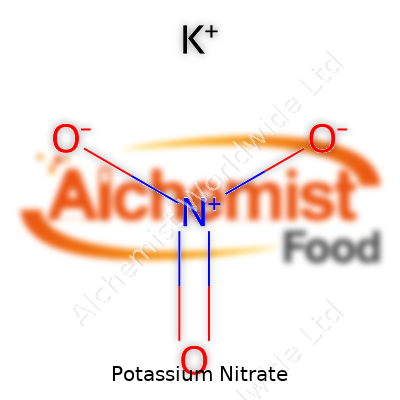
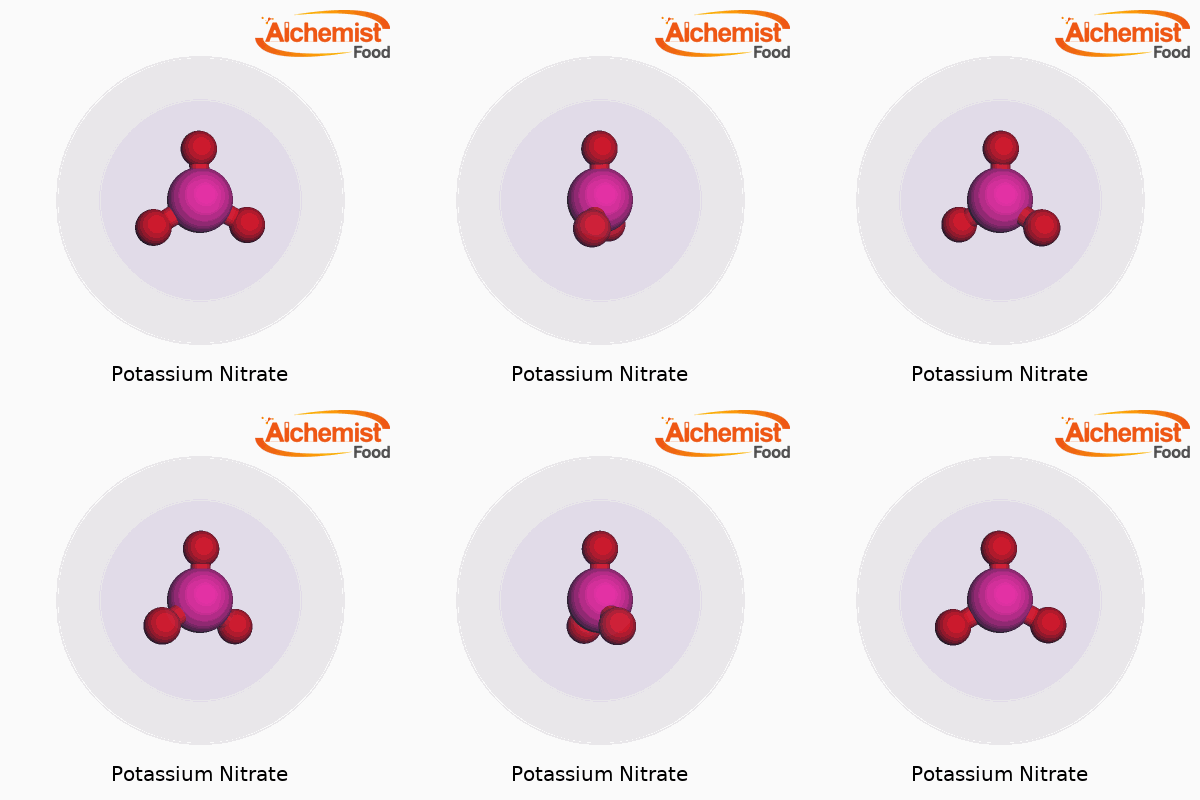
| Names | |
| Preferred IUPAC name | Potassium nitrate |
| Other names |
Saltpeter Nitrate of potash Nitratine Saltpetre E252 |
| Pronunciation | /pəˈtæsiəm ˈnaɪtreɪt/ |
| Preferred IUPAC name | Potassium nitrate |
| Other names |
Saltpeter Nitre Nitrate of potash E252 |
| Pronunciation | /pəˈtæsiəm ˈnaɪtreɪt/ |
| Identifiers | |
| CAS Number | 7757-79-1 |
| Beilstein Reference | 873873 |
| ChEBI | CHEBI:7757 |
| ChEMBL | CHEMBL1356 |
| ChemSpider | 10744 |
| DrugBank | DB14530 |
| ECHA InfoCard | 03a8d4e4-5e0b-49a7-b379-afc2e2e6c9a9 |
| EC Number | 01-2119488224-35-XXXX |
| Gmelin Reference | Gmelin Reference: 1521 |
| KEGG | C00238 |
| MeSH | D011104 |
| PubChem CID | 24434 |
| RTECS number | TT3700000 |
| UNII | RU4S6Y2KIQ |
| UN number | UN1486 |
| CAS Number | 7757-79-1 |
| Beilstein Reference | 3201460 |
| ChEBI | CHEBI:77448 |
| ChEMBL | CHEMBL1357 |
| ChemSpider | 10191221 |
| DrugBank | DB14520 |
| ECHA InfoCard | 505-019-9 |
| EC Number | 231-818-8 |
| Gmelin Reference | Gmelin Reference: **1843** |
| KEGG | C01787 |
| MeSH | D011099 |
| PubChem CID | 24434 |
| RTECS number | TT3700000 |
| UNII | O6X5QGC2UN |
| UN number | 1486 |
| Properties | |
| Chemical formula | KNO3 |
| Molar mass | 101.103 g/mol |
| Appearance | White crystalline solid |
| Odor | Odorless |
| Density | 2.11 g/cm³ |
| Solubility in water | 36 g/100 mL (20 °C) |
| log P | -0.2 |
| Vapor pressure | Negligible |
| Acidity (pKa) | Acidity (pKa): -1.6 |
| Magnetic susceptibility (χ) | '−23.0·10⁻⁶ cm³/mol' |
| Refractive index (nD) | 1.505 |
| Dipole moment | 6.17 D |
| Chemical formula | KNO3 |
| Molar mass | 101.103 g/mol |
| Appearance | White crystalline solid |
| Odor | Odorless |
| Density | 2.11 g/cm³ |
| Solubility in water | 36 g/100 mL (20 °C) |
| log P | -2.299 |
| Vapor pressure | Negligible |
| Acidity (pKa) | pKa ≈ -1.6 |
| Basicity (pKb) | pKb: 14.87 |
| Magnetic susceptibility (χ) | +0.1E-6 |
| Refractive index (nD) | 1.505 |
| Dipole moment | 0 D |
| Thermochemistry | |
| Std molar entropy (S⦵298) | 132.0 J·mol⁻¹·K⁻¹ |
| Std enthalpy of formation (ΔfH⦵298) | -285.85 kJ/mol |
| Std enthalpy of combustion (ΔcH⦵298) | −494 kJ·mol⁻¹ |
| Std molar entropy (S⦵298) | 132.0 J·mol⁻¹·K⁻¹ |
| Std enthalpy of formation (ΔfH⦵298) | -285.85 kJ/mol |
| Std enthalpy of combustion (ΔcH⦵298) | –494 kJ mol⁻¹ |
| Pharmacology | |
| ATC code | V03AB06 |
| ATC code | A12BA02 |
| Hazards | |
| Main hazards | Oxidizing, may intensify fire; harmful if swallowed; causes serious eye irritation; may cause respiratory irritation |
| GHS labelling | GHS02, GHS07 |
| Pictograms | GHS03,GHS07 |
| Signal word | Warning |
| Hazard statements | H272: May intensify fire; oxidizer. H319: Causes serious eye irritation. |
| Precautionary statements | P210, P221, P264, P280, P370+P378, P301+P312, P305+P351+P338, P330, P501 |
| NFPA 704 (fire diamond) | 2-0-3-OX |
| Autoignition temperature | 400°C (752°F) |
| Explosive limits | 0.2–1.3% |
| Lethal dose or concentration | LD50 oral rat 3750 mg/kg |
| LD50 (median dose) | 3750 mg/kg (rat, oral) |
| NIOSH | The NIOSH of Potassium Nitrate is "TT2975000". |
| PEL (Permissible) | PEL (Permissible Exposure Limit) of Potassium Nitrate: 15 mg/m³ (total dust) |
| REL (Recommended) | 400 mg/m³ |
| GHS labelling | **GHS02, GHS07, GHS09** |
| Pictograms | GHS03,GHS07 |
| Signal word | Danger |
| Hazard statements | H272, H319 |
| Precautionary statements | P210, P220, P221, P264, P273, P280, P370+P378, P501 |
| NFPA 704 (fire diamond) | Health: 2, Flammability: 0, Instability: 1, Special: OX |
| Autoignition temperature | 400°C (752°F) |
| Explosive limits | 0.2–15% |
| Lethal dose or concentration | LD50 (oral, rat): 3750 mg/kg |
| LD50 (median dose) | LD50 (median dose): Oral-rat 3750 mg/kg |
| NIOSH | SN3675000 |
| PEL (Permissible) | 15 mg/m3 |
| REL (Recommended) | 400 mg |
| IDLH (Immediate danger) | Not established |
| Related compounds | |
| Related compounds |
Sodium nitrate Calcium nitrate Ammonium nitrate Potassium nitrite |
| Related compounds |
Sodium nitrate Ammonium nitrate Calcium nitrate Potassium nitrite |



