Polyethylene: A Behind-the-Scenes Look at a Modern Essential
Historical Developments
The story of polyethylene doesn’t start with a clever invention, but with accidental discovery back in 1933 at the Imperial Chemical Industries lab in England. Chemists trying to react ethylene with benzaldehyde found themselves looking at a waxy, whitish substance—a polymer formed under high pressure and temperature, with a little oxygen in the mix. At first, it seemed like lab trivia, but soon the potential showed up clear as day. By 1939, this new plastic starred as insulation for radar cables, helping the Allies outmaneuver the enemy in World War II. Postwar, mass production took off and folks started seeing polyethylene in everything from squeeze bottles to plastic film. Several generations of production followed: low-density, high-density, and even ultra-high molecular weight versions, each developed for new challenges in packaging, piping, and beyond.
Product Overview
Walking through a grocery store, it’s tough not to see products made from polyethylene. Sacks, food wrap, containers, water pipes, electrical cable jackets, and toys rely on this flexible, durable material. Manufacturing plants crank out versions with slightly different traits—some soft, some rigid, some slick, some ready to take a beating without breaking down. In the laboratory, people run extrusion and molding machines to shape it into thousands of daily items, fueling jobs across manufacturing and logistics. Its grip on packaging owes a lot to its low cost and adaptability, not just to its technical charm. Farmers spread out mile-long sheets to keep crops healthy, utility crews count on robust, corrosion-resistant pipes, and millions carry their groceries home in bags that hold up just long enough, but don’t fall apart.
Physical and Chemical Properties
Polyethylene always surprises with its ability to handle both cold and heat, flexibility and rigidity, impact and chemical resistance. Its melting point changes depending on density: low-density (LDPE) melts at around 105–115°C, while high-density (HDPE) holds up higher, at 120–130°C. The polymer chains lay out in tangled or tightly-packed patterns; long, loose-packed chains (LDPE) give it flexibility, while straight, well-packed ones (HDPE) mean stiffness and strength. Chemically, it shrugs off most acids and bases and doesn’t soak up much moisture. Folks count on it for waterproofing, for lining ponds or wrapping wires, because water just rolls off. Chemists know it won’t react with many chemicals under normal circumstances, making it a good barrier in packaging.
Technical Specifications & Labeling
Manufacturers stick to tight specifications to meet industry needs. They measure density, tensile strength, elongation at break, melting temperature, and environmental stress crack resistance. These numbers land on technical data sheets. For packaging, recycling codes on products usually boil down to “2” for HDPE and “4” for LDPE. Quality control, especially for food contact or medical use, means the resin faces careful scrutiny for things like heavy metals, extractable substances, and overall purity. Producers invest in automated inspection lines to catch off-standard material, keeping suppliers honest and users safe.
Preparation Method
Large-scale polyethylene starts with the polymerization of ethylene gas, a simple molecule pulled from natural gas or as a byproduct of crude oil refining. Plants operate at high pressures for LDPE, using radical initiators, or lower pressures with special catalysts (like Ziegler-Natta or metallocenes) for the HDPE and LLDPE crowd. Reactor types vary—stirred autoclaves or tubular reactors for LDPE, slurry or gas-phase reactors for HDPE. After polymerization, the result comes out as resin pellets, ready for shipping, blending, or direct use in blowing, molding, or extruding products. A lot of thought goes into the purity of the feedstock and the control of temperature and pressure, because even slight changes ripple out into the quality of the finished resin.
Chemical Reactions & Modifications
Polyethylene on its own won’t do much in the way of everyday chemical reactions, but add a little know-how at the plant and the properties start to shift. Cross-linking, through heat or chemicals like peroxides, gives birth to PEX—a tougher, more heat-resistant material, perfect for plumbing and radiant floor heating. Grafting techniques introduce polar groups, creating products like EVA (ethylene vinyl acetate), which up flexibility and adhesive qualities. Chlorination and sulfonation also tweak properties, supporting more specialized uses. Engineers experiment with blends, additives for UV stability, flame retardancy, or color, crafting resins that fit into rigorous environments—from the insides of cars to outdoor playgrounds.
Synonyms & Product Names
People know polyethylene by a bunch of names. Shorten it, and you get PE. Toss in density or molecular weight and you find HDPE, LDPE, LLDPE (linear low), or UHMWPE (ultra-high molecular weight). Trade names, like Alathon, Hostalen, Marlex, and Tuf-Lon, show up in product catalogs for specific uses. International markets sell resin under branded names, but the core chemistry doesn’t shift all that much. Whether it’s film grade, blow mold grade, or pipe grade, the basics remain true to that original 1930s discovery.
Safety & Operational Standards
Working with polyethylene, folks have to pay attention to process temperatures and potential fumes. Most plant incidents don’t come from the material catching fire—that’s rare at everyday temperatures—but from handling it at high temperatures, where fumes or dust might create hazards. Facilities install local ventilation and require gloves and masks during processing or pellet handling. Storage happens in cool, dry places to avoid static or contamination. Environmental regulations keep tabs on grit released into rivers or air, and many countries put strict recycling rules in place. Industry standards, like ASTM D4976 for molding and extrusion materials or FDA food contact requirements, keep the supply chain safe and reliable.
Application Area
Anywhere products need toughness, water-resistance, or just a way to keep food fresh, polyethylene finds work. Beverage bottling lines rely on food-safe films and closures, farmers lay out irrigation and greenhouse covers, chemical plants use corrosion-resistant tanks and liners, and hospitals use sterile blister packs and squeeze tubes. City utilities dig trenches for gas, water, and wastewater PE pipes that last decades. Construction sites deploy vapor barriers, cable insulation, and joint fillers. Recreational use runs from lightweight kayaks to children’s slides. The reach extends into unexpected places—artificial joint replacements in surgical theaters and high-bounce sports equipment, all possible through advances in molecular design.
Research & Development
Labs worldwide push hard to close the loop on polyethylene’s environmental footprint. Researchers develop catalysts that make production faster, safer, and less energy-hungry. Scientists probe ways to break down used plastic without burning it, using enzymes or advanced chemical recycling. Material scientists blend natural fibers, starch, or recycled resin to craft bio-based or eco-friendly alternatives. Statisticians in big chemical companies dig into data, hunting for more efficient reactor trips or purer, more specialized grades. Collaborations between universities and industry groups keep driving improvements—whether for longer-lived pipes or films that degrade only when and where needed.
Toxicity Research
Polyethylene itself doesn’t raise much alarm about toxicity under normal use. It breaks down very slowly in nature, which creates environmental headaches but not many direct health scares. Most worries come from additives or processing by-products, not from the base polymer. Some studies search for microplastics in food and water, but current research still sorts out exactly what that means for human health. Regulatory bodies continue to tighten the net around food contact safety, pushing manufacturers to test every resin batch for residues and interactives. In medical uses, implants face years of scrutiny before hitting the market. Meanwhile, local governments scramble to keep tiny resin pellets, known as nurdles, from slipping into rivers and seas.
Future Prospects
The future for polyethylene, both in its raw form and with all those specialty tweaks, leans heavily into sustainability and smarter design. New production routes aim for lower carbon footprints, using renewable feedstocks or recycled carbon. Bio-polyethylene, made from sugarcane, lands on supermarket shelves with the same look and feel as petro-based versions. Advanced recycling grows with pilot plants that convert used plastics back into virgin-grade resin, instead of downcycling into less demanding uses. Cities and companies look to close material loops, stamping “recycled content” on more products every year. Engineers hunt for longer-lived products or designs that ensure easier sorting and full reuse. Polyethylene’s backbone may have come from a lucky accident, but its future will rest on planned innovation and smart stewardship of resources.
What is polyethylene and what are its main uses?
The Backbone of Everyday Items
Walk through any grocery store. The bags carrying your produce, the squeeze bottles on shelves, and even stretch wrap around cases—each shares a common ingredient: polyethylene. This plastic, created by stringing together units of ethylene, touches more corners of daily life than most people realize.
Plastic Bags, Bottles, and So Much More
Polyethylene really shines in packaging. Supermarket checkout bags, zipper-lock pouches, shrink wraps, and bubble mailers often rely on this material. Its flexibility, lightweight nature, and moisture resistance bring manufacturers back to it, again and again. If you pull out a disposable water bottle, there’s a good chance the cap or collar comes from polyethylene, even if the bottle itself might use a different plastic.
The low costs of making polyethylene, paired with its durability, fuel its popularity. Industries churning out shampoo bottles, medical packaging, and even protective films for electronics see strong value in sticking with this plastic. I’ve worked summers in a warehouse, where we wrapped pallets in miles of stretch film. The stuff felt nearly invisible but made shipments safe, reducing damage along the way.
Beyond Packaging: Pipes, Toys, and Greenhouse Films
Take a look at plumbing pipes on a construction site. Polyethylene’s not just a packaging hero. Builders favor it for water pipes because it doesn’t corrode and it can flex without snapping. In gardens and agriculture, clear sheeting made from this plastic encourages plants to sprout by trapping warmth. Farmers appreciate the way these films can withstand rain, sun, wind, and cold without falling apart in a season.
Toy manufacturers lean on its softness to shape items like squeeze toys, building blocks, and ball-pit balls. Its safety record compares well to alternatives because it seldom triggers allergic reactions and lacks the brittle snap you’d find in cheaper plastics.
Environmental Impact and Moving Forward
Ease of use comes with a cost. Polyethylene resists breaking down in nature, so bags and wraps left outdoors outlast most natural materials. Ocean researchers find remnants in fishing nets and microplastics washed up on shores worldwide. That image doesn’t leave my mind—in my city, cleanup crews collect tons of discarded bags from park streams every spring.
Society can rethink its relationship with this plastic. Municipal recycling programs now target film and bag collection, funneling material back into fresh products. Manufacturers respond to pressure by testing compostable or recycled blends in place of virgin resin. Some governments push for bag bans or fees, nudging people to bring reusable totes. At home, I switched to heavier bags that stand up to dozens of grocery trips.
The future of polyethylene sits at a crossroads. Industry giants pour resources into research, hunting for additives or new recipes that speed up breakdown in soil and sunlight. Community groups raise awareness, pushing schools and events to steer clear of single-use packaging. Each small step—from bag recycling bins to refillable bottles—pushes toward less waste and smarter design.
Trust and Transparency in Polyethylene Use
People seek facts backed by hands-on studies. Polyethylene’s safety earns confirmation from agencies like the U.S. Food and Drug Administration for food contact. Organizations like the Ellen MacArthur Foundation encourage better material management and push for transparency from businesses. My own experience sorting recycling, and seeing which plastics end up in the trash, tells a clear story: choices at home matter, but progress also comes from policy and industry collaboration.
What are the different types of polyethylene?
Why Polyethylene Matters
Polyethylene touches almost every part of daily life. Grocery bags, water bottles, squeeze tubes, bulletproof vests, cable insulation—so many products use some type of this plastic. People tend to overlook the science behind ordinary objects, but knowing a bit about these materials helps us grasp what makes a product strong, flexible, or recyclable. In the lab, I handled raw polyethylene pellets before they ever took shape as bottles. Over the years, I saw that the real power of this material lies in its variety.
Low-Density Polyethylene (LDPE)
Think soft, flexible, and light. LDPE gives us clinging food wrap, squeezable bottles, plastic bags—things you can scrunch up without snapping. The molecules branch out, which means the chains tangle and create space, letting the material bend and stretch. It feels soft, and you can fold it a hundred times without much trouble. For manufacturing, LDPE’s ability to melt at lower temperatures speeds up production while using less energy.
High-Density Polyethylene (HDPE)
HDPE features longer, straight molecular chains. There’s less branching compared to LDPE. That difference makes this plastic tough, stiff, and opaque. If you’ve held a milk jug, a detergent bottle, or toy blocks, you’ve felt HDPE. It resists chemicals and stands up to knocks—features that matter for containers keeping things fresh and safe. In my own experience, testing HDPE involved trying to puncture containers or expose them to strong cleaners. Usually, they just shrugged it off. This makes HDPE a workhorse in packaging and construction products like piping and geomembranes.
Linear Low-Density Polyethylene (LLDPE)
LLDPE shares the flexibility of LDPE but packs in added toughness and puncture resistance thanks to short, regular branches on the molecular chain. Stretch wrap for shipping pallets often uses LLDPE, as do trash can liners and flexible tubing. Workers rely on this plastic’s ability to stretch without tearing—important in warehouses where wrapping sharp-edged boxes is an everyday task. Manufacturing LLDPE involves methods that allow precise control of branching, so companies can fine-tune properties to suit anything from agriculture film to cable coatings.
Ultra-High Molecular Weight Polyethylene (UHMWPE)
UHMWPE stands in a league of its own, thanks to super-long chains that make it extremely tough and slippery. It even shows up in bullet-resistant vests and surgical implants. In sports equipment, like ice hockey boards or synthetic ice rinks, UHMWPE handles repeated crashing, scraping, and impact. The fibers spun from this type often outperform aramids in strength-to-weight ratio. This level of performance comes with high production costs and specialized machinery, which makes it less visible in everyday packagings but crucial where failure means risk to people’s safety.
Challenges and Forward Steps
As much as polyethylene helps modern life, the piles of discarded bags and bottles keep growing. Most recycling streams handle HDPE and LDPE with relative ease. But in reality, contamination, additives, and mixing different types can create problems. Community education helps, yet manufacturers could step in too. By designing products with recycling in mind and cutting down on unnecessary additives, the process could get smoother. Recycled polyethylene now shows up in park benches, piping, and more. Circular systems, where materials keep flowing through the economy, need all of us—from engineers to shoppers—to play a part. Anyone handling daily waste knows the mountain isn’t shrinking fast enough.
Is polyethylene safe for food contact and packaging?
The Role of Polyethylene in Our Kitchens
Open a pantry, pull out a loaf of bread or a pack of frozen veggies, and you'll probably see polyethylene working behind the scenes. From resealable sandwich bags to shrink wrap sealing cheese, this plastic crops up everywhere food meets packaging. Over years running a small food stall, I relied on these bags for everything from portioning nuts to wrapping sandwiches. They kept products organized, cut down on waste, and didn’t break the bank. Parents trust them for lunch packs, and every restaurant I know uses them.
Safety Checks: Science and Standards
Polyethylene in food contact isn’t just a convenience; it comes with a responsibility to ensure people aren’t swallowing more than just their lunch. Polyethylene stands up well to international safety checks. The U.S. FDA gives low-density and high-density types a thumbs up for direct food contact. The European Food Safety Authority clears it as well. These organizations run tests on potential leaching of chemicals and set strict migration limits.
In my past work with local health inspectors, we asked questions about possible contaminants. What I’ve learned is that pure polyethylene, handled and manufactured in clean conditions, has a track record of not releasing harmful chemicals in everyday use. Typical uses like storing dry pasta, cold meats, and even freezer items show almost none of the plastic slipping into the food, unless the bags are exposed to extreme conditions beyond what kitchens see.
Issues in the Real World
Let’s be real—no system is perfect. Some of the trouble starts not with the polymer, but with shortcuts in manufacturing or sloppy recycling. When food-grade polyethylene gets mixed with recycled plastics meant for bottles, strange things can happen. Unapproved additives or pigment residues may creep in. I remember an incident at a market where a supplier used cheap bags that gave off a strong smell. Turns out, they were made from non-food grade materials. The difference in quality was clear—people complained, and the stall lost trust until they switched back.
Heat is another trouble spot. Polyethylene isn’t supposed to be used in microwaves or ovens. Put the bag under high temperatures, and its structure changes. Heating can coax out unwanted chemicals or cause the bag to melt and stick to food. In many places, warnings on packaging get ignored or overlooked. That risk isn’t about the plastic itself, but misuse at home or in fast food kitchens rushing to reheat.
Better Choices for Safe Food
What helps? Buy food storage products from reputable brands with clear safety labeling. Look for the “food safe” symbol. Keep an eye on the bags or wraps after several uses; if they look cloudy, warped, or have taken on smells, toss them—especially after holding fatty or acidic foods. Avoid using these bags to microwave food, and never pour hot liquids directly in. Washing and reusing is fine for dry snacks, but I learned early that soaps and hot water can wear down the film and make it weaker.
Leaving polyethylene out of the recycling bin for non-food plastics helps too. Most municipal programs want only clean, specific types, and mixing grades messes up the process. Following local rules keeps recycled material safer for reuse, preventing problems right from the factory.
Looking Down the Road
Polyethylene deserves its place in safe food packaging, as long as both makers and users take their responsibility seriously. Focusing on quality control, honest labeling, and mindful use keeps it safe for families and businesses. Regular audits in factories and better recycling systems matter just as much as individual choices in home kitchens. Nobody wants a shortcut here, especially when it’s about what we eat.
How is polyethylene recycled?
What People Throw Away Becomes Something New
People use polyethylene every single day. Grocery bags, shampoo bottles, milk jugs, food wrappers—all of these rely on this tough, flexible plastic. After a single use, though, most of them hit the trash. Some make it to recycling bins. The idea behind those blue bins feels simple: toss in the plastic, and hope it returns as something useful. The real story, though, gets pretty gritty and complicated.
How Polyethylene Makes the Journey from Trash to Recycled Product
At my local recycling center, the process starts with sorting. Workers and machines pick through a mix of plastic, paper, glass, and metal. Polyethylene often shows up as low-density (LDPE, soft plastic like bags and wraps) and high-density (HDPE, sturdy stuff like detergent bottles). Keeping each type separate matters, because they melt at different temperatures and mix poorly.
HDPE often gets a better shot at being recycled, mainly because folks can recognize a hard jug or bottle, and they come clean enough to process. These get shredded into flakes, washed to remove any sticky food or soap, and plunged into hot water baths to help sort out the last bits of paper or caps.
This washing step is crucial. Polyethylene collects dirt and oils easily, and even a little grime spoils the recycled batch. The plant needs a clean stream so new pellets come out strong and safe for future packaging.
The clean flakes head into an extruder, which melts them down into a thick, gooey paste. This melted plastic gets pushed through small holes to form long spaghetti-like strands that cool into pellets. These pellets go downstream to companies ready to mold or blow them into something new—a bench, flowerpot, or shipping pallet.
Reality Check: Most Polyethylene Still Gets Burned or Buried
For all the talk about recycling, only a small bite of all polyethylene really loops back into the system. According to the EPA, in the United States, less than 10% of all plastic waste gets recycled. In my neighborhood recycling plant, the biggest stumbling blocks come down to contamination and collection. Many soft plastic wraps and bags never make it to the right facility. Folks toss them in regular bins where equipment can’t handle them, or toss greasy films that jam the machinery.
Add in that recycled polyethylene often carries a lower value. Big companies pay less for recycled resin, because it might not offer the same strength or purity as the new stuff. The economics just don’t line up easily. China’s National Sword policy in 2018, which blocked plastic scrap imports, put extra pressure on local facilities by cutting off an easy export route.
What Makes a Difference: Cleaner Streams, Smarter Sorting, Shared Responsibility
Getting more out of polyethylene recycling takes a mix of better design and plain old follow-through by people and companies. Some places have set up drop-off points for bags and film that skip the mixed curbside bins altogether. Other groups experiment with new chemical recycling methods, which break plastic down to its original building blocks. That process uses more energy, but it can handle dirtier or more complex waste.
Manufacturers can help by making products that only use one kind of plastic, skip the fancy colored dyes, and include clear labeling about recycling. People can make a difference by rinsing containers, separating the caps, and not tossing greasy pizza boxes full of cheese into bins.
The story of polyethylene recycling still feels like a work in progress. Small habits and new tech offer hope that more plastic can stay in use, and less ends up as litter or landfill. Every empty milk jug or clean grocery bag tossed in the right place helps tip the balance, one recycled pellet at a time.
What are the advantages and disadvantages of using polyethylene?
What Makes Polyethylene So Popular?
Step into any supermarket, hospital, or kid’s playroom, and you’ll spot a roll of flexible plastic film, a stack of bottles, or a slew of squeeze toys. Most of these are made from polyethylene. This plastic doesn’t scare off water or chemicals. Rain bounces right off it and kitchen bleach leaves it untouched. That kind of toughness matters in real life. Nobody wants food leaking out of trash bags or dirty water seeping through packaging.
I remember my first job at a local grocery store bagging foods, and grocery bags made from polyethylene saved time and stress. They stretched instead of tearing, held leaky cartons, and survived the ride home. Polyethylene’s strength-to-weight ratio lets manufacturers make thin, light containers that stand up to rough treatment. In today’s world, where everybody wants more storage for less money and less effort, this isn’t a small thing.
Cheap, Easy, and Versatile
Polyethylene rolls off production lines at massive scales. The machines crank out shapes and forms for every part of daily living—cling film, milk jugs, and even bulletproof vests. Since manufacturers don’t jump through hoops to shape this plastic, all sorts of businesses turn to it for their goods. It resists cracks in the freezer, endures the sun for hours, and keeps electronic wires dry.
Low cost fuels its popularity. Wrap up a sandwich or pick up a new bucket: chances are, polyethylene made its way into your basket because it keeps prices down. In the medical field, tubing and wraps provide a sterile barrier for a fraction of the cost of glass or metal.
Problems Lurking in the Landfill
Here’s where things hit a wall. Polyethylene doesn’t rot. It sits in landfills for centuries. If it escapes the landfill, wind and rivers can push fragments into oceans and city gutters. Fish and birds mistake small bits for food, and those particles work their way up the food chain. Scientists have found microplastics from polyethylene in tap water and even table salt.
Recycling proves tricky. Polyethylene products get tossed out, stained with food, or mixed up with other plastics. Municipal recycling plants sometimes can’t keep up. Most recycled polyethylene gets “downcycled” into less useful products instead of new bottles or films. Problems with collection and cleaning mean a lot slips through the cracks.
Finding a Better Path Forward
Some folks grab reusable canvas bags at the store or bring glass jars for leftovers to cut their use. Cities work on laws to charge for single-use bags or ban them altogether. Startups are experimenting with plant-based plastics, which at least rot away faster than polyethylene.
Industries could do more to rethink packaging. Focusing on reusable containers and deposit return schemes for plastic bottles could keep waste out of sight and out of the water supply. Education helps too—if more people sort plastics correctly, recycling rates go up.
Polyethylene brings practical convenience, but it’s no free lunch. Plenty of good comes from this material in hospitals, farms, and kitchens, but the damage to rivers and wildlife feels real. Thoughtful choices—on the part of both companies and consumers—break the cycle of use and discard, opening a door to smarter, greener solutions.
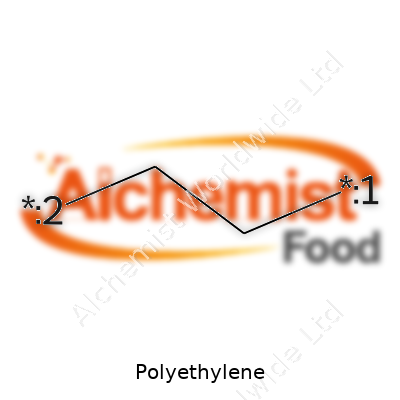
| Names | |
| Preferred IUPAC name | polyethene |
| Other names |
Polythene PE |
| Pronunciation | /ˌpɒl.iˈɛθ.ɪˌliːn/ |
| Preferred IUPAC name | polyethene |
| Other names |
Polythene PE |
| Pronunciation | /ˌpɒl.iˈɛθ.ɪˌliːn/ |
| Identifiers | |
| CAS Number | 9002-88-4 |
| Beilstein Reference | 1804320 |
| ChEBI | CHEBI:43488 |
| ChEMBL | CHEMBL2094210 |
| ChemSpider | 5363 |
| DrugBank | DB09412 |
| ECHA InfoCard | 03e4a8ad-3da7-4512-8282-62ebe7c95d4c |
| EC Number | EC 200-815-3 |
| Gmelin Reference | 18487 |
| KEGG | cpn:CHEBI:28043 |
| MeSH | D011115 |
| PubChem CID | 24657 |
| RTECS number | TQ3325000 |
| UNII | C2M460834M |
| UN number | UN3077 |
| CAS Number | 9002-88-4 |
| Beilstein Reference | 1810724 |
| ChEBI | CHEBI:28057 |
| ChEMBL | CHEMBL2108777 |
| ChemSpider | 7076 |
| DrugBank | DB09545 |
| ECHA InfoCard | ECHA InfoCard: 100.003.605 |
| EC Number | 2.7.1.39 |
| Gmelin Reference | 12620 |
| KEGG | C16218 |
| MeSH | D011078 |
| PubChem CID | 24756 |
| RTECS number | TQ3325000 |
| UNII | C2MKT0NA9S |
| UN number | UN3078 |
| Properties | |
| Chemical formula | (C2H4)n |
| Molar mass | (–CH2–CH2–)n |
| Appearance | Translucent white solid |
| Odor | Odorless |
| Density | 0.91–0.97 g/cm³ |
| Solubility in water | Insoluble in water |
| log P | 0.78 |
| Vapor pressure | Negligible |
| Acidity (pKa) | ~50 |
| Magnetic susceptibility (χ) | −14×10⁻⁶ |
| Refractive index (nD) | 1.50 |
| Viscosity | 2000-3000 cP |
| Dipole moment | 0.0 D |
| Chemical formula | (C2H4)n |
| Molar mass | n × 28.05 g/mol |
| Appearance | White translucent or opaque solid |
| Odor | Odorless |
| Density | 0.91-0.97 g/cm³ |
| Solubility in water | Insoluble |
| log P | 17.94 |
| Vapor pressure | Negligible |
| Acidity (pKa) | >60 |
| Magnetic susceptibility (χ) | –9.0×10⁻⁶ |
| Refractive index (nD) | 1.500 |
| Viscosity | Low to Medium |
| Dipole moment | 0.0 D |
| Thermochemistry | |
| Std molar entropy (S⦵298) | 216 J·mol⁻¹·K⁻¹ |
| Std enthalpy of formation (ΔfH⦵298) | –84.6 kJ/mol |
| Std enthalpy of combustion (ΔcH⦵298) | -10.5 kJ/g |
| Std molar entropy (S⦵298) | 253 J·mol⁻¹·K⁻¹ |
| Std enthalpy of formation (ΔfH⦵298) | -84.7 kJ/mol |
| Std enthalpy of combustion (ΔcH⦵298) | -105.8 kJ/mol |
| Pharmacology | |
| ATC code | A06AD15 |
| ATC code | A06AD15 |
| Hazards | |
| Main hazards | May cause mechanical irritation, dust may cause respiratory irritation, low fire hazard, burns in fire producing CO and CO2. |
| GHS labelling | GHS07,Warning |
| Pictograms | Flame, Exclamation Mark |
| Signal word | Warning |
| NFPA 704 (fire diamond) | 2-0-0 |
| Flash point | 340°C |
| Autoignition temperature | 340°C |
| Lethal dose or concentration | LD50 (oral, rat) > 5000 mg/kg |
| LD50 (median dose) | LD50 (oral, rat): >5000 mg/kg |
| NIOSH | UEG |
| PEL (Permissible) | 1000 mg/m3 |
| REL (Recommended) | 16 hours |
| Main hazards | Dust may cause irritation. |
| GHS labelling | No GHS labelling required. |
| Pictograms | Flame, Gas cylinder |
| Signal word | Warning |
| NFPA 704 (fire diamond) | 0-1-0 |
| Flash point | > 340°C |
| Autoignition temperature | 340°C |
| Explosive limits | Non-explosive |
| Lethal dose or concentration | LD50 (oral, rat) > 5000 mg/kg |
| LD50 (median dose) | > 25,000 mg/kg (rat, oral) |
| NIOSH | UR6894300 |
| PEL (Permissible) | 1000 mg/m3 |
| REL (Recommended) | 50 mg/m³ |
| Related compounds | |
| Related compounds |
Polypropylene Polyvinyl chloride Polystyrene Polyethylene terephthalate Polycarbonate |
| Related compounds |
Polypropylene Polyvinyl chloride Polystyrene Polyethylene terephthalate Polytetrafluoroethylene |



