Polybutylene: A Material with a Complicated Legacy and a Range of Possibilities
Historical Development
Polybutylene first found its place in the chemical industry back in the 1970s. As a linear polymer, it quickly drew attention for its ease of manufacture and relatively low cost. Back then, rising demand for plastic piping, especially in residential plumbing, made polybutylene an attractive alternative to copper and other metals. Industrial chemists saw an opportunity: here was a material with the strength to withstand water pressure and the flexibility for quick installation. Several companies invested heavily in research and production lines, chasing the promise of modernizing water delivery infrastructure. The material did not stay confined to pipes for long. Manufacturers recognized potential in other products such as water heaters and even in certain packaging solutions where toughness and pliability mattered just as much as resistance to chemical attack. Looking back, the early optimism for polybutylene responded to a real need for better building materials, especially as cities boomed and construction outpaced traditional supply chains.
Product Overview
Polybutylene, usually labeled as PB, stands out as a thermoplastic polymer derived from the polymerization of 1-butene. In commercial form, it comes as a semi-crystalline white powder or granule, used primarily in making pipes, sheets, and films. Some properties that made PB desirable—good flexibility, low weight, and relatively high resistance to scaling—helped it penetrate European and Asian markets as well. Producers branded it under names like PB-1, Polibutilene, and Hoechst PB, giving it a recognizable presence. Long coils of polybutylene tubing, usually blue, grey, or black, lined hardware store aisles, pitched to homeowners as a problem-solver for quick plumbing jobs. Yet, unlike polyethylene, PB carries a distinctive molecular structure that makes its melting point and shrinkage behavior more forgiving in high-temperature settings, setting it apart from close relatives.
Physical & Chemical Properties
Polybutylene exhibits a density range near 0.92 g/cm³, with melting temperatures between 120°C and 135°C depending on crystallinity. It resists acids, alkalis, and many organic solvents. The material naturally excludes water, maintaining structural reliability in most urban plumbing environments. Its tensile strength supports pressures common in residential water systems. Fatigue crack resistance is another point worth mentioning, and flexibility persists even at lower temperatures—a boon for cold climate installations. Chemical structure hinges upon the repeating –(CH2CH(CH2CH3))n– unit, which links into long, unbranched chains that discourage embrittlement under cycling loads.
Technical Specifications & Labeling
Most PB piping meets standards like ASTM D3309 and ISO 9080. Pipe diameters typically run from 10 mm up to 75 mm, wall thicknesses vary per pressure rating. Labels usually display the pressure rating (commonly 6, 8, or 10 bar), batch code, and production date for traceability. Manufacturing runs get subjected to hydrostatic burst testing to confirm pressure endurance at set intervals; samples must stand up to 95°C water over thousands of hours per regulatory requirements. Fittings use copper crimp rings, and special color coding helps distinguish cold and hot water lines, with blue and red stripes respectively. For packaging films and sheets, PB grades come with MFI values (Melt Flow Index) and clarity ratings which guide selection.
Preparation Method
Industrially, polybutylene forms through coordination polymerization. Chemical producers feed purified 1-butene monomer into reactors lined with Ziegler-Natta catalysts—usually titanium-based. Polymerization proceeds under moderate pressure and temperature, forming long chains with controlled molecular weight distribution. After reaction, the crude polymer passes into a purification step to remove catalyst residues, then granulators convert the material into pellets fit for shipping. Some manufacturers modify molecular weight by time, temperature, and co-catalyst adjustments, yielding resins tailored for end-use: piping, blown films, or injection-molded items. Rarely, batch-to-batch variability hinders this polymer, letting processors count on uniformity most of the time.
Chemical Reactions & Modifications
Polybutylene’s inherent stability makes chemical reaction less common, but certain processes tune the polymer’s surface for better paint or adhesive bonding. Oxidation treatments—using ozone, plasma, or strong acids—open up bonding sites. For pipe manufacture, crosslinking through radiation or peroxide raises temperature and chemical resistance. Copolymerization with small amounts of ethylene or propylene produces variants with modified flow and clarity, finding special uses in packaging and film. Some research focuses on functionalizing the polymer to enable biocompatibility, so medical device applications may open up in coming years.
Synonyms & Product Names
Polybutylene gets marketed under several synonyms and proprietary names across the globe. PB-1 (Polybutene-1), Polibutilene, and Poly(1-butene) show up in technical literature, while products like Vestolen, Hostalen, and AtochemPB once labeled pipes and packaging. Even now, industry catalogs use trade names to hint at grade or origin. Users should always check technical datasheets, since the same generic material may show key property differences under various brand flags.
Safety & Operational Standards
Today’s safety rules for polybutylene products in construction follow codes like the International Plumbing Code and rigorous national guidelines in Europe and Asia. Manufacturing plants must control dust, manage static, and keep process temperatures logged to avoid decomposition byproducts like butene oligomers or trace aldehydes. Workers regularly receive training to minimize inhalation of plastic dust and exposure to hot melts. Finished products destined for potable water undergo leachate testing—European standards like EN ISO 15876 spell out migration limits for substances that could taint water. During installation, proper handling at bends and joints keeps stress fractures at bay, a lesson learned from past mass failures in older PB systems.
Application Area
Residential and commercial plumbing once formed the primary demand for polybutylene. Builders appreciated its fast installation, as bending and jointing PB saves hours compared to sweating copper. Irrigation lines and underfloor heating systems still employ PB piping in select regions where codes permit. Thin films and sheets find their way into packaging products, as food storage bags and industrial wrappers can benefit from the polymer’s clarity and toughness. Some automotive parts and electrical cable insulation rely on PB for its dielectric qualities. The push for lighter, cheaper, and more corrosion-resistant alternatives gives PB an edge over metals—at least in applications where chlorine exposure or oxidizing agents stay low.
Research & Development
Materials science labs continue to examine polybutylene for niche improvements, especially in processing efficiency and new blend chemistries. Researchers are probing ways to leverage PB’s chain structure for better self-healing or impact-absorbing components. New additives and process tweaks may help PB resist the long-term chlorine-induced degradation that once led to widespread class-action lawsuits and product recalls. Some universities explore nanofiller composites using PB as a matrix for improved barrier properties in packaging. In the world of 3D printing, early trials with PB-based filaments show interest, if not yet production-scale results. Each step forward answers to real setbacks the field has weathered, from failed water pipes in North America to short-lived fad uses in consumer goods.
Toxicity Research
Concerns over polybutylene safety stem mainly from breakdown products and pipe failures, which led to water leakage and property damage rather than acute toxicity. Studies of PB’s leachates suggest limited migration of substances into potable water; regulatory reviews done in Germany and Japan found no clear cancer risks under normal use. That said, smoke and fumes during fires—like with most plastics—give off carbon monoxide and volatile hydrocarbons dangerous to inhale. Regulators still insist on tight batch surveillance, third-party migration testing, and mandatory warnings about welding or burning PB on-site. For everyday exposure, the polymer's large molecular weight prevents absorption through the skin or lungs. Still, scrap handling and recycling demand worker training to avoid microplastic pollution.
Future Prospects
The outlook for polybutylene remains a mixed landscape. In water piping, past failures overshadow its legacy, prompting code bans in some countries and tough questions from insurers in others. Yet, for disposable products and films, the material’s flexibility and clarity offer cost advantages. Chemists are developing copolymers and blends that could extend PB’s working life, perhaps reopening old markets with better reliability. Pushes for bio-based plastics may eventually yield PB variants from renewable butene feedstocks. If researchers can tame its weaknesses, polybutylene could see a second act in specialized packaging, lightweight industrial parts, and even smart materials with built-in sensors, giving a once troubled polymer new relevance in an era focused on sustainability and performance.
What is polybutylene used for?
Understanding Polybutylene’s Place in Daily Life
Polybutylene doesn’t ring a bell for most people, but it's tucked away in the walls and under the ground nearly everywhere. This plastic, known for its flexibility and smooth surface, was once the darling of the plumbing industry. Builders loved it for residential water pipes through the late 1970s into the 1990s. It looked like the answer to expensive copper pipes and slow, labor-heavy installations. You could snake polybutylene through tight spaces and get water running much quicker without sweating every joint or worrying about corrosion eating away at it from the inside out.
I’ve seen old blue and gray pipes poking out from basements during home improvement jobs. Fast, cheap, and easy to install, polybutylene let builders finish jobs ahead of schedule. The stuff felt like the future. An entire water system could be done in just a few days. Homeowners saved thousands, and nobody thought about what would happen decades down the line.
Where It’s Used and Why People Should Care
Beyond plumbing, polybutylene still finds its way into film, food packaging, adhesives, and even insulation for wires. Manufacturers pick it for these things because it bends without cracking and doesn’t mind being steamed or stretched. The stuff costs less than many alternatives and usually lasts longer than expected in those low-pressure settings. In food packaging, for instance, you can trust it to handle hot and cold pretty well, and it won’t easily react with what's inside.
The story changes when polybutylene enters water supply pipes. Decades of home repairs taught me that reliability counts above speed. Across North America, lawsuits piled up because of the stuff; certain water treatments and chemicals, like chlorine, slowly wore down the plastic from the inside. Brittle pipes burst and pinhole leaks popped up behind walls, sometimes with no warning at all. Insurance companies started asking questions about what’s running underneath your feet, and if you said polybutylene, rates sometimes went through the roof.
A Look at Future Solutions
Nobody likes to rip out a whole plumbing system, but I’ve seen that as the safest choice if old polybutylene pipes run through a property. Copper and PEX both tackle the problems that polybutylene faced. Both might cost more upfront, but long-term savings and peace of mind settle the debate for most homeowners. For industries still relying on polybutylene in packaging or insulation, better chemistry and manufacturing controls cut risks, so failures rarely show up until the end of a product's lifecycle.
Transparent labeling and homeowner education help a lot, too. Local governments and home inspectors flag risky plumbing in home sales nowadays, protecting buyers from surprise leaks down the line. Water utilities watch for chemical treatment impacts and inform communities about their distribution systems—a lesson learned from the polybutylene fallout.
At the end of the day, choosing reliable materials for hidden jobs like piping makes all the difference. People can replace pipes or packaging, but you can’t take back damage to a home or food supply that should have been safe in the first place. Smart choices up front, strong oversight, and honest conversation between manufacturers, builders, and property owners set a higher bar than quick fixes ever could.
Is polybutylene piping safe for drinking water?
What’s Polybutylene, Anyway?
Back in the late 1970s, builders started using polybutylene piping for water lines. It looked like a good idea at the time. The pipes weren’t expensive, they went in fast, and they didn’t rust like old metal pipes do. Plenty of homes and apartments built between the late 70s and the mid-90s rely on this material.
The Problems Tell a Story
A lot of folks who bought homes with this type of plumbing noticed something odd. Leaks started popping up, sometimes inside walls, years after install. One reason the pipes seemed risky boils down to chlorine in public water reacting with polybutylene. Chemists and plumbers have seen chlorine break the stuff down, making it brittle. The result isn’t pretty — pipes split, water spews, and folks end up repairing drywall and sometimes whole floors. Even if a pipe looks fine from outside, it can be hiding a big problem.
Can You Trust Polybutylene For Drinking Water?
Doctors haven’t pointed to big health dangers from drinking water running through this material. Research by the EPA has not tied serious illnesses to polybutylene piping. The main bones to pick come from the leaks and water damage, not toxins getting into water. Still, once pipes age and flakes start breaking away, nobody really wants to drink bits of old plastic. That’s not healthy, and it doesn’t taste good. If you cut open a piece of polybutylene pipe that has been around for 20 or 30 years, signs of chalking and flaking tell that story.
Some pipe fittings made of acetal plastics also fail. Insurance companies often shy away from covering homes with polybutylene. That alone raises an eyebrow and sends a clear message: there’s risk here, mainly tied to property and water loss rather than direct harm at the tap.
Real Life Solutions and Honest Conversations
The most common fix involves replacing all the polybutylene pipes. Plumbers often suggest running new PEX or copper lines. It’s not cheap. Still, nobody wants another surprise leak. Going this route removes uncertainty. Old pipes, especially ones that run through hot attics or come in contact with sunlight, go brittle faster. Homeowners taking early action tell others — it pays off, especially if you plan to sell one day.
Some folks put filters under the sinks. That helps catch sediment if pipes start breaking down, but it doesn’t solve the real problem. The peace of mind comes from knowing your water won’t randomly flood your walls or put odd-tasting bits into your glass.
What Builders and Regulators Learned
Building codes across the United States pulled approval for polybutylene in drinking water systems years ago. That decision didn’t come from nowhere — it came straight from the experiences of families and contractors facing repeated repairs. Replacement became a cottage industry. If you talk to home inspectors, you’ll hear plenty of warnings about this old blue-gray pipe.
In my own work with remodeling homes from that era, every time we open a wall and spot polybutylene, nobody trusts it for much longer. Ultimately, safe and reliable water means using materials that go the distance and won’t throw surprises into your kitchen or bathroom. The lesson learned: materials matter, and sometimes, the low-cost option costs much more over time.
Why was polybutylene plumbing discontinued?
A Dream Turned Sour
In the late 1970s, contractors across the United States jumped at the chance to install polybutylene (PB) pipes. These gray, flexible tubes looked futuristic compared to stiff copper lines. They cost less, went in quickly, and builders called them a game-changer. Homeowners enjoyed new homes with modern plumbing, expecting decades of worry-free showers and dishwashing.
By the early 1990s, a different story took shape. Home inspectors, plumbers, and ordinary folks started spotting leaks behind walls. Cabinets rotted out. Flooring bubbled and felt spongy underfoot. Lawsuits rolled in as class actions aimed at manufacturers. PB’s reputation, once promising, ended up in the gutter.
What Went Wrong
I learned about PB pipes the hard way. My neighbor’s bathroom flooded right before Christmas, ruining her plans for a cheerful holiday. She showed me the soggy drywall — all from a line that sprang a leak behind the sink. Her plumber shook his head and said, “Polybutylene just can’t hold up.”
The root of the issue lies in chemistry. Chlorine and other disinfectants in public water react with polybutylene over time. Pipes grow brittle, crack, and eventually break. Not much gives you a sinking feeling like seeing a gray line with a jagged split in your hand. A study published by the University of Arizona found that chemicals used for water sanitation cause PB to deteriorate, especially at joints and connectors.
After a decade or two, homes built with PB plumbing saw higher rates of leaks compared to copper or PEX systems. Insurance companies began adjusting their policies — higher premiums, or even denial of coverage, when a house still had PB pipes in the walls.
Consumer Impact and Industry Response
Real people felt the fallout in their wallets — not just from water damage, but from lower home value. Sellers found it tougher to attract buyers. Reports from industry watchdogs show that many home buyers now hire inspectors who specifically look for PB before making an offer.
Manufacturers paid out millions in settlements, but money didn’t always cover the headaches, especially for those who faced repeated leaks. Newer materials, like PEX and CPVC, started grabbing market share. These alternatives proved resistant to the very chemical reactions that wrecked PB.
Industry leaders, home inspectors, and city authorities established new guidelines. Many cities forbid PB use in rewiring or repairs. Experience forced change: The lessons learned from PB’s downfall now guide building codes and product development. My own plumber says nearly every major renovation includes “PB abatement” — basically, gutting out all the old gray stuff and putting something safer in its place.
Moving Forward
The story of polybutylene plumbing reminds us to look past sales pitches. Sometimes the true test comes from long-term use in real homes, under real conditions. Homeowners and builders decided together by voting with their wallets, and industry changed course. Looking ahead, professionals and researchers agree it pays to ask tougher questions about materials. This safeguards not only property values but also family peace and comfort.
How can I identify polybutylene pipes in my home?
Polybutylene Pipes: A Problem Hiding Under Your Sink
Decades ago, builders started using polybutylene pipes for plumbing. They sold them as a cheap, easy-to-install option. Many homes built between 1978 and the mid-1990s ended up with this grayish-blue, flexible piping behind the walls and under the floors. These pipes cut costs at the time, but didn’t stand up to the test of time. If you own a house built during those years, you might want to check for polybutylene before you start any renovation or spring a sudden leak.
Why Polybutylene Pipes Matter
Polybutylene pipes are notorious for failing without warning. Public records and lawsuits show they can react with oxidants normally found in municipal water. Over time, the pipes get brittle and crack, leading to leaks that can wreak havoc on floors, walls, and your bank account. Home inspectors, contractors, and homeowners like myself have seen firsthand the aftermath caused by bursts or hidden leaks. Insurance companies often refuse coverage for homes with these pipes or charge eye-watering premiums. No one wants to deal with expensive repairs or constant worry about the next potential leak.
Finding Polybutylene in Your House
Most folks don’t think about their plumbing until trouble starts. You don’t need a plumber’s license to spot polybutylene, just a good flashlight and a curious attitude. Check near your water heater, at the main shut-off valve, and in unfinished basements or crawl spaces. Polybutylene pipes appear flexible and usually come in gray, blue, or sometimes black colors. Look for distinct copper-colored metal fittings or crimped aluminum rings. These pipes often carry the coding “PB2110” or “PB2110 ASTM D3309” printed directly on them.
Take photos if you find any suspicious pipework. Compare those pictures with reliable sources online, like the International Association of Certified Home Inspectors. I’ve helped neighbors do this, and clear pictures come in handy if you later need to show a plumber, insurance agent, or home buyer what you’ve discovered.
What to Do If You Find Them
If you spot polybutylene, don’t panic—call a licensed plumber for advice. Professionals can confirm the material and explain your choices. Full replacement is the best way forward to protect your home and cut stress. Some plumbers can replace sections or reroute pipes with PEX or copper without tearing up the entire house. Financing programs and rebates sometimes help offset the cost, so ask your utility company or local government.
Home buyers and sellers should know about polybutylene pipes before closing the deal. Honest disclosure protects everyone. Replacing old pipes gives peace of mind, boosts resale value, and can even lower homeowners’ insurance bills. Homeowners for decades have paid the price for ignoring hidden plumbing issues, and the evidence supports this: burst polybutylene pipes have caused thousands of dollars in water damage across the country. It’s smart to look—a few minutes now can save a fortune down the line.
What are the risks of having polybutylene pipes?
How Polybutylene Pipes Became a Household Problem
Back in the late 1970s through the mid-‘90s, polybutylene pipes hit the market as a cheap, easy fix for residential plumbing. Contractors and buyers thought they’d snagged a great deal. These pipes cost less than copper and didn’t rust, so repairs sounded simple. But within a couple of decades, families with polybutylene piping started seeing leaks, water damage, and expensive headaches.
Why Polybutylene Fails
These pipes don’t hold up under the chemical lashings from chlorine and other disinfectants mixed into water supplies. Over time, the plastic grows brittle and cracks from inside. Even though polybutylene looks fine on the surface, it quietly breaks down out of sight. There’s never a warning, just a sudden soaked carpet or warped floorboard when a pipe bursts behind a wall. I’ve known homeowners who woke to a puddle in their living room, facing bills high enough to cancel vacation plans and force insurance rate hikes.
Big Financial Risk, Hidden at Home
Leaks from failing plumbing cause costly water damage, and most policies don’t cover problems from pipes known to be risky. Polybutylene triggered what’s called the biggest class-action lawsuit against building products in American history—over $1 billion in damages. At one point, insurance companies started refusing coverage or dropping policies once they sniffed out these pipes in a home.
Mold and Health Issues Can Follow
Pipe failures rarely stay isolated. Water seeps into drywall, insulation, and carpet. Damp building materials grow mold fast. Once it spreads, mold can trigger asthma or allergies — especially in young kids or older family members. I’ve seen friends lose precious keepsakes and deal with months of noisy, messy repairs, all because a pipe behind a closet wall cracked.
Spotting Trouble Isn’t Always Easy
One of the trickiest things about these pipes is their location. Basements and crawl spaces collect the bulk of water from leaks you might not notice. Some sellers paint over old pipe or cut short sections and replace only the visible lines. Buying a home with this style of plumbing pipes can turn into a gamble if you can’t spot the warning signs or know what to look for.
Practical Solutions: What Can Homeowners Do?
Homeowners stuck with polybutylene plumbing can’t just ignore it and hope for the best. Plumbers often recommend full pipe replacement. Swapping out an entire network isn’t cheap, but small repairs only delay the inevitable. Home inspectors play a valuable role in catching risks before a major sale. Homebuyers should ask pointed questions and double-check inspection reports.
The Value of Knowing What’s in the Walls
Awareness does the heavy lifting here. If you know you’ve got polybutylene in the home, call a licensed plumber and talk about options. Upgrading to PEX or copper might sting, but it protects both health and property value in the long run. In neighborhoods where polybutylene was common, sharing experiences helps others avoid water damage disasters. There’s real peace of mind in knowing you’ve tackled the problem, not hoping the pipe holds one more winter.
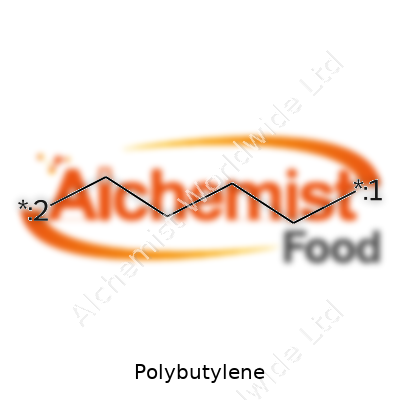
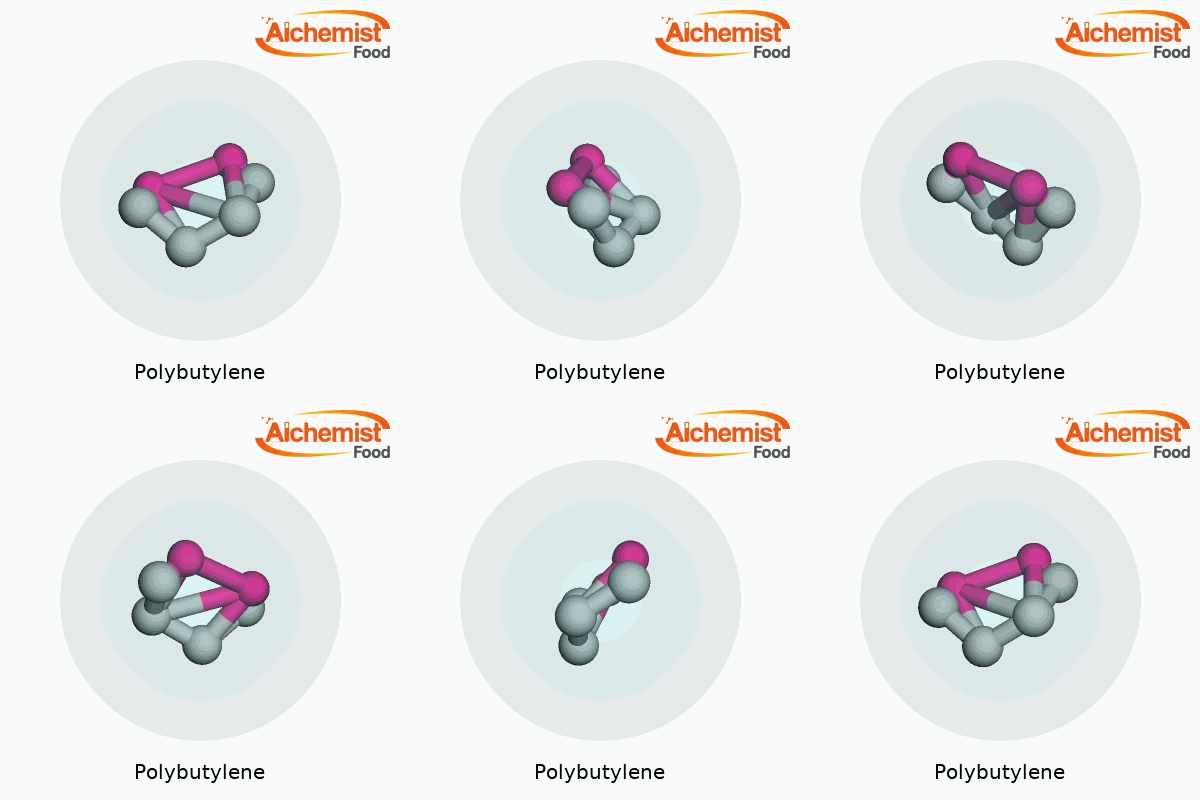
| Names | |
| Preferred IUPAC name | poly(1-butene) |
| Other names |
PB Polybutylene resin Polybutene-1 Polybutene PB-1 |
| Pronunciation | /ˌpɒl.i.bjuːˈtaɪ.lɪn/ |
| Preferred IUPAC name | poly(1-butene) |
| Other names |
PB polybutene-1 polybutene poly(1-butene) |
| Pronunciation | /ˌpɒl.i.bjuːˈtɪl.iːn/ |
| Identifiers | |
| CAS Number | 9003-28-5 |
| Beilstein Reference | 1091736 |
| ChEBI | CHEBI:53251 |
| ChEMBL | CHEMBL1201711 |
| ChemSpider | 16019 |
| DrugBank | DB11175 |
| ECHA InfoCard | 521c9be1-ff3a-4e17-8324-09f98c282a78 |
| EC Number | 500-994-4 |
| Gmelin Reference | 33368 |
| KEGG | C16084 |
| MeSH | D011080 |
| PubChem CID | 27344 |
| RTECS number | WL6478000 |
| UNII | 19U0L9D6JZ |
| UN number | UN1990 |
| CompTox Dashboard (EPA) | DTXSID9010582 |
| CAS Number | 9003-28-5 |
| Beilstein Reference | 684185 |
| ChEBI | CHEBI:53467 |
| ChEMBL | CHEMBL2105931 |
| ChemSpider | 2032591 |
| DrugBank | DB14583 |
| ECHA InfoCard | ECHA InfoCard: 100.115.341 |
| EC Number | 500-991-6 |
| Gmelin Reference | 22292 |
| KEGG | C21116 |
| MeSH | D011078 |
| PubChem CID | 4062845 |
| RTECS number | TF8770000 |
| UNII | 3KSV70V7J9 |
| UN number | UN1990 |
| Properties | |
| Chemical formula | (C4H8)n |
| Molar mass | 86.178 g/mol |
| Appearance | White or light-colored, semi-crystalline, opaque solid |
| Odor | Odorless |
| Density | 0.918 - 0.940 g/cm³ |
| Solubility in water | Insoluble |
| log P | 1.7 |
| Vapor pressure | Negligible |
| Acidity (pKa) | ~45 |
| Basicity (pKb) | Polybutylene is neutral and does not have a pKb value. |
| Refractive index (nD) | 1.491 |
| Viscosity | 100 – 2000 cP |
| Dipole moment | 0.00 D |
| Chemical formula | (C4H8)n |
| Molar mass | 86.178 g/mol |
| Appearance | A white or translucent plastic resin |
| Odor | Odorless |
| Density | 0.91 g/cm³ |
| Solubility in water | Insoluble |
| log P | 1.3 |
| Vapor pressure | Negligible |
| Acidity (pKa) | ~45 |
| Refractive index (nD) | 1.492 |
| Viscosity | 0.8 – 3.0 dL/g |
| Dipole moment | 0.00 D |
| Thermochemistry | |
| Std molar entropy (S⦵298) | 197.0 J·mol⁻¹·K⁻¹ |
| Std enthalpy of formation (ΔfH⦵298) | -36240 J/mol |
| Std enthalpy of combustion (ΔcH⦵298) | -41.37 MJ/kg |
| Std molar entropy (S⦵298) | 218.0 J·mol⁻¹·K⁻¹ |
| Std enthalpy of formation (ΔfH⦵298) | -325.3 kJ/mol |
| Std enthalpy of combustion (ΔcH⦵298) | -41.8 MJ/kg |
| Pharmacology | |
| ATC code | V07AY30 |
| ATC code | V07AX04 |
| Hazards | |
| Main hazards | Dust may form explosive mixture with air. Fine dust dispersed in air may ignite. |
| GHS labelling | GHS07 |
| Pictograms | GHS07,GHS08 |
| Signal word | Warning |
| Hazard statements | No hazard statements. |
| NFPA 704 (fire diamond) | 1-1-0 |
| Flash point | > 350°C (662°F) |
| Autoignition temperature | 343°C |
| LD50 (median dose) | > 10,000 mg/kg (rat, oral) |
| NIOSH | UR089 |
| REL (Recommended) | 1, 2, 3, 4, 5, 7, 8, 9, 10 |
| GHS labelling | GHS07, GHS08 |
| Pictograms | Flame;Health hazard;Exclamation mark |
| Signal word | Warning |
| Hazard statements | Not a hazardous substance or mixture. |
| NFPA 704 (fire diamond) | 1-1-0 |
| Flash point | Flash point: >349°C (>660°F) |
| Autoignition temperature | 343°C |
| LD50 (median dose) | > 34,600 mg/kg (rat, oral) |
| NIOSH | B131 |
| PEL (Permissible) | 2 mg/m³ |
| REL (Recommended) | 2.0 |
| Related compounds | |
| Related compounds |
Polyethylene Polypropylene Polystyrene |
| Related compounds |
Polyethylene Polypropylene Polybutene Polyvinyl chloride |



