Palmitoleic Acid: A Deep Dive into Fact and Future
Historical Development
Palmitoleic acid didn't just appear on the radar of biochemists overnight. Early chemists tugged this monounsaturated fatty acid from animal fats and certain plant oils nearly two centuries ago. People recognized it first in the context of whale blubber, long before omega-7 became a buzzword. As research tools sharpened and gas chromatography took center stage, scientists charted out its prevalence in both marine and terrestrial sources. With the 20th century rolling in, focus shifted from simple identification to understanding how this compound performed in the human body. Some early nutritional studies linked palmitoleic acid with metabolic regulation, particularly how it played into lipid profiles and soreness in arteries. Regulatory bodies, such as the FDA and EFSA, eventually laid out frameworks to examine novel fatty acids in foods and supplements. These frameworks anchored a new era, putting science-backed claims around natural products front and center instead of hidden behind oily jargon.
Product Overview
This fatty acid, often grouped as an omega-7, shows up in everything from macadamia nuts to sea buckthorn berries, yet animal fats—especially from cold-water fish—often supply more concentrated doses. Palmitoleic acid often arrives as a light-yellow oily liquid, sold in concentrations above 90% purity for research and high-end nutritional markets. Bulk buyers, supplement formulators, and research labs each chase high standards, ensuring no contamination sneaks in from extraction solvents or heavy metals. You’ll find this ingredient packed in inert gas to avoid oxidation, shipped in UV-blocking containers, and labeled with batch traceability codes. Whether shopping for ingestible capsules or industrial-grade chemical stocks, the differences lie mostly in purity benchmarks and additive safety claims.
Physical & Chemical Properties
With a molecular weight of about 254.4 g/mol and the formula C16H30O2, palmitoleic acid sets a melting point near zero degrees Celsius—so it stays liquid even in cool labs. Its boiling point climbs over 350°C, making it resilient in heat processing or chemical syntheses. It carries a single cis double bond at the ninth carbon, which creates that signature bend in its hydrocarbon chain. This kink means it never packs as tightly as saturated fatty acids, leading to its fluid nature. The acid dissolves well in common organic solvents like ethanol, chloroform, and ether, but not so much in water. That hydrophobic backbone plays a role in how it interacts within cell membranes and emulsifies with other fats in food or cosmetics.
Technical Specifications & Labeling
Bottles trade hands with specifications outlining assay purity—usually not less than 95%. Labels flag up residual solvents, water content, and peroxides, each measured by standardized protocols. Acceptable heavy metal content stays under 10 ppm, and microbial limits must meet criteria set by ISO standards for food ingredients. Certificates of analysis document the exact batch history, helping companies maintain full traceability from raw material to shelf product. Safety data sheets jump into the mix too, spelling out recommended storage temperatures, shelf life, and compatible packaging materials, sometimes even warning if palmitoleic acid was extracted via allergen-containing solvents or enzymes.
Preparation Method
Manufacturers usually start by extracting natural oils from macadamia nuts, sea buckthorn pulp, or fish livers. Cold-pressing preserves delicate fatty acids but leaves a broad mixture of lipids. To concentrate palmitoleic acid, processors turn to molecular distillation and chromatographic purification, which pull it away from palmitic, stearic, and oleic acids. Some labs have tried fermentation with genetically tweaked yeast strains, coaxing microbes to churn out omega-7s using sugar as a feedstock. This biotechnological approach steps around pesticide and heavy metal residue, appealing to industries hungry for cleaner, vegan ingredients.
Chemical Reactions & Modifications
The lone double bond in palmitoleic acid opens up a range of chemical possibilities. Hydrogenation, for instance, will saturate that bond, flipping palmitoleic to palmitic acid—altering both its physical properties and biological effects. Epoxidation uses peroxides to tack on reactive epoxide rings, creating building blocks for specialty polymers or even some drug precursors. Other chemists craft esters of palmitoleic acid to make lubricants, surfactants, or viscosity modifiers. Each method brings a set of reaction byproducts and waste streams—so responsible companies invest in closed-loop systems and effective downstream purification.
Synonyms & Product Names
Names like omega-7, 9-hexadecenoic acid, and palmitoleate pop up in both scientific and marketing literature. Supplement shelves sometimes list it as “macadamia nut oil extract” or “sea buckthorn omega-7.” Industrial orders come stamped as “(Z)-9-hexadecenoic acid” or just “C16:1.” These alternate handles matter because mislabeling can trip up research accuracy, dietary tracking, or hazard communication standards.
Safety & Operational Standards
Palmitoleic acid stands out for relatively low acute toxicity if ingested or handled by skin in pure form. Still, manufacturing plants enforce ventilation and personal protective equipment, mainly because fatty acid distillation can generate aerosols and occasional byproducts like peroxides. Food and drug suppliers run regular microbe and allergen screens while validating every batch for contaminants well below regulatory limits. Chemical safety sheets direct storage at 2-8°C away from light and oxidizers, flagging up issues such as polymerization or odor formation if stored for long stretches without nitrogen protection. Because some extraction processes use hazardous solvents (like hexane), robust training and waste stream controls keep workers safe and nearby environments free from volatile organic emissions.
Application Area
Interest in palmitoleic acid soared as metabolic health came into sharper focus. Researchers dug into how this omega-7 influences insulin sensitivity, triglyceride levels, and inflammatory markers, hoping to find a natural ally against diabetes and metabolic syndrome. Dermatologists picked it up for its quick absorption and skin barrier benefits, blending it into creams for dry or aging skin—especially since it feels lighter than classic plant oils. In food processing, it acts as a stable, heart-healthy fat marketed in snack bars, functional beverages, and nutritional oils. The plastics and lubricants industry builds on its molecular bend to create flexible, biodegradable materials. As biotechnological methods rise, pharma companies see palmitoleic acid as a probe in drug design for liver disorders, wound healing, and even antimicrobial agents battling drug-resistant bacteria.
Research & Development
Many current studies bring fresh energy to old debates about fats in diet and disease. Teams at universities chart how palmitoleic acid regulates gene clusters controlling fat metabolism and inflammation. Double-blind trials measure its effect on cholesterol ratios, liver enzymes, and fat buildup in muscle and liver cells. Some labs explore its role in satiety, while others track long-term cardiovascular outcomes in omega-7 rich diets. Meanwhile, engineers test genetically modified yeast and algae for higher production yields. R&D doesn’t stop at nutrition; performance coatings, eco-friendly lubricants, and pharmaceutical intermediates all draw from the molecule’s functional versatility. These developments underscore the need for open data, peer review, and cross-disciplinary trust—scientists, clinicians, and manufacturers all need to communicate where safety ends and marketing optimism begins.
Toxicity Research
Animal and cell culture studies usually mark palmitoleic acid as safe in low-to-moderate dietary ratios, but scientists haven’t given it blanket approval for high-dose, long-term use in all populations. Some rodent work links excess levels to negative lipid shifts, while human observational studies remain ongoing to untangle confounding variables like overall diet and exercise. Researchers track markers of oxidative stress, liver enzyme shifts, and inflammatory cytokines—trying to pinpoint benefits without downplaying risks. Regulatory agencies keep a close eye on new supplement launches, demanding proof that concentrated forms won’t trigger unforeseen side effects. As with any bioactive compound, individual sensitivities mean products always need real-world monitoring after they leave lab benches and clinic settings.
Future Prospects
Interest in palmitoleic acid reaches beyond the current supplement boom, hinting at a wider platform of applications. Advances in precision fermentation may bring down prices, letting food formulators and cosmetic chemists launch new lines of cleaner, vegan omega-7 products. With global conversations turning toward sustainable agriculture and cleaner manufacturing, biobased fatty acids could out-compete petroleum derivatives. Nutrition scientists are digging for bio-marker signatures that help spot who might benefit most from dietary omega-7s, while pharma research chases novel delivery forms aimed at targeting liver, cardiovascular, or dermatological conditions. Long-term data collection and trust-building through clear labeling, full traceability, and clinical transparency stand as the backbone to keep this field growing without overhyping early results.
What are the health benefits of Palmitoleic Acid?
What Is Palmitoleic Acid?
Palmitoleic acid belongs to the omega-7 family of fatty acids. Fish like salmon and some plant sources, such as sea buckthorn, bring this fatty acid into our diets. Palmitoleic acid has a place in the human body, where it works as a building block in cell membranes and can even shape signals linked to metabolism and inflammation.
Shaping Metabolic Health
Blood sugar swings and weight gain seem common concerns now, especially as desk jobs replace active days. Palmitoleic acid may play a supporting role here. One study in the journal Cell Metabolism highlighted how this fatty acid affected liver function in mice. It influenced how their bodies handled fat and sugar, which gave researchers clues that omega-7 might help protect against insulin resistance. In my own circle, friends working night shifts struggle with steady energy and blood sugar. Supplementing with foods high in palmitoleic acid seems to help manage midday crashes.
Inflammation: Less Fuel on the Fire
Chronic inflammation drives many issues, from heart disease risk to aches that keep us up at night. Scientists from the Cleveland Clinic published work on how palmitoleic acid appears to block certain inflammatory signals in the body. While no miracle cure exists, diets that include salmon and nuts appear to bring inflammation down. I’ve seen people swap out processed snacks for more whole foods rich in these fats and report less joint discomfort over months.
Fatty Acid Balance and Heart Health
Doctors often talk about heart health and cholesterol. Palmitoleic acid’s story here is still unfolding. Some observational studies link higher levels in the bloodstream with improved cholesterol profiles. The PREDIMED study, which looked at cardiovascular risk in people eating Mediterranean diets, found that those with higher omega-7 intake often showed lower levels of unhealthy cholesterol. A cousin of mine, who previously faced borderline cholesterol, added more avocados and fish to her meals and saw her numbers shift in a better direction after half a year.
Skin Strength and Hydration
Dry, flaky skin tends to bother many people, especially through winter. Palmitoleic acid forms part of the skin’s oil layer, helping retain moisture. Dermatologists sometimes recommend sea buckthorn oil because it’s full of this fatty acid. People I know with eczema sometimes notice their symptoms calm down with regular intake, either by eating food sources or using creams with sea buckthorn.
How to Bring Palmitoleic Acid into Everyday Meals
Fish stays at the top of the list for natural sources. Wild-caught salmon, sardines, and mackerel make solid staples. Macadamia nuts and sea buckthorn oil give non-fish eaters useful options. Instead of reaching for store-bought cookies, a handful of nuts can fill up a lunch bag. Roasting salmon with a squeeze of lemon fits a weeknight dinner just as well as eating out. The most benefit seems to come from making these foods regular rather than relying on a one-off supplement bottle.
Looking Ahead
Nutrition research never promises quick fixes, but evidence for palmitoleic acid keeps growing. People feel and see differences when they shift toward whole foods and away from heavily processed options. Adding natural sources of omega-7 into meals stacks up small wins for energy, skin, and heart. For folks looking to boost long-term health, a sprinkle of these changes could matter more than another fad diet.
Are there any side effects of taking Palmitoleic Acid supplements?
Where Health Hype Meets Real Life
Palmitoleic acid stepped into the supplement spotlight after headlines praised its potential to help with cholesterol, inflammation, and metabolism. Many jumped on the bandwagon, picking up capsules at health stores or online. Doctors and dietitians see the intrigue, because this omega-7 fatty acid shows up naturally in some fish and plant oils. Still, it’s one thing to add extra salmon to your dinner plate, and another to swallow megadoses every day. Few stop to ask if there’s a downside beyond hype that fizzles out.
Unexpected Reactions: Gut and Beyond
A handful of studies trail behind all the marketing. While most suggest palmitoleic acid supplements cause few problems for healthy folks, reality outside the clinical world is messy. Some people report digestive trouble after starting these pills: think nausea, stomach cramps, or diarrhea. This isn’t unusual: rich oils in capsule form sometimes overwhelm the stomach, especially if taken without food. The body needs time to adjust, and some never quite get used to it.
There’s also the matter of allergies. Fish-derived palmitoleic acid could cause trouble for those sensitive to seafood. Labels don’t always list the source clearly. Plant-sourced supplements tend not to spark these reactions, but cross-contamination in factories isn’t unheard of. It pays to check the label and buy from companies offering clear quality control information.
Blood Sugar and Cholesterol: Double-Edged Swords
One of the early big claims about palmitoleic acid focused on how it might help control blood sugar and protect the heart. Some studies out of Harvard and Japan linked higher levels in blood to lower risk of type 2 diabetes and fewer cholesterol problems. But research using large, daily supplements remains pretty thin.
Here’s where things get tricky. High doses of fatty acids may shift how the liver handles other fats in your diet. A 2018 review in The Journal of Lipid Research noted that, for some, very high intakes of similar fatty acids could send LDL (that’s “bad” cholesterol) up, not down. Lab mice seemed more likely to develop fatty liver if overdosed on omega-7 oils. We don’t know how this translates to people scarfing a few extra capsules, but the early warning deserves a flag.
Weighing the Unknowns
Supplements sit in a strange space. They fall short of strict drug regulation, so manufacturing standards vary widely. I’ve seen patients come in with spots of unexplained rash or persistent belly upset. Sometimes, it turned out they had picked a supplement with hidden fillers or mislabeling. Without third-party testing, risk climbs higher for these “off-the-shelf” health boosters.
Few long-term studies follow people regularly taking large doses of palmitoleic acid. No research exists on its effects in young kids, pregnant women, or those on multiple prescription drugs. Safety data in the elderly or those with chronic health problems looks even skimpier. Are you sensitive to medications? Mixing supplements with statins or diabetes drugs might change how those prescriptions work, because everything gets processed in the liver together.
Sensible Solutions: Not All or Nothing
It pays to get most nutrients from food. Wild salmon, macadamia nuts, and sea buckthorn oil all contain palmitoleic acid, alongside vitamins, minerals, and antioxidants that work together in ways no capsule can mimic. Anyone interested in boosting omega-7s can add these foods to a meal plan instead of banking on pills that promise more than they deliver.
If you’re set on a supplement, look for brands testing for purity with accessible lab reports. Talk real numbers and side effects with a doctor, especially if you have chronic health issues or take daily medication. Our bodies handle whole foods much better than isolated nutrients in mega doses. Quick fixes might sound appealing, but for most, long-term health rarely comes from a single supplement bottle anyway.
How should Palmitoleic Acid be taken for best results?
Why This Fatty Acid Gets So Much Attention
Palmitoleic acid, found in foods like macadamia nuts and sea buckthorn oil, gets people excited because some studies connect it to better heart health, balanced cholesterol, and improved insulin function. Many people ask how to add it into daily life for the most benefit. The way someone takes this fatty acid turns out to have a real effect on what they notice in their body—and on long-term results.
Food Sources Make a Difference
Eating a balanced, whole-food diet works better than chasing supplements most times. I remember making my own switch: adding a handful of macadamia nuts to my usual lunch, sprinkling sea buckthorn oil into smoothies. This grounded approach helped my skin and I didn’t feel the quick spikes and drops that show up when relying only on pills. Clinical research backs up that food-bound nutrients often absorb better, with fewer side effects.
Supplements: What Works and What Doesn’t
People with allergies, dietary restrictions, or specific medical conditions sometimes try palmitoleic acid capsules. Not all brands put purity front and center. Additives, poor storage, or lack of testing mean some supplements bring more harm than good. Choosing a supplement with clear third-party verification, ideally non-GMO and cold-pressed, lowers the risk of hidden contaminants. I’ve used consumer lab resources and recommended them to friends, since they independently rate products for consistent quality.
Timing and Dosage: More Isn’t Always Better
Nutrition science tells us that adding healthy fats to meals can help with absorption. Taking a supplement—or eating nuts—together with other foods supports the breakdown and use of palmitoleic acid by the body. I noticed my own heartburn reduced once I paired oils with meals rather than taking them on an empty stomach.
Clinical studies often use around 200–240 mg of palmitoleic acid per day, though some special diets naturally provide more. Mega-dosing rarely shows extra benefit and sometimes delivers unwanted side effects, like stomach upset. People with metabolic disorders or those on medication should check in with a healthcare provider, since palmitoleic acid may shift blood sugar or blood thinner responses. My own doctor caught a potential interaction with my prescription, which I would have missed on my own.
Synergy with Lifestyle Changes
Adding this fatty acid helps the most when combined with habits that support metabolic and heart health. I paired my daily intake with more walks, more leafy greens, and less processed food. Over time, I saw more clear skin and stable energy. Research from major medical centers highlights that any single nutrient works best as part of a bigger health picture.
Keeping It Real
Most benefits from palmitoleic acid take weeks or months to show—not days. I had to stay consistent, making simple swaps and tracking changes with a journal. Talking to a dietitian or an informed doctor gave me added direction, especially since everyone’s metabolism works differently. Chasing fast results with trendy extracts won’t beat sticking to whole foods, mindful supplementation when needed, and everyday healthy routine.
Takeaway: Trust Practical Steps and Science
Looking for miracle results from one compound leads to disappointment. Real results come from combining palmitoleic acid with lifestyle shifts. The big gains show up over time, rewarding patience and practical, science-backed steps.
Is Palmitoleic Acid safe for long-term use?
The Basics of Palmitoleic Acid
Palmitoleic acid stands out among fatty acids for its buzz in health circles. It’s an omega-7 found in sea buckthorn oil, macadamia nuts, and even human skin. Plenty of people see it as a supplement for improving cholesterol, reducing inflammation, or supporting metabolic health. With social media crowded by wellness trends, folks naturally start to wonder about risks—especially if adding a new nutrient to daily life.
Where Research Stands
My curiosity about this compound started while sorting through supplements at a health food store. Some people called it a secret weapon against insulin resistance and metabolic syndrome. Early studies, like those published in "Lipids in Health and Disease," showed promise: palmitoleic acid in animal models sometimes helped regulate blood sugar and lower inflammatory markers. Human evidence hasn't caught up, though. One small trial at Cleveland Clinic Foundation (2015) linked it to reduced LDL cholesterol and lower C-reactive protein—a marker for inflammation. Still, clear answers don’t turn up in small sample sizes.
Looking at Long-Term Use
Safety with long-term use is where things get tricky. There’s not much data from large, long-term trials in people. That makes recommendations tough for doctors, pharmacists, and dietitians who want hard proof. Most safety evidence comes from dietary intake, not concentrated pills or oils. Traditional diets in Mediterranean countries include omega-7 through whole foods like macadamia nuts or fish. People there don’t show higher health risks from palmitoleic acid, but these diets mix many factors, like high olive oil or produce consumption.
Dietitians often point out that whole foods don’t cause the spikes in intake that supplements create. Concentrated doses might behave differently than what the body gets from a balanced meal. Some lab studies even suggest that too much omega-7 interferes with other fatty acids, possibly raising certain types of fats in the blood. That risk feels more important for those with chronic heart issues or diabetes. No clear evidence links normal dietary doses to problems, but high-dose extracts haven’t been tested over years in real-world conditions.
Paying Attention to the Bigger Picture
Safety for the long haul usually means sticking to moderate amounts, especially when big studies aren’t available. Health experts recommend caution with any supplement whose long-term effects stay unclear. Many consumers trust influencer anecdotes or testimonials from companies selling capsules. Relying on strong, peer-reviewed research gives more solid ground.
Older adults, pregnant women, and people taking medications all face unique risks. Doctors I’ve spoken with suggest anyone in those groups should discuss new supplements, including palmitoleic acid, with their care team. Checking labels for third-party testing from groups like USP or NSF helps avoid contaminants or dosage surprises.
What Could Move Things Forward
Developing solid answers will call for more large, multi-year studies. That means universities and health research centers need to invest in those projects—and regulators should lean harder on supplement companies to prove safety through independent trials. Until that happens, sticking with food-based sources like macadamia nuts keeps things on the safe side for most people. Supplements tempt us with promises, but caution never goes out of style when the long-term facts stay murky.
Where can I buy high-quality Palmitoleic Acid products?
Palmitoleic Acid: Not Just Another Supplement
Palmitoleic acid shows up in news stories every now and then—usually tied to new research about metabolic health or skin benefits. People hear about it in passing, but few know where it comes from or how to shop for reliable products. Most often, palmitoleic acid is sourced from sea buckthorn oil, macadamia nuts, and a handful of rare fish oils. My own introduction came from reading up on skin health, trying to calm fluxes in my skin during winter, and finding that few options on store shelves listed palmitoleic levels clearly.
Sorting Real Quality from Clever Marketing
Quality starts with transparency. Brands that highlight third-party testing or open lab results tend to earn more trust. Looking through the supplement aisle, I scan labels for the amount of pure palmitoleic acid—often listed as omega-7 or “cis-hexadecenoic acid.” Many bottles showcase sea buckthorn fruit oil, but the real source of significant palmitoleic content is sea buckthorn seed oil. Not every label spells that out, so checking a supplement’s ingredient source becomes essential. I’ve seen reputable brands like Life Extension or NOW Foods invest in detailed lab breakdowns. One reliable cue: supplements that publish independent test results on their websites.
The Role of Certifications and Sourcing
Supplements come alive through their raw materials. For palmitoleic acid, sustainable harvest practices and organic certifications back up a brand’s claims. For example, sea buckthorn harvested from unpolluted regions in Central Asia or organic macadamia plantations in Australia. I once tried an uncertified product and got a fishy aftertaste—it probably came from poor handling or low-quality oil. High standards often cost a bit more, but the tradeoff is less risk of contamination and a better fatty acid profile.
Online vs. Local Stores
Buying online opens the field widely. Online platforms like iHerb, Amazon, and Vitacost stock diverse palmitoleic acid products, especially softgels and liquid oil. A careful shopper reads not just the product listing but also customer reviews, focusing on verified purchases. I have tried vetting sellers by looking for those with a clear history, responsive customer service, and no warnings from consumer protection sites. Health food stores carry some options in person, making it easier to check expiration dates, freshness, and even speak with knowledgeable staff.
Avoiding Pitfalls and Finding Solutions
Low-quality or adulterated oils undercut the benefits people expect from palmitoleic acid. To sidestep these issues, shoppers can demand transparency by choosing brands that disclose batch numbers, production details, and purity certificates. Trusted companies tend to foster a community of loyal users who share experiences online, revealing both strengths and shortcomings. Education goes hand in hand with better choices—understanding which forms of palmitoleic acid serve a purpose in your health journey.
What Works on a Realistic Budget
Not everyone needs a top-shelf supplement. Reliable, mid-range options can deliver value if they commit to genuine transparency and proven sourcing. For those with dietary goals, introducing more macadamia nuts or sea buckthorn berry oil into meals offers natural sources without relying solely on capsules. Keeping it simple, looking for certifications and third-party test results, and listening to the experiences of other consumers offer practical ways to find high-quality palmitoleic acid without falling for sales gimmicks.
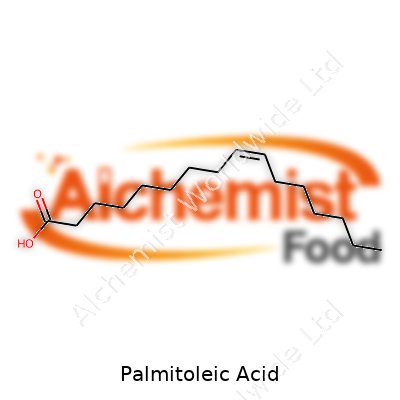
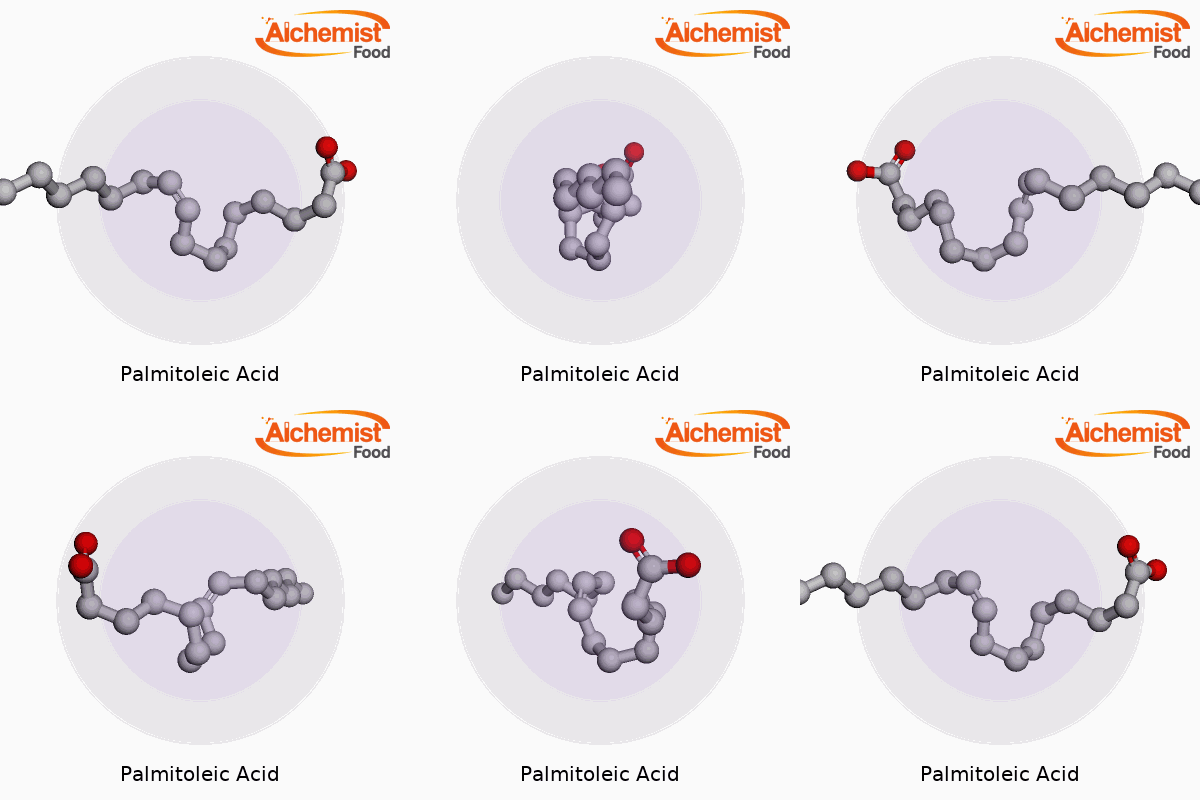
| Names | |
| Preferred IUPAC name | (Z)-hexadec-9-enoic acid |
| Other names |
9-Hexadecenoic Acid cis-9-Hexadecenoic acid 16:1(n-7) Lipogen Palmitoleate |
| Pronunciation | /ˌpæl.mɪ.təˈleɪ.ɪk ˈæs.ɪd/ |
| Preferred IUPAC name | (Z)-hexadec-9-enoic acid |
| Other names |
(Z)-9-Hexadecenoic acid cis-9-Hexadecenoic acid Omega-7 palmitoleic acid 16:1(n-7) |
| Pronunciation | /ˌpæl.mɪ.təˈleɪ.ɪk ˈæs.ɪd/ |
| Identifiers | |
| CAS Number | 373-49-9 |
| Beilstein Reference | 1721575 |
| ChEBI | CHEBI:15756 |
| ChEMBL | CHEMBL504 |
| ChemSpider | 14518 |
| DrugBank | DB11718 |
| ECHA InfoCard | EC Number: 246-470-6 |
| EC Number | EC 254-677-4 |
| Gmelin Reference | 8787 |
| KEGG | C08336 |
| MeSH | D010370 |
| PubChem CID | 446284 |
| RTECS number | MO4590000 |
| UNII | 88Y18L503A |
| UN number | UN2810 |
| CompTox Dashboard (EPA) | DTXSID7020182 |
| CAS Number | 373-49-9 |
| Beilstein Reference | 1361119 |
| ChEBI | CHEBI:15756 |
| ChEMBL | CHEMBL1336 |
| ChemSpider | 5460147 |
| DrugBank | DB03739 |
| ECHA InfoCard | EC-InfoCard-100.215.722 |
| EC Number | 204-677-5 |
| Gmelin Reference | 478560 |
| KEGG | C08362 |
| MeSH | D010181 |
| PubChem CID | 445638 |
| RTECS number | MO2646000 |
| UNII | 6BXA6GNE3L |
| UN number | UN2810 |
| Properties | |
| Chemical formula | C16H30O2 |
| Molar mass | 254.41 g/mol |
| Appearance | Colorless to pale yellow liquid |
| Odor | mild |
| Density | 0.891 g/cm³ |
| Solubility in water | Insoluble |
| log P | logP = 6.4 |
| Vapor pressure | 0.000000067 mmHg at 25°C |
| Acidity (pKa) | 4.97 |
| Basicity (pKb) | pKb ≈ 15.3 |
| Refractive index (nD) | 1.447 |
| Viscosity | Viscous liquid |
| Dipole moment | 1.332 D |
| Chemical formula | C16H30O2 |
| Molar mass | 254.41 g/mol |
| Appearance | Colorless to pale yellow liquid |
| Odor | Odorless |
| Density | 0.891 g/cm³ |
| Solubility in water | Insoluble in water |
| log P | logP: 6.41 |
| Vapor pressure | 0.000056 mmHg at 25°C |
| Acidity (pKa) | 4.75 |
| Basicity (pKb) | pKb ≈ 15 |
| Refractive index (nD) | 1.446 |
| Viscosity | Viscous liquid |
| Dipole moment | 1.3050 D |
| Thermochemistry | |
| Std molar entropy (S⦵298) | 397.6 J·mol⁻¹·K⁻¹ |
| Std enthalpy of formation (ΔfH⦵298) | -174.7 kJ/mol |
| Std enthalpy of combustion (ΔcH⦵298) | -9970.9 kJ/mol |
| Std molar entropy (S⦵298) | 269.0 J·mol⁻¹·K⁻¹ |
| Std enthalpy of formation (ΔfH⦵298) | -185.3 kJ/mol |
| Std enthalpy of combustion (ΔcH⦵298) | -10048.5 kJ/mol |
| Pharmacology | |
| ATC code | A16AX12 |
| ATC code | A16AX11 |
| Hazards | |
| GHS labelling | GHS07, GHS08 |
| Pictograms | GHS07 |
| Signal word | Warning |
| Hazard statements | No hazard statements. |
| Precautionary statements | P264; P270; P273; P301+P312; P330; P501 |
| NFPA 704 (fire diamond) | 1-1-0-NFPA704 |
| Flash point | 220°C |
| Autoignition temperature | 343 °C |
| Lethal dose or concentration | LD50 oral rat > 40,000 mg/kg |
| LD50 (median dose) | LD50: >5,000 mg/kg (oral, rat) |
| NIOSH | RN: 373-49-9 |
| PEL (Permissible) | Not established |
| REL (Recommended) | 900 mg |
| GHS labelling | GHS07, Warning, H315, H319 |
| Pictograms | GHS07 |
| Signal word | Warning |
| Hazard statements | H315: Causes skin irritation. H319: Causes serious eye irritation. |
| Precautionary statements | Wash skin thoroughly after handling. Wear protective gloves/protective clothing/eye protection/face protection. IF ON SKIN: Wash with plenty of water. |
| NFPA 704 (fire diamond) | 1-1-0-NFPA |
| Flash point | 220 °C |
| Autoignition temperature | 335 °C |
| Lethal dose or concentration | LD50 (Rat, oral): >5000 mg/kg |
| LD50 (median dose) | LD50 (median dose) of Palmitoleic Acid: **>5000 mg/kg (rat, oral)** |
| NIOSH | RS5Q8P9601 |
| PEL (Permissible) | Not established |
| REL (Recommended) | 600 mg |
| IDLH (Immediate danger) | No IDLH established. |
| Related compounds | |
| Related compounds |
Myristoleic acid Oleic acid Linoleic acid Palmitic acid Stearic acid |
| Related compounds |
Myristoleic acid Oleic acid Vaccenic acid |



