Linoleic Acid: A Cornerstone in Modern Science and Industry
Historical Development
Linoleic acid’s roots trace back to the mid-19th century, when researchers first recognized this fatty acid in plant oils. Practical application didn’t expand until biochemists unraveled its essential nature to human health in the early 20th century. Once food chemists proved diets lacking linoleic acid caused scaly skin and delayed growth in experimental animals, nutritional science pivoted. Its current recognition as an omega-6 essential fatty acid springs from this research arc, fueling its growing demand in food processing, pharmaceuticals, and cosmetics. The story of linoleic acid underscores a common pattern—scientific discovery shapes entire industries, and discoveries from over a hundred years ago still ripple through health supplements and food fortification today.
Product Overview
Linoleic acid appears as a pale yellow liquid at room temperature, extracted primarily from safflower, sunflower, and soybean oils. Suppliers usually sell it as a refined product, staring out from the labels of nutritional supplements and skin-care formulas. Rare to find pure in everyday groceries, it tends to hide within complex blends—spreadable margarines, cooking oils, meal replacements, and ointments. Its presence stretches much further, showing up in paints, soaps, and even industrial lubricants. The reach of linoleic acid comes down to two things: its chemical structure, rich in double bonds, and human reliance on plant oils.
Physical & Chemical Properties
A clear or pale-yellow, odorless liquid, linoleic acid’s structure features 18 carbon atoms with two cis double bonds, locked at the 9 and 12 positions. This unsaturation makes linoleic acid more reactive than saturated fats. Its melting point sits around -5°C, with a boiling point near 230°C under reduced pressure. It remains sparingly soluble in water but easily dissolves in ethanol, ether, and chloroform. These characteristics lead to quick oxidation, which producers have learned to manage with antioxidants during storage. Oxidation products can impact flavor and safety, so control measures shape both its use in foods and its shelf life.
Technical Specifications & Labeling
Technical grade linoleic acid must meet strict benchmarks—low peroxide value, minimum purity over 98%, and absence of trans isomers. Standard specification sheets lay out acid value, saponification number, and refractive index. These figures aren’t just for paperwork; manufacturers depend on them to prevent spoilage in foods, unwanted textures in cosmetics, and instability in paints. Food-grade offerings require full ingredient disclosure, allergen statements, and details about origin, reflecting consumer demands for transparency. Labeling needs to say more than linoleic acid or essential fatty acid; brands often highlight its plant source, touting non-GMO or organic status, reflecting shifts in consumer priorities.
Preparation Method
Industries rely on solvent extraction and refining of seed oils to source linoleic acid. Sunflower and safflower seeds come loaded with it, which extraction plants process through mechanical pressing followed by solvent washes—usually with hexane. Crude oil undergoes degumming, neutralization, bleaching, and deodorization, steps that strip away protein, color, and off-flavors. For high-purity linoleic acid, distillation separates it from other fatty acids, followed by winterization, where cooling helps crystallize out unwanted components. Manufacturers use precise, multi-step protocols to yield a consistent, high-quality product fit for varied industrial needs.
Chemical Reactions & Modifications
Linoleic acid’s two double bonds make it a target for chemical modifications. The double bonds undergo hydrogenation to convert it into stearic acid, a process central to margarine production. Epoxidation generates epoxy derivatives, giving rise to stabilizers and plasticizers. Bacterial or enzymatic oxidation creates hydroxy or dicarboxylic acids with uses in specialty polymers and detergents. The open structure invites reactions like esterification, forming linoleates used as emollients in creams and lotions. Every modification spins off new products, proving the compound’s remarkable versatility.
Synonyms & Product Names
Linoleic acid won’t always appear under its formal name. Marketing terms highlight its source or benefit—“Omega-6 fatty acid,” “polyunsaturated fatty acid,” “cis,cis-9,12-octadecadienoic acid.” In cosmetics, it may show up as “Vitamin F” or “Sunflower Acid.” Chemical catalogs list numbers like 60-33-3 or abbreviations like LA. Brand names vary by supplier, particularly in the food and pharmaceutical world, so scan labels closely. The range of synonyms speaks to its widespread and adaptable role in hundreds of applications.
Safety & Operational Standards
Industry groups like EFSA and FDA regulate intake and safety. Workers handle pure linoleic acid with gloves, goggles, and ventilation because concentrated forms can cause irritation or oxidation hazards. Safety data sheets recommend spill control, storage away from heat and light, and good hygiene. Food-safety authorities set upper intake levels, emphasizing the balance between omega-6 and omega-3 fatty acids, which matters because modern diets often overload on linoleic acid, fueling broader health debates. Labels must disclose potential allergens and country of origin, reflecting a global drive for safety and consumer choice.
Application Area
Linoleic acid works behind the scenes in food and nutrition, skin and hair care, paints, coatings, and even industrial lubricants. In food and supplements, it’s prized for its role in growth and cell function. Formulators select it for softening properties in lotions and as a carrier oil in nutraceuticals. Paint chemists value its drying qualities, which let films cure faster and stay flexible. Lubricant engineers blend it for its ability to lower friction and resist breakdown. Its functions may differ by industry but the underlying chemistry always draws on its unsaturation and reactivity.
Research & Development
Ongoing research delves into linoleic acid’s relationship with heart health, inflammation, and skin barrier repair. Recent studies link its metabolism to pathways in cardiovascular disease and immune response. Scientists test new fractionation methods to bump up purity, enhance oxidative stability, and recover byproducts for sustainable production. Cosmetic labs run clinical trials to understand how it supports skin conditions like eczema or acne. Futurists in green chemistry want to upcycle waste seed oils, cutting down on processing waste while expanding the uses of this simple molecule. Advances rarely come easy, but every breakthrough shapes regulations, product labeling, and consumer choices.
Toxicity Research
Although linoleic acid stands as an essential nutrient, debate persists around overall intake and chronic disease risks. Toxicity studies in animals rarely show harmful effects until doses far beyond any normal diet—think doses a thousand times daily energy intake. Modern concerns shift more toward the ratio of omega-6 to omega-3, which shapes inflammation and disease risk. Population studies suggest the Western diet packs in too much linoleic acid, shifting attention to intake reduction. Clinical toxicologists and nutritional epidemiologists continue to parse these findings, reminding both industry and public that context—total diet and lifestyle—often matters more than any single ingredient.
Future Prospects
The next chapters for linoleic acid revolve around sustainability, novel delivery systems, and improved public health messaging. Biochemists look for cleaner, energy-saving extraction from non-food oils—algae and seed waste. Nutraceutical developers target stabilized, microencapsulated forms, ideal for easy dosing and controlled release in supplements. Questions about optimal intake and health effects will push more research, likely shifting how food companies blend omega-6 and omega-3 oils. Environmental pressures mean industries will keep swapping out petrochemicals for plant-derived ingredients like linoleic acid. Public concern over genetically modified crops, allergenicity, and labeling accuracy continues to guide production methods and marketing. At its core, science and technology push linoleic acid toward bigger roles in food security, green chemistry, and responsible sourcing.
What are the health benefits of linoleic acid supplements?
Digging Into Linoleic Acid
Linoleic acid pops up in nutrition talks a lot, thanks to its label as an essential fatty acid. The human body can’t make it from scratch, yet it expects some on the plate or in a capsule. I remember the headaches that used to come after going weeks on a protein-heavy diet without much variety. It took a legit nutritionist to point out the missing puzzle piece—healthy fats, with linoleic acid high on the list.
What Science Says
Linoleic acid comes from plant oils such as safflower, sunflower, and corn oil. The modern diet, especially in Western countries, delivers high amounts, but not everyone lands in the same boat. People on restrictive diets, or those who avoid processed foods and oils, sometimes find themselves on the low end.
Getting the right ratio of linoleic acid makes a difference. Research from the American Journal of Clinical Nutrition shows that adequate intake of this nutrient helps maintain healthy cell membranes. Skin stays hydrated, which lines up with what dermatologists say. Suboptimal intake—think of extreme low-fat diets—can leave skin flaky, irritated, and slower to heal.
Cholesterol numbers also tell a story. Researchers, including Walter Willett from Harvard, noticed that switching out saturated fat for linoleic acid brings down LDL, the so-called “bad” cholesterol. Blood vessels stay less clogged, lowering the chances of heart disease. One large study, published in Circulation, checked dietary patterns over several decades and saw fewer heart attacks among folks who ate more polyunsaturated fats like linoleic acid.
Omega-6 acids often get slammed for driving inflammation, but evidence does not back that claim for typical intake levels. Cancer risks don’t rise, autoimmune issues don’t suddenly flare—at least that’s what population studies from Europe and the US show. Linoleic acid gets converted in the body into compounds that help with blood clotting and blood vessel health.
Supplements: Necessary or Not?
Most people with a balanced diet probably scoop up plenty of linoleic acid from regular foods. Supplements step up when there are problems with absorption, chronic gastrointestinal illnesses, or rare genetic conditions. Some athletes, vegans, and people with allergies to nuts or seeds might find a supplement fills a gap.
My own experience matches what dieticians emphasize: food sources come packed with more than just the fatty acid. Seeds, nuts, or cold-pressed oils offer antioxidants, fiber, and other micronutrients. That said, for anyone unable to use these foods—either from allergies, intolerances, or lifestyle preferences—a supplement feels less like insurance and more like a basic requirement.
Looking Ahead
Linoleic acid supplements don’t hand out miracle results. They might help smooth out dry skin, support normal heart rhythms, or keep inflammation in check when eaten in proper context. Some fancy products include extra vitamins or plant sterols, but it makes sense to check with a healthcare provider before adding them in bulk to a routine. Too much of anything—even a smart supplement—can throw off body chemistry and move things in the wrong direction.
For those wondering about the sweet spot, the Institute of Medicine and the European Food Safety Authority suggest aiming for about 5-10% of total daily calories from linoleic acid, with food-based sources leading the way. Mindful eating, a trusted medical opinion, and honest self-checking on diet habits open the door to better health.
Are there any side effects of taking linoleic acid?
What People Get From Linoleic Acid
Walk through any grocery store and you’ll find linoleic acid in plant-based oils, seeds, nuts, and processed foods. Sunflower, soybean, and corn oil pack plenty of it. Our bodies use linoleic acid for normal growth and cell repair. Kids and adults both need it for healthy skin and brain function. Nutrition experts have published mountains of research on the benefits of this essential fatty acid.
The rise of omega-6-rich cooking oils in modern diets pushed linoleic acid intake to new levels, especially in the United States over the past 60 years. That shift started to turn some scientific heads. We now eat five to twenty times more omega-6 fatty acids than omega-3s, a gap that has never been seen in traditional diets.
Potential Issues With Too Much Linoleic Acid
Too much of anything can cause problems. Linoleic acid helps the body in moderate doses, but a steady overload sends ripples through the system. Studies show that excessive linoleic acid might bump up inflammation markers when the body can’t compensate with enough omega-3s. Inflammation plays a key role in diseases like arthritis, heart trouble, and obesity.
Cardiologists have debated the heart health angle. Some research finds that replacing saturated fats with polyunsaturated fats, such as linoleic acid, supports lower cholesterol and lowers heart attack risk. More recent studies raise questions, pointing to links between high omega-6 intake and increased risk for some chronic illnesses. The truth may lie somewhere in the middle, where balance beats extremes.
Some people worry about linoleic acid’s role in allergies and asthma. Lab studies in animals link heavy intake to more severe immune responses. Those results should be taken with caution—the human body handles things differently. Still, anyone with food sensitivities or a history of asthma might notice flare-ups after loading up on foods high in processed oils.
Gastrointestinal and Other Side Effects
Digestive complaints often come up in stories from people experimenting with high-dose supplements. Diarrhea, stomach cramps, and bloating tend to fade as the body adapts, but nobody loves spending extra time in the bathroom. At very high doses—doses most people don’t reach with food alone—other effects like headaches and a fishy aftertaste get reported in clinical trials. Rarely, supplements impact blood clotting because omega-6 fats can thin the blood.
Eating lots of linoleic acid-rich food while missing out on vitamins A, E, and antioxidants in other foods sometimes worsens these problems. The oils can oxidize quickly, and the body can't keep up with the extra work unless the diet brings in plenty of protective nutrients, too.
Striking a Healthy Balance
Nutrition is about finding what works in real life, not chasing perfection on paper. Dialing down highly processed oils and adding more leafy greens, oily fish, seeds, and nuts tends to bring the omegas into better alignment. Cooking with olive oil or avocado oil instead of soybean oil can make a small but important shift over months. Doctors and nutritionists agree, though—cutting out linoleic acid entirely is never the goal. Instead, focusing on the whole diet helps keep side effects rare.
Anyone with medical conditions or taking blood thinners ought to chat with a healthcare provider before adding high-dose linoleic acid supplements. Personal history matters in nutrition. Real people, real bodies—no simple answers. The best plan starts by eating whole foods and checking in with your doctor for any major changes.
How should linoleic acid be taken or dosed?
Understanding Linoleic Acid
Linoleic acid pops up a lot in nutrition talk, but a lot of folks still mix it up with other fats. It's not just another name for omega-6; it's one of those essential fatty acids that your body uses for building cell membranes and managing inflammation, something you don’t want to overlook. Most people get linoleic acid from nuts, seeds, and cooking oils like sunflower, corn, or soybean oil. For decades, doctors, researchers, and scientists have warned against overdoing omega-6 because diets packed with processed seed oils may bump up the risk of certain health problems. But the story isn't so simple, and as with most nutrients, balance matters more than restriction.
Getting the Right Amount
Linoleic acid isn’t a magic bullet, but it supports normal growth, keeps skin healthy, and helps the body use fat for energy. Research shows most adults in developed countries easily meet daily needs just by eating typical amounts of vegetable oils. According to data from the Institute of Medicine, adults need roughly 12–17 grams per day, depending on age, sex, and life stage. That’s about a tablespoon of a common vegetable oil.
From personal experience, focusing on whole foods – using extra virgin oils, eating more nuts or seeds, tossing out heavily processed snacks – matches what most nutrition experts suggest. Adding too many refined seed oils can tip the balance of fat in the diet and crowd out omega-3 sources, like oily fish or flaxseed, which the body relies on just as much.
Is Supplementation Useful?
For most people, supplements rarely make sense. Unless a doctor finds a clear deficiency or a specific condition demands more omega-6, extra doses don’t offer much. Athletes or people with skin disorders may hear about special supplements, but real food brings along other useful compounds like antioxidants, vitamins, and minerals that pills leave behind. Over years of reading, working with dietitians, and trying different approaches, food-based fats have stuck out as easier for the body to handle. Case in point: in most Western countries, linoleic acid under-consumption barely comes up unless someone eats a strict no-fat diet.
Risks of Too Much
Ramping up linoleic acid without mindful eating means more omega-6 but less omega-3, which can make inflammation more likely in the long haul. The body needs both, but in a particular mix. Decades of research highlight that common cooking oils bring in buckets of omega-6, but few folks reach for salmon or walnuts with the same regularity. Shaky fat balance looks more and more like a culprit behind heart, metabolic, and skin problems. This highlights the importance of variety and moderation, supported by thorough peer-reviewed studies over the years.
Practical Takeaways
Rely on basic cooking oils—olive, sunflower, or canola—for most dishes, but sprinkle in nuts, seeds, and fish. Stay wary of meals dripping in heavily processed oils. Pay more attention to overall diet pattern, not just a single nutrient. A simple plate built from real foods usually lands you in a safe spot for linoleic acid without obsessing over numbers or special supplements.
If any unusual symptoms turn up or health concerns stick around, get medical guidance. Trusting licensed nutrition professionals instead of fads or trending advice has served me and many around me well. Linoleic acid, in the context of a balanced diet, does its job best as part of the chorus, not as a solo act.
Is linoleic acid safe for long-term use?
Everyday Sources of Linoleic Acid
Linoleic acid shows up in lots of foods most people eat every day. People get it from things like sunflower oil, corn oil, soybeans, nuts, seeds, and even some meats. Its job in the body connects to cell structures and signals. Without enough of it, babies and children don’t grow normally, and skin gets dry and cracked. So, for most folks, getting some linoleic acid is not just important — it’s critical for health.
What Happens with Lots of Linoleic Acid?
In the last fifty years, industrial seed oils landed hard on store shelves. As a result, many people now get ten or twenty times more linoleic acid in a week than their great-grandparents did. This rise followed advice to cut saturated fat for heart health, so people turned to plant-based oils high in linoleic acid. Heart doctors and the American Heart Association suggested using vegetable oils instead of butter and lard, hoping less saturated fat would mean fewer clogged arteries.
Large groups of people studied over many years show mixed results. Some research finds eating moderate amounts may help lower “bad” LDL cholesterol. On the other hand, eating a lot over time may link to more inflammation in the body. Mice given huge doses in labs developed problems with metabolism and fat build-up in the liver. In humans, a 2021 review published in Progress in Lipid Research showed that swapping saturated fat for linoleic acid can reduce cholesterol a bit, but does not always protect against major heart events like strokes or heart attacks.
Balancing Benefits and Risks
My own kitchen switched to olive oil years ago, mostly because it works well for hot and cold dishes. I learned that extra virgin olive oil has a much higher monounsaturated fat content and a lot less linoleic acid. Still, I see how easy it is to end up with vegetable oils in every meal, from fried chicken to salad dressings and snacks. Some days, even the “healthy” snacks at the food co-op use sunflower, corn, or soybean oil.
Doctors don’t agree if these oils cause harm for everyone or only for people with other health risks. If a person eats a balanced diet with vegetables, fish, and fiber and doesn’t go overboard with packaged, fried, or ultra-processed foods, linoleic acid probably won’t cause trouble. On the other hand, eating much more than the body needs or getting it from ultra-processed foods might push long-term risks up.
Possible Ways to Lower Risk
Cutting back on packaged foods and frying at high heat makes a difference. Choosing oils with less linoleic acid, like olive or avocado, helps give balance. If someone wants variety, they can mix in nuts, seeds, and fish, all of which offer healthy fats but in different ratios. Reading labels makes it clearer where linoleic acid shows up, especially in snacks and fast foods. Talking with a doctor or dietitian can also help, especially if heart disease, high cholesterol, or diabetes runs in the family.
Looking Forward
Long-term safety still depends on dosage, type, and what else fills the plate. Oversized doses likely cause trouble, just as with too much sugar or salt. People don’t need to avoid linoleic acid, but overdoing it from heavily processed sources weakens the case for its safety over decades. Eating whole foods, shifting to fats like olive oil, and not letting processed oils crowd out other healthy choices gives the body plenty of what it needs — and not much else.
Can linoleic acid help with weight loss or skin health?
The Real Story Behind Linoleic Acid
Shelves fill up fast with bottles of omega-6-rich oils, and doctors mention healthy fats all the time. One name stands out in these circles: linoleic acid. Often, people link it to weight loss and glowing skin. Promises get thrown around, but sorting fact from hope calls for honesty.
Why People Look to Linoleic Acid
Linoleic acid comes from plant foods such as sunflower, safflower, and soybean oil. It shows up everywhere, hiding in salad dressings and processed snacks. The body uses it to build cell membranes, keep the brain sharp, and make hormones. Research connects polyunsaturated fatty acids to various health perks, but treating linoleic acid like a miracle fix carries risk.
Weight Loss: What’s True?
I’ve watched trends come and go—low-fat, high-fat, olive oil shakes—and watched friends try everything. Research from Harvard T.H. Chan School of Public Health says replacing saturated fats with polyunsaturated fats, like those found in linoleic acid, may improve heart health. Still, that doesn’t mean pouring seed oils on everything melts extra pounds away. Weight loss depends on more than just a type of fat. Calorie intake and physical activity still play the biggest roles. There’s no strong evidence linoleic acid burns fat directly.
Some studies, like a 2018 American Journal of Clinical Nutrition analysis, suggest linoleic acid may help prevent fat gain in some people. But diets in these studies swap out one fat for another rather than add more calories. Just upping linoleic acid won’t deliver impressive results if the diet stays the same. Claims about “fat burning” often ignore the complexity of what happens in real kitchens. Overeating any oil, no matter how “good,” adds calories quickly.
Skin Health: More Than Just a Topical Trend
Skin experts point out that linoleic acid is essential for a healthy barrier. People with dry skin or eczema often have lower levels of it in their skin. I’ve battled flaky skin myself, watching expensive creams promise the world and deliver very little. Linoleic acid, used directly on skin or eaten, can help repair and moisturize. According to research in Dermatology Research and Practice, topical forms help restore skin barrier function, with fewer side effects than some prescription creams.
Still, not all dry skin issues get fixed with oils. Stress, harsh weather, and other factors often play bigger roles. If skin feels inflamed or develops new rashes, it’s smarter to consult a dermatologist than to pour oil on the problem. The gut delivers nutrients, but the outer layer of skin also needs gentle care, good hydration, and sun protection.
Moving Toward Realistic Solutions
Putting trust in one nutrient overshadows bigger patterns. No quick fix replaces a steady routine—less ultra-processed food, more veggies, enough water, and full nights of sleep. Cooking with small amounts of unsaturated oils, enjoying nuts and seeds, and limiting deep-fried foods work better as lifelong habits than chasing internet trends.
Brands market linoleic acid as a one-stop cure, but those who know nutrition admit: no single part fixes the picture alone. Real improvements show up with consistent, practical care. Balanced meals, reasonable portions, and self-kindness—in life and meals—beat the magic promises every time.
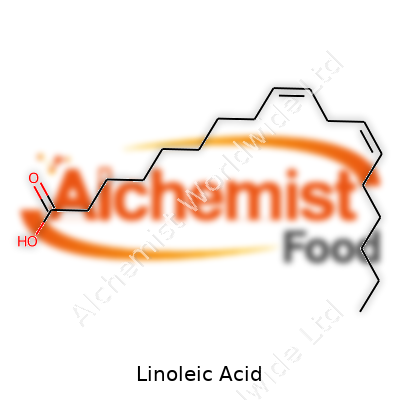
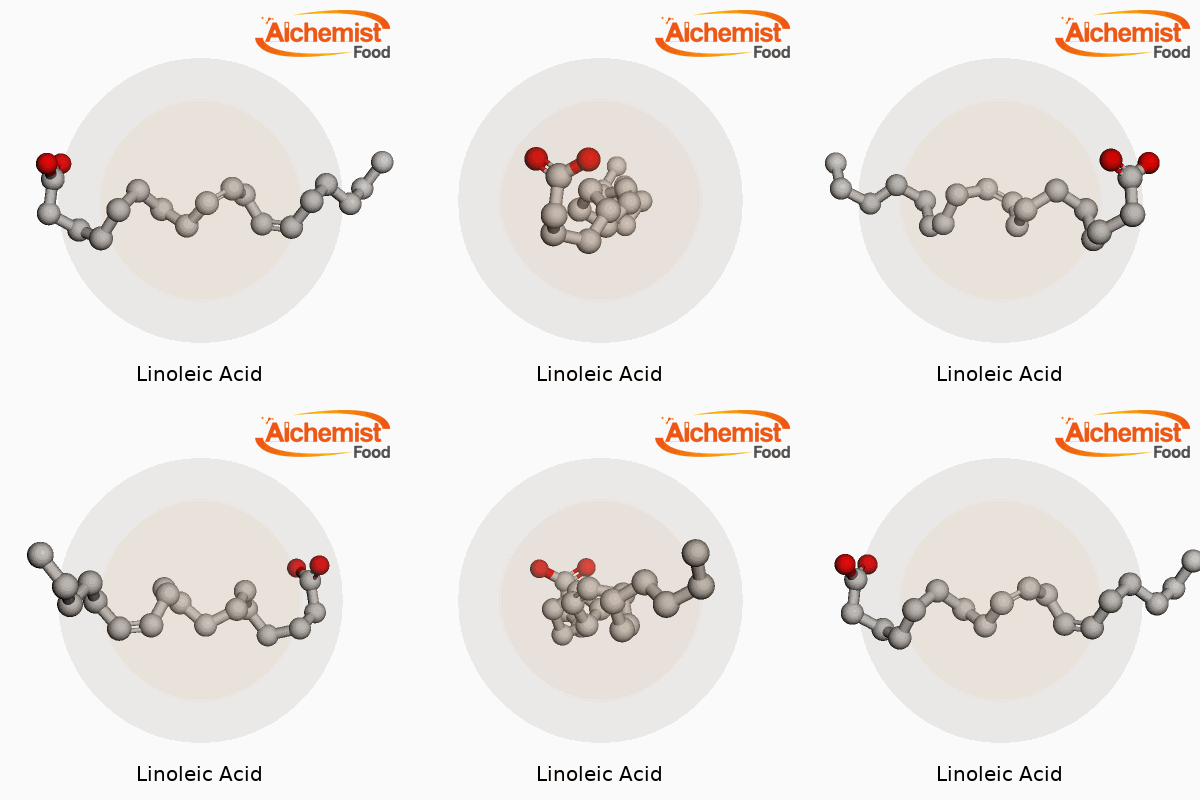
| Names | |
| Preferred IUPAC name | (9Z,12Z)-octadeca-9,12-dienoic acid |
| Other names |
cis,cis-9,12-Octadecadienoic acid LA all-cis-9,12-Octadecadienoic acid Vitamin F 9,12-Octadecadienoic acid |
| Pronunciation | /laɪˈnoʊ.li.ɪk ˈæs.ɪd/ |
| Preferred IUPAC name | (9Z,12Z)-octadeca-9,12-dienoic acid |
| Other names |
cis, cis-9,12-Octadecadienoic acid cis-9, cis-12-Octadecadienoic acid Vitamin F C18:2(n-6) LA |
| Pronunciation | /laɪˌnoʊ.li.ɪk ˈæs.ɪd/ |
| Identifiers | |
| CAS Number | 60-33-3 |
| Beilstein Reference | 1902603 |
| ChEBI | CHEBI:17351 |
| ChEMBL | CHEMBL414 |
| ChemSpider | 5370422 |
| DrugBank | DB00132 |
| ECHA InfoCard | 03bb0b52-b093-4f61-a6ec-6d2fccb5fcaf |
| EC Number | EC 222-774-0 |
| Gmelin Reference | 67673 |
| KEGG | C01595 |
| MeSH | D008074 |
| PubChem CID | 5280450 |
| RTECS number | OI1750000 |
| UNII | Y71E3S1UAI |
| UN number | UN2291 |
| CAS Number | 60-33-3 |
| Beilstein Reference | 1906919 |
| ChEBI | CHEBI:17351 |
| ChEMBL | CHEMBL414 |
| ChemSpider | 5360450 |
| DrugBank | DB00132 |
| ECHA InfoCard | 03f841b4-322f-44e2-b32b-27b3a119b837 |
| EC Number | EC 232-347-0 |
| Gmelin Reference | 62224 |
| KEGG | C01595 |
| MeSH | D008074 |
| PubChem CID | 5280450 |
| RTECS number | NL2875000 |
| UNII | Y1PRC5J90A |
| UN number | UN 3272 |
| CompTox Dashboard (EPA) | EPA CompTox Dashboard for Linoleic Acid: **DTXSID9020117** |
| Properties | |
| Chemical formula | C18H32O2 |
| Molar mass | 280.45 g/mol |
| Appearance | Colorless to pale yellow liquid |
| Odor | Oily odor |
| Density | 0.902 g/mL at 25 °C |
| Solubility in water | Insoluble |
| log P | 4.77 |
| Vapor pressure | 0.0025 mmHg (25°C) |
| Acidity (pKa) | 4.77 |
| Basicity (pKb) | ~15 |
| Magnetic susceptibility (χ) | -73.0×10⁻⁶ cm³/mol |
| Refractive index (nD) | 1.462 |
| Viscosity | Viscosity: 29.8 cP (25 °C) |
| Dipole moment | 1.0865 D |
| Chemical formula | C18H32O2 |
| Molar mass | 280.45 g/mol |
| Appearance | Light yellow to yellow oily liquid |
| Odor | oily odor |
| Density | 0.92 g/cm³ |
| Solubility in water | Insoluble |
| log P | 4.77 |
| Vapor pressure | 0.2 mmHg (25°C) |
| Acidity (pKa) | 4.77 |
| Basicity (pKb) | ~15.11 |
| Magnetic susceptibility (χ) | -65.0·10⁻⁶ cm³/mol |
| Refractive index (nD) | 1.467–1.475 |
| Viscosity | Viscous liquid |
| Dipole moment | 2.0997 D |
| Thermochemistry | |
| Std molar entropy (S⦵298) | 468.0 J·mol⁻¹·K⁻¹ |
| Std enthalpy of formation (ΔfH⦵298) | -199.7 kJ/mol |
| Std enthalpy of combustion (ΔcH⦵298) | -3815.0 kJ/mol |
| Std molar entropy (S⦵298) | 470.3 J·mol⁻¹·K⁻¹ |
| Std enthalpy of formation (ΔfH⦵298) | -180.8 kJ/mol |
| Std enthalpy of combustion (ΔcH⦵298) | -3899.5 kJ/mol |
| Pharmacology | |
| ATC code | C18AA06 |
| ATC code | C18AA56 |
| Hazards | |
| GHS labelling | GHS07, GHS08 |
| Pictograms | GHS07 |
| Signal word | Warning |
| Hazard statements | H315, H317 |
| Precautionary statements | P210, P233, P240, P241, P242, P243, P280, P303+P361+P353, P370+P378 |
| Flash point | 230 °C |
| Autoignition temperature | 343 °C |
| Lethal dose or concentration | LD50 (Rat, oral): 28,500 mg/kg |
| LD50 (median dose) | LD50 (median dose) of Linoleic Acid: "28,500 mg/kg (rat, oral) |
| NIOSH | BFF040 |
| PEL (Permissible) | PEL (Permissible Exposure Limit) for Linoleic Acid: Not established |
| REL (Recommended) | 8-17 g/day |
| GHS labelling | GHS02, GHS07 |
| Pictograms | GHS07,GHS08 |
| Signal word | Warning |
| Hazard statements | H315: Causes skin irritation. H319: Causes serious eye irritation. H335: May cause respiratory irritation. |
| Precautionary statements | H315: Causes skin irritation. H319: Causes serious eye irritation. |
| NFPA 704 (fire diamond) | 2,1,0 |
| Flash point | 230 °C |
| Autoignition temperature | 343°C |
| Explosive limits | Explosive limits: 0.9–6.5% |
| Lethal dose or concentration | LD50 (oral, rat): 28,000 mg/kg |
| LD50 (median dose) | LD50 (median dose) of Linoleic Acid: "28,200 mg/kg (rat, oral) |
| NIOSH | MN8050000 |
| PEL (Permissible) | PEL: Not Established |
| REL (Recommended) | 11-17 g |
| Related compounds | |
| Related compounds |
Oleic acid Linolenic acid Arachidonic acid Stearic acid Palmitic acid |
| Related compounds |
Arachidonic acid Gamma-Linolenic acid Alpha-Linolenic acid Oleic acid Stearic acid Palmitic acid Eicosadienoic acid |



