Nicotinamide: Its Story, Science, and Significance
Historical Development
Nicotinamide found its place in human health over a century ago, wrapped up in the fight against pellagra—a disease triggered by niacin deficiency. In the early 1900s, doctors and researchers struggled to figure out why huge numbers of people across the southern United States came down with rough skin, diarrhea, and dementia. Dr. Joseph Goldberger solved the riddle, showing that pellagra came from a dietary lack, not an infectious agent. Out of that, nicotinamide (also called niacinamide) got the spotlight alongside its cousin, nicotinic acid. Both serve as forms of vitamin B3, but nicotinamide doesn't cause flushing, so it saw wider use in medicine and food. It quietly slipped into multivitamin tablets and cereal mixes, then spread to skin creams and energy shots. In nearly every pharmacy and grocery store, products containing nicotinamide ride on decades of trust and research. Its reputation isn't accidental—stories of diseases like pellagra left scars that public health campaigns still reference today.
Product Overview
What pulls people to nicotinamide in so many products is simple—it's a water-soluble vitamin, critical for turning food to energy and repairing cells. Its main draw in supplements and skincare shows that people look beyond basic nutrition, aiming for small boosts in health and appearance. In tablets, capsules, powders, creams, and serums, manufacturers work to blend it without strong taste or odor. For tablets and foods, companies choose pure, fine, white crystals; for cosmetics, micronized powder mixes seamlessly with liquids, leaving no graininess or residue. On the shelf, you'll spot it under the name niacinamide more often than not, because it sounds a bit less chemical to shoppers, but both terms point to exactly the same molecule.
Physical & Chemical Properties
Nicotinamide appears as a white, odorless crystalline powder, easy to spot by its mild, slightly bitter taste. Its chemical formula, C6H6N2O, sets it apart from its analogs. It melts around 128-131°C and dissolves easily in water, but less so in alcohol—this trait shapes how it's used in products from tablets to creams. It doesn’t absorb moisture much from the air, so it stores well in most climates, and its stability keeps it from breaking down during high-heat processing in food plants or cosmetics labs. Nicotinamide’s strong point lies in its hydrogen-bonding structures, making it a favorite for cocrystal development in drug design. With a neutral pH in water, it fits well into both food and cosmetic formulations, minimizing any risk of reactions or taste changes.
Technical Specifications & Labeling
Reliable nicotinamide sources declare purity above 98%. Any label should show the molecular weight (122.13 g/mol) and clearly state compliance with major pharmacopeias like USP, EP, or JP. Packaging usually includes batch numbers, manufacturing dates, and exact expiration to track each lot. Food-grade and pharma-grade versions differ based on allowed impurities, particle size, and processing aids, so it pays to check for registration numbers, regulatory approvals, and allergen information. On supplement bottles, look for serving size, vitamin B3 reference, and sometimes a note clarifying it contains no animal ingredients. Regulations demand honesty—mislabeling brings fines or worse, so most producers keep their labels clear. For bulk chemicals in industry, safety data sheets accompany each shipment, listing handling advice and transport codes.
Preparation Method
Most commercial nicotinamide comes from the chemical transformation of 3-cyanopyridine or nicotinic acid. Catalysts and precise conditions drive the reaction to turn the starting compound into nicotinamide with high yield. Hydrogenation or amidation routes feature heavily; in one popular process, ammonia helps switch a nitrile group into the amide of nicotinamide without making significant byproducts. Continuous advances let chemists reduce energy use and waste. Some companies are now investigating microbial pathways, using genetically engineered bacteria to produce nicotinamide through fermentation, hoping for greener, cost-saving methods. Traditional chemical synthesis still accounts for well over 90% of the market, thanks to scale and reliability.
Chemical Reactions & Modifications
Nicotinamide stays mostly stable under normal storage, but chemists can modify its structure by substitutions on the pyridine ring or changes to its amide group. It doesn’t undergo strong reactions with acids or bases under gentle conditions. As a building block, it serves as a precursor to NAD+ (nicotinamide adenine dinucleotide) in vivo, where enzymes attach phosphate and ribose groups. That property led to its use in redox biology and as a tool for protein modification. In drug research, scientists link nicotinamide with other molecules to improve water solubility, bioavailability, or targeting. These tweaks trickle out into practical products—enhanced drug delivery, better absorption through the skin, longer shelf life in creams or serums.
Synonyms & Product Names
Beyond “nicotinamide” and “niacinamide,” the vitamin turns up under names like Vitamin B3 amide, pyridine-3-carboxamide, and in older texts, “pellagra-preventive factor.” Regulatory agencies use standardized codes like INS 375 or E375 for additives in food-labeling systems. In Asia, branding often leans toward “niacinamide” on beauty products, while pharma houses stick to IUPAC names or simple Vitamin B3 for supplements. Companies avoid “nicotinic acid” in marketing when targeting skin or sensitive groups, bypassing any confusion around side effects.
Safety & Operational Standards
Nicotinamide has built a strong safety record over decades in supplements, foods, and cosmetics. The US Institute of Medicine sets the upper intake limit for adults at 900 mg per day, mostly out of caution for potential liver strain in heavy users. Below this, clinical trials rarely show more than mild gastrointestinal upset or headaches. In factories, workers handle the powder using gloves and respirators to avoid inhaling fine dust. Companies store it in sealed drums, away from heat and moisture, following SOPs to prevent spillage and cross-contamination. Routine quality checks and regulatory audits keep most manufacturers honest, and product recalls for contamination or mislabeling remain rare.
Application Area
Few ingredients cross boundaries like nicotinamide—it fuels food fortification, vitamin supplements, skincare, and even injection formulations. Doctors use high doses to treat rare genetic disorders of the NAD+ pathway. Dermatologists recommend it for acne, pigmentation, and aging skin. Nutritionists flag its importance in vegan diets, since plant-based eaters sometimes struggle to get enough B3. In bakeries, it lands in flour enrichment mixes to meet national fortification laws. In energy drinks, it helps support market claims for “cellular energy support.” Even the pet food industry uses it to cover animals’ micronutrient needs. As a matter of practicality, this molecule touches the lives of almost everyone, from kids taking multivitamins to seniors using wrinkle creams.
Research & Development
Research doesn’t stop at traditional nutrition—scientists chase new uses for nicotinamide all the time. Some groups explore its effect on neurodegenerative diseases, since NAD+ plays a role in nerve health and brain aging. Large-scale human trials are underway to measure whether nicotinamide can help prevent skin cancer after sun exposure, building on early evidence from Australia. Cosmetic chemists study how it strengthens the skin barrier and evens out tone. Drug designers patch nicotinamide onto other drugs to improve water solubility and cut side effects. Investment in fermentation production grows each year, pushed by demands for greener, non-petroleum-based processes. Researchers question whether specialized forms—cocrystals, nanoparticles, or prodrugs—could make a real impact, but the core vitamin’s safety and versatility keep it as the control for any new invention.
Toxicity Research
Scientists checked nicotinamide’s toxicity profiles across dozens of animal species and human populations. At recommended doses, side effects appear mild and rare: upset stomach, headaches, sometimes mild flushing. Chronic use far above health authority limits stresses the liver, particularly in people with existing liver disease. In allergy studies, most people tolerate it well, with only sporadic reports of mild rash or itching. Developmental studies in animals showed no genetic or reproductive harm when given within reasonable dose ranges. Typical safety trials address vitamin-fortified foods because excessive intake can inadvertently occur in populations already eating rich, varied diets. Ongoing toxicology panels in Europe and North America help adjust regulatory standards, but most scientists find the risk profile favorable.
Future Prospects
Nicotinamide stands ready for a new chapter as people learn more about metabolism, skin health, and personalized nutrition. Digital health devices track micronutrient status and may one day advise real-time dosing, pushing companies to design smarter, more bioavailable forms. Green chemistry is catching up, so within years, major suppliers could switch from oil-derived chemicals to fermentation-based manufacturing at lower energy costs. Applications in longevity, neuroprotection, and chronic disease likely keep researchers busy for decades, especially as new studies hint at roles in buffering stress damage and DNA repair. As the conversation moves beyond “just a vitamin supplement,” policy makers and health agencies should watch for gaps—ensuring those who need supplementation most, like elderly and food-insecure children, have fresh access. The public’s trust came from hard-won victories against deficiency disease, but the next wave of innovation will need strong data, honest labeling, and a steady grip on practical value.
What are the benefits of using Nicotinamide?
The Science Behind Nicotinamide
Nicotinamide, often called niacinamide, comes from vitamin B3. This nutrient plays a direct part in hundreds of chemical reactions in our bodies. Cells use nicotinamide to generate energy, repair DNA, and manage stress from the environment. Researchers from the National Institutes of Health point out that without enough of this vitamin, the body starts to break down. Fatigue, skin problems, and even neurological issues can set in.
Supporting Healthy Skin
Dermatologists favor nicotinamide for more than just energy. Countless studies have shown how it helps with acne, redness, and sun damage. The Journal of Clinical and Aesthetic Dermatology reported a noticeable drop in inflammation for people using nicotinamide-based creams. From personal observation, including it in a skincare routine made a difference in how my skin handled breakouts and rough patches. Topical use often ranks as safe and tends to avoid the stinging that sometimes comes with harsher products.
Improving Brain Function
Brain health depends on steady supplies of nutrients like nicotinamide. There’s growing curiosity in its impact on neurodegenerative conditions. Yale University found that aging brains struggled less with memory tests after regular intake of nicotinamide. This outcome connects to research showing how the vitamin supports nervous system function and protects against wear and tear at the cellular level. Based on my own experience with older relatives, supplements helped support mental clarity during tough times.
Boosting Cellular Repair
Cells face daily harm from pollution and normal metabolism. Nicotinamide steps in to aid repairs, especially by supporting the production of NAD+, an enzyme vital for recovery and longevity. Forbes Health highlighted how NAD+, with help from nicotinamide, repairs DNA and reduces oxidative stress. Athletes and older adults often say they notice improved resilience and quicker bounce-back after stress. My own fitness routines seemed smoother and recovery came faster after a steady intake through diet and supplements.
Potential for Disease Prevention
Long-term deficiency brings real risks. Pellagra, a disease tied to low vitamin B3, almost disappeared after adding nicotinamide to staple foods. Today, scientists are looking at its ongoing benefits, such as protecting against certain cancers and preventing type 2 diabetes. One study in the New England Journal of Medicine suggested nicotinamide slowed the onset of type 1 diabetes in high-risk children. That kind of prevention speaks to broader public health impacts.
Making Nicotinamide Part of Everyday Life
Nutritionists often recommend getting nicotinamide from food first—meat, fish, leafy greens, and some fortified cereals stand out. For those with special dietary needs or chronic health challenges, high-quality supplements fill the gap. Using a supplement after talking with a doctor can help hit recommended levels without risking too much. I found that adding foods rich in vitamin B3 felt manageable and sustainable.
Relying on peer-reviewed research and years of practical advice, nicotinamide delivers important benefits. Good nutrition begins with small daily choices, and keeping an eye on vitamins like this one can lead to lasting improvements in health and well-being.
Are there any side effects of Nicotinamide?
What Is Nicotinamide?
Nicotinamide, a form of vitamin B3, shows up in supplements, skin creams, and even breakfast cereals. Plenty of folks reach for it after hearing about its track record in supporting energy levels, brain health, and skin resilience. In my own family, a few relatives started taking it after their doctors mentioned its role in cellular repair and sun protection. Most people tolerate nicotinamide well, but stories about side effects pop up, and it’s worth digging into them before stocking up at the pharmacy.
Side Effects That Surface
Low doses—like what’s usually found in everyday food or a standard multivitamin—rarely trigger trouble. The U.S. National Institutes of Health points out that the recommended dietary allowance stands at 16 mg a day for men, 14 mg for women. That’s easy to hit through a balanced diet. Problems usually show up when folks push far past these levels.
My neighbor talked up a high-dose supplement after reading some articles online. After a few weeks, he started feeling queasy and began losing his appetite. Studies confirm he’s not alone. Nausea, upset stomach, and diarrhea show up on medical reports for folks taking larger doses. I remember reading a research summary from the Mayo Clinic noting how more than 3 grams—about 200 times what you’d realistically get from food—cause flushing, headaches, and sometimes liver problems.
Skin reactions also deserve a mention. Some friends who tried niacinamide creams for acne told me about mild redness or burning. Dermatologists say that’s pretty normal if you’re sensitive to new ingredients, though real allergic reactions are rare.
A Closer Look at Serious Risks
Concerns grow when labels print numbers far above the daily requirement. The Food and Drug Administration sets an upper limit of 35 mg daily to prevent the sort of liver issues that pop up in high-dose supplements. This isn’t just a theoretical risk. Case reports describe people developing jaundice and lab tests showing liver enzyme spikes after months on mega-doses.
Blood sugar may also edge up in certain folks. One published study in Diabetes Care tracked some patients for a year. Those with prediabetes, after heavy nicotinamide use, struggled with worsening glucose tolerance. For anyone with family history or early warning signs, it pays to take this seriously.
Who Should Be Extra Cautious?
Doctors usually flag high-dose risks for people with preexisting liver problems, kidney disease, or diabetes. I’ve seen clinics track their patients with regular blood work. Pregnant women and nursing mothers get special warnings too. Safety matters most for the groups already managing delicate health situations.
Children sometimes show up in these reports as well. Over-the-counter energy drinks and vitamins sometimes sneak in big doses, leading to problems if kids take more than the label suggests.
Smart Ways to Use Nicotinamide
For anyone tempted by trends or influencer advice, it helps to slow down and check with a health care provider. A registered dietitian once told me that most people can cover their vitamin B3 needs through lean meats, nuts, milk, and whole grains. Supplements shouldn’t replace a varied diet. If you’re interested in using nicotinamide for acne, sun damage, or even neurological health, following professional guidance reduces risks.
Manufacturers do have an obligation to print clear warnings, and consumers can learn to read labels closely. Trustworthy products publish third-party testing results and stay within safe dosage limits. Clear communication between patient and doctor wins out over guesswork from the internet.
How should Nicotinamide be taken or applied?
What People Want From Nicotinamide
Nicotinamide, known to most people as vitamin B3, often comes up in talks around skin health and energy. It’s not a trend. I have seen folks, including myself, try nicotinamide for issues like acne and dry skin. Dermatologists talk about it. Nutritionists mention it for its role in cell repair. So, how people use it did not just fall out of thin air—there’s science behind these choices.
Taking Nicotinamide Orally
Nicotinamide often appears in multivitamins in drugstore aisles. These pills fit right into a daily routine, swallowed with water at breakfast or lunch. Recommended daily values for adults stick around 14–16 mg. Doses for skin health or specific problems run much higher—some studies use 500 mg twice each day. People generally reach for pills to bump up overall vitamin B3 levels, tackle some skin concerns, or support metabolism.
Eating this vitamin with food helps skip nausea. Stomachaches show up if someone swallows higher doses, especially alone or on an empty stomach. If someone has liver or kidney problems, best to chat with a doctor first. High amounts without guidance—over 1,000 mg a day—have triggered issues such as liver stress and headaches in reported cases. Moderation pays off.
Using Nicotinamide on Skin
A lot of people buy serums or creams at local stores. I’ve watched friends deal with acne, redness, or dark spots this way. Niacinamide (another name for nicotinamide) works in strengths from 2% to 10%. Scientific journals report benefits for acne, barrier repair, and reducing pigmentation. Toothpaste-thin layers in the morning or at night make all the difference for people fighting inflamed skin. No lathering or scrubbing. Less is more.
Mixing a new serum into an existing skincare routine can bring reactions. Sometimes skin turns red or stings. Starting slow—every other night, then moving up—lets skin get used to the ingredient. I notice that patience helps. People see the best results after several weeks of use. Mixing with harsh treatments (like strong acids or retinol) can irritate skin, so advice from a dermatologist matters.
Backed By Research—But Start Smart
Hospitals sometimes use high oral doses for treating certain conditions, like preventing new skin cancers in high-risk folks. Australian studies show fewer new squamous and basal cell cancers with daily use over a year. Still, these plans always involve medical oversight.
Nicotinamide in food—beans, fish, poultry, nuts—gives a steady background supply for most healthy people. Strict diets or medical conditions may lower intake, so supplements fill the gap when food alone won’t cut it.
Solutions and Considerations
Planning helps. Checking labels, picking recognized supplement brands, and staying within recommended doses protect against side effects. People should always talk to their healthcare provider before jumping into high-dose supplements, especially those battling chronic illness or taking other medicines. Shoppers looking for skincare should go for fragrance-free and dye-free products to avoid extra irritation.
Nicotinamide brings real benefits, and a common-sense approach—along with some personalized advice—turns it into a friend for both inside and outside the body.
Is Nicotinamide safe for long-term use?
What Is Nicotinamide, and Why Do People Take It?
Nicotinamide, also known as niacinamide, pops up in both multivitamins and skincare products. It’s a form of vitamin B3. Many know it for its role in helping turn food into energy and supporting skin health. Some doctors recommend it for people who want to keep skin even-toned or for folks at higher risk of certain skin cancers. Over time, people have started to look at it as more than just a basic vitamin. There’s talk about its effects on brain aging, diabetes, and lowering risk for some chronic illnesses.
What We Know from Research
Decades of clinical trials suggest that nicotinamide is generally well-tolerated. Oral supplements given in doses from 500 to 1500 milligrams per day have shown promise in reducing the risk of non-melanoma skin cancer. The New England Journal of Medicine published a study in 2015 where adults at high risk of skin cancer took 500 milligrams twice daily for a year. Fewer new skin cancers appeared in these patients compared to those taking placebo, and side effects were almost nonexistent. I’ve personally seen dermatologists recommend this supplement for older adults, especially those with lots of sun exposure, and most report only mild stomach upset at higher doses.
Possible Side Effects
Nothing comes without risk, so it helps to know what to expect. At standard doses found in vitamins, most people have no issue. Some notice nausea or diarrhea, but that’s pretty rare. At higher doses—over 3,000 milligrams a day—liver problems can develop. This isn’t unique to nicotinamide; many nutrients can become toxic in large amounts. Elevated liver enzymes may show up on bloodwork. Though unlikely at lower, recommended doses, it always pays to mention any supplement you take to your doctor during checkups.
Long-Term Use: Is It Worth It?
Regular use over months, or even years, shows a good safety profile when sticking to studied amounts. The body handles vitamin B3 quite well since it’s water-soluble; unused portions get flushed out. Researchers followed participants for up to twelve months with no major red flags. We don’t have much data beyond that, but current evidence doesn’t suggest hidden problems for the average adult without significant liver disease.
Where Problems Can Creep In
Mixing nicotinamide with other medications or supplements can get tricky for folks with kidney or liver problems. Large or unregulated doses bought online might not be safe, as quality and purity aren’t always guaranteed. People sometimes think that if a little is good, a lot must be better—this rarely works out, especially with nutrients. Doctors report that too much vitamin B3 can lead to headaches, dizziness, and in some cases, low blood pressure.
Making Smart Choices
Talking with a healthcare provider about supplements keeps things safe. Most people in the United States get plenty of vitamin B3 from their diet, so extra isn’t always needed. For people looking at nicotinamide for skin or other health reasons, sticking to researched doses backed by a reliable source makes sense. Choosing a product tested by third parties, like USP or NSF, helps avoid bad batches. Checking liver health yearly can catch early trouble.
Better Health Starts with Information
People often look for quick fixes, especially as they age or face new health concerns. No vitamin replaces regular checkups or a balanced diet, but research gives some reassurance that nicotinamide, at recommended levels, is safe for most adults using it with a clear reason. By weighing current science, personal risk, and advice from a trusted doctor, people can feel confident taking charge of their health choices.
Can Nicotinamide be used with other medications or supplements?
Looking at Nicotinamide's Place in Wellness
More people are paying attention to supplements like nicotinamide. Known as a form of vitamin B3, it gets tossed into all sorts of routines—from skin creams to morning vitamins. Many still wonder, can nicotinamide mix well with other medications or vitamins? This concern holds weight. No one wants to gamble with their health, especially when balancing daily medicines or managing long-term conditions.
Common Drugs and Vitamins People Mix with Nicotinamide
Doctors prescribe all types of medicines—blood pressure pills, diabetes treatments, cholesterol controllers. Consumers grab omega-3, vitamin C, herbal teas, and more from store shelves. Catching up on what we know about drug and supplement combinations feels important for anyone looking after their well-being.
Nicotinamide doesn’t show up on many lists of big “do not mix” warnings. It often plays nice with most daily medications and common vitamins, but that doesn’t mean every mix is harmless. In rare situations, people taking drugs for epilepsy, such as carbamazepine or phenytoin, might see their side effects shift if they add high doses of B3. Large doses, far above standard recommendations, also stand out as risky for those already fighting liver or kidney disease.
Real-World Impacts and Why Careful Choices Matter
Small decisions stack up in the real world. It’s easy to grab a supplement that looks harmless, but most people don’t think about potential “hidden” interactions. Think back to those times you picked up a new supplement for energy or immunity at the drugstore. The label rarely mentions interactions. A single medicine change can disrupt a careful balance, especially for older adults juggling several prescriptions.
The U.S. Food and Drug Administration estimates that almost half of all American adults take at least one prescription daily. On top of this, nearly two-thirds also use dietary supplements. The risk isn’t only about what’s in an individual pill, but about how these ingredients might clash with ongoing treatments or each other.
Tips for Managing Supplements and Prescription Mixes
Open conversation with a healthcare provider is the first step for safer use of any supplement, including nicotinamide. Doctors and pharmacists track new studies and reports of negative interactions. They know which combinations raise risk. This advice carries extra weight for someone pregnant, someone with cancer, or someone working through chronic health conditions.
Even if nicotinamide looks safe on its own, always read the bottle and check dosing. Doses above those found in food or standard multivitamins don’t always offer extra benefit, and sometimes they push the body into dangerous territory. The National Institutes of Health sets daily limits for a reason, and large-scale trials haven’t proven massive doses bring extra health.
Building Better Habits
People often trust supplements more than medications, but both can cause real harm if ignored or over-used. Keeping a current list of medications and supplements, and reviewing it with a doctor or pharmacist, keeps surprises to a minimum. Honest conversations about all vitamins and over-the-counter pills make a big difference, especially for those managing several health challenges at once.
Better knowledge brings better health decisions. Wiser choices about supplements like nicotinamide mean less worry and fewer side effects—and in the long run, more room to focus on the things that matter most.
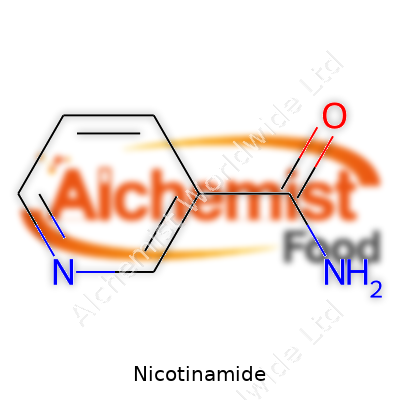
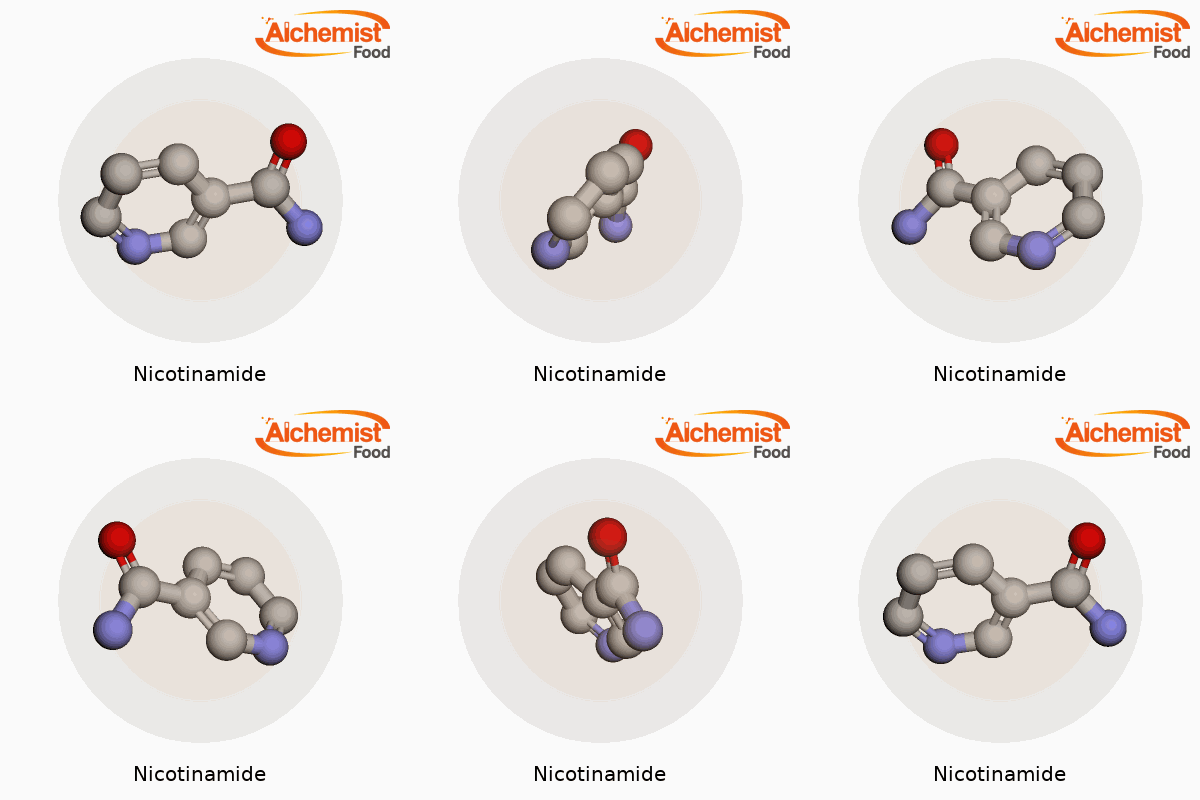
| Names | |
| Preferred IUPAC name | pyridine-3-carboxamide |
| Other names |
Niacinamide Nicotinic acid amide Vitamin B3 amide 3-Pyridinecarboxamide |
| Pronunciation | /naɪˌkəʊ.tɪˈnæmɪd/ |
| Preferred IUPAC name | Pyridine-3-carboxamide |
| Other names |
Niacinamide Nicotinic acid amide Nicotylamide Vitamin B3 amide NAA |
| Pronunciation | /naɪˌkəʊ.tɪˈnæm.ɪd/ |
| Identifiers | |
| CAS Number | 98-92-0 |
| Beilstein Reference | 136175 |
| ChEBI | CHEBI:18075 |
| ChEMBL | CHEMBL1405 |
| ChemSpider | 5797 |
| DrugBank | DB02701 |
| ECHA InfoCard | 100.027.057 |
| EC Number | EC 3.5.1.19 |
| Gmelin Reference | 8225 |
| KEGG | C00153 |
| MeSH | D018956 |
| PubChem CID | 938 |
| RTECS number | QS3675000 |
| UNII | 5DXR975Q1I |
| UN number | UN2811 |
| CAS Number | 98-92-0 |
| Beilstein Reference | 100083 |
| ChEBI | CHEBI:18075 |
| ChEMBL | CHEMBL50 |
| ChemSpider | 5797 |
| DrugBank | DB02701 |
| ECHA InfoCard | DTXSID9042634 |
| EC Number | EC 3.5.1.19 |
| Gmelin Reference | 9368 |
| KEGG | C00153 |
| MeSH | D018956 |
| PubChem CID | 938 |
| RTECS number | QS3675000 |
| UNII | JPV1S07Y70 |
| UN number | UN2811 |
| Properties | |
| Chemical formula | C6H6N2O |
| Molar mass | 122.12 g/mol |
| Appearance | White crystalline powder |
| Odor | Odorless |
| Density | 1.40 g/cm3 |
| Solubility in water | soluble |
| log P | -0.37 |
| Vapor pressure | 0.0000174 mmHg at 25°C |
| Acidity (pKa) | 3.3 |
| Basicity (pKb) | pKb = 10.1 |
| Magnetic susceptibility (χ) | -64.6·10⁻⁶ cm³/mol |
| Refractive index (nD) | 1.575 |
| Viscosity | Viscous liquid |
| Dipole moment | 4.09 D |
| Chemical formula | C6H6N2O |
| Molar mass | 122.12 g/mol |
| Appearance | White crystalline powder |
| Odor | Odorless |
| Density | 1.40 g/cm³ |
| Solubility in water | freely soluble |
| log P | -0.37 |
| Vapor pressure | 1.39E-7 mmHg at 25°C |
| Acidity (pKa) | 3.35 |
| Basicity (pKb) | 6.12 |
| Magnetic susceptibility (χ) | -49.0·10⁻⁶ cm³/mol |
| Refractive index (nD) | 1.588 |
| Viscosity | Viscous liquid |
| Dipole moment | 4.09 D |
| Thermochemistry | |
| Std molar entropy (S⦵298) | 156.8 J·mol⁻¹·K⁻¹ |
| Std enthalpy of formation (ΔfH⦵298) | -110.9 kJ/mol |
| Std enthalpy of combustion (ΔcH⦵298) | -3885 kJ mol⁻¹ |
| Std molar entropy (S⦵298) | 155.0 J·K⁻¹·mol⁻¹ |
| Std enthalpy of formation (ΔfH⦵298) | -157.8 kJ/mol |
| Std enthalpy of combustion (ΔcH⦵298) | -3959 kJ/mol |
| Pharmacology | |
| ATC code | A11HA01 |
| ATC code | A11HA01 |
| Hazards | |
| Main hazards | May cause eye, skin, and respiratory tract irritation. |
| GHS labelling | GHS07, GHS09 |
| Pictograms | GHS07 |
| Signal word | Warning |
| Hazard statements | H315, H319 |
| Precautionary statements | P264, P270, P273, P301+P312, P330, P501 |
| NFPA 704 (fire diamond) | 1-0-0 |
| Flash point | 160°C |
| Autoignition temperature | 335 °C |
| Lethal dose or concentration | LD50 (oral, rat): 3,000 mg/kg |
| LD50 (median dose) | LD50 (median dose) = 5 g/kg (rat, oral) |
| NIOSH | TT0700000 |
| PEL (Permissible) | PEL (Permissible Exposure Limit) for Nicotinamide: Not established |
| REL (Recommended) | 500 mg |
| Main hazards | Harmful if swallowed. May cause eye, skin, and respiratory irritation. |
| GHS labelling | GHS07, GHS08 |
| Pictograms | GHS07 |
| Signal word | Warning |
| Hazard statements | H315: Causes skin irritation. H319: Causes serious eye irritation. H335: May cause respiratory irritation. |
| Precautionary statements | Precautionary statements: P261, P305+P351+P338, P304+P340, P312 |
| NFPA 704 (fire diamond) | Health: 1, Flammability: 1, Instability: 0, Special: - |
| Flash point | 196 °C |
| Autoignition temperature | > 480 °C |
| Lethal dose or concentration | LD50 (rat, oral): 3,500 mg/kg |
| LD50 (median dose) | LD50 = 5 g/kg (rat, oral) |
| NIOSH | RN 98-92-0 |
| PEL (Permissible) | PEL (Permissible) for Nicotinamide: Not established |
| REL (Recommended) | 300 mg |
| IDLH (Immediate danger) | Not listed |
| Related compounds | |
| Related compounds |
Nicotinic acid Nicotinamide riboside Nicotinamide adenine dinucleotide (NAD) Nicotinamide mononucleotide (NMN) Nicotinamide riboside chloride |
| Related compounds |
Nicotinic acid NAD+ Nicotinamide riboside Nicotinamide adenine dinucleotide Nicotinamide mononucleotide |



