Methyl Sulfonyl Methane: An In-Depth Look
Historical Development
Methyl Sulfonyl Methane, known to many as MSM, sprang from research into the sulfur cycle. Back in the 1970s, Dr. Stanley Jacob at Oregon Health and Science University picked up on its potential, working from observations related to DMSO (dimethyl sulfoxide). MSM forms as a byproduct when DMSO oxidizes, and early work explored its softer scent and less intrusive impact on human skin. MSM drifted from obscure laboratory benches into nutrition stores after animal studies in the 1980s flagged possible benefits for joint care. Since then, consumer and scientific interest keeps expanding, with researchers poring over old patents and new clinical trials to pin down its place in health and industry.
Product Overview
MSM holds court in powdered and crystalline forms, standing out for its mixability in solutions and tough stance against moisture. Health food shelves stock it for those hunting joint comfort or aiming to boost their daily sulfur intake. Cosmetic labels borrow MSM due to claims it benefits skin appearance and wound care. Some veterinary products wrap it into the mix, especially in supplements built for horses. MSM’s recognition on GRAS (Generally Recognized as Safe) lists adds a patina of legitimacy, but user experiences still shape much of its mainstream story.
Physical & Chemical Properties
MSM’s white, odorless crystals dissolve easily in water and alcohol, which keeps the product attractive for supplement makers who need fast solubility. Chemically, it comes in as (CH3)2SO2 — a sulfur compound just a step up from common household DMSO. MSM registers a molecular weight of 94.13 g/mol, and the melting point edges near 109-110°C. In open air, it hangs tough against breakdown, so storage becomes easier for manufacturers and end-users both. Many compare MSM to DMSO for its polar structure, but MSM’s lack of smell or strong taste gives it a commercial edge.
Technical Specifications & Labeling
Supplements and raw materials suppliers often denote MSM purity at 99.8%. Labels highlight “methylsulfonylmethane”, but savvy buyers also recognize names like dimethyl sulfone or sulfonylbismethane in the spec sheets. Particle size rarely drops below 100 mesh, ensuring smooth dissolving. Third-party lab results back up claims about low heavy metal content and freedom from biological contaminants, key points for consumers wary of the supplement sector’s patchy oversight. Many brands print manufacturer batch numbers, production dates, and certificates of analysis — a nod to responsible production and traceability that the most discerning customers check before purchase or use.
Preparation Method
Producers craft MSM by oxidizing DMSO with hydrogen peroxide in controlled reactors. The reaction churns out MSM, which then goes through repeated distillation or recrystallization steps. Early-stage filtration screens out unwanted impurities; distillation strips out remaining solvents. Some processes stick to pharmaceutical standards, trimming down any leftover DMSO molecules. Large producers advertise GMP (Good Manufacturing Practice) credentials, winning over clients who avoid fillers or unwanted side products in their bulk MSM.
Chemical Reactions & Modifications
MSM demonstrates stability under regular use temperatures, resisting quick breakdown in storage or normal digestion. Chemists sometimes react MSM with strong acids or bases to seek out new derivatives, but in real-world usage it keeps its molecular form. Researchers probe its reactivity to design advanced drug delivery systems, aiming to piggyback active molecules on the MSM backbone or tap its ability to ferry compounds across skin layers. These tweaks tweak its natural polarity, but shelf-stable supplements show no signs of chemical drift unless subjected to harsh conditions.
Synonyms & Product Names
Industries and regions each stash MSM under different handles. Aside from “methylsulfonylmethane”, names like “dimethyl sulfone” and “methyl sulfone” pop up in product sheets and scientific papers. European standards lean toward “DMSO2”, while technical registries sometimes call it “methyl sulphone”. Most of the market sticks with MSM for labeling, anchoring the compound in a brand-friendly spot that’s familiar to nutrition, cosmetic, and medical buyers worldwide.
Safety & Operational Standards
Studies on MSM’s safety profile cover everything from acute animal tests to long-haul human supplement trials. Oral intake in humans rates as non-toxic up to two to four grams per day, with much higher range studies in animals only triggering mild discomfort after extreme dosing. Manufacturers eye compliance standards from the United States Pharmacopeia (USP), NSF, or ISO, ticking every box for handling, purity, cleanliness, and allergen control. Workrooms where MSM flows in bulk stick to vented mixing tanks and standard personnel protective gear like gloves and particle masks, preventing skin or lung irritation during extended exposure.
Application Area
Health supplement makers form MSM into capsules, tablets, or powders. Joint care claims ride on evidence that sulfur helps cartilage regeneration. Athletes and gym goers blend MSM into recovery shakes or ointments for perceived muscle and soft-tissue benefits. Dermatology taps it for creams meant to support wound healing or soothe redness, while animal nutrition outfits blend it into horse feeds to keep racing stables stocked. Some cleaning product brands even lean on MSM’s solvent qualities for high-end formulas in specialty industries.
Research & Development
Ongoing research plows into MSM’s possible anti-inflammatory and antioxidative effects. Large-scale randomized trials dig for answers on joint health, with some journals noting improvement in osteoarthritis symptoms after months of regular use. Research on skin conditions tracks MSM’s impact on collagen formation and scar reduction. Institutions run parallel studies for topical formulations, blending MSM with known actives to probe faster delivery and improved tolerability. Universities and contract labs work with industry to validate ongoing claims, with new patents filed every year as interest in sulfur-based health agents grows.
Toxicity Research
Toxicity reviews hold up MSM as a low-risk supplement in the nutrition field. Acute oral administration in R&D animals brings little concern, and extended dosing in humans points to mild gastrointestinal discomfort as the common side effect at higher intakes. Scientific literature calls out the absence of carcinogenic or mutagenic results in long-term animal studies. Regulatory agencies flag MSM as safe when manufactured to purity standards and free from heavy metals, but encourage users to avoid exceeding scientifically proven intake limits. Studies on biodiversity look at MSM breakdown in water and soil, finding low persistence and minimal threat to the natural world.
Future Prospects
MSM’s utility stretches wider every year. Researchers make headway into new delivery systems, from sterile injectables for veterinary care to slow-release skin patches aimed at joint pain. Supplement companies keep up with consumer demand for “pure MSM”, tracking each lot with blockchain or QR code marks for tight traceability. Cosmetics brands look to MSM as a lead ingredient in next-generation anti-aging products, though more clinical studies on skin health are still needed. Public interest in preventative health and clean labeling keeps demand strong, with global supply chains scaling up sourcing and sustainability tracking across the MSM lifecycle. New uses in medical materials and food packaging may come to light as MSM’s story keeps unfolding in labs and clinics.
What is Methyl Sulfonyl Methane (MSM) used for?
Real Experiences with MSM
Methyl Sulfonyl Methane, or MSM, shows up often in my daily conversations with friends who keep chasing healthy joints and smooth skin. No surprise—it lands on the shelves of every supplement shop in the city. MSM interests people for good reason. It’s an organosulfur compound, which means it carries sulfur, a basic building block for a lot of body parts. My knees didn’t always creak, but as the years added up, I noticed sharp reminders after long walks or hikes. MSM found its way into my routine out of curiosity and hope.
Supplements and the Joint Pain Puzzle
Osteoarthritis has turned into a public health headache. Roughly 32 million adults in the United States battle with it, and millions search for something—anything—that brings relief beyond painkillers. MSM pops up in conversations because some research supports its role in easing joint pain and improving movement. A group of people in a clinical trial who took around three grams of MSM daily reported less pain and stiffness, compared to others who didn’t. That’s promising, even if not magical. MSM doesn’t fix cartilage, but it may give folks a little more freedom to move.
Beyond Joints: Skin and Hair Stories
MSM always pulls double duty. Beauty buffs and skin-care gurus sometimes chase smooth, glowing skin and shiny hair with the help of MSM powders and lotions. I’ve spoken to dermatologists who note its sulfur content lines up with the creation of keratin and collagen—important proteins for hair and skin. Early studies show MSM creams might reduce redness or improve skin strength. A friend noticed fewer split ends during winter after taking MSM, but these stories still deserve bigger studies for concrete answers.
Inside the Athlete’s Toolkit
Athletes and regular gym goers sometimes swear by MSM to bounce back from bruising workouts. They mention less soreness or faster recovery clips. Small trials suggest inflammation markers take a dip with MSM supplementation, making tough days after squats or running less brutal. Some nutritionists recommend MSM for runners and weightlifters chasing fewer aches, though nutritional habits and general recovery (like sleep and hydration) matter just as much.
Not a Cure-All, but Something Worth Watching
MSM has its place, but getting benefits depends on the person and their health habits. I always tell family to talk to doctors before starting new supplements, especially if they have allergies, take blood thinners, or have other health quirks. The FDA considers MSM safe for most, but headaches, nausea, and stomach upset can strike if someone takes too much.
Pushing Research Further
Researchers keep picking at the questions. Long-term safety and clear, large-scale proof need more time and trials. Companies need to tighten manufacturing standards so buyers know the powder in the bottle holds only MSM, no surprises. Honest transparency helps users and builds genuine trust.
Paths for Responsible Use
Choosing MSM shouldn’t get shaped only by a single ad or influencer. Trusted sources such as registered dietitians, board-certified doctors, and peer-reviewed research should steer decisions. Reading labels matters. Checking third-party testing can filter out fake products.
MSM won’t make anyone a superhero overnight, but it offers one more tool for folks dealing with stiffness, seeking comfort, or working toward better skin and hair. I’ve found small wins for my knees, and that’s enough reason for me to keep MSM in my personal wellness toolkit—eyes open, facts checked, and doctors in the loop.
Is MSM safe to take daily?
Looking at MSM as a Supplement
MSM, short for methylsulfonylmethane, pops up all over health blogs and supplement store shelves. Some people I’ve met swear by it for joint aches or skin health. MSM usually comes in powder, capsules, or creams. I remember scanning labels at a local shop and count at least six brands selling it for inflammation, pain, and even hair growth. The question keeps coming up: Can you safely take MSM every day?
Understanding MSM’s Safety Profile
The science behind MSM isn’t full of holes, but the research feels limited compared to everyday medicines. Still, studies document daily use up to 4 grams for a few months without much trouble. Most folks handle MSM without issue, but some get mild stomach irritation, headaches, or sleep issues. I’ve bumped into a few people at the gym who mentioned gassiness or heartburn after starting MSM, so it pays to listen to your body.
Taking more isn’t always smarter. A team from Oregon State University dug through MSM research and found few problems with moderate amounts but not much evidence about longer-term effects. Nobody’s locked down what “high-dose” or truly long-term use looks like outside of short clinical trials. That gap rings alarm bells for anyone banking on taking MSM year-round.
MSM and Drug Interactions
Mixing supplements with prescription meds doesn’t always end well. MSM hasn’t shown a long list of bad interactions, though it could thin blood a little. Research in the British Journal of Pharmacology suggests MSM displays low toxicity, but it doesn’t rule out trouble when mixed with anticoagulants. If your doctor has you on warfarin or aspirin, tossing in MSM may not be harmless. I always encourage folks to check with a medical professional before piling on a new supplement.
Quality Control and Regulation
Supplements don’t face the kind of government scrutiny that over-the-counter drugs do. I worked in a supplement warehouse for a few summers and saw first-hand that consistency varies. Sometimes powders caked up or capsules cracked in shipping. Without third-party purity tests, you can’t really know what you’re swallowing. A few organizations like USP and NSF test supplements, so I keep an eye out for those certifications when buying a new product.
MSM’s Place in a Routine
I often hear people treat MSM, turmeric, collagen, and vitamin D as magic bullets. Supporting joints, muscles, and hair often needs more than any single supplement. Good nutrition and movement matter far more for most folks. I find it smart to use MSM as part of a broader approach, not a fix in itself.
Reading honest research, sticking to suggested doses, and starting with short trials seems wise. MSM probably works safely for most people at moderate doses and for several weeks or months. Risks do creep up if you combine it with medicines or use it for a long haul without medical oversight.
Possible Solutions for Uncertainty
People can protect themselves by talking to their doctor before starting MSM, especially if they handle ongoing medical issues. Reliable companies that test for purity and potency give some peace of mind. Journaling any reactions or symptoms after starting MSM helps catch side effects early. For anyone curious about MSM, consider balancing hope with skepticism and focus on healthy basics first.
What are the potential side effects of MSM?
What Is MSM?
MSM—short for methylsulfonylmethane—shows up pretty often in health stores, blended in powders or capsules. Some folks swear by it for joint pain, others mix it into smoothies because they hear it helps with recovery or skin. MSM’s a type of sulfur compound, and sulfur is essential for building healthy tissue. Still, grabbing the bottle off the shelf, it pays to know what taking MSM might do to your body, and why certain side effects matter more than glossy marketing claims.
The Common Side Effects People Report
Most folks don’t think of a supplement as risky—especially one labeled “natural.” Lots of reports say MSM goes down easy, but a handful of people do notice stomach trouble like bloating, cramps, or gas. Nausea sometimes sneaks in, and a few mention headaches or a skin rash after a dose. I’ve talked with people who hoped MSM would help their knees, but then ended up reaching for the antacids instead.
Digestive issues tend to top the list, and anyone with a sensitive GI tract notices right away when something isn’t sitting right. These are the kinds of problems people bring up often—nothing that usually lands someone in the ER, but enough to make you reconsider if you’re popping MSM daily. There’s no point in trading joint pain for a stomach ache.
What the Science Tells Us
Scientists have run a decent number of studies around MSM, but most trials don’t stretch far beyond a few months. Published papers in nutrition journals point out that short-term use looks safe for most, though the most common problems are those digestive complaints. One meta-analysis published in 2021 reviewed several studies and found side effects like mild diarrhea and nausea happening a little more often than placebo groups. People rarely dropped out from studies due to dangerous issues, which gives a bit of reassurance.
I keep an eye out for new research because supplements can interact in ways the label rarely mentions. MSM can thin the blood a bit, so taking it along with prescription blood thinners could raise the chances of bruising or bleeding. The usual advice is to check in with a doctor, especially if prescription medicine is part of your life.
Where Extra Caution Makes Sense
Some groups need to take extra care. Pregnant or breastfeeding folks should avoid MSM unless a trusted healthcare provider signs off because not enough evidence shows it’s completely safe. People with known allergies or sensitivities to sulfur compounds might want to skip it altogether.
Not everybody mentions that natural doesn’t always mean harmless. The Food and Drug Administration in the United States rates MSM as “generally recognized as safe” for intended uses in foods. That category doesn’t automatically mean safe at higher supplement doses or for long-term daily use. More data over years would help answer lingering questions.
Simple Solutions and Smarter Use
If you’re giving MSM a try, starting with a smaller dose and checking in with your own body’s reactions works better than jumping in with both feet. Buying from well-known brands that test for purity reduces some risks—nobody wants mystery additives with their supplements. Open conversations with doctors make sense, since they can flag any possible drug interactions.
It often gets overlooked, but just eating a balanced diet rich in fruits, vegetables, and protein sources naturally covers many of the nutrients MSM supplies. Sometimes the answer isn’t another pill, but a plate full of fresh food. If you run into discomfort from MSM, stepping back and listening to that signal beats pushing through and hoping for the best.
How much MSM should I take per day?
Looking Beyond the Hype: Facts About MSM Dosage
MSM—or methylsulfonylmethane—pops up in health discussions a lot these days. Walk down the supplement aisle and odds are, you’ll see MSM touted for joints, skin, and even hair growth. If you decide to give it a try, figuring out how much makes sense gets confusing fast. Bottles, blogs, and even some health practitioners throw around numbers. I’ve been down that road myself after trying every supplement I could find for stiff knees and slow recovery after workouts. The dosage question is real.
The Research Behind MSM
Let’s cut through the noise and get down to what research says. Most studies on MSM use daily doses between 1,500 mg and 6,000 mg, often split into two servings. Back in 2011, a trial found that 3 grams each day over 12 weeks brought joint pain relief in people with osteoarthritis. In another investigation, athletes took 3 grams daily and noticed some drop in muscle soreness after intense activity.
Experts point out that these studies mostly use healthy adults, and sometimes people with joint pain. Scientific reviews agree that MSM appears safe at these amounts. The Food and Drug Administration labels it as “generally recognized as safe” at common dosages, although that isn’t the same thing as saying it works wonders for everyone.
Finding the Right Amount for You
My own experience with MSM taught me a key lesson: everybody’s body reacts a little different. The first time around, I tried a low dose—only a gram in the morning powder blend. Not much changed. Later, after talking with a sports nutritionist, I ramped up to 3 grams split across breakfast and dinner. That’s when I noticed my knees stopped barking at me after long hikes. Some friends go higher, up to 6 grams, but had to back off due to mild stomach upset. Too much, too fast, and your gut lets you know.
The National Institutes of Health points out that “more” doesn’t always mean “better.” Research hasn’t proven that higher MSM doses bring superior results. It seems to cap out around 6 grams a day in most clinical trials. Safety data covers at least up to 12 weeks. After that, things get murkier since long-term research still lags behind. The wise move is to start low, give it a couple of weeks, and see how your body responds. Watch out for nausea or diarrhea—common signs you might have gone overboard.
Solutions for Safe Supplementation
Choosing MSM means treating it like any other health investment: give your doctor a quick rundown before diving in. Supplements can surprise you by interacting with medications, so it pays to check twice. Look for pure MSM without a laundry list of extra ingredients—some companies chase trends with unnecessary fillers. Quality matters since supplements don’t face strict rules like prescription drugs. I stick with brands that show third-party testing on the label.
Staying within that 1,500 to 6,000 mg window works for most adults aiming for joint support or muscle recovery. Factor in your age, any chronic issues, and the rest of your wellness routine. MSM won’t solve everything, but it can help some folks move a bit easier. Respect your body’s limits—change comes over weeks, not days. Consider MSM as part of a bigger picture that includes whole foods, physical activity, and enough rest.
Can MSM be taken with other supplements or medications?
Getting Real with MSM and Daily Routines
MSM, or methylsulfonylmethane, grabs attention for its role in supporting joint comfort and easing pain. Plenty of people reach for MSM when dealing with stiffness or hoping for a little extra help with recovery after intense activity. It's everywhere – from powder and capsule form at health food stores to headlines in wellness blogs.
Blending MSM into daily routines isn’t as clear-cut as some claim. The wellness world throws so many supplements into the mix, it’s easy to think anything from the shelf can combine easily. But our bodies don’t process everything in isolation. What we swallow together often interacts in ways we don’t expect.
Supplements: MSM Isn’t the Only Star
Plenty of folks use MSM alongside glucosamine and chondroitin, hoping for improved results. Sometimes magnesium or vitamin C gets tossed in for good measure. These combos can make sense, since research suggests some joint support supplements have a better effect paired up. For MSM, science hasn’t flagged a dangerous combo with those common partners–at least, not in most healthy adults.
Still, what works for one person won’t always feel right for the next. Our bodies have different needs and quirks. Even if you don’t see obvious clashes, balancing supplements with food, activity, and existing health conditions takes more than hope and guesswork. Just because natural products look friendly on the label doesn’t mean they won’t throw off balance for some people. Even pure water can cause problems taken in extremes.
Medications: The Unpredictable Side of Supplements
Doctors and pharmacists keep track of drug interactions for good reason. MSM comes with the promise of a simple sulfur compound, but the real story gets complicated once prescription drugs enter the picture. Blood thinners like warfarin, insulin, or medications for blood pressure may all interact in subtle ways.
While clear-cut evidence about dangerous drug interactions with MSM is rare, absence of proof doesn’t mean safety. The FDA hasn’t approved MSM for treating or preventing health issues, so it’s not tracked with the same intensity as prescription drugs. Research remains patchy. If you’re on medication and thinking about adding new supplements, run the idea by a professional who knows your health history. Even if things look easy, small shifts inside your body can matter.
Why Conversation Beats Guesswork Every Time
Real experience says it’s tempting to reach for a stack of supplements after reading positive stories online. But what’s true for social media influencers or neighborhood friends can miss the mark for your situation. Personal trial and error can get risky, especially for folks juggling health conditions or multiple pills.
Dietitians and pharmacists don’t exist just for worst-case scenarios. I’ve found even a 10-minute conversation can steer someone away from expensive mistakes or weeks feeling lousy from gut trouble. Health professionals keep up with the research so you don’t have to, tuning their advice to what’s safest and smartest for your age, activity level, and other meds.
Staying Informed for Better Health Choices
Search engines make information easy to find, but not all advice online comes from trustworthy sources. Reliable answers flow from professionals who blend experience with active research. If you decide to mix MSM with other pills or powders, remember that your health reflects small and big choices every day. Practice caution, get trusted guidance, and keep your goals front and center. Your long-term well-being is worth the extra step.
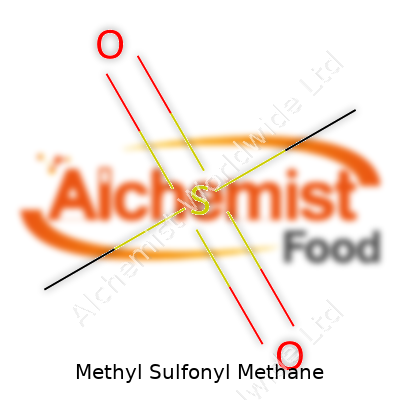
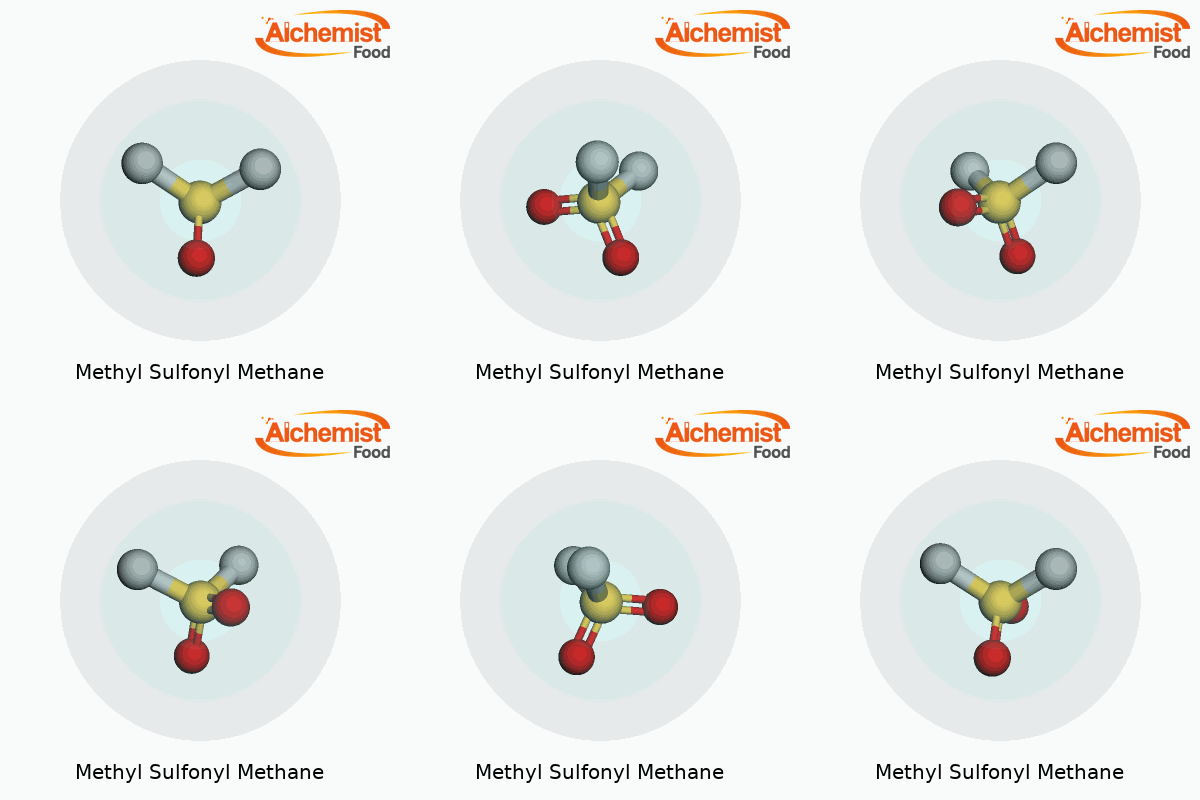
| Names | |
| Preferred IUPAC name | Methanesulfonylmethane |
| Other names |
Dimethyl sulfone DMSO2 Methylsulfonylmethane MSM |
| Pronunciation | /ˈmɛθɪl sʌlˈfɒnɪl ˈmɛθeɪn/ |
| Preferred IUPAC name | methylsulfonylmethane |
| Other names |
Dimethyl sulfone MSM Methylsulfonylmethane DMSO2 Methyl sulfone |
| Pronunciation | /ˈmɛθəl sʌlˈfɒnɪl ˈmɛθeɪn/ |
| Identifiers | |
| CAS Number | 67-71-0 |
| Beilstein Reference | 1207932 |
| ChEBI | CHEBI:18331 |
| ChEMBL | CHEMBL1239 |
| ChemSpider | 64361 |
| DrugBank | DB14032 |
| ECHA InfoCard | ECHA InfoCard: 100.029.666 |
| EC Number | 231-872-3 |
| Gmelin Reference | 146205 |
| KEGG | C02342 |
| MeSH | D012999 |
| PubChem CID | 6158 |
| RTECS number | OA5504000 |
| UNII | YU55L5JKP9 |
| UN number | UN1230 |
| CAS Number | 67-71-0 |
| 3D model (JSmol) | `CCS(=O)(=O)C` |
| Beilstein Reference | 1200117 |
| ChEBI | CHEBI:18331 |
| ChEMBL | CHEMBL1434 |
| ChemSpider | 67648 |
| DrugBank | DB14045 |
| ECHA InfoCard | ECHA InfoCard: 100.029.646 |
| EC Number | 231-299-0 |
| Gmelin Reference | 7787 |
| KEGG | C02370 |
| MeSH | D018473 |
| PubChem CID | 6158 |
| RTECS number | OA5504000 |
| UNII | HY5B4PVT0M |
| UN number | UN2811 |
| CompTox Dashboard (EPA) | DTXSID0022738 |
| Properties | |
| Chemical formula | C2H6O2S |
| Molar mass | 94.13 g/mol |
| Appearance | White crystalline powder |
| Odor | Odorless |
| Density | 1.31 g/cm³ |
| Solubility in water | Soluble in water |
| log P | -1.2 |
| Vapor pressure | <0.1 hPa (20°C) |
| Acidity (pKa) | 31.1 |
| Magnetic susceptibility (χ) | -8.5×10⁻⁹ |
| Refractive index (nD) | 1.434 |
| Viscosity | 30-40 cP (25°C) |
| Dipole moment | 3.98 D |
| Chemical formula | C2H6O2S |
| Molar mass | 94.13 g/mol |
| Appearance | White crystalline powder |
| Odor | Odorless |
| Density | 1.31 g/cm³ |
| Solubility in water | Soluble in water |
| log P | -1.1 |
| Vapor pressure | <0.1 hPa (20 °C) |
| Acidity (pKa) | 7.8 |
| Magnetic susceptibility (χ) | -8.0×10⁻⁶ |
| Refractive index (nD) | 1.434 |
| Viscosity | Viscosity: 5 cP (20°C) |
| Dipole moment | 3.49 D |
| Thermochemistry | |
| Std molar entropy (S⦵298) | 86.7 J·mol⁻¹·K⁻¹ |
| Std enthalpy of formation (ΔfH⦵298) | -270.7 kJ/mol |
| Std enthalpy of combustion (ΔcH⦵298) | -831.4 kJ·mol⁻¹ |
| Std molar entropy (S⦵298) | 90.6 J·mol⁻¹·K⁻¹ |
| Std enthalpy of formation (ΔfH⦵298) | -381.1 kJ/mol |
| Std enthalpy of combustion (ΔcH⦵298) | -818.8 kJ/mol |
| Pharmacology | |
| ATC code | A13AX20 |
| ATC code | A05BA05 |
| Hazards | |
| Main hazards | May cause eye, skin, and respiratory tract irritation. |
| GHS labelling | GHS07,Warning |
| Pictograms | GHS07 |
| Signal word | Warning |
| Hazard statements | No hazard statements. |
| Precautionary statements | Store in a well-ventilated place. Keep container tightly closed. Wash hands thoroughly after handling. Do not eat, drink or smoke when using this product. |
| NFPA 704 (fire diamond) | 1-0-0 |
| Flash point | 135 °C (275 °F; 408 K) |
| Lethal dose or concentration | LD50 (oral, rat): 17,900 mg/kg |
| LD50 (median dose) | Oral LD50 (rat): > 17,000 mg/kg |
| NIOSH | NA7125000 |
| PEL (Permissible) | Not established |
| REL (Recommended) | 1500 mg per day |
| IDLH (Immediate danger) | Not listed |
| Main hazards | May cause eye irritation. |
| GHS labelling | GHS07 |
| Pictograms | GHS07 |
| Signal word | Warning |
| Hazard statements | Hazard statements": |
| Precautionary statements | Keep container tightly closed. Store in a cool, dry place. Avoid contact with eyes, skin, and clothing. Wash thoroughly after handling. Use with adequate ventilation. |
| NFPA 704 (fire diamond) | 2-0-0 |
| Flash point | 130 °C |
| Autoignition temperature | 478°C |
| Lethal dose or concentration | LD50 Oral Rat 17,000 mg/kg |
| LD50 (median dose) | > 17,000 mg/kg (rat, oral) |
| NIOSH | Not Listed |
| PEL (Permissible) | Not Established |
| REL (Recommended) | 1500 mg |
| Related compounds | |
| Related compounds |
Dimethyl sulfoxide Dimethyl sulfone Methanesulfonic acid Sulfolane |
| Related compounds |
Dimethyl sulfoxide Sulfur dioxide Methanesulfonic acid |



