Methyl Paraben: A Closer Look at an Everyday Compound
Historical Development
Methyl paraben traces its roots back to the early 20th century, a time when chemists grew interested in compounds that kept food and pharmaceuticals safe. People didn’t have a refrigerator on every block or airtight packaging lining store shelves, so they leaned on innovation to keep products fresher for longer. Methyl paraben emerged out of this demand for preservatives that could curb spoilage, lengthen shelf life, and reduce the hard hits from bacterial growth. Over the decades, companies looked for simple, low-cost antimicrobials, and this compound fit the bill. So, the story of methyl paraben isn’t just chemistry—it’s people wanting safer, longer-lasting products.
Product Overview
Methyl paraben shows up in much more than one might expect. It’s a regular face in cosmetics, lotions, shampoos, ointments, and even the food we eat. In pharmaceuticals, it helps keep oral and topical medications dependable from the day they leave the factory to the day they meet the consumer. People reach for their moisturizers and don’t give much thought to what keeps them fresh—but methyl paraben has been doing the heavy lifting for decades. Brands count on the steady hand this compound lends to formulas, making products more predictable batch after batch.
Physical & Chemical Properties
Clear, white, and crystalline—that’s the look of pure methyl paraben before it’s mixed into a lotion or syrup. It melts without fuss around 125°C, dissolves easily in alcohol, and only modestly in water. The molecular formula, C8H8O3, includes a benzene ring with a methyl ester group. Its stability makes it a go-to for manufacturers looking for an ingredient that doesn’t break down when exposed to a wide range of environments. Chemistry isn’t just about mixing things together—it’s about finding the right fit that holds up in daily life.
Technical Specifications & Labeling
Methyl paraben on store shelves or in raw material form has to meet solid technical specs before it ends up in products. Food and cosmetic regulators keep an eye on the purity—often 99% or better—while specifications detail melting point, pH in solution, and absence of harsh residuals. Labeling requirements don’t just fill up space on a box; they let people know what’s in the bottle, keep companies honest, and help trace back batches in case a problem crops up. Quality checks mean less risk for both consumers and producers, and the right labels build trust over time.
Preparation Method
For decades, most methyl paraben started its life by reacting p-hydroxybenzoic acid with methanol in the presence of sulfuric acid. The method seems simple—a classic esterification—but it’s all about the right controls: temperature, timing, and careful purification. The beauty of this synthesis lies in its predictability and efficiency, which is hard-earned through years of process tweaks. Years spent in labs and on factory floors have helped make today’s process robust enough for mass production, feeding demand from both multinationals and smaller manufacturers.
Chemical Reactions & Modifications
Methyl paraben holds up under a lot of conditions, but like any molecule, it can change. Under strong acid or base, the ester bond breaks in a reaction called hydrolysis, which gives back the original acid and methanol. Chemists sometimes modify the structure to get different properties—changing the ester group, tweaking the aromatic ring, or making it interact differently with other chemicals. These changes can create new preservatives for specialty uses, opening doors to products for people with specific needs or sensitivities, but the parent compound still leads the pack for stability and cost.
Synonyms & Product Names
Across regions and industries, methyl paraben carries many names. In chemical catalogues, it’s called methyl 4-hydroxybenzoate or E218 in the food world. Personal care items use it under just “methylparaben,” while some products tuck it into ingredient lists amid a forest of other chemical names. Different languages and labeling laws just add more layers. Despite these aliases, they all point to a compound that’s spent years safeguarding products large and small.
Safety & Operational Standards
Arguments about paraben safety pop up every so often, especially as people take a closer look at what’s in their cosmetics. Regulatory bodies like the FDA and European Commission keep close tabs on both the research and the numbers—right down to what percentage is safe for skin or for swallowing. The science says methyl paraben keeps out harmful bacteria and fungi at tiny doses—a fraction of a percent in most products. I’ve talked to dermatologists who encourage patients to check labels if they have sensitive skin, but the data across decades shows allergic reactions are rare. Still, workplace protocols reinforce gloves, goggles, and good ventilation, as caution is the price of routine safety.
Application Area
Walk down nearly any personal care aisle: conditioners, deodorants, toothpastes, mascaras—forms of methyl paraben have been the unheralded keepers of freshness. Pharmaceuticals lean on it to stabilize water-based solutions so medicines stay effective for patients right to the end of their shelf life. Even food technologists have slotted methyl paraben into systems where spoilage once undercut quality. Fewer recalls, better consumer confidence, and less risk of microbial contamination—there’s a reason it’s stuck around in so many industries while other options have faded.
Research & Development
Research labs are always chasing something better, whether it’s addressing consumer concerns or chasing stricter regulations. Some teams tinker with formula tweaks to lower risk of irritation or to make products work with “paraben-free” trends. I’ve seen how green chemistry pushes for new preservatives from plants and fermentation, yet methyl paraben often remains the benchmark. Recent advances in analytical chemistry now help identify trace levels in finished goods and speed up safety reviews, which means manufacturers can respond faster and with more confidence.
Toxicity Research
People have raised concerns about all parabens, including methyl paraben, especially as news stories link them to hormone disruption or allergic reactions. Researchers worldwide have carried out toxicology tests—animal models, clinical monitoring, long-term studies—and the overwhelming majority of findings show that methyl paraben gets rapidly broken down and excreted by the human body. Some studies in rodents get cited a lot, but regulators look for evidence that translates to daily human use, not just high-dose exposures. Still, studies continue, partly because science doesn’t close the book on issues with real stakes. Most safety reviews stick to one point: at concentrations used in consumer goods, methyl paraben poses a low risk.
Future Prospects
Consumer tastes shift over time. More people want transparency in their skincare and want fewer chemical-sounding names in every product. Some brands chase “paraben-free” as a selling point, pushing research teams to find new preservatives that stand up to the challenges methyl paraben once answered—bacterial control, low cost, minimal irritation, long shelf life. Industry scientists need alternatives that keep products just as safe and affordable. I’ve talked with formulation chemists who see this as a puzzle: finding new molecules that match the old gold standard without giving up reliability or safety. For now, methyl paraben stays on the job as researchers scan the horizon for the next big thing.
What is Methyl Paraben used for?
What’s Behind Methyl Paraben in Your Bathroom and Kitchen?
Open up a cabinet and odds are good you’ll spot methyl paraben on a few labels. Shampoos, face washes, all sorts of lotions—it pops up more often than most people notice. Companies add methyl paraben because it stops mold and bacteria from growing, stretching the shelf life and keeping the product safe after the first use. The same goes for toothpaste and deodorant. Even some foods and certain medicines carry it.
Cutting Down on Waste—and Risk
Without any preservative, a lot of stuff would go bad within weeks. That bottle of shampoo would spoil long before you made it halfway through. Tossing out half-used bottles always bothered me, both for the waste and the cost. Once, without thinking, I left a homemade, preservative-free face cream in the bathroom. It started to smell odd and grew pink fuzz. Lesson learned: preservatives do play a part across many ordinary routines.
Safety Under the Microscope
Researchers started asking tough questions about parabens years ago. Some folks saw a possible link between parabens and hormone-disrupting effects, since parabens mimic estrogen a little. This led to anxiety about breast cancer and developmental risks. Reliable global health bodies, including the US FDA and the European Scientific Committee on Consumer Safety, ran studies and set tight limits. Products today use methyl paraben in much lower amounts than earlier decades, keeping exposure well below limits they call safe.
Digging into the science, it seems that our bodies break down methyl paraben pretty quickly and flush most of it out. Even so, people who want to be extra cautious now check labels, particularly for children’s products. As a parent, I pay close attention to ingredients on what I put on my own skin and my kids’, especially since younger bodies can react differently. Many brands now push “paraben-free” lines, tapping into growing customer demand, but these alternatives sometimes replace parabens with other chemicals that still lack long-term studies.
Pushing for Cleaner, Safer Choices
Nobody loves the idea of slathering on unnecessary chemicals. If asked, most people would rather skip preservatives, but the alternative—fast-spoiling creams, rotten food, untrustworthy medicine—poses real risks. Some smaller brands use ingredients like vitamin E, rosemary, or grapefruit seed extract as substitutes, but these often don’t prevent bacterial growth as reliably as parabens. In my house, simple choices help: smaller-sized packages, keeping containers sealed, and finishing a product sooner rather than letting it linger.
Industry isn’t standing still, though. Researchers are hunting for safer, natural preservatives that protect both products and health. Governments ramp up regular checks and make sure companies meet strong safety standards. Customers can push this along by reading up, asking questions, and pressing for transparency.
Moving Forward Responsibly
Until better options show up across the board, using products with methyl paraben in allowed amounts remains a common, largely safe practice. The best bet is staying informed, swapping out items when possible, and supporting brands that invest in newer, well-tested alternatives. Real choice comes from knowledge, not just fear or marketing claims.
Is Methyl Paraben safe for skin?
What is Methyl Paraben?
Methyl paraben turns up all over the place: lotions, face creams, deodorants, and even some foods. It’s a preservative, helping to stop bacteria and mold from setting up shop inside products we use daily. With so many items carrying this ingredient, people want to know if it’s really safe for their skin.
How Does It Work?
I’ve seen plenty of skin products promising to stay fresh on the shelf, thanks to preservatives like methyl paraben. These chemicals create an environment where bacteria simply can’t thrive. Without preservatives, that fancy moisturizer would go bad in weeks, not months. No one wants to smear bacteria across their face every morning.
Safety and Regulatory Standing
Skin experts and regulatory groups like the U.S. Food and Drug Administration and the European Commission have studied methyl paraben for years. The Cosmetic Ingredient Review (CIR) panel reviewed up-to-date science and judged that putting methyl paraben on healthy skin causes no harm in the small concentrations found in cosmetics. In the EU, rules cap the concentration at 0.8% for methyl paraben by itself, and 1.0% for combinations of parabens in one product, keeping safety in mind. The ingredient doesn’t get a free pass, though — regulations get updated every few years as new facts appear.
Potential Skin Reactions
Some people react to methyl paraben. Anyone with sensitive skin, a history of eczema, or allergic tendencies faces a higher risk of irritation. Symptoms can include redness, itching, burning, or swelling. I know a few friends who developed rashes after using certain face creams, only to discover methyl paraben on the label. Still, most folks use products with this preservative and notice nothing at all.
Concerns Over Hormones
Some rumors link parabens, including methyl paraben, with hormone disruption. In laboratory studies, parabens can mimic estrogen in very high doses — much greater than what turns up in skin cream. According to the U.K. Cancer Research, the evidence that methyl paraben from cosmetics affects hormone levels in people just doesn’t stack up. Studies in people and actual measured bloodstream levels fall far below the threshold for biological effects. Still, some want to play it extra safe and skip parabens altogether.
Sensitive Groups and Alternatives
Anyone with skin conditions like rosacea, or kids with extra-delicate skin, often benefits from using simple formulas. Dermatologists sometimes point folks toward fragrance-free, paraben-free creams. The good news is that alternatives — such as phenoxyethanol and potassium sorbate — continue popping up as more brands try to meet shifts in demand. It’s smart to try new products on a small patch of skin first, just in case a preservative (or anything else) triggers a reaction.
Weeding Out Misinformation
Beauty blogs and wellness sites sometimes spark panic about ingredients without real data. Parabens grew a bad reputation based mostly on headlines, not hard numbers. People deserve open conversations about what goes onto their bodies, but facts provide real power. Methyl paraben has a long safety record in cosmetics, and regulatory eyes remain on the science. Still, personal comfort and skin sensitivity matter most. If skipping it gives more peace of mind or less irritation, plenty of options wait on the shelf.
Are there any side effects of using Methyl Paraben?
Everyday Use and Common Concerns
Methyl paraben shows up in all sorts of things most people use every day. If you pick up moisturizer, shampoo, makeup, or even some medicines, chances are you’ll see this name hiding in the long list of ingredients. Why does it end up everywhere? It’s cheap, and it stops bacteria and fungus from making a mess of the product. That means fewer spoiled products at the back of your bathroom shelf.
But just because something ends up in so many products doesn't mean you should ignore what kind of effect it can have, especially after years of exposure. I remember the first time I paid attention to ingredient lists after a rash showed up on my wrist. Dermatologists actually point to methyl paraben as a possible skin irritant, mostly for people with eczema or sensitive skin.
Skin Trouble: Where It Most Often Shows Itself
For most people, putting on sunscreen or lotion with methyl paraben doesn’t cause a fuss. The product goes on, skin stays safe, and nobody thinks twice. But for a small group of folks, skin reacts with redness, stinging, or itching. Doctors call this allergic contact dermatitis. It’s not super common, but once you’ve had it, you start searching for paraben-free labels like your life depends on it.
Older studies tried to raise alarms about parabens mimicking estrogen. Lab tests found weak estrogen-like effects, prompting fears about breast cancer and hormone disruption. The FDA and the American Cancer Society reviewed available data and decided regular personal care products don’t provide enough paraben to cause harm. Even so, uncertainty sticks with some people, especially if there’s a family history of hormone-linked illnesses.
What the Research Says and What Still Needs Answers
Plenty of scientists have poked and prodded this issue. The European Union limits personal care products to 0.8% methyl paraben. The U.S. lets it in without strict limits, although watchdog groups push for stricter labeling. Studies so far don’t prove a definite health risk for most adults—parabens exit the body quickly, getting filtered out in urine.
That said, traces of parabens have been found in urine, blood, and even breast tissue in some studies. There’s no proof linking them straight to disease, but it shows just how hard it is to avoid these chemicals altogether. As a parent, the idea of long-term, low-level exposure sticks in the back of my mind, especially since young kids soak up more from their environment by weight.
Where to Go From Here
If you have sensitive skin or a history of allergies, it makes sense to check labels. Brands now offer plenty of paraben-free options. For most people, using products with methyl paraben won’t cause obvious problems. Still, if you worry about possible hormone disruption, go for simpler products. Voting with your wallet sends a clear message to companies. They shift ingredients when enough folks speak up. Keeping an eye on new research isn’t just for medical pros—consumers willing to read between the lines can spot trends and make choices that feel right for their health and peace of mind.
Paying attention to what goes on your skin matters, even if experts haven't closed the case on long-term risks. Clean routines aren’t just about avoiding the latest scary headline. They’re about noticing how products make you feel and speaking up if something seems off. That gut feeling, paired with real data, goes a long way toward keeping yourself and your family safe.
Is Methyl Paraben suitable for sensitive skin?
Understanding Methyl Paraben’s Role in Skincare
Methyl paraben has shown up in many cosmetics, shampoos, and lotions. Brands add it to stop bacteria and mold from making a home in your favorite creams. This ingredient works as a preservative, extending shelf life and keeping products fresh. Companies rely on it because it stops the spread of germs that could turn a face cream into a petri dish.
Common Skin Reactions and Sensitivities
Not everyone’s skin tells the same story. Some folks go through their lives without any issues from methyl paraben, but others feel the sting. Redness, itching, tightness around the eyes and cheeks—these signs don’t always show up right away, though they tend to hit people with sensitive skin faster.
Reports from the American Contact Dermatitis Society note that methyl paraben rarely causes allergic reactions in most users. But the term “rare” doesn’t always comfort someone who faces rashes from a basic moisturizer. Research published in the Contact Dermatitis Journal even points out a very small but real risk for those who have reactive skin.
What Science Reveals About Safety
Studies reviewed by the U.S. Food and Drug Administration and the European Commission’s Scientific Committee on Consumer Safety both say methyl paraben stays safe at common concentrations, usually up to 0.8%. Their scientists ran repeat patch tests and found only a sliver of participants reacted poorly. For most people, it’s not a problem. But some dermatologists—especially those working with eczema or rosacea patients—recommend paraben-free routines just in case.
Those decisions often rest on stories from daily practice. I watched my sister, who battled irritation her whole life, ditch store-bought lotions for paraben-free alternatives. Her skin calmed down. I can’t say she represents everyone, but her experience echoes plenty of stories in patient forums and dermatologist offices. For people with tough skin, methyl paraben means less worry. If you have sensitive skin, risks look a bit higher.
Alternatives and Smarter Choices
Label-checking has turned into a ritual for many consumers. Words like “paraben-free” and “for sensitive skin” pop up everywhere. Newer preservatives—like phenoxyethanol, ethylhexylglycerin, or potassium sorbate—get more airtime. Each one comes with upsides and downsides. Some last as long, some don’t, some might even cause irritation in different people.
Swapping products quickly can backfire. Give new skincare routines time, add only one new product at a time, and watch your skin’s reaction. Patch testing matters—putting a dab on your inner arm, waiting a day or two, then making a call. If redness or bumps spread, shelve that product and get advice from someone who spends all day looking at skin. Professional input beats internet forums every time, especially if your history includes eczema or allergies.
Looking Ahead—Listening to Your Skin
Methyl paraben still holds a place in standard beauty and personal care. The ingredient itself sits inside science’s safe zone, but sensitive skin doesn’t read journal articles—it flares up, peels, and rebels without warning. Keeping a close eye on triggers, building routines with patience, and leaning on medical advice protect those with fussy skin. In the end, listening to your own skin will always matter more than the latest buzzword stamped on a box.
Is Methyl Paraben banned in any countries?
Understanding Methyl Paraben’s Place in Our Lives
Walk down any cosmetic aisle and scan a handful of lotion or shampoo bottles. Chances go up that you’ll notice “methyl paraben” among the ingredients. Methyl paraben has worked for decades as a preservative, stopping bacteria and fungi from taking over everything from sunscreen to hand cream. Growing up, I never thought twice about what went into the products that made my skin smooth or my hair clean. Yet recent years brought parabens—including methyl paraben—into the crosshairs over links to hormone disruption and potential health risks. Folks want to know whether regulators around the world think this ingredient deserves a spot on banned substance lists.
Spotlight on International Regulation
Talking with friends in Europe, I learned that agencies don't always agree on methyl paraben’s future. The European Union allows it in cosmetics, capped at 0.4% for a single paraben and 0.8% for mixtures. Safety experts on the European Scientific Committee weighed over 25 studies and decided low concentrations don’t pose a health risk. Yet some parabens such as isopropyl and isobutyl paraben face outright bans in the EU, based on higher risks. The difference highlights how each chemical gets its own scientific review.
Move beyond Europe, and the landscape changes again. Countries like Japan and Australia haven’t banned methyl paraben outright. Health authorities keep an eye on emerging research but settled into the same position as America’s FDA: labeling methyl paraben as generally recognized as safe when used within certain levels. The lack of a full ban doesn’t mean authorities are asleep at the wheel. They frequently review fresh toxicology reports and keep the public informed on updated product safety.
What Drives Cautious Stances?
Concern grows as more people cite studies pointing to the presence of parabens in human tissue—detectable after years of heavy use. Some scientists worry about possible hormone-like effects, especially for people most sensitive to changes in estrogen levels. The International Journal of Toxicology reviewed scores of reports and reflected these signals. It turns out that banning an ingredient isn’t always an easy call. The data shows risk rises with higher doses, which is why regulators cling to limits instead of outright bans in most regions.
Personal care companies feel the heat and act even before laws change. Brands now shout “paraben-free” as loud as “organic” or “vegan” on packaging. The movement isn’t driven only by law but also by consumer demand. I’ve switched to paraben-free deodorant—not because of a federal ban, but because transparency appealed more than blind faith in regulatory limits.
Looking Ahead: Testing, Transparency, and Trust
Stronger science and smarter regulation build trust between customers and companies. If there’s one lesson to draw, it’s how people deserve simple answers about long-ingredient lists. Cutting through confusion means funding more research about how low-dose, long-term exposure to methyl paraben impacts health. Companies also hold power by offering full ingredient disclosures, so people can decide what touches their skin.
Keeping up with new studies will matter more as global supply chains blur the lines between what’s made here and sold there. I talk to pharmacists and dermatologists to make informed choices, not because I want to chase every sensationalized headline, but because everyday exposure adds up. As science evolves, so should consumer protections and personal choices—whether regulators drop the hammer with bans or not.
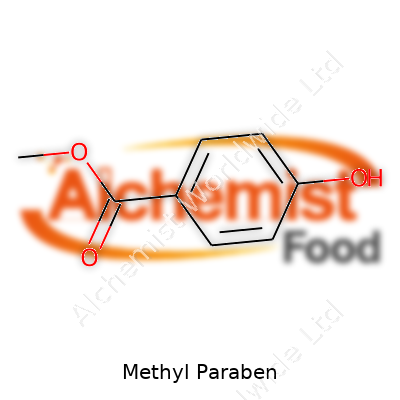
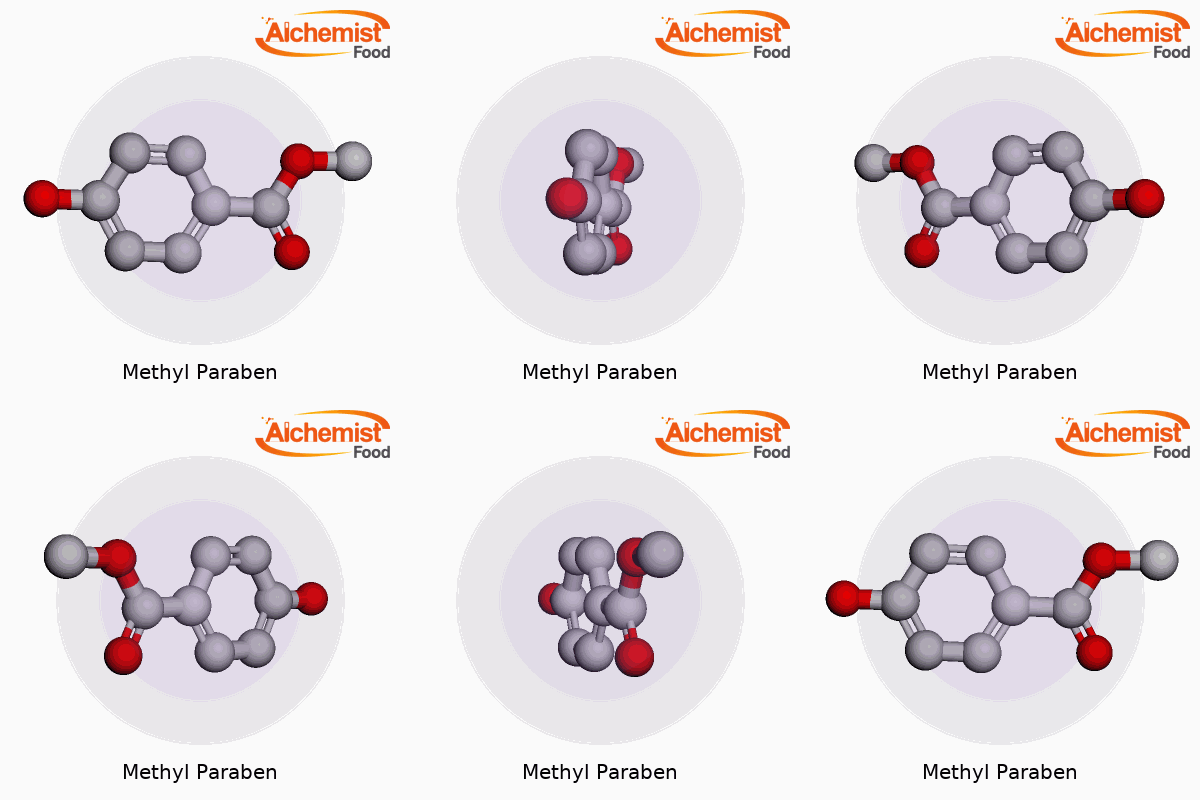
| Names | |
| Preferred IUPAC name | Methyl 4-hydroxybenzoate |
| Other names |
Methylparaben Methyl p-hydroxybenzoate Methyl 4-hydroxybenzoate E218 Methyl parahydroxybenzoate |
| Pronunciation | /ˈmɛθ.ɪl ˈpær.ə.bɛn/ |
| Preferred IUPAC name | Methyl 4-hydroxybenzoate |
| Other names |
Methyl 4-hydroxybenzoate Methyl p-hydroxybenzoate E218 Methylparaben Methyl para-hydroxybenzoate |
| Pronunciation | /ˈmɛθ.ɪl ˈpær.ə.bɛn/ |
| Identifiers | |
| CAS Number | 99-76-3 |
| Beilstein Reference | 635703 |
| ChEBI | CHEBI:31812 |
| ChEMBL | CHEMBL1406 |
| ChemSpider | 5467 |
| DrugBank | DB03796 |
| ECHA InfoCard | 100.031.900 |
| EC Number | 202-785-7 |
| Gmelin Reference | 3727 |
| KEGG | C12344 |
| MeSH | D008768 |
| PubChem CID | 7456 |
| RTECS number | DGHJQ8UXWA |
| UNII | 'FZP7QEP9SR' |
| UN number | UN3077 |
| CompTox Dashboard (EPA) | DTXSID2020183 |
| CAS Number | 99-76-3 |
| 3D model (JSmol) | `COC(=O)C1=CC=CC=C1O` |
| Beilstein Reference | 1208737 |
| ChEBI | CHEBI:31812 |
| ChEMBL | CHEMBL1407 |
| ChemSpider | 5468 |
| DrugBank | DB02523 |
| ECHA InfoCard | 03a8f416-0a61-44ed-af6c-acb811a06d42 |
| EC Number | 202-785-7 |
| Gmelin Reference | 10803 |
| KEGG | C12515 |
| MeSH | D008767 |
| PubChem CID | 7456 |
| RTECS number | DH6650000 |
| UNII | FZP7Q6VAGU |
| UN number | UN3077 |
| Properties | |
| Chemical formula | C8H8O3 |
| Molar mass | 152.15 g/mol |
| Appearance | White crystalline powder |
| Odor | Faint odor |
| Density | 1.18 g/cm³ |
| Solubility in water | Slightly soluble |
| log P | 1.96 |
| Vapor pressure | <0.01 mmHg (20°C) |
| Acidity (pKa) | 8.4 |
| Basicity (pKb) | 8.5 |
| Magnetic susceptibility (χ) | -62.0·10⁻⁶ cm³/mol |
| Refractive index (nD) | 1.510 |
| Viscosity | Viscous liquid |
| Dipole moment | 2.68 D |
| Chemical formula | C8H8O3 |
| Molar mass | 152.15 g/mol |
| Appearance | White crystalline powder |
| Odor | Odorless |
| Density | 1.185 g/cm³ |
| Solubility in water | Slightly soluble |
| log P | 1.96 |
| Vapor pressure | <0.1 mmHg (20°C) |
| Acidity (pKa) | 8.47 |
| Basicity (pKb) | 8.7 |
| Magnetic susceptibility (χ) | -59.0x10^-6 cm³/mol |
| Refractive index (nD) | 1.510 |
| Viscosity | Viscous liquid |
| Dipole moment | 3.20 D |
| Thermochemistry | |
| Std molar entropy (S⦵298) | 170.2 J·mol⁻¹·K⁻¹ |
| Std enthalpy of formation (ΔfH⦵298) | -505.0 kJ/mol |
| Std enthalpy of combustion (ΔcH⦵298) | -4687 kJ/mol |
| Std molar entropy (S⦵298) | 203.6 J·mol⁻¹·K⁻¹ |
| Std enthalpy of formation (ΔfH⦵298) | -475.5 kJ/mol |
| Std enthalpy of combustion (ΔcH⦵298) | -4757.6 kJ/mol |
| Pharmacology | |
| ATC code | A01AB03 |
| ATC code | D08AX02 |
| Hazards | |
| Main hazards | May cause skin and eye irritation; may cause allergic skin reaction. |
| GHS labelling | GHS labelling: Not classified as hazardous according to GHS. |
| Pictograms | GHS07 |
| Signal word | Warning |
| Hazard statements | H319: Causes serious eye irritation. |
| Precautionary statements | P264, P270, P301+P312, P330, P501 |
| NFPA 704 (fire diamond) | 1-1-0-~ |
| Flash point | 65°C (149°F) |
| Autoignition temperature | 530°C (986°F) |
| Lethal dose or concentration | LD50 oral rat 2100 mg/kg |
| LD50 (median dose) | LD50 (median dose): 2100 mg/kg (Rat, oral) |
| NIOSH | WZ0950000 |
| PEL (Permissible) | 5.0 mg/m³ |
| REL (Recommended) | 5000 mg/kg |
| Main hazards | May cause eye, skin, and respiratory irritation |
| GHS labelling | GHS07 |
| Pictograms | GHS07 |
| Signal word | Warning |
| Hazard statements | H315, H319 |
| Precautionary statements | P264, P270, P273, P301+P312, P330, P501 |
| NFPA 704 (fire diamond) | 1-1-0-🌟 |
| Flash point | Flash point: 143°C |
| Autoignition temperature | 580°C |
| Lethal dose or concentration | LD50 Rat oral 2100 mg/kg |
| LD50 (median dose) | LD50 (median dose): 2100 mg/kg (rat, oral) |
| NIOSH | SN3350000 |
| PEL (Permissible) | 5 mg/m³ |
| REL (Recommended) | 0.1% |
| IDLH (Immediate danger) | Not listed |
| Related compounds | |
| Related compounds |
Ethylparaben Propylparaben Butylparaben Isobutylparaben Sodium methylparaben Sodium ethylparaben Sodium propylparaben |
| Related compounds |
Paraben Methylparaben sodium Ethylparaben Propylparaben Butylparaben Benzylparaben |



