Methoxyflavone: From Origins to Future Horizons
Historical Development
Methoxyflavone attracted early interest from plant chemists drawn to its presence in medicinal herbs. Decades ago, researchers isolated methoxyflavones from natural sources like Kaempferia parviflora, a plant long used in Southeast Asian medicine. Back then, discoveries happened with simpler methods, so isolating and identifying flavonoids sometimes meant boiling kilos of roots and running endless chromatography columns. Pharmacopeia overviews from the 1970s began referencing methoxylated flavonoids, especially as interest in plant-based therapies gained ground. In the 2000s, a wave of peer-reviewed studies focused on precise quantification and the health effects of individual methoxyflavone isomers, shifting the conversation from simple botanical medicine to exact chemical intervention. For many working in natural product labs, the journey of methoxyflavone mirrors the wider transformation of ethnobotany into lab-based discovery – where rigorous chemistry and global health interests meet.
Product Overview
Methoxyflavones belong to a subgroup of flavonoids defined by the number and position of methoxy groups attached to their phenolic rings. The most commonly discussed types include 5,7-dimethoxyflavone and 4′-methoxyflavone. In raw form, these compounds often present as pale yellow crystalline powders with a mildly bitter taste. Laboratory brands sell these for biological assays, dietary supplement development, and as pharmaceutical reference standards. Standard impurity profiles get published alongside each batch, so QC teams in both food and pharma sectors keep a sharp eye on purity, relying on HPLC, NMR, and IR spectra. Pharmaceutical manufacturers tend to request bulk lots for pilot studies, and nutraceutical formulators look for smaller, dense-packed samples for stability testing.
Physical & Chemical Properties
Methoxyflavone molecules strike a balance between stability and reactivity. The core structure includes a benzo-γ-pyrone backbone with one or more methoxy substituents. Melting points usually fall in the 150–200°C range, depending on methylation pattern. Many users notice the powder dissolves sparingly in water but generously in ethanol, methanol, and chloroform. This makes it suitable for both traditional herbal extractions and modern solid-phase synthesis work. Under UV light, methoxyflavones give characteristic fluorescence, which has proved helpful for quick spot detection during TLC runs. Their chemical resilience, combined with the functional methoxy groups, gives them both therapeutic promise and an interesting palette for further chemical modifications.
Technical Specifications & Labeling
Methoxyflavone technical datasheets outline purity, loss on drying, heavy metal content, and residual solvent profiles. Reliable sources ensure purity above 98% for analytical and pharmaceutical grades, and certified labs provide complete NMR and MS spectra for traceability. Labels specify storage conditions—cool, dry places, typically below 25°C, away from light. For those working in supplement development or regulated pharma settings, labels must match global harmonization standards, including CAS number, batch code, and expiration date. Details often also list precise chemical structure notations and suggested application fields, giving R&D chemists and regulatory officers what they need for compliance checks.
Preparation Method
Starting with plants like black ginger or Sophora species, extraction begins with ethanol or other organic solvents under reflux. Following concentration, crude extracts undergo liquid-liquid partitioning, purification by column chromatography, and fine-tuning using preparative HPLC. Synthetic routes start with flavone cores, introducing methoxy groups via methylation using agents like dimethyl sulfate under mildly basic conditions. Laboratory protocols often rely on anhydrous conditions and precisely controlled temperatures, ensuring high yields and minimal degradation. Some custom methods focus on optimizing regioselectivity, targeting specific positions on the flavone skeleton. For bulk needs, semi-synthetic modifications on abundant naturally sourced flavonoids offer a cost-effective middle ground between full synthesis and plant extraction.
Chemical Reactions & Modifications
Chemists exploit methoxyflavones’ reactive phenolic positions for further functionalization. Demethylation with BBr3 opens up para-hydroxyls for selective reaction, facilitating the creation of analogs with improved solubility or altered pharmacokinetics. Hydrogenation of double bonds or selective halogenation has been explored to tweak bioactivity, with SAR studies published on antitumoral and anti-inflammatory effects. Those in medicinal chemistry often modify flavone skeletons to map out how small changes influence cell signaling or metabolic stability. Peptide coupling and glycosylation reactions extend the reach into hybrid compounds, bridging the plant and synthetic worlds in creative ways.
Synonyms & Product Names
Methoxyflavone adopts many names across the world. Strictly speaking, chemical nomenclature pins it as 4′-methoxyflavone, 5,7-dimethoxyflavone, or other methoxylated flavone derivatives based on location of substitution. Supplement markets often dub it “Black Ginger Extract,” tying back to its botanical roots. In pharmaceutical settings, it may appear under reference codes tied to clinical trial identifiers or standardized abbreviations. Researchers sometimes refer to individual isomers when reporting effects, as even a single positional shift in a methoxy group can dramatically alter biological activity.
Safety & Operational Standards
Safety begins with clear labeling and personal protective equipment. Lab techs wear gloves, goggles, and lab coats, especially during methylation and extraction steps where volatiles can escape. MSDS documents highlight potential risks, with accidental ingestion or inhalation linked to mild irritation in rodents. Proper ventilation cuts down on airborne particulate exposure. Accredited manufacturers follow GMP standards and periodic audits, testing for pesticide residues and solvent remnants. In dietary supplements, regulatory agencies require robust documentation of sourcing and purity, to help protect buyers from adulterated or mislabeled products. Risk assessment teams work with toxicologists to review new data as studies evolve, understanding that traditional safety evidence needs constant reinforcement from current research.
Application Area
Methoxyflavones cross into many fields—herbal medicine, pharmaceuticals, food science, cosmetics, and analytical chemistry. In health-focused supplements, they promise anti-inflammatory and testosterone-boosting effects, with consumer demand driving ongoing human trials. Pharmaceutical scientists look at methoxyflavones as lead structures for anticancer, neuroprotective, and cardioprotective drugs. Analytical labs turn to methoxyflavones as internal standards for phytochemical assays, given their stability and well-mapped detection wavelengths. Sports nutrition brands include standardized methoxyflavone extracts in capsules for performance enhancement, keeping tabs on evolving clinical data to ensure honest marketing. In food technology, formulators explore methoxyflavones’ antioxidant roles, pitching them as natural preservative agents in new “clean-label” foods.
Research & Development
Thousands of published studies keep methoxyflavones in the scientific spotlight. Researchers use in vitro assays to map out molecular signaling pathways—PI3K/Akt, MAPK, and others—demonstrating impacts on cell proliferation, inflammation, and stress resistance. Rodent studies dig into cognitive effects, endurance, and bone health, while pharmacokinetic teams parse how methylation alters metabolic breakdown and bioavailability. With custom derivatives in hand, medicinal chemists build new SAR libraries, chasing after improvements in potency or selectivity. Some groups focus on scaling up green synthesis using renewable plant feedstocks, trying to lower the environmental footprint without losing consistency. Regulatory affairs staff track all published outcomes, aware that a single high-quality human trial can shift regulations or market eligibility faster than any pile of animal data.
Toxicity Research
Methoxyflavone’s toxicity profile has generated lively debate among toxicologists. Short-term exposure in animal models usually produces no acute symptoms at low doses, which helps account for its use in supplements. Longer-term studies point to dose-dependent liver enzyme changes, so researchers caution against chronic high-level consumption until more human data emerge. Some trials show reproductive and developmental toxicity at very high doses in rats, leading regulatory agencies to keep recommended human servings conservative. Many lab techs test for potential contaminants in extracts, since environmental pollutants or insufficient purification can skew a compound’s apparent risk. Knowing that herbal products sometimes ride a blurry edge between food and drug status, continuing research into long-term safety is crucial for consumer protection.
Future Prospects
New directions for methoxyflavone research keep opening up. Scientists seek to unravel how minor chemical modifications can unlock fresh therapeutic uses, from targeted cancer drugs to cognitive enhancers. Seed-funded startups explore proprietary extraction technology, promising greener, faster, and more efficient methods for producing high-purity compound. Clinical researchers lead pilot studies in humans, watching for benefits in inflammation, metabolism, and exercise performance. The future of methoxyflavone depends on robust supply, honest safety assessment, and careful communication between scientists, industry, and regulators. Insights from basic chemistry labs, field-based botany, and high-tech pharmaceutical manufacturing all combine here—the evolution continues with every research paper, clinical trial, and new application that lands on the lab bench or pharmacy shelf.
What is Methoxyflavone used for?
What Stands Out About Methoxyflavone?
The supplement industry has a knack for chasing the next big ingredient, and methoxyflavone tends to catch some attention. Many folks notice it listed in bodybuilding products and muscle-building stacks. So, what draws people to this compound? Methoxyflavone belongs to the class of flavonoids. These are natural plant chemicals. Methoxyflavone, specifically, refers to several related compounds called “O-methylated flavones.” Researchers first started looking at it decades ago, pulled in by claims it could boost muscle growth and athletic performance without hormonal effects. The hype, fueled in the late ’90s and early 2000s, promised strength, lean muscle, and improved metabolism—all without the risks tied to steroids.
Reality Versus Claims
Plenty of people wonder if the supplement matches the hype found on gym forums. Real-world data paints a less dramatic picture. Several small studies examined methoxyflavone, especially the 5-methoxyflavone variant. Marketing often leaned on its supposed ability to ramp up protein synthesis and reduce muscle breakdown. I remember a training partner swearing it helped him lift heavier. Yet, larger and better-controlled trials struggle to show consistent benefits in muscle size or strength compared to a normal gym program with solid nutrition. Some research found small increases in protein synthesis, but not enough to translate into the big changes people expect.
Focus Beyond Muscle
Some biochemists investigate if methoxyflavone offers other advantages. Scientists noticed these compounds act as plant antioxidants. Methoxyflavone can help lessen oxidative stress in lab settings and animal studies. Oxidative stress links to cell aging, inflammation, and some diseases. People chasing athletic recovery or general wellness latch onto this angle. Still, translating these effects from a petri dish or animal to a human body isn’t easy. There’s potential but not enough evidence to promise results.
Risks and Regulation
Supplements come with risk when skipped steps exist in quality control. No strong regulatory net covers most sports supplements in the United States. Methoxyflavone doesn’t show red flags for toxicity in moderate doses, but individual responses vary. Some report digestive upset or headaches. Since supplements can interact with medications, I always check with a doctor if mixing products, especially for anyone managing chronic conditions.
Solutions: Smarter Choices and Honest Science
Consumers deserve straighter talk from brands. Labeling should be clear, and supplement makers need to base claims on real science, not wishful thinking and old marketing tales. Until more large, independent studies arrive, methoxyflavone will probably keep its niche. People looking for recovery, muscle, or health boosts still find better guarantees from proven basics: balanced nutrition, quality sleep, and regular movement.
The conversation about methoxyflavone illustrates a pattern that runs through the supplement scene—big early claims, followed by mixed evidence. Staying skeptical and asking for good research helps people avoid disappointment and wasted money. For those tempted by methoxyflavone, looking past the label and searching for honest evidence is the best bet.
Is Methoxyflavone safe to take?
What People Seek From Methoxyflavone
Methoxyflavone sits among those ingredients getting attention from fitness communities and supplement enthusiasts. Some folks hear about possible muscle-building support or potential for better performance and start asking if tossing a capsule into a daily routine makes sense. Curiosity about anything new and promising is natural, especially with the proliferation of supplement ads making big claims.
What Research Says—And What It Doesn’t
Scientific backing for methoxyflavone is slim. A handful of animal trials pointed at possible muscle-preserving effects, and a few older human studies hinted at mild benefits. None of these really stand up to what you’d want for peace of mind. Scientists need to repeat results with bigger groups, longer timelines, and robust measurement tools. Health Canada and the FDA haven’t approved methoxyflavone for any clinical use. It still sits in the uncharted territory, lumped together with dozens of other plant extracts that sound good on paper but haven’t passed real-world tests.
Healthcare practitioners who stay updated on supplement trends continue to note these gaps. Without lots of peer-reviewed data showing safety and positive results, it’s tough for doctors to recommend this or any other similar compound, especially to young people still developing physically.
Thoughts from Experience
I’ve talked with gym regulars who’ve tried methoxyflavone, usually because of a blog or a buddy’s Instagram post. Most report no change at all, except maybe a lighter wallet. I’ve also seen stories online about mild stomach upset, headaches, or odd fatigue—not enough to trigger a warning label, but enough to make you wonder what’s actually going on in the body.
Supplements in the U.S. don’t require the same rigorous testing as over-the-counter medications, and many brands play it fast and loose with quality control. This makes it possible for doses to swing widely across bottles. Some studies found those inconsistencies led to accidental exposures to other substances or higher-than-stated doses. That alone chips away at trust, especially when nobody has proven long-term safety.
Factors Worth Weighing
People with underlying health conditions stand to lose the most from these unknowns. Folks who take prescription drugs run the risk that new plant compounds could interact in ways doctors haven’t studied. The liver and kidneys already work hard to process daily medication and nutrition. Adding extra work through a poorly understood supplement doesn’t count as sound decision-making—something every pharmacist will tell you if you ask.
The Safer Route
Looking after physical health rarely comes down to a single nutrient or extract. Most lifters and athletes who see real, sustainable gains credit things like consistent routines, adequate protein, sleep, and smart hydration. Supplements—the ones with solid science behind them, like whey protein or creatine—fill small gaps. New compounds get a lot of hype, but skipping shortcuts beats regret down the road.
If curiosity about methoxyflavone still lingers, a conversation with a knowledgeable healthcare provider tops the to-do list. They can help weigh the risks, look at interactions, and offer advice rooted in trustworthy evidence.
What are the side effects of Methoxyflavone?
Why the Conversation Around Methoxyflavone Needs Honesty
Methoxyflavone keeps popping up in the world of supplements, especially in gym circles. Athletes, bodybuilders, and fitness fans keep looking for that special ingredient to push past sticking points. Methoxyflavone, sometimes sold as 5-methyl-7-methoxyisoflavone, claims to improve muscle growth and burn fat. There’s a catch: the evidence doesn’t match the hype, and the side effects deserve attention.
Side Effects Speak Louder Than Promises
I’ve seen supplement users expect magic and end up feeling worse than when they started. Methoxyflavone, marketed as safe and powerful, can trigger headaches, nausea, dizziness, and stomach pain. Some have reported trouble sleeping or a racing heartbeat after using it. That “haziness” or irritability many describe after starting a new workout supplement? Methoxyflavone sits near the top of the list for causing it.
Scientific studies on methoxyflavone are scarce. Most claims come from companies selling these pills, not from solid research. Health professionals warn that anything that messes with hormone activity or metabolism can also hurt the liver or kidneys, especially if you already take other supplements or medication.
Who’s at Risk?
Young people seem most drawn to supplements that promise fast results. I’ve watched teens toss aside balanced meals in exchange for a quick fix, ending up with stomach issues or migraine symptoms they never had before. Older adults aren’t immune, either. Those living with conditions like high blood pressure or diabetes sometimes end up worse off because methoxyflavone’s side effects interact with their prescriptions, leading to episodes of high blood pressure, palpitations, or digestive problems.
Liver toxicity comes up every now and then in reports. Supplements that change how the body processes proteins and steroids sometimes stress the liver, especially when taken in high doses. Anyone considering these supplements needs to think hard about liver health and get regular check-ups. The anxiety from new symptoms often outweighs any tiny, short-term gains on the scale or in the mirror.
Facts Often Get Lost In Hype
Research tells another story. In trials that did stack up, methoxyflavone didn’t deliver much muscle gain, even after months of use. Side effects, though, led users to stop early or take breaks. This routine of start-and-stop signals something — the body fights back when it feels threatened.
Slick marketing campaigns rarely warn about these real risks. Bright packaging and outlandish before-and-after pictures turn shoppers away from proven advice: building muscle and losing fat require time, patience, proper food, and rest. Shortcuts invite unknown consequences, especially with compounds like methoxyflavone that don’t have decades of safety data behind them.
What Works Better?
Sticking to known paths improves health much more than experimenting with the latest booster. I’ve seen people throw away bottles once their doctor finds out about their headaches or insomnia. Getting honest about nutrition, checking in with a healthcare provider, and focusing on whole foods and sustainable workouts make more sense than banking on mystery powders.
A supplement only helps when it fills a real gap. Most people hit their goals by taking care of the basics. For those still tempted by methoxyflavone, keeping watch for unusual symptoms and updating their doctor can go a long mile toward safety. The body only gets one liver, one life. No shortcut or exotic pill can replace that.
How should I take Methoxyflavone?
Understanding Methoxyflavone
Methoxyflavone, often seen in supplement shops, comes with big claims for muscle building and performance. Just because it’s available over the counter doesn’t mean it’s safe to use without a sense of caution or medical guidance. Many people pick up these supplements after seeing bold marketing or positive stories on fitness forums, though it’s not considered an essential ingredient in any official fitness or health regime.
Dosage: Where Facts Matter
Most supplement bottles suggest a daily serving between 100 to 200 milligrams. That guidance comes from brands, not from large-scale clinical studies. Peer-reviewed research on methoxyflavone remains scarce. This lack of strong research makes personal experience even more important. Talking to a healthcare provider, ideally a doctor or registered dietitian who understands your health background and fitness goals, helps avoid risk. If you take any prescription medicine or deal with health conditions like liver, kidney, or heart issues, these conversations get even more important.
Timing and Stacking Choices
Many users take methoxyflavone with meals to prevent stomach upset. I’ve seen friends try it both before and after training sessions, but no reliable fitness professional I’ve met suggested it offers a huge benefit in performance just from timing alone. Some supplement stacks combine methoxyflavone with protein or creatine, but stacking multiple ingredients comes with more unknowns, not just amplified benefits.
Potential Side Effects and Real-Life Cautions
Reports of side effects look pretty limited, but people sometimes develop digestive discomfort, headaches, or skin reactions. Since supplement regulation varies depending on where you live, there’s always a risk that what’s in the package won’t match the label. Third-party verification adds a layer of confidence—look for stamps from groups like USP or NSF.
Results and the Hype
Bold promises about muscle gain or fat loss often come from marketing claims, not science. Some early studies on methoxyflavone appeared in the late 1990s, but those tested small groups and didn’t use today’s rigorous standards. In my lifts and routines over the years, progress came from regular effort, sleep, nutrition, and a patient approach instead of shortcuts from new supplements. No friend, coach, or honest sports nutritionist I’ve met would call methoxyflavone a magic ticket. Relying on diet, rest, and classic strength work outshines any quick sales pitch.
Practical Guidance
Before adding any supplement like methoxyflavone, consider if you need it at all. Supplements only help those lacking in something their body actually needs. Take stock of your diet, check in with a medical professional, and read up on the labels to spot fillers or banned ingredients. Reliable sources include sites like the National Institutes of Health or your country’s sports medicine board. Document changes in how you feel, and don’t ignore side effects.
A Look at Better Choices
Lasting fitness comes from habits, not pills. If health is the goal, focus attention on eating enough whole foods, hydrating well, and moving with purpose each day. Stay skeptical of trendy ingredients and flashy claims. Real improvement grows from steady progress and informed decisions, not from putting faith in powders or capsules without a solid foundation to match.
Can Methoxyflavone interact with other medications or supplements?
Mixing Methoxyflavone With Daily Routines
People looking for ways to support muscle growth or boost physical performance sometimes hear about methoxyflavone. It’s a compound from the flavonoid family, found in some plants, and supplement companies put it in powders, capsules, and pre-workout mixes. Success stories pop up around gyms and fitness forums, but not everyone feels confident about combining these kinds of supplements with prescriptions or even a simple multivitamin.
A Personal Approach to Drug and Supplement Combos
I remember a period when I tried a few supplements, convinced that more options meant better results. Family and friends asked if the new additions played well with vitamins or prescription pills. Health conversations often turn to the big players—blood pressure meds, cholesterol drugs, antidepressants. Many forget about how certain herbal compounds and less conventional ingredients can mix things up too. Methoxyflavone falls into this gray zone.
What Science Shows So Far
Methoxyflavone itself doesn’t get the research spotlight like established substances. Most published work still hovers at the animal study stage or small-scale human trials. Large population data on its safety, especially in combination with other drugs, remains hard to find. This leaves a gap for those hoping for clear “yes” or “no” answers.
In the world of pharmaceuticals, liver enzymes do the heavy lifting by breaking down drugs and supplements. Many prescription medications rely on these same enzymes, such as CYP3A4 and CYP2C9, to process compounds. Some flavonoids, which include methoxyflavone, can tie up these enzymes or make them work differently. This can change how much of a drug stays in the bloodstream, making it stronger or weaker than planned.
Risks With Other Medications
Say someone uses blood thinners, diabetes meds, or heart pills. Tossing something like methoxyflavone into the mix could slow or speed up the body's routine for processing medicine. That might mean less control over blood sugar, blood pressure, or clotting. Even drugs for mental health, birth control, or pain relief run through similar pathways.
Even over-the-counter common foods—like grapefruit juice, for example—can change how enzymes deal with medicine. Methoxyflavone might act in a similar way, magnifying or blunting effects. Without much research, it’s tough to know the exact risk, but that uncertainty itself is a reason for caution.
Supplements on Top of Supplements
The supplement aisle now hosts a lot more than protein powder and vitamin C. Some people layer herbals, adaptogens, and nootropics onto prescription drugs—then add in specialty products like methoxyflavone. Small changes in chemistry can stack up. I’ve seen friends struggle with side effects that nobody traced back to the “natural” additives taken with their meds.
Path Toward Safer Choices
Open conversations work better than silent assumptions. Whether it’s a primary care provider, pharmacist, or dietitian, letting them know what’s in daily pillboxes makes a difference. These professionals can catch patterns, flag up possible risks, or suggest ways to space out doses to avoid clashes.
If a label for methoxyflavone claims "all natural," that does not guarantee "always safe." Any substance that shifts body chemistry holds the potential for surprise interactions. The best move comes from treating new supplements with the same respect as a prescription: research, ask, and monitor for changes.
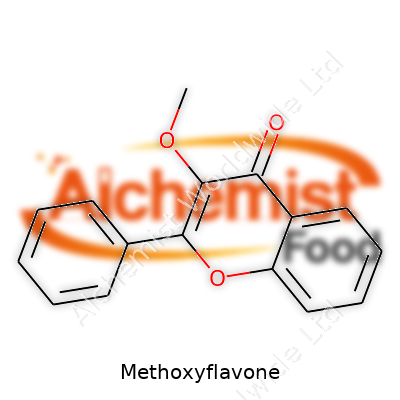
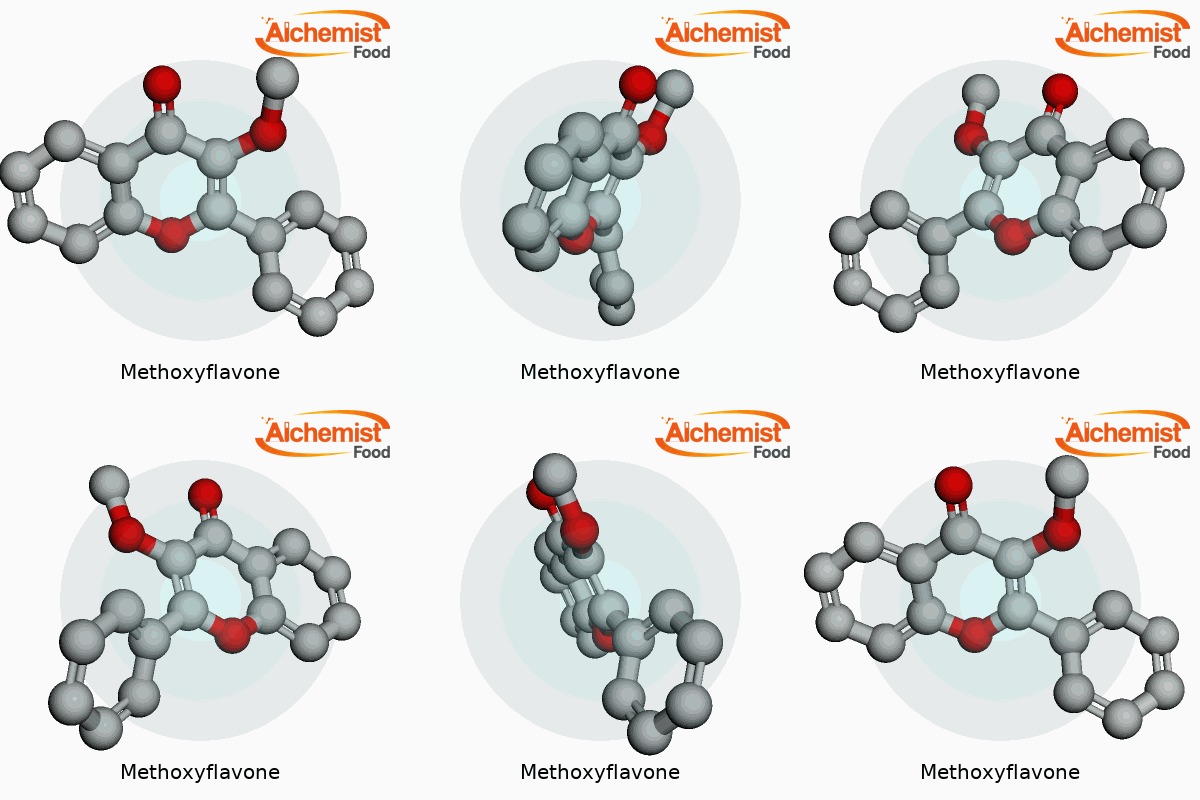
| Names | |
| Preferred IUPAC name | 1-Methoxy-2-phenyl-4H-chromen-4-one |
| Other names |
7-Methoxyflavone 3-Phenyl-7-methoxy-4H-1-benzopyran-4-one |
| Pronunciation | /ˌmɛθ.ɒk.siˈfleɪ.voʊn/ |
| Preferred IUPAC name | 3-methoxy-2-phenyl-4H-1-benzopyran-4-one |
| Other names |
2,4,6-Trimethoxyflavone TMF |
| Pronunciation | /ˌmɛθ.ɒk.siˈfleɪ.voʊn/ |
| Identifiers | |
| CAS Number | 3288-81-1 |
| 3D model (JSmol) | `/9j/4AAQSkZJRgABAQEASABIAAD/2wBD...` |
| Beilstein Reference | 2850316 |
| ChEBI | CHEBI:148313 |
| ChEMBL | CHEMBL426053 |
| ChemSpider | 142485 |
| DrugBank | DB04842 |
| ECHA InfoCard | 100.047.931 |
| EC Number | 4.2.1.105 |
| Gmelin Reference | 572595 |
| KEGG | C09717 |
| MeSH | D000072678 |
| PubChem CID | 5318580 |
| RTECS number | QU5950000 |
| UNII | X2TU97H59P |
| UN number | UN3077 |
| CAS Number | 103439-62-9 |
| Beilstein Reference | 1679732 |
| ChEBI | CHEBI:78944 |
| ChEMBL | CHEMBL233260 |
| ChemSpider | 14156911 |
| DrugBank | DB04238 |
| ECHA InfoCard | 100_162_624 |
| Gmelin Reference | 7,197 |
| KEGG | C10229 |
| MeSH | D058125 |
| PubChem CID | 5281654 |
| RTECS number | LM5425000 |
| UNII | XAF3YSJ80C |
| UN number | UN3272 |
| CompTox Dashboard (EPA) | DTXSID3049151 |
| Properties | |
| Chemical formula | C16H12O3 |
| Molar mass | 268.27 g/mol |
| Appearance | Yellow crystalline powder |
| Odor | Odorless |
| Density | 1.214 g/cm³ |
| Solubility in water | Insoluble in water |
| log P | 3.06 |
| Vapor pressure | 3.85E-10 mmHg |
| Acidity (pKa) | 7.9 |
| Basicity (pKb) | 7.84 |
| Refractive index (nD) | 1.673 |
| Viscosity | Viscous liquid |
| Dipole moment | 2.22 D |
| Chemical formula | C16H12O3 |
| Molar mass | 252.25 g/mol |
| Appearance | Yellow crystalline powder |
| Odor | Odorless |
| Density | 1.265 g/cm³ |
| Solubility in water | Insoluble in water |
| log P | 3.16 |
| Vapor pressure | 2.12E-8 mmHg |
| Acidity (pKa) | 7.65 |
| Basicity (pKb) | 8.16 |
| Refractive index (nD) | 1.616 |
| Viscosity | Viscous liquid |
| Dipole moment | 3.50 D |
| Thermochemistry | |
| Std molar entropy (S⦵298) | 321.3 J·mol⁻¹·K⁻¹ |
| Std enthalpy of formation (ΔfH⦵298) | -285.6 kJ/mol |
| Std enthalpy of combustion (ΔcH⦵298) | -4546.6 kJ/mol |
| Std molar entropy (S⦵298) | 383.96 J/mol·K |
| Std enthalpy of formation (ΔfH⦵298) | -409.7 kJ/mol |
| Std enthalpy of combustion (ΔcH⦵298) | -5093.8 kJ/mol |
| Hazards | |
| Main hazards | May cause skin and eye irritation. Harmful if swallowed or inhaled. |
| GHS labelling | GHS02, GHS07 |
| Pictograms | GHS06, GHS08 |
| Signal word | Warning |
| Hazard statements | Hazard statements: H302: Harmful if swallowed. |
| Precautionary statements | P261, P305+P351+P338, P337+P313 |
| NFPA 704 (fire diamond) | 2-1-0 |
| Flash point | 86.9 °C |
| LD50 (median dose) | LD50 (median dose) > 2,000 mg/kg (oral, rat) |
| PEL (Permissible) | Not established |
| REL (Recommended) | 300 mg per day |
| Main hazards | May cause respiratory tract irritation, skin irritation, eye irritation. |
| GHS labelling | GHS02, GHS07 |
| Pictograms | GHS07 |
| Signal word | Warning |
| Hazard statements | H302: Harmful if swallowed. |
| Precautionary statements | P264, P270, P280, P301+P312, P305+P351+P338, P337+P313 |
| NFPA 704 (fire diamond) | 1-1-0 |
| Flash point | Flash point: 181.7 °C |
| LD50 (median dose) | LD50: >5000 mg/kg (rat, oral) |
| NIOSH | NA7900000 |
| PEL (Permissible) | PEL (Permissible Exposure Limit) for Methoxyflavone is not specifically established by OSHA or other major regulatory agencies. |
| REL (Recommended) | 300 mg daily |
| IDLH (Immediate danger) | NIOSH: Not established |
| Related compounds | |
| Related compounds |
Flavone Methoxyquercetin Methoxychalcone Methoxykavain Isorhamnetin |
| Related compounds |
Allylgenistin Beta-naphthoflavone Butin Flavone Genistein Isorhamnetin Kaempferol Luteolin Myricetin Tangeretin |
| Pharmacology | |
| ATC code | Not assigned |



