Manganese Sulfate: A Down-to-Earth Look at a Vital Compound
Historical Development
Manganese sulfate has been a quiet workhorse in agriculture and industry for generations. Its production stretches back to the days when chemists started isolating and studying trace minerals in the late 18th and early 19th centuries. Research then focused on understanding plant nutrition, and manganese’s role caught early scientific attention. Large-scale manufacturing ramped up in the 20th century, as the growing demand for micronutrients in fertilizers made manganese sulfate essential. By the time I started working with agricultural products, supplies had become reliable and standardized, a sign of decades’ worth of process improvement. This is a compound with roots deep in the efforts of scientists and industry to support food and steel production.
Product Overview
Products sold as manganese sulfate come mostly as monohydrate and tetrahydrate forms, each with slightly different water content affecting application in powder or granule fertilizer, feed additive, and industrial settings. I’ve seen bags of fine pinkish crystals stacked in farm supply stores, and buckets with bulk labels on factory shelves. These products promise a reliable source of manganese, critical for both chlorophyll formation and animal enzyme systems. As with many farm additives, price and purity drive decisions. Companies market it under various names, such as manganous sulfate, agri-manganese, or simply MnSO4, highlighting its active ingredient and key uses.
Physical & Chemical Properties
Manganese sulfate typically appears as a pale rose or light pink solid that dissolves readily in water. This color comes from manganese in the +2 oxidation state, which also makes it much more available to crops than elemental manganese or oxides. The compound melts at a relatively low temperature and features predictable solubility and stability, which helps with dosing accuracy. For folks handling the product in the field, the powder form flows easily but tends to cake if exposed to humidity for too long, so dry storage matters. Chemists value its reactivity with bases and oxidizers—properties that support a range of uses from battery manufacturing to chemical synthesis in research labs.
Technical Specifications & Labeling
Manufacturers typically list the purity, usually above 98% for agricultural or technical grades. Labels may report heavy metal contamination (especially lead, arsenic, and cadmium) well below government-mandated thresholds. Most bags come stamped with net weight, batch numbers, and recommended storage conditions. In the labs I’ve worked in, tech sheets spell out particle size, moisture content, packaging type, pH in solution, and solubility rates. These technical details give buyers confidence—impurities throw off both industrial formulations and soil amendments.
Preparation Method
Industrial makers usually produce manganese sulfate by reacting manganese(IV) oxide or carbonate ores with sulfuric acid. The process yields manganese sulfate solution, usually cleared of insoluble impurities by filtration or settling, then concentrated and crystallized. Some operations use byproduct streams from ferromanganese smelting, a smart use of what might go to waste. Lab methods scale down this reaction for small-batch purity or specialty synthesis, though purification always demands close monitoring. Many facilities recycle acids and optimize ore grades to keep yield high and waste low—practical adjustments that help keep prices steady for end-users.
Chemical Reactions & Modifications
Manganese sulfate doesn’t just play a single role; it acts as a starter for several important reactions. In agriculture, it releases manganese ions readily for plant uptake. Chemists use it as a precursor for manganese dioxide (a key battery material) through oxidation and for producing other manganese compounds like permanganate. It reacts with strong oxidizers or bases, shifting its oxidation state and letting researchers build complex catalysts or pigment blends. Fermentation and other bio-based methods for manganese recovery have gained attention in recent years, aiming to leverage selective organisms for metal leaching and purification. Every stage creates avenues for both innovation and efficiency, broadening the way we use and recycle manganese-based materials.
Synonyms & Product Names
You’ll spot manganese sulfate under several trade names and synonyms. Chemists usually call it manganous sulfate, using the older naming to indicate its +2 oxidation state. Marketed brands add layers like “feed-grade manganese” or “super chelated MnSO4." Lists of synonyms in reference materials run from “sulfuric acid, manganese(2+) salt” to “manganese(II) sulfate monohydrate," each phrase reflecting either a specific hydration level or intended use. Feed stores and garden suppliers often drop the chemical formalities and simply call it “manganese supplement.”
Safety & Operational Standards
Handling manganese sulfate means following some smart, science-backed habits. Dust can irritate the nose and throat, so folks working with open bags usually wear masks and gloves. Long-term overexposure, especially by inhalation or ingestion, can hit the nervous system, so regulatory limits keep workplace air concentrations low. Storage guidelines recommend sealed, labeled containers in dry areas—this keeps the powder from clumping and avoids contamination. Federal rules like OSHA in the US publish clear exposure limits, and the European Union sets residue caps for food and animal uses. Regular training ensures handlers respect both the potential risks and the need for careful measurement in mixing and blending.
Application Area
Manganese sulfate shows up everywhere from cornfields to steel mills. In agriculture, it treats manganese-deficient soils—without which plants like soybeans, oats, and beets can’t thrive. I’ve watched harvests jump when farmers add just a few kilograms per hectare to the row or blend it with starter fertilizer. Feed producers mix it into animal rations, where it supports healthy bone growth and enzyme function in poultry and livestock. Industrial users rely on it as a reducing agent in electroplating baths and as a base material in cathode production for batteries. Water treatment and ceramics manufacturing also tap into manganese sulfate’s properties, highlighting how one chemical can bridge many sectors.
Research & Development
Labs around the world push hard to both expand manganese sulfate’s uses and improve how we make it. Battery development, especially for lithium-ion and flow systems, keeps driving demand for high-purity manganese compounds. Researchers keep exploring ways to lower extraction costs, reduce environmental impacts, and recycle spent battery materials back to feed manganese sulfate production. Sophisticated doping techniques create custom blends for electronics and magnetics, moving the compound out of simple bulk use and into the specialty chemicals world. Agricultural studies keep probing how micro-scale changes in soil chemistry affect plant responses, sometimes revealing that tailored manganese blends offer better outcomes for specific crops and climates.
Toxicity Research
Toxicologists draw a clear line between the essential and the dangerous. Manganese is vital for most life—plants, animals, and humans all need small amounts. Problems start when exposure rises well above natural background, especially through dust inhalation or chronic water contamination. Research links overexposure to nervous system problems resembling Parkinson’s disease, especially among industrial workers. Regulators have slashed allowable exposure limits as new studies refine our understanding. Some animal studies highlight dose impacts on organ health, but most real-world risks tie back to bad handling or poor storage of bulk product. Ongoing studies aim to clarify safe thresholds across all uses, nudging the industry to improve product labeling and recommend safer handling practices for workers and end-users alike.
Future Prospects
Demand for manganese sulfate looks set to climb. Battery makers want more high-purity feedstock as electric vehicles and grid scale storage ramp up. Synthetic biology and greener processes offer promise in both extraction and recycling, cutting waste and energy bills. Advanced fertilizers and micronutrient packages drive adoption, too, as both farmers and food producers target higher yields and more nutritious crops. My experience in agricultural extension tells me that adoption follows solid field trials, clear economic benefit, and demonstrated safety—areas where manganese sulfate already holds a proven track record. The next generation of research will likely focus on cost-effective purification, low-impact recovery from spent batteries, and new delivery systems in both farming and industrial applications. Reliable supply and good stewardship should keep this compound in the toolbox for a long time yet.
What is Manganese Sulfate used for?
The Backbone of Crops and Batteries
Manganese sulfate lands on the radar in more places than many realize. Farmers rely on it to raise healthy crops, and clean energy tech depends on it to run cleaner and longer. I’ve seen it up-close on farms struggling with yellowing leaves. This compound brings plants back to life by correcting manganese deficiency in the soil, letting leaves and stems soak up nutrients and light more efficiently.
China supplies the lion’s share of high-purity manganese sulfate. This reality threads through both agriculture and battery manufacturing, influencing prices and supply stability everywhere else. American farmers I’ve spoken with keep a close eye on these market shifts, knowing a shortage could dent their harvest and their wallets.
Powering Modern Batteries
Manganese sulfate steps out of the fields and into our pockets, homes, and roads inside batteries. Electric car manufacturers use it to craft cathodes for lithium-ion batteries. These batteries demand reliable, pure input chemicals to deliver the kind of energy density modern gadgets and vehicles promise. In 2023, the spike in EV production means more manganese sulfate is processed than ever, and there’s building competition to secure domestic production away from Asian monopolies.
Without manganese sulfate, building batteries with stable voltage and longer cycles gets tougher. Engineers and battery chemists talk about manganese as a backbone metal, not as flashy as lithium or cobalt, but essential for safer and more affordable batteries. Cutting it out or accepting lower purity leads to more recalls and fires—a risk manufacturers avoid at all costs.
Beyond Farms and Factories
Water treatment plants in towns big and small dose systems with manganese sulfate to remove iron and keep water clear and safe. It’s not the most talked-about chemical in water safety, but its job behind the scenes shields households from rusty tap water. In agriculture, I’ve seen animal feed makers add just the right pinch. Livestock doesn’t grow well without enough manganese, so feed supplements guarantee healthy dairy cows and poultry flocks on American and European farms alike.
The Problems and Solutions We Face
Growing demand brings headaches with supply. There’s a pinch point in refining pure manganese sulfate. The environmental toll from traditional mining and processing can’t be ignored, with soil and water runoff, especially in regions with looser regulations. U.S. and European companies have begun searching for cleaner processes, investing in recycling old batteries to reclaim manganese. Some innovators dissolve manganese ore using methods less harsh on the earth, aiming to cut waste and emissions.
Policy makers now talk about critical minerals security just like oil. Countries incentivize new mines and refineries, hoping to break foreign dominance over this resource. Responsible sourcing sticks out more in conversations on sustainability. Consumers and automakers are demanding proof that their supply chains don’t wreck far-off communities.
What Stands Out Today
Manganese sulfate doesn’t often make headlines, but its fingerprints land on our food and our future tech. As we push for more electric cars and food security, keeping a close watch on how the world sources, processes, and shares this compound will shape harvests and climate solutions for years ahead.
Is Manganese Sulfate safe for humans and animals?
What Is Manganese Sulfate?
Manganese sulfate shows up in agriculture, animal feed, batteries, and supplements. The compound supplies manganese—an essential mineral for both humans and animals. Bones, nerves, enzymes, and hormones all rely on small amounts of manganese. Crops need it as well. You catch sight of it in fertilizers and livestock feed, where it aims to help with growth and overall health. Tablets and multivitamin bottles use it as a source of manganese for folks who don’t get enough through diet.
The Benefits and the Line Between Safe and Dangerous
The body only needs trace amounts of manganese. Adults should get about 1.8 to 2.3 mg per day. Most people, eating a balanced diet, pick up all they need from whole grains, nuts, tea, and leafy greens. Extra manganese, through sulfate supplements or additives, can help in cases of deficiency. This is rare, but people with digestive issues or who avoid certain foods can run into trouble.
Tests on animals have shown that too little manganese can mess up bone formation, lead to fertility problems, and interfere with glucose processing. Farmers sometimes spot skeletal deformities or reduced growth in livestock with manganese-poor diets. This is why manganese sulfate gets added to animal feed under veterinarian advice.
But stories about “the right amount” of a mineral often miss the flipside. Too much manganese does no favors, either. Chronic overexposure, especially from inhaled manganese dust, can cause nerve and brain problems. Cases of workers who handle manganese-rich ores or welders who breathe fumes show symptoms that look a lot like Parkinson’s disease—shaking, slow movement, and trouble walking. The US Centers for Disease Control and the World Health Organization flag manganese overexposure as a concern, particularly for young children, whose brains absorb more of the metal and clear it less efficiently.
How Do People and Animals Get Exposed?
Diet remains the main route for both humans and animals, but water, supplements, and environmental contamination play roles too. People living near mining operations or old factories sometimes end up with manganese-rich dust on their property and in water supplies. For animals, untested feed and soil contamination can add up over time. If pastures or feed crops pick up manganese from polluted water or from excessive use of certain fertilizers, cattle or poultry might eat it without anyone realizing.
Regulation and Safe Use
Food safety authorities set strict rules for additives in feed and supplements. For example, the US Food and Drug Administration knows that both deficiency and excess have bad outcomes. The Environmental Protection Agency recommends a limit of 0.05 mg/L of manganese in drinking water for palatability, and 0.3 mg/L as a health guideline. The European Food Safety Authority reviews manganese sulfate use in feeds, putting a cap on daily allowable doses. These moves help keep margins of safety tight for both human and animal health.
As with many nutrients, the difference between help and harm lies in the dose and the route. Proper sourcing, quality checks, and regular soil and feed analysis play a big part. Doctors and veterinarians should always weigh real need before turning to supplements. Education also matters. People who eat very few manganese-rich foods may want to check with a healthcare provider before reaching for a supplement. For livestock, sticking to government guidelines and regular feed testing goes a long way in keeping animals healthy without going overboard.
Paths Forward
Transparency in labeling, tighter enforcement of supplement and feed manufacturing rules, and better education about sources and safe thresholds together can fix gaps that cause overexposure. Public health agencies and researchers keep looking for better ways to monitor manganese levels in at-risk communities and farm environments. Simple habits—like sourcing clean water, reading supplement labels, and testing soil—make all the difference in day-to-day practice. Manganese sulfate works well when used with a steady hand and a focus on the needs of both people and animals.
How should Manganese Sulfate be stored?
Understanding the Risks of Manganese Sulfate
Manganese sulfate sees regular use in fertilizer plants, animal feed additives, ceramics, and battery manufacturing. Its light pink crystals or powder draw little attention, yet improper storage can wake up safety problems nobody wants to clean up. A few years back, someone I knew slipped on a patch of fertilizer warehouse floor, where a leaky manganese sulfate bag had spread dust mixed with moisture. Not only did it eat into the concrete, but someone ended up with a nasty skin rash too. Simple mistakes like this stack up over time.
Why Young Workers and Old Hands Both Get It Wrong
You might think guidelines sit plain as daylight: keep chemicals dry, limit exposure, label everything. Real life tells another story. Bags often split during transport, and drums crack from being piled too high. People cut corners to keep up with deliveries or to make room for incoming pallets. Nobody likes wasting time on paperwork when mixing animal feed, but skipped safety checks haunt your operations down the line.
Direct contact irritates skin and eyes. Fine dust drifts in the air and inflames lungs if decent ventilation gets left out. Breathing trouble from dust clouds turns up in older warehouse workers, especially during dry months.
Storing Smart with Everyday Tools
Dry conditions beat out most problems. Moisture wakes up manganese sulfate, making it clump or leach out—leading to both waste and contamination. Solid flooring matters—a sealed concrete floor keeps spills from soaking into the earth. Pallets lift sacks off the floor, letting air circulate and keeping things dry.
Original, sealed containers should stay tightly closed between uses. Those cheap bins from the hardware store often warp or crack over time, so real chemical-grade barrels and heavy-duty drums pay for themselves: no leaks, no loose lids, no accidental mixing. It also helps to store chemicals low to the ground, avoiding the domino effect from falling drums.
Anyone storing this material owes it to their co-workers to keep labels in clear view. Faded letters cause mix-ups, so routine checks with a permanent marker ward off confusion. Fire hazards may not top the worry list for manganese sulfate, but keeping incompatible substances—like oxidizers or combustibles—locked away in separate rooms or cabinets takes the guesswork out of accidental reactions. Nobody gets a second chance around chemical fires.
Handling Spills Without Delays
Minor spills turn serious in busy production lines. It’s best to treat every spill like it matters: sweep up solids quickly with a dedicated broom, avoiding dust clouds. Store clean-up supplies next to chemical areas, not stuffed in a distant closet. Post simple instructions nearby with short steps. In a pinch, plain water clears hands and surfaces, but running water for eye rinsing should stay ready within arm’s reach.
Learning from Accidents—Not Just Reporting Them
Years spent working with agricultural compounds taught me emergencies rarely stick to a schedule. Building a safety culture means talking about real-life slip-ups, not just rules from a manual. Brief weekly check-ins help build habits. Smart storage isn’t just about compliance; it’s about watching out for the team. People remember stories of bad days, not formal training slides. If everyone stays alert, manganese sulfate stays where it belongs—useful, not dangerous.
What is the typical dosage or application rate for Manganese Sulfate?
Understanding Manganese Needs in Crops
Manganese plays a bigger role in crop health than some might expect. The element drives photosynthesis, nitrogen use, and even seed germination. When soil runs low, plants show stunted growth, yellow leaves, and reduced yields. Too much, on the other hand, pushes toxic effects—brown spots and leaf drop aren’t far behind. Finding that sweet spot in application makes all the difference for the season’s harvest and the long-term health of the farm.
Practical Dosage Guidelines
Foliar sprays often call for around 1 to 2 pounds of manganese sulfate per acre, mixed into 20 to 40 gallons of water. In my experience, this method gets nutrients straight to the crop, and results show up pretty fast. For soil application, rates usually hover between 5 to 10 pounds per acre. Lighter soils, especially sandy types, might need a little more because leaching tends to wash manganese away faster.
Those figures can shift, though. A good soil test strips away any guesswork. Labs often measure manganese in parts per million—most crops don’t need much, just 20 to 40 ppm for optimal growth. Levels below that, and leaves start yellowing. Every field tells its own story, so test before applying.
Crop-Specific Dosage Examples
Wheat tends to show deficiency easily, especially in cool, wet springs. At my own operation, I found that a spring foliar spray—about 1.5 pounds per acre—helped a struggling stand bounce back. Beans, on the other hand, might benefit from a split application: a bit in the starter fertilizer (maybe 3 pounds per acre) and a light foliar pass later. Corn and some fruits, like apples, can require similar rates, but the payoff comes in robust, greener leaves and a steadier yield.
Too Much of a Good Thing?
Overshooting the dose happens more than folks like to admit. High rates don’t just waste money—they can burn leaves and throw off the plant’s uptake of other nutrients, like iron and zinc. On a couple of fields, I made that mistake. Fixing it took time, careful irrigation, and a stronger focus on monitoring mix concentrations. If the label calls for a certain strength, sticking close to it saves headaches.
Improving Application Practices
Mixing manganese sulfate evenly into the spray tank is a step growers sometimes rush. Clumping or settling in the tank reduces the real dose reaching the plants. Agitating the solution before and during spraying sorts that problem out. Using clean water—free of high calcium or phosphate—can avoid unwanted chemical reactions in the tank that keep plants from accessing manganese at all.
Considering the Whole System
Growing up with a family-run farm, I saw how soil health isn’t just about one nutrient. Adding compost and rotating crops both help prevent deficiencies in the first place. Applying manganese based on real need supports not just this year’s profits, but the next generation’s soil too. Many extension offices and agronomists offer tailored advice. Taking advantage of their knowledge, paired with local testing, goes further than following rough national averages.
Manganese may not grab headlines, but it deserves respect in any solid fertility plan. Measuring, monitoring, and respecting the advice of those who work the ground every day builds both healthier crops and more resilient farms.
What are the potential side effects or hazards of Manganese Sulfate?
Everyday Use Behind an Industrial Face
Manganese sulfate pops up in places like fertilizer bags, some animal feeds, and battery production. Folks often don’t notice it on labels, but it’s working behind the scenes in farms, factories, and storage silos. The manufacturing process can put a lot of this compound into the air, and it doesn’t just disappear when the job wraps up. Workers scoop, pour, and shovel it on site, so dust gets kicked up. Sometimes I’ve seen the fine powder sneak into nooks and crannies in storage rooms. Breathing in that dust isn’t just uncomfortable—it brings a risk to people nearby.
Hazards That Hit Home
Short exposures to manganese sulfate dust bother the eyes, nose, and throat. You sniff and cough, maybe your eyes turn red and watery. I remember seeing a co-worker sneeze and rub his eyes after a morning near bags of this stuff. We laughed, but thinking back, there’s nothing funny about what too much manganese can do inside the body once it builds up over weeks or months. People breathe the dust at work or might even get exposed to it if it leaches into water sources near production plants. Chronic exposure sets off bigger alarms.
Long-Term Health Problems
Manganese is a metal people need in tiny amounts—our bones and brains use it—but too much flips the equation. Manganese poisoning, sometimes called manganism, has turned up in miners and factory workers. Fingers tremble. Speech slurs. Balance slips. These symptoms look a lot like Parkinson’s disease, so people miss the real cause. The U.S. Department of Labor warns about the neurological effects because they can last long after the dust settles.
Children and pregnant women seem most at risk. Their brains soak up too much manganese, and learning problems stick around. The World Health Organization recommends limits in drinking water, but plenty of rural wells go untested.
Environmental Trouble
Piles of fertilizer runoff can wash manganese sulfate into creeks and fields. Plants pull it from the soil even when they don’t need more. Fish and bugs start dying off if the concentration climbs. Farmers sometimes notice their crops getting yellow or brown, but the problem often starts lower in the food chain. I grew up in a farming town, and every spring, the creek took on a strange film when runoff was heavy. No one connected the dots for years. Clean-up costs, stricter environmental rules, and community health shake people into action, but change comes slow.
What Works for Prevention
Factory owners install local exhaust fans and hand out N95 masks, reducing what employees breathe in. Bagging operations use enclosed conveyors. Soil and water testing gives early warning of creeping contamination. Farmers need real training, not just handouts. Public health teams push for stronger workplace air limits, and consumer groups call for testing private wells. Simple solutions count—washing hands, wearing gloves, keeping food and coffee out of the workroom.
Workers, neighbors, and owners all share in keeping manganese sulfate in check. Speaking up about concerning symptoms, asking for safer equipment, running periodic tests—these steps shift the story from silent risk to something everyone can tackle together. Based on my own experience, the most effective prevention comes when communities trust local voices and demand action before a crisis hits.
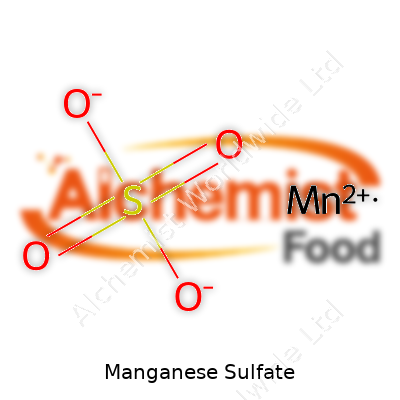
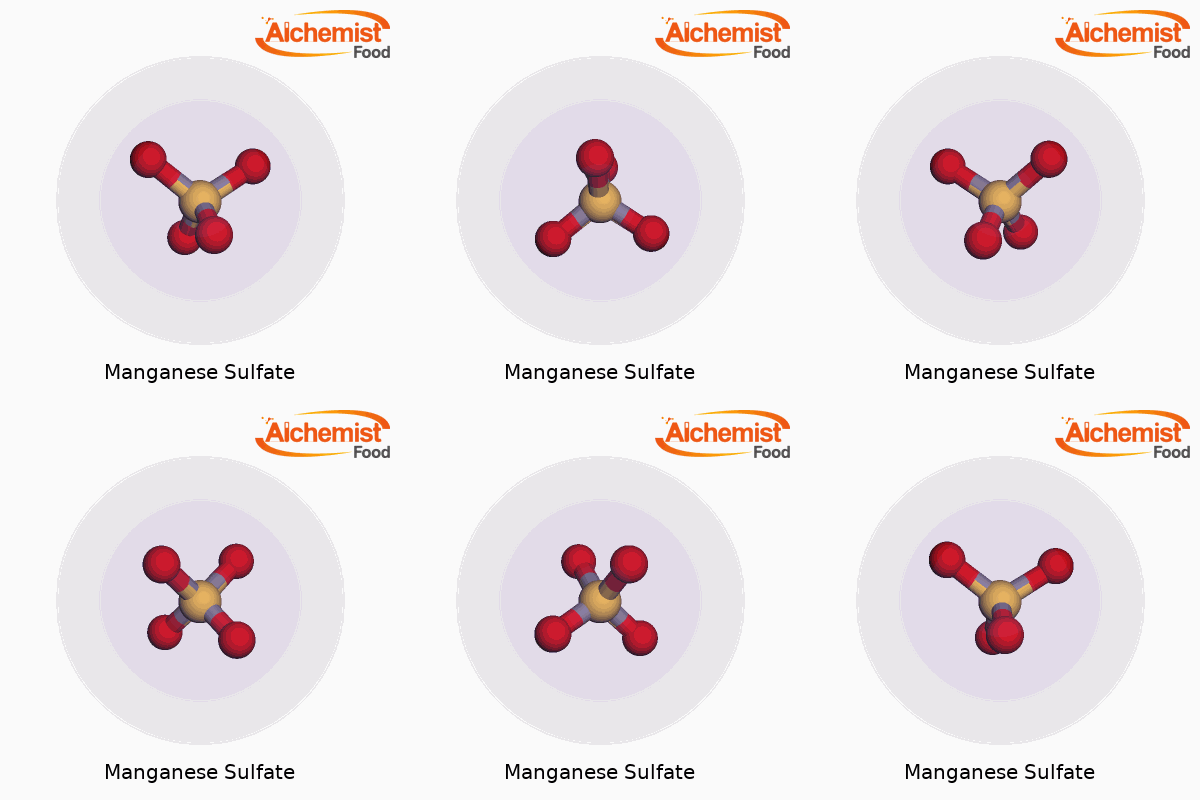
| Names | |
| Preferred IUPAC name | manganese(2+) sulfate |
| Other names |
Manganous sulfate Sulfuric acid, manganese(2+) salt Manganese(II) sulfate Manganese monosulfate |
| Pronunciation | /ˈmæŋɡəniːz ˈsʌlfeɪt/ |
| Preferred IUPAC name | manganese(2+) sulfate |
| Other names |
Manganese(II) sulfate Manganese monosulfate Sulfuric acid, manganous salt Manganous sulfate |
| Pronunciation | /ˈmæŋ.ɡəˌniːz ˈsʌl.feɪt/ |
| Identifiers | |
| CAS Number | 7785-87-7 |
| Beilstein Reference | [Beilstein Reference: 35322] |
| ChEBI | CHEBI:75229 |
| ChEMBL | CHEMBL1201120 |
| ChemSpider | 87404 |
| DrugBank | DB11136 |
| ECHA InfoCard | 03a92d2a-51b1-40f8-82ac-c1a369290ada |
| EC Number | 232-089-9 |
| Gmelin Reference | Gmelin Reference: 12301 |
| KEGG | C18672 |
| MeSH | D008345 |
| PubChem CID | 24580 |
| RTECS number | OP0893500 |
| UNII | 7QNM4V344T |
| UN number | “UN3077” |
| CAS Number | 7785-87-7 |
| Beilstein Reference | 26017 |
| ChEBI | CHEBI:75231 |
| ChEMBL | CHEMBL1201122 |
| ChemSpider | 21192 |
| DrugBank | DB14544 |
| ECHA InfoCard | 02-2119637853-38-0000 |
| EC Number | 232-089-9 |
| Gmelin Reference | Gmelin Reference: **1142** |
| KEGG | C01438 |
| MeSH | D008353 |
| PubChem CID | 25139 |
| RTECS number | OP0891000 |
| UNII | 7GQ03G265Q |
| UN number | UN3077 |
| Properties | |
| Chemical formula | MnSO4 |
| Molar mass | 169.02 g/mol |
| Appearance | Pale pink powder or crystals |
| Odor | Odorless |
| Density | 2.95 g/cm³ |
| Solubility in water | Soluble |
| log P | -2.2 |
| Vapor pressure | Negligible |
| Acidity (pKa) | 7.0 |
| Basicity (pKb) | 6.2 |
| Magnetic susceptibility (χ) | +4300e-6 cm³/mol |
| Refractive index (nD) | 1.500 |
| Dipole moment | 0 D |
| Chemical formula | MnSO₄ |
| Molar mass | 151.00 g/mol |
| Appearance | Pale pink crystalline solid |
| Odor | Odorless |
| Density | 2.95 g/cm³ |
| Solubility in water | Freely soluble in water |
| log P | -2.23 |
| Vapor pressure | Negligible |
| Acidity (pKa) | 6.0 |
| Basicity (pKb) | 7.2 |
| Magnetic susceptibility (χ) | +1100·10⁻⁶ cm³/mol |
| Refractive index (nD) | 1.503 |
| Dipole moment | 0 Debye |
| Thermochemistry | |
| Std molar entropy (S⦵298) | *151.0 J·mol⁻¹·K⁻¹* |
| Std enthalpy of formation (ΔfH⦵298) | -962.0 kJ/mol |
| Std molar entropy (S⦵298) | 91.5 J·mol⁻¹·K⁻¹ |
| Std enthalpy of formation (ΔfH⦵298) | -1096.1 kJ/mol |
| Pharmacology | |
| ATC code | A12CC01 |
| ATC code | A12CC01 |
| Hazards | |
| Main hazards | Harmful if swallowed. Causes serious eye irritation. May cause respiratory irritation. Toxic to aquatic life with long lasting effects. |
| GHS labelling | GHS07, GHS09 |
| Pictograms | GHS07,GHS09 |
| Signal word | Warning |
| Hazard statements | H302: Harmful if swallowed. |
| Precautionary statements | P264, P270, P301+P312, P330, P501 |
| NFPA 704 (fire diamond) | 2-1-0 |
| Lethal dose or concentration | LD50 oral rat 2,190 mg/kg |
| LD50 (median dose) | LD50 (median dose): Oral-rat LD50: 2,150 mg/kg |
| NIOSH | MNQS3500 |
| PEL (Permissible) | PEL (Permissible Exposure Limit) for Manganese Sulfate: 5 mg/m³ (as Mn, ceiling) |
| REL (Recommended) | 25 mg |
| IDLH (Immediate danger) | 500 mg/m3 |
| Main hazards | Harmful if swallowed. Causes serious eye irritation. May cause respiratory irritation. |
| GHS labelling | GHS07, GHS09 |
| Pictograms | GHS07,GHS09 |
| Signal word | Warning |
| Hazard statements | H302: Harmful if swallowed. |
| Precautionary statements | P264, P270, P280, P301+P312, P330, P501 |
| NFPA 704 (fire diamond) | 2-1-0 |
| Autoignition temperature | > 400°C |
| Explosive limits | Non-explosive |
| Lethal dose or concentration | LD50 oral rat 2,190 mg/kg |
| LD50 (median dose) | 2150 mg/kg (rat, oral) |
| NIOSH | MQ2625000 |
| PEL (Permissible) | 5 mg/m3 |
| REL (Recommended) | 400 mg/l |
| IDLH (Immediate danger) | 500 mg/m3 |
| Related compounds | |
| Related compounds |
Manganese(III) sulfate Manganese(IV) sulfate Iron(II) sulfate Magnesium sulfate |
| Related compounds |
Manganese(II) chloride Manganese(II) nitrate Manganese(II) carbonate Manganese(II) oxide Iron(II) sulfate |



