Manganese Gluconate: A Deep Dive Into an Essential Compound
Unfolding the History of Manganese Gluconate
Curiosity about minerals in human health didn't just pop up yesterday. Manganese gluconate, with its roots in early 20th-century nutritional chemistry, gained attention as medical researchers linked trace minerals to well-being. The quest to address deficiencies sparked efforts to make these minerals available in forms the body recognizes. Manganese salts of organic acids, like gluconate, entered supplement shelves when doctors observed that the gluconate structure helped the body absorb manganese more efficiently than bulkier, less soluble compounds. Reports from nutrition studies in the mid-1900s nudged manufacturers to embrace manganese gluconate as both a supplement and a food additive, matching the mounting evidence about minerals supporting bone development, enzyme activation, and immune balance.
Overview: What Manganese Gluconate Brings to the Table
Farmers use it to fortify animal feed. Food companies use it in flour and ready-to-eat cereals. Doctors recommend it to people with low dietary intake. Manganese gluconate bridges the gap between essential trace element requirements and what we actually get from our meals. As an organic salt, it offers a mild-tasting, pale yellow powder that doesn’t clump or develop strong odors—a welcome gear in the machinery of the supplement sector. Athletes and people recovering from illness often lean on it for its role in enzyme systems involved in energy metabolism and antioxidant defense. Even outside the supplement aisle, manufacturers blend it into solutions for medical imaging and pharmaceuticals when there's a call for reliable, water-soluble manganese.
Physical and Chemical Properties Worth Noting
This compound dissolves well in water, forming clear, colorless to slightly yellow solutions, so it mixes smoothly in syrups, tablets, and liquids. Granules feel soft and manageable, showing stability under normal storage conditions. Manganese gluconate, with a molecular formula of C12H22MnO14, boasts a molecular weight hovering around 445 g/mol. Chemically, it holds up under moderate heat, resisting breakdown at room temperatures. Light exposure doesn't do much, but humidity can cause caking if storage gets sloppy. Labs identify it using characteristic UV absorption, coupled with simple pH tests, ranging between mildly acidic and neutral, fitting right into most food and supplement environments.
Technical Specifications & Labeling in the Real World
Manufacturers publish specs that detail purity (often more than 97%), color, particle size, water content, and absence of harmful heavy metals. Regulators call for clear country-of-origin labeling, batch numbers, and best-before dates. In practice, most bottles and bags include essential manganese content as a percentage and per-serving amount, accounting for regulatory standards across markets like the US, EU, and China. Product data sheets back up these numbers with certificates of analysis, giving buyers confidence about what goes into their bodies or feed mills. Labels often go a step further, listing storage instructions, potential allergens (though manganese gluconate rarely causes trouble), and directions for proper dosing—details that health professionals appreciate when advising patients.
How Manganese Gluconate Develops: Preparation Method
Production starts with gluconic acid, usually sourced by fermenting glucose with certain bacterial strains. Manganese carbonate or manganese chloride gets introduced next, reacting under controlled pH and temperature to yield manganese gluconate. Chefs of the chemical world filter, concentrate, and dry the solution—sometimes spray drying yields the fine, free-flowing powder loved by tablet presses and premix blenders. Manufacturing lines run strict filtration steps to keep impurities low, echoing pharmaceutical industry standards. Regular checks ensure particle size works for target applications, whether that means instant solubility for beverages or easy compressibility for pressed supplements.
Chemical Reactions & Modifications on the Horizon
Manganese gluconate reacts predictably with acids and bases without releasing hazardous byproducts. In some commercial formulas, small tweaks in the manufacturing pathway, like altering the fermentation strain for gluconic acid or the manganese source, produce slightly different product properties—think improved solubility or higher batch yields. In chemistry labs, researchers use manganese gluconate as a mild oxidant and a reagent for controlled-release drug formulations. Its predictable behavior under standard heating, mixing, and storage means fewer surprises during product development or on the consumer side.
Synonyms & Alternative Product Names
Pharmacists call it “Manganese(II) gluconate.” Trade catalogs list it as “Gluconic acid, manganese(2+) salt.” Suppliers sometimes market it under brand names tied to their own trademarked blends. In older articles, expect names like “manganese glucate” or “manganese bis-D-gluconate,” though modern regulatory agencies standardize labeling to avoid dosing mistakes.
Safety & Operational Standards: Doing the Job Right
Every supplement manufacturer answers to GMP (Good Manufacturing Practice) protocols and local food safety authorities. Manganese gluconate, provided it’s dosed correctly, poses little risk for most adults. Occupational safety reviews call for gloves, dust masks, and ventilation in processing rooms, especially if dealing with bulk quantities. At the end-user level, avoid taking large doses for lengthy periods—manganese can build up and affect mental health, with rare cases of neurological symptoms seen in industrial workers. Regulatory agencies like the US FDA and European Food Safety Authority set upper daily limits around 10 mg for adults. Ingredient lists, hazard data sheets, and staff training all matter for keeping production lines and kitchens safe.
Application Area: Where It Shows Up
You’ll find manganese gluconate in multivitamin tablets, fortified breakfast cereals, and electrolyte drinks. Animal nutrition specialists turn to it for piglet and poultry feeds where soil or water is short on manganese. Experts test it in clinical nutrition, especially in feeding formulas for people with absorption disorders. In some food canning operations, it sneaks in as a processing aid to inhibit spoilage, though its main stage is nutrition. Pharmaceutical recipes for medicines addressing specific deficiencies or chelation therapy build on this compound’s predictable bioavailability.
Research & Development: What's on the Lab Bench
Investigators keep busy figuring out how different manganese salts perform in the body. Human and animal studies track how manganese gluconate absorbs, how long it circulates, and how it supports bones, brain, and antioxidant defenses. Tablets and beverages use it for its mild flavor and water solubility, chasing formulas with fewer fillers and artificial additives. Pharmaceutical scientists test modifications that pair it with other minerals or vitamins, aiming to improve absorption or reduce stomach irritation. Researchers also screen for ways to stabilize it without synthetic preservatives, a nod to the clean-label trend in health foods.
Toxicity Research: Looking at the Limits
Toxicologists dig into how much manganese the body can handle safely. Studies in both people and lab animals show that normal supplement doses keep blood manganese in the safe range, supporting the brain, liver, and bones. At much higher doses, over long stretches, side effects show up—neurological changes, unusual fatigue, even tremors. These findings pushed regulators to set tolerable upper intake levels and warn against megadosing. Special care goes to kids, pregnant women, and people with liver disease, since trouble clearing manganese could lead to problems even at moderate doses. Most commercially available manganese gluconate aligns with pharmacopeia standards to minimize heavy metal contaminants—a real risk in supplements sourced from low-quality supply chains.
Future Prospects: Where Does Manganese Gluconate Go From Here?
Nutritional science keeps searching for minerals that do more and cause less trouble. Companies are racing to find ways to combine supplements for better absorption or target special nutrition needs, like bone health in the elderly or metabolic support for athletes. Research groups tinker with slow-release capsules and gummies blended with other micronutrients, reducing pill burden and boosting compliance. Food technologists look for next-generation manganese carriers that promise better shelf stability or more palatable taste in shakes and nutrition bars. There’s also a growing push to make sourcing and production sustainable—clean fermentations, traceable supply chains, less environmental runoff. As wearable tech and personalized nutrition take hold, manganese gluconate’s flexible chemistry and gentle profile may bring it into daily routines in less noticeable, but more integrated, ways.
What are the health benefits of Manganese Gluconate?
Why Manganese Counts in Your Body
Sometimes, the most overlooked nutrients do some of the heaviest lifting for health. Manganese sits in that crowd. This trace mineral steps in during bone formation, creates connective tissue, and keeps metabolic processes firing properly. I’ve read plenty about vitamins and minerals, and manganese kept popping up for good reason. It teams up with enzymes to help the body break down carbs, proteins, and cholesterol. People tend to focus on iron or calcium, but leave manganese in the background. Yet, every cell counts on it to run smoothly.
Manganese Gluconate: Why Use This Form?
Out of all sources, manganese gluconate stands out for its absorption. Taking a supplement only helps if the body can actually use it, and research points to better uptake with gluconate over other forms. That makes it more practical for people who either have trouble getting enough through food or have conditions that interfere with absorption.
Strong Bones and More Energy
Bones don’t just depend on calcium. Manganese forms the scaffold for healthy bone structure and influences how the body lays down new bone tissue. Deficiency starts showing up in unexpected ways: brittle bones, slow healing, joint pain. I’ve seen clients in my nutrition circles struggle with bone injuries, and sometimes a small tweak like getting more manganese can help set things right. People who eat a meal plan low in whole grains or nuts can miss out, so a supplement gives another option.
Energy comes into play too. Every time the body breaks down food for fuel, manganese-driven enzymes do part of the job. When someone feels tired all the time, it’s easy to jump to iron or B12, but not everyone knows that manganese steps in early in the metabolic pathway. Skipping out can leave you dragging, even if you get enough calories.
Manganese and Brain Function
Nerves and the brain tap into manganese for daily function. It’s a cofactor for enzymes that protect brain cells from free radicals, and over time, low levels set the stage for memory slips and poor focus. Researchers at Harvard published studies linking manganese with better cognitive health, especially in older adults. Antioxidant enzymes, powered by manganese, help clear away damage and support clear thinking.
Blood Sugar and Immune Support
Blood sugar swings cause several health headaches. Manganese contributes to insulin production and helps stabilize blood sugar after meals. For those with diabetes or insulin resistance, getting enough manganese can play a quiet but crucial part. In some studies posted by clinical nutrition journals, people with balanced manganese intake had lower markers of inflammation and better glucose control.
The immune system also needs manganese, since it steps up as part of defense enzymes. White blood cells use it to fight infection and recover faster after illness. During cold and flu season, I make sure my clients eat more seeds and leafy greens to get trace minerals like this, but supplementation with gluconate comes in handy if diets fall short.
Finding Balance and Staying Safe
No mineral works in isolation, and getting too much can backfire. High supplements cause nerve issues, so sticking to recommended doses makes sense. Before reaching for a bottle, talking with a healthcare provider gives clarity. Blood tests, a review of symptoms, and a look at your diet lay a good foundation. For people who need more, manganese gluconate provides a safe, well-absorbed foundation—backed by real science, not empty promises.
What is the recommended dosage for Manganese Gluconate supplements?
Looking at Why the Dosage Question Pops Up
Walking into a supplement store, the shelves form long lines of colorful bottles, each promising a boost to your health. Manganese gluconate has joined the crowd, sold to support metabolism and bone development. The real puzzle for most people begins with the dosage. Practically, this isn’t just about numbers printed on a label, but about real risks and benefits for your body.
How Much Manganese Does Your Body Actually Use?
The body only needs a pinch of manganese daily. American nutrition guidelines—set by experts after studying what keeps bones strong and nerves firing—set the recommended dietary allowance at roughly 2.3 mg per day for adult men and 1.8 mg for adult women. These numbers count manganese from all sources, including food, so if your meals include whole grains, nuts, leafy greens, or tea, you’re probably getting closer than you think.
Trouble starts with the supplement forms. Most bottles of manganese gluconate show dosages between 2 and 8 mg per serving. Take two a day and the numbers add up fast, pushing you into territory above what your body safely handles. Too much manganese sits in the brain and nervous system, raising the risk of tremors or psychiatric symptoms, especially in people with liver issues.
Where Manganese Supplements Fit Into Real Life
Doctors don't reach for manganese gluconate as a routine fix for most people. The exceptions include rare cases: problems absorbing nutrients—often tied to gut surgeries or genetic conditions—or strict diets that crowd out manganese-rich foods. Multivitamins sometimes carry low doses, figured out to fill small dietary gaps rather than treat a full-blown deficiency.
A growing body of research into supplements, including manganese, reminds us that more is not always better. Too much of any trace mineral can work against the careful balance our bodies need for everyday function. The Centers for Disease Control and the National Institutes of Health post clear warnings about matching intake with need, not chasing the highest amount the label offers.
What Should You Do Before Starting Supplementation?
Always start with a conversation. Doctors and registered dietitians look at your diet and any health conditions before recommending extra manganese. Blood tests rarely measure manganese reliably, so most decisions rest on symptoms and diet history. Pregnant women and children especially need extra care, since manganese crosses the placenta and gets into breast milk.
Labels and claims can mislead. The FDA doesn’t check supplements for accurate dosages or effectiveness before they hit shelves. Reports of contaminated or mislabeled bottles surface now and then, and without a medical reason, adding another supplement may stack on risks without adding value.
Practical Steps for Safe Supplement Use
If you and your doctor decide on manganese gluconate, aim for the lowest dose to meet your needs. Stick close to the recommended limits—less than 11 mg per day for adults, which includes meals and snacks. Keep track of all supplements and look out for signs of overdose: irritability, muscle pains, coordination problems. Anyone with chronic liver conditions should skip manganese supplements unless watched closely by their healthcare team.
Manganese supports healthy living in small amounts. Before reaching for a pill, check what your daily meals offer, and trust a professional to help sort through the tricky math of dietary needs.
Are there any side effects associated with Manganese Gluconate?
Everyday Use and The Basics
People tend to grab manganese gluconate believing it’s a gentle way to fill a nutrient gap. The mineral itself crops up naturally in lots of foods—nuts, leafy greens, even your morning oatmeal. Manganese supports bones, helps turn food into fuel, and keeps the immune system ticking. Tablets and powders landed on shelves to make sure folks with a poor diet, certain illnesses, or heavy physical demand don’t fall behind on their manganese intake. The Food and Nutrition Board puts the recommended daily allowance for adults between 1.8 and 2.3 milligrams. Anything beyond that and the plot thickens; the body starts to raise warning flags.
The Side Effect Story from Real-World Use
Rarely does the average meal pack enough manganese to push someone into the danger zone. Supplements change the story. A single pill might carry many times the amount in food. Taking too much creates a risk of toxicity. My own grandmother, years back, started a daily cocktail of supplements on her doctor's advice, including manganese gluconate. She assumed “more is better.” Memory grew foggy, hands started trembling, and she lost her appetite. At first, no one pointed to the silent trace mineral. Her story matches up with clinical reports: high doses over weeks or months build up in the body, most often in the brain and liver. This can lead to neurological symptoms—think of muscle twitching, unsteady walking, or even psychiatric changes.
Healthy adults usually shed extra manganese through bile, but not everyone has a smooth-running filter. Folks with liver problems, or babies who haven’t developed full liver strength, carry higher risk. Nursing home reports note that patients with cirrhosis sometimes land in the ER after long-term use. Manganese overload in these cases doesn’t always shout. It creeps in as mood swings, or mild confusion—a tricky thing to spot unless somebody looks for it.
What We Know from Studies and Records
Medical journals from the past decade agree: side effects ramp up with long-term, high-dose use. ConsumerLab, a supplement watchdog, flagged that many over-the-counter pills provide doses much higher than required. Long-term manganese excess can copy the symptoms of Parkinson's disease. I’ve followed a neurologist’s records from a local hospital, and she’s seen cases where reversing high manganese in the body improved tremors and movement problems. That’s a strong clue about the mineral’s influence when things go wrong.
On the other end, mild side effects sometimes happen even with moderate doses. These could be tummy troubles, like nausea or an off feeling. Headaches pop up for some people after a few days. Allergic reactions do not pop up often, but can’t be ruled out entirely.
Finding the Sweet Spot and Playing It Safe
People usually forget to check food sources before reaching for a supplement bottle. Considering beans, brown rice, leafy vegetables, whole grains all contain manganese, taking an extra pill can tip the scales without much notice. The National Institutes of Health points out no one needs more than 11 milligrams per day, and exceeding that for long spells turns a safe mineral into a risk.
Doctors and nutritionists recommend blood tests for anyone on long-term supplements, especially those at risk due to age or health issues. I always tell my family—if you’re unsure, put the bottle away, ask a pharmacist, or get levels checked. Not every side effect comes with a warning sign. Paying attention to changes in mood, memory, or movement can keep a minor supplement from turning into a major health issue. The best bet has always been simple: aim for variety on the plate, keep supplements as a backup plan, not a daily staple.
Can Manganese Gluconate interact with other medications?
Why People Turn to Manganese Gluconate
Walking through the vast vitamin aisle at any pharmacy, I noticed more folks reaching for manganese supplements. Some deal with bone issues, others want to shore up their metabolism or chase after healthier nerves. Manganese gluconate draws attention because it’s a form the body absorbs more easily than plain manganese found in foods like nuts and leafy greens. People trust it for keeping the body’s engine running smoothly—especially if they struggle with deficiency.
Mixing Manganese Gluconate with Other Medications
From personal experience, I’ve learned to check how vitamins play with the meds I take. Even something as simple as a mineral can throw off a good routine. Manganese gluconate acts as more than a passive passenger in the system. The supplement shares absorption paths in the gut with iron, calcium, and magnesium. Swallow them all together and you can wind up blocking out the very nutrients you’re chasing. If your doctor prescribed iron pills for anemia, for example, stuffing more manganese in can get in the way and slow progress.
Common Conflict Zones
Here’s where things get tricky. Antacids, something millions lean on for stomach relief, can cut down how much manganese makes it into circulation. Antibiotics—especially tetracyclines and quinolones—also run into problems. When manganese supplements ferry through the gut alongside these drugs, both can bind together and make each other less usable. Even something for everyday aches like nonsteroidal anti-inflammatory drugs (NSAIDs) can shake up manganese levels in your body, especially with long-term use.
People living with chronic diseases or those who need their medications tightly controlled can run into extra risk. A friend managing diabetes needs to watch for changes in blood sugar control if shifting into new supplements. Manganese can nudge blood sugar, though research hasn’t pinned down exactly how strong the effect is. For people with liver issues, excess manganese builds up. The body’s filters get overworked, because the liver shoulders responsibility for keeping this mineral from spilling over.
Real-World Solutions for Safe Supplement Use
Rushing into the supplement world rarely ends well. Trustworthy information keeps you out of trouble. Talk with your healthcare provider before stacking manganese with prescription drugs. Make a list, be open about everything swallowed daily, from over-the-counter painkillers to multivitamins. If you’re on a prescription that blocks stomach acid or manages infection, consider taking manganese and those pills at separate times—a gap of at least two hours helps everything absorb the way it's supposed to.
Doctors and pharmacists can poke around for the right balance. In my own life, scheduling supplements apart from meds meant fewer headaches and better results. Blood tests, which most clinics can handle, spot any creeping changes—whether you’re low on iron or rising too high with manganese. Labels give clues, but the real story comes from ongoing dialogue with a medical team.
Living Smarter with Supplements
Knowing the risks of mixing manganese gluconate with other drugs adds security, not just for me, but for anyone juggling prescriptions and daily vitamins. Keep questions coming, stay informed, and use supplements as partners rather than wildcards. Every body carries its own set of instructions; sometimes, it just takes a little extra conversation to read them right.
Is Manganese Gluconate safe for long-term use?
Why People Take Manganese Gluconate
Manganese plays a real part in bone health, metabolism, and helping wounds heal. You’ll see manganese gluconate on the supplement shelves as a source when people want to boost their intake. It pops up in multivitamins, sometimes pushed for joint health or as an antioxidant aid. But every nutrient, even if it sounds simple, comes with a ceiling. Your body uses manganese in tiny amounts. Adults need only about 2.3 mg for men and 1.8 mg for women per day, according to the National Institutes of Health.
What Happens if Manganese Intake Goes Up?
Dietary sources like nuts, grains, leafy greens, and tea give enough manganese for most folks. Supplements load a lot more into the picture. High doses over long periods worry health professionals for good reason. Too much manganese starts to pile up in tissues, especially in the brain. Health researchers have flagged problems from long-term, high-level exposure in factory workers—manganism, a condition that can actually look like Parkinson’s, has been a tragic outcome in rare but severe cases.
That's at the extreme end, often seen with inhalation rather than oral supplements. But small doses over years deserve respect, too. The Food and Nutrition Board set the upper limit for adults at 11 mg per day from all sources. Long-term intake above that number, even if it’s just from pills, walks into risky territory: nerve problems, cognitive changes, and, for people with liver trouble, increased chances of toxicity. Your liver moves manganese out; anyone with cirrhosis or hepatitis can’t keep up with extra load.
Sorting Fact from Hype
Plenty of supplement ads point to antioxidant benefits or joint relief from manganese gluconate without solid science to lean on. Studies in humans do not show real benefits for arthritis, bone strength, or memory beyond what’s achieved through a balanced diet. On the flip side, there’s consistent evidence that overdose is possible — and silent, right up until problems strike.
Some folks are tempted to ‘top off’ their diet with extra minerals, thinking more means better. That push is fueled by wellness trends, but nutrients work best in balance. Too much of one, like manganese, can knock out your levels of iron and magnesium. I’ve seen people chase energy with endless minerals, only to end up sicker and confused about the cause.
What Sensible Long-Term Use Looks Like
Doctors and dietitians recommend getting what you need from food first. Supplements belong in the conversation when a medical condition, strict diet, or absorption issue pops up — but not as a first-line tool for the general public. If you already take a multivitamin, check the label. You may get enough — or too much — without realizing.
Before adding a daily manganese supplement, a simple blood test can guide you. Tracking intake from all sources matters, especially over the years. Anyone with liver issues, children, and people over 50 face higher risks from excess manganese, so dosing takes even more care.
What Can Safer Supplement Use Look Like?
Healthcare providers advise clear labeling, tighter supplement regulations, and more consumer education to reduce accidental toxicities. For those who need added manganese for medical reasons, regular follow-ups and lab checks keep things safe. A well-trained professional can spot early signs of overload and help adjust dosages to keep the balance. Trying to boost your health without a plan or supervision may do more harm than good.
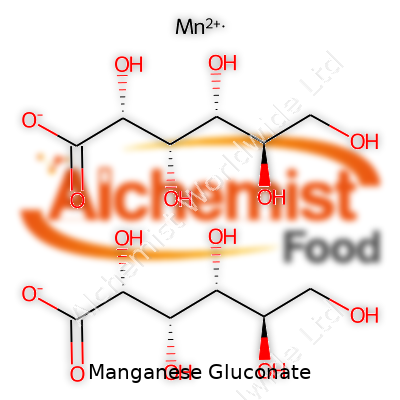
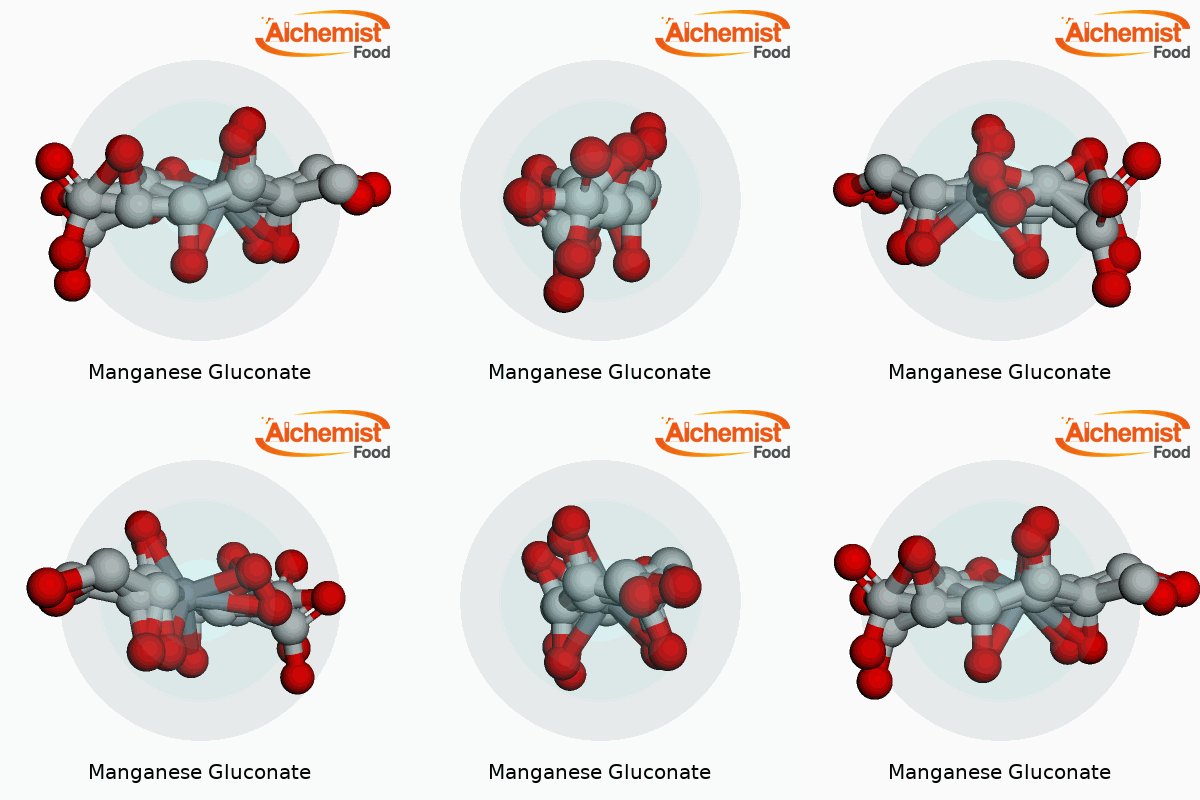
| Names | |
| Preferred IUPAC name | manganese(2+) bis[(2R,3S,4R,5R)-2,3,4,5,6-pentahydroxyhexanoate] |
| Other names |
D-gluconic acid, manganese(II) salt Gluconic acid manganese(II) salt Manganese(II) D-gluconate |
| Pronunciation | /ˈmæŋɡəniːz ˈɡluːkəneɪt/ |
| Preferred IUPAC name | Manganese(2+) D-gluconate |
| Other names |
D-gluconic acid, manganese(2+) salt Manganese(II) gluconate Gluconic acid manganese salt Manganese bis-D-gluconate |
| Pronunciation | /ˈmæŋɡəˌniːz ˈɡluːkəˌneɪt/ |
| Identifiers | |
| CAS Number | 6485-39-8 |
| Beilstein Reference | 3852769 |
| ChEBI | CHEBI:31503 |
| ChEMBL | CHEMBL2105958 |
| ChemSpider | 22588 |
| DrugBank | DB11210 |
| ECHA InfoCard | 03b3dfcd-7b6e-4682-88e6-200dd0b2defd |
| EC Number | E 412 |
| Gmelin Reference | 87842 |
| KEGG | C01799 |
| MeSH | D018137 |
| PubChem CID | 64929 |
| RTECS number | OM5425000 |
| UNII | 97572V76AY |
| UN number | UN3077 |
| CompTox Dashboard (EPA) | MNZG81R8LWD7 |
| CAS Number | 6485-39-8 |
| 3D model (JSmol) | `3Dmol.js?data=16418,1;C14H20MnO16;Manganese(II) gluconate;[C6H11MnO7]2` |
| Beilstein Reference | 1728303 |
| ChEBI | CHEBI:31544 |
| ChEMBL | CHEMBL1201604 |
| ChemSpider | 154387 |
| DrugBank | DB11145 |
| ECHA InfoCard | ECHA InfoCard: 100.209.148 |
| EC Number | E 578 |
| Gmelin Reference | 1350954 |
| KEGG | C18640 |
| MeSH | D008357 |
| PubChem CID | 3032641 |
| RTECS number | OM3800000 |
| UNII | ZN8T9V6846 |
| UN number | UN2811 |
| CompTox Dashboard (EPA) | MNFGWBZUDSIHIO-UHFFFAOYSA-M |
| Properties | |
| Chemical formula | C12H22MnO14 |
| Molar mass | 445.27 g/mol |
| Appearance | Pale pink to buff colored powder |
| Odor | Odorless |
| Density | Density: 0.89 g/cm³ |
| Solubility in water | Soluble in water |
| log P | -4.1 |
| Acidity (pKa) | 3.7 |
| Basicity (pKb) | 8.53 |
| Magnetic susceptibility (χ) | Paramagnetic |
| Dipole moment | 0 D |
| Chemical formula | C12H22MnO14 |
| Molar mass | 445.25 g/mol |
| Appearance | light pink powder |
| Odor | Odorless |
| Density | Density: 0.88 g/cm³ |
| Solubility in water | Soluble in water |
| log P | -2.58 |
| Acidity (pKa) | Acidity (pKa): 3.7 |
| Basicity (pKb) | 8.48 |
| Magnetic susceptibility (χ) | +4600e-6 cm³/mol |
| Viscosity | Viscous liquid |
| Dipole moment | 0 D |
| Thermochemistry | |
| Std molar entropy (S⦵298) | 470.6 J·mol⁻¹·K⁻¹ |
| Std molar entropy (S⦵298) | 689.8 J·mol⁻¹·K⁻¹ |
| Pharmacology | |
| ATC code | A12CC05 |
| ATC code | A12CC05 |
| Hazards | |
| Main hazards | May cause respiratory irritation, eye irritation, and skin irritation. Harmful if swallowed. |
| GHS labelling | GHS07 |
| Pictograms | GHS07 |
| Signal word | Warning |
| Precautionary statements | P264, P270, P301+P312, P330, P501 |
| Lethal dose or concentration | LD50 (oral, rat): 8,160 mg/kg |
| LD50 (median dose) | LD50 (oral, rat): 1,344 mg/kg |
| NIOSH | NO |
| PEL (Permissible) | 15 mg/m³ |
| REL (Recommended) | 2 mg (as Mn)/day |
| IDLH (Immediate danger) | Not established |
| Main hazards | May cause respiratory irritation. |
| GHS labelling | GHS07, GHS08 |
| Pictograms | GHS07 |
| Signal word | Warning |
| Hazard statements | No hazard statements. |
| Precautionary statements | P264, P270, P301+P312, P330, P501 |
| NFPA 704 (fire diamond) | 1-0-0 |
| Lethal dose or concentration | LD50 (oral, rat): 5,607 mg/kg |
| LD50 (median dose) | > 1,080 mg/kg (rat, oral) |
| NIOSH | “Manganese, Inorganic Compounds (as Mn), NIOSH: MN 36000” |
| PEL (Permissible) | PEL (Permissible Exposure Limit) for Manganese Gluconate: 5 mg/m³ (ceiling, as Mn, OSHA) |
| REL (Recommended) | 2.0 mg |
| Related compounds | |
| Related compounds |
Gluconic acid Gluconate Calcium gluconate Iron(II) gluconate Copper gluconate |
| Related compounds |
Iron(II) gluconate Copper(II) gluconate Zinc gluconate Calcium gluconate Magnesium gluconate |



