Magnesium Sulfate Heptahydrate: An In-Depth Commentary
Historical Development
Industry owes a lot to simple minerals like magnesium sulfate heptahydrate. Folks in 17th-century Epsom, England, made the earliest record of this compound, noticing how water drawn from local wells relieved aches and made plants grow stronger. Looking back, it’s hard to imagine medicine cabinets or gardens without it. Early pharmacists called it “Epsom salts,” and used it for digestive woes and to sooth sore muscles. As chemical science moved into the modern era, researchers started to refine production from mineral deposits and briny lakes, making cues for agriculture, pharmaceuticals, and food industries. As time rolled on, new ways kept popping up to extract and purify this mineral, and its reputation as a multipurpose chemical only grew.
Product Overview
Magnesium sulfate heptahydrate stands as a staple in both industry and home use. Folks know it best as those translucent white crystals tossed in bathwater or used on plants. Products usually show up in granular or powder form, making measuring straightforward for users who just want to soak or help their garden. Its roles spread out to food processing, animal feed, brewing, and concrete as a setting agent. Chemists and manufacturers value it for reliable composition and easy handling, so it lands in a lot of applications where other materials might be trickier to use or store.
Physical & Chemical Properties
Crystals of magnesium sulfate heptahydrate carry their seven water molecules locked in tight—a defining feature that gives them their candy-like slick, glistening look. They melt down at about 150°C, releasing that water in a tidy, steamy puff. This material dissolves cleanly in water, forming a neutral, near-pure magnesium and sulfate solution. With a molecular weight of 246.47 g/mol, folks in quality control can measure and check identity with ease. The blend’s inertness means it won’t set off flammable fumes, making storage much less of a headache than more temperamental chemicals.
Technical Specifications & Labeling
Working with magnesium sulfate heptahydrate means keeping specs clear. Quality batches need to show over 99% purity for many of the higher-standard uses, with precise moisture content and low levels of heavy metal contaminants. Packaging usually carries the UN number 3077 for proper shipping. Labels show purity, grain size, CAS number (10034-99-8), manufacturer, and country of origin. Agricultural and feed uses require certification to comply with regional limits on lead, arsenic, and other trace elements, making traceability and batch records essential for meeting export requirements or food-grade endorsements.
Preparation Method
Factories tend to make magnesium sulfate heptahydrate by reacting magnesium carbonate, oxide, or hydroxide with sulfuric acid. Operators control temperature and water content closely, since adding too little water stops the crystal from locking in all seven molecules, and too much can cause impurities or unwanted forms to stick around. Seasonal variation in raw materials sometimes affects consistency, so the best producers stay steady with routine filtration and recrystallization steps. Researchers at universities keep looking at green chemistry methods, seeing if waste streams or seawater might yield the same product with a smaller footprint.
Chemical Reactions & Modifications
In the lab, chemists know this mineral serves as a handy magnesium donor. Heating it in air strips water away, producing the anhydrous form, which pulls stubborn water out of organic solvents. Tweak reaction conditions, and you’ll form magnesium sulfate monohydrate or the even more stripped-down anhydrous type, each with its own quirks for industry. In pharmaceutical work, researchers sometimes mix these crystals with other agents, aiming for slow-release magnesium tablets or novel topical gels. These offshoots keep showing up in research, illustrating just how adaptable a supposedly simple mineral can be.
Synonyms & Product Names
Magnesium sulfate heptahydrate answers to a whole crowd of aliases depending on who’s using it. "Epsom salt" remains the household name for bathers and gardeners. Commercial paperwork sometimes calls it "Magnesium Sulphate 7-water," "Sulfuric acid magnesium salt (1:1), heptahydrate," or "Bittersalz" for German-speaking chemists. Slip into regulatory documents, and only the CAS or EC numbers cut through confusion. These synonyms reflect both its global use and its different “hats”—from spa staple to factory workhorse.
Safety & Operational Standards
Magnesium sulfate heptahydrate shows a generally friendly safety profile, but wise operators always stay alert. Laboratories keep goggles and gloves on hand, since dust can irritate eyes and lungs after long exposure. OSHA and international groups limit air concentrations in workplaces, helping to protect staff in bulk manufacturing. Spills clean up with just water and don’t spark fires or explosions, but slip hazards rise when wet floors meet shoes. Storage sites check both moisture-proof containers and clear labeling, since mixing with certain chemicals (like lithium) can stir up unsafe reactions.
Application Area
No single sector owns magnesium sulfate heptahydrate. Farmers use it by the ton to boost magnesium-poor fields, especially with citrus and potatoes suffering from “whitish” leaves. The supplement industry brings it into vitamin blends, antacids, and saline laxatives—pharmacists know it can help relieve magnesium deficiency or treat barium poisoning. Water treatment plants turn to it for correcting mineral imbalances in municipal supplies. Wood pulping uses the salt to bleach and strengthen fibers, and brewers see benefits when modifying brewing water for certain beer styles. From a personal perspective, I remember local hospitals stocking it for preterm labor care, highlighting how even sophisticated clinics lean on mineral basics.
Research & Development
Research keeps growing, with biotech and nanotech projects peering into what magnesium sulfate heptahydrate can do in new material synthesis. Instrument makers use its drying properties to calibrate humidity in controlled environments. Botanists and agronomists experiment with micro-dosing on greenhouse crops, seeking improved drought tolerance or faster recovery from salt injury. Patent filings have described composite fertilizers and feed additives blending the salt with trace elements or organic carriers. Environmental chemists look for better ways to recycle spent magnesium solutions, aiming for closed-loop processes that cut costs and waste.
Toxicity Research
Toxicologists agree the compound brings very low acute risk to people or livestock. That said, overuse in agricultural settings leads to runoff, especially when soils can’t hold all added magnesium, and this runoff sometimes upsets aquatic environments. Ingesting huge doses, either by accident or rough guesswork, triggers diarrhea and dehydration—farmers and doctors know to double-check dosages for both crops and patients. For chronic exposure studies, results stay reassuring, but researchers keep an eye on soil health and potential plant uptake of contaminants that sometimes hitch a ride with lower-grade salts.
Future Prospects
Looking ahead, magnesium sulfate heptahydrate still stands to play an outsized role in precision agriculture, where drone-driven mapping shows field hotspots needing targeted mineral boosts. Battery researchers are investigating its use for eco-friendlier ionic conductors, potentially moving into safer grid storage or renewable energy systems. Pediatric healthcare trials continue, focusing on injectable magnesium sulfate for rare seizure disorders and pre-eclampsia. Decades of safe use, low cost, and a flexible list of applications keep demand strong, while pressure mounts to produce it with cleaner inputs and sustainable practices. Research labs and factories both seem poised to unlock even more growth paths for a compound rooted in centuries-old folk wisdom.
What are the main uses of Magnesium Sulfate Heptahydrate?
Role in Agriculture
Magnesium sulfate heptahydrate, often sold as Epsom salt, has become a regular part of farming routines. Years on the family farm showed me what a difference this mineral brings to crops. Plants, especially vegetables like tomatoes, peppers, and roses, soak up magnesium to drive photosynthesis and boost growth. Yellowing leaves told us the plants were thirsty for magnesium, and a simple sprinkle of this salt around the base perked them up, often within a week. Crops push out bigger yields, and soil quality stays in balance. Surveys from agricultural extensions back this up: magnesium deficiencies show up every planting season, and supplementing with these salts keeps food coming to market.
Health and Wellness Applications
Epsom salt baths fill pharmacies and social media feeds, praised for easing sore muscles and reducing stress. After running marathons, I learned how a half-hour soak with these salts took the edge off aches. Hospitals use it for magnesium replacement for certain patients, and in specific emergency cases, it steps in to control seizures caused by very low magnesium. The World Health Organization keeps it on its list of essential medicines for these reasons. Expecting mothers with preeclampsia sometimes need it through IV drips to keep complications at bay. It’s not just hype—peer-reviewed studies keep confirming its place in the medicine cabinet.
Industrial Contributions
Factories bring in magnesium sulfate for everything from paper making to dye production. My uncle, who worked in textile manufacturing, described how it helped fix dyes to yarn, saving on resources and reducing water pollution. In concrete production, it tweaks the set time and hardness, helping cities build safer roads and bridges. Some process water treatments use it to soften hard water, sparing pipes and adding years to equipment. These applications keep the wheels turning in small towns and global cities alike.
Food and Beverage Industry
Food producers add magnesium sulfate to products as a firming agent and nutrient booster. Breweries rely on it for adjusting water chemistry, coaxing out the best flavors in lagers and ales. As a kid, my parents taught me to read ingredient labels. Garlic pickles or processed cheeses sometimes listed it—evidence of its quiet but real presence on the dining table. The FDA keeps an eye on its use, setting limits to ensure safety. Research points out that people around the world still fall short of recommended magnesium intake, so fortifying food remains a practical step.
Addressing Challenges
One real challenge with magnesium sulfate heptahydrate comes from overuse or careless disposal. Too much in the soil can seep into nearby streams and affect water chemistry for wildlife downstream. Teaching responsible application in agriculture, recycling during manufacturing, and following medical dosage guidelines helps protect both people and the planet. Precision tools for soil testing, better public awareness, and stronger regulation enforcement reduce the risks of overuse and contamination.
Moving Forward
Magnesium sulfate heptahydrate stands out for its blend of uses. From nurturing plants and bodies to powering factories, it meets practical needs most days go by unnoticed. Efforts to use it wisely—guided by science and real-world experience—keep it an asset rather than a problem. Smart handling and ongoing education make all the difference.
Is Magnesium Sulfate Heptahydrate safe for human consumption?
Understanding Magnesium Sulfate Heptahydrate
Magnesium sulfate heptahydrate often goes by a simpler name: Epsom salt. Ask anyone with tired muscles or a sore back and they’ll probably reach for this old standby. The stuff dissolves in warm bathwater, soothes aches, and even shows up in gardening and agriculture. But some folks still wonder what happens if you swallow it, not just soak in it.
The Scoop on Safety: Medical and Food Uses
Most people associate magnesium sulfate with external use, but pharmacists and doctors have known about its role as a laxative for a long time. You’ll find it approved by authorities like the FDA for short-term use as a saline laxative. Dissolve the crystals in water, drink the solution, and expect a bathroom visit soon after. The body draws water into the intestines, which softens stool and makes things move along more easily.
It's not something to turn into a daily ritual. Side effects may include dehydration, electrolyte imbalance, or diarrhea if someone takes too much or uses it too often. Some folks—especially those with kidney problems or heart issues—could run into more serious trouble. Reading the directions on the label and following the dosing information means less risk.
Digging Into the Science
Why does magnesium matter? Roughly half of adults in the US don’t get enough of it from food alone, according to data from the National Institutes of Health. Our bodies use this mineral in hundreds of chemical reactions, from muscle contractions to keeping heart rhythms steady. It’s essential, and that’s not an exaggeration. Epsom salt provides a readily soluble form of magnesium, but it’s not the only source. Green leafy vegetables, nuts, and seeds are safer and easier choices for most folks.
Taking too much magnesium sulfate by mouth, especially without medical advice, can cause more harm than good. Toxicity can lead to low blood pressure, drowsiness, and in rare cases, cardiac arrest. Emergency rooms sometimes see these cases after unsupervised “detox” cleanses from the internet. This serves as a reminder that “natural” doesn’t always mean harmless.
Handling and Labeling Matters
Magnesium sulfate sold in garden centers or hardware stores isn’t manufactured to the same standards as the pharmaceutical product. Contamination risk runs higher. The package should clearly read “USP” (United States Pharmacopeia) or “food grade” for anything entering your mouth. This isn’t just a nice-to-have—it could mean the difference between a safe experience and something far more serious.
Choosing the Right Path
I’ve worked with folks who thought Epsom salts were an easy fix for constipation, only to regret waking up with severe cramps. Safe use means listening to your gut, not just the package instructions. Your own doctor or pharmacist can tell you if magnesium sulfate is worth considering. At the end of the day, better habits—fiber-rich meals, hydration, regular movement—stand as cornerstones. Quick fixes might help occasionally, but real health grows from careful, steady choices.
Looking Ahead: Trusted Guidance Makes the Difference
Relying on science-backed medical sources, listening to licensed professionals, and trusting regulated products form a solid foundation for any health decision. Epsom salt serves its purpose in the right place, at the right dose, and with clear instructions. Speculation and shortcut solutions only cloud the facts. When in doubt, lean on the experience of healthcare experts. That’s how you make safer, smarter choices about what ends up inside your body.
How should Magnesium Sulfate Heptahydrate be stored?
Everyday Wisdom Meets Chemical Safety
Magnesium sulfate heptahydrate, often recognized in households as Epsom salt, deserves the same attention in a warehouse or lab as it does at home. Over the years, I’ve watched small mistakes tumble into big costs because people underestimated basic chemical storage. It’s not just about keeping things tidy. It’s about safety, cost, and the little details that save headaches.
Moisture: The Real Enemy
Experience teaches that few things attract water from air faster than magnesium sulfate heptahydrate. Leave a bag open for a few days, and you notice clumps. This isn’t just ugly—it signals usable product turning into a block. Disrupted texture makes it harder to work with and can mess with precision in recipes or experiments. The substance draws in so much water it can dissolve itself over time. Quality tanks, and you lose money. The best fix: stow it in containers with tight lids and seal any openings fast after scooping. Few shortcuts exist here. Skimp on the containers, and the product pays the price.
Temperature Swings Bring Trouble
Too many ignore temperature. Magnesium sulfate heptahydrate isn’t volatile, but it doesn’t appreciate extreme heat. Warm storage conditions speed up the process of shedding water, turning it into a useless crust. I’ve lost full supplies to warehouses where summer heat cooked bags against walls. Rather than relying on air conditioning alone, place stock away from sunlight, heaters, and spots prone to temperature spikes.
Isolation Prevents Surprises
Anything chemical sits safer away from acids and other reactive goods. Spills happen even in careful facilities. Once, a nearby hydrochloric acid leak ate into several containers. Surprising reactions cost clean up time and brought risk. Designating a shelf or room for salts, separate from corrosive liquids, keeps that kind of risk near zero. Busy spaces push people toward stacking whatever fits wherever. The best run labs fight this urge with signage and routine checks.
Personal Experience: Organization Stops Waste
Back in my university storage room days, I opened a container to find the inside caked solid. All that value, gone because the seal failed. Lab budgets rarely stretch far enough to justify this kind of waste. Regularly check containers for cracks and swap out old packaging. Faded labels strike most people as a nuisance, but every chemist I know can share stories of misidentified supplies. Clear, legible labeling protects products and workers alike.
Practical Solutions That Stick
One fix stands out: silica gel packets dropped inside containers. These pull stray moisture from the air before the salt can catch it. Storage in a cool, dry room with a traceable thermometer and hygrometer does wonders. Most of all, train staff well. Routine beats occasional lectures. If everyone knows why these supplies matter, fewer corners get cut.
The Value of Proper Storage
Storing magnesium sulfate heptahydrate isn’t about following orders from a manual. It’s about respect for resources: the time it takes to buy or make them, the money tied up in stock, and the safety of the people who touch them day in and day out. Careful habits protect all three, every season.
What is the recommended dosage for agricultural applications?
The Reality on the Ground
People who work the land know there’s no single answer for how much product belongs in a tank or spreader. Recommendations change depending on the type of crop, specific fertilizer or pesticide, local climate, and even the nature of the soil. I’ve stood in fields where two farmers on opposing fence lines used different doses for the very same pest—one followed the bag, the other trusted old-school observation. Both had reasons, but results didn’t always match expectations.
Recommended Dosages: Where Science Meets Practice
Labels on agricultural products give solid starting points. Researchers run side-by-side tests over years to land on a number—maybe 200 kilograms per hectare of urea, or 1.5 liters per hectare for a common herbicide. These numbers don’t pop up overnight. I’ve talked with extension agents who spend seasons testing rates, adjusting for rain, drought, and unexpected plant reactions. In extension meetings, researchers often stress the importance of “label rate” because it reduces risk, both to the crop and to the environment.
Why Getting It Right Matters
Too little fertilizer keeps plants pale and hungry, robbing yields and profits. Run over the limit and roots burn or pests survive, not to mention the risk of runoff sneaking into streams. Misapplied chemicals and nutrients don’t just cost money; they pile up real environmental problems. Growing vegetables on my family’s plot, we learned the hard way: generous handfuls of fertilizer sent cucumbers sprawling but wilted tomatoes overnight. The lesson stuck—we started with the textbook amount, watched closely, and tuned up or down for each crop and season.
Reliable Guidance: Ask, Test, and Monitor
Textbooks and product labels offer a good base, but local conditions always adjust the story. Land-grant universities and government extension offices publish region-specific tables. These guides build on years of field trials. For any farm, soil testing matters. Labs show exactly what’s beneath your boots—nutrient levels, pH, organic matter. Results help dial in precise doses, so every bag or jug goes further and avoids waste. After soil tests, scouting the crop comes next. Farmers who keep an eye out for crop color, leaf shape, and pest damage tend to catch issues early. No calendar or recipe replaces seeing for yourself.
Room for Improvement: Digital Tools and Smarter Practices
Technology keeps moving farmwork forward. Precision agriculture tools, like sensors and GPS-guided applicators, help fine-tune how much product goes right where it’s needed. I’ve seen neighbors cut fertilizer bills by using soil maps and tractor monitors. These tools help avoid the old method of holding your breath and hoping you guessed right. Apps can send alerts about weather shifts that may tell you to hold back an application or to increase water rates during a hot spell. Overuse drops because data repeats the lesson—less, applied properly, can do more for both the field and the balance sheet.
Solutions and Shared Responsibility
Conversations between farmers, agronomists, and product makers help fill the gaps. More collaboration means less guessing. Producers can push for more transparent trials, clear instructions, and honest sharing of real-world failures as well as successes. Government programs that reward care and data-driven practices encourage everyone to stick to the right dose. Out in the countryside, where every input matters, smart choices keep soil healthy and profits steady. Listening to experience and leaning on proven science can bridge the gap between label and land.
Are there any side effects or hazards associated with Magnesium Sulfate Heptahydrate?
Getting to Know Magnesium Sulfate Heptahydrate
Magnesium sulfate heptahydrate shows up in more places than most folks realize. Whether it’s working magic as Epsom salts in bathtubs, helping plants thrive, or even playing a role in certain industrial settings, this compound wears a lot of hats. Even so, there’s always a question lurking behind that white, powdery surface: is it really as harmless as it appears on the drugstore shelf?
Side Effects from Health and Environmental Angles
A warm Epsom salt soak promises to soothe sore muscles, and doctors lean on magnesium sulfate for everything from heart rhythm issues to stopping preterm labor. The body needs magnesium to run vital functions, and for most healthy adults, soaking in or temporarily ingesting small amounts doesn’t spell trouble. But things change once a person has kidney trouble or heart issues. Because the kidneys have to clear out excess magnesium, folks with poorly-working kidneys run the risk of magnesium building up in the blood. Too much can mean muscle weakness, confusion, dangerously low blood pressure, or even cardiac arrest.
Inhalation of dust rarely gets talked about, but some people who work around large supplies of magnesium sulfate heptahydrate can breathe in this dust and feel irritation in their noses, throats, or lungs. Chronic exposure rarely attracts headlines, but over time, even mild irritation can become a nuisance or trigger allergies. Many workplaces solve this with simple masks, ventilation, or better storage practices.
People sometimes swallow too much Epsom salt, hoping for a “cleanse,” but that can backfire. Rather than gentle relief, this habit drives diarrhea, stomach pain, nausea, and dehydration, especially in kids or older adults. And for those on certain heart medications or diuretics, reactions get complicated, so it pays to ask medical professionals before taking magnesium sulfate in any form.
Skin and Eye Contact Has Its Drawbacks
Even though skin contact during baths feels harmless, long-term repeated submersion or high concentrations can dry out the skin or provoke eczema for sensitive individuals. Rubbing the eyes accidentally after handling the compound can lead to stinging, tearing, or temporary redness. Most problems go away with water, but eye issues shouldn’t get dismissed if pain lingers or vision blurs.
Environmental Perspectives
Large-scale dumping into lakes or rivers brings real hazards. While magnesium and sulfate both show up in nature, an overload from industry or careless disposal can shift water chemistry, crowd out certain aquatic species, and disturb ecosystems. Local water boards and companies already keep an eye on this by testing water and using smart waste disposal to reduce the risk.
Reducing Hazards—Day-to-Day Solutions
Practical steps often make the difference: always read the labels, use gloves when handling large volumes, and keep storage sealed and dry. For people with health concerns, a quick chat with a doctor brings clarity. On the industrial side, simple workplace safety gear, dust management, and proper teaching work well to head off bigger problems before they settle in.
Magnesium sulfate heptahydrate earns its place in homes, farms, and hospitals. Staying smart about its use—watching for symptoms, using sensible amounts, cleaning up spills, and knowing personal health limits—keeps the risks in check.
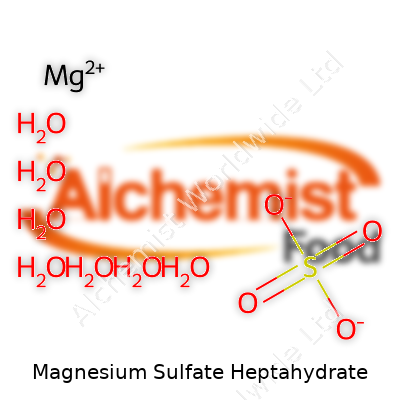
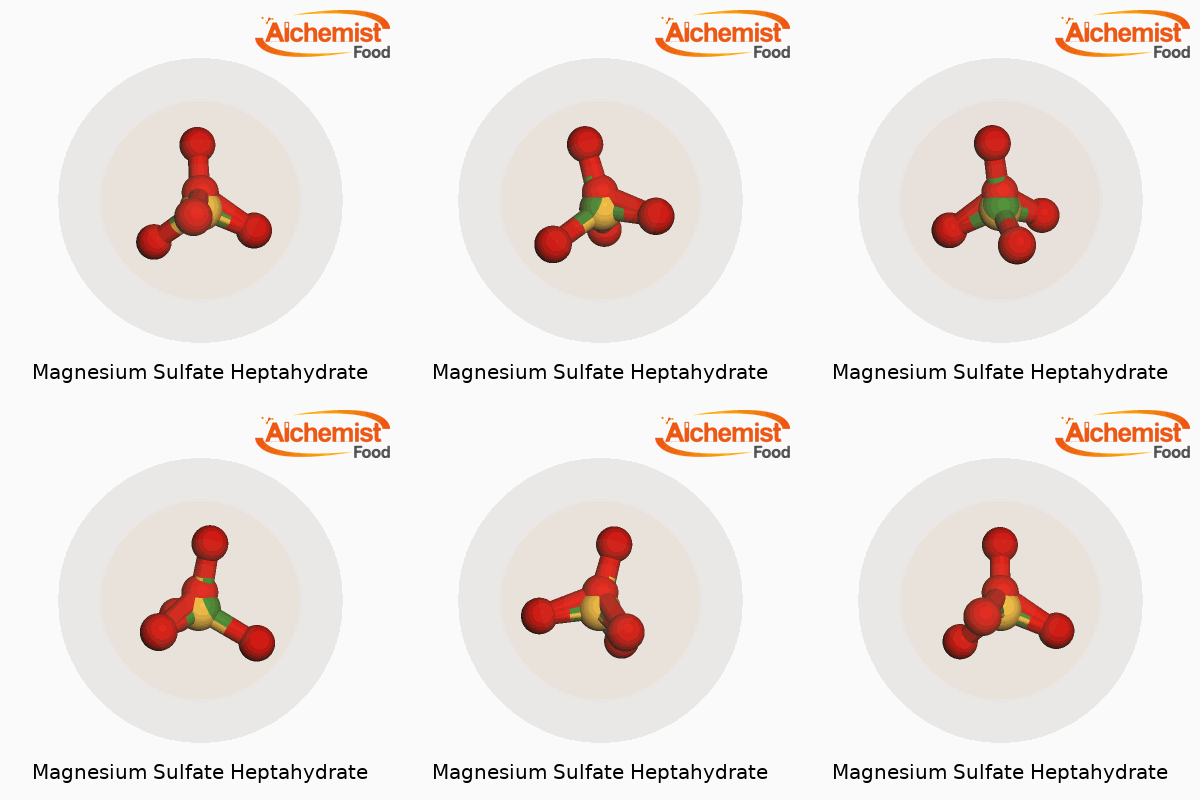
| Names | |
| Preferred IUPAC name | magnesium sulfate heptahydrate |
| Other names |
Epsom salt Magnesium sulphate heptahydrate Sulfuric acid magnesium salt (1:1), heptahydrate MgSO4·7H2O |
| Pronunciation | /mæɡˈniːziəm ˈsʌl.feɪt ˌhɛp.təˈhaɪ.dreɪt/ |
| Preferred IUPAC name | magnesium sulfate heptahydrate |
| Other names |
Epsom salt Magnesium sulphate heptahydrate Epsomite Magnesium Sulphate, 7-Hydrate Bittersalz |
| Pronunciation | /maɡˈniːziəm ˈsʌlfeɪt ˌhɛptəˈhaɪdreɪt/ |
| Identifiers | |
| CAS Number | 10034-99-8 |
| Beilstein Reference | 607726 |
| ChEBI | CHEBI:31795 |
| ChEMBL | CHEMBL1201191 |
| ChemSpider | 21514 |
| DrugBank | DB09280 |
| ECHA InfoCard | 03b054d9-4183-416a-849c-1a23a3626fae |
| EC Number | 231-298-2 |
| Gmelin Reference | 68844 |
| KEGG | C00284 |
| MeSH | D017783 |
| PubChem CID | 24845 |
| RTECS number | OM4508000 |
| UNII | EPY1131AMO |
| UN number | UN3077 |
| CAS Number | 10034-99-8 |
| Beilstein Reference | 803912 |
| ChEBI | CHEBI:31795 |
| ChEMBL | CHEMBL1201561 |
| ChemSpider | 8825 |
| DrugBank | DB00653 |
| ECHA InfoCard | 03f8edfa-8290-4d41-a813-bd7e5225d95c |
| EC Number | 231-298-2 |
| Gmelin Reference | 76667 |
| KEGG | C14199 |
| MeSH | D017749 |
| PubChem CID | 24851 |
| RTECS number | OM4508000 |
| UNII | GX32C30D9Z |
| UN number | UN3077 |
| CompTox Dashboard (EPA) | DTXSID5032223 |
| Properties | |
| Chemical formula | MgSO4·7H2O |
| Molar mass | 246.47 g/mol |
| Appearance | White crystalline powder |
| Odor | Odorless |
| Density | 1.68 g/cm³ |
| Solubility in water | Very soluble in water |
| log P | -3.7 |
| Acidity (pKa) | 6.4 |
| Basicity (pKb) | pKb: 3.7 |
| Magnetic susceptibility (χ) | −66.5·10⁻⁶ cm³/mol |
| Refractive index (nD) | 1.433 |
| Viscosity | Viscous |
| Dipole moment | 0 D |
| Chemical formula | MgSO4·7H2O |
| Molar mass | 246.47 g/mol |
| Appearance | White or colorless crystalline solid |
| Odor | Odorless |
| Density | 1.68 g/cm³ |
| Solubility in water | Very soluble |
| log P | -3.7 |
| Basicity (pKb) | 6.63 |
| Magnetic susceptibility (χ) | -64.5·10⁻⁶ cm³/mol |
| Refractive index (nD) | 1.433 |
| Viscosity | Viscosity: 1.215 mPa·s (at 20 °C, 10% solution) |
| Dipole moment | 0 D |
| Thermochemistry | |
| Std molar entropy (S⦵298) | 322.7 J·mol⁻¹·K⁻¹ |
| Std enthalpy of formation (ΔfH⦵298) | -2161.1 kJ/mol |
| Std molar entropy (S⦵298) | 322.1 J·mol⁻¹·K⁻¹ |
| Std enthalpy of formation (ΔfH⦵298) | -1675.7 kJ/mol |
| Std enthalpy of combustion (ΔcH⦵298) | -2850 kJ/mol |
| Pharmacology | |
| ATC code | A12CC02 |
| ATC code | A12CC02 |
| Hazards | |
| Main hazards | May cause eye, skin, and respiratory tract irritation. |
| GHS labelling | GHS labelling for Magnesium Sulfate Heptahydrate: "Not classified as a hazardous substance or mixture according to the Globally Harmonized System (GHS). |
| Pictograms | GHS07 |
| Hazard statements | Hazard statements: Not a hazardous substance or mixture according to Regulation (EC) No. 1272/2008. |
| Precautionary statements | Wash thoroughly after handling. If in eyes: Rinse cautiously with water for several minutes. Remove contact lenses, if present and easy to do. Continue rinsing. If eye irritation persists: Get medical advice/attention. |
| NFPA 704 (fire diamond) | 1-0-1 |
| Lethal dose or concentration | LD50 Oral Rat 8,060 mg/kg |
| LD50 (median dose) | LD50 (median dose): Oral-rat LD50: 8,060 mg/kg |
| NIOSH | EW2150000 |
| REL (Recommended) | REL (Recommended): 10 mg/m³ |
| IDLH (Immediate danger) | Non IDLH |
| Main hazards | May cause eye, skin, and respiratory irritation. |
| GHS labelling | GHS labelling: "Not a hazardous substance or mixture according to the Globally Harmonized System (GHS) |
| Pictograms | GHS07 |
| Signal word | Warning |
| Hazard statements | Not a hazardous substance or mixture. |
| Precautionary statements | Keep container tightly closed. Store in a cool, dry place. Avoid contact with eyes, skin, and clothing. Wash thoroughly after handling. Use with adequate ventilation. |
| NFPA 704 (fire diamond) | 1-0-1 |
| Lethal dose or concentration | LD50 (oral, rat): 8,060 mg/kg |
| LD50 (median dose) | LD50: 5,100 mg/kg (rat, oral) |
| NIOSH | EW2150000 |
| PEL (Permissible) | PEL: Not established |
| REL (Recommended) | 0.5 mg/m³ (as Mg) |
| IDLH (Immediate danger) | Not listed. |
| Related compounds | |
| Related compounds |
Magnesium sulfate Magnesium sulfate monohydrate Epsom salt Magnesium chloride Magnesium hydroxide Magnesium oxide |
| Related compounds |
Magnesium sulfate monohydrate Magnesium sulfate anhydrous Epsom salt Magnesium chloride Magnesium nitrate Sodium sulfate Potassium sulfate |



