Magnesium Sulfate: A Deep Dive into Substance and Significance
Historical Development
Magnesium sulfate’s presence in human lives reaches back centuries. Folks first discovered the compound in the English town of Epsom, scraping the bitter-tasting salt from well water in the 17th century. Word spread that the substance could soothe sore muscles and settle digestive troubles. This led to the name “Epsom salt,” a label still printed on bags in pharmacies everywhere. Not just for soaks and remedies, the discovery marked a turning point for early chemistry, fueling curiosity about minerals, salts, and new medicines. As time rolled on, magnesium sulfate found a solid place not only in medicine cabinets but also in agriculture and industry. You could call Epsom the birthplace of accessible chemical relief—one of those small, local discoveries that ripple out into every corner of daily life, leaving traces in hospital routines, fertilizer bags, and the way people grow roses in their gardens.
Product Overview
Magnesium sulfate falls into a special group among chemical substances—both versatile and approachable. At first, you spot it in the familiar white crystal form sold as “Epsom salt” for home use, but the story gets much bigger in commercial supply chains. Bulk grades serve as nutrients for crops. Refined grades hit the mark for pharmaceutical specifications. Food-grade batches show up in breweries and bakeries. Whether in a home tub or an industrial tank, this chemical helps muscle recovery, acts as a drying agent for hands-on chemistry, or delivers magnesium to a field hungry for better yields. Producers pack the compound into sealed bags, jars, or drums, depending on purity. Since the need for magnesium sulfate can come from many directions, suppliers provide certificates confirming grade, purity, and safety so users know exactly what lands in each mix.
Physical & Chemical Properties
As a solid, magnesium sulfate tends to show up as colorless, needle-like crystals or granular white powder. The compound gives a salty-bitter taste—something gardeners and medical professionals both recognize on the tongue during certain preparations. Hydration matters a lot with this salt; the heptahydrate form (MgSO4·7H2O) is most well-known, dissolving quickly in water yet less so in alcohol. Heating drives out some or all of the water, shifting it down to lower hydrates or to anhydrous powder for specialty uses. One thing remains sure: magnesium sulfate won’t combust, and it holds steady under routine temperatures. In chemical terms, it brings one magnesium and one sulfur atom tied to oxygen, and in labs, it reacts in reliable ways, behaving as an ionic salt. All this predictability helps ensure it delivers the expected effects—both in scientific procedures and in everyday tasks.
Technical Specifications & Labeling
Manufacturers follow strict rules to define grades and purity. Pharmaceutical and injection-grade batches get scrutinized for heavy metals, contaminants, and microbial content. Food-grade material needs approval for additions to edibles, so plant and packaging lines operate with extra gear to keep out dirt and moisture. Labels tell the whole story: type of hydrate, bulk and trace elements level, country of origin, expiration, and any certification for quality systems. Safety icons and instructions line the outer packaging, meant for both industrial safety managers and home DIYers to understand. Shipments include transparency about batch numbers, test results, and supplier chain info. Most regions require compliance with international standards like USP, EP, or FCC depending on end use, so companies keep documents ready for regulators and large buyers.
Preparation Method
Magnesium sulfate production starts with nature’s gifts—deposits of magnesium-rich minerals like kieserite or by mixing magnesite and sulfuric acid. In one well-known method, miners extract kieserite ore, react it with sulfuric acid, and purify the result by filtering out insolubles and evaporating the liquor to get crystals. Synthetic production offers a careful approach for cleaner batches. After crystallization, drying and size grading follow. For anhydrous powder, heating takes out all trace water, ready for special lab or industrial jobs. Large-scale operations protect every step, since contamination or error can ruin an entire batch when the market demands consistency. Waste streams leave the plant after treatment, and environmental checks keep the process in line with local rules. In the end, the right method depends on the grade—rough for agriculture, pharmaceutical purity for treatments, extra drying for drying agents.
Chemical Reactions & Modifications
Despite that reputation for stability, magnesium sulfate gets involved in several key chemical reactions, depending mostly on who’s using it. In the laboratory, chemists count on it as a reliable drying agent, soaking up water from organic solutions in the purification stages. Heat drives off the absorbed water so the salt can be reused. In agriculture, the compound works as a soil amendment without significant breakdown, but when it meets calcium compounds, it may form insoluble gypsum. Chemists seeking more complex creations sometimes swap magnesium or sulfate for other ions in well-controlled settings, but these shifts rarely happen on a field or factory floor. For food additives, the hydrate and particle size may get engineered for faster dissolving or to avoid clumping, with nothing changed on the core chemical make-up. Such modifications rely on equipment adjustments, drying temperatures, or milling choices rather than trying to rewrite the core formula.
Synonyms & Product Names
Retail labels and industry catalogues use a full roster of alternative names. “Epsom salt” rings a bell for most shoppers. Medical staff use “magnesium sulfate injection” or “Mag Sulf” in records and prescription pads. International chemical vendors sell it as “Sal bitter,” “English salts,” or slip in trade names to set their products apart. On shipping manifests, you’ll often see abbreviations like “MgSO4·7H2O” for the heptahydrate version, “anhydrous magnesium sulfate” for the water-free type, and “bath salt” as code for the self-care crowd. Different names spring up around specialized uses—but underneath, the chemical formula ties all the versions together.
Safety & Operational Standards
Anyone working with magnesium sulfate follows rules set by workplace safety agencies. Bags and bottles carry hazard ratings, though the substance scores low on toxicity for most handling, needing only basic gloves and dust masks in bulk settings. In medical and food scenarios, regulations step up, demanding traceability, clean rooms, and batch sampling. Plants handling thousands of tons each year keep up logs to track spills or accidental releases, and discharge rules line up with local and international environmental law. Because it stands as a low-risk salt, it doesn’t carry explosive or fire hazards, but as with most chemical solids, fine dust may irritate lungs or skin if basic protection lapses. Training guides for staff talk about emergency cleanup, proper storage—dry spaces, sealed containers—and secure labeling for everyone from warehouse workers to truck drivers.
Application Area
Magnesium sulfate crosses boundaries between home, hospital, field, and factory. The most well-known area remains medicine: doctors order intravenous injections to treat eclampsia in mothers, or to steady irregular heart rhythms when nothing else does the trick. Athletes and weekend warriors soak in hot Epsom salt baths, seeking relief for overworked muscles, even if the science on absorption hasn’t settled fully. In agriculture, the compound fills soil gaps for magnesium-deficient crops, picking up productivity in citrus orchards, potato patches, or roses grown for prized blooms. On the food production line, producers use it as a brewing salt, yeast activator, or coagulant in tofu. Factories turn to magnesium sulfate as a catalyst support in chemical syntheses or as a secondary drying agent in analysis labs. Municipal operations dose it in wastewater treatment setups, keeping water hardness and pH in check. Textile and paper operations add the salt to baths for finish work. The sheer spread across professions shows why suppliers see steady demand, and why researchers keep exploring new markets and approaches.
Research & Development
Over the last decade, research teams from universities and pharmaceutical giants have probed magnesium sulfate’s role in emergency medicine and chronic care. Studies test its impact in pre-eclampsia, asthma attacks, rapid-onset seizures, and post-heart attack care. The compound’s basic safety has encouraged deeper experiments into slow-release oral formulations, tailored dosing for children, and even possible use in some psychiatric scenarios. Agronomists investigate slow-release fertilizers or microgranules designed to cut leaching and improve environmental impact. On the industrial front, research focuses on lowering production waste and maximizing recovery from ore, serving both bottom lines and the push toward greener manufacturing. Food scientists test new blending techniques for smoother mixing and better shelf stability.
Toxicity Research
For a substance so widely relied on, deep dives into how magnesium sulfate impacts living bodies never stop. In medicine, overdoses can bring about low calcium, neurological symptoms, or heart rhythm problems if infusion protocols aren’t followed closely. Researchers have mapped acute and chronic toxicity limits, leading to dose controls in hospitals and buffered instructions for caregivers. In the garden or farm, excess use sometimes leads to leaf burn or downstream magnesium runoff, though the risks pale next to more hazardous fertilizers or heavy metals. Animal studies support regulatory safety thresholds, giving reassurance that, within established limits, the salt poses little chronic risk. Even so, toxicologists keep eyes open for special cases—infant exposures, cumulative impacts in closed water systems, or long-term occupational handling—to ensure guidelines remain grounded in reality and evidence.
Future Prospects
Magnesium sulfate stands at a crossroads where old uses meet fresh expectations. Shifts in global agriculture, with push toward controlled-release fertilizers, bring the compound into notice as researchers shape it for maximum yield with minimum runoff. Medical device innovators eye new delivery systems—metered pumps, implantable reservoirs—that keep therapeutic doses steady without overloading the body. Environmental policy changes may offer new chances for magnesium sulfate in treating municipal water, balancing soil pH, or even as a component in safer deicing solutions for roads. Several teams now explore how the base chemistry could blend into battery electrolytes or serve as a feedstock for synthetic materials in advanced manufacturing. The thread here isn’t just about making more magnesium sulfate. It’s about learning to pull higher value out of a familiar substance—turning centuries of folk wisdom into evidence-based products fit for the future. The deeper the research goes, the more room people find for using this compound thoughtfully, safely, and with a close eye on benefits to health, productivity, and the environment.
What are the main uses of Magnesium Sulfate?
Relieving Aches and Cramps: A Trusty Tool for Everyday Life
Magnesium sulfate—most folks know it as Epsom salt—has earned a spot in medicine cabinets, bathroom shelves, and garden sheds. After long hours on my feet or working out, nothing beats soaking tired calves in warm water mixed with this mineral. Science supports the tradition. The magnesium helps reduce swelling and relieves muscle aches. Hospitals rely on it for more than spa soaks. In emergency rooms, doctors turn to intravenous magnesium sulfate to prevent seizures in women with preeclampsia. This use actually saves lives—one study published in The Lancet found it cut the risk of eclampsia in half for expectant mothers.
Medical Care—Well Beyond Home Remedies
My aunt lives with asthma, and whenever her breathing acts up, medical staff sometimes use injectable magnesium sulfate to widen her airways when regular medication falls short. For parents of preterm babies, it can help protect the baby's brain if given before an early birth. These are big responsibilities for what looks like plain white crystals.
Supporting Plant Growth in the Garden and on the Farm
Growing up, my dad swore by Epsom salt for his tomato plants. This mineral supports strong growth by providing magnesium, which plants use to build chlorophyll and carry out photosynthesis. Research out of Clemson University backs up his green thumb. Gardeners sprinkle it directly on the soil, dissolve it in water, or blend it into fertilizer mixes, especially in soils that don't have enough natural magnesium. Without it, you get yellow leaves and poor fruit.
Helping in the Bathroom and Laundry Room
Many folks still use it as a laxative. When taken in small doses with water, magnesium sulfate draws water into the intestines and gets things moving. Doctors sometimes recommend it before certain medical procedures or to relieve constipation. But it pays to follow directions since too much causes unpleasant side effects. In laundry rooms, Epsom salt can help remove detergent residue from clothes, giving fabrics a fresher look.
Role in Industry: From Paper to Construction
Factories use magnesium sulfate for different jobs. Paper makers rely on it as a binding agent, helping paper hold inks more evenly. Textile producers find it handy for dyeing fibers. Construction crews mix it with cement for certain types of plasters and floor materials. Each use takes advantage of the compound’s strength and consistency, tested over decades of trial and error.
Safe Use and Weighing the Benefits
Like any tool with many uses, magnesium sulfate works best with respect and care. For home soaks or gardening, it offers simple answers, but in the hospital or on the farm, staff use training and facts to guide every dose. My own experience shows that this simple mineral can make tough days easier and help people recover, but it pays to trust science and not just old wives’ tales. Reliable results come from using the right amount, for the right job, at the right time.
What are the possible side effects of Magnesium Sulfate?
Magnesium Sulfate and Its Uses
Magnesium sulfate gets used in hospitals every day. You see it dripping into IV lines for women trying to prevent seizures from preeclampsia. Paramedics reach for it if someone’s having serious asthma attacks. Sometimes, it helps athletes recover their sore muscles as a soak or an oral supplement. As someone who’s sat in the ER watching family hooked up to this salty mineral, I’ve seen it steady hands and quiet brains. That doesn’t mean it comes without risks.
Common Side Effects Could Sneak Up
A little too much magnesium sulfate tends to show itself quickly. Flushed skin, muscle weakness, and a drop in blood pressure stand out first. You might feel your heart beating slower, even a bit irregular. If you’ve ever felt kind of out of it after a medication, groggy with blurred vision or mild confusion, magnesium sulfate can do that, too. Nurses keep a close eye because reflexes can fade—first a lag, then a lack altogether in severe cases. You start to see why hospital staff check reflexes in patients on these infusions.
Digestive trouble isn’t uncommon, either. Oral magnesium sulfate famously brings on diarrhea, sometimes pretty severe, which used to send folks running to the bathroom after a “magnesium cleanse.” Some people, especially kids and elderly, can get dehydrated fast in these cases. Nausea can hit hard, which messes with appetite and the urge to take any more medicine at all.
Watching for Dangerous Reactions Matters
Risks ramp up fast when kidneys aren’t doing their job. The kidneys filter out extra magnesium, so if they’re sick or slowed down, excess magnesium builds in the bloodstream. Too much can lead to loss of muscle control, slow breathing, and, in the worst cases, total paralysis or heart rhythm changes that end up dangerous. I remember a doctor once double-checking kidney labs before starting a friend on magnesium—it makes sense now.
Allergic reactions come up rarely but cause real trouble when they appear. Hives, swelling, shortness of breath signal a need to stop and get care right away. This isn’t common, but if it runs in your family, keep it in the back of your mind.
Sensible Approaches to Safe Use
Anyone who’s received magnesium sulfate usually has their heart rate, blood pressure, and breathing checked over and over. Doctors often call for blood tests to measure magnesium, and nurses look for those telltale signs that the dose is too high. Dosing gets adjusted for people with kidney issues or for the elderly. It’s one of those medicines that seems simple but needs real attention from the care team.
At home, most folks don’t run into trouble unless they’re taking high doses for constipation or using supplements way beyond the label. If you have kidney or heart problems, checking with your doctor before starting any magnesium product at home helps avoid serious problems. Labels don’t always tell the full story. I’ve seen older friends grab whatever’s on the pharmacy shelf, thinking all supplements are harmless. That’s simply not true for magnesium sulfate.
Staying Informed Makes a Difference
I trust my doctors and pharmacists because they keep up with side effect profiles and watch for warning signs. If you ever have questions or new symptoms after taking magnesium sulfate, flag it quickly to someone with experience. Your comfort and safety depend on more than just a bottle and a label—they depend on eyes, ears, and good common sense from all of us.
How is Magnesium Sulfate administered or taken?
Beyond the Bottle: The Many Faces of Magnesium Sulfate
Magnesium sulfate fills a pretty big role in health care. This stuff comes either as those familiar Epsom salt crystals—tucked away in bathroom cabinets—or as a liquid given by a nurse straight into the bloodstream. A patient in the hospital doesn’t sit back and sip a cup of it when things get hard. There, magnesium sulfate lands in a drip bag or syringe, and the nurse checks your pulse and breathing while it works through your veins. The word “critical” doesn’t get tossed around lightly—magnesium sulfate becomes a real lifesaver for moms at risk of preeclampsia or someone with a migraine so bad the pain won’t break.
Why Give It as a Shot or a Drip?
Most doctors swear by the intravenous (IV) or intramuscular (IM) route when the stakes feel high. It’s the quickest way. My cousin once had an asthma attack that wouldn’t walk away, and the ER team reached for magnesium sulfate, hoping to open his lungs faster than pills or powders ever could. Hospitals stick with IV bags for patients with seizures or dangerous heart rhythms too. There isn’t much time to play around when the body is this stressed.
IV drips don’t just go in wild and free, either. The nurse reads the monitor, measures heart rate, and talks to the patient about tingling fingers or warmth along the arm. My aunt, a nurse, always said that magnesium sulfate feels a bit like being hugged from the inside out. Too much—well, things get risky, and so they draw lab work to watch magnesium levels like a hawk.
The Home Side: Epsom Salts in the Real World
Step away from the hospital, and magnesium sulfate has a gentler side. People still soak sore feet or muscles in Epsom salt. Some wellness types drink it as a laxative—though it doesn’t slide down easy, and anyone thinking about this kind of “cleanse” should clear it with a doctor. Epsom salt doesn’t solve every problem, but for muscle aches or mild constipation, the relief can feel real. Family stories pass down the ritual: grandma’s basin, a splash of warm water, and a thick pour of purple-and-white crystals that fizzle at your toes.
Watch for Trouble: Side Effects Aren’t Just in the Fine Print
No drug comes without a catch. Too much magnesium can trip up the heart or shut down reflexes. Doctors watch for slow breathing or sweat-damp skin. I’ve seen people get sleepy, flushed, or even confused if their kidneys can’t clear it out. The FDA warns folks not to use Epsom salt for more than a week—always a sign to back off and get checked. Pregnant women on magnesium sulfate for preeclampsia stay connected to monitors and frequent blood draws for a reason.
What’s Next: Keeping Treatments Safe and Helpful
Magnesium sulfate isn’t just some old-time remedy. The science backing its use in emergencies runs deep. The trick? Make sure the dose matches the person and the problem. Hospitals do this well because they can watch patients every minute. At home, the risk comes from going it alone—mistaking a mild ache for something more serious, or thinking natural salts can’t do harm. If symptoms start getting stranger instead of better, reaching out to a professional saves a lot of regret. Health works better with good help and good information.
Are there any precautions or contraindications for using Magnesium Sulfate?
Understanding Magnesium Sulfate
Magnesium sulfate makes regular appearances in emergency rooms and maternity wards. Doctors give it to treat preeclampsia in pregnant women, manage low magnesium, and sometimes help with severe asthma attacks. It pops up in sports creams, too, as Epsom salts. But every medicine has its risks. Sometimes, the same properties that make magnesium sulfate helpful can also lead to trouble if it’s not given properly or if someone’s body can’t handle the extra magnesium.
Who Should Rethink Magnesium Sulfate
Not everyone can take magnesium sulfate without a second thought. People with serious kidney problems fall in this group. The kidneys filter out extra magnesium. If they can’t keep up, magnesium builds up in the blood, which can actually shut down muscles or mess with the heart’s rhythm. For someone with kidney issues, adding more magnesium isn’t a good idea.
Heart block or problems with slow heartbeats show another reason to rethink magnesium sulfate. Magnesium relaxes muscles, and that includes the heart. If a person already has heart rhythm issues, a dose of magnesium sulfate might make those rhythms go completely haywire. Before giving magnesium, doctors check the heart—this is not just protocol, it can save a life.
Drug Interactions Matter
It goes beyond kidney or heart challenges. People who take certain drugs need to talk to their doctor or pharmacist before considering magnesium sulfate. For example, medications like digoxin for heart failure, or calcium channel blockers, can make a dangerous combination when mixed with extra magnesium. Even some diuretics or antibiotics change how the body handles magnesium. Mixing these without double-checking can land people in the hospital.
Pregnancy, Breastfeeding, and Kids
Magnesium sulfate offers real benefits in pregnancy when used for preeclampsia or to delay labor, but too much for too long can harm both mother and baby. Babies born to mothers who got high-dose or long-term magnesium can face bone problems or breathing weakness. For breastfeeding mothers, only a small amount passes into milk, but it's always good to mention any recent treatments to the pediatrician.
Children need different dosing, and the margin for error is slim. Too much magnesium can send blood levels soaring, which does real damage fast. Hospitals dose carefully and keep kids under watch, because mistakes with dosing lead to big problems, not minor ones.
Warning Signs: Knowing When to Act
Anyone getting magnesium sulfate should know the signs of too much magnesium. Slowed breathing, low blood pressure, flushing, heavy muscle weakness, and confusion are not symptoms to brush off. Getting help right away can make all the difference. People often overlook mild warnings until things get worse. It’s always smart to speak up if anything feels off during or after this treatment.
Smarter Use in Real Healthcare
Doctors and nurses do plenty of checks before giving magnesium sulfate for a reason. Testing kidney function, checking for medication interactions, and watching vital signs help avoid problems. Blood tests to track magnesium levels help catch trouble early. It comes down to knowing the person in the hospital bed—not just the drug in the IV bag.
Anyone considering magnesium sulfate outside a hospital—like with Epsom salt baths for muscle pain—can usually do so safely, but swallowing magnesium sulfate or using supplements without medical advice risks unexpected trouble. Easy fixes turn complicated when safety steps get skipped.
Can Magnesium Sulfate interact with other medications?
Why Magnesium Sulfate Gets Attention
Magnesium sulfate pops up in medicine for all kinds of reasons. You’ll see it used in hospitals to slow preterm labor, manage certain heart issues, calm severe asthma attacks, or for eclampsia in pregnancy. Some people even pick it up as “Epsom salt” for soaking. What seems simple at first—the classic white crystals—brings real complexity once it interacts with other drugs. It's easy to forget that something as basic as magnesium sulfate can end up tangled in many other drug routines. Overlooking these interactions can cause problems bigger than a missed deadline.
Why Drug Interactions Matter
Magnesium plays a big role in the electrical activity of cells, muscle function, and even how nerves work. Toss extra magnesium into someone’s system, and you can’t always predict the outcome, especially with other medicines in the mix. People counting on heart medications, muscle relaxants, antibiotics, or bone pills might see unexpected side effects or lost effectiveness.
The Common Culprits: Which Medications Raise Red Flags?
Antibiotics stand out first. Certain drugs—tetracyclines and fluoroquinolones—just don’t get along with magnesium. The body can't absorb those antibiotics as well when magnesium is present. That means an infection might stick around longer than anyone wants. Mix magnesium sulfate with blood pressure medication (like calcium channel blockers), and it might slow the heart down too far, drop blood pressure, or make muscle weakness worse. Anybody who’s taken diuretics or water pills already knows about the electrolyte ups and downs; adding magnesium can throw off potassium and sodium, raising new risks for irregular heartbeats.
Some older folks trust digitalis for their hearts. A swing in blood electrolytes from magnesium can increase digitalis toxicity. Even common osteoporosis medicines—called bisphosphonates—don't get absorbed right if someone takes magnesium sulfate at the same time.
Stories from the Real World
Working in a hospital, I've watched patients scheduled for routine surgeries suddenly struggle because combining magnesium with certain anesthetics led to slowed breathing or dropped their blood pressure too far. I’ve watched people frustrated by antibiotics not working, only to find out they’d taken magnesium supplements on the side. Nurses and doctors always seem stretched thin, and patients often forget to mention what they picked up at the drugstore. Nobody likes surprises during a hospital stay, especially if a problem could’ve been avoided by flagging a simple over-the-counter medicine.
Ways to Lower the Risk
Pharmacists can play a bigger part than just filling pill bottles. A quick look at someone’s medication list and a straightforward conversation can stop problems before they begin. Patients should always keep a current list of what they take—prescribed, over-the-counter, or “natural.” Doctors do best when they ask about everything, even what might seem minor. Hospitals with electronic records could make interaction warnings stronger and easier for staff to see. Spacing out magnesium and certain other medicines by a few hours can also sidestep conflict; it’s not only about what you take, but when you take it.
Respect the Routine, Ask Questions
It’s not about banning magnesium sulfate or making people afraid of medicine. It's about knowing these minerals earn their place as much as any prescription drug. The real solution comes from everyone—patients, pharmacists, doctors—staying aware. Every interaction should matter as much in the home as in the hospital. That’s how you keep magnesium working for your health instead of against it.
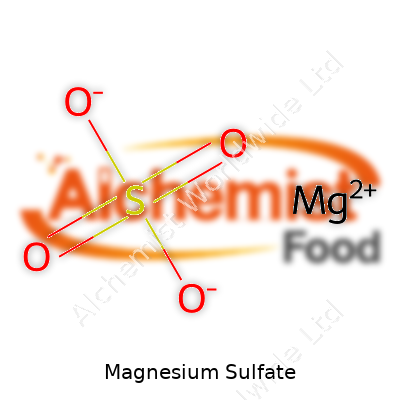
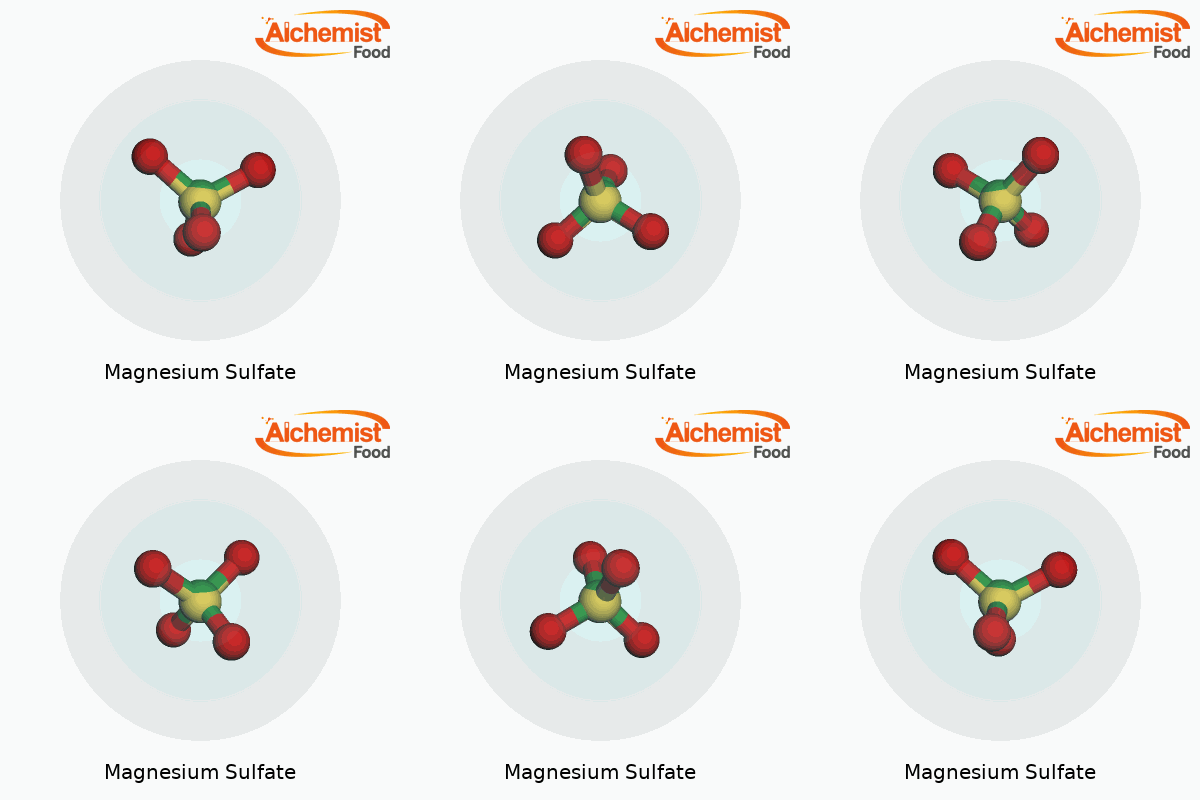
| Names | |
| Preferred IUPAC name | Magnesium sulfate |
| Other names |
Epsom salt Magnesium sulphate Magnesium(II) sulfate Sulfuric acid magnesium salt |
| Pronunciation | /maɡˈniːziəm ˈsʌlfeɪt/ |
| Preferred IUPAC name | Magnesium sulfate |
| Other names |
Epsom Salt Sulfuric acid magnesium salt Magnesium sulphate MgSO4 |
| Pronunciation | /maɡˈniːziəm ˈsʌlfeɪt/ |
| Identifiers | |
| CAS Number | 7487-88-9 |
| Beilstein Reference | 0350082 |
| ChEBI | CHEBI:32599 |
| ChEMBL | CHEMBL1201187 |
| ChemSpider | 21404 |
| DrugBank | DB00653 |
| ECHA InfoCard | 17d30f08-1ea5-4e5a-b6d1-14b6d92cdf4a |
| EC Number | 231-298-2 |
| Gmelin Reference | Mg-S-O-3 |
| KEGG | C14830 |
| MeSH | D017362 |
| PubChem CID | 24083 |
| RTECS number | OM4508000 |
| UNII | 'MLT47T8ZG4' |
| UN number | UN3077 |
| CAS Number | 10034-99-8 |
| Beilstein Reference | 13260 |
| ChEBI | CHEBI:32599 |
| ChEMBL | CHEMBL1200880 |
| ChemSpider | 5759 |
| DrugBank | DB00653 |
| ECHA InfoCard | 100.028.274 |
| EC Number | 231-298-2 |
| Gmelin Reference | Gmelin Reference: 17784 |
| KEGG | C14830 |
| MeSH | D017980 |
| PubChem CID | 24083 |
| RTECS number | OM4508000 |
| UNII | MLT47T8ZG4 |
| UN number | UN3077 |
| Properties | |
| Chemical formula | MgSO4 |
| Molar mass | 120.366 g/mol |
| Appearance | White or colorless crystalline powder or granules |
| Odor | Odorless |
| Density | 2.66 g/cm3 |
| Solubility in water | 35.5 g/100 mL (20 °C) |
| log P | -2.1 |
| Vapor pressure | Negligible |
| Basicity (pKb) | 10.7 |
| Magnetic susceptibility (χ) | '-20.4×10⁻⁶ cm³/mol' |
| Refractive index (nD) | 1.433 |
| Dipole moment | 0 |
| Chemical formula | MgSO4 |
| Molar mass | 120.366 g/mol |
| Appearance | White crystalline powder |
| Odor | Odorless |
| Density | 2.66 g/cm³ |
| Solubility in water | 35 g/100 mL (20 °C) |
| log P | -1.6 |
| Vapor pressure | Negligible |
| Basicity (pKb) | 7.08 |
| Magnetic susceptibility (χ) | '-20.4×10⁻⁶ cgs' |
| Refractive index (nD) | 1.433 |
| Dipole moment | 0 |
| Thermochemistry | |
| Std molar entropy (S⦵298) | 120.5 J·mol⁻¹·K⁻¹ |
| Std enthalpy of formation (ΔfH⦵298) | -1277 kJ/mol |
| Std enthalpy of combustion (ΔcH⦵298) | -1277.0 kJ/mol |
| Std molar entropy (S⦵298) | 120.5 J·mol⁻¹·K⁻¹ |
| Std enthalpy of formation (ΔfH⦵298) | -1266.9 kJ/mol |
| Std enthalpy of combustion (ΔcH⦵298) | -1277.8 kJ/mol |
| Pharmacology | |
| ATC code | A12CC02 |
| ATC code | A12CC02 |
| Hazards | |
| Main hazards | Causes serious eye irritation. May cause respiratory irritation. |
| GHS labelling | GHS05, GHS07 |
| Pictograms | GHS07,GHS09 |
| Signal word | Warning |
| Hazard statements | Hazards not otherwise classified (HNOC) |
| Precautionary statements | Store in a dry place. Store in a closed container. |
| Lethal dose or concentration | LD50 oral rat 3060 mg/kg |
| LD50 (median dose) | LD50 (median dose): Oral (rat) 8,060 mg/kg |
| NIOSH | OM4550000 |
| PEL (Permissible) | 15 mg/m³ |
| REL (Recommended) | 250 mg/kg bw |
| IDLH (Immediate danger) | No IDLH established |
| Main hazards | Irritant to eyes, skin, and respiratory system. |
| GHS labelling | No GHS labelling is required. |
| Pictograms | GHS07,GHS09 |
| Signal word | Warning |
| Hazard statements | No hazard statements. |
| Precautionary statements | IF IN EYES: Rinse cautiously with water for several minutes. Remove contact lenses, if present and easy to do. Continue rinsing. If eye irritation persists: Get medical advice/attention. |
| NFPA 704 (fire diamond) | 1-0-1 |
| Lethal dose or concentration | LD50 oral rat 3060 mg/kg |
| LD50 (median dose) | LD50 (median dose): Oral-rat LD50: 6100 mg/kg |
| NIOSH | MGG |
| PEL (Permissible) | 15 mg/m³ |
| REL (Recommended) | 300 mg |
| Related compounds | |
| Related compounds |
Epsom salt Magnesium chloride Magnesium nitrate Magnesium carbonate Magnesium hydroxide Sodium sulfate Calcium sulfate |
| Related compounds |
Epsom salt Magnesium chloride Magnesium nitrate Magnesium carbonate Magnesium acetate |



