Magnesium Malate Dihydrate: Roles, Research, and Real-World Impact
Historical Roots of Magnesium Compounds
Magnesium compounds go back in human use for more than a century, but Malate combinations joined the nutrition world a few decades ago. Before scientists figured out the details of magnesium’s impact in health, workers turned to basic salts mined from the earth—Epsom, oxide, and carbonate. Later, as understanding of the Krebs cycle grew, researchers paired magnesium with malic acid, a key apple-derived molecule active in human metabolism. Magnesium Malate Dihydrate emerged as a thoughtful pharmaceutical product right around the 1980s, when supplement makers chased nutrients that did more than fill a daily value chart. Malate brought a new angle, addressing both cellular energy and the overall magnesium gap overlooked by some other mineral forms.
Overview and Industry Context
Magnesium Malate Dihydrate steps up as a stand-alone supplement, and plenty of companies put it in blends targeted at supporting muscle function and daytime energy. In my own sweep of supplement labels between 2015 and today, more brands started listing “malate” forms compared to magnesium citrate or oxide. Speaking with formulators, I’ve learned the selling point is often simple: it aims to support both magnesium and malic acid needs in one go. Malate’s higher absorption also means less waste and fewer of the digestive troubles linked with older forms. End users get a white to off-white, crystalline powder that handles well in tableting and capsules, which shows that manufacturers pay attention to ease of production and shelf life just as much as bioavailability.
Physical and Chemical Properties
Magnesium Malate Dihydrate typically appears as a crystalline powder, usually with a slight tartness if you happen to taste a pure sample. Its chemical structure features magnesium bound with two molecules of malic acid and two of water, showing up as Mg(C4H4O5)·2H2O. It offers a relatively good solubility in water compared to other magnesium salts, and this aids absorption. Its melting point remains well above standard room temperatures, so it stores well in regular packaging. You find little odor, and powders do not clump easily if kept dry. This straightforward profile makes it popular for production environments faced with broad temperature swings and humidity issues.
Technical Specs and How Products Get Labeled
Companies label Magnesium Malate Dihydrate supplements based on the elemental magnesium content, typically listing both the total weight and the magnesium fraction—this helps doctors and pharmacists do the math for patients’ daily intake. The typical spec sheets list assay ranges, purity percentage (usually above 99%), and limits for heavy metals, arsenic, and microbial content. Modern regulations force companies to declare not just the total magnesium, but to certify non-GMO, allergen status, and, increasingly, their supply chain’s environmental practices. Pharmacopeias in the US, Europe, and Japan have published monographs, so reputable companies refer to these standards in their documentation.
Preparation in the Lab and at Industrial Scale
To make Magnesium Malate Dihydrate, chemists start with a magnesium base—often magnesium oxide, carbonate, or hydroxide—which reacts with malic acid in purified water. Once the reaction reaches completion at a controlled pH, the resulting slurry is filtered. Careful evaporation leads to crystallization of the dihydrate. Technicians watch temperature and agitation to ensure consistent crystal size. Recrystallization and centrifugation remove any leftover acid and impurities. In smaller labs, this process happens in glass reactors and filtration setups, while in factories, stainless steel vessels and continuous-flow filtration step up throughput. At both scales, water quality and malic acid source influence the yield and the final appearance of the product.
Chemical Behavior and Modifications
Chemically, Magnesium Malate Dihydrate plays well with other water-soluble vitamins and minerals, and remains stable across a wide pH range. It can lose its water molecules when heated, changing into the anhydrous form, but it doesn’t break down into undesirable byproducts during normal storage. This is one reason so many supplement makers choose it for high-potency blends aimed at athletic recovery and chronic fatigue. Chemists sometimes modify the ratio of malic acid to magnesium to tailor products for various tablets, powders, or effervescent applications, but the backbone of malate plus magnesium stays the same.
Synonyms and Global Product Names
In literature and industry discussions, scientists refer to this compound as magnesium 2-hydroxybutanedioate dihydrate or magnesium apple acid dihydrate. European and Chinese regulatory documents sometimes use equivalents like malic acid magnesium salt dihydrate. Pharmacies and consumer supplement shops stick to shorter product names, like Magnesium Malate or Mag Malate, to avoid confusion. I’ve seen trade names from different suppliers, but the chemistry doesn’t change, just the branding.
Safety Measures and Operational Rules
Operators in supplement and ingredient production rely on standard personal protective equipment—gloves, dust masks, lab coats—to handle Magnesium Malate Dihydrate safely, especially in large quantities that release fine dust. Although most people tolerate the ingredient well, handling large volumes without proper ventilation might irritate the throat or nose. Food and pharma-grade batches need quad-checks for residual solvents, heavy metals, and microbial load. Regulators demand strict records on each production step. GMP standards demand a full HACCP plan, so every critical control point receives documented oversight, from raw material sourcing to bottling.
Applications Across Health and Industry
Magnesium Malate Dihydrate sees its main use in dietary supplements, as both standalone capsules and in combination blends for muscle health, fatigue, and recovery support. Dietitians tell me they favor this form for clients with fibromyalgia, since some research suggests a role for both magnesium supplementation and malate in alleviating muscle aches. Hospital and sports nutrition formulas often include magnesium malate in drinks, since it dissolves easily and doesn’t create a gritty texture. Some pharmaceutical products choose this molecule for controlled-release magnesium applications. Food fortification and animal feed industries also experiment with malate salts to boost mineral profiles with lower risk of adverse taste.
Research Trends and Lab Focus
Academic and industry labs continue to run trials on Magnesium Malate Dihydrate’s effectiveness in chronic fatigue and muscle recovery. Research published between 2018 and 2023 highlighted how this form raises blood magnesium levels more reliably than magnesium oxide and appears less likely to cause loose stools than citrate or sulfate. Scientists track not just the elemental magnesium status, but use isotope labeling and advanced imaging to follow the malate’s metabolic journey in different tissues. Data from university and clinical collaborations, like those at Mayo Clinic and in German pain research centers, point toward a nuanced role in ATP synthesis and oxidative stress. Funders increasingly focus on how magnesium malate might ease symptoms in sensitive groups, such as patients with metabolic disorders, athletes recovering from injury, or older adults with declining muscle mass.
Toxicity and Safety Research
Toxicologists study both acute and chronic exposure to Magnesium Malate Dihydrate. At nutritional doses, evidence supports its safety, with no buildup in the kidney or liver and rapid excretion of excess in urine. Rats fed extremely high levels for weeks showed mild gastrointestinal irritation, but not organ toxicity. Case studies show rare allergic reactions in individuals with sensitivity to malic acid, though these remain exceptional rather than common. Regulatory agencies in the US, Canada, and the EU classify magnesium malate as generally recognized as safe (GRAS), once proper quality controls are verified. Still, ongoing post-market surveillance and batch testing catch rare contamination cases, keeping consumer safety at the forefront.
Looking to What Comes Next
Innovation teams in supplement and pharmaceutical firms push to improve both the cost-efficiency and absorption of Magnesium Malate Dihydrate. Future research likely targets personalized nutrition—using genetic and metabolic data to tailor magnesium and malate delivery for medical management and preventive health. Startups and established companies alike seek cleaner, more sustainable malic acid sources, especially from renewable fermentation instead of petrochemicals. Scientists want to see head-to-head trials between magnesium malate and newer organic magnesium forms to tighten the evidence for specific clinical uses. While some consumer trends shift faster than the science, the base of Magnesium Malate Dihydrate research grows every year, setting up more potent blends and weighing in new combination therapies for energy, muscle function, and chronic pain management.
What are the health benefits of Magnesium Malate Dihydrate?
Why Bother with Magnesium Malate Dihydrate?
Magnesium steps into a lot of shoes in the body. The combo of magnesium with malic acid, known as magnesium malate dihydrate, gets a closer look since both play important roles. Magnesium assists more than 300 enzymes in different tasks, from making energy to relaxing your muscles. Malic acid, found in apples and other foods, plays into the body’s cycle for producing fuel. Put those together, and you’ve got something that goes beyond the standard supplement.
Muscle Health and Energy Levels
Let’s start with what most people notice. Muscles feel heavy after long days or big workouts. Cramps, twitching, and unexplained fatigue sometimes point right at low magnesium. Taking magnesium malate may take the edge off these issues because the mineral supports muscle contraction and relaxation. A 2018 review in the journal Nutrients highlighted how magnesium intake through diet or supplements eased cramps, especially among athletes and older adults. I’ve noticed less post-run soreness myself since adding magnesium-rich foods, and the dihydrate form seems gentle on my stomach.
Focus, Mood, and Brain Support
Magnesium shows up in almost every discussion about mental sharpness and mood. There’s a fair bit of research connecting lower levels of magnesium in the blood to an uptick in headaches, brain fog, and feelings of stress. Malic acid, the other half of the duo, supports the mitochondria—those little engines in our cells—generating the energy our brains burn through daily. Journal articles often mention people with low energy and “fibro fog” experiencing positive shifts when they started taking magnesium malate. I find this makes sense, since both magnesium and malate feed into natural processes that keep our minds clear.
Relief for Fibromyalgia and Chronic Pain
A lot of people living with fibromyalgia chase after treatments to manage muscle tenderness and exhaustion. Clinical studies point to magnesium malate helping some folks ease these stubborn symptoms. Though research is early and often includes small groups, users in several trials reported milder pain and better quality of life. That’s a big deal, especially if other treatments haven’t worked out.
Digestive Tolerance and Absorption
Plenty of magnesium supplements on pharmacy shelves either lead to upset stomachs or just pass right through. Magnesium oxide, for example, isn’t well absorbed and often causes loose stools—something I can personally vouch for after a few questionable choices. Magnesium malate dihydrate stands out because the malate helps the mineral dissolve better, so it’s often absorbed more effectively with fewer digestive side effects. I’ve talked with people who usually react poorly to standard magnesium but handle this one with no trouble.
Heart and Blood Sugar Balance
Cardiovascular health can shift for the worse if magnesium dips too low. Arrhythmias, blood pressure swings, and fatigue commonly show up in people not getting enough. Studies from the American Heart Association and others reveal how consistent magnesium intake can support normal rhythm and stable blood pressure. Magnesium malate also helps with the way the body handles sugar, dialing down insulin resistance over time. More steady energy and a calm heartbeat make daily life smoother, whether managing existing health conditions or simply staying well.
The Bottom Line on Choosing Magnesium Malate Dihydrate
Most diets don’t deliver enough magnesium. Stress, heavy workloads, and fast food strip away even more. While leafy greens, beans, and nuts lay a good foundation, magnesium malate dihydrate covers gaps with solid science behind it and a gentle impact on the gut. As with any supplement, I always check with a healthcare provider before starting something new. Magnesium malate dihydrate proves to be a smart choice for those chasing better energy, pain relief, and long-term health—without the stomach troubles that come from some cheaper forms.
How should I take Magnesium Malate Dihydrate and what is the recommended dosage?
Why Magnesium Matters
Magnesium touches so many corners of my daily life. Long hours staring at a screen leave muscles tight and my mind racing at bedtime. Years back, a doctor let me know my tiredness and random cramps might link to low magnesium. Looking into supplements, Magnesium Malate Dihydrate popped up a lot, especially among folks dealing with muscle pain and fatigue.
Magnesium shows up in whole grains, leafy greens, seeds, nuts and legumes. Modern diets just don’t deliver enough, thanks to processed food and stressed-out routines. Surveys in the U.S. show nearly half of adults don’t even get the minimum amount recommended.
Best Way to Take Magnesium Malate Dihydrate
Pills and powders—Magnesium Malate Dihydrate comes mostly as tablets or capsules. Most folks take it with a meal to avoid stomach upset. Swallowing it after breakfast or dinner helps me remember, and any mild stomach issues barely show up if I eat first. Malate, the second part of the name, comes from malic acid in fruits. Some people say this form of magnesium is more gentle on the gut compared to other types, like oxide.
A glass of water helps everything go down smoother and prevents that dry-pill feeling. I stick to one serving at a time, splitting bigger doses throughout the day when possible. This keeps my energy steady and helps avoid the bathroom rush some magnesium supplements can bring on.
Recommended Dosage According to Science
For adults, the usual dosage falls between 200 mg and 400 mg of elemental magnesium per day. Labels can get tricky—some list the total weight, but what really matters is the “elemental” magnesium. That’s the actual mineral your body absorbs. One tablet could say 1,250 mg, but if it’s magnesium malate dihydrate, only a fraction is true magnesium.
Dietary guidelines set by the National Institutes of Health show men need about 400–420 mg daily, women 310–320 mg, with higher amounts for pregnant people. A supplement should only cover the gap—not push intake sky high. Too much, especially above 400 mg from pills, can cause diarrhea or create a mineral imbalance. I always start at the lower end to see how my body responds before bumping it up. Watching for side effects matters as much as tracking any benefits.
Safety and Drug Interactions
Talking to a doctor before adding a supplement matters. I keep a list of all the medicines I take, since magnesium doesn’t play nicely with some antibiotics and blood pressure pills. Kidney disease, heart block, or stomach issues call for extra care. For folks with regular health check-ups, a quick blood test can point out if supplementing makes sense.
The FDA does not regulate supplements in the same way as medicine. I stick with brands providing third-party testing, like NSF or USP certification. That cuts down risk from unwanted fillers or contaminants. Any sign of serious stomach upset or irregular heartbeat—time to call the doctor right away.
Getting the Most from Your Magnesium
Sticking to balanced meals with leafy greens helps me get some magnesium from food first. Supplements fill the gap, not replace healthy eating. I look for steady sleep, less soreness after exercise, and fewer muscle cramps as signs it’s helping. Tracking progress in a journal keeps things honest, instead of guessing or expecting overnight results.
Are there any possible side effects of Magnesium Malate Dihydrate?
The Real Deal with Magnesium Malate Dihydrate
Magnesium often grabs the spotlight as an important mineral, but people sometimes overlook what happens when they add certain forms, like magnesium malate dihydrate, to daily routines. I’ve seen wellness trends shift with new research, yet some folks still jump to new supplements before weighing the risks. Magnesium malate dihydrate earns a reputation as a gentler compound, especially for sensitive stomachs and those trying to boost energy. Yet, not everything about it shines.
Common Side Effects: What Users Experience
Digestive problems top the list when people start taking magnesium malate dihydrate. Gas, bloating, loose stools—these issues tend to pop up when someone takes more than their body needs. It happened to me once; after a week of upping my dose, my gut felt like it was staging a protest. Among coworkers and friends, I’ve heard similar stories. This is a reminder that “natural” doesn’t always mean risk-free.
Health sources, like the Mayo Clinic and National Institutes of Health, highlight that too much magnesium from supplements can trigger diarrhea and abdominal cramping. Most multivitamins keep magnesium levels low to avoid such problems. Those with kidney concerns face bigger hurdles. Inefficient kidneys struggle to expel extra magnesium, so things can get dangerous, leading to muscle weakness, low blood pressure, confusion, and irregular heartbeat.
Magnesium and Medication Interactions
A less obvious risk comes from how magnesium interacts with medications. Antibiotics, diuretics, and drugs for osteoporosis or acid reflux mix poorly with magnesium malate dihydrate. Taking magnesium with certain antibiotics, for example, sometimes blocks full absorption, making the medicine less effective. My uncle, who relies on several daily prescriptions, needed his doctor to adjust his supplement intake just to avoid these clashes.
Not for Everyone: Special Circumstances
Pregnant women, children, and older adults need medical guidance before starting supplements. Chronic conditions—heart, kidney, or gastrointestinal—push this need even higher. Over-the-counter magnesium isn’t harmless if combined with the wrong variables. Last summer, I met a runner who doubled up on magnesium, thinking it would prevent muscle cramps. Instead, she ended up with heart palpitations and a costly ER visit—proof that too much of a good thing goes sideways fast.
What Helps Manage Risk?
Healthcare professionals recommend checking dietary intake before reaching for supplements. Foods like leafy greens, nuts, beans, and whole grains carry magnesium in safer packages. Blood tests make it easier to spot a shortage—guesswork won’t cut it. It also helps to start with the lowest possible dose and check how the body responds over several days.
Reading supplement labels for purity and third-party testing matters, too. Some products sneak in fillers or have inaccurate dosages. Dietitians suggest keeping total daily magnesium (from food and supplements combined) under 350 mg for adults, which offers a buffer against trouble. For chronic symptoms—persistent diarrhea, nausea, muscle weakness, or heart changes—immediate medical attention takes priority over waiting it out.
Safer Choices and Realistic Expectations
People often treat supplements as shortcuts, but my experience and research point to balance as the true fix. Magnesium malate dihydrate fits into self-care for some, yet testing, moderation, and professional advice make the real difference. Talking to a doctor or registered dietitian about ongoing symptoms or interactions beats guessing every time.
Is Magnesium Malate Dihydrate suitable for vegans and vegetarians?
Understanding the Source of Magnesium Malate Dihydrate
Magnesium malate dihydrate shows up on supplement shelves, often promoted for energy support and muscle function. The source of magnesium and malic acid turns out to be the first thing people check when sticking to a vegan or vegetarian path. Most manufacturers rely on mineral salts pulled from earth deposits and malic acid from apples or made through microbial fermentation. In my experience, supplement teams often source these as synthetic or mineral-derived and leave out anything involving animal products.
What to Look for on the Label
Checking the label pays off. A vegan or vegetarian gets clarity by looking for a certified vegan or vegetarian logo, or checking the “Other Ingredients” section. Magnesium malate dihydrate itself comes from minerals and plant-driven acids—it sounds straightforward. Problems pop up with fillers, binders, or coatings. Tablets sometimes contain gelatin, shellac or other animal-based ingredients for binding or shine. Supplements in capsule form might use bovine gelatin for the capsule wall, so it's worth choosing “vegetable cellulose” or “pullulan” capsules instead.
Transparency From Brands
A growing number of supplement companies recognize the need for transparency. I've seen several brands offer statements about their ingredient sourcing right on their website. Third-party certifications, like those from The Vegan Society or Vegetarian Society, give another layer of trust. This isn’t just marketing—consumers are driving companies to make production lines more transparent. Some manufacturers provide PDFs with sourcing information for wary customers.
Why Purity and Additives Matter
Many vegan and vegetarian users care not only about animal products but also about purity and ethical standards. Magnesium malate dihydrate itself is usually fine, but additives can complicate things. My own health journey taught me to watch for magnesium stearate; sometimes made from animals, other times from plants. Artificial colors and flavors can sometimes have animal origins or get tested on animals. Choosing supplements with minimal ingredients or clear sourcing puts a layer of protection between an ethical consumer and unknowns.
Allergen and Cross-Contamination Concerns
Cross-contamination remains a tricky topic. Some facilities process both animal- and plant-derived products. If cross-contact matters for allergies or strict lifestyle choices, a consumer can look for “Made in a vegan/vegetarian facility” labels or contact the company directly. Some smaller supplement companies now operate entirely vegan factories; this marks a big shift from the industry standard of shared production lines.
Supporting Fact-Based Decisions
Magnesium itself ranks as critical for human health, involved in nerve function and muscle relaxation. Research in peer-reviewed journals backs the safety and importance of magnesium malate forms for energy production and muscle comfort, which appeals to athletes, vegetarians, and vegans. Plant-centered diets sometimes run lower in magnesium intake by mistake, since mineral levels in soil keep dropping from overfarming. A supplement can fill that gap without breaching vegan or vegetarian boundaries—if the supporting ingredients stick to the right sources.
What Helps Vegan or Vegetarian Shoppers
A few careful steps keep supplement choices safe: read the entire label, choose products with clear vegan or vegetarian certification, and flip the bottle to check every inactive ingredient. Companies that respond quickly and openly to questions bring peace of mind. A simple email or call can reveal if animal-based products are hiding in the fine print.
Can I take Magnesium Malate Dihydrate with other medications or supplements?
Sorting Through Possible Interactions
Magnesium malate dihydrate lands on the supplement shelves promising muscle relaxation, a calmer mind, and more energy. Folks battling leg cramps or chasing better sleep grab bottles hoping for relief. Most people wonder if this form of magnesium can safely share space with other pills in their daily routine. The honest answer calls for a closer look at what’s already in your medicine cabinet—and maybe a bit less faith in the idea that “natural” means totally harmless.
What Happens Inside the Body
Magnesium supports nerves, muscles, and bones. A lot of medications and supplements bump up against magnesium’s role—think calcium, potassium, some antibiotics, and even common antacids. These all do jobs that overlap or sometimes step on magnesium’s toes.
Over the years, I’ve seen people combine magnesium supplements with heart medications, blood pressure pills, and thyroid hormones. Sometimes they start to feel odd—a flutter in the chest, tummy troubles, or weakness. Later, blood tests reveal either too much or not enough of something simple, like potassium or magnesium itself. It’s easy to forget that minerals compete for absorption, especially when you pile them into a single handful.
Evidence from Research
Research shows magnesium can mess with the absorption of certain antibiotics, such as tetracyclines and fluoroquinolones, making them less effective. The same goes for bisphosphonates, which treat weak bones. Your doctor will often recommend spacing these pills by at least two hours—magnesium on one end, medication on the other. One journal article in The Annals of Pharmacotherapy highlights reduced ciprofloxacin absorption when taken with magnesium. This means infections may linger longer than expected.
Some heart medications, like digoxin, or diuretics—especially thiazide or loop types—also tangle with magnesium. Diuretics pull more water and minerals from the body, making you lose magnesium faster. Pop magnesium supplements without telling your doctor, and you might throw off the balance of crucial minerals.
Combining with Other Supplements
Many multivitamins toss magnesium into the mix alongside calcium, vitamin D, and zinc. My own family sometimes tries to stack every “healthy” supplement in hopes of boosting energy or immunity. But too much magnesium can trigger diarrhea, which quickly leads to dehydration if left unchecked. This becomes a bigger problem for kids, elders, or those with kidney challenges.
Calcium and magnesium use similar channels to enter the bloodstream. Taking them together usually means the body absorbs less of each, according to dietary studies done over decades. Splitting doses—magnesium in the evening, calcium in the morning—works better than gulping them down at once.
Best Practices for Safe Use
Always check with a doctor or a pharmacist before adding magnesium malate dihydrate if prescription medicines are involved. Bring every bottle—even over-the-counter stuff—to your next appointment. Read supplement labels with a critical eye, especially for “proprietary blends,” which often hide high doses in tiny print.
Watch for side effects: stomach upset, changes in urine, muscle weakness, or a rush of energy that feels out of place. Talk with a nutritionist who can look at your whole diet and spot gaps—or dangerous overlaps.
Simple Steps to Stay Safe
Keep a running list of everything you take. Share it during annual checkups or pharmacy visits. Spacing supplements and medications by two hours offers a good starting point, but individual needs differ. Let blood work and honest conversations with a healthcare professional guide any changes.
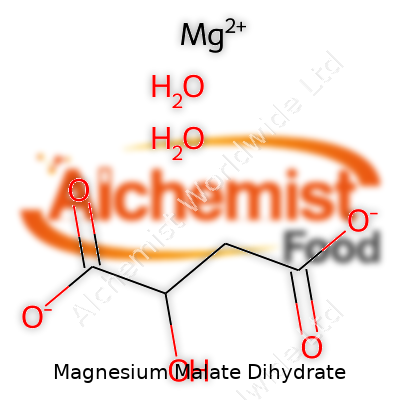
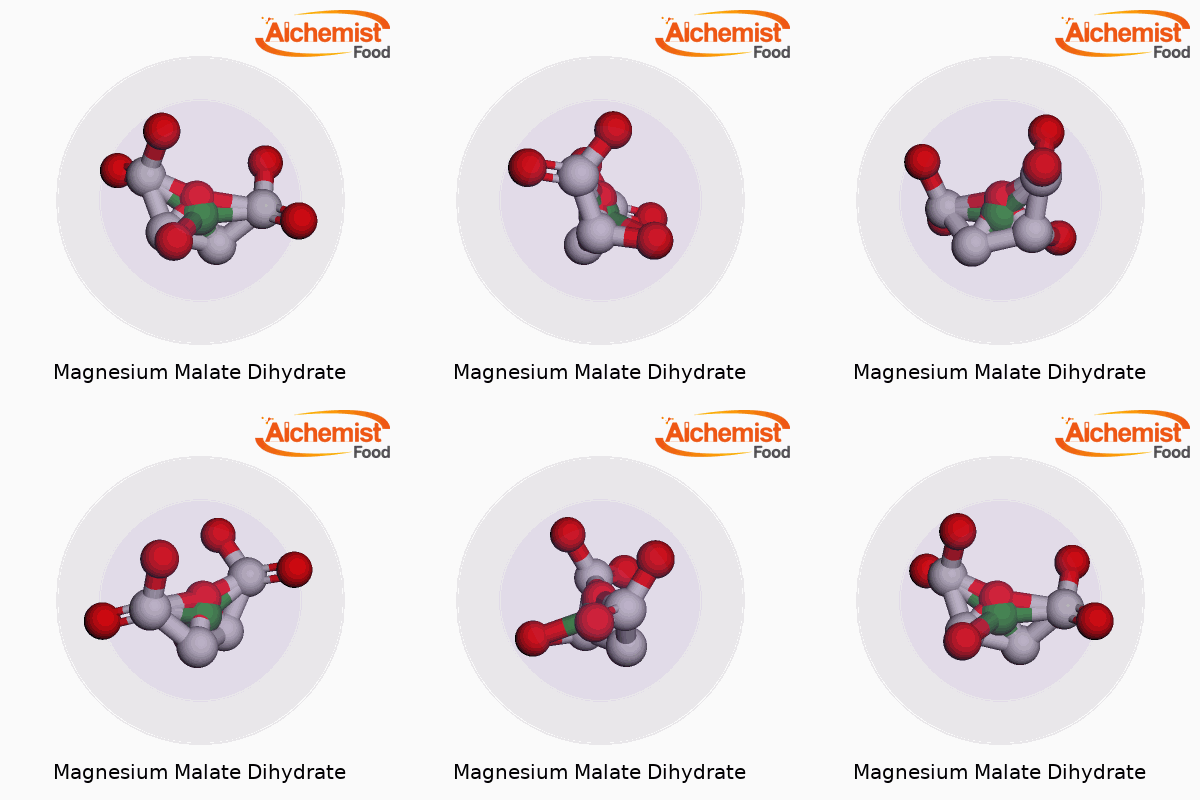
| Names | |
| Preferred IUPAC name | magnesium 2-hydroxybutanedioate dihydrate |
| Other names |
Malic acid magnesium salt dihydrate Magnesium 2-hydroxybutanedioate dihydrate Magnesium malate DL-Malic acid magnesium salt dihydrate |
| Pronunciation | /mæɡˈniːziəm ˈmæleɪt daɪˈhaɪdreɪt/ |
| Preferred IUPAC name | magnesium 2-hydroxybutanedioate dihydrate |
| Other names |
Malic acid magnesium salt dihydrate Magnesium 2-hydroxybutanedioate dihydrate Magnesium malate dihydrate |
| Pronunciation | /maɡˈniːziəm ˈmæleɪt daɪˈhaɪdreɪt/ |
| Identifiers | |
| CAS Number | 869198-43-6 |
| Beilstein Reference | 1460711 |
| ChEBI | CHEBI:31595 |
| ChEMBL | CHEMBL4300379 |
| ChemSpider | 23233393 |
| DrugBank | DB14860 |
| ECHA InfoCard | 03d49c0f-b72d-42c8-9f49-8f6c2e20e671 |
| EC Number | 01-2119970417-39-XXXX |
| Gmelin Reference | 139669 |
| KEGG | C16041 |
| MeSH | D08.811.277.352.500 |
| PubChem CID | 166563944 |
| RTECS number | OO9275000 |
| UNII | M9V0F8U271 |
| UN number | UN3077 |
| CompTox Dashboard (EPA) | DTXSID2021756 |
| CAS Number | 869634-45-3 |
| Beilstein Reference | 3652229 |
| ChEBI | CHEBI:140762 |
| ChEMBL | CHEMBL1370874 |
| ChemSpider | 21569785 |
| DrugBank | DB14698 |
| ECHA InfoCard | 03bb5b5b-392faee2-bfdc-471b-8c28-28e3243d5a20 |
| EC Number | 209-942-9 |
| Gmelin Reference | 1621150 |
| KEGG | C14827 |
| MeSH | D08.811.277.040.370.500 |
| PubChem CID | 16684989 |
| RTECS number | OM3856000 |
| UNII | BC4W3088HB |
| UN number | UN3077 |
| CompTox Dashboard (EPA) | DTXSID9044256 |
| Properties | |
| Chemical formula | C4H4MgO5·2H2O |
| Molar mass | 210.46 g/mol |
| Appearance | White to off-white powder |
| Odor | Odorless |
| Density | 1.601 g/cm³ |
| Solubility in water | Soluble in water |
| log P | -2.7 |
| Acidity (pKa) | 3.40 |
| Basicity (pKb) | 12.9 |
| Magnetic susceptibility (χ) | -19.8 × 10⁻⁶ cm³/mol |
| Refractive index (nD) | 1.53 |
| Dipole moment | 3.62 D |
| Chemical formula | C4H4MgO5·2H2O |
| Molar mass | 278.49 g/mol |
| Appearance | White powder |
| Odor | Odorless |
| Density | 1.6 g/cm3 |
| Solubility in water | Slightly soluble in water |
| log P | -2.7 |
| Acidity (pKa) | 5.44 |
| Basicity (pKb) | 11.3 |
| Magnetic susceptibility (χ) | -13.0 × 10⁻⁶ |
| Refractive index (nD) | 1.49 |
| Dipole moment | 2.89 D |
| Thermochemistry | |
| Std molar entropy (S⦵298) | 430.63 J·mol⁻¹·K⁻¹ |
| Std enthalpy of formation (ΔfH⦵298) | -1784.6 kJ/mol |
| Std molar entropy (S⦵298) | 365.5 J·mol⁻¹·K⁻¹ |
| Std enthalpy of formation (ΔfH⦵298) | -1787.88 kJ/mol |
| Std enthalpy of combustion (ΔcH⦵298) | -2221 kJ/mol |
| Pharmacology | |
| ATC code | A12CC08 |
| ATC code | A12CC05 |
| Hazards | |
| Main hazards | May cause respiratory irritation. Causes serious eye irritation. May cause skin irritation. |
| GHS labelling | **"GHS07, Warning, H319, P264, P280, P305+P351+P338, P337+P313"** |
| Pictograms | GHS07 |
| Signal word | Warning |
| Hazard statements | H319: Causes serious eye irritation. |
| Precautionary statements | P264, P270, P301+P312, P330, P501 |
| NFPA 704 (fire diamond) | 1-1-1 |
| Flash point | > 200 °C |
| Autoignition temperature | 650 °C |
| Lethal dose or concentration | LD50 (oral, rat): > 5000 mg/kg |
| LD50 (median dose) | LD50 (oral, rat): 8,120 mg/kg |
| NIOSH | MGCL2 |
| PEL (Permissible) | 15 mg/m³ |
| REL (Recommended) | 350 mg/day |
| IDLH (Immediate danger) | Not Established |
| Main hazards | May cause respiratory and eye irritation. |
| GHS labelling | GHS07 Warning H319 |
| Pictograms | GHS07 |
| Signal word | Warning |
| Hazard statements | H319: Causes serious eye irritation. |
| Precautionary statements | IF IN EYES: Rinse cautiously with water for several minutes. Remove contact lenses, if present and easy to do. Continue rinsing. If eye irritation persists: Get medical advice/attention. |
| Autoignition temperature | 430 °C (806 °F) |
| Lethal dose or concentration | LD50 (oral, rat): 8,120 mg/kg |
| LD50 (median dose) | LD50 (oral, rat): 8,120 mg/kg |
| NIOSH | MGCMAL |
| PEL (Permissible) | 10 mg/m3 |
| REL (Recommended) | 1300 mg |
| IDLH (Immediate danger) | Not established |
| Related compounds | |
| Related compounds |
Magnesium malate Malic acid Magnesium oxide Magnesium citrate Magnesium carbonate Magnesium sulfate Magnesium chloride Magnesium glycinate |
| Related compounds |
Magnesium Malate Malic Acid Magnesium Oxide Magnesium Citrate Magnesium Sulfate Magnesium Chloride Magnesium Gluconate Magnesium Aspartate |



