Magnesium Glycinate Dihydrate: Today, Tomorrow, and Its Road Here
Historical Development
Magnesium has held a place in human health for centuries, with ancient societies recognizing its calming effects through mineral-rich baths. Moving into a modern context, magnesium supplements emerged as solutions for muscle cramps and sleep problems. As studies connected magnesium deficiency to a long list of health issues, supplements evolved. The introduction of magnesium glycinate dihydrate signaled a big step. Chemists started pairing magnesium with glycine, an amino acid, after observing that bound minerals avoided the digestive discomfort seen with older, salt-based magnesium forms. When chelation started trending in supplement science, the double bond between magnesium and two glycine molecules helped shoot absorption through the roof, compared to the oxide or citrate forms common on pharmacy shelves. Momentum picked up as researchers in the late 20th century tracked blood levels and realized magnesium glycinate provided better bioavailability and fewer stomach complaints, making it much more approachable for daily use.
Product Overview
Magnesium glycinate dihydrate shows up as a fine, nearly odorless powder, often pressed into tablets or mixed in capsules. Each molecule combines magnesium with two units of glycine, stabilized by water, which adds to its gentle touch in the digestive system. In the supplement aisle, the dihydrate form stands out for those seeking targeted support: muscle relaxation at night, nervous tension, or help with sleep. Many turn to it after bouncing between other types that cause loose stools or stomach upset. A key point above all this talk of absorption stares out in every product review—users genuinely feel the effects, sometimes with one capsule before bed or a scoop dissolved in water. Glycine gives the bonus of calming the mind, so the product finds a place in regimens focused on both physical and emotional wellness.
Physical & Chemical Properties
The material clocks in at a molecular weight of about 358.8 g/mol. It shows as white to almost off-white, pulls moisture from the air, and dissolves more easily than the rockier, less refined forms of magnesium. If you leave a sample open in a humid room, soon it clumps. The chemical makeup, C4H8MgN2O6·2H2O, promises both sturdiness and gentle behavior in water, which is why it mixes so well in both neutral and slightly acidic drinks. Having handled this material, the fine, powdery consistency can make a mess if poured too eagerly, but it proves easy to dose accurately on a milligram scale, a must for anyone formulating multivitamins or fine-tuning personal intake.
Technical Specifications & Labeling
Supplement labels for magnesium glycinate dihydrate must clearly spell out the elemental magnesium content. Regulations in regions like the US and EU put a spotlight on this information, so the back of every bottle shares exactly how many milligrams of magnesium appear per serving. The source must also pass purity checks for heavy metals like lead and arsenic; high-quality producers send out certificates of analysis covering microbials, identity verification through infrared spectroscopy, and levels of solvents or contaminants. Having reviewed third-party testing for top brands, it’s common to find exclusive lot tracing and expiration dates guaranteeing the material's potency. Kosher, vegan, or non-GMO certifications grab more attention now that health food stores carry magnesium glycinate dihydrate under several different brand names.
Preparation Method
The core of straight magnesium glycinate dihydrate starts with the careful reaction of magnesium oxide (sometimes magnesium carbonate) with two equivalents of glycine, in water under gentle heating. Most manufacturers then crystallize the material, filter the crystals, wash away any unreacted starting material, and dry under controlled vacuum. Quality hinges on monitoring pH and temperature; getting either wrong leaves behind too many impurities or a product that won’t pass dissolution standards. In large-scale facilities, stainless-steel reactors and automated pH meters cut down human error. Having seen a pilot setup, the thin layer of fine powder caked around the edges of the dryer always signals a properly dried batch, ready for shipment or encapsulation.
Chemical Reactions & Modifications
The structure of magnesium glycinate dihydrate locks magnesium in a tight chelate, which resists breaking apart in the gut. During formulation, producers may adjust particle size for faster dissolution, or use food-grade flow agents if caking becomes a problem. Some research teams experiment by substituting different amino acids to create a cocktail of chelated minerals for athletes or people with extra needs. In stability testing, exposure to acids confirms how magnesium stays coupled with glycine through stomach transit, only splitting apart once it reaches the small intestine, where absorption peaks. The chelation keeps magnesium away from fiber or phytate traps in the diet, so less goes to waste.
Synonyms & Product Names
Science journals describe magnesium glycinate dihydrate as bisglycinato magnesium dihydrate, magnesium diglycinate, or even magnesium amino acid chelate. Dietary supplement companies market it under names like “gentle magnesium,” “aminomag,” or similar combinations. On raw material buyer lists, the CAS Number 14783-68-7 ensures there is no mix-up with monohydrate or anhydrous types, which may behave differently in formulations or quality checks. Since global markets get tricky with regulatory language, listing multiple product synonyms on technical sheets helps avoid failed shipments or labeling disputes.
Safety & Operational Standards
Magnesium glycinate dihydrate upholds high safety standards throughout manufacturing and distribution. GMP-certified plants scrub down every mixing and drying area to avoid cross-contamination with allergens. Production lines stick to lot testing for pathogenic bacteria and regularly calibrate scales and blender equipment. Consumer-safety teams audit packaging for seal strength, so each capsule guards against humidity and oxygen leaks. Having watched the process, the people in QA suits recheck everything from the source of the glycine (usually non-GMO) to the levels of residual solvents used in cleaning reactors. The FDA sets a daily limit for supplementary magnesium, and reputable outfits flag this on the box, warning people taking multiple supplements to keep track of their totals. Reports of allergic reactions remain rare, mostly tied to added flavorings rather than the magnesium glycinate itself.
Application Area
Demand rises as people pay more attention to sleep, workout recovery, stress, and blood sugar. Magnesium glycinate dihydrate finds a foothold in sports nutrition for faster muscle relaxation, and in mental health blends for those seeking a softer landing after stressful days. Some pediatricians suggest it in lower doses to help restless children, and nutritionists recommend it for pregnant mothers bothered by leg cramps. In the clinic, doctors prefer it for older patients needing magnesium who already suffer stomach issues, since it seems less likely to cause diarrhea compared with magnesium citrate or oxide. Animal health brands use it in fortified feed for horses and dogs prone to nervousness or muscle tightness.
Research & Development
Labs keep chasing answers to how magnesium glycinate dihydrate interacts with physiology beyond just absorption. Researchers test combinations with B vitamins or herbal sedatives, looking at whether the glycine’s own neurotransmitter role magnifies the effects. Big studies now track biomarkers in both diabetics and migraine sufferers. Clinical trials keep an eye on bioavailability by drawing blood at regular intervals; time after time, magnesium glycinate outpaces both magnesium oxide and citrate, with less GI trouble. Some pharmaceutical projects tweak the structure to slow release over twelve hours, aiming at consistent, smooth magnesium levels in the bloodstream—a factor that could change treatment for chronic conditions tied to magnesium deficiencies. Findings in sports medicine journals keep stacking up to show improved nighttime recovery, maybe due to the dual effects on muscle and mind.
Toxicity Research
Toxicology teams review every magnesium compound before it winds up in vitamins or drinks. At intake levels usually seen in supplements, side effects rarely go past mild loose stools, a result that speaks more to the cation’s dose than its form. High doses or kidney issues raise concerns about magnesium overload, which can cause dangerous irregularities in heart rhythms. Extensive animal studies and human case series show glycine, the carrier amino acid, poses little risk even at far higher doses than found in this supplement—the molecule itself has decades of use in intravenous feedings without problems. Still, regulatory bodies ask for batch records tracking trace element levels, since poor purification leads to contamination risks. Warnings appear on bottles reminding people to skip supplementation unless their health provider agrees, especially if they have heart or kidney issues.
Future Prospects
Interest in magnesium glycinate dihydrate keeps growing, both from tired college students looking for better sleep and from dietitians hungry for better answers to muscle cramps in older adults. New delivery forms appear—gummies for children, slow-release tablets, flavored waters. Researchers consider mixing this material with adaptogenic herbs for stress or stacking it with nootropics for sharper focus and steadier moods. As the public grows more skeptical about artificial ingredients and fillers, formulas with clean labeling and trusted third-party testing will carry weight in the market. Continued research may shake out which groups benefit most—athletes, women during pregnancy, people with chronic pain or insomnia. With regulatory shifts and a sharper demand for transparency, the future will reward brands staking their names on safety, real absorption data, and results that make sense to people after a long, tough day.
What are the benefits of taking Magnesium Glycinate Dihydrate?
Supporting Better Sleep and Mental Well-being
Magnesium Glycinate Dihydrate gets a lot of attention for its calming impact on the human body. Many people reach for it after restless nights or during times of stress. I’ve found, after trying a handful of supplements, that this one doesn’t seem to upset my stomach like some others. Magnesium plays a real part in helping the body relax, and this specific form, attached to glycine, tends to be well absorbed and gentle. Glycine, an amino acid, partners up with magnesium to help calm the nervous system. Data from several clinical trials suggests that magnesium deficiency often links to sleep problems and anxiety. Getting enough can help relax tense muscles and support more restful sleep cycles. No silver bullets exist, but an appropriate magnesium intake serves as a foundation for de-stressing and sleeping better.
Helping Tired Muscles Recover
People who exercise or stand all day often complain of muscle cramps or soreness. I used to think eating a banana or stretching could solve the problem alone. Science, though, points toward magnesium being key to muscle recovery and reducing the risk of cramping. Since the body does not keep a surplus storage of magnesium, even mild shortages make daily aches feel worse. Magnesium Glycinate Dihydrate stands out because it absorbs efficiently, so more of what is swallowed actually ends up getting used. That’s valuable after long runs, grueling yardwork, or just busy, physical days.
Improving Heart Health and Blood Sugar Balance
Magnesium supports the body’s ability to regulate blood sugar and manage blood pressure. I have relatives with both diabetes and high blood pressure. Their doctors often track magnesium levels as part of the bigger health picture. Low magnesium can show up in abnormal heart rhythms or higher blood glucose readings. Recent studies point to a connection between consistent magnesium intake and a lower risk of cardiovascular events. Magnesium Glycinate Dihydrate is a solid choice for people sensitive to gastrointestinal side effects, which sometimes limit options. Clinical experience and research back its use for people needing steady support for blood vessels and blood sugar regulation.
Fewer Digestive Troubles
Other forms of magnesium, especially the “oxide” or “citrate” types, can create digestive upset even at modest doses. I still remember dealing with the unwelcome surprise of digestive troubles on a busy work day, thanks to the wrong type of magnesium. The glycinate bond changes the story, lowering the odds of diarrhea or stomach pain. People with sensitive digestive systems enjoy a more comfortable experience. For adults who have tried other forms in the past and run into trouble, magnesium glycinate dihydrate often becomes their supplement of choice.
Ways to Safely Add It
Doctors recommend checking with a healthcare professional before jumping into supplementation, since individual needs and existing health problems influence what works best. Blood work helps determine a current magnesium status. People who eat plenty of leafy greens, nuts, and whole grains may need less extra support. For those with chronic stress, digestive concerns, or higher-than-usual physical activity, magnesium glycinate dihydrate can be a safe way to bridge the gap.
Quality Matters
Trustworthy brands, third-party tested formulas, and transparency about sourcing stand out as key points. Cheap fillers or misleading labels have no place in a supplement meant to support health. Look for products from companies with a solid reputation and a visible track record, as well as published Certificates of Analysis.
How should Magnesium Glycinate Dihydrate be taken for best results?
Magnesium has turned into one of those supplements that gets talked about at every health food store and in plenty of living rooms. Magnesium glycinate dihydrate earns its reputation by delivering this mineral in a form that’s easy to absorb and gentle on the stomach. For those looking to boost sleep, muscle health, or calm nerves, the path to better results starts with simple habits and tried-and-true routines.
Timing That Works with Your Day
Taking magnesium glycinate dihydrate doesn't demand a complicated schedule. Many notice the best effects by using it in the evening, especially if sleep is top-of-mind. A study in the Journal of Research in Medical Sciences showed improved sleep quality when magnesium became a nightly routine. It settles the nerves without the grogginess that often comes with pharmaceuticals.
Digestive issues rarely creep up with this version of magnesium. Some diets tend to skimp on leafy greens, seeds, and legumes, so supplements become the backup plan. The key is sticking with it regularly rather than bouncing between days or forgetting over the weekend.
Pairing with Meals
A seasoned nutritionist will often recommend pairing magnesium glycinate dihydrate with meals, especially for those with sensitive stomachs. Food helps slow down absorption, which softens any upset. Breakfast or dinner both work—just keep the timing steady. A friend once tried their dose on an empty stomach and complained about a touch of nausea, which disappeared after moving the capsule to dinner time. Small tweaks help the body adjust.
Know the Right Dose
The National Institutes of Health places the daily magnesium target at around 400-420 mg for adult men and 310-320 mg for women. Individual needs sometimes change due to pregnancy, heavy exercise, or chronic stress. Most supplement labels recommend one or two capsules, often yielding between 100-200 mg per serving. Double-checking the numbers stops accidental overuse. Too much magnesium from supplements often sends you rushing to the bathroom, a fact I learned after loading up during marathon training.
Supplements and Drug Interactions
Certain prescriptions and magnesium do not always mix well. Antibiotics and osteoporosis drugs, for example, can be blocked by magnesium. Taking magnesium at least two hours before or after these medications lets both do their jobs without interference. It pays to talk openly with your pharmacist or doctor about new supplements. Personal health stories stack up in clinics where someone’s blood pressure medicine stopped working because of forgotten supplement details.
Quality Counts
Not every bottle delivers the same value. Reputable brands clearly state the amount of elemental magnesium and carry third-party testing seals. ConsumerLab and USP are good signs. Magnesium glycinate dihydrate owes its gentle touch to chelation—the mineral comes wrapped in glycine, an amino acid that helps absorption and cuts down digestive trouble. Cheaper forms like magnesium oxide just don’t get absorbed well and often make people regret their choice.
Diets and Lifestyle
Supplements should support a decent diet, not replace whole foods. Leafy greens, seeds, beans, and nuts keep magnesium levels healthy. Hydration, reducing stress, and getting outside for some movement all add up. Those patterns count as much as a pill. Anyone waking up with cramps from intense exercise or sitting up at midnight thinking about tomorrow's worry knows how quickly good daily habits and the right supplement move the needle.
Are there any side effects or interactions with Magnesium Glycinate Dihydrate?
Magnesium’s Role and the Rise of Supplements
Plenty of people reach for magnesium supplements, hoping to fix muscle cramps, headaches, or sleepless nights. Glycinate dihydrate has gained ground because it feels easy on the stomach and doesn’t tend to cause digestive problems. Still, it makes sense to think honestly about what goes in those capsules and how the body reacts—especially since magnesium feels like such a simple, almost harmless, mineral.
Potential Side Effects: Some Bodies Don’t Adjust So Easily
I remember a friend swallowing her first magnesium pill with dinner, only to run straight to the bathroom an hour later. Loose stools mark the most common side effect. Diarrhea and upset stomach happen, especially at high doses, since the intestines pull in water alongside magnesium. For some, that means mild stomach pain or cramping, not just a single hasty trip. People with a checking account full of chronic conditions—especially kidney disease—can end up with too much magnesium in their system. Weak kidneys struggle to clear out extras, and that situation may lead to nausea, dangerous low blood pressure, odd heart rhythms, or worse.
Certain symptoms demand respect: irregular heartbeat, mental confusion, and trouble breathing. If any of those show up, stopping the supplement and seeing a doctor matters more than finishing the bottle sitting on the kitchen counter.
Mixing with Medications: Not Always a Trouble-Free Combo
Drug interaction gets ignored more often than it should. Magnesium, helpful as it is, battles for attention with common medicines. I met an older neighbor who mixed his magnesium with his daily heart pill—digoxin. His doctor caught it, warning him that magnesium could make the heart medication less effective and raise the risk of dangerous side effects. The same goes for certain blood pressure pills, diuretics, and some antibiotics, including tetracycline and ciprofloxacin. Magnesium can mess with how much the body absorbs these medicines, so timing and spacing the pills apart by a few hours makes a real difference.
Not All Doses are Created Equal
Walking the supplement aisle, it’s easy to assume more magnesium equals more benefit. My mom, an avid supplement enthusiast, once doubled her magnesium for better sleep. Instead, she struggled with diarrhea for two weeks, losing her enthusiasm quickly. Sticking to the label’s instructions and aiming for the recommended daily intake helps prevent these surprises. The National Institutes of Health suggests that healthy adults keep magnesium under 400-420 mg per day for men and 310-320 mg for women from all sources, including food.
Finding Safe Use: Listen and Adjust
Navigating magnesium comes down to paying attention. Honest conversations with a doctor make a world of difference, especially for people on prescription medication or with health conditions that impact kidney function. Blood tests don’t always show problems right away, so watching for symptoms—especially digestive or heart-related ones—matters. Companies may shout about a product’s purity or gentle formula, but it falls on us to check the facts and keep track of what our own bodies are saying. Ultimately, no supplement feels worth the risk if a person ends up miserable from side effects or tangled in drug interactions.
Is Magnesium Glycinate Dihydrate suitable for daily use?
Understanding Why Magnesium Matters
A lot of talk swirls around magnesium supplements these days. Some folks look to magnesium for better sleep, steadier energy, or relief from muscle cramps. Magnesium glycinate dihydrate, in particular, draws attention for its gentle effect on the stomach compared to other forms. As someone who has wrestled with muscle tightness after long runs, I get why people hunt for solutions that won’t make daily living any harder. We all want something that helps without causing extra trouble.
What Makes Magnesium Glycinate Stand Out
Plenty of options line the shelves, yet magnesium glycinate stands apart for a good reason. Made by pairing the mineral with glycine—a simple amino acid—this form gives your body a better shot at absorbing what you take. Research from the National Institutes of Health (NIH) points to magnesium glycinate’s track record for absorption. Unlike magnesium oxide or citrate, which sometimes kick up loose bowels, magnesium glycinate moves through your gut with a lighter touch. This matters if you rely on daily supplements.
Who Could Benefit from Daily Use?
Many people eat diets lacking in magnesium. Busy schedules push us toward processed foods, and those just don't offer enough leafy greens, nuts, or legumes. Fatigue, restless sleep, headaches, even anxiety—magnesium plays a role in all of these. Personal experience tells me: stress burns through magnesium reserves faster. After several crazy work projects, I noticed headaches and twitching muscles creeping up. Bloodwork confirmed a mild deficiency, so I started supplementing, and those nagging problems eased.
People with certain health conditions—including diabetes or autoimmune disorders—lose even more magnesium. Athletes, pregnant women, or anyone on restrictive diets might need extra, too. According to Harvard Medical School, about half of adults in the U.S. don’t hit the recommended daily intake. Magnesium glycinate’s gentle nature makes it a safer pick for long-term use in these groups.
Checking for Risks and Interactions
Not every supplement suits everyone. Taking huge doses can cause diarrhea or even hit kidney health, especially if those organs don’t work at full speed. Magnesium can interact with some heart and antibiotic medications. Doctors, nutritionists, and pharmacists help weigh risks, and a quick talk can avert big problems.
I always tell friends to start low—100mg to 200mg a day—and see how their bodies handle it. Most adults need between 310mg to 420mg daily from food and supplements combined. Labels often show the “elemental magnesium” amount, not the total pill weight. It’s easy to confuse one for the other, so read carefully.
Getting the Most from Your Supplement
Taking magnesium glycinate with food helps absorption and cuts the risk of stomach upset. Regular exercise, hydration, and a focus on whole-food diets round out the picture. No pill beats a spinach salad, but in today’s world, supplements help bridge gaps.
One thing everyone should remember: if symptoms linger or new ones crop up, don’t chalk them up to stress without getting checked out. Testing for blood magnesium isn’t perfect, but it’s a start. A healthcare provider can spot red flags before they get worse.
Building a Smarter Approach to Daily Magnesium
Magnesium glycinate dihydrate offers an option most folks tolerate well, especially for daily support. Start slow, listen to your body, and reach out to your healthcare team before making big changes. As someone with both personal and professional ties to nutrition, I’ve seen these steps lead to fewer problems and steadier progress.
What is the recommended dosage of Magnesium Glycinate Dihydrate?
Finding the Best Dose for Health
Magnesium wears many hats in the body. It keeps muscles loose, nerves firing smooth, and bones solid. A lot of folks look to magnesium glycinate dihydrate because it absorbs well and tends to play nice with the stomach. But there’s no universal perfect dose. Age, body weight, habits, and health all steer the right amount.
What Do Health Experts Recommend?
Doctors and dietitians often lean on guidance from the National Institutes of Health (NIH) when talking about magnesium. Adult men are usually told to shoot for 400 to 420 milligrams daily, while women often need 310 to 320 milligrams, including what shows up in food. Menstruation, pregnancy, and certain health conditions can call for more.
Magnesium glycinate dihydrate packs about 14% elemental magnesium, so a 500 mg tablet brings in roughly 70 mg magnesium. Many people aiming for corrections in low levels take one or two tablets per day, but everyone’s mileage varies. It makes sense to look at breakfast labels, lunch salads, water, and even chocolate—magnesium pops up everywhere.
Taking over 350 mg of supplemental magnesium at once can prompt stomach troubles for some. Too much might lead to loose stools, cramping, or worse. The U.S. upper intake level for supplements stands at 350 mg, but this number does not include food sources.
Experience from the Real World
I’ve watched plenty of people try magnesium supplements for sleep, leg cramps, or just chronic fatigue. Many started low, around 100 to 200 mg daily, then checked in with their bodies. Friends who went big too fast often complained about running to the bathroom. The ones who kept an eye on both food sources and pills seemed to steer clear of issues.
Pharmacists and dietitians almost always point out the interplay with other nutrients. Calcium, vitamin D, and magnesium tussle for attention in the gut. Folks using high-dose calcium supplements or medications that influence kidney function should definitely check with their provider before jumping into magnesium.
Why Getting Dose Right Matters
Too little magnesium might show up as muscle twitches, tiredness, or even heart hiccups. Too much could mean bloating or diarrhea, and in rare cases, can stress the kidneys—especially in older adults or those with kidney disease.
The most overlooked problem is misunderstanding labels. A bottle might say “500 mg” in big print, but that’s not all magnesium. Digging into charts and learning what “elemental magnesium” means can save a lot of confusion.
Smarter Ways to Supplement
A clear label, a respected supplement brand, and sometimes a quick talk with a doctor or nutritionist—that’s smart game for anyone new to magnesium glycinate dihydrate. Pairing it with a healthy spread of green veggies, nuts, and whole grains makes it easier to stay inside safe lines.
Any hint of kidney trouble or odd side effects means dialing back and reaching out for medical advice. No supplement beats a diet rich in real foods, but if extra magnesium boosts how someone feels, taking a thoughtful approach keeps things on track.
What are the main benefits of taking Magnesium Glycinate Dihydrate?
Better Sleep and More Relaxed Nights
Anyone who’s spent hours tossing and turning will understand the value of restful sleep. I’ve had more than my share of wide-eyed nights, and adding magnesium glycinate dihydrate to my routine changed that. This form of magnesium hooks up with glycine, an amino acid, which helps encourage a sense of calm. Several studies—like one from the Journal of Research in Medical Sciences—point to magnesium’s ability to support both quality and duration of sleep, especially for those who struggle with insomnia or restless legs.
Less Muscle Cramps and Soreness
If you’ve ever jolted awake with leg cramps or finished a run with sore calves, magnesium comes to mind as a possible solution. Glycinate dihydrate feels gentle on the stomach, but strong in its impact. Magnesium contributes to muscle relaxation by helping muscles contract and release at the right times—an effect I’ve noticed at the gym and on long hikes. Deficiency often leads to cramping and twitching, something healthcare providers see among athletes, older adults, and people on certain medications. National Institutes of Health fact sheets also confirm that proper magnesium intake sets a good foundation for staying active and pain-free.
Less Stress and a Clearer Mind
High stress doesn’t just stay in the head—it affects everything from digestion to mood swings. Magnesium glycinate dihydrate seems to take the edge off. Glycine helps the body chill out, and magnesium itself plays a role in regulating the nervous system. I’ve noticed that irritability and feelings of being overwhelmed slip away more easily. Research from Biological Psychiatry notes that magnesium affects neurotransmitters, the body’s chemical messengers. For anyone navigating the ups and downs of daily life—work deadlines, family obligations, digital overload—this mineral works behind the scenes to help manage anxiety and keep emotions anchored.
Better Heart Health
Family history drives me to keep a close eye on heart health. Blood pressure and rhythm depend on adequate magnesium. The glycinate form gets absorbed efficiently, meaning more of it ends up in the bloodstream where it can help regulate heartbeat and relax blood vessels. American Heart Association updates have highlighted lower magnesium intake as a risk factor for blood pressure issues and irregular heartbeat. Those with chronic stress or diets full of processed food usually fall short, according to the Harvard T.H. Chan School of Public Health.
Easy on the Body, Few Side Effects
Plenty of people end up with digestive trouble after taking certain supplements, but glycinate dihydrate avoids that. I don’t notice the bloating or stomach upset that comes with magnesium oxide or citrate. Doctors often suggest this form for people who need to take it daily or have sensitivities. That’s a relief for anyone trying to fill nutritional gaps without adding new problems.
Simple Ways to Make it Work for You
Getting magnesium through diet—leafy greens, seeds, whole grains—covers basic needs, but modern diets often fall short. Supplements pick up the slack. I look for brands with third-party testing and steer clear of fillers. For big health decisions, medical advice matters. Blood tests and a quick talk with a doctor help set the right dose and check for potential interactions, especially with blood pressure or heart medications.
Supporting the Bigger Picture
Better sleep, less cramping, heart protection, and a calmer mind—magnesium glycinate dihydrate makes a noticeable difference. By staying consistent and smart about supplement choices, everyday life gets a little bit easier.
How should I take Magnesium Glycinate Dihydrate for best absorption?
Magnesium: A Silent Workhorse
Most people don’t give much thought to magnesium, but bodies depend on it for nerve function, muscle movement, and building strong bones. Magnesium glycinate dihydrate stands out among other forms because it’s gentle on the stomach and breaks down smoothly in the gut. Plenty of folks turn to this magnesium variant after struggling with the side effects of other types, like diarrhea or cramping.
Choosing When to Take Your Dose
Many turn to magnesium glycinate before bed, hoping for a better night’s sleep or relief from restless legs. Science backs up this strategy. Magnesium helps regulate neurotransmitters tied to relaxation, and a nightly routine can encourage the body to wind down. Consistency delivers results. One tablet randomly on Monday and another dose three days later won’t move the needle much, but setting a daily time keeps blood magnesium levels steady.
Taking it With or Without Food?
Some supplements do better with a meal, others prefer an empty stomach. Magnesium glycinate absorbs well in both cases. Those with sensitive stomachs find fewer issues taking their dose alongside breakfast or dinner. Heavy, fatty meals slow down stomach emptying and can delay magnesium’s journey into the bloodstream. A light snack or glass of water usually does the trick. People who experience stomach upset with any supplement should steer clear of large, greasy meals at dose time.
Pairing With Other Nutrients
Calcium and magnesium have a complicated relationship. They both need the same pathways for absorption. Chasing them down at the exact same time—say, in a giant multivitamin pill—crowds those pathways and can reduce the amount of each your body absorbs. Separating magnesium and calcium by a couple hours helps. Vitamin D works as a supportive partner, boosting magnesium absorption. Those with low vitamin D find magnesium harder to take up, so a combo of both brings the body into balance. I always check my own supplement labels to avoid doubling up where not needed.
Drinks and Drugs That Get in the Way
Sipping coffee or tea with your supplement may sound harmless, but both drinks include compounds that latch onto minerals and make them tough to absorb. Alcohol gets in the way too, flushing magnesium out through the kidneys before your body makes use of it. People on antibiotics or certain diuretics should check with a pharmacist, since these meds can drag magnesium levels down. Keeping water as your main beverage when taking the supplement keeps things simple and effective.
Quality of the Product Matters
Some cheap supplements cut magnesium content or toss in unnecessary fillers that don’t belong in your diet. Look for products tested by third-party labs and made by reputable brands. Labels that list “magnesium glycinate dihydrate” in clear, plain language—without a parade of extras—show more honesty in formulation. Dosage should stick to what’s recommended on the package or by a healthcare provider. Mega-dosing promises fast results, but risks pushing your system too far.
Listen to Your Body
Magnesium levels drop from stress, heavy exercise, and poor diets. Muscle twitches, fatigue, and sleep issues signal low intake. If you start magnesium glycinate dihydrate and notice better sleep or less cramping, your body is likely on the right track. On the other hand, nausea or loose stools mean you’re overdoing it. Start slow, pay attention to any changes, and adjust under your doctor’s guidance.
Are there any side effects or risks associated with Magnesium Glycinate Dihydrate?
The Appeal of Magnesium Glycinate Dihydrate
Magnesium often grabs a spot on the supplement shelf because so many people just aren’t getting enough through their daily meals. Magnesium glycinate dihydrate attracts attention for the simple reason: it’s gentle on digestion compared to other forms, and it tends to get absorbed well. Folks living with muscle cramps, restless sleep, and headaches start looking for relief. But just because something appears mild doesn’t mean everyone can take it without concern.
What People Report After Taking Magnesium Glycinate Dihydrate
Some talk about looser stools or even diarrhea—especially if they try a higher dose. My neighbor once decided to double up during a week of marathon training; instead of more energy, he ended up making extra trips to the bathroom. Nausea or mild stomach upset comes up in some online reviews and small studies, often when taken without food.
Magnesium’s effect on blood pressure stands out as both a draw and a risk. People already taking medications for high blood pressure or those with low heart rates can find themselves feeling dizzy or weak. Combining supplements with prescription meds sometimes sends signals crosswise in the body.
Who Should Stop and Take a Second Look?
The risk runs higher for people with kidney problems. Healthy kidneys help clear extra magnesium, but if they’re not doing the job, magnesium can build up. High levels of magnesium in the blood—called hypermagnesemia—can trigger serious trouble. Symptoms start small, like feeling flushed or groggy, but could slide toward heart rhythm disturbances or trouble breathing. Anyone with a history of kidney disease should check with their doctor before trying this supplement.
People on certain medications should slow down, too. Drugs like antibiotics, some blood pressure pills, diuretics, and even heart medicines can interact with magnesium supplements. These interactions sometimes lower the effectiveness of one or both products, or even amp up side effects.
Spotting Quality and Dosing Concerns
Not every bottle on store shelves guarantees the same dose or purity. Supplements aren’t always checked as strictly as prescription drugs. One study from 2022 found surprising differences in magnesium content from pill to pill, particularly from less-established brands. Taking more than the label suggests doesn’t make the benefits show up faster; it can backfire fast—especially in children or older adults, who are more sensitive to shifts in electrolyte balance.
Simple Steps to Minimize Risks
Doctors and dietitians recommend starting low and only increasing the dose after watching for anything strange or uncomfortable. Swallowing the pills with food softens the blow to the stomach. Watching for warning signs—persistent diarrhea, ongoing fatigue, irregular heartbeat—can catch problems early.
Supplements work best when paired with regular check-ins. Blood tests that include kidney function and magnesium levels serve as a guideline for ongoing use. Real-world experience says not to trust word-of-mouth alone. Always let your primary care provider know before adding a new supplement, as small risks add up quicker than expected.
In many cases, food sources such as leafy greens, nuts, beans, and seeds deliver the steady magnesium boost most bodies need. Supplements fill a gap, but real food covers the base much more safely for most people. There’s peace of mind in choosing wisely, going slow, and asking questions before chasing the promise on any wellness bottle.
Can Magnesium Glycinate Dihydrate be taken with other medications or supplements?
The Real World of Supplement Stacking
Magnesium glycinate dihydrate often ends up in the supplement drawers of people looking to get better sleep or tackle muscle cramps. As someone who’s tried several magnesium products, I get the appeal. The idea of “gentle on the stomach” magnesium sits well with anyone bothered by gut issues. But here’s the crux: vitamins and minerals do not work in a vacuum, and anyone who’s ever stacked a handful of pills in the morning has wondered about possible cross-reactions.
Most of us juggling work, family, and all the stress piled on by daily life look for easy ways to boost our nutrition or manage symptoms. If you already take prescriptions or other supplements, starting a new routine with magnesium glycinate dihydrate deserves some careful thought. A study from the National Institutes of Health found that nearly half of adults in the United States use dietary supplements, often alongside prescribed drugs. That’s a lot of chance for interactions, both minor and major.
Why Some Medications Don’t Mix Smoothly with Magnesium
Ask any pharmacist, and you’ll hear about possible interactions between magnesium and certain medications. Magnesium can reduce absorption of common antibiotics like tetracyclines and quinolones. Treating a sinus infection while getting serious about magnesium? That combination can end with less antibiotic working in your system. The solution is usually a time gap of two to six hours between each supplement and your medicine, but it’s easy to forget and take everything at once, especially in the rush of a weekday morning.
Blood pressure medication, and some osteoporosis treatments such as bisphosphonates, fall into the same zone. Magnesium binds with these drugs in the gut and blocks them from getting absorbed. If you spend money on your treatment, wasting any comes with a personal cost.
Supplements on Top of Supplements
It’s also easy to overlook that magnesium comes mixed into daily multivitamins, electrolyte packets, and protein powders. I’ve had clients show up with lists running over a dozen separate products, many containing overlapping ingredients. Too much magnesium can cause diarrhea and, more rarely, irregular heartbeat in sensitive folks.
Calcium and iron also wrestle with magnesium for absorption. Stack them together at the same meal, and chances are none gets used optimally by your body. A research review published in the Journal of Nutrition highlighted that minerals share similar transport systems in the gut, leading to this silent tug of war. This holds extra weight for older adults or people with chronic conditions who often need more of these nutrients, not less.
Keeping Things Simple
The best approach starts with a real inventory. List everything you take: vitamins, independent minerals, herbal extracts, and prescriptions. Bring this full list to a dietitian or your doctor. Bringing honesty, rather than embarrassment about supplement hoarding, clears up risks before they become reality.
Spacing doses apart during the day makes a practical difference. As an example, I’ve seen people move their magnesium dose before bed, away from their morning iron or mid-day calcium. Doing so helps absorption, but also keeps routines less tangled. Apps and pillboxes help when brains are foggy at night, especially if you’re juggling care for others.
No two bodies process nutrients quite the same, but attention to detail never goes to waste. By tracking everything, asking questions, and working with the people trained to spot red flags, individuals can enjoy the potential benefits of magnesium glycinate dihydrate without stumbling into unwanted interactions.
What is the recommended dosage for Magnesium Glycinate Dihydrate?
Why Magnesium Intake Gets Attention
Walk through any supplement aisle and magnesium bottles catch your eye, each blaring a different blend and dosage. Magnesium Glycinate Dihydrate stands out as a favorite for people chasing better sleep, steady nerves, or smoother muscle function. Real talk—most people don’t get enough magnesium. The Dietary Guidelines for Americans includes magnesium in the list of under-consumed nutrients, and research from the National Institutes of Health points to nearly half the U.S. population falling short.
Low magnesium causes issues like muscle cramps, fatigue, headaches, and even trouble with mood. For folks who eat lots of processed foods or skip green veggies and whole grains, the gap gets bigger. Supplements step in to fill the gap, and magnesium glycinate goes easy on the stomach, so it’s less likely to cause the bathroom troubles linked to other magnesium forms.
Recommended Dosage from Real-World Experience and Research
Most health professionals suggest a daily magnesium intake around 310-420 milligrams for adults. This covers all dietary sources and supplements. If you zero in on Magnesium Glycinate Dihydrate, you see that 1000 mg delivers about 120 mg of elemental magnesium.
Experts usually guide healthy adults to try 200–400 mg of elemental magnesium per day, using supplements to make up what’s missing from diet. That means two to three 500-mg capsules taken throughout the day (away from calcium, for better absorption) covers most needs. People dealing with stress or regular tough workouts can lean toward the higher end. Those with kidney disease or chronic health concerns must talk with their healthcare provider before starting any new regimen.
People sometimes ignore the “elemental” part on supplement labels. It’s the elemental dose, not the total tablet weight, that counts. Someone might see “Magnesium Glycinate Dihydrate 1000 mg” and think they’re getting a huge dose, but only about an eighth of that weight comes from magnesium itself. People looking to correct a deficiency sometimes go above 400 mg of elemental magnesium, but it’s best not to self-experiment at that level because side effects—like diarrhea or irregular heartbeat—can sneak up fast.
How Dose Tuning Matters
Absorption varies between people. Older adults, folks on certain medications (diuretics, proton pump inhibitors), and people with certain gastrointestinal issues have a tougher time keeping magnesium levels steady. It helps to use supplements backed by quality control—third-party tested brands let you trust what’s inside.
Studies suggest splitting doses through the day works better than gulping a massive dose at once. Eating magnesium supplements with meals, especially with a bit of healthy fat, helps the body soak up more. I have worked with athletes and stressed-out students; spreading 100 mg with breakfast and another with dinner allowed them to dodge stomach trouble and see better results.
Regular blood tests don’t always pick up mild magnesium shortages, so people benefit from checking their typical food intake. Tracking your own sleep, muscle tension, or headaches after starting magnesium helps find the right dose. Most see best results in two to six weeks.
Building a Sustainable Routine
Making magnesium glycinate a steady, low-key part of your routine—especially if you’re low on leafy greens or magnesium-rich seeds—pays off in the long run. Kids, pregnant women, and older adults each have different requirements, so it’s smart to use the guidance of a registered dietitian, pharmacist, or doctor. Supplements only fill gaps. Whole foods like pumpkin seeds, spinach, beans, and whole grains still act as the core of staying ahead.
What are the benefits of taking Magnesium Glycinate Dihydrate?
Supporting Restful Sleep
Most people these days have trouble turning their minds off at night. I’ve wrestled with buzzing thoughts for years, turning to countless tricks to find deeper sleep. Lots of folks swear by magnesium glycinate dihydrate for sleep support. This specific form seems gentle on digestion while packing enough punch to tell your muscles to relax and help nerves settle down. Studies point to magnesium’s role regulating neurotransmitters linked to relaxation, including GABA. Some nights, after a few weeks on magnesium glycinate, I’ve actually fallen asleep faster and woken up less. That kind of tangible difference stands out to anyone who’s grown tired of counting sheep.
Muscle Health and Cramps
After a morning run or a long day on my feet, I’ve noticed calf cramps or twitches. Friends in my running group echoed the same problem. Low magnesium throws a wrench into muscle function, leading to random cramps and that overall twitchy feeling. I tried solutions like extra potassium and bananas, but magnesium glycinate really stood out. Unlike some forms of magnesium that upset digestion, this one goes easy on the gut and actually gets absorbed. Healthcare professionals often recommend it for muscle cramps because the body welcomes it in without the side effects that can come from magnesium oxide or citrate.
Calmer Nerves, Sharper Mood
Life throws daily stressors at all of us. Some days, nerves feel shot and irritability lingers. Walking through hard stretches, I’ve reached for magnesium glycinate with some hope. Research shows a link between low magnesium and higher stress levels, anxiety, or mood shifts. This mineral helps regulate stress hormones and smooths out the nervous system’s response. After a month of regular supplementation, my outlook steadied, and I sensed less midday anxiety. Healthcare sources like Harvard Health back up these connections, noting magnesium’s involvement in supporting brain chemistry.
Building Stronger Bones
Bones grab the spotlight for calcium, but magnesium works quietly behind the scenes. Many nutritionists remind people that magnesium helps the body actually use the calcium from diet or supplements. Over the years, I’ve watched older relatives focus on osteoporosis, worried about brittle bones. Turning to magnesium glycinate makes a practical move for anyone tracking long-term bone health, especially because the dihydrate version dissolves well in the gut, leading to better absorption than some alternatives. Clinical evidence points to better bone mineral density outcomes in people who maintain healthy magnesium levels.
Better Heart Function
Family history has made me pay closer attention to heart health. Reading more, I realized how magnesium influences heartbeat rhythm and blood pressure. Skipping out on this mineral can ramp up risks of high blood pressure or an erratic heartbeat. Cardiology clinics often point patients to supplements like magnesium glycinate because it serves up bioavailable magnesium but rarely triggers diarrhea. People with healthy magnesium levels generally show lower odds of sudden cardiac events and stroke, making this supplement one worth a second look if cardiovascular health runs in your family.
Digestive Benefits Without the Discomfort
Plenty of magnesium supplements churn up stomach trouble: bloating, diarrhea, the works. That’s why magnesium glycinate dihydrate appeals to people sensitive to digestive issues. Its gentle formula binds magnesium to glycine, an amino acid your body knows well, which helps it slide through the stomach and intestines without drama. Folks managing IBS or sensitive stomachs usually tolerate this supplement better than other forms, so it gives the advantages of magnesium without trading one problem for another.
Is Magnesium Glycinate Dihydrate safe for daily use?
The Rise of Magnesium Glycinate in Everyday Life
Magnesium doesn’t always get much attention, yet it quietly supports hundreds of processes inside the body. Lately, I’ve seen more conversations swirling around magnesium glycinate dihydrate. That name sounds complicated, but it just means a form of magnesium bound to glycine—a calming amino acid—plus a little extra water. This blend attracts people searching for better sleep, less muscle tension, and fewer headaches.
As someone who once brushed off magnesium, I get the skepticism. My first experience came after muscle cramps started waking me in the early morning. A friend who swears by supplements nudged me toward magnesium glycinate, claiming it made a difference for her nerves. That started my curiosity, which turned into research.
Why Magnesium Glycinate Dihydrate Gets Attention
Many avoid magnesium oxide because it can upset the stomach. Glycinate provides magnesium in a gentle, well-absorbed package. I learned that the “dihydrate” part means it holds a bit of water—a technical detail that doesn’t change the benefits much, but signals high purity.
Health professionals, especially those in nutrition, point to magnesium’s role in steadying mood, helping muscles relax, and keeping blood pressure in check. Reports from the National Institutes of Health show a big chunk of adults don’t get enough magnesium from food. Our busy lives and the popularity of processed foods feed into this shortfall. The daily recommended intake for adults lands between 310 and 420 milligrams, depending on age and gender.
Is Daily Use Safe?
Most research and expert opinion agree: taking magnesium glycinate dihydrate each day, in reasonable doses, works safely for most people. For healthy adults, doses like 200-400 milligrams of elemental magnesium fit inside safety guidelines. Many experience benefits within a few weeks. Supplements pass through the digestive system and support muscles, nerves, and heart rhythm.
That said, anything can become a problem in excess. Taking too much magnesium at once may cause diarrhea or loose stools, a common tip-off to slow down or lower the dose. People with kidney issues face a higher risk because their bodies can’t clear extra magnesium efficiently. Digging into data from sources like the Mayo Clinic confirms that those with healthy kidneys rarely get into trouble sticking to labeled doses.
Besides, unwanted interactions may happen with certain medications. Antibiotics such as tetracycline, or medications that lower blood pressure, can react poorly with added magnesium. This is why pharmacists and doctors ask about supplement routines during check-ups.
What Makes Safe Use Possible
Trustworthy brands spend the time and money to test products for impurities and accurate dosing. Certificates of analysis, clear labeling, and third-party testing help filter out untrustworthy options. Choosing brands that publish these details lays a good foundation.
I learned the value of speaking with a physician before adding new supplements. Sharing a full list of medications and discussing health history takes only a few minutes and can prevent missteps.
Making the Most of Magnesium
The appeal of something as simple as magnesium glycinate dihydrate comes from real needs—better sleep, steadier nerves, and fewer tension headaches. Watching my own experience and reading the published evidence, daily use looks safe for people who check with their doctor, treat dosing carefully, and keep an eye out for any new symptoms. Moderation and transparency from supplement makers support these benefits.
Magnesium glycinate dihydrate doesn’t guarantee miracles, but it offers a practical step for those missing out on this crucial mineral.
What is the recommended dosage for Magnesium Glycinate Dihydrate?
Magnesium: More Than Just a Mineral
Magnesium glycinate dihydrate doesn't land on many people's kitchen tables or shopping lists, but this form of magnesium has a dedicated following for good reason. Lots of folks hunt for it to try to ease muscle cramps, encourage sleep, or lower the daily stress load. The blend of magnesium with glycine helps the body absorb it without the same digestive trouble often seen with other types, like magnesium oxide.
How Much Magnesium Makes Sense?
Magnesium works behind the scenes for more than 300 processes in the body. The recommended daily allowance for adults usually sits between 310 mg and 420 mg of elemental magnesium, depending on age, gender, and life stage. Magnesium glycinate dihydrate contains about 14% elemental magnesium by weight, so a 1,000 mg tablet yields roughly 140 mg of magnesium. Most supplement bottles offer this breakdown, and it’s important to read those labels before grabbing two or three tabs in one go.
Doctors and dietitians often recommend starting with one dose per day for adults, commonly in the 200–400 mg range of elemental magnesium. People rarely get enough magnesium from food alone, especially with processed food in the mix and our overworked soils. Dark leafy greens, beans, and nuts help, but they rarely meet the whole quota.
Who Should Take Magnesium Glycinate Dihydrate?
Not everyone needs a supplement. Those living with certain conditions—like type 2 diabetes, chronic stress, or folks taking diuretics—show much greater rates of magnesium deficiency. Experience tells me that after stressful weeks or long bouts with poor sleep, fatigue seems to sit heavier if magnesium intake slips. Despite marketing messages, too much magnesium can leave you doubled over with diarrhea or worse. The “more is better” crowd often misses the fact that magnesium plays by the body’s own rules.
Risks and Interactions
It’s smart to check with a healthcare provider before adding a supplement, especially for those with kidney issues or who already take other medications. Some antibiotics, blood pressure drugs, and osteoporosis medications can interact with magnesium. Regular bloodwork doesn’t always catch mild low magnesium, so symptoms like restless legs, twitches, migraines, or chronic fatigue sometimes prompt further testing.
Tracking how you feel and looking for physical cues matters as much as chasing the perfect dose. Any dose higher than 350 mg of supplemental magnesium per day for adults should have a green light from a doctor. Pushing doses higher doesn’t improve sleep or relaxation—it just increases the risk for loose stools or upset stomach.
Smarts for Supplementing
Start with the lowest dose that makes a difference. Remember that schedules and bodies shift from day to day—just because a brand says three tablets per day doesn’t mean that’s right for every person. Pairing magnesium with food helps avoid stomach upset. Staying hydrated helps the body use minerals right, while balancing magnesium with other nutrients like calcium and potassium keeps muscles and nerves firing well.
If you’re chasing deep sleep, try magnesium glycinate about half an hour before bed. Anyone looking to address muscle cramping or chronic headaches should keep a steady dose at the same time each day, rather than hopping on and off whenever symptoms flare. Keeping an eye on how your body responds is more useful than staying glued to dose charts.
Are there any side effects associated with Magnesium Glycinate Dihydrate?
Exploring Its Impact Beyond the Label
Supplements line the shelves promising better sleep, less stress, and more energy. Magnesium Glycinate Dihydrate stands out for those reasons. Many doctors recommend it because this form tends to go easy on the digestive system. My own experience was similar—after talking options over with a general practitioner, Magnesium Glycinate became my go-to during a rough spring filled with tension headaches and restless nights.
What Can Happen After Taking It
Magnesium sits near the top of the list for essential minerals. When you don’t get enough, muscle cramps, irritability, or sleep trouble often tag along. Supplements like Magnesium Glycinate Dihydrate fill the gap for many adults. Still, unwelcome effects do pop up, though not everyone will feel them.
Stomach issues take the lead as the most common downside. Some folks end up spending too much time racing to the bathroom or suffering from loose stools after starting a magnesium routine. That’s a familiar story for people who jump into high daily doses without building a tolerance. Friends and family members told me about their own shaky starts—upset stomachs, mild queasiness, and the hassle of unpredictable digestion.
Feeling tired or weak after adding a supplement signals a problem for some. Magnesium moves into muscle and nerve support, but too much can drag the body down. Those with kidney issues should stay alert—trouble filtering out extra minerals brings risk of dangerous buildup, leading to more than just fatigue. In rare cases, magnesium can trigger irregular heartbeat or low blood pressure. These symptoms put safety at risk and always deserve a talk with a qualified healthcare provider.
Who Should Watch for Trouble
Certain groups face greater risks. People with chronic health conditions—especially kidney or heart problems—should not start a supplement before running it by a professional. Prescription medications like antibiotics, heart drugs, and diuretics can interact with magnesium, causing side effects that get lost in the shuffle. If you live with digestive disorders or take daily medication, checking in with a pharmacist or doctor keeps things safer.
Possible Solutions and Good Habits
Start slow. The body adjusts better when magnesium builds up over weeks, not days. If digestive drama starts, try splitting the dose through the day, or take it with meals. My own routine settled in after I swapped morning and nighttime doses. Trusted sources, like the Office of Dietary Supplements at the National Institutes of Health, recommend staying under 350 mg of supplemental magnesium per day for most adults. Anything above that deserves caution and medical advice.
Quality matters when choosing a supplement. Look for brands tested for purity—third-party seals from groups like USP or NSF add peace of mind. Community pharmacies often help sort out reputable products from those just chasing trends.
A Personal Takeaway
Listening to the body holds more value than labels or marketing. Side effects depend on so many factors: individual health, medication use, even hydration status. Sharing honest conversations with healthcare providers protects against complications. For many, Magnesium Glycinate Dihydrate brings relief from nagging symptoms. Others face mild setbacks or real risks. Responsible choices stem from attention, patience, and a dose of expert guidance.
Can Magnesium Glycinate Dihydrate interact with other medications?
Why Drug Interactions Matter
Managing more than one medication or supplement at a time brings its own share of head-scratchers. Magnesium glycinate dihydrate is a supplement often picked for its gentle impact on the stomach and some research pointing to better absorption. People use it for leg cramps, sleep support, and muscle function. Even though it sounds harmless, there’s more in play beneath the surface.
What Happens If You Take Magnesium With Other Medicines
Magnesium does a lot of heavy lifting inside the body, taking part in over 300 chemical reactions according to the National Institutes of Health. Because of that, it’s not surprising it can change the way certain medications behave. Some drugs may not work as well, or their side effects can show up in new ways.
Anybody taking antibiotics—especially tetracyclines or quinolones—needs to think twice before popping a magnesium glycinate capsule. Magnesium can bind to these antibiotics in the gut, reducing their absorption and making treatment less effective. For someone relying on those antibiotics to fight off an infection, lower absorption is the last thing they need.
Drugs for osteoporosis, such as bisphosphonates, can also lose their punch if magnesium jumps into action with them. The usual advice: space them out by a couple of hours. The same goes for medications that treat thyroid conditions. Levothyroxine, for example, doesn’t mix well with magnesium taken around the same time.
Blood Pressure and Heart Meds: Keep An Eye Out
Heart and blood pressure medications sometimes don’t get along with magnesium. Diuretics, used to lower blood pressure, sometimes flush out electrolytes like magnesium. On the other side, a few “potassium-sparing” diuretics can push magnesium to higher levels, leading to a risk of toxicity. The heart’s rhythm depends on steady electrolyte levels, so changes up or down can spell trouble for folks dealing with arrhythmia. Even for those without heart issues, too much magnesium can cause muscle weakness or a drop in blood pressure that’s tough to shake off.
Common-Sense Moves: How to Stay Safe
No supplement should be treated as harmless just because it’s sold over the counter. I’ve seen friends and family feel blindsided by side effects or unexpected medication changes. That usually happens when people add something new thinking it’s “just a mineral.” The reality: Too many moving parts, especially for people taking five or more daily medications.
Talking with your healthcare professional before adding magnesium makes a lot more sense, especially if prescriptions for antibiotics, osteoporosis, or heart conditions sit on your bathroom shelf. Pharmacists can pull up interaction databases in seconds. They see possible red flags that might not cross the doctor’s mind during a rushed visit.
Labels or supplement bottles don’t tell the whole story. They rarely mention interactions beyond a vague warning. Trusted sources—like the FDA or NIH—list all the major interactions. An honest conversation with the pharmacy team or doctor about all medications and supplements goes a long way. Getting regular magnesium blood tests, especially for people with kidney issues or heart conditions, brings extra peace of mind.
Looking Forward
More research keeps uncovering new ways supplements—magnesium included—change how medications work. Nobody wants to give up rest, muscle relief, or bone health. But those benefits only mean something when they don’t undermine treatments for bigger issues. Open conversations with professionals, checking up on new interactions, and approaching new supplements with a bit of caution can help keep surprises in check.
What are the benefits of taking Magnesium Glycinate Dihydrate?
Understanding Magnesium and Daily Life
Growing up in a household where both my parents battled sleeplessness, I’ve come to value honest, everyday health solutions. Magnesium isn't some obscure supplement found in health food stores; it shows up in the science behind how our bodies handle tiredness, stress, and even sore muscles after exercise. Many people eat foods stripped of key minerals, so a gentle supplement option can make a real difference.
Muscle and Nerve Support That Matters
Muscle cramps hit hardest in the middle of the night or right after a long run. I learned pretty quickly that magnesium plays a big role in relaxation—both for tight muscles and for a restless mind. Unlike magnesium oxide, which often upsets my stomach, magnesium glycinate dihydrate goes down easier and rarely creates digestive trouble. This form attaches magnesium to glycine, an amino acid your body already knows how to process. That means more absorption and less bathroom stress.
Better Sleep: Why It’s More Than Hype
Anyone who’s searched online for ways to sleep better has seen magnesium pop up. In my own life, switching from random sleep supplements to magnesium glycinate meant fewer nights staring at the ceiling and more mornings where I actually felt rested. Studies show magnesium calms nerves by regulating neurotransmitters and helping lower cortisol, the stress hormone. Over time, this means better shut-eye without waking up groggy.
Mood and Energy: Small Shifts, Big Results
During stressful work stretches, I noticed feeling mentally frayed, even though my diet seemed fine. Turns out, low magnesium links closely to anxiety and mood swings. Research backs up what many of us feel day-to-day. Supplementing with magnesium glycinate provides raw material for hundreds of enzyme reactions—especially those connected to how the brain handles stress. The energy lift from getting enough magnesium isn’t like caffeine; it feels more like “normal” coming back after a long fog.
Bone Health: Building Blocks We Ignore
Calcium earns most of the headlines, but magnesium pulls a lot of weight when it comes to strong bones. Without it, bones lose their ability to rebuild and repair. In families where osteoporosis runs deep, adding magnesium glycinate helps support long-term bone strength, because it works alongside calcium and vitamin D, not against them.
Why Magnesium Glycinate Dihydrate Stands Out
Some supplements promise results but never deliver. I’ve tried enough to know the difference. Magnesium glycinate dihydrate doesn’t cause stomach upset for most users and absorbs faster than other forms. It fits into a routine without creating food interactions, even for people on complicated medication regimens (though a chat with a doctor never hurts).
Practical Steps to Benefit from Magnesium Glycinate
Getting started isn’t a guessing game. Look for products with third-party testing to avoid fillers or heavy metals. Consistent, daily intake brings the best results—more so than heavy, infrequent doses. Pairing magnesium with a diet that features leafy greens, seeds, and nuts covers more ground.
Looking Ahead: Smarter Choices for Better Health
Many issues, like poor sleep and fatigue, deserve practical solutions before reaching for prescription fixes. Small daily changes, like magnesium glycinate supplementation, deliver impact without big risks or side effects. Staying curious and reading real studies, not just headlines, helps us choose what works. In my own experience, a single shift in supplement routine shaped my energy, mood, and quality of rest—results that speak for themselves.
What is the recommended dosage for Magnesium Glycinate Dihydrate?
Why Magnesium Glycinate Gets So Much Attention
Magnesium is a mineral that plays a handful of important jobs in the body. Muscles, nerves, even your heartbeat and blood sugar keep on track with an assist from magnesium. Glycinate, in particular, is the type attached to glycine. This pairing makes it easier on the stomach and often a solid choice for those who struggle with cramps, low energy, or poor sleep. Sometimes it’s marketed for “calming” effects, but what most people want to know: how much should you actually take?
Typical Dosages Seen in Research and Practice
In clinical trials and real-world practice, most adults reach for a daily dose between 200 mg and 400 mg of elemental magnesium from glycinate. The fine print often confuses people. A single capsule might read “Magnesium Glycinate Dihydrate 500 mg,” but that's the full compound—inside, you often get about 100 mg elemental magnesium per capsule. With that, a common approach involves two to four capsules, split across the day with meals. Spreading out the dose keeps digestive upset at bay and helps absorption.
The National Institutes of Health suggests upper limits for elemental magnesium through supplements—about 350 mg per day for adults. The reasoning comes from risk of loose stools with higher intakes. People eating magnesium-rich foods like whole grains, greens, seeds, and beans can easily hit 300–400 mg a day through diet; supplements bridge the gap when food alone just doesn’t cut it.
Individual Needs and Considerations
Magnesium supplementation isn’t one-size-fits-all. Age, diet, stress, medications, and health status all play a part. Medications like diuretics and proton pump inhibitors flush magnesium from the body. Heart arrhythmias, diabetes, and pregnancy may call for higher doses, but never without a healthcare provider checking labs and symptoms. Even with a gentle form like glycinate, more is not always better.
Blood testing rarely gives the whole picture, since only about 1 percent of magnesium gets measured there; it lives mostly in bones and cells. Doctors often listen to symptoms more than lab numbers—muscle twitches, restless legs, sleep problems, and headaches raise suspicion of low levels. In such cases, a gradual titration—starting with a low dose—prevents GI issues and helps pinpoint the minimum amount that brings relief.
Quality and Safety: What To Watch For
Supplements aren’t all created equal. Third-party tested brands tend to carry less risk of contamination or misleading labels. Magnesium glycinate dihydrate should dissolve well, with no extra fillers like artificial colors. Transparency matters, so checking labels for clear amounts of elemental magnesium avoids surprises.
People with kidney disease need extra caution and often must avoid supplements altogether unless a doctor gives a green light. Healthy individuals still should talk to a pharmacist or primary care doctor if unsure. Symptoms like nausea, diarrhea, or low blood pressure mean the dose is off or another issue lurks in the background.
Real-Life Experience
Magnesium glycinate became my evening staple after months of sleep disruptions and muscle cramps. I started with 100 mg, moved up to 200 mg per evening, and found sleep came easier and fewer leg cramps interrupted the night. Sharing this with friends, some report similar perks—often for anxiety or headaches. The lesson has been clear: small, steady changes work best, matched to your needs and comfort.
Are there any side effects or interactions with Magnesium Glycinate Dihydrate?
Why People Reach for This Supplement
A lot of people grab magnesium glycinate dihydrate for sleep struggles, stress, or plain old muscle cramps. I’ve watched friends wrestle with restless legs or that gnawing brain spin at 2 a.m., only to hear some relief after giving magnesium a shot. This stuff blends magnesium with glycine, an amino acid, which tends to be easier on the stomach than other forms like magnesium oxide.
Side Effects: What Happens to Most Folks
Though most tolerate it well, not everyone walks away without side effects. The big one that hits first is a change in the gut. Too much magnesium speeds things up, so diarrhea or loose stools become common complaints, especially if someone doubles up on their dose. Some deal with mild stomach upset, nausea, or even gas. Headaches, though less typical, can pop up too.
Those who already have sensitive stomachs or chronic digestive issues should pay close attention. The American Gastroenterological Association reports that magnesium draws water into the intestines, so it makes sense why several people have told me it sometimes feels like a laxative.
Who Needs to Watch Out
People with kidney problems run higher risks, since kidneys filter out extra magnesium. Too much in the system can trigger symptoms like muscle weakness, feeling tired, or a slow heartbeat. According to the National Institutes of Health, the average adult can handle up to 350 mg of supplemental magnesium each day without trouble.
Seniors also need a heads up. Their bodies might not clear excess magnesium as quickly. In medical practice, doctors often check kidney function before suggesting new supplements.
Mixing Magnesium with Other Medications
This supplement doesn't live in a bubble, and that’s where real problems hide. Magnesium can mess with how your body handles certain drugs. For example, magnesium binds with some antibiotics—like tetracycline or ciprofloxacin—making it tough for your body to absorb either one properly. Your pharmacy might mention spacing out those pills by two hours, and it’s for good reason.
Blood pressure and heart medications can interact, too. Digoxin, a heart drug, gets unpredictable in the presence of extra magnesium. Diuretics, often used for high blood pressure, shuffle minerals around and can tip you into low or high magnesium depending on the type. Even common over-the-counter antacids or laxatives sometimes have magnesium mixed in, leading to accidental overload if someone’s already supplementing.
Safer Use Starts with Talking
Pharmacists and doctors spot dangerous combos or excessive doses quickly, but supplement labels don’t spell out these details. The FDA does not check dietary supplements like prescription medication, so purity and dose can swing from brand to brand. ConsumerLab and similar groups often warn buyers that not every bottle matches what’s promised on the label.
Sharing every supplement with a healthcare provider matters. Getting enough from food—leafy greens, nuts, or beans—carries little risk, but those with real deficiencies or chronic illnesses often need bloodwork before adding pills or powders.
Finding What Works
Some issues call for magnesium, especially for those with low blood levels. For most healthy people, eating magnesium-rich meals and avoiding super high doses from supplements keeps things smooth. Too much focus on “natural solutions” can backfire if you skip checking interactions or health conditions. Open, honest conversations and a little research go a long way.
Is Magnesium Glycinate Dihydrate safe to take daily?
Understanding Magnesium Glycinate Dihydrate
Magnesium catches a lot of attention because it steers more than 300 enzymes in your body. Most people walk around without enough of it, craving better sleep, steadier energy, and less muscle cramping. Grocery store shelves burst with different supplements, but glycinate forms, especially magnesium glycinate dihydrate, grab the spotlight for their gentle feel on stomachs. Unlike magnesium oxide or citrate, glycinate forms rarely spark those unwanted sprints to the bathroom.
Safety Backed by Research and Demand
Clinical studies and nutrition experts regard magnesium glycinate among the safer magnesium options. The National Institutes of Health lists the upper intake level for adults at 350 milligrams per day in supplement form, not factoring in food. Magnesium glycinate blends magnesium with glycine, an amino acid found in foods like meat and dairy. Together, they power up absorption, meaning the body gets more magnesium with less leftover for your gut to shed. As a result, you see fewer issues with diarrhea or stomach pain.
Plenty of people, even athletes and folks with stressful jobs, report benefits from taking magnesium glycinate, especially with sleep and leg cramps. That shows a track record in the real world. Health professionals often choose this form for people managing high stress, anxiety, or tight muscles due to its gentle nature and solid absorption.
Why Quality and Dose Matter
Not all supplements bring the same benefits. Filling a cart with random bottles from an online store won’t guarantee safety or purity. The FDA doesn’t regulate supplements as tightly as prescription drugs, so fillers and inaccurate dosages occur. Look for third-party testing, clear dosages, transparent ingredient lists, and established brands. That’s where safety starts.
Taking 100-200 mg daily sits comfortably below the upper limit for most adults. Medical conditions, pregnancy, or certain heart or kidney problems may call for professional guidance. Some symptoms to watch for include diarrhea, low blood pressure, or heart palpitations from overuse. For healthy adults, taking magnesium glycinate dihydrate at labeled doses sits in a pretty safe space, according to clinical trials and recognized guidelines.
Optimizing Magnesium in Diet
Supplementing shouldn’t replace eating foods loaded with magnesium. Avocados, leafy greens, pumpkin seeds, and whole grains deliver extra fiber, vitamins, and plant compounds. If you pack your day with stress or intense workouts, diet alone sometimes still falls short. That’s when a supplement often steps in.
Magnesium absorption can take a hit from caffeine, alcohol, certain antibiotics, and even aging. People over 50 or those with chronic digestive issues tend to lose more magnesium than their food alone replaces. That’s where consulting a doctor and considering a gentle supplement, in safe doses, makes sense.
Solutions and Precautions
Before popping new supplements, talk to a healthcare provider, especially with medications or chronic illnesses near the mix. Share the actual label, brand, and dose. Ask labs to check total magnesium, calcium, and kidney health every so often. If your supplement triggers stomach trouble or other odd changes, take a break and check in with a nurse or doctor.
Choosing magnesium glycinate dihydrate as a daily supplement lines up with science and personal experience. Start with quality, stick with the right dose, and pay attention to your own body’s response. It’s not magic, but for those who need extra magnesium, it’s one of the smarter and safer ways to fill that gap.
Can Magnesium Glycinate Dihydrate help with sleep or anxiety?
The Draw of Magnesium Glycinate Dihydrate
Magnesium comes up in daily conversations often, especially among friends looking for simple ways to deal with restless nights or those tense jitters that creep in when stress piles up. Magnesium glycinate dihydrate turns heads since it pairs magnesium with glycine, an amino acid known for soothing nerves. This combination carries a bit of science-backed credibility, so it’s no wonder people reach for it on pharmacy shelves.
Why Magnesium Matters
This mineral plays a big part in how our bodies handle stress, energy, and even how muscles work. Research out of the National Institutes of Health shows nearly half of Americans don’t get the magnesium their bodies crave. Living on processed food or juggling hectic routines can chip away at mineral levels quickly, leaving folks wide open to trouble with sleep or restlessness.
Some scientists say low magnesium can crank up anxiety and trouble sleeping. Low levels sometimes link with insomnia and higher stress according to studies published in journals like Magnesium Research and the Journal of Research in Medical Sciences. People hunting down better options than prescription sleep aids often want something that fits into real life and doesn’t involve a long list of side effects.
What Makes the Glycinate Form Stand Out?
Magnesium comes in all sorts of forms, but the glycinate type is different. It’s bonded with glycine, which matters for more than just chemistry class. Glycine signals the nervous system to wind down, and the magnesium helps regulate GABA activity in the brain. GABA works a lot like a natural brake pedal for mental chatter and muscle tension.
I started using magnesium glycinate on a relative’s advice after weeks of tossing and turning. Unlike the chalky magnesium oxide that upset my stomach, this version sat well, and falling asleep started to feel less like a nightly fight. I’m not the only one. Studies published by the Sleep Foundation and clinical trials from Iran tracked people over two months and reported they fell asleep faster and slept longer with regular use. The effect isn’t a cure, but in a world full of blue light, buzz, and late-night scrolling, even a little extra rest counts.
Considerations and Solutions
Supplements aren’t a silver bullet. Folks on medications for blood pressure or heart rhythm, or those with kidney problems, should check with a doctor. Sometimes magnesium makes a difference, but fixing sleep or anxiety problems often means looking at the big picture—caffeine use, screens, and exercise all matter. Doctors at the Mayo Clinic suggest combining magnesium with other life changes for best results.
Healthy magnesium comes from food, too. Nuts, seeds, leafy greens, and whole grains bring steady benefits. For people who want to try supplements, dosing usually ranges around 200 to 400 mg. Going overboard brings digestive trouble, so sticking to recommended doses makes sense.
Why It’s Worth Attention
Quality rest shapes how we get through the day. Magnesium glycinate dihydrate offers hope for some people who chase better sleep or wish for calmer nerves without diving straight into medication. It won’t work for every person, but the science and personal stories give it weight most fads can’t touch. People keep looking for answers, and magnesium glycinate dihydrate gives one more tool in the kit.
What are the benefits of Magnesium Glycinate Dihydrate?
The Role of Magnesium in the Body
Most people overlook magnesium until signs of deficiency show up. I learned this working long hours under bright screens and jittery LED lights. After a year of restless sleep, muscle cramps, and skipping greens for breakfast, I realized my health was flagging. Digging into nutrition journals, I found magnesium plays a central part in muscle relaxation, nerve balance, heart rhythm, and keeping bones strong. The problem is, stress and common diets drain magnesium away faster than most folks imagine.
Why Glycinate Stands Out
Magnesium glycinate dihydrate packs a punch for those who feel tense or struggle to sleep. The pairing of magnesium with glycine, an amino acid, boosts how much makes it past the gut. Cheaper forms like magnesium oxide barely move the needle for absorption. Glycinate avoids that hassle, cuts down stomach upset, and doesn’t send you running to the bathroom. At the end of a busy week, this kind of bioavailability makes a real difference.
Supporting Sleep and Stress Management
High stress crops up across every stage of life. Plenty of people grab their phones to distract from anxiety, only to lie awake at night, tension settling into shoulders and neck. The calming power of magnesium glycinate helped me swap restless nights for restorative sleep. Peer-reviewed studies now back up what I noticed: regular intake eases sleep onset, reduces sleep disruptions, and leaves people feeling more rested.
Muscle Recovery and Heart Health
Athletes and regular gym-goers sometimes reach for magnesium glycinate without knowing much about its science. After a heavy training session or a day spent on one’s feet, sore muscles recover faster with optimal magnesium levels. Magnesium guides signals between nerves and muscles, so deficiencies often turn up as cramps. Research in the Journal of the American College of Nutrition reveals that both athletes and non-athletes may recover faster when magnesium intake is adequate.
Heart health sits high on many doctors’ checklists as folks age. Adequate magnesium keeps heart rhythms stable and blood pressure in check. The American Heart Association highlights the link between low magnesium and higher risk for arrhythmia and hypertension. Magnesium glycinate stays gentle on the stomach, so even those with sensitive systems can use it to support their heart long-term.
Digestive Calm and Mental Wellness
Unlike harsh laxatives or poorly-absorbed supplements, magnesium glycinate relaxes the digestive system without leading to uncomfortable urgency. This gentle approach helps many who live with irritable bowel discomfort or chronic constipation. After spending a weekend traveling on airplane snacks, I’ve turned to this form for reliable comfort.
Mental well-being matters just as much. My own experience and several double-blind trials agree: steady magnesium can tame anxiety and boost mood. Glycine itself has mild calming effects, and together with magnesium, the combination reduces jittery feelings in daily life and sharpens focus for work or study.
Safe Supplementation and Who Should Be Careful
Dietary magnesium targets around 320-420 mg per day for adults according to the National Institutes of Health. Magnesium glycinate offers a safe path for most, but people with kidney concerns or those taking certain medications should talk with a doctor before starting. Experts emphasize trusted manufacturers and checking for third-party testing on any supplement bottle.
Magnesium glycinate dihydrate takes daily nutrition one step further for those who want more energy, steadier moods, and fewer aches or sleep struggles. Its reliable absorption and gentle profile set it apart, making this supplement a strong ally for multiple areas of well-being.
How should I take Magnesium Glycinate Dihydrate and what is the recommended dosage?
Finding Balance with Magnesium
Magnesium isn’t some mystery supplement reserved for health obsessives. Modern nutrition research tells us a lot of people walk around short on magnesium, thanks to refined and processed foods crowding out leafy greens, beans, and whole grains. Headaches, restless legs, sore muscles, and trouble falling asleep often point right to a lack of this mineral. Magnesium glycinate dihydrate catches people’s attention because the body absorbs it well and it’s less likely to bring on digestive issues like other types might.
Understanding Dosage—No Guesswork Needed
Recommended magnesium intake depends on a few things—age, sex, medical conditions, life stage—and the numbers don’t work as one-size-fits-all. For healthy adults, the general ballpark for total daily magnesium is 310 to 420 milligrams. That figure includes food sources along with supplements. Each magnesium supplement lists the elemental magnesium per dose on the label. In magnesium glycinate dihydrate, you usually get about 14 to 18 percent magnesium by weight. A standard capsule contains 100 to 200 milligrams of elemental magnesium, which comfortably fits into most daily needs.
It’s important not to double up on pills or pile on gummies you don’t need. Taking too much might leave you running to the bathroom and can even mess with heart rhythm if pushed way out of range. Before adding a supplement, most doctors and registered dietitians ask questions about other medications and health history—many blood pressure meds, antibiotics, and diabetes drugs react poorly to extra magnesium. It’s rare, but people with kidney problems can’t clear excess magnesium, so a doctor’s OK is non-negotiable in these cases.
Taking Magnesium Glycinate Dihydrate Smartly
Magnesium glycinate dihydrate works best when taken with food. This simple move helps the body gradually absorb magnesium, easing it into the bloodstream rather than overwhelming the gut. I’ve tried it on an empty stomach and learned my lesson with stomach pains that ruined my afternoon. Most people do well starting at the lower end—100 to 150 milligrams, spaced out in the day or taken at night, especially if sleep is a priority. That’s plenty to test how you feel, check for any extra drowsiness, and avoid the dreaded laxative effect.
Consistency wins over megadoses. Supplements won't flip a switch overnight, but slow, daily use fills in those nutritional gaps. If your diet rarely brings in beans, nuts, or green vegetables, it makes sense to keep magnesium supplements nearby, though real food should still lead the way.
Staying Safe, Saving Money
Some brands dress up magnesium with wild claims or fancy price tags, but the basics work the same. Look for labels from companies that follow third-party testing, like USP or NSF, which adds extra peace of mind on what’s inside the bottle.
Magnesium isn’t a solo act—it pairs up with calcium, vitamin D, and potassium all day long. Overloading on magnesium disrupts the dance, making balance key. The right supplementation routine starts with real foods, honest reflection on habits, and, if needed, plain, effective supplements given a stamp of approval from healthcare professionals.
Are there any side effects or interactions associated with Magnesium Glycinate Dihydrate?
What Happens in Real Life
Magnesium glycinate dihydrate has picked up a lot of attention for its gentle reputation. Some folks swear by it for easing muscle cramps or settling nerves. Compared to other magnesium forms, it seems a little easier on the stomach for many. Still, if you’ve ever had a supplement backfire, you learn pretty quick that “gentle” means different things to different bodies. Loose stools or a bit of stomach pain can hit, especially with higher doses. Some people find themselves scrambling for a bathroom at work, and that’s not the kind of wellness anyone wants.
A few years ago, I doubled up on magnesium during marathon training, hoping for fewer muscle spasms. Pretty soon, my energy tanked every afternoon. I thought it was just the running until blood work pointed to lowered blood pressure. Doctors explained that taking lots of magnesium can sometimes tip the scales too far, even dropping calcium or potassium along with it. Light-headedness and slow heartbeats don’t help anyone finish strong.
What the Research Actually Says
Most medical research gives magnesium glycinate a good track record for absorption. The “glycinate” part seems to help it sneak past the intestines with less fuss than high-dose magnesium oxide or citrate. That said, it’s not just about what goes in. Medications tell another story. Magnesium binds with certain antibiotics like tetracyclines and fluoroquinolones, which can lower their effect. Some meds for osteoporosis also run into absorption problems if magnesium is picked up too close to dosing. Blood pressure pills, diuretics, and heart meds can react unpredictably with extra magnesium on board, sometimes pushing blood pressure too low or messing with regular heartbeat.
Doctors usually run labs to check levels in those who use supplements long-term, especially if someone is already on meds. High magnesium in the blood, called hypermagnesemia, looks rare in healthy people but shows up more in those with kidney issues. The kidneys dump extra magnesium, so if they can’t keep up, the mineral builds up. Nausea, drowsiness, or even trouble breathing turn up as warning signs in the most serious cases. I’ve seen this once in the hospital — the patient couldn’t even hold a cup steady.
Finding the Sweet Spot
It helps to stick close to recommended doses. Most adults only need 300 to 400 mg daily, combining food and supplements. I suggest reading the label, then double-checking how much magnesium comes from food. Almonds, leafy greens, and beans add up quickly. If you’re mixing medications and supplements, a quick chat with a pharmacist can save trouble down the line.
Older adults and people with chronic kidney concerns should take extra care. Kidney function drops slowly over time, sometimes without obvious symptoms. Water pills or heart medicines complicate matters, so reviewing the whole list of prescriptions with a doctor keeps the guesswork out. I’ve relied on pharmacists to double-check every change, especially with family members juggling multiple prescriptions. That’s led to fewer late-night calls about dizziness or strange muscle cramps.
What Works Going Forward
So much talk about supplements skips over the basics: healthy meals and regular checkups. Most folks get enough magnesium from a balanced diet, and adding more only helps if there’s an actual deficit. Individual history matters. If gut issues or medication loads force a need for extra magnesium, starting low and building up slow works better than big doses.
Side effects and interactions can sneak up on anyone. Listening to your own body — and letting the healthcare team in on the routine — remains the most reliable safety net.
Is Magnesium Glycinate Dihydrate safe for long-term use?
Understanding What We’re Taking
Magnesium keeps people moving. Every muscle, every nerve, each heartbeat pulls power from it. The type called magnesium glycinate dihydrate mixes magnesium with glycine, an amino acid. Many people turn to this form since the body tends to absorb it easily, so it’s gentler on the stomach compared to other forms like magnesium oxide.
Magnesium: What the Science Says
Health experts, including those behind the National Institutes of Health, set the safe upper limit for magnesium supplements at 350 mg per day for healthy adults. Past that level, some folks might notice loose stools, stomach cramps, or nausea. Long-term studies on magnesium glycinate dihydrate are rare, but research on similar forms gives a decent window into safety over time. Nutrient deficiencies show up more often than toxicities – plenty of people simply aren’t getting enough magnesium from modern, fast-food diets.
What Makes Magnesium Glycinate Dihydrate Popular?
Folks look for magnesium glycinate dihydrate for muscle twitches, restless sleep, and low moods. This form doesn’t slam the gut with sudden laxative effects. Plenty of athletes and people under stress report fewer leg cramps. I’ve tried it myself, chasing relief after muscle soreness from long days on my feet. The difference felt real after some weeks, though every body reacts in its own way.
Taking Magnesium Over Months and Years
Long-term use raises questions for any supplement. Unlike quick fixes, daily pills build up habits, and people need honest info about risks. Current research hasn’t flagged magnesium glycinate dihydrate as dangerous for people with healthy kidneys. The kidneys do a thorough job flushing out any extra magnesium. Sticking with the right daily dose matters – the “more is better” approach can backfire.
People with kidney problems should take extra care. When kidneys struggle, excess magnesium sticks around and can build up, causing confusion, irregular heartbeat, or worse. Anyone with kidney or heart issues needs real medical advice before starting or sticking with magnesium supplements for the long haul.
What To Look Out For
Most busy people grab bottles from the store shelf and trust the label. Not every company holds their products to high standards. Buying from brands with third-party certifications like USP or NSF means more peace of mind. Products from trusted names come with a track record of quality and accurate dosing.
Mixing magnesium pills with other medications can shake things up. Some antibiotics react poorly with magnesium, which changes how the medicine works in the body. Doctors and pharmacists keep track of these interactions, so honest conversations matter before adding anything new to the daily routine.
Building Better Habits
Remember, supplements don’t replace a real meal. Dark leafy greens, nuts, and whole grains still top the charts for steady magnesium intake. A blood test can clear up if someone’s really low on magnesium before dropping money on bottles. Feeling tired, noticing cramps, or sharp mood swings deserve attention, though – nutrition connects directly to how bodies perform each day.
Magnesium glycinate dihydrate can help fill genuine nutritional gaps when used responsibly. Partnering diet improvements with a mindful supplement routine and a good health provider keeps things balanced over time.
Can I take Magnesium Glycinate Dihydrate with other medications or supplements?
Why Magnesium Glycinate Dihydrate Matters
People often look for ways to sleep better, ease muscle cramps, or simply calm their minds after a long day. That led me down the rabbit hole of magnesium supplements. Doctors have pointed out that a lot of adults don’t get enough magnesium through food alone. Magnesium glycinate dihydrate caught my eye for its easy absorption and gentle effects on the stomach, which sets it apart from some other forms of magnesium that upset digestion.
Mixing Magnesium with Common Medications
Questions start rolling in once anyone considers mixing magnesium glycinate with sunrise or bedtime pills. People taking heart medications deal with a real concern: magnesium can change how these drugs work. For example, I learned from pharmacists that digoxin and certain blood pressure medications shift in strength when paired with magnesium. Even antibiotics like tetracyclines and quinolones run into trouble, as magnesium slows down their absorption in the gut. Doctors now suggest separating these types of medications and magnesium by a couple of hours—a good reason to always double-check with your prescriber.
Anyone on diabetes medications should also tread carefully, since adding magnesium might drop blood sugar further, sometimes more than expected. Warfarin and similar blood thinners create riskier ground as well; large doses of magnesium could nudge the results of routine blood clotting checks.
Supplements Don’t Always Play Nice
In the world of over-the-counter supplements, it feels like a free-for-all. Calcium, zinc, and iron often land next to magnesium on the shelf, but calcium and magnesium can compete for absorption. I’ve made the mistake myself, popping both before breakfast, only to hear from my dietitian that I just made each of them weaker. It’s not just the minerals, either: multivitamins, herbal products, and even vitamin D sometimes work better when spaced out from magnesium. Some studies suggest high doses of vitamin D increase magnesium demand, which just shows how much one supplement can lean on another.
Who Benefits, and Who Should Watch Out?
Folks dealing with kidney disease should pause. The kidneys help control magnesium in the body, and extra magnesium can build up quickly when kidneys struggle. I grew up watching a family member deal with kidney issues, so I appreciate the need for clear doctor approval before starting any new pill, especially one like magnesium.
Pregnant women, people with heart rhythm problems, and anyone taking medications that slow down the gut all have unique needs. Too much magnesium, even from well-meaning supplements, brings risks such as low blood pressure or irregular heartbeats. That’s one reason the National Institutes of Health recommend sticking to moderate, well-studied doses.
How to Stay Safe and Get Results
I keep a simple rule for myself and suggest it to friends: keep a list of all medications and supplements you take. Share it at every doctor's visit. Pharmacists catch problems more often than people think, and they know how to schedule pills to avoid unwanted reactions. Reading up on research and actual patient stories taught me that supplements belong in the same conversation as prescription drugs.
Combining magnesium glycinate dihydrate with other products doesn’t have to be a guessing game. Honest conversations with doctors, following up with pharmacists, and using reliable sources (like Mayo Clinic or NIH) make the whole experience smarter and safer.
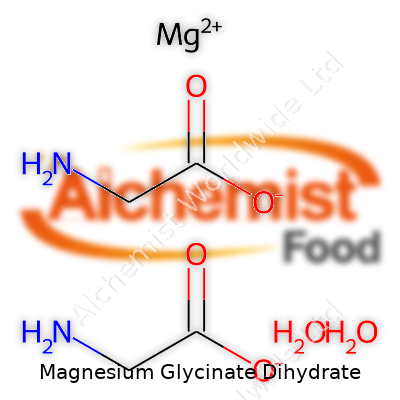

| Names | |
| Preferred IUPAC name | magnesium;2-aminoacetate;dihydrate |
| Other names |
Magnesium bisglycinate Magnesium diglycinate Magnesium glycinate Bisglycinato magnesium Magnesium(II) glycinate Magnesium aminoacetate |
| Pronunciation | /mæɡˈniːziəm ɡlaɪˈsɪneɪt daɪˈhaɪdreɪt/ |
| Preferred IUPAC name | magnesium bis(2-aminoacetate) dihydrate |
| Other names |
Bisglycinate Magnesium Magnesium Diglycinate Magnesium Bisglycinate Magnesium Glycinate Magnesium Glycine Complex |
| Pronunciation | /mæɡˈniːziəm ɡlaɪˈsɪneɪt daɪˈhaɪdreɪt/ |
| Identifiers | |
| CAS Number | 14783-68-7 |
| Beilstein Reference | 3580431 |
| ChEBI | CHEBI:132228 |
| ChEMBL | CHEMBL2106027 |
| ChemSpider | 3240575 |
| DrugBank | DB11138 |
| ECHA InfoCard | 17a6658c-6d59-4880-bbcf-f75213dc7dc1 |
| Gmelin Reference | 542174 |
| KEGG | C00305 |
| MeSH | Dsic03 |
| PubChem CID | 16635347 |
| RTECS number | MB8486000 |
| UNII | Q6Q0441TWO |
| UN number | UN3335 |
| CompTox Dashboard (EPA) | DTXSID9044252 |
| CAS Number | 14783-68-7 |
| Beilstein Reference | 1630732 |
| ChEBI | CHEBI:130768 |
| ChEMBL | CHEMBL2105963 |
| ChemSpider | 24271411 |
| DrugBank | DB11541 |
| ECHA InfoCard | 03cda6c2-b82b-43e1-8e58-15f1450be09c |
| EC Number | 62993-01-5 |
| Gmelin Reference | 1338223 |
| KEGG | C00036 |
| MeSH | D000593 |
| PubChem CID | 16220721 |
| RTECS number | OM2975000 |
| UNII | KB6U1Y3D8S |
| UN number | UN3077 |
| CompTox Dashboard (EPA) | DTXSID50887563 |
| Properties | |
| Chemical formula | C4H12MgN2O6 |
| Molar mass | 204.49 g/mol |
| Appearance | White to off-white powder |
| Odor | Odorless |
| Density | 1.678 g/cm³ |
| Solubility in water | Soluble in water |
| log P | -1.7 |
| Vapor pressure | 0 mmHg (20°C) |
| Acidity (pKa) | 8.10 (glycine component) |
| Basicity (pKb) | 11.40 |
| Magnetic susceptibility (χ) | '-13.0 × 10⁻⁶ cm³/mol' |
| Refractive index (nD) | 1.510 |
| Dipole moment | 4.0449 D |
| Chemical formula | C4H12MgN2O6 |
| Molar mass | 204.49 g/mol |
| Appearance | White to off-white powder |
| Odor | Odorless |
| Density | 1.678 g/cm³ |
| Solubility in water | Soluble in water |
| log P | -1.762 |
| Vapor pressure | Negligible |
| Acidity (pKa) | 8.10 |
| Basicity (pKb) | 7.99 |
| Magnetic susceptibility (χ) | -1.20×10⁻⁸ cm³/mol |
| Refractive index (nD) | 1.510 |
| Dipole moment | 2.34 D |
| Thermochemistry | |
| Std molar entropy (S⦵298) | 357.2 J·mol⁻¹·K⁻¹ |
| Std enthalpy of formation (ΔfH⦵298) | Unknown |
| Std molar entropy (S⦵298) | 427.3 J·mol⁻¹·K⁻¹ |
| Pharmacology | |
| ATC code | A12CC16 |
| ATC code | A12CC05 |
| Hazards | |
| Main hazards | May cause respiratory irritation. May cause eye, skin, and respiratory tract irritation. |
| GHS labelling | GHS labelling: Not a hazardous substance or mixture according to the Globally Harmonized System (GHS). |
| Pictograms | Acute toxicity, Health hazard, Exclamation mark |
| Signal word | Warning |
| Precautionary statements | Precautionary statements: Wash hands thoroughly after handling. Do not eat, drink or smoke when using this product. IF SWALLOWED: Call a POISON CENTER or doctor/physician if you feel unwell. Rinse mouth. |
| NFPA 704 (fire diamond) | 1-1-0 |
| Autoignition temperature | 470°C |
| Lethal dose or concentration | LD50 (oral, rat): > 5,000 mg/kg |
| LD50 (median dose) | 2,000 mg/kg (rat, oral) |
| NIOSH | Not Established |
| PEL (Permissible) | 10 mg/m3 (as Magnesium, total particulate) |
| REL (Recommended) | 350 mg |
| Main hazards | May cause respiratory tract irritation; may cause skin and eye irritation. |
| GHS labelling | GHS labelling: Not classified as a hazardous substance or mixture according to the Globally Harmonized System (GHS). No pictogram, signal word, hazard statement, or precautionary statement required. |
| Pictograms | GHS07, GHS08 |
| Signal word | No Signal Word |
| Precautionary statements | P264, P270, P273, P280, P301+P312, P305+P351+P338, P337+P313 |
| NFPA 704 (fire diamond) | 1-1-0 |
| Lethal dose or concentration | LD50 (oral, rat): > 5,000 mg/kg |
| LD50 (median dose) | LD50 (median dose): 8,060 mg/kg (oral, rat) |
| PEL (Permissible) | 10 mg/m3 (as Mg, total particulate) |
| REL (Recommended) | 350 mg |
| IDLH (Immediate danger) | Not Established |
| Related compounds | |
| Related compounds |
Magnesium glycinate Glycine Magnesium oxide Magnesium chloride Magnesium sulfate Magnesium carbonate Magnesium citrate |
| Related compounds |
Magnesium Glycinate Magnesium Glycinate Anhydrous Magnesium Bisglycinate Glycine Magnesium Oxide Magnesium Chloride Magnesium Sulfate |



