Magnesium Citrate Nonahydrate: A Close Look at Its Journey and Role
Historical Development
Magnesium citrate nonahydrate didn’t just emerge as a lab curiosity; it followed a long road from the early days when basic magnesium salts began supporting health and industry. Centuries ago, natural mineral spring waters rich in magnesium proved useful for easing digestion. Chemists eventually isolated magnesium compounds and, in the 19th century, explored new salts with citric acid. This opened the way for magnesium citrate’s introduction into both pharmaceuticals and food. As tableting, supplement, and food fortification industries expanded in the last century, this compound drew notice for its reliable behavior and solubility. Laboratories across Europe, the US, and Asia drove small tweaks in synthesis and manufacturing to match higher purity standards and stricter safety expectations, setting the stage for the nonahydrate variant to appear on ingredient lists worldwide.
Product Overview
Magnesium citrate nonahydrate’s name describes its makeup: a salt formed by reacting magnesium oxide or carbonate with citric acid, then crystallizing it with nine water molecules. In supplement aisles, it’s the white, odorless, granular or powdered form, prized for dissolving pretty easily in water and carrying magnesium in a bioavailable way. Its taste is tart with a faint mineral edge, and its nonahydrate form helps stabilize shelf life, something every product developer I’ve known watches closely to avoid spoilage. Manufacturers, food scientists, and pharmacists lean on it for reliable, predictable results in formulas, knowing magnesium’s role in muscle, nerve, and bone function means consumers depend on accuracy.
Physical & Chemical Properties
This compound stands out for its crystalline, nearly snow-white appearance. The nonahydrate version distinguishes itself by holding onto nine water molecules per formula unit—a key difference from the anhydrous or other hydrated forms. In a dry container, it keeps chemical stability, resisting clumping much better than lower hydrate levels. Its molecular formula, C6H6MgO7•9H2O, and a molar mass around 450.5 g/mol, put it squarely in the manageable range for supplement formulators. It dissolves in water with a gentle fizz, creating a solution with a mildly acidic pH between 6 and 8, useful for those who need to avoid harshly acidic or basic mixes. Magnesium citrate nonahydrate stays inert at ambient room temperature but will release water gradually if heated or stored in low humidity, which matters for shelf-stable blends.
Technical Specifications & Labeling
Pharmaceutical and food-grade magnesium citrate nonahydrate follows strict technical rules, with purity standards set by pharmacopoeias like the USP (United States Pharmacopeia) or EP (European Pharmacopoeia). These organizations require at least 99% purity when measured on the dry basis, and trace metals or contaminants must come in well below safety thresholds. Particle size distribution, bulk density, loss on drying, and solubility all matter for applications, especially in direct compression tablet manufacturing. Packaging labels in most marketplaces must declare the amount of elemental magnesium, address country of origin, display batch and expiration data, and list additives or excipients if present. For consumer products, regulatory agencies like the FDA or EFSA expect transparent explanations of function—laxative, supplement, food fortifier, or otherwise—plus clear dosing instructions to avoid accidental overuse.
Preparation Method
Production usually starts by dissolving high-purity citric acid in purified water, then slowly adding a carefully weighed dose of magnesium oxide or carbonate. The resulting chemical reaction produces magnesium citrate in solution, with gentle heating sometimes used for complete conversion. Precise pH adjustment ensures maximum magnesium extraction and combines the right proportion of nonahydrate molecules. After filtering away any undissolved solids, the solution is cooled and concentrated, letting magnesium citrate nonahydrate crystallize out. Centrifugation or filtration gathers these crystals, and drying at low temperature preserves the nonahydrate form. Good manufacturing practice demands frequent monitoring to detect contaminant metals or unreacted materials, so each batch consistently matches composition targets. Most modern facilities also automate these steps for improved quality and scale.
Chemical Reactions & Modifications
Magnesium citrate nonahydrate’s main reactivity comes from its role as a mild base and its solubility. When mixed into water, it releases magnesium ions and citric acid ions into solution. These react with acids or bases in food and supplement blends without unwanted by-products. Mixing it with calcium or potassium compounds, for instance, can encourage new salt formations used in specialized formulations. Under high heat or strong acidic conditions, the compound starts to lose hydration and even breaks down—so process engineers need to avoid prolonged exposure to high temperatures. Limited chemical modifications are possible, mostly for customized supplements or targeted medical therapies, yet the core structure remains one of the safest and most predictable for large-scale applications.
Synonyms & Product Names
You’ll spot more than a few names for this ingredient, depending on jurisdiction, application, or supplier. “Magnesium citrate nonahydrate” stays most accurate in regulatory parlance, but informal product listings also call it “magnesium citrate USP,” “citric acid, magnesium salt, nonahydrate,” or “trimagnesium dicitrate.” In older pharmacy manuals, names like “magnesium citrate nine hydrate” pop up, while commercial packaging in health foods or drug stores tends to shorten it to just “magnesium citrate.” For technical buyers and lab supply chains, the CAS number 3344-18-1 helps clarify things when synonyms muddle a purchase order.
Safety & Operational Standards
Any company distributing or handling magnesium citrate nonahydrate follows established chemical safety guidelines from OSHA, the EU, or local regulators. Although generally recognized as safe (GRAS) for use in foods, manufacturing plants must use dust masks and gloves during weighing and mixing to reduce inhalation and skin exposure—respiratory irritation sometimes arises from airborne powder in poorly vented spaces. Safe storage keeps the powder dry and out of direct sunlight. Shipping drums always carry hazard documentation, batch traceability, and expiry information. Quality assurance professionals watch every step from initial raw material sourcing to finished lot testing, confirming there’s no heavy metal contamination, microbiological hazards, or cross-contact with unauthorized additives. Most large manufacturers submit batches to third-party labs for verification, cementing consumer trust and regulatory compliance. Pharmacies and retailers rely on this robust supply chain, as past lapses with adulterated or mislabeled magnesium products have led to major recalls.
Application Area
Magnesium citrate nonahydrate carries value far beyond the pharmacy shelf. Its most familiar use comes as a gentle oral laxative, supporting colonoscopy preparation or short-term relief of constipation. Yet outside the hospital, food technologists use it to add magnesium to soft drinks, dairy alternatives, and wellness beverages, thanks to its ability to mix in without gritty residue. Dietary supplement brands build chewables and effervescent powders with it, marketing for stress, sleep, or sports recovery—all based around widespread magnesium deficiency statistics. Cosmetics makers sometimes use it as a mild acidity regulator or mineral additive in skin creams. Agriculture research investigates its application as a soil magnesium amendment, given the need for replenishment in intensively farmed lands. For all these sectors, the ability to dose accurately, dissolve smoothly, and meet global regulatory requirements makes magnesium citrate nonahydrate a go-to mineral salt.
Research & Development
Research labs keep bridging industrial history and health research, investigating new delivery platforms and combinations. Some studies explore nano-encapsulation techniques to enhance uptake while avoiding the gastrointestinal upset common with magnesium salts. Others investigate blending magnesium citrate with vitamins or amino acids for synergistic absorption or convenience. Pharmaceutical groups research slow-release pellets or gummies using magnesium citrate nonahydrate to support compliance in populations with swallowing difficulties. Food engineers look for ways to include it in shelf-stable functional snacks, fortifying nutrition for segments like seniors or vegans prone to mineral shortfalls. Environmental scientists also take an interest, studying how magnesium citrate breaks down in wastewater and the minimal impact its residues create compared to more persistent chemicals. In each of these lines of inquiry, magnesium citrate’s strong safety and predictable performance anchor its appeal.
Toxicity Research
Magnesium citrate nonahydrate holds a reputation for low toxicity in clinical practice, especially when dosing instructions are followed. Still, researchers keep tabs on rare side effects and possible risks for people with kidney impairment, since excess magnesium clears mainly through the urine. Peer-reviewed studies in recent years reinforce that oral doses under physician guidance almost never cause serious toxic events, except where kidney disease already limits magnesium excretion. Most adults tolerate up to several grams daily, though higher doses prompt diarrhea, which researchers used in colonoscopy prep for decades. Chronic overdosing can lead to magnesium accumulation with symptoms like slowed heartbeat, muscle weakness, or confusion, but these cases nearly always involve sustained, excessive intake in vulnerable individuals. Animal tests back up this margin of safety, showing negligible toxicity even with intake well beyond what’s feasible for humans. Keeping labeling honest and educating both physicians and consumers about dosing keeps incidents vanishingly rare.
Future Prospects
Looking ahead, magnesium citrate nonahydrate stands poised to grow in both popularity and scientific innovation. As global health authorities flag magnesium deficiency among large populations, demand for bioavailable, gentle magnesium salts will only rise. Next-generation fortified foods, athlete hydration products, and medical nutrition blends already feature it prominently. Environmental sustainability will push producers to optimize sourcing and energy use, with greener methods for magnesium extraction and citric acid fermentation gaining commercial ground. Patent activity reveals interest in more complex, slow-release tablets, personalized blends catering to genomic or lifestyle factors, and even transdermal delivery systems. Clinical trials probe roles for magnesium citrate in metabolic syndrome, migraine, and mood disorders, expanding application possibilities far outside the supplement shelf. As supply chains globalize, best practices in manufacturing, safety, and traceability will define which suppliers and brands consumers trust—and which get left behind. What hasn’t changed is the fundamental importance of accessible, reliable, and safe mineral nutrition for societies striving to live longer and better.
What is Magnesium Citrate Nonahydrate used for?
What Is Magnesium Citrate Nonahydrate?
Magnesium citrate nonahydrate looks like just another chemical on a supplement label, but it quietly plays a role in common health routines. This compound combines magnesium, a vital mineral, with citric acid and a specific amount of water. The result is a form that dissolves easily, making it practical for tablets, powders, or liquids.
Why Magnesium Matters
Magnesium keeps many parts of the body running, including muscles and nerves. I learned early in my days as a pharmacy tech that magnesium supports hundreds of body functions, from steadying the heart to building strong bones. Lack of magnesium can show up as cramps, fatigue, or even irregular heartbeat. Many people don’t get enough from food, which makes a supplement like magnesium citrate nonahydrate a good option for catching up.
Digestive Uses
Doctors often recommend magnesium citrate nonahydrate for people needing relief from constipation. It works by drawing water into the intestines, which softens stool and makes it easier to pass. This isn’t just about comfort—clearing out the system helps before certain medical tests. It’s mild compared to some laxatives but still gets the job done without causing rough side effects.
Supplement Formulation
Companies love magnesium citrate nonahydrate because it mixes well in powders and dissolves fast in the stomach. Some forms of magnesium cause stomach pain or run straight through the body without being absorbed. Magnesium citrate nonahydrate stands out for being gentle on digestion and for high absorption, which means people get the results they’re looking for without extra discomfort.
Exercise and Muscle Health
Athletes, older adults, and people who work hard physically often turn to magnesium supplements for help managing muscle tension and avoiding cramps. I remember talking to marathon runners who swear by magnesium just to keep their calves from tying up in knots during long races. Without enough magnesium, small problems in muscle control can turn into bigger issues like spasms or weakness. Adding magnesium citrate nonahydrate to a routine can be a simple fix that keeps people on track.
Food and Beverage Additive
Beyond supplements, food makers use magnesium citrate nonahydrate in drinks and fortified foods. It gives an extra bump of minerals in orange juice or breakfast bars, helping people get their daily intake without swallowing more pills. Since it dissolves so easily, it slides unnoticed into everyday foods.
Potential Solutions for Access and Use
People sometimes struggle to get the right dose of magnesium. Problems can come from low-quality supplements or from people not knowing which form to pick. Healthcare providers can help by sharing clear advice about different types and encouraging people to check labels. Companies can make it easier by offering products with clear instructions, trusted sourcing, and third-party testing to back up their quality claims.
Final Thoughts
Magnesium citrate nonahydrate sounds technical, but it’s really just a reliable way to support digestion, muscle health, and mineral intake in daily life. By focusing on clear communication about benefits and safe usage, healthcare providers and manufacturers can help people get the support they need from this unassuming but important blend.
Is Magnesium Citrate Nonahydrate safe to take daily?
Magnesium Plays a Bigger Role Than Most Realize
Walk into any pharmacy and the shelves show rows of magnesium supplements. From muscle health to regular bowel movements, the mineral pulls a lot of weight in the body. People talk a lot about diets lacking in magnesium. Studies show about half of American adults don’t get enough magnesium from food. Magnesium citrate nonahydrate, with its good solubility and absorption, shows up in many supplements and laxatives. Some folks reach for it every day, chasing better sleep, fewer muscle cramps, or just a more “regular” bathroom experience.
What Daily Use Really Means for the Body
Taking something daily turns it into a habit, not just a remedy. Magnesium citrate nonahydrate works fast, especially in the digestive tract. It attracts water into the intestines, which often leads to softer stools. People hoping to fix constipation can feel relief within hours. There’s an upside, but trips to the bathroom can get too frequent. Too much, and it’s not just loose stools—dehydration, electrolyte imbalances, and even cramping can kick in.
The kidneys handle excess magnesium by flushing it out through urine. Healthy kidneys can keep up, but those with kidney issues find that dangerous levels build up quickly. High magnesium brings symptoms most folks wouldn’t expect—low blood pressure, slowed heart rate, and even confusion. Emergency rooms see cases from overdoing it on magnesium, especially among older adults and folks on certain medications. That’s a sign to treat “safe for most” with some healthy skepticism.
Magnesium Supplementation Isn’t One-Size-Fits-All
Everyone’s body is a little different. Someone who sweats a lot, eats poorly, or deals with chronic health issues needs more guidance before popping daily magnesium tablets. A routine blood test can show where things stand. For constipation, health professionals say it works best as a short-term fix. For muscle cramps or sleep, newer research gives mixed results. Relying on supplements can mask deeper health problems or delay getting help.
What Science Tells Us About Safe Daily Doses
The National Institutes of Health sets the daily upper limit for magnesium from supplements at 350 milligrams for adults, not counting magnesium from food. Most commercial magnesium citrate products offer dosages that can reach or exceed that level, especially if people pop more than one tablet. Labels sometimes skip the fine print showing the real magnesium content versus the total compound weight. Not all magnesium citrate delivers the same punch.
Doctors and pharmacists see patterns. People often don’t bring up supplements during check-ups, assuming there’s no risk. At the same time, adverse reactions tie back to quiet, daily use. People dealing with heart issues, kidney problems, or medicine for blood pressure should get specific advice before starting a magnesium supplement.
Making Daily Magnesium Safer
Education can bridge the gap. Pharmacies and clinics can use quick checklists to spot risks before recommending over-the-counter magnesium. Health professionals should ask directly about supplements during visits and offer blood testing if someone uses magnesium daily. For most, bumping up leafy greens, nuts, seeds, and whole grains lifts magnesium levels without the same risks as a supplement. People can keep a diary of symptoms—watching for bloating, diarrhea, or anything that feels off.
Magnesium citrate nonahydrate serves a purpose in certain situations, but daily use should come with knowledge—not just a reflex from advertising or online trends.
What is the recommended dosage of Magnesium Citrate Nonahydrate?
A Closer Look at Magnesium Citrate Nonahydrate
Magnesium plays a vital role in daily life—from muscle function to bone strength and energy production. Plenty of people start looking at supplements when cramping, fatigue, or constipation pop up. Among the different supplements out there, magnesium citrate nonahydrate comes up often. It’s commonly found in laxatives due to how it draws water into the intestines, but some rely on it for their general magnesium needs. Knowing how much to take can make a big difference in staying safe and getting the benefits.
Recommended Dosage: What the Science Says
Experts, including the National Institutes of Health (NIH), point to daily magnesium needs ranging from 310 to 420 milligrams for healthy adults, with higher requirements for people who are pregnant or breastfeeding. Most magnesium supplements list elemental magnesium—the active magnesium your body takes in—on their labels, though some mark the compound itself. Magnesium citrate nonahydrate typically delivers about 11% elemental magnesium by weight.
A dose between 100 and 350 milligrams of elemental magnesium is routinely suggested for most healthy adults. For magnesium citrate nonahydrate, that means you’re usually looking at doses that translate to the 1,000 to 3,000 milligram range of the compound to hit the right elemental magnesium mark. Over-the-counter laxatives use higher and short-term doses, like 10 to 20 grams of the compound once to clear out the bowels before medical procedures, but these one-off amounts are not for everyday supplementation or long-term magnesium maintenance.
Safety, Tolerance, and Individual Needs
The body deals with extra magnesium by getting rid of it through urine, but high doses can still cause trouble. Too much can lead to diarrhea, abdominal cramps, or an upset stomach. For those just starting out, a lower dose—maybe at the bottom end of the recommended range—often helps the gut adjust. People with kidney problems process magnesium less efficiently and build-up can lead to toxicity, so they need to be careful at much lower intakes and only under medical supervision.
Diet ties in here. Dark leafy greens, nuts, seeds, and whole grains already give your body magnesium, so supplements fill the gaps when food sources fall short. Lab tests can also show deficiencies, guiding how much extra magnesium someone might need. Talking with a healthcare professional—someone who knows personal health history and medications—helps keep things in the safe zone.
Getting It Right: Practical Steps
Buying magnesium citrate nonahydrate from reputable suppliers keeps contaminants out of the equation. Read the serving size and check the label for elemental magnesium, not just the compound weight. Splitting supplements up throughout the day can minimize stomach issues. Pill, powder, and liquid forms all work—what matters is consistency and matching dosage to individual needs.
Healthcare providers keep the bigger picture in focus, spotting possible drug interactions and kidney health concerns. Whenever a new supplement routine starts, it pays to look at the whole diet rather than jumping to the highest dose possible. Finding a dose that keeps the body comfortable, relieves symptoms, and fits individual health conditions wins the day.
Are there any side effects of Magnesium Citrate Nonahydrate?
Everyday Use and Hidden Consequences
Magnesium plays a big role in keeping nerves, muscles, and bones happy. Magnesium citrate nonahydrate often comes up as a supplement and a common ingredient in laxatives. People looking for constipation relief or a magnesium boost find this stuff on the drugstore shelf. But the side effects don’t always get enough attention. As a former pharmacy technician, I saw customers choose a bottle thinking it’s a gentle fix. Their experience didn’t always match their expectations.
Digestion: More Than Just Movement
Magnesium citrate nonahydrate pulls water into the intestines, making it easier to go to the bathroom. This osmotic effect can turn a stubborn bowel into a gurgling emergency. Some folks think cramping and watery stools mean the supplement works fast. But severe diarrhea and the urge to go can wipe out more than waste. Frequent trips to the bathroom drain the body’s water and minerals, setting up fatigue, thirst, and muscle weakness. Nobody expects to trade constipation for a day on the toilet, but it happens.
Electrolyte Depletion: The Hidden Problem
Every bout with diarrhea carries away key minerals. Potassium loss can bring on abnormal heartbeats and cramping. Long-term use of high-dose magnesium citrate nonahydrate can drop blood pressure and tangle up the heart’s rhythm, especially for people already on diuretics or heart meds. Hypertension patients, athletes, and people with kidney disease feel the effects faster. It’s not just about a magnesium boost—the balance with other minerals matters too.
Kidneys Take the Pressure
Healthy kidneys handle magnesium from food and supplements, filtering extra amounts without much fuss. The story changes for people with kidney disease. Their bodies struggle with magnesium clearance, which puts them at risk for toxicity. Trouble signs can creep up—muscle weakness, confusion, lethargy, or slow, shallow breathing. Each of these means too much magnesium is sticking around. Older adults and folks on nephrotoxic drugs face greater risks. The supplement aisle looks harmless but doesn’t always reveal these dangers right away.
Allergic Reactions and Stomach Upset
Allergies to magnesium compounds are rare, but folks with sensitivities watch for itching, rashes, or swelling after taking a dose. Stomach pain, gas, and bloating also show up. Sometimes the body just protests anything new, making each experience unpredictable. I’ve seen people retry different sources before discovering these consistent issues mean the product isn’t a good fit for them.
Smart Approaches to Using Magnesium Citrate Nonahydrate
Doctors and pharmacists can help with figuring out safe doses, especially for people with chronic illnesses. Hydration can offset fluid loss. People should keep an eye on frequency and volume of stools. If diarrhea gets severe or sticks around, it’s a good idea to pause and speak with a professional. Kids and older adults need careful monitoring. Labels and “natural” promises don’t erase risks, and real conversations about drug interactions and medical history mean everything. In my experience, most problems start when folks skip talking to a trusted medical professional.
Fact-Based Choice
The National Institutes of Health flag magnesium citrate as effective but carry warnings about side effects and interactions. Magnesium overdose is rare among healthy adults because kidneys can dump excess, but health conditions and medications can flip the script. Misuse, especially for long-term constipation or in people with heart or kidney problems, deserves attention. Choosing any supplement should involve a conversation—not a guess at the store shelf.
Can Magnesium Citrate Nonahydrate interact with other medications?
Every Pill Tells a Story
People looking to boost their magnesium often reach for supplements, and magnesium citrate nonahydrate stands out as a common pick. Laxative qualities often draw people in, especially for quick relief from constipation. Fewer consider the real-world impact when this supplement meets prescription medicines. In my years talking with pharmacists and older family members juggling health issues, I’ve heard the stories that rarely make it into health columns: leg cramps stopped after a friend started magnesium, but then his blood pressure medicine seemed less effective. These run-ins matter—sometimes more than the supplement’s intended effect.
The Gut Shuffle
One key feature of magnesium citrate nonahydrate kicks in fast—the way it pulls water into the colon, leading to almost guaranteed bathroom visits. This rapid gut action can rush much more than waste out of the body. Medicines taken by mouth rely on a predictable trip through the intestines. When the trip gets shorter, drugs like digoxin, certain antibiotics, and heart rhythm pills may not have a chance to absorb fully. Blood levels change, sometimes dropping below the needed range.
Certain magnesium supplements even “grab” other medications through chelation. Tetracyclines and fluoroquinolones, both classes of antibiotics, don’t play nice with magnesium. The supplement binds them in the gut and the body flushes them away without a trace. Infection lingers, and the antibiotics never stood a chance. It gives new meaning to the idea that timing counts.
Beyond the Gut: More Than Meets the Eye
Magnesium itself plays a hand in nerve signals and muscle contraction. Mixing it with drugs for the heart like calcium channel blockers or certain diuretics sometimes causes problems with rhythm or blood pressure. Too much magnesium from supplements can even push the body into dangerous territory, leading to symptoms that mimic other medical issues—fatigue, confused speech, or abnormally slow heartbeat.
Doctors report that people on medications for mental health, like lithium or some antidepressants, sometimes notice shifts in mood or side effects get amplified. It doesn’t help that warning labels often mention food but not the rainbow of supplements available in pharmacies and online. Without a professional’s advice, risks of interactions grow.
Finding Safer Solutions
Some practical steps help sidestep these run-ins. I always encourage friends or relatives to bring every pill bottle—supplement or not—to medical appointments. Pharmacists and doctors can spot hidden risks and suggest alternatives or timing tricks. Separating magnesium citrate from other medications by at least a couple of hours often keeps absorption steady. Keeping health records up to date, even on a phone, helps everyone stay on the same page.
For people who feel compelled to use magnesium citrate nonahydrate for constipation or muscle cramps, considering diet-based options first might be worth a thought. Dark leafy greens and pumpkin seeds hold plenty of magnesium without turning medication schedules upside down. If constipation continues, asking for a safer short-term plan from a healthcare provider usually leads to fewer surprises.
Staying Informed Pays Off
The world of supplements and prescriptions gets more crowded every year. Knowledge about side effects and interactions no longer sits only with medical professionals. Sharing stories, checking for proven sources, and using healthcare appointments to ask tough questions keeps everyone safer. Magnesium citrate nonahydrate isn’t just a harmless powder on a shelf—it’s another force in the delicate balance of daily medicine.

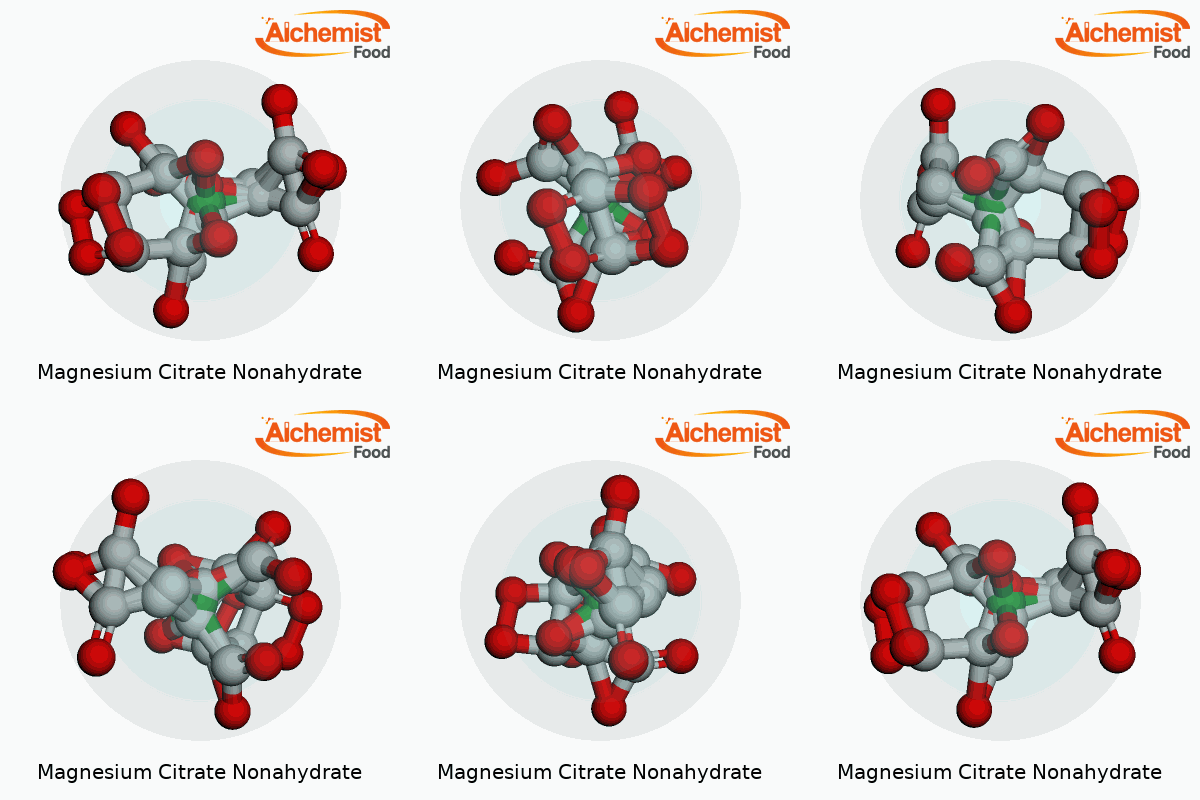
| Names | |
| Preferred IUPAC name | magnesium 2-hydroxypropane-1,2,3-tricarboxylate nonahydrate |
| Other names |
Citramag Trimagnesium dicitrate Citric acid magnesium salt Hydrated magnesium citrate |
| Pronunciation | /mæɡˈniːziəm ˈsɪtreɪt nɒn.əˈhaɪ.dreɪt/ |
| Preferred IUPAC name | magnesium 2-hydroxypropane-1,2,3-tricarboxylate nonahydrate |
| Other names |
Citric acid magnesium salt nonahydrate Trimagnesium dicitrate nonahydrate Magnesium citrate, nonahydrate |
| Pronunciation | /maɡˈniːziəm ˈsɪtreɪt nɒn.əˈhaɪdreɪt/ |
| Identifiers | |
| CAS Number | 6132-91-2 |
| Beilstein Reference | 7159146 |
| ChEBI | CHEBI:63002 |
| ChEMBL | CHEMBL1201560 |
| ChemSpider | 16742814 |
| DrugBank | DB14526 |
| ECHA InfoCard | C087ab05 |
| EC Number | 209-504-7 |
| Gmelin Reference | 108054 |
| KEGG | C00713 |
| MeSH | D017673 |
| PubChem CID | 159379 |
| RTECS number | OM3678000 |
| UNII | 1PR6W546X6 |
| UN number | UN2811 |
| CompTox Dashboard (EPA) | Magnesium Citrate Nonahydrate CompTox Dashboard (EPA) identifier string is: **DTXSID3049662** |
| CAS Number | 3344-18-1 |
| Beilstein Reference | 3612083 |
| ChEBI | CHEBI:31595 |
| ChEMBL | CHEMBL1201560 |
| ChemSpider | 16198 |
| DrugBank | DB14526 |
| ECHA InfoCard | 03b1c4a1-d6f8-4e8e-93bc-8220c2d2b249 |
| EC Number | 209- magnesium citrate nonahydrate |
| Gmelin Reference | 14340 |
| KEGG | C02995 |
| MeSH | D017670 |
| PubChem CID | 131651443 |
| RTECS number | WN5725000 |
| UNII | Q40Q9N063P |
| UN number | UN2813 |
| CompTox Dashboard (EPA) | Magnesium Citrate Nonahydrate CompTox Dashboard (EPA) string: **DTXSID0048252** |
| Properties | |
| Chemical formula | C12H26Mg3O22 |
| Molar mass | 451.11 g/mol |
| Appearance | White crystalline powder |
| Odor | Odorless |
| Density | 1.75 g/cm³ |
| Solubility in water | Soluble in water |
| log P | -2.1 |
| Acidity (pKa) | pKa 2.79 |
| Basicity (pKb) | 8.5 |
| Magnetic susceptibility (χ) | -13.0 × 10⁻⁶ cm³/mol |
| Refractive index (nD) | 1.465 |
| Dipole moment | 0.0 D |
| Chemical formula | C12H10Mg3O14·9H2O |
| Molar mass | 613.57 g/mol |
| Appearance | White crystalline powder |
| Odor | Odorless |
| Density | 1.63 g/cm³ |
| Solubility in water | Soluble in water |
| log P | -1.55 |
| Acidity (pKa) | 7.4 |
| Basicity (pKb) | 8.1 |
| Magnetic susceptibility (χ) | -20.6×10⁻⁶ cm³/mol |
| Refractive index (nD) | 1.445 |
| Viscosity | Viscous liquid |
| Dipole moment | 6.4 D |
| Thermochemistry | |
| Std molar entropy (S⦵298) | 465.5 J·mol⁻¹·K⁻¹ |
| Std enthalpy of formation (ΔfH⦵298) | -2344.6 kJ/mol |
| Std molar entropy (S⦵298) | 439.3 J/mol·K |
| Std enthalpy of formation (ΔfH⦵298) | -2292.9 kJ/mol |
| Pharmacology | |
| ATC code | A12CC04 |
| ATC code | A12CC04 |
| Hazards | |
| Main hazards | Causes serious eye irritation. |
| GHS labelling | GHS07, GHS08 |
| Pictograms | GHS07 |
| Signal word | Warning |
| Hazard statements | H319: Causes serious eye irritation. |
| Precautionary statements | P264, P270, P305+P351+P338, P337+P313 |
| NFPA 704 (fire diamond) | 1-0-1 |
| Autoignition temperature | 450 °C |
| Lethal dose or concentration | LD₅₀ Oral Rat: 2900 mg/kg |
| LD50 (median dose) | LD50 (median dose): Oral rat LD50 > 5,000 mg/kg |
| NIOSH | 0147 |
| PEL (Permissible) | PEL (Permissible Exposure Limit) for Magnesium Citrate Nonahydrate: Not established |
| REL (Recommended) | Oral: 310 mg to 400 mg (as Mg) daily |
| IDLH (Immediate danger) | Not established |
| Main hazards | May cause respiratory irritation. Causes serious eye irritation. Causes skin irritation. |
| GHS labelling | GHS07, GHS08 |
| Pictograms | GHS07, GHS08 |
| Signal word | Warning |
| Hazard statements | H319: Causes serious eye irritation. |
| Precautionary statements | H302-H319-H335 |
| Lethal dose or concentration | LD50 Oral Rat 3960 mg/kg |
| LD50 (median dose) | 7100 mg/kg (rat, oral) |
| NIOSH | RN0412 |
| PEL (Permissible) | PEL (Permissible Exposure Limit) for Magnesium Citrate Nonahydrate: Not established |
| REL (Recommended) | 100 mg |
| Related compounds | |
| Related compounds |
Magnesium citrate Magnesium carbonate Magnesium oxide Magnesium sulfate Citric acid Magnesium chloride |
| Related compounds |
Citric acid Magnesium carbonate Magnesium oxide Magnesium sulfate Sodium citrate Calcium citrate |



