Lycopene: More Than Just a Tomato Pigment
Historical Development
People have noticed the rich color of ripe tomatoes long before science started digging into the reason. As far back as the 19th century, chemists identified lycopene as the natural pigment behind the deep red color in tomatoes, watermelons, and pink grapefruit. Early work on isolating lycopene from plant sources often meant messy, solvent-heavy extractions. Extraction methods stayed crude until the food industry and nutrition science recognized that compounds like lycopene offered more than color—they had a hand in human health. Research from the late 20th century highlighted its antioxidant ability and potential link to lower cancer risks. Today, its place in the market has grown thanks to dietary supplements, nutraceuticals, and food fortification. People interested in clean eating and natural products have accelerated this push, and the industry responded by refining extraction and purification steps, making lycopene widely available in pure and formulated forms.
Product Overview
Lycopene shows up in a variety of forms: as a pure powdered extract, as an oil suspension, in beadlets for supplements, and infused into food products. You’ll see it listed on supplement bottles or functional foods with claims about heart health or skin protection. In ingredient wholesaling, companies offer it in different concentrations ranging from just a few percent up to over 90% purity for specialty applications. Both synthetic and natural lycopene can land in the commercial pipeline, but consumer preference leans clearly to the natural plant-extracted forms. Lycopene also catches the eye of cosmetic formulators. Skincare lines tout its antioxidant punch and its potential to support skin exposed to the sun. No matter where it winds up—pill, cream, or food—product developers face the same problem: lycopene breaks down easily in light and air, and its deep red hue can shift product color.
Physical & Chemical Properties
It only takes one look at lycopene to understand its appeal. As tiny red crystals or sometimes as a deep reddish oil, lycopene is a fat-soluble carotenoid. Its lack of vitamin A activity sets it apart from its cousin beta-carotene, but its polyene structure—long chains alternating between single and double bonds—gives it unique chemical behavior. This structure lets lycopene soak up free radicals and protect cells. Its melting point ranges from about 172 to 175°C. Lycopene won’t dissolve in water, but it slips nicely into fats and oils. Because it’s so vulnerable to oxygen and light, keeping preparations stable takes proper packaging and antioxidants sometimes added as stabilizers.
Technical Specifications & Labeling
Buyers and regulators pay close attention to the labeled content of lycopene products. A typical standard for food-grade lycopene expects a minimum of 5% active pigment in oil-based suspensions, while powdered extracts specify much higher concentrations. HPLC (High Performance Liquid Chromatography) stands as the gold standard for verifying actual lycopene content. Labels not only disclose the amount of lycopene per gram or serving but also indicate the source—synthetic or natural plant extract. In the supplement space, country-of-origin labeling, batch numbers, and Good Manufacturing Practice certifications help build consumer trust. EU and US regulators both keep an eye on lycopene in food coloring, requiring “direct from tomato” or “plant extract” disclosures.
Preparation Method
Most lycopene on the market comes from tomato processing byproducts—skins and seeds leftover after the juice gets pressed. Solvent extraction (often using hexane or ethanol blends) pulls the pigment from this waste, concentrating and purifying it by removing fats, waxes, and other carotenoids. Supercritical CO₂ extraction, a newer eco-friendly method, makes use of carbon dioxide under pressure and heat to safely separate lycopene without any dangerous residual solvents. This method appeals to supplement makers promising cleaner, greener sources. Microencapsulation, a physical preparation method, promises extra shelf-life and less risk of color loss in the finished food or supplement. For those working in the laboratory, synthetic lycopene comes from chemical reactions using isoprene units, but this approach is expensive and less popular.
Chemical Reactions & Modifications
Lycopene carries its own risks and possibilities during handling. Its highly unsaturated nature means exposure to oxygen leads to oxidation and breakdown, dulling both color and health value. Food chemists have learned to blend it with stabilizers like Vitamin E or ascorbyl palmitate and keep it away from heat, air, and light. Some research teams experiment with chemical modifications, adding sugar or protein side chains to make lycopene water-dispersible, which could revolutionize how it gets used in beverages or lotions. Hydrogenation, turning double bonds into single bonds, produces colorless derivatives but destroys biological function.
Synonyms & Product Names
In the market and in science circles, lycopene sometimes goes by E160d, especially in food regulation codes, or falls under the umbrella term “tomato extract.” Nutritionists refer to it as “all-trans-lycopene,” the most common form found in red fruits. Product names for finished supplements often feature tomato branding—“Lyc-O-Mato” or “Tomato Lycopene Complex”—to reassure consumers about its natural origin. Regulatory filings sometimes list both the botanical source (Solanum lycopersicum) and the active compound.
Safety & Operational Standards
Quality lycopene manufacturers work under food safety programs like HACCP and follow good manufacturing practices (GMP). Systems for contaminant tracking, allergen traceability, and pest control have to work smoothly. The food and supplement industries need clean processing lines and strict solvent residue controls. Lycopene is listed as GRAS (Generally Recognized as Safe) by the FDA when used at recommended levels, but facility audits always check for cross-contamination risks and proper record-keeping. The EU’s safe upper intake levels require paperwork at every step of production and shipment. Operations handling lycopene on an industrial scale often feature nitrogen flushing, low-light environments, and cool storage setups.
Application Area
Food coloring remains lycopene’s biggest commercial role, especially in sauces, juices, yogurts, and processed meats, where it brings a bright, label-friendly color alternative to artificial dyes. In dietary supplements, it draws in the wellness crowd with research-backed hints at cardiovascular and prostate health protection. Cosmetic companies pack it into creams, serums, and even lipsticks, hoping its antioxidant punch will catch the anti-aging consumer. Agricultural tech innovators look to fortify livestock feed with lycopene or engineer tomatoes and even algae to crank out higher natural yields. Pharmaceutical research tracks lycopene as a possible additive in drug carrier systems.
Research & Development
Research over the past two decades keeps reinforcing lycopene’s status as a potent free radical fighter. Clinical studies have compared tomato-rich diets to disease rates, and while results have been mixed, the bulk of evidence suggests some protection against heart disease and certain cancers, especially prostate cancer. Labs have started breaking down not just total lycopene intake, but the difference between dietary and supplemental forms. The latest focus: improving its bioavailability. Encapsulation techniques and co-delivery with healthy fats can double or triple the amount the gut absorbs. Teams also look beyond tomatoes, turning to watermelon, pink guava, and even engineered yeast to make sustainable lycopene for the future.
Toxicity Research
Long-term toxicity trials show that lycopene remains safe even at levels much higher than typical dietary intake. The primary side effect at extreme doses—lycopenodermia—turns the skin slightly orange, but carries no direct health risk and resolves once intake drops. Animal studies have not linked lycopene to organ toxicity, birth defects, or carcinogenicity. Ongoing surveillance tracks food workers exposed regularly to lycopene powder to check for inhalation risks, but few problems show up under proper industrial safety standards. As with most nutrient supplements, regulatory bodies keep reminding companies not to promise disease cures or miracle health benefits in advertising.
Future Prospects
Looking ahead, the lycopene industry prepares for wider application in clean-label food design, from plant-based meats to functional beverages. Developments in biosynthetic production promise to cut reliance on tomato waste, unlocking supplies that won’t fluctuate with the annual harvest. Large food producers invest in microencapsulation and nanotechnology, hoping to find new ways of improving lycopene’s stability, coloring ability, and uptake in the body. Public health agencies, nutritionists, and marketers keep close tabs on fresh discoveries, watching for signals from large population studies that lycopene’s benefits might stretch further than heart and prostate health. As the field moves forward, transparency in labeling, stronger validation in clinical science, and responsible sourcing drive the conversation—all while consumers show more interest in what natural pigments can do for health and wellness.
What are the health benefits of Lycopene supplements?
Looking at Lycopene Beyond Tomatoes
Lycopene often pops up as the star ingredient in many health articles, usually linked with the deep red color of ripe tomatoes. A lot of folks treat tomato-based foods as good enough to boost the body’s lycopene level, but lycopene supplements have drawn more attention lately. It’s worth exploring what these capsules or softgels really offer, especially since not everyone loves tomato sauce on their pasta.
What Lycopene Does in the Body
Lycopene belongs in the carotenoid family. Think of it as an antioxidant with a bit of firepower against unstable molecules in our bodies called free radicals. Free radicals bang around in cells and can speed up aging or help certain diseases develop faster. Research suggests lycopene can help neutralize these troublemakers, but supplements often work best for people who struggle to get enough of this compound from food.
Heart health gets the limelight in many lycopene studies. There is evidence that regular lycopene intake helps support healthy cholesterol levels. One review in the Journal of Nutrition found that people taking lycopene supplements often saw lower LDL cholesterol. LDL, called “bad cholesterol,” clogs up arteries and raises heart attack risk. Getting it down—especially for folks with a history of heart disease—makes a real difference.
Possible Cancer Protection
Cancer researchers raised eyebrows at some of lycopene’s early study results. Several studies found a possible link between higher lycopene levels and lower incidence of prostate cancer. The American Institute for Cancer Research has noted these results but reminds people that a balanced diet with fruits and vegetables always trumps any single supplement for prevention. Still, men with family history of prostate issues might want to ask a doctor about adding a lycopene supplement to their routine.
Greater Skin Resilience
I remember moving down south and learning real quick how harsh the sun can be. Some dermatologists mention lycopene’s role in supporting skin cells. Regular supplementation may help skin withstand some damage from UV exposure, according to research published in Photochemical & Photobiological Sciences. Of course, sunscreen and a good hat do the heavy lifting, but every bit helps when it comes to summer rays.
Better Eyes and More Energy
Lycopene also plays a supportive role for the eyes. Carotenoids get a lot of credit for eye health, especially against diseases like macular degeneration. My own family sees eye disease run on both sides, so supplements like lycopene seem worth considering as we get older. And let’s not forget, antioxidants like lycopene may help with fighting off fatigue and boosting energy levels for those juggling work, caring for kids, and staying active as the years go by.
What to Watch For
Food always brings the most benefits for the average person, but lycopene supplements can fill the gap for those with food sensitivities or very low vegetable intake. It’s important to check the source and quality of supplements—third-party tested brands tend to be safer bets. Anyone on medications should check with a doctor before adding a lycopene supplement, since too much of a good thing sometimes backfires.
Practical Steps
For those wondering if lycopene deserves a try, it helps to look at your diet first. Anyone eating lots of tomato products, watermelon, and pink grapefruit might already get plenty. For folks who don’t eat much produce or who have unique health concerns, a supplement might make sense. Choosing whole foods remains best, but a thoughtful supplement can be part of a bigger plan for health, especially as the body’s needs change over time.
Are there any side effects of taking Lycopene?
Paying Attention to What Goes Into Your Body
Lycopene pops up in a lot of health magazines and supplement aisles. It’s the pigment that gives tomatoes, pink grapefruit, and watermelon their color. Some folks take it hoping for heart health, better skin, or even to reduce the risk of certain cancers. Before adding it to my own routine, I had to dig a bit deeper. The bold health claims often overshadow practical questions about safety. Plenty of nutrients help us thrive, but it only takes one bad experience for good intentions to backfire.
Common Experiences with Lycopene
The reports I see most often talk about mild effects. People using regular amounts—either from food or typical supplements—sometimes mention digestive changes. For example, some stomach discomfort or loose stools. Anyone who's switched up their diet too fast will know that feeling. Too much lycopene, especially from supplements, has been linked with more pronounced effects like gas, bloating, or even nausea.
There's also skin discoloration to consider. Folks who overdo it have seen a condition called lycopenodermia—where the skin picks up an orange or reddish tint, similar to what happens with too many carrots. This effect goes away after cutting back. The lesson from this is simple: bigger doses don’t always yield bigger benefits, and sometimes less is more.
People with Special Health Concerns
Lycopene isn’t the best choice for everyone. Pregnant or breastfeeding women, for example, have to be careful with high-dose supplements since there’s not much research showing what happens to the baby. People with allergies to tomatoes or other red fruits sometimes react badly, too. It’s not just about a rash—there are rare reports of more serious immune responses. Several folks taking blood thinners like warfarin also need close monitoring. Lycopene might interact with medications and affect how blood clots.
I learned this lesson through family experience. My uncle started a supplement after a friend recommended it, and he didn’t check with his doctor first. A few weeks in, his routine check-up showed odd results on his bloodwork. Turned out, lycopene may not have been the only factor, but his doctor thought the supplement could have played a role. That story taught us not to gamble with interactions and to run things by the professionals who watch our health.
Too Much of a Good Thing
High doses of lycopene come with bigger risks. Most sources recommend staying below 75 mg per day if you’re using a supplement, since higher amounts haven’t been well studied over the long term. In one clinical study, people who received 75 mg every day showed some stomach upset and even noticed a drop in blood pressure. This could be dangerous for folks already taking medication for hypertension.
There’s another angle many miss: supplements aren’t regulated the same way prescription drugs are. What’s on the label sometimes doesn’t match what’s in the bottle. The best way to get lycopene remains through real food—tomatoes, watermelon, pink grapefruit. It’s nearly impossible to overdo it just by eating those.
What Makes Lycopene Worth Considering
The bottom line isn’t to avoid lycopene, but rather to get informed. Start with small doses, focus on whole foods, and talk openly with health professionals if you’re considering a supplement. Pay attention to how you feel, watch for changes, and don’t chase miracle results from anything promising “more” health in a pill. Your body’s needs matter, and real improvement usually comes from good habits, not shortcuts.
Facts matter. Long-term safety data on lycopene supplements is still missing. If you’re thinking about trying them, take your time, check sources, and respect what your body tells you. That’s a smarter approach than following any health trend blindly.
What is the recommended dosage of Lycopene per day?
Commonly Recommended Lycopene Intake
Doctors and nutritionists often point to lycopene as a strong antioxidant found in tomatoes and a few other red fruits. In the world of supplements, a usual daily dose lands somewhere between 10 and 30 milligrams. Many tomato-based products naturally offer a few milligrams per serving, so for those with a diet full of cooked tomatoes, watermelon, or pink grapefruit, getting enough lycopene feels pretty doable. The science community has studied lycopene for its benefits to heart health, skin protection, and even prostate wellness. Higher-dose supplements also show up on pharmacy shelves, but not everyone needs them.
Pros and Cons of Supplementing
As someone interested in real food and practical habits, I find grabbing nutrients from what’s already in the fridge or garden often works best. Eating foods cooked with olive oil seems to unlock more lycopene, so a homemade tomato sauce could give more of this nutrient compared to a plain raw tomato. Besides, the body absorbs lycopene much better in cooked and processed forms. Still, there’s plenty of talk about whether supplements really work better than a good diet.
The European Food Safety Authority and National Institutes of Health both highlight that no upper intake level for lycopene exists right now, mainly because those negative side effects just don’t pop up often. That said, some people who overdo supplements can feel stomach discomfort or notice that their skin takes on an orange tint, similar to what happens with too many carrots. So, chasing after super high doses rarely brings extra benefit to the table. Studies on prostate health often use between 15 and 30 mg daily, which lines up with a diet rich in tomato products plus maybe a moderate supplement—not a drastic jump.
Lycopene and Everyday Health
People sometimes ask me if lycopene supports immune health or skin aging. Published reviews in journals like “Nutrients” and “Cancer Letters” have linked it to lower levels of oxidative stress and less inflammation, both of which show up in many chronic illnesses. Foods carry other vitamins and minerals too, and these work together better than any single pill or extract in a bottle. A plate of whole foods usually offers benefits no supplement can match.
When looking at prostate wellness, the American Cancer Society points to evidence showing diets higher in tomato-based foods line up with lower risk, but there’s no guarantee from single-ingredient pills. For heart health, lycopene may keep LDL cholesterol from oxidizing, a step that plays a role in artery health. Still, swapping fried or processed snacks for a bowl of fresh salsa or roasted tomatoes does more for overall nutrition than a handful of capsules.
Guidance for Lycopene Use
Anyone topping their daily intake with a supplement should talk with a doctor, especially if already on medication. Some cholesterol-lowering drugs and blood thinners can interact with concentrated extracts. For most healthy adults, sticking with around 10 to 30 mg per day, pulled from tomatoes and a mix of bright red fruits, usually makes sense. The real trick is consistency—a splash of tomato sauce on pasta, a slice of watermelon, or adding canned tomatoes to chili recipes.
Kids, pregnant women, and people with certain conditions need to speak up with their healthcare team before adding much more, since everyone processes nutrients a bit differently. Lycopene works best as part of a bigger diet, loaded with vegetables, whole grains, and oils like olive oil that help the body make use of it.
Moving Toward Better Health
Focusing on real foods offers a path to better nutrition, better taste, and more lycopene, without overthinking the numbers. Science continues to explore the full impact of lycopene, but piling more tomatoes onto daily meals almost always serves the body well.
Can Lycopene help prevent certain diseases or cancers?
What Makes Lycopene Special?
Anyone who’s been told to “eat more vegetables” has probably stumbled across lycopene at some point. Found in tomatoes, watermelon, and pink grapefruit, this pigment gives them their bold red color. Many folks point at Mediterranean-style diets and say, look how long people live in those regions—maybe lycopene deserves some attention.
Scientific Roots of the Lycopene Craze
My college biology notes still sit on my shelf somewhere, full of antioxidants and free radicals. Lycopene stands out because it acts against oxidative stress—a troublemaker known for damaging cells and setting the stage for chronic disease. The National Institutes of Health cites studies that regularly link high lycopene intake with lower risks for some cancers, including prostate, lung, and stomach cancer.
Researchers at Harvard tracked tens of thousands of men for years and found a trend: those loading up on tomato-based foods seemed to dodge prostate cancer more often than those who skipped the red sauce. Cancer Research UK points out that while lab and animal studies show promise, results in humans look mixed. No one can bottle lycopene and guarantee fewer tumors.
Beyond Cancer: Other Health Benefits to Consider
Heart health keeps coming up in these conversations. People in my family have watched cholesterol numbers creep up over the years. Lycopene seems to help by lowering LDL (the “bad” cholesterol) and by keeping arteries flexible. Some research describes lower rates of high blood pressure among folks with diets rich in lycopene.
Not everything stacks up in lycopene’s favor, though. Some trials show little to no effect, especially outside populations already eating healthy in general. Hype aside, loading up on lycopene alone won’t erase decades of fast food or inactivity. Still, it’s a solid addition to a balanced plate.
So, Should People Chase Lycopene?
Superfood fads tend to turn nutrition into a game of cherry-picking single molecules. That approach rarely pays off. Eating more whole fruits and veggies? That’s real advice. Tomatoes bring along vitamin C, fiber, potassium, and a host of other compounds. Lycopene works best as part of this team, so pizza drenched in cheese probably isn’t the health solution marketers suggest.
Older relatives of mine farmed and cooked from scratch. Plenty of tomato-based stews and sauces, rarely a supplement in sight, yet active well into their later years. They thrived from variety, not just one nutrient. For most people, a tomato salad beats a pill from the pharmacy shelf in both taste and nutrition.
Practical Ways to Get More Lycopene
Tomatoes stand out as the most popular way to get lycopene, especially when cooked. Cooking breaks down cell walls and makes lycopene easier for the body to soak up. A homemade pasta sauce or a vegetable soup does the trick. People who don’t enjoy tomatoes can look to watermelon and pink guava for alternatives.
What’s the Takeaway?
Chasing after the next big supplement usually leads to disappointment. Science supports lycopene as part of a larger pattern: eat a range of produce, enjoy some color on every plate, and keep things moving in daily life. Tomato fans can feel good about their choices, just as long as those choices go beyond one red ingredient.
Is Lycopene safe to take with other medications or supplements?
Bringing Lycopene to the Table
Lycopene pops up in many daily diets, especially if you like tomatoes, watermelon, or guava. Plenty of folks take an extra boost with a supplement, hoping for better heart health or maybe some extra protection for the skin. Plenty of research points to lycopene as an antioxidant, giving cells a fighting chance against damage.
Lycopene and Medications: A Closer Look
Everyday life brings a full cabinet of medications, from blood thinners to blood pressure pills. I once watched my father line up his morning meds, counting out each one with care. A new supplement always meant double-checking with his pharmacist, even if it came from a tomato.
Lycopene has a solid safety record, but “natural” rarely means “risk-free.” Evidence shows lycopene travels through the same liver pathways as some drugs, especially those broken down by the cytochrome P450 system. That means taking lycopene with, say, warfarin, blood pressure drugs, or statins could tangle things. Some drugs block these enzymes, others speed them up, and sometimes, that changes how much medication stays in your system.
Mixing Supplements and Daily Choices
Stacking lycopene with other antioxidant pills is common. Vitamins like E and C, or even selenium, might get lumped together in hopes of bigger benefit. Yet, bigger doesn’t always mean better. Mega-dosing antioxidants could lower the body’s natural ability to fight off threats by dulling necessary immune responses. A balanced diet often delivers what the body needs without reaching for too many bottles.
A 2020 review in the journal “Nutrients” reported that lycopene doesn’t show major interactions with most vitamins or minerals at regular doses. That’s encouraging, but it doesn't promise that high doses or unusual combinations are safe.
Paying Attention to the Details
One detail most people forget: supplements aren’t one-size-fits-all. My neighbor tried lycopene thinking it would help his cholesterol, but he kept forgetting to update his doctor’s list of daily meds. That kind of mix-up risks more than wasted money. Some folks might face upset stomach, low blood pressure, or notice that other pills start acting stronger or weaker.
Research from trusted sources like the National Institutes of Health says standard lycopene doses—up to 30 mg a day—look safe for most. Going high above that, or mixing with blood thinners or certain cancer drugs, brings uncharted territory. Accountability matters. If someone has liver disease, or is pregnant or breastfeeding, that’s even more reason to talk over any new supplement.
Paving a Safe Path with Lycopene
Quality sources matter, too. Scrutinize brands for third-party testing, ingredient transparency, and solid labeling. Talking with a healthcare provider—doctor or pharmacist—makes more difference than any guesswork.
Lycopene plays a role in a healthy approach to food and supplements, but stacking it with medicine needs attention. Open conversations with health professionals, taking time to read up on what’s in every capsule, and tracking any side effects can help people get the benefits they want without stumbling into trouble.
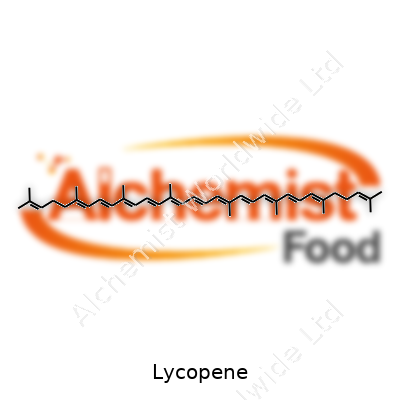
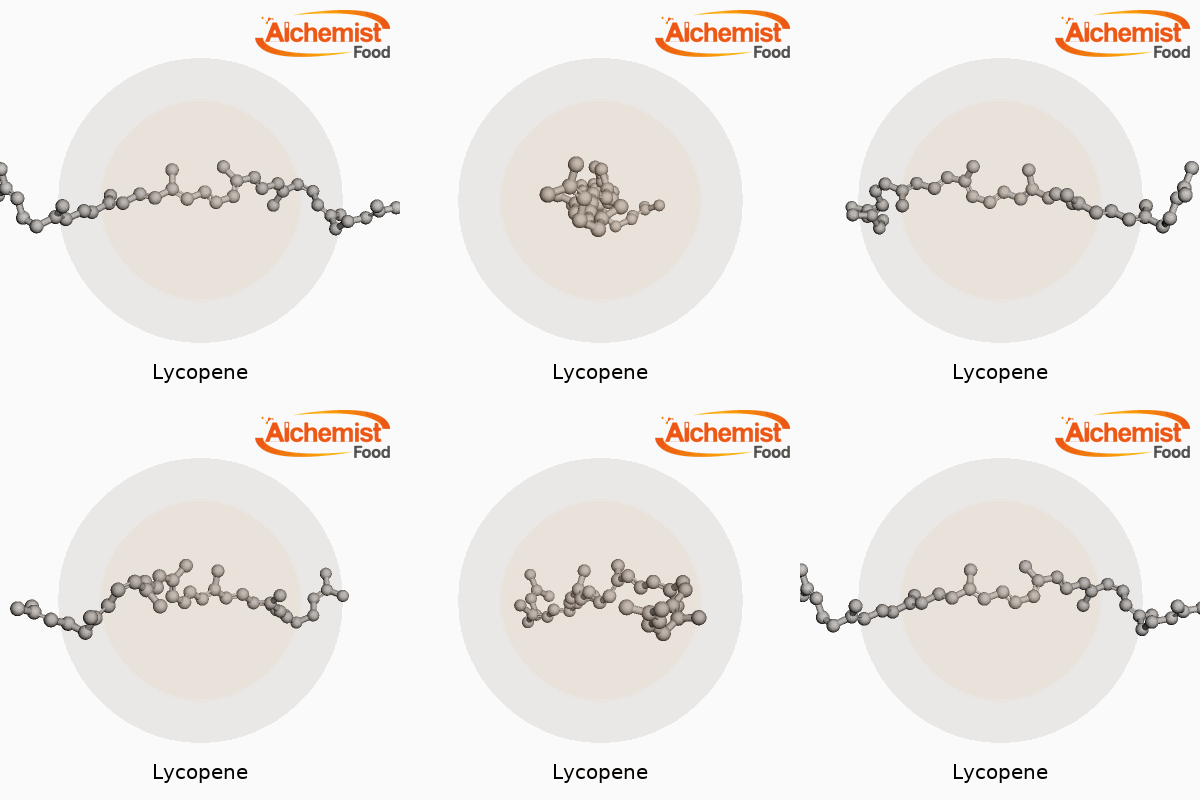
| Names | |
| Preferred IUPAC name | 2,6,10,14,19,23,27,31-octamethyldotriaconta-2,4,6,8,10,12,14,16,18,20,22,24,26,30-tetradecaene |
| Other names |
Tomato extract Lycopersicon esculentum extract Lyc-O-Mato Lycored Lycoplan Tomato lycopene All-trans-lycopene |
| Pronunciation | /ˈlaɪkəˌpiːn/ |
| Preferred IUPAC name | (6E,8E,10E,12E,14E,16E,18E,20E,22E,24E,26E)-2,6,10,14,19,23,27,31-octamethyldotriaconta-2,6,8,10,12,14,16,18,20,22,24,26,30-dodecaene |
| Other names |
Tomato extract Lycopersicon esculentum extract All-trans lycopene ψ,ψ-Carotene |
| Pronunciation | /ˈlaɪ.kəˌpiːn/ |
| Identifiers | |
| CAS Number | 502-65-8 |
| Beilstein Reference | 1908716 |
| ChEBI | CHEBI:15948 |
| ChEMBL | CHEMBL: CHEMBL15037 |
| ChemSpider | 15482 |
| DrugBank | DB09142 |
| ECHA InfoCard | 100.115.273 |
| EC Number | EC 2.5.1.32 |
| Gmelin Reference | 10418 |
| KEGG | C04278 |
| MeSH | D015228 |
| PubChem CID | 446925 |
| RTECS number | OL5991000 |
| UNII | JPQ8KON5L7 |
| UN number | UN2811 |
| CompTox Dashboard (EPA) | DTXSID7020182 |
| CAS Number | 502-65-8 |
| 3D model (JSmol) | Lycopene JSmol 3D model string: ``` C1=CC=C(C=C1)C/C=C(\C)/C=C(C)/C=C(/C)/C=C(C)/C=C(\C)/C=C(C)/C=C(C)/C=C(C)/C ``` |
| Beilstein Reference | 97165 |
| ChEBI | CHEBI:15941 |
| ChEMBL | CHEMBL639 |
| ChemSpider | 15464 |
| DrugBank | DB09142 |
| ECHA InfoCard | 100.131.815 |
| EC Number | EC 1.3.99.22 |
| Gmelin Reference | 82813 |
| KEGG | C01596 |
| MeSH | D015228 |
| PubChem CID | 446925 |
| RTECS number | OL6347000 |
| UNII | 5L0U0M93AU |
| UN number | UN2811 |
| CompTox Dashboard (EPA) | DTXSID2021046 |
| Properties | |
| Chemical formula | C40H56 |
| Molar mass | 536.87 g/mol |
| Appearance | Dark red crystalline powder |
| Odor | Odorless |
| Density | 0.96 g/cm³ |
| Solubility in water | Insoluble |
| log P | 17.64 |
| Vapor pressure | <1.0E-8 mmHg (25 °C) |
| Acidity (pKa) | 4.17 |
| Basicity (pKb) | 12.71 |
| Magnetic susceptibility (χ) | -23.0×10⁻⁶ cm³/mol |
| Refractive index (nD) | 1.568 |
| Dipole moment | Dipole moment of Lycopene: `"0.00 D"` |
| Chemical formula | C40H56 |
| Molar mass | 536.87 g/mol |
| Appearance | Red crystalline powder |
| Odor | Odorless |
| Density | DENSITY: 1.14 g/cm3 |
| Solubility in water | Insoluble in water |
| log P | 17.64 |
| Vapor pressure | negligible |
| Acidity (pKa) | 28.35 |
| Basicity (pKb) | 17.18 |
| Magnetic susceptibility (χ) | Diamagnetic |
| Refractive index (nD) | 1.570 |
| Viscosity | Viscous liquid |
| Dipole moment | 2.02 D |
| Thermochemistry | |
| Std molar entropy (S⦵298) | 933.5 J·mol⁻¹·K⁻¹ |
| Std enthalpy of formation (ΔfH⦵298) | –140 kJ/mol |
| Std enthalpy of combustion (ΔcH⦵298) | -2873 kJ·mol⁻¹ |
| Std molar entropy (S⦵298) | 887 J·mol⁻¹·K⁻¹ |
| Std enthalpy of formation (ΔfH⦵298) | -164.7 kJ/mol |
| Std enthalpy of combustion (ΔcH⦵298) | -2874 kJ/mol |
| Pharmacology | |
| ATC code | A16AX14 |
| ATC code | A16AX14 |
| Hazards | |
| Main hazards | May cause eye, skin, and respiratory irritation. |
| GHS labelling | GHS07, GHS09 |
| Pictograms | 🧃🍅💊 |
| Signal word | Warning |
| Hazard statements | H412: Harmful to aquatic life with long lasting effects. |
| Precautionary statements | Precautionary statements: Not for medicinal use. Keep out of reach of children. Store in a cool, dry and dark place. Do not exceed the recommended dose. |
| Flash point | > 162.4 °C |
| Autoignition temperature | > 660°C |
| Lethal dose or concentration | LD50 (rat, oral): > 5,000 mg/kg |
| LD50 (median dose) | > 5,000 mg/kg (Rat, oral) |
| NIOSH | NLQ8040000 |
| PEL (Permissible) | 10 mg/kg |
| REL (Recommended) | 10 mg per day |
| IDLH (Immediate danger) | Not listed/Not established |
| GHS labelling | GHS07, GHS09 |
| Pictograms | 💊🌱🍅 |
| Signal word | Warning |
| Hazard statements | H319: Causes serious eye irritation. |
| Precautionary statements | Keep out of reach of children. Store in a cool, dry place. Protect from light and moisture. Consult your physician before use if you are pregnant, nursing, taking medication, or have a medical condition. Do not exceed recommended dosage. |
| Flash point | >150 °C (302 °F) |
| Autoignition temperature | 660 °C |
| Lethal dose or concentration | LD50 (oral, rat): > 5000 mg/kg |
| LD50 (median dose) | > 5000 mg/kg (Rat, Oral) |
| PEL (Permissible) | 50 mg/m³ |
| REL (Recommended) | 10 mg per day |
| IDLH (Immediate danger) | Not listed. |
| Related compounds | |
| Related compounds |
Carotene Phytoene Phytofluene Neurosporene Beta-carotene Alpha-carotene Lutein Zeaxanthin |
| Related compounds |
Carotene Phytoene Phytofluene Neurosporene Beta-carotene Gamma-carotene Lutein Zeaxanthin Canthaxanthin Astaxanthin |



