L-Tryptophan: History, Science, and Tomorrow's Promise
Tracing the Roots: The Development of L-Tryptophan
Navigating the history of L-Tryptophan feels like piecing together a story of persistence and learning. Chemists first isolated this essential amino acid from casein in milk in the early 1900s, after much trial and error in the laboratory. At that time, understanding of dietary proteins locked in amino acids was still young. Researchers competing to unlock the secrets of digestion and body chemistry eventually recognized L-Tryptophan’s role as one of just a few amino acids that the human body can't create on its own. Jump forward to the 1980s, and commercial-scale production took off, making the supplement and food additive more widely available. Innovations in microbial fermentation, especially with genetically tweaked strains of E. coli, changed the landscape for how L-Tryptophan ended up in everything from animal feed to sleep aids. Episodes like the 1989 eosinophilia-myalgia syndrome outbreak left a scar, shaping how regulatory bodies look at purity and traceability.
Diving Into the Product: What Sets L-Tryptophan Apart
Look at a sample of L-Tryptophan and you see a fine, white crystalline powder that fights humidity, stays stable under dry conditions, and usually carries no odor. I’ve seen manufacturers stress the need for high assay levels—often 98.5% or above—alongside tightly controlled moisture and heavy metal limits. Most people encounter L-Tryptophan as an ingredient on supplement labels or in enriched foods. In tablets or capsules, what matters most is not just how much of the real amino acid is present, but what tags along from fermentation or extraction. The bar for pharmaceutical or feed-grade L-Tryptophan leans high: customers expect reliable purity and consistent flow, especially where precise nutrition or health goals come into play.
Understanding L-Tryptophan’s Physical and Chemical Traits
I still remember the first time I crushed a few grams of L-Tryptophan between glass plates, surprised by its silky feel and lack of odor. The substance carries a molecular weight around 204.23 g/mol and melts near 290°C with slow decomposition, so it doesn’t break down easily in most processing steps. Its solubility isn’t dramatic—barely dissolves in water, not a friend of alcohol, practically invisible in ether. Chemically, L-Tryptophan boasts an indole ring tethered to an amino acid backbone, making it a key building block in protein and neurotransmitter biosynthesis. Most reactions hinge on that indole group, which opens doors for clever modifications but also demands careful handling during manufacturing.
Technical Sheet: Specs and Labeling Rules for L-Tryptophan
On the shelf or in a test tube, every detail matters. Commercial L-Tryptophan lists purity level, water content, bulk density, particle size, and even optical rotation to offer confidence in what you’re using. Feed and pharmaceutical grades don't stray far from each other on the major metrics. Nutrition facts break down per daily dose, with warnings for kids, pregnant people, and those on specialty diets. Ingredient labels must match paperwork all the way back to fermentation vats in the factory. Pharmacopeias like USP and EP lay out fingerprint tests, limits on unknown impurities, and microbiological purity. Companies that ignore these details lose trust overnight, and regulators can trace the story back to the lot number if questions arise.
From Lab to Scale: How L-Tryptophan Comes to Life
Transformation starts in the fermentation tank, where sugar feeds modified bacteria that churn out L-Tryptophan. Modern facilities almost exclusively run microbial fermentation, steering clear from once-standard acid hydrolysis due to waste concerns and lower purity. After fermentation, cell debris gets separated out, followed by a series of purification steps like crystallization and filtration. Each stage not only scrubs the product but carries risk for contamination or chemical byproducts. The quest for yield and purity has led to improved control systems, smarter genetically engineered microbes, and precision downstream processes. Manufacturers keep a tight grip on temperature, pH, and feeding rates, knowing a slip means lost product or worse, presence of dangerous impurities.
Chemical Reactions and Modified Forms: Pushing the Boundaries
I’ve seen chemists tweak the indole side chain or the amino acid carbon, hunting unique L-Tryptophan derivatives for specialty applications. These modifications can shift its binding affinities, solubility, or even pharmacological action. Oxidation opens new pathways to fragrant compounds found in perfumes or new pharmaceuticals. Enzymatic coupling allows linkage to vitamins, sugars, or fatty acids, enabling slow-release dietary supplements or targeted therapeutic agents. While L-Tryptophan’s natural form rules the protein synthesis world, research pipelines spill over with prodrugs and novel analogs made possible by advanced organic synthesis and biotechnology tools.
What Else Is It Called? Synonyms and Trade Names
Scientists prefer “L-Tryptophan,” but familiarity with synonyms can help any professional stay sharp. Names like 2-Amino-3-(indol-3-yl)propanoic acid or Tryptophan show up in patents and old nutrition texts. In the supplement aisle, trade names add a marketing edge, such as “TRP,” “TryptoPure,” or “L-Tryp.” No matter the label, the structure stays the same, and knowing these names bridges the gap between chemistry, regulatory standards, and what consumers understand on a package.
Rules of the Game: Safety and Operations Around L-Tryptophan
Rules grew stricter after the contamination scare in the late 1980s. GMPs (Good Manufacturing Practices) push factories to keep gear sterile, ingredients traceable, and product consistent. Hazard controls focus on allergen management and the possibility of residual bacterial endotoxins. Daily safety drills center on respiratory protection—for dust, not vapors—since chronic inhalation can cause discomfort or, in high doses, more serious symptoms. Labels now warn buyers to avoid excessive intake, flag possible serotonin syndrome risk in users of antidepressants, and provide emergency instructions, showing that a once “harmless” amino acid needs thoughtful handling. Consumers and health professionals count on batch testing and full transparency to avoid a repeat of historical accidents.
Where It Works: The Reach of L-Tryptophan Across Industries
From my experience, animal feed stands out—poultry and swine feeds often blend L-Tryptophan to fill diet gaps and boost growth. In the supplement market, demand spikes each year due to its reputation for supporting restful sleep, mood balance, and sometimes athletic recovery. The food industry uses it in infant formula, nutritional bars, or medical nutrition, ensuring that people with restricted diets get enough essential amino acids. Pharmaceutical product development taps L-Tryptophan’s chemical flexibility, using it as a starting material for psychiatric drugs, diagnostic dyes, and industrial enzyme catalysts. No matter where you look, innovations tie directly to the fundamental requirements for health and performance in humans and animals.
Lighting the Road Ahead: Research and Development in L-Tryptophan
Universities and startups still dig for deeper answers in L-Tryptophan’s story. The links between dietary intake, brain serotonin, and mental health get tested in new human and animal studies. Microbial engineering research aims to stretch fermentation yields and reduce production costs, bringing down prices and unlocking new applications, especially in poorer regions. Biomedical labs channel L-Tryptophan’s structure to develop prodrugs that cross the blood-brain barrier more easily or to create imaging agents for specific disorders. Each advance brings ethical challenges—overuse, potential for mood manipulation, fake purity signatures—but the underlying search for better outcomes keeps the work moving forward.
Weighing the Risks: Toxicity and Human Health Questions
After the late 1980s, everyone in the supply chain learned to take L-Tryptophan’s safety more seriously. Researchers spent years tracking cases of eosinophilia-myalgia and linking them to contaminated supplements made by shortcuts in bacterial processing. Pure L-Tryptophan, handled with proper oversight, causes few problems at nutritional doses, but risks climb steeply with high daily intakes, especially when mixed with drugs that tweak serotonin. Animal studies still shape our view of its long-term profile, feeding regulatory limits in food and pharmaceutical preparations. Independent third-party tests, clearer labeling, and education for doctors and consumers together keep the balance between benefit and hazard in better alignment.
Looking Forward: The Role of L-Tryptophan in Tomorrow’s Science and Health
L-Tryptophan’s place in health and industry won’t grow stale anytime soon. Improvements in genetic engineering and bioprocess control promise cheaper, greener manufacturing and a reduced carbon footprint. Health researchers dig deeper into its role in mood, gut health, and chronic disease management, working with precision nutrition models to match optimal doses to individuals. Regulatory upgrades—expected in the next few years—aim to eliminate loopholes that allowed past mistakes, boosting consumer confidence as new markets open across Asia and Africa. The fusion of food science, pharma, and environmental awareness calls for continuous vigilance, honest labeling, and ongoing investment in the research that first made L-Tryptophan more than just another amino acid.
What are the benefits of taking L-Tryptophan supplements?
What L-Tryptophan Does in the Body
Folk wisdom says a big turkey dinner makes you sleepy, and a lot of that comes down to L-Tryptophan. This amino acid forms the building blocks for proteins—just like its better-known cousins, but it goes a step further. L-Tryptophan helps create serotonin in the brain. That’s the same signal carrier behind mood, sleep, and even your appetite. Without it, the body’s own rhythm can get out of tune.
Promoting Better Sleep
Sleep means more than just avoiding grogginess. Quality rest boosts immune health and mental clarity. Studies suggest L-Tryptophan can help folks with trouble falling asleep, letting the body crank out more melatonin, the hormone behind the sleep-wake cycle. Instead of leaning on heavy-duty sleeping pills, some turn to tryptophan supplements as a gentle nudge toward natural rest. The difference often shows up quietly: a full sleep with fewer early-morning wake-ups.
Supporting Mild Mood Issues
Certain stressful days leave you feeling frustrated and down. Doctors say serotonin helps keep mood on a more even keel. Since L-Tryptophan provides the raw fill for serotonin production, taking a supplement can sometimes help folks feel brighter, especially when the blues come on without a clear reason. Small clinical trials have shown some improvement for mild and moderate mood dips. Still, L-Tryptophan is no cure-all, and it doesn’t replace professional mental health care. It works best as part of a bigger plan—including exercise, sunlight, and meaningful social connections.
Why Food Isn’t Always Enough
You’ll find L-Tryptophan in foods like turkey, chicken, nuts, and cheese. Yet just eating food rarely raises blood tryptophan much. That’s because most protein foods come with plenty of other amino acids fighting for the same ticket into the brain. Supplements can bump up the available pool, making it more likely serotonin gets a boost. Still, more isn’t always better. High doses bring risks, including nausea or—in rare cases—a more serious reaction called eosinophilia-myalgia syndrome. Anyone thinking about supplements should talk with a healthcare provider first, especially if they take antidepressant drugs, since the combination can trigger too much serotonin.
Looking at the Evidence and Safe Use
The science behind L-Tryptophan isn’t just based on theories; the work began back in the 1960s. Recent reviews point to benefits for sleep and mild mood symptoms, but also call out the need for bigger, longer studies to sort out who gains the most. Trustworthy brands matter. Supplements sold in the U.S. don’t go through the same safety checks as prescription drugs. Always look for third-party tested products.
Other Ways to Support Your Health
Tryptophan gives an extra tool for those struggling with sleep or mild mood problems, but it’s only one piece. Fresh air, movement, and balanced eating keep the body and mind in rhythm. Getting outside for natural sunlight and keeping a regular bedtime often give better results than reaching for a pill shelf. If sleep or mood problems stick around, add in a check with a reliable healthcare professional. Mixing supplements and prescription medicine without expert guidance can backfire. Awareness, routine, and honest conversations with your doctor work hand in hand with any supplement, including L-Tryptophan.
Is L-Tryptophan safe to use daily?
L-Tryptophan: Everyone’s Talking About It
L-Tryptophan shows up in articles, supplement bottles, and a bunch of late-night internet searches about sleep and mood. This amino acid earns attention because the body can’t make it—you get it from food or pills. Some folks reach for L-Tryptophan hoping to drift off at night, others looking for better moods or relief from mild anxiety.
What Science Knows So Far
Years ago, L-Tryptophan made headlines after an outbreak of eosinophilia-myalgia syndrome traced back to a contaminated batch. That disaster—over 1,500 people developed severe, sometimes disabling symptoms—led to years of tight regulation and public wariness. Today, though, clean manufacturing standards dismiss those worries for many.
Research confirms L-Tryptophan’s role as a precursor for serotonin, often called the “feel good” neurotransmitter. Without enough L-Tryptophan in your food, the brain makes less serotonin. Serotonin links to mood, sleep, and even gut function. In people who don’t get enough from their diet, low serotonin sometimes means low mood or poor rest.
Is It Safe for Every Day?
Most healthy adults tolerate moderate L-Tryptophan doses (about 250-425 mg daily) without trouble, at least in the short run. Supplements often contain more than that—sometimes up to 2,000 mg per serving. High doses could mean side effects: nausea, dizziness, headaches, or drowsiness. Sticking to recommended serving sizes and taking supplement breaks may head off these problems.
Doctors have flagged some risks, especially if you mix L-Tryptophan with antidepressants like SSRIs or MAOIs. Both alter serotonin, and too much can trigger serotonin syndrome. That’s a dangerous condition: confusion, rapid heart rate, shivering, severe muscle tightness.
Pregnant or breastfeeding people should steer clear, because there’s no long-term safety data for these groups. Kids, too—nobody really knows yet how they’d respond or if different dosing rules apply.
Looking for Solutions: Better Information and Smarter Choices
Supplements live in a kind of Wild West. The FDA only steps in after problems show up, and third-party testing happens on a voluntary basis. Buying from brands that get independent testing from labs like NSF or USP makes a difference. It’s worth reading labels for exact dosages and steering clear of brands that play coy about what goes in their capsules.
I’ve seen friends grab L-Tryptophan before bed when sleep hits a rough patch. They found it helped, especially on stressful weeks. But pairing supplements with a chat with a doctor—especially if you already take any kind of prescription mood or sleep medicine—keeps things safer.
The Bigger Picture
Making L-Tryptophan part of a balanced approach makes sense. Eating turkey, chicken, eggs, nuts, and cheese offers steady, reliable sources without the risk of crossing into too-high territory. Using supplements as a reset tool for a tough stretch, and not as a forever fix, lets the body get what it needs without depending entirely on a pill. Factory errors or unknown fillers won’t risk your health if you lean on food first.
Science keeps digging. For now, daily use of clean, modest L-Tryptophan supplements looks safe for most healthy adults for short stretches. Possible side effects and drug interactions still matter. Better personal research, honest label reading, and getting real advice from medical professionals will keep supplement use smart. Your body, your brain and your sleep all deserve that level of respect.
What is the recommended dosage for L-Tryptophan?
Looking for Answers on L-Tryptophan Dosage
If you search for ways to improve mood or sleep, you’ll run across the supplement L-tryptophan. This amino acid shows up in a lot of discussions about mental health, especially where sleep or mild mood support is getting talked about. It’s sold in most health food stores, and you can pick it up online just as quickly. With so many promises, a common question comes up: what amount of L-tryptophan is actually considered wise to take?
Understanding Dosage through Research
Through published clinical studies and medical guidelines, L-tryptophan doses usually range from 500 mg to 2,000 mg per day. This isn’t a random number. Large studies and credible sources like the National Institutes of Health support these ranges. For sleep, the text on the label might show 500–1,000 mg taken about an hour before bed. People looking at mood changes, like tackling mild depression or anxiety, might see higher doses suggested, sometimes up to 2,000 mg per day, split between morning and evening.
Safety: Not All Supplements are Harmless
Many folks assume supplements can’t carry risk. That just isn’t true, especially with L-tryptophan. Too much can lead to side effects — things like nausea, dizziness, even serious problems like serotonin syndrome if mixed with antidepressants. In the late 1980s, contaminated L-tryptophan caused a dangerous breakout of eosinophilia-myalgia syndrome (EMS), which led to tighter regulations and fear around the product. Now, safer manufacturing helps, but poor oversight still pops up, especially with unfamiliar brands.
Why Personal Experience Doesn't Replace Science
I’ve read accounts of folks using L-tryptophan with great results for sleep or midday calm. A friend once swore by 1,000 mg at bedtime to get through stressful work deadlines. Stories have value, but they don’t replace evidence. Reputable guidelines steer us toward consistent findings, not just anecdotes. Older adults and those on medications need to take even more care because of risky interactions or slow metabolism.
Doctors Play a Vital Role Here
Family doctors and psychiatrists hold good information on L-tryptophan. A professional should check if adding a supplement will mess with your regular meds or aggravate a health problem. They also know about potential conditions that don’t pair well with L-tryptophan — like liver or kidney problems, or a history of depression that isn’t mild. Doctors can provide guidance that’s grounded in actual research, not just hope or hype.
Moving Toward Better Choices
Clear, honest advice means more people stay healthy. The supplement world can be a maze, where the label on a bottle isn’t always the complete story. Choose a brand that publishes third-party lab results, and be wary of anyone pushing doses over 2,000 mg daily without a real reason. Tracking what happens in your own body, with input from a care provider, brings better results than chasing miracle cures. L-tryptophan matters to plenty of people aiming for better rest, but like any health decision, a little science goes a long way.
Are there any side effects or risks with L-Tryptophan?
Why People Turn to L-Tryptophan
Plenty of folks chase better sleep or a calmer mood with little tricks, and L-Tryptophan enters the scene as one of those supposed helpers. It shows up in tablets and powders at the grocery store or pharmacy, right next to other mood and sleep supplements. People hear that turkey contains it and think it might be a natural answer to restlessness. After all, it's an amino acid, something your body uses every day. The reasoning seems sound—boost serotonin, maybe get better sleep, maybe feel better. This appeal is simple to understand.
Not Without Downsides
Before loading up on any supplement, it’s smart to look at the downsides, especially when it concerns something you add to your system without a prescription. L-Tryptophan supplements experienced a huge setback back in the late '80s. Contaminated batches from a particular manufacturer triggered a serious health scare known as eosinophilia-myalgia syndrome (EMS), which caused debilitating muscle pain, skin changes, and, in rare cases, death. That scare led to a ban for several years.
Most people don’t know about EMS, but those who lived through that headline have a good reason to ask questions. Even though modern supplements get made under stricter controls these days, the problem taught a lesson: purity and manufacturing standards can’t take a back seat when human lives are involved. The vast majority of recent cases don’t run into EMS, but the legacy lingers, and quality control still matters.
Daily Use and Possible Side Effects
Taking L-Tryptophan isn’t like sipping herbal tea. People have reported side effects such as heartburn, stomach cramps, nausea, vomiting, or even diarrhea after doses at the higher end of the supplement spectrum. Grogginess and headaches sometimes happen too. It’s tempting to look at the bottle and think “all-natural” means “always safe.” The reality is, plenty of natural things can cause harm in excess or for sensitive individuals.
There’s also the interaction risk. Some folks take antidepressants or drugs for migraines. Adding L-Tryptophan to the mix—especially with selective serotonin reuptake inhibitors or MAO inhibitors—might increase serotonin in the brain. Too much serotonin can trigger serotonin syndrome, a potentially life-threatening condition marked by restlessness, confusion, fever, and rapid heartbeat.
Who Should Avoid It?
Anyone struggling with liver or kidney disease should approach L-Tryptophan supplements with extra caution. The same goes for pregnant and breastfeeding women. Mixing L-Tryptophan with alcohol or sedatives increases the risk of too much sleepiness or loss of coordination, which isn’t something anyone wants from a so-called “natural” solution.
Better Approaches and Smarter Choices
Good nutrition from whole foods supplies the body with amino acids like L-Tryptophan, steering clear of drastic peaks and valleys in blood levels. Instead of reaching for a quick-fix supplement, I believe in looking at the big picture: more sunlight hours, a tweak to nighttime routines, regular exercise, and proper mental care. Always discuss changes with a doctor who knows your health story before introducing supplements, especially ones that tinker with brain chemistry.
In today’s crowded supplement market, “natural” labels can create a false sense of security. Smart choices come from digging deeper, keeping an eye on medical news, and treating L-Tryptophan like any other medication—with a healthy dose of respect for possible side effects and interactions.
Can L-Tryptophan help with sleep or anxiety?
L-Tryptophan and Natural Sleep Rhythms
Plenty of folks struggle to fall asleep or quiet anxious thoughts at night. Sleep aids crowd pharmacy shelves, promising quick fixes. L-Tryptophan, an amino acid you find in foods like turkey, milk, and nuts, usually comes up in these conversations. Years ago, I tried drinking a glass of milk before bed, hoping it would help. I learned that the science around L-Tryptophan makes that tradition more than an old wives' tale.
Tryptophan works as a building block for serotonin, a chemical in the brain that helps boost mood and regulate sleep cycles. That serotonin also converts to melatonin, known for maintaining sleep-wake cycles. Clinical research from the 1970s and 1980s showed that supplements containing Tryptophan improved sleep quality for some. Doses between 1 to 3 grams produced changes in sleep stages, helping people fall asleep faster.
Unfortunately, supplements aren’t a magic bullet. A glass of milk won’t deliver enough Tryptophan to knock anyone out. Most people eating a mixed diet absorb some Tryptophan, but the blood-brain barrier only lets in small amounts. Eating lots of protein at dinner might even reduce Tryptophan’s availability for making serotonin, because other amino acids compete for transport.
Anxiety and Mood Support: Any Real Benefits?
Many who live with anxiety look for natural solutions before considering prescription medications. I’ve sat with friends searching for ways to break out of overwhelming stress and daily worry, and the appeal of an over-the-counter supplement feels obvious. Some studies show that boosting Tryptophan intake can lift mood, especially in people with mild depressive symptoms. There’s a link between serotonin deficiency and mood disorders, so adding Tryptophan might tip the balance for certain people.
Doctors and researchers still debate how much impact Tryptophan really has on anxiety. Most evidence comes from small clinical trials or studies in people with specific medical needs—like those with premenstrual syndrome or mild depression. Results can vary by dose, genetics, and even gut health, since most serotonin in the body lives in the digestive system.
Safety and Choosing a Supplement
L-Tryptophan disappeared from shelves in the late 1980s after contaminated supplies caused a fatal muscle disorder called EMS. Improved manufacturing and regulation led to its return, but this tragedy reminds us to treat any supplement with caution. The FDA does not evaluate these products as strictly as prescription drugs. Contamination sometimes happens. Choosing brands tested by independent labs, such as NSF or USP, matters for peace of mind.
Common side effects include drowsiness, dry mouth, or nausea. Interactions with antidepressants, particularly SSRIs, can be serious. Serotonin syndrome is rare, but real, and mixing supplements with medication creates risk.
Practical Steps for Better Sleep and Less Anxiety
Small changes in routine often support healthy sleep as much as any pill or powder. Turning off screens before bed, building a regular evening ritual, and getting morning sunlight keep circadian rhythms in check. Some people find that adding Tryptophan-rich foods—like chicken, eggs, or seeds—to dinner fits into a broader approach. If supplements sound appealing, checking in with a doctor or pharmacist avoids unnecessary surprises down the road.
Tryptophan gets its reputation from real links between amino acids and brain chemistry, but it’s not a one-size-fits-all sleep solution. Combining nutrition, lifestyle changes, and cautious use of supplements can bring steady, natural improvement without the side effects of overuse or risky combinations.
What is L-Tryptophan used for?
Understanding L-Tryptophan
L-Tryptophan shows up on the ingredient list of many health supplements and appears in plenty of conversations about restful sleep and mood. People might say it’s just another amino acid, but this one plays a unique role inside the body. L-Tryptophan turns into serotonin, and anyone living with anxiety, stress, or trouble sleeping knows serotonin sets the tone for emotional stability and comfort. That conversion taps into melatonin, which regulates the body’s clock and all those signals that tell us it’s time to rest.
Why Does It Matter?
L-Tryptophan, found in foods like turkey, chicken, oats, and dairy products, enters our system and helps manufacture serotonin, often called the “feel-good” neurotransmitter. When serotonin falls out of balance, people may experience depression, poor sleep, or even increased pain sensitivity. I’ve watched friends struggle with moods that rise and fall along with their stress at work, late-night screen time, and what hits their plate at dinner. Sometimes, they want something natural before trying prescription medications.
Mental Health and Mood Support
Research points to a link between low tryptophan levels and higher rates of depression. A study in the journal Psychopharmacology (2015) found that volunteers on low-tryptophan diets saw lower mood and memory scores. Some psychiatrists look to L-Tryptophan supplementation as a way to support people who don’t respond well to common antidepressants. The science tells us it’s not a magic bullet, but it fits into a holistic approach — sleep, nutrition, mental health support, and physical activity combine for better results.
Sleep and Relaxation
People often turn to L-Tryptophan for its reputation as a sleep aid. Melatonin gets most of the attention, but without enough L-Tryptophan, producing melatonin becomes harder. One clinical trial in Sleep (2016) found that those who took L-Tryptophan fell asleep faster and reported fewer nighttime awakenings. This becomes important for anyone tackling shift work, insomnia, or high-anxiety periods. Pharmaceutical sleep aids bring side effects like grogginess or dependency, so many look for safer ways to improve rest.
Beyond Supplements
Too many people expect a supplement to do the work alone. Food choices play a critical role. A meal rich in protein doesn’t just help muscles. Pairing tryptophan-rich foods with carbohydrates can boost serotonin because insulin helps more tryptophan cross into the brain. Small habits, like swapping sugary snacks for a handful of nuts or yogurt, can bring up serotonin naturally.
Safety and Potential Pitfalls
In the past, some supplements carried risks. The Eosinophilia-Myalgia Syndrome (EMS) outbreak in the late 1980s gave L-Tryptophan a bad reputation because of contamination. Today, companies producing L-Tryptophan face tight regulations for purity and safety. Choosing brands that follow Good Manufacturing Practice (GMP) guidelines can reduce risks. Still, mixing supplements with antidepressants or other medications shouldn’t happen without a health care provider’s input. High doses cause side effects such as nausea, headache, or sleepiness.
Supporting Better Health Choices
People want better mood, deeper sleep, and steadier energy — without worrying about pill bottles piling up. L-Tryptophan gives one option rooted in science and nutrition. Accessing these benefits can look simple but works best as part of a bigger plan: better food, managed stress, trusted medical advice, and real attention to sleep hygiene. For someone feeling stuck in a rut, small shifts supported by evidence can help the way forward look less overwhelming.
Are there any side effects of L-Tryptophan?
Understanding L-Tryptophan
L-Tryptophan draws a lot of attention as a supplement for sleep, mood, and even athletic performance. It’s an essential amino acid, so you only get it through food or supplements. Many foods contain L-Tryptophan, such as turkey, eggs, nuts, and cheese. The body uses it to produce serotonin, which plays a big role in mood regulation and sleep.
Reported Side Effects and Risks
Most people don’t notice much after taking a modest dose from dietary sources. Trouble starts when higher doses get involved or when it’s used as a daily supplement without professional guidance. Some experience nausea, dizziness, dry mouth, or drowsiness—nothing fun at work or behind the wheel. Others talk about headaches and stomach issues, especially with over-the-counter L-Tryptophan pills.
Some of us still remember what happened back in the late 1980s. A contaminated batch of L-Tryptophan led to a serious problem called Eosinophilia-Myalgia Syndrome (EMS), causing muscle pain and skin changes. Since then, quality standards improved, but the memory lingers for many in healthcare. Supplements today aren’t likely to have that risk, but nobody wants a repeat of that history.
Mixing L-Tryptophan with antidepressants or other medications that raise serotonin can create a dangerous state called serotonin syndrome. Fast heart rate, shivering, confusion, and even dangerous spikes in blood pressure show up in these cases. Anyone taking antidepressants should talk to their doctor before even thinking about adding this supplement.
Who Should Be Cautious?
Pregnant or breastfeeding women don’t get clear answers about safety, so most professionals advise against supplement use. People with liver or kidney problems also need to be careful. These organs help process amino acids, and extra L-Tryptophan can stack up fast if the body isn’t working as expected.
Even healthy adults have to look out for hidden risks. Supplement regulation lacks the strict oversight found in medications. Purity, accurate labeling, and unwanted additives in some brands aren’t always a given in every bottle on the market.
Making Safe Choices
Balancing benefit and risk matters with any supplement. Improving sleep or mood with L-Tryptophan won’t mean much if side effects cause problems that interrupt daily life. Keeping servings modest, sticking to trusted brands, and checking for third-party testing always beats grabbing the cheapest option.
Doctors and pharmacists remain good resources for talking through any supplement plans, especially if prescription medications are involved. Many have stories from their own practices about unexpected reactions or interactions that a Google search won’t turn up.
Better Alternatives through Food and Habits
Sometimes the answer doesn’t come in a capsule or powder. Good sleep habits, a varied diet, sunlight during the day, and cutting back on caffeine often bring results without any extra risk. Foods rich in L-Tryptophan, like turkey or nuts, can fit easily into most meals and help support the body’s natural systems. For many, small lifestyle changes go further than a daily supplement.
Nobody should feel they must choose between feeling better and risking side effects. Careful choices, good information, and partnership with a healthcare provider make for a safer path.
How should I take L-Tryptophan supplements?
What Drives People Toward L-Tryptophan?
Sleep troubles shake up many lives, mine included. Scouring the internet for solutions often lands you on L-Tryptophan supplements. This amino acid gets a reputation for helping with sleep, stress, and sometimes mood swings. Many reach for the bottle after tiring of spending nights watching the ceiling fan spin. If you want results, understanding what you’re taking, how it works in real life, and what to look out for makes a huge difference.
How L-Tryptophan Acts in the Body
L-Tryptophan is an essential amino acid, so you get it through food or supplements. Turkey is famous for containing it, but you’ll find it in nuts, cheese, and even eggs. Once inside, your body uses it to make serotonin, and then melatonin—key players in sleep and mood. Swallowing a capsule doesn’t mean your brain flips a serotonin switch. The process relies on what else you’ve eaten that day and your existing health. I found taking it with a small amount of carbohydrate—like a banana—offers better effects for people looking to support sleep.
Recommended Dosage and Timing
Talking about dosage, most sources and published research stick close to 500mg to 2 grams per day, often split into two doses. Starting with the lowest dose gives your body a chance to show how it reacts. Large doses do not mean better sleep or faster results. I learned the hard way during finals in college—more didn’t equal better focus, just an upset stomach. For best results, take it 30 minutes to an hour before bed if targeting sleep, always with a little food since it improves absorption.
Safety, Interactions, and What to Watch For
Stacking L-Tryptophan with other supplements or drugs raises a safety flag. Mixing with antidepressants such as SSRIs or MAOIs ramps up serotonin levels too much. This can land you in the emergency room with serotonin syndrome—think confusion, headache, rapid heart rate, and worse. Even certain cold medications cross the line. If you’re already on medications for mood or sleep, talk with a healthcare provider before adding anything new. Pregnant or breastfeeding folks, children, and anyone diagnosed with liver or kidney disease should give L-Tryptophan a pass unless a doctor says otherwise.
Some retailers cut corners or fudge label claims. Stick with brands that carry third-party certificates—USP, NSF, or ConsumerLab labels give legitimate peace of mind. Allergy-prone folks or people with a history of eosinophilia-myalgia syndrome (EMS) really need to watch out—trace contaminants in supplements triggered outbreaks in the past.
Taking L-Tryptophan: Practical Tips
Swallow with water and a light carb snack—for example, a few crackers. Skip high-protein meals around your dose because other amino acids compete for the same transport mechanism. Track your response in a journal. No two people process L-Tryptophan the same way. Some notice effects the first week; others need more time. If side effects pop up—nausea, dizziness, or rashes—it’s time to stop and reevaluate.
A final note from personal experience: managing expectations makes a difference. This supplement is no magic sleep bullet or happiness pill. Pair it with consistent sleep habits, regular exercise, and a real attempt at stress reduction. L-Tryptophan works best as one piece of the puzzle, not the main event.
Is L-Tryptophan safe to take daily?
Looking at the Research
L-Tryptophan pops up often in nutrition talk—an amino acid you bring in through food. Folks connect it with turkey, maybe sleepy Thanksgiving afternoons, and more recently, with supplements promising better mood, sleep, or relief from anxiety. L-Tryptophan works as a building block for serotonin, a brain chemical linked to calmness and better sleep. It sounds simple. Modern life leaves people tired and worried, and here’s a pill making big promises. But the question sits: is it safe to use every day?
L-Tryptophan and the Human Body
Your body pulls L-Tryptophan from food—eggs, poultry, dairy, nuts. But in the supplement aisle, it arrives in higher doses. Research suggests that for adults, short-term daily doses ranging from 250 mg up to 2 grams usually don’t cause trouble. Side effects, if they show up, often include nausea, drowsiness, and dry mouth. Nobody wants to feel worse in their quest to feel better.
Medical literature explains that L-Tryptophan became famous for the wrong reason back in 1989. A batch contaminated by poor manufacturing led to a tragic outbreak called eosinophilia-myalgia syndrome (EMS), landing people in hospitals. Regulatory agencies like the FDA stepped in and, after some years, allowed carefully manufactured products back on shelves. Modern supplements tend to undergo stricter quality control. But that bad chapter reminds us how supplement safety leans heavily on trustworthy sources.
How Much Is Too Much?
Doctors and scientists continue to study the healthy range. Some use as high as 6 grams a day in certain clinical studies under medical care, targeting stubborn depression or sleep issues. Most people taking it for sleep or mood hover around 500 mg to 1 gram. No one can predict exactly how one body will handle it—factors like medications, age, and kidney or liver health shape the impact.
Doctors warn that mixing L-Tryptophan with antidepressants or drugs affecting serotonin increases risk for serotonin syndrome. That’s a toxic buildup with symptoms like agitation, confusion, and a racing heart, sometimes very dangerous. Anyone taking mood meds or chronic prescriptions should run this by a real doctor before jumping in.
Quality and Transparency in Supplements
Not all capsules are created equal. The supplement industry stays loosely regulated compared to the pharmaceutical world. Groups like USP and NSF offer independent testing—picking brands stamped with these seals helps dodge mystery ingredients and contamination. Some companies release their third-party lab results online—extra transparency that goes a long way.
Food First, Then Supplements
Eating whole food provides not just L-Tryptophan, but fibers, vitamins, and protective nutrients that powders in bottles won’t match. Scrambling eggs or mixing a yogurt bowl delivers a steady supply and brings other health perks. Supplements, for some, feel like insurance. They can fill a gap for folks with dietary restrictions, health conditions, or trouble winding down at night.
Practical Steps for Safer Use
Anyone set on adding L-Tryptophan should start low and watch for odd symptoms. Read labels, steer clear of mystery blends, and avoid mixing with other things that tweak brain chemicals unless a health provider gives the green light. If allergies or chronic medical problems are in the picture, all the more reason to talk with a doctor or pharmacist.
Taking steps to check company reputation, ingredient sourcing, and independent testing makes sense. Supplements work best as one piece of the wellness puzzle, not the entire picture. Sleep, food, exercise, and mental health support build the strongest foundation.
Can L-Tryptophan help with sleep or depression?
Why People Look to L-Tryptophan
Plenty of folks struggle to drift off or wake up feeling refreshed. Doctors write prescriptions for sleep aids, but the search for something gentler draws many to natural options like L-tryptophan. This amino acid shows up in turkey, chicken, and dairy. The idea goes: eat or supplement L-tryptophan, and the body gets a boost in serotonin—a chemical linked with mood and sleep. Decades back, some even called tryptophan a miracle ingredient for the chronically tired or blue.
What Science Actually Tells Us
Researchers have dug into L-tryptophan for sleep and mood. A number of controlled studies suggest that supplementing it could help some people fall asleep a bit faster. In one analysis from the 1980s, sleep latency dropped for participants given L-tryptophan compared to those on a placebo. Others dozed off easier, and a handful described their sleep as deeper. None of this matches the knockout power of prescription meds, but even a mild improvement sometimes feels dramatic when you’re stuck counting sheep for hours.
On the depression front, L-tryptophan’s reputation comes from its role as a serotonin precursor. Certain antidepressants balance serotonin; L-tryptophan gives the brain more raw material. Limited clinical trials have found that this amino acid can lift mood, particularly in cases of mild depression. One classic study reported that those with mild to moderate depression felt brighter after a few weeks on moderate doses. But the effect can be subtle, and people with more severe depression probably won’t get much out of a supplement bottle—these cases often need a more robust approach.
Risks and Realities
L-tryptophan’s natural reputation doesn’t mean zero risk. In the late 1980s, contaminated supplement batches led to a health crisis called eosinophilia-myalgia syndrome (EMS), a rare condition that can cause serious complications. Modern, regulated sources improved quality control, and most supplements now come from reputable manufacturers. Adverse effects still pop up, especially in folks mixing tryptophan with other serotonin-boosting drugs—this can trigger serotonin syndrome, a dangerous overload.
Not everyone benefits from L-tryptophan. Digestion and absorption, unique genetics, stress levels, and diet play a part. The tryptophan in a Thanksgiving dinner faces competition from other amino acids and rarely creates the sleepiness effect people joke about. That drowsy feeling after turkey mostly comes from overeating, not L-tryptophan itself.
Looking for Solutions
If you’re weighing L-tryptophan for sleep, consider some practical steps first. Staying off screens an hour before bedtime, skipping caffeine late in the day, and keeping a steady sleep schedule beat any supplement for long-term impact. Anyone set on trying L-tryptophan should talk with a doctor—especially people already taking antidepressants or who have existing health conditions.
My own experience tells me that small lifestyle tweaks, steady routines, and support from friends matter more than any over-the-counter pill. L-tryptophan isn’t a cure-all, just one tool among many. The science points to mild benefits for some folks but also highlights the value of caution and a healthy skepticism toward miracle fixes.
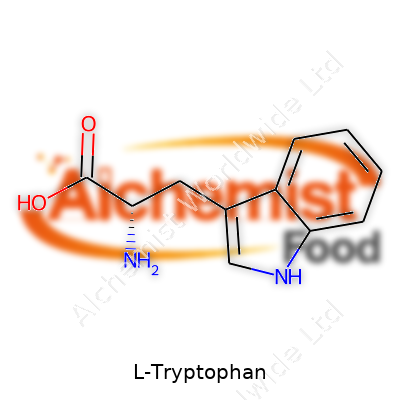
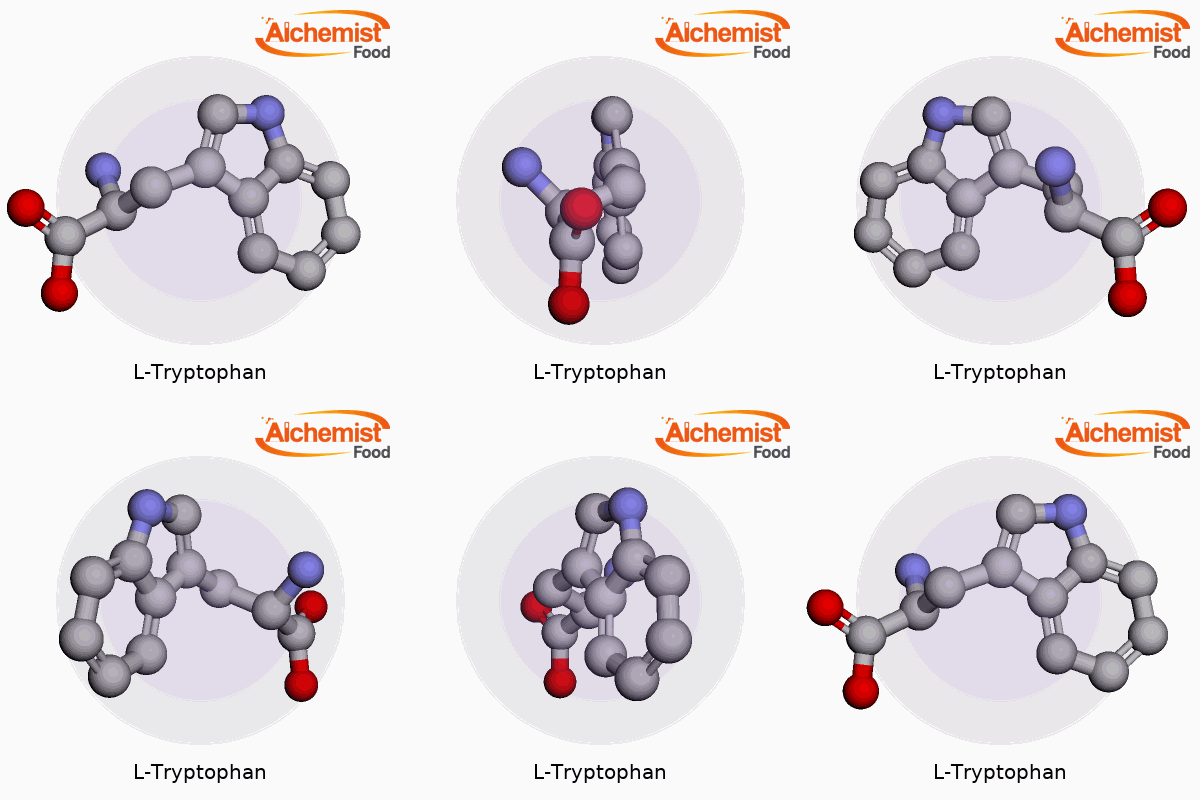
| Names | |
| Preferred IUPAC name | (2S)-2-amino-3-(1H-indol-3-yl)propanoic acid |
| Other names |
2-Amino-3-(indol-3-yl)propanoic acid Tryptophan L(-)-Tryptophan L-Trypt L-Tryptophan, free base L-α-Amino-3-indolepropionic acid |
| Pronunciation | /el ˈtrɪp.təˌfæn/ |
| Preferred IUPAC name | (2S)-2-amino-3-(1H-indol-3-yl)propanoic acid |
| Other names |
Tryptophan L(-)-Tryptophan 2-Amino-3-(indol-3-yl)propanoic acid Tryptophan, L- 3-Indolylalanine Indole-3-alanine |
| Pronunciation | /ɛl ˈtrɪp.təˌfæn/ |
| Identifiers | |
| CAS Number | 73-22-3 |
| Beilstein Reference | 172081 |
| ChEBI | CHEBI:57945 |
| ChEMBL | CHEMBL924 |
| ChemSpider | 576 |
| DrugBank | DB00150 |
| ECHA InfoCard | 03e3361e-198b-4f28-98c6-7b2aba1e4965 |
| EC Number | 3.1.3.4 |
| Gmelin Reference | 9229 |
| KEGG | C00078 |
| MeSH | D013972 |
| PubChem CID | 6305 |
| RTECS number | MI9459600 |
| UNII | Z9SW09Q1GT |
| UN number | ''2811'' |
| CompTox Dashboard (EPA) | DTXSID0029476 |
| CAS Number | 73-22-3 |
| Beilstein Reference | 1915927 |
| ChEBI | CHEBI:57945 |
| ChEMBL | CHEMBL978 |
| ChemSpider | 5757 |
| DrugBank | DB00150 |
| ECHA InfoCard | 100.007.580 |
| EC Number | 3.1.3.1 |
| Gmelin Reference | 81760 |
| KEGG | C00078 |
| MeSH | D013972 |
| PubChem CID | 6305 |
| RTECS number | XTL1907600 |
| UNII | X3M7PQG4D6 |
| UN number | 2811 |
| CompTox Dashboard (EPA) | D7GQ7FOME0 |
| Properties | |
| Chemical formula | C11H12N2O2 |
| Molar mass | 204.23 g/mol |
| Appearance | white to off-white crystalline powder |
| Odor | Odorless |
| Density | 1.34 g/cm³ |
| Solubility in water | 1.14 g/L (25 °C) |
| log P | -1.06 |
| Vapor pressure | <0.01 mmHg (25°C) |
| Acidity (pKa) | 2.38 (carboxyl), 9.39 (amino) |
| Basicity (pKb) | 5.89 |
| Magnetic susceptibility (χ) | -18.9 × 10⁻⁶ cm³/mol |
| Refractive index (nD) | 1.507 |
| Dipole moment | 3.21 D |
| Chemical formula | C11H12N2O2 |
| Molar mass | 204.23 g/mol |
| Appearance | White to slightly yellowish crystalline powder |
| Odor | Odorless |
| Density | 1.34 g/cm³ |
| Solubility in water | soluble |
| log P | -1.06 |
| Vapor pressure | < 1 mm Hg (25 °C) |
| Acidity (pKa) | 2.38 (carboxyl), 9.39 (amino) |
| Basicity (pKb) | 4.5 |
| Magnetic susceptibility (χ) | -12.4 × 10⁻⁶ cm³/mol |
| Refractive index (nD) | 1.525 |
| Viscosity | Viscous liquid |
| Dipole moment | 3.22 D |
| Thermochemistry | |
| Std molar entropy (S⦵298) | 237.4 J·mol⁻¹·K⁻¹ |
| Std enthalpy of formation (ΔfH⦵298) | −795.0 kJ·mol⁻¹ |
| Std enthalpy of combustion (ΔcH⦵298) | -3933 kJ mol⁻¹ |
| Std molar entropy (S⦵298) | 223.0 J·mol⁻¹·K⁻¹ |
| Std enthalpy of formation (ΔfH⦵298) | −1249.7 kJ·mol⁻¹ |
| Std enthalpy of combustion (ΔcH⦵298) | -3933 kJ/mol |
| Pharmacology | |
| ATC code | N06AX11 |
| ATC code | N06AX11 |
| Hazards | |
| Main hazards | May cause respiratory irritation. |
| GHS labelling | GHS07, Warning |
| Pictograms | GHS07 |
| Signal word | Warning |
| Hazard statements | Hazard statements: Not a hazardous substance or mixture according to the Globally Harmonized System (GHS). |
| Precautionary statements | P264, P270, P301+P312, P330, P501 |
| NFPA 704 (fire diamond) | 1-0-0 |
| Flash point | > 327.6 °C |
| Autoignition temperature | 410°C |
| Lethal dose or concentration | LD50 oral rat 3700 mg/kg |
| LD50 (median dose) | L-Tryptophan: LD50 (median dose) Oral - rat - 7,900 mg/kg |
| NIOSH | MT3915000 |
| PEL (Permissible) | Not established |
| REL (Recommended) | 220 mg |
| Main hazards | May cause respiratory irritation. May cause drowsiness or dizziness. |
| GHS labelling | GHS07 |
| Pictograms | GHS07 |
| Signal word | Warning |
| Hazard statements | No hazard statements. |
| Precautionary statements | Precautionary statements: "P261, P264, P270, P272, P273, P301+P312, P330, P391, P501 |
| NFPA 704 (fire diamond) | 1-0-0 |
| Flash point | > > > Greater than 100°C (212°F) |
| Autoignition temperature | > 630 °C |
| Explosive limits | Not explosive |
| Lethal dose or concentration | LD50 (oral, rat): 7000 mg/kg |
| LD50 (median dose) | 1620 mg/kg (rat, oral) |
| NIOSH | RN: 73-22-3 |
| PEL (Permissible) | Not established |
| REL (Recommended) | 220 mg |
| IDLH (Immediate danger) | No IDLH established. |
| Related compounds | |
| Related compounds |
5-Hydroxytryptophan Tryptamine Serotonin Melatonin Niacin Indole-3-acetic acid |
| Related compounds |
5-Hydroxytryptophan Tryptamine Serotonin Melatonin Niacin Indole-3-acetic acid |



