L-Serine: Story, Science, and Future Directions
Historical Development
L-Serine did not leap onto the scientific stage overnight. Many years back, researchers working with silk found a peculiar amino acid building block. That curiosity fueled decades of analytical work, chipping away at protein structures. Through countless extractions and patient chromatography, investigators isolated L-Serine and mapped its relevance in proteins. Over the decades, its importance showed up not just in biochemistry textbooks but in therapy concepts, nutrition supplements, and industrial microbiology. Each stage unfolded as laboratories found out how deeply L-Serine links to metabolic functions and neurochemistry, giving this simple molecule a complex story rooted in science and experimentation.
Product Overview
L-Serine stands out as a non-essential amino acid, supplied both by food and internal processes. Most folks know it in white crystalline form. This amino acid takes part in cellular construction: from building proteins to regulating nerves and supporting the biosynthesis of other amino acids. Commercially, L-Serine shows up in food additives, nutritional shakes, pharmaceutical aids, and cell culture reagents. Industrial suppliers focus on purity, since contamination or isomeric imbalance can disrupt pharmaceutical or food applications.
Physical & Chemical Properties
On the lab bench, L-Serine appears as a fine white powder or sometimes as transparent crystals. At just above room temperature, it melts and starts to break down. It dissolves freely in water, but almost ignores most organic solvents. The molecule stacks up with three main features: the amino group on one end, carboxylic acid on the other, and a side chain with a hydroxyl group that sets L-Serine apart chemically. Because that side chain grabs hydrogen bonds easily, L-Serine enters reactions and forms links with all sorts of biomolecules.
Technical Specifications & Labeling
High-grade L-Serine comes with technical paperwork: purity by HPLC at or above 98%, minimal heavy metals, no detectable microbial contamination, and tight chiral control (no D-Serine contamination in pharmaceutical supplies). Packaging must keep the powder dry, sealed, and away from light. Regulatory labels specify origin, batch number, and usage restrictions, especially in medical-grade shipments. For the food industry, packaging highlights allergen status, source (fermentation or plant-extraction), and GMP (Good Manufacturing Practices) compliance.
Preparation Method
Biological synthesis draws the most attention these days. Earlier, acid hydrolysis or protein breakdown gave small yields and needed extra purification steps. Fermentation offers larger quantities: bacteria or yeast strains, genetically tailored, produce L-Serine from simple sugars or other feedstocks. The process focuses on temperature, pH, and oxygen levels since off-spec pH means amino acid breakdown and lower yield. Each finished batch moves through industrial-scale chromatography and filtration, ensuring pharmacopeia grade before release.
Chemical Reactions & Modifications
L-Serine rarely acts alone in cells or syntheses. The free hydroxyl group opens up all sorts of chemical tricks: phosphorylation, acetylation, and glycosylation all start at this versatile pivot. In pharmaceutical labs, chemists add labels or build peptide chains using L-Serine as a site of chemical attachment. Some industrial routes convert the molecule into specialty derivatives—key precursors for anticonvulsants, peptide drugs, and new types of surfactants. Enzyme-guided processes flip L-Serine into pyruvate or glycine, central for organism growth and engineering.
Synonyms & Product Names
L-Serine travels under assorted chemical names. Systematic chemists write “(S)-2-Amino-3-hydroxypropanoic acid” or simply “Serine.” Pharmacopeia labels use “L-Serine” to draw a line from its mirror image, D-Serine, which has radically different biological effects. Food technologists stamp it as E640 in additive listings. Commercial blends may trade under specific trademarks, but L-Serine mostly sticks to the core name in serious research and pharmaceutical circles.
Safety & Operational Standards
Factories treat pure L-Serine as low-risk, but no one ignores the basics—powder can irritate lungs on a careless spill, and every production line tool receives routine cleaning to zap contamination. Best practices require gloves, masks, and ventilation around open handling. Regulatory standards, especially for pharmaceutical supply, demand cGMP certification and external batch analysis. Finished product flows through full traceability reports, and staff follow documented SOPs to hold the line on safety and purity at each production step.
Application Area
Beyond its home in the lab, L-Serine shows up in diverse fields. Nutrition formulas use it for infants, athletes, and patients with metabolism challenges. Drug manufacturers supply it as a raw material for anticonvulsant synthesis or to tweak peptides for new therapies. Cell culture media would not support growth without it. Animal feed producers fortify rations to support livestock growth or stress recovery. Recently, neuroscience circles test L-Serine’s promise in targeting disorders linked to altered neurotransmitter cycling and myelin breakdown. Its chemical adaptability continues to open new industrial and research possibilities.
Research & Development
L-Serine draws strong research interest for its dual roles: as a basic metabolic building block, and a possible intervention for certain degenerative or metabolic conditions. R&D groups have mapped its biosynthesis, optimized microbial strains for ultra-efficient fermentation, and designed delivery forms that cross biological barriers efficiently. Multinational consortia dig into L-Serine’s role in serine-glycine one-carbon metabolism, brain repair, and even rare genetic disorders like serine biosynthesis deficiencies. Research output crossed into crop science and microbially produced animal feed, chasing both nutrition solutions and greener manufacturing options.
Toxicity Research
Toxicologists worked through high-dose studies in rats and humans, finding that L-Serine lies among the safer amino acids when consumed through diet. At massive oral doses, minor digestive issues sometimes occur, but these levels run far over what daily use or medical therapy would ever introduce. Extra vigilance guides therapy around rare metabolic disorders, as patients might react badly to amino acid imbalances. Research teams keep the spotlight on its neurological effects, since specific patient groups may carry unanticipated sensitivities, especially in clinical trials testing neuroprotective effects.
Future Prospects
With better microbial engineering, L-Serine production pushes down costs and opens up even more uses in food and pharma. Clinical interest in amino acid therapy grows as aging populations face neurological disease and metabolic hardship. Plant-based and precision fermentation movement boosts demand for clean-label, non-animal-derived supplements—L-Serine stands right in that space, supported by green chemistry and robust safety data. Researchers look ahead to potential roles in targeted brain therapies, support for rare disease patients, and the next generation of bioengineered foods. Each step forward relies on up-to-date science, careful production, and honest labeling—all demanding attention to detail and ongoing learning.
What is L-Serine used for?
Why L-Serine Matters
Growing up with a family member living with neurological challenges, I got used to digging into unfamiliar medical words. L-serine turned up in medical conversations more than once, promising potential help for memory, nerves, and even certain rare disorders. L-serine covers a lot of ground in the body. It's one of the essential building blocks for proteins, and you’ll spot it on the ingredient list of several nutrition products and supplements.
Supporting Brain Health
Research links L-serine to brain function. Cells in the brain depend on it to produce neurotransmitters, the chemicals sending signals between nerve cells. For many years, scientists watched L-serine as a possible ally in fighting neurodegenerative illnesses. A 2016 study published in Cell Metabolism reported that low levels of L-serine linked to increased risk of developing conditions such as ALS (amyotrophic lateral sclerosis). Some clinical trials also point to L-serine supplementation as a supportive therapy for children with rare genetic disorders tied to deficient serine production, showing improvements in movement and cognitive development.
The science around L-serine and memory hits close to home for families who’ve watched dementia or Alzheimer’s take hold. Doctors are studying how this amino acid might slow memory decline, though clear answers take time. That doesn’t make it a miracle cure, but it’s a sign that nutrition and brain health share more overlap than some might think.
More Than Medical: L-Serine in Food and Supplements
Stepping outside the clinic, L-serine appears as a supplement at drugstores and online retailers. Brands market it to adults hoping for extra cognitive or nerve support. I always urge friends to check with their healthcare professionals first, especially if they’re on medications or dealing with other conditions. Supplements can sound tempting, but the body processes L-serine naturally from food—soy products, eggs, meat, and dairy serve up reasonable amounts in a typical diet.
The food industry uses L-serine for other reasons, too. Manufacturers add it to health drinks, meal replacements, and products for people with very limited diets. Hospitals sometimes use it for tube feeding or for people struggling with recovery, since L-serine helps the body rebuild itself after trauma or extended illness.
The Safety Question
Most people tolerate L-serine without trouble. According to data from the US Food and Drug Administration, moderate doses seem safe for the general public. Rare side effects—like upset stomach or fatigue—may appear at high doses. Responsible supplement use starts with understanding why you want to take it and how much actually helps. Physicians can help sort facts from marketing claims, and that often keeps people safer than self-experimenting based on something seen online.
Looking Toward Solutions
It’s clear that L-serine is more than just a lab chemical. People dealing with rare disorders, memory struggles, or recovery from illness all might benefit from a targeted approach to nutrition. Supporting ongoing research matters here. If clinical studies keep up the momentum, we’ll have a clearer picture soon about just how much L-serine matters for brain and nerve health. For now, sticking with practical advice—balanced meals, doctor guidance, and cautious supplement use—remains the best route.
Is L-Serine safe to take daily?
Understanding L-Serine
L-Serine shows up as one of those supplements that gets people talking. Folks mention potential benefits from mental clarity to nerve support. On most supplement bottles, the label names it as a non-essential amino acid. This means your body can make it from other stuff you eat. But many folks wonder if boosting their intake will make a difference—especially every day.
What Science Says About Safety
Researchers have spent time checking how safe L-Serine is. Double-blind studies on healthy adults gave out up to 30 grams per day, and most participants didn’t report any side effects beyond mild stomach discomfort. Normal supplement doses, the kind sold over the counter, usually contain between 500 mg and 2 grams per serving.
Health groups haven’t flagged L-Serine as unsafe, but that doesn’t mean you should dive in without caution. Rare reports mention nausea and digestive upset at high doses. Nobody wants to add that to their daily routine. Long-term safety in healthy people looks fine so far, although research on children or pregnant people remains light.
Why Do People Even Take It?
Some folks aim for sharper thinking or want to support nerve health based on early research. There are also clinical trials exploring high-dose L-Serine for ALS and some inherited metabolic disorders. In these conditions, doctors keep a close eye on outcomes. For someone without a medical diagnosis, evidence for everyday brain benefits remains thin. I’ve seen friends spend good money on supplements hoping for a life hack, only to realize that core health habits win every time.
Possible Interactions and Hidden Risks
Mixing supplements can get tricky. L-Serine might interact with some medications, especially those that affect the brain or metabolism. People with a history of kidney disease or other chronic illnesses should talk to a health provider. WebMD and NIH mention similar caution. Supplements aren’t regulated as tightly as prescription drugs in the US. Testing for purity and dose accuracy isn’t always airtight.
What Quality Looks Like
Reliable brands stick with third-party testing to check for contaminants or mislabeled doses. Looking for that stamp on the label isn’t just a bonus—it sets apart what’s actually inside the bottle. Cheap or unverified powders found online may carry more risks than benefits.
Real-Life Perspective and Practical Steps
More folks than ever look for ways to stay sharp and feel better. L-Serine pops up in online forums and health food stores. I’ve watched some people swear they feel a difference after weeks of use. Others share stories of zero noticeable change. Our bodies don’t act like lab machines—so results can vary.
Supplements work best when paired with good nutrition, enough rest, and moving your body regularly. Anyone considering daily L-Serine can bring up the idea during a regular doctor’s visit. Bringing a supplement bottle to your appointment gives your doctor the info they need to help you weigh risks and benefits.
Thinking About Solutions
Instead of tossing new pills into your cart, check if your basic needs are being met. Fresh food, a steady sleep schedule, and time outdoors bring real gains. People dealing with serious health issues can ask for medical guidance before adding any supplement.
Bottom Line on Daily L-Serine Use
L-Serine hasn’t shown big dangers for most healthy adults at usual doses, but it doesn’t guarantee a big improvement in brainpower or body performance. Getting advice from a trusted healthcare provider puts your health first—and keeps you from wasting time, money, or comfort chasing empty promises.
What are the potential side effects of L-Serine?
The Basics of L-Serine
L-Serine stands out as a non-essential amino acid. Most people get plenty from food—think eggs, soybeans, and lentils. Some look to supplements in hopes of sharpening memory, fighting fatigue, or supporting the nervous system. Curiosity about possible side effects makes sense, especially with supplements gaining traction in wellness circles.
Digestive Issues After Taking L-Serine
Upset stomach shows up as a common hiccup for people trying L-Serine. Reports include bloating, nausea, and gas. Sometimes, diarrhea turns what sounds like a minor side effect into a dealbreaker, especially for folks with sensitive guts. In my own experience working with nutrition clients, most complaints come from people taking higher doses or stacking it with other supplements. Going beyond the typical food level—like with high-dose powders—joins the list of reasons some decide to quit.
Neurological and Mood Concerns
The brain uses L-Serine in several ways, so extra attention to mood makes sense. Some users mention headaches, confusion, or feeling unusually tired. Others say their mood dips, or they notice more anxious feelings, even though they hoped for just the opposite. These issues seem rare, but it’s tough to ignore that people process supplements in unique ways—age, genetics, and existing health issues shape their response. A supplement that energizes one person may cloud another’s thinking.
Individuals Facing Greater Risks
Anyone managing kidney or liver problems falls into a separate risk group. Extra L-Serine may be harder for weakened organs to process, and dangerous buildups might occur. Pregnant or breastfeeding women face unclear risks too, since safety studies offer little data. Guidance from health providers matters even more for these groups. Kids shouldn’t take it unsupervised, and it’s wise not to gamble with new supplements without expert advice.
Long-Term Side Effects and Unknowns
L-Serine supplements haven’t been around as long as vitamin C or iron. Most studies look at short-term use, leaving long-term safety open for debate. Animal experiments at very high doses point to possible nerve damage, but real-life doses for humans stay much lower. The gap between animal tests and daily use means nobody should expect clear answers based on rat trials.
Safety Tips and Practical Steps
Sticking to amounts found in food gives most people all the L-Serine they need. Large supplemental doses might sound tempting, but easy fixes can turn risky without enough research behind them. Folks tempted to try L-Serine should talk with their doctor—especially if they’re managing illness or juggling other medications. Honest conversations with healthcare providers save time and worry down the road.
What to Watch For and Report
Stomach upset and mental cloudiness rank among side effects most often reported. Any sign of an allergic reaction—swelling, trouble breathing, or rash—calls for medical attention right away. If new symptoms pop up after starting L-Serine, logging changes and alerting a professional brings much-needed peace of mind. The safest approach blends common sense, awareness, and expert input before jumping into any trendy supplement.
How much L-Serine should I take?
Understanding L-Serine
L-Serine doesn’t get much spotlight at the vitamin shop, but it matters for brain health, metabolism, and nerve function. As an amino acid, L-Serine helps with the creation of everything from proteins to neurotransmitters. Personally, I heard about it through a friend dealing with memory fog. He read about it online and ended up staring at a row of white bottles in the supplement aisle, wondering how much to risk.
How Much Is Too Much?
Determining a number isn’t as simple as reading a multivitamin label. Most studies use doses between 200 mg and 3 grams per day. Doctors working with ALS patients sometimes try even higher amounts, but not for the general public. Stray too high and you might give yourself diarrhea, stomach cramps, or, if you have pre-existing health problems, make things worse. The U.S. government’s National Institutes of Health doesn’t set a recommended daily allowance for L-Serine; it’s what scientists call a non-essential amino acid, since our bodies build it out of other ingredients.
The rare few who benefit from high doses, like people with certain inherited neurological disorders, do so under supervision. For most healthy adults interested in mild support for memory, sleep, or mood, doses around 500 mg to 2 grams daily sit in the safe zone, based on what research from the University of California and Tokyo Medical University reports. That’s what shows up in clinical trials for cognitive support. If you’re older, or if you have kidney or liver issues, your “safe zone” probably shrinks.
Why L-Serine Attracts Attention
I used to scoff at brain supplements until I watched my father’s memory fade during the early stages of dementia. That’s what makes L-Serine interesting. It plays a role in building phosphatidylserine and sphingolipids—two molecules vital for healthy brain cells. Some small studies saw benefits in memory tests when older adults took L-Serine, though larger trials never confirmed it as a cure.
Instead of miracle effects, L-Serine seems more like nutritional “insurance.” If you eat enough eggs, soy, or meat, you probably get some from food already. Vegans, vegetarians, and people with special diets or medical conditions may run low. A doctor’s blood test can check for low amino acid levels.
Smart Supplementing: Talk With Your Doctor
Because so many supplements lack regulation, quality varies. One bottle may claim “pharmaceutical grade,” yet the next brand cuts corners. If you choose to supplement, stick with companies that publish third-party lab results. Avoid companies without clear, accurate ingredient lists.
Several medications interact with amino acids, including some cancer drugs and antiepileptic medicines. If you take any prescription medicine, a healthcare provider should weigh in first. In my own experience, a trusted nutritionist cut through marketing claims and tailored my dad’s plan, instead of grabbing every supplement with brain-boosting promises.
Practical Recommendations
For most people thinking about L-Serine, less can be more. Start low with 500 mg a day and see if you notice real changes. Adjust upwards with guidance if you don’t notice stomach upset or headaches. Good nutrition forms the foundation—supplements fill only the gaps. Before starting, bring up L-Serine at your next check-up. Sometimes simple blood work and a frank discussion can answer more than late-night Google searches or health influencer videos ever will.
Can L-Serine help with cognitive function or memory?
Looking at the Hype
Over the past couple of years, L-serine has popped up on everything from supplement shelves to social media influencer recommendations. Some people rush out to buy l-serine powders, looking for any edge in focus or memory. It gets sold as a “brain booster,” and sometimes even linked to protection from neurodegenerative diseases. It’s worth asking whether this non-essential amino acid deserves this attention.
Amino Acid Basics
L-serine plays a part in many body processes. Every cell needs it to survive. The brain uses it to build proteins and phospholipids, but also to produce another compound, D-serine, which interacts with the NMDA receptors in the brain linked to learning and memory. I remember in school, biochemistry professors always said, “If you want to keep your brain sharp, you need healthy neurons and good connections.” L-serine clearly plays a behind-the-scenes role in keeping neuron communication running.
Digging Into the Evidence
Recent research gets people talking about L-serine. Some animal studies show improvements in memory tasks when mice take L-serine. Early human trials among people with ALS hint at possible benefits, while other studies look at conditions like schizophrenia and Alzheimer’s. Most results remain promising but limited. The data just isn’t big enough yet to make bold claims.
The National Institutes of Health tracks clinical trials. At least a few are underway looking at L-serine in aging adults and neurodegenerative diseases. Plenty of scientists admit the results look encouraging for certain health problems. But for healthy people who hope for sharper focus or better recall during exams, strong proof just isn’t there yet.
Personal Experience and Caution
Trying every new supplement that crosses your news feed can get overwhelming. I see a lot of people who already eat enough amino acids through a balanced diet. Usually their memory issues have more to do with stress, sleep, or distractions than some specific nutrient shortage. Chasing single nutrients often feels like losing sight of the bigger picture: good health habits matter more for my own memory than reaching for a powder each morning.
Supplements can get tempting, and the industry isn’t always checked as closely as prescription drugs. L-serine usually appears safe for most people in doses found in food, but taking large doses over months needs more studying. The FDA marks it as “generally recognized as safe,” but there’s still a lot we don’t know about long-term use.
Solutions Beyond Supplements
Anyone hunting for improved cognitive function or better memory can start with basics that stack up in research: getting enough sleep, managing stress, connecting with others, and choosing fruits, vegetables, lean protein, and healthy fats. If someone wonders about a supplement, talking to a doctor who tracks the latest research gives personal, science-backed advice.
It gets tempting to want a shortcut for better brainpower, especially in a world filled with distractions and less sleep. L-serine might play a role for some health conditions in the future, but it doesn’t replace the foundation of a brain-healthy lifestyle. Eating well, sleeping well, moving the body, and keeping mentally engaged still rank as the most reliable tools for memory and thinking skills.
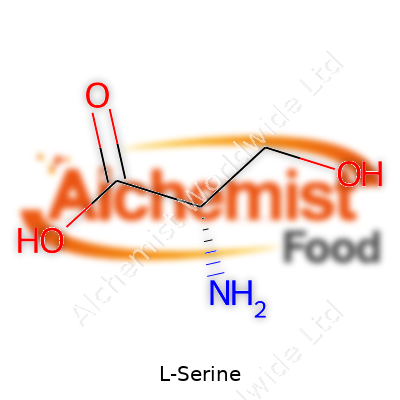
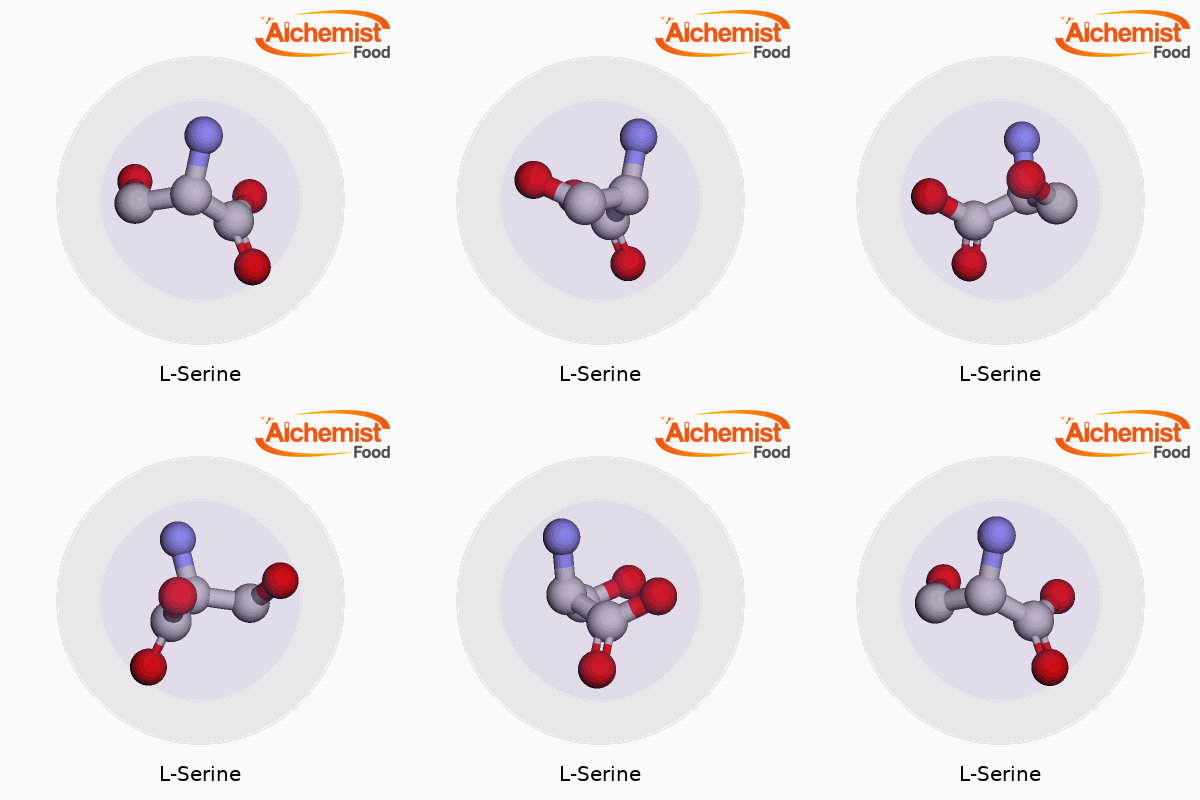
| Names | |
| Preferred IUPAC name | (2S)-2-amino-3-hydroxypropanoic acid |
| Other names |
2-Amino-3-hydroxypropanoic acid Serine Ser |
| Pronunciation | /ˈɛlˈsɪəriːn/ |
| Preferred IUPAC name | (2S)-2-amino-3-hydroxypropanoic acid |
| Other names |
2-Amino-3-hydroxypropanoic acid Ser Serine |
| Pronunciation | /ˈɛlˈsɪəriːn/ |
| Identifiers | |
| CAS Number | 56-45-1 |
| 3D model (JSmol) | `4W8PjH3Gz6qs1827tGbLJ8M9QW8A7h+5TDCtM9SBKrVG6gUJfcilHgV5Tx1L/Dc47GJsiOwxfnuFO69vsFmV9K8b` |
| Beilstein Reference | 1716434 |
| ChEBI | CHEBI:17115 |
| ChEMBL | CHEMBL630 |
| ChemSpider | 15724 |
| DrugBank | DB00156 |
| ECHA InfoCard | 03e4f9d3-227a-49c7-afae-83f33f9b6b56 |
| EC Number | 200-756-2 |
| Gmelin Reference | 66174 |
| KEGG | C00065 |
| MeSH | D-Serine |
| PubChem CID | 5951 |
| RTECS number | WH7380005 |
| UNII | YLJ0J01IQC |
| UN number | 2811 |
| CAS Number | 56-45-1 |
| Beilstein Reference | 6263 |
| ChEBI | CHEBI:17115 |
| ChEMBL | CHEMBL598 |
| ChemSpider | 15724 |
| DrugBank | DB00126 |
| ECHA InfoCard | ECHA InfoCard: 100.000.041 |
| EC Number | 200-643-7 |
| Gmelin Reference | 7442 |
| KEGG | C00065 |
| MeSH | D-Serine |
| PubChem CID | 5951 |
| RTECS number | WV0080000 |
| UNII | YLJ7J5299U |
| UN number | UN3335 |
| Properties | |
| Chemical formula | C3H7NO3 |
| Molar mass | 105.09 g/mol |
| Appearance | White crystalline powder |
| Odor | Odorless |
| Density | 1.6 g/cm3 |
| Solubility in water | Soluble in water |
| log P | -3.12 |
| Acidity (pKa) | 2.19 (carboxyl), 9.21 (amino) |
| Basicity (pKb) | 14.63 |
| Magnetic susceptibility (χ) | -5.3×10⁻⁶ |
| Refractive index (nD) | 1.595 |
| Dipole moment | 3.20 D |
| Chemical formula | C3H7NO3 |
| Molar mass | 105.09 g/mol |
| Appearance | White crystalline powder |
| Odor | Odorless |
| Density | 1.6 g/cm3 |
| Solubility in water | Soluble in water |
| log P | -3.07 |
| Acidity (pKa) | 2.19 (carboxyl), 9.21 (amino), 13.2 (side chain hydroxyl) |
| Basicity (pKb) | pKb: 13.21 |
| Magnetic susceptibility (χ) | -13.4·10⁻⁶ cm³/mol |
| Refractive index (nD) | 1.595 |
| Viscosity | Viscosity: 23 cP (20°C, 5% in H2O) |
| Dipole moment | 3.26 D |
| Thermochemistry | |
| Std molar entropy (S⦵298) | 87.5 J·K⁻¹·mol⁻¹ |
| Std enthalpy of formation (ΔfH⦵298) | -528.55 kJ/mol |
| Std enthalpy of combustion (ΔcH⦵298) | -1506 kJ/mol |
| Std molar entropy (S⦵298) | 87.5 J·K⁻¹·mol⁻¹ |
| Std enthalpy of formation (ΔfH⦵298) | -528.6 kJ/mol |
| Std enthalpy of combustion (ΔcH⦵298) | -940.5 kJ/mol |
| Pharmacology | |
| ATC code | A16AA06 |
| ATC code | A16AA06 |
| Hazards | |
| Main hazards | May cause eye, skin, and respiratory tract irritation |
| GHS labelling | GHS07 |
| Pictograms | GHS07 |
| Signal word | Warning |
| Hazard statements | Not a hazardous substance or mixture according to the Globally Harmonized System (GHS). |
| Precautionary statements | Precautionary statements: P261, P305+P351+P338 |
| NFPA 704 (fire diamond) | 1-0-0 |
| Autoignition temperature | Autoignition temperature: 400°C (752°F) |
| Lethal dose or concentration | LD50 Oral Rat 12,900 mg/kg |
| LD50 (median dose) | LD50 (median dose): Oral, rat: 8,690 mg/kg |
| NIOSH | **SQ3325000** |
| PEL (Permissible) | 15 mg/m3 |
| REL (Recommended) | 3 g |
| Main hazards | May cause respiratory tract, eye and skin irritation. |
| GHS labelling | GHS07 |
| Pictograms | GHS07 |
| Signal word | Warning |
| Hazard statements | Hazard statements: Not a hazardous substance or mixture according to the Globally Harmonized System (GHS). |
| Precautionary statements | Precautionary statements: P261, P264, P271, P304+P340, P312, P403+P233 |
| NFPA 704 (fire diamond) | 1-0-0 |
| Autoignition temperature | 540°C |
| Lethal dose or concentration | LD50 (oral, rat): 12,900 mg/kg |
| LD50 (median dose) | LD50 (median dose): Mouse oral 8.4 g/kg |
| NIOSH | STZ680 |
| PEL (Permissible) | 10 mg/m³ |
| REL (Recommended) | 2-3 g/d |
| Related compounds | |
| Related compounds |
Cysteine Glycine D-Serine Threonine Phosphatidylserine |
| Related compounds |
Glycine L-Threonine D-Serine Ethanolamine Phosphoserine |



