L-Phenylalanine: Beyond the Basic Facts
Historical Development
L-Phenylalanine found its place in scientific literature near the start of the twentieth century. Researchers first recognized it as an essential amino acid, meaning people rely on outside dietary sources for it. Over several decades, interest in L-Phenylalanine broadened as scientists mapped out its role in generating neurotransmitters and helping build proteins. Chemists learned how to produce it through fermentation and enzymatic processes, allowing for reliable access. Today, L-Phenylalanine stands among the amino acids that sustain health routines, medical research, and industrial production methods.
Product Overview
Most folks know L-Phenylalanine as a building block found in proteins or as a dietary supplement. In pharmaceutical circles, it fills many needs, such as serving patients with certain metabolic concerns. It appears in food as a natural component or as a supplement for athletes and those looking to boost mood or cognitive function. Manufacturers package L-Phenylalanine as powders, granules, or part of pill blends. Each format fits various consumer habits, making it one of the more approachable amino acids from an access perspective.
Physical & Chemical Properties
Pure L-Phenylalanine comes as a white, crystalline powder. It tastes a little bitter yet slightly sweet, blending with other flavors without much fuss. Chemically, it has the formula C9H11NO2 and a molecular weight near 165 g/mol. It dissolves poorly in cold water but works better in warm liquid, which helps in product formulation. The side chain features a benzyl group, setting it apart from most other amino acids and giving it special reactivity in synthetic procedures.
Technical Specifications & Labeling
Regulations ask suppliers to specify purity, moisture content, and residual solvents when labeling L-Phenylalanine. Pharmaceutical and food-grade batches usually come with certificates of analysis including HPLC, specific optical rotation, and heavy metal tests. Labels often mention allergen information, especially for those tracking phenylketonuria. Most countries require an accurate account of sourcing—whether biosynthetic, fermented, or extracted from protein hydrolysates. These labels inform professionals in chemistry, nutrition, and food technology about the characteristics of what they’re handling.
Preparation Method
Earlier methods of preparing L-Phenylalanine included extraction from natural proteins—expensive and inefficient for large quantities. Today, most factories use microbial fermentation, harnessing genetically engineered strains of E. coli or Corynebacterium glutamicum, which churn out high yields. The process involves feeding sugars and nutrients to the bacteria and then purifying the amino acid through crystallization and filtration. Some advanced methods use enzymatic synthesis, piecing together the molecule from precursor compounds in a more controlled and targeted fashion.
Chemical Reactions & Modifications
L-Phenylalanine serves as a starting point for many chemical routes. Through catalytic hydrogenation, chemists transform it into L-tyrosine. Protected forms, like N-acetyl-L-Phenylalanine, emerge from reaction with anhydrides, helping in peptide coupling. Modification of the benzyl group tunes the reactivity and potential drug activity of derivatives. The amino and carboxyl groups participate in classic peptide synthesis methods, making this amino acid a staple in custom peptide labs.
Synonyms & Product Names
L-Phenylalanine shows up in specifications and commercial orders as (S)-α-Amino-β-phenylpropionic acid, 2-Amino-3-phenylpropanoic acid, or by trade names linked to supplement and pharmaceutical brands. In research circles, abbreviations like “L-Phe” get used in shorthand, reducing complexity during communication. Many nutritional companies market the supplement using its scientific name, sometimes connecting it to cognitive or mood support products.
Safety & Operational Standards
Personal experience in labs shows that L-Phenylalanine handles with ease. Wearing gloves and goggles is standard practice, not necessarily because of high danger but to keep batches free from contamination. Storage in cool, dry spaces ensures stability, keeping it away from heavy oxidizers and strong acids. Any researcher or processor working with bulk L-Phenylalanine follows workplace safety datasheets and complies with restrictions on dust exposure, which prevent respiratory problems over time. In pharmaceutical settings, quality assurance teams inspect every lot through audits and track-and-trace systems.
Application Area
L-Phenylalanine slides into many corners of modern life. It acts as a dietary supplement for those looking to increase daily intake, particularly among vegans and vegetarians whose diets sometimes run short. In sports medicine and fitness, it appears in pre-workout stacks and nootropic formulas. The food industry uses it when manufacturing aspartame, a major low-calorie sweetener. Clinicians prescribe it for certain depression and mood disorders, arguing it impacts neurotransmitter production. Biotech firms rely on it as a substrate for engineering new peptides or researching metabolic disorders. This reach explains why demand continues to hold steady.
Research & Development
Scientists dig into L-Phenylalanine not just for its biological fundamentals but as a platform for new medicines and diagnostic approaches. My time in an academic lab made clear that slight tweaks to its molecular structure open doors to drugs with novel actions. Researchers experiment with ring substitutions, N-terminal modifications, and isotope labeling to build better pharmaceuticals. Clinical trials and animal studies look at its effect on neurology, metabolism, and even rare genetic diseases. Funding continues to go toward streamlining its synthesis, lessening costs, and boosting purity for sensitive applications.
Toxicity Research
General nutrition studies confirm L-Phenylalanine is safe for most people, but those living with phenylketonuria (PKU) avoid it because their metabolism can’t process it fully, leading to toxic buildup. High doses outside standard dietary recommendations sometimes bring headaches or anxiety, with rare neurological complications. Long-term toxicity studies rely on animal testing and clinical surveillance, and they anchor food safety regulations that cap exposure. Regulatory agencies demand rigorous data from supplement and pharmaceutical manufacturers to update label warnings or recall unsafe lots. Ongoing work investigates subtler risks, such as chronic exposure’s impact on neurotransmitter balance or possible links to mood changes in sensitive individuals.
Future Prospects
Amino acids like L-Phenylalanine rarely stay static on the innovation front. Advances in metabolic engineering promise to further reduce the environmental footprint of producing L-Phenylalanine by using renewable feedstocks and novel microorganisms. Pharmaceutical and nutraceutical firms eye it as a launchpad for new treatments ge�red toward mental health, pain relief, and even rare diseases. Researchers push for improved delivery methods, such as encapsulation or slow-release formulations, to make supplementation safer and more predictable. Interest grows in using data from big population studies to connect L-Phenylalanine intake to outcomes far beyond what’s known today, with a strong push to unlock new markets and deeper understanding of its role in human biology.
What is L-Phenylalanine used for?
Understanding L-Phenylalanine
L-Phenylalanine often lands on the label of diet sodas, protein bars, and even some supplements. At its core, it’s an amino acid—one that human bodies can’t make naturally, making it “essential.” Without enough, some systems start to break down, especially those that keep minds clear and bodies energized.
Nutrition and Foods
Eating protein-rich foods like meat, eggs, dairy, beans, and some seeds gives people their daily dose of L-Phenylalanine. What stands out about this amino acid is its role as a building block for proteins, which every cell needs. Most people who eat a balanced diet don’t run short, but those on a strict vegan diet or dealing with certain health conditions might notice fatigue, low mood, or brain fog if intake drops too low.
Connection with Brain Health
L-Phenylalanine plays a part in making neurotransmitters. Through a simple chemical chain, it turns into tyrosine, then into dopamine and norepinephrine—the same mood-related brain chemicals psychiatrists look at in depression and attention disorders. Some folks have wondered if more intake helps with low mood or even diseases like Parkinson’s, where dopamine becomes scarce.
Studies haven’t landed on a clear verdict. Some small research groups looked at how supplements might affect depression and chronic pain, but the evidence stays mixed. Still, a lot of energy drinks, pre-workouts, and nootropic blends toss in phenylalanine for its potential to lift alertness or support attention. I’ve met more than a handful of people in high-stress jobs who swear they think clearer with their daily stack that includes this amino acid.
Use in Medicine and Supplements
Some rare medical conditions throw phenylalanine into the spotlight. In phenylketonuria (PKU), patients can’t break it down. Over time, levels build up and damage the brain. Newborns in the United States all get tested for PKU right after birth for this reason. People with PKU have to keep their diets nearly free of regular protein and rely on special formulas.
On the flip side, supplement companies promote L-Phenylalanine for everything from pain relief to appetite control. Double-blind studies tend to lag behind marketing promises. That leaves much of the public dealing with anecdotal reports or self-experimentation, sometimes with surprising results but just as often without much change.
Food Industry and Sugar Alternatives
If you’ve ever sipped a diet soda, you’ve come across aspartame. This artificial sweetener breaks down in the body to phenylalanine, among other things. People with PKU can’t touch aspartame for this reason, which is why every can carries a warning label. Most others drink or eat aspartame with no problem, and the sweetener keeps calories low for folks watching their intake.
Looking Ahead
L-Phenylalanine highlights the bridge between what we eat and how bodies and brains tick. There’s a constant balance between overpromising benefits and sorting what’s truly helpful. Health professionals, nutrition scientists, and even the FDA push for clear information, especially for people with health conditions making them sensitive to amino acid shifts. Anyone exploring new supplements or feeling off after making dietary changes should talk with a registered dietitian or doctor they trust. It always comes back to asking tough questions about what’s in our food and how it changes our lives.
Are there any side effects of taking L-Phenylalanine?
L-Phenylalanine and Its Role in Daily Life
L-Phenylalanine shows up on nutrition labels for a reason. It’s a building block for proteins and helps make certain chemicals in the brain, like dopamine. Most folks get it from foods like meat, cheese, eggs, and nuts. Stores stock supplements because some believe it helps with mood or mental focus. Science says L-Phenylalanine supports those who have phenylketonuria (PKU), a rare inherited condition, but most people just get enough from food.
Possible Side Effects in the Real World
Nothing comes for free. I tried phenylalanine capsules years ago after reading claims about sharper thinking. Only a few days in, I felt jittery and had headaches. That's not unusual. Some people notice anxiety, digestive trouble, or a rise in blood pressure. The FDA lists L-Phenylalanine as ‘Generally Recognized as Safe’ in food, though not everyone reacts the same. Too much can mean muscle twitching or a fast heartbeat.
Folk with certain health issues need to be extra careful. Take people with PKU — for them, even small amounts of L-Phenylalanine pile up in the body and cause damage to the brain. So, doctors set strict dietary rules. Pregnant women with PKU face even higher risks for their babies. Even people with high blood pressure or certain psychiatric conditions report their mood swings get worse if they load up on extra phenylalanine. Some antipsychotic medications may interact in ways that health professionals still study. It's not a good idea to take this amino acid without checking in with a doctor, especially if you already deal with chronic illness.
What's Behind Some Folks' Sensitivity?
Genes play a big role. People inherit different abilities to process phenylalanine, thanks to history written in their DNA. That’s part of why some people can take supplements and others run into trouble. If you already eat a balanced diet, extra supplements usually don't bring much benefit, and could put you at risk.
Large doses from supplements take the body beyond what food alone gives. Unlike vitamins that store up slowly, amino acids change the body’s chemistry pretty quickly. That’s one reason dietitians often say to get nutrients from food, not from pills, unless there’s a diagnosis calling for more.
Factual Backing and Solutions
Research from the National Institutes of Health and Mayo Clinic points out that L-Phenylalanine plays vital roles, but overdosing proves unnecessary for most. Side effects such as anxiety, headaches, and nausea come up more often in supplement users than food sources. Reports in journals like the American Journal of Clinical Nutrition stress the importance of doctor supervision, especially for those with medical conditions.
If you feel like your diet doesn’t give you enough, try focusing on food rich in natural protein first. Always share supplement habits with your healthcare provider, especially before surgery, starting new meds, or planning a pregnancy. It’s not just about avoiding side effects — it’s about keeping the whole body in balance.
Taking Steps for Safe Use
Supplements sound easy, but they need respect. Check labels. Look up evidence before trusting bold claims. I’ve learned to treat nutrition changes like any medical decision: a thoughtful talk with a trusted professional beats a quick fix every time. Science reminds us that more doesn't always add up to better. Reliable sources like the FDA and NIH point the way, but each person’s story matters, too.
Is L-Phenylalanine safe for long-term use?
Looking Past the Hype: What Matters About L-Phenylalanine
Most people haven’t heard much about L-phenylalanine outside of a class label on a diet soda. This amino acid does important work in the body. It helps make proteins. It feeds into the production of neurotransmitters like dopamine and norepinephrine. People with certain health conditions; especially folks with phenylketonuria (PKU); have been warned about it for decades. So, what happens when the rest of us take L-phenylalanine supplements for months or years?
The Body’s Relationship with L-Phenylalanine
L-phenylalanine isn’t an exotic compound. It comes from protein-rich foods like eggs; meat; dairy; nuts; and tofu. Most diets support a steady, natural supply. Some manufacturers market higher doses of pure L-phenylalanine for mood, attention, or pain management. In my own search for natural energy and focus, it came up more than once in “brain hack” communities.
At normal dietary levels, the body keeps things balanced. Too much, and trouble can begin. That’s not just theory. Studies have looked at how extra L-phenylalanine can change blood pressure or mood, especially for those using supplements alongside antidepressants. One review in the journal Drug Metabolism and Drug Interactions emphasized that excess levels can boost blood phenylalanine to the point where it’s not just PKU patients who need to worry. Too much can compete with the transport of other essential amino acids. That matters because it may affect the delicate chemistry inside the brain.
Long-Term Use: What Science and Experience Suggest
Most trials have relied on short-term supplementation. Less evidence tracks what happens beyond a few weeks or months. The longest reports often come from case studies or specific populations rather than sprawling, gold-standard research. I’ve seen people in online forums report anxiety, headaches, or digestive changes after months of L-phenylalanine use. Doctors working with people who are already healthy rarely suggest adding high doses. Instead, they focus on balanced eating and watch for unmet nutritional needs.
Safety Signals and Risk Factors
The biggest risk sits with people who don’t know they have PKU. Though the heel-prick test catches PKU in newborns, some might slip through. Even for people without PKU, high doses over time could stress the body’s ability to filter and process amino acids. The Food and Drug Administration generally considers L-phenylalanine—when used as part of aspartame—safe for most, but they flag the risk for some individuals. A paper from the Journal of Nutrition shows that supplementing above standard dietary intake brings unpredictable effects and more side effects as dose and duration rise.
Thinking Through Solutions and Best Practices
Anyone considering long-term use has a better shot at safety by consulting a healthcare provider and skipping self-experimentation. Getting regular checkups offers a simple safeguard. Blood work can spot unusual changes before symptoms appear. Most folks will do better sticking to food sources rather than pills or powders. L-phenylalanine, like all compounds, works best in the context of a healthy diet and lifestyle.
Supplements draw attention as quick fixes or easy solutions. Every year brings a new ingredient promising better focus or happiness. Personal history shows no shortcut replaces lasting habits. Genuine wellness follows from balanced eating, movement, sleep, and community—not a single ingredient in a bottle.
Can L-Phenylalanine help with mood or depression?
Understanding L-Phenylalanine: A Closer Look
L-Phenylalanine often pops up in supplement discussions because it belongs to a group called amino acids—the building blocks of protein. Our bodies can't make L-phenylalanine on their own, so the only way to get enough is through food. Most folks pick up what they need from animal products, soy foods, dairy, nuts, and seeds. The buzz around L-phenylalanine usually connects to its role as a precursor for brain chemicals like dopamine, norepinephrine, and epinephrine. These neurotransmitters give a direct link to mood and energy.
How Does It Tie in with Mood?
Research connects lower levels of certain neurotransmitters to depression and other mood problems. Since L-phenylalanine helps the body produce these brain chemicals, some believe that taking extra could boost mood or ease symptoms of depression. Some smaller studies explored this idea by giving people doses of L-phenylalanine and tracking changes in mood. The results weren't cut and dry. A handful of case reports hint at benefits for mild depression, but bigger trials never painted a clear win. Large medical organizations stick to advising caution, mostly because better-studied treatments for depression actually work.
Safety and Caution: What People Often Overlook
Taking L-phenylalanine as a supplement isn't risk-free, especially for folks with certain health problems. People with phenylketonuria (PKU), for example, lack the ability to process phenylalanine. For them, even small amounts can be dangerous. Even for otherwise healthy people, too much L-phenylalanine could cause headaches, anxiety, high blood pressure, or interfere with certain medicines. Doctors routinely warn against mixing new supplements into your routine, especially for anyone dealing with mental health medications. Skipping this step creates room for trouble or unexpected side effects, something I’ve come across more than once as friends have tangled with supplement-stacking hoping for a quick boost.
Nutrition, Not Shortcuts
Growing up with a parent who battled depression shaped a lot of my perspective. At home, we tried every vitamin and nutrient under the sun—a path familiar to many families desperate for some stability. Over time, we learned that eating meals packed with fish, beans, greens, and whole grains led to more lasting benefits than a handful of pills. Diet built on variety feeds the brain far better than a single supplement ever could. The research backs this up, with most experts pointing to a balance of protein, healthy fats, and carbs to keep energy up and moods steady.
Moving Beyond the Supplement Hype
Mental health deserves a wide view. Medication, nutrition, sleep, community, and therapy each offer value. Chasing a miracle fix—especially one as unproven as L-phenylalanine—usually winds up distracting from the daily building blocks that actually support recovery. If mood problems persist or start causing trouble, reaching out to a doctor or therapist matters far more than picking a new supplement. Health care teams look at the whole picture, tuning plans to fit real needs. The best solutions rarely sit on a shelf. They grow from honest conversations, good science, and everyday actions that support the body and mind.
Steps Toward Better Mood
Anyone struggling with low mood or mild depression can start right now with simple changes. Moving daily, cutting down on processed foods, spending more time outdoors, or finding a social group all help create momentum. Supplements like L-phenylalanine sound promising, sometimes because marketing overshadows careful research. A protein-rich diet supplies the tools the body relies on for healthy neurotransmitter function. For those looking to try something new, the safest path goes through a health care provider’s office first. That’s where real progress takes root.
What is the recommended dosage of L-Phenylalanine?
Understanding L-Phenylalanine
Most folks remember phenylalanine because of those nutrition labels warning certain people to avoid it. This amino acid shows up in protein-rich foods and some sweeteners, playing a key role in building proteins and making chemicals like dopamine and norepinephrine. These chemicals shape our mood, alertness, and sometimes even appetite.
Daily Recommendations from Trusted Sources
Healthy adults get enough phenylalanine from a typical diet. For those looking at supplements, dosages usually range from 500 mg to 1,500 mg daily, based on research published in journals like the Journal of Clinical Psychopharmacology. The U.S. Food and Nutrition Board sets the daily recommended intake for an adult at about 14 mg per kilogram of body weight, so for someone weighing 70 kg (154 pounds), that’s roughly 980 mg per day from food and supplements combined.
Supplements sometimes get popular for supporting mood or boosting focus. Clinical studies exploring mood issues or ADHD use dosages in that 500 mg to 1,500 mg range. Everything above 3,500 mg per day raises concerns and puts people at risk for headaches, high blood pressure, or anxiety, as seen in several older clinical trials. A steady, moderate intake matters more than chasing high numbers.
Why Dosage Matters
Personal experience shows that more isn’t always better. I once tried a stack of amino acids, hoping for a lift in energy during a tough winter. After a few days of more than 2,000 mg of phenylalanine, I noticed headaches and restlessness. Going back to the fundamentals—a balanced diet, moderate supplementation, and listening to my own body—helped.
Extra caution goes to people with phenylketonuria (PKU), where even small amounts of phenylalanine can cause brain damage. Those with this genetic condition must avoid phenylalanine altogether.
Interaction with other medications surfaces as a real concern. MAO inhibitors (used rarely for depression) and phenylalanine together can raise blood pressure to dangerous levels. A doctor’s input becomes crucial for anyone with health conditions or who takes regular medication.
Using L-Phenylalanine Safely
Most adults doing well on a protein-rich diet gather what they need from chicken, fish, eggs, dairy, nuts, and beans. If you’re considering a supplement, get blood work done, especially if fatigue or mood problems stick around, instead of jumping to high doses. Many times, fatigue points to sleep issues or low iron, not a need for amino acids.
Anyone picking up supplements should look for companies with third-party testing and transparency about their manufacturing. Quality concerns aren’t rare—spiked or contaminated supplements have shown up in FDA recall lists before.
Hydration, exercise, plenty of sleep, and a well-rounded diet give most people solid building blocks. Supplements fill a gap when a doctor spots one, not because of a label promising quick fixes.
Better Solutions and Smarter Choices
Rather than self-experimenting with L-Phenylalanine, check in with a registered dietitian or trusted health professional. They can help set a safe range and identify other causes of symptoms before reaching for the supplement bottle. People with mood swings, chronic low energy, or attention concerns see better results when they take a bigger-picture approach: addressing stress, eating well, sleeping enough, and moving their bodies daily.
Supplements work as tools, not magic bullets. A steady hand and science-backed guidance make all the difference for health.
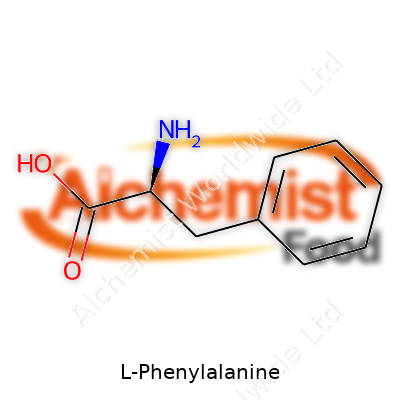
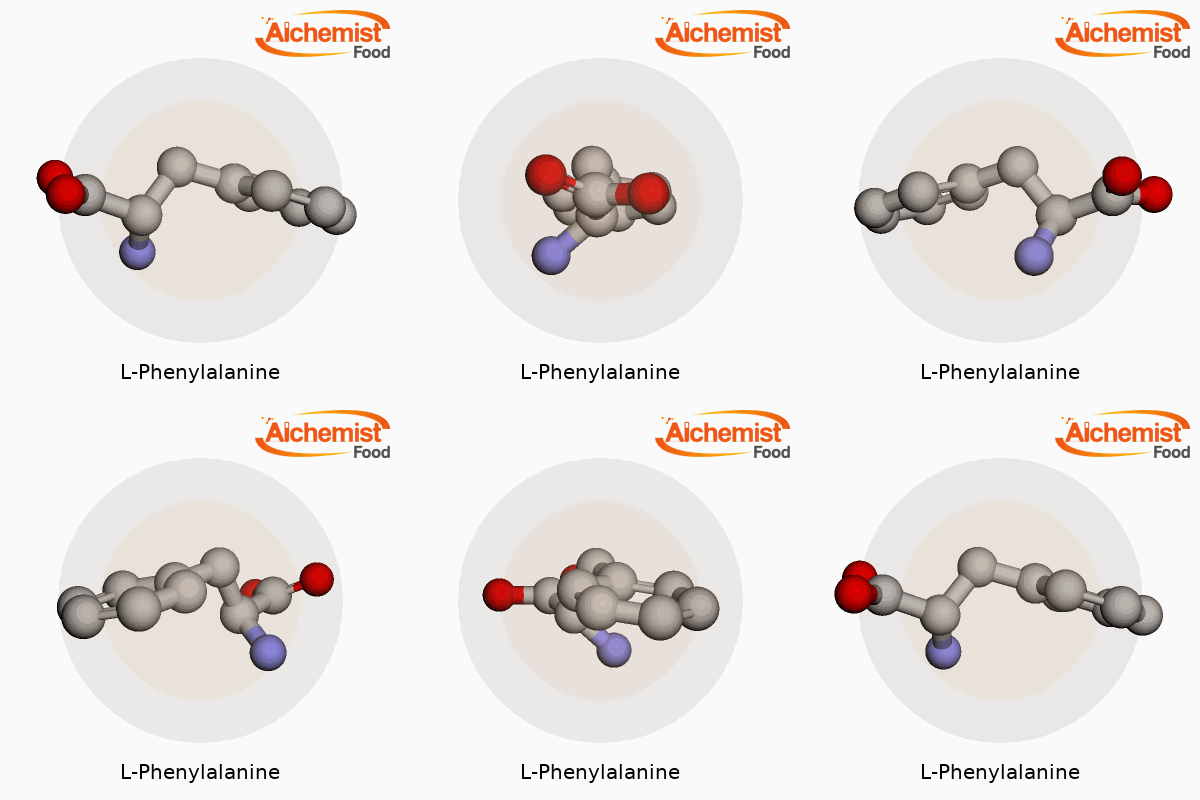
| Names | |
| Preferred IUPAC name | (2S)-2-amino-3-phenylpropanoic acid |
| Other names |
DL-Phenylalanine DLPA alpha-Aminohydrocinnamic acid 2-Amino-3-phenylpropanoic acid |
| Pronunciation | /ˌɛlˌfiː.nɪl.əˈleɪ.nɪn/ |
| Preferred IUPAC name | (2S)-2-amino-3-phenylpropanoic acid |
| Other names |
DL-Phenylalanine Phenylalanine alpha-Amino-beta-phenylpropionic acid 2-Amino-3-phenylpropanoic acid |
| Pronunciation | /ɛl fɪˌniːlˈæləˌniːn/ |
| Identifiers | |
| CAS Number | 63-91-2 |
| Beilstein Reference | 1366010 |
| ChEBI | CHEBI:17295 |
| ChEMBL | CHEMBL_name |
| ChemSpider | 546 |
| DrugBank | DB00168 |
| ECHA InfoCard | 03d3e8c0-965e-4be6-bb42-71d76820793c |
| EC Number | 2.6.1.9 |
| Gmelin Reference | 35882 |
| KEGG | C00079 |
| MeSH | D010668 |
| PubChem CID | 6140 |
| RTECS number | SKN70 |
| UNII | YFNZ3G8DCC |
| UN number | UN2811 |
| CAS Number | 63-91-2 |
| Beilstein Reference | 634694 |
| ChEBI | CHEBI:17295 |
| ChEMBL | CHEMBL1136 |
| ChemSpider | 593 |
| DrugBank | DB00120 |
| ECHA InfoCard | 100.089.263 |
| EC Number | 3.4.11.5 |
| Gmelin Reference | 13398 |
| KEGG | C00079 |
| MeSH | D010668 |
| PubChem CID | 6140 |
| RTECS number | SJ6000000 |
| UNII | YNT13NTXAB |
| UN number | 2811 |
| CompTox Dashboard (EPA) | DTXSID8020185 |
| Properties | |
| Chemical formula | C9H11NO2 |
| Molar mass | 165.19 g/mol |
| Appearance | white crystalline powder |
| Odor | Odorless |
| Density | 1.29 g/cm³ |
| Solubility in water | Soluble: 27 g/L (25 °C) |
| log P | -1.38 |
| Acidity (pKa) | 5.48 |
| Basicity (pKb) | 4.38 |
| Magnetic susceptibility (χ) | -9.8×10⁻⁶ |
| Refractive index (nD) | 1.591 |
| Dipole moment | 1.18 D |
| Chemical formula | C9H11NO2 |
| Molar mass | 165.19 g/mol |
| Appearance | White crystalline powder |
| Odor | Odorless |
| Density | 1.29 g/cm³ |
| Solubility in water | Soluble |
| log P | -1.38 |
| Acidity (pKa) | 5.48 |
| Basicity (pKb) | 2.58 |
| Magnetic susceptibility (χ) | -32.7×10⁻⁶ cm³/mol |
| Refractive index (nD) | 1.591 |
| Dipole moment | 2.46 D |
| Thermochemistry | |
| Std molar entropy (S⦵298) | 174.0 J K⁻¹ mol⁻¹ |
| Std enthalpy of formation (ΔfH⦵298) | -566.1 kJ/mol |
| Std enthalpy of combustion (ΔcH⦵298) | -3227 kJ mol⁻¹ |
| Std molar entropy (S⦵298) | 147.7 J·mol⁻¹·K⁻¹ |
| Std enthalpy of formation (ΔfH⦵298) | “-411.6 kJ/mol” |
| Std enthalpy of combustion (ΔcH⦵298) | -3235.9 kJ/mol |
| Pharmacology | |
| ATC code | A16AA06 |
| ATC code | A16AA07 |
| Hazards | |
| Main hazards | Harmful if swallowed. Causes serious eye irritation. Causes skin irritation. May cause respiratory irritation. |
| GHS labelling | GHS07 |
| Pictograms | GHS07 |
| Signal word | Warning |
| Hazard statements | Hazard statements: Not a hazardous substance or mixture according to the Globally Harmonized System (GHS) |
| Precautionary statements | IF IN EYES: Rinse cautiously with water for several minutes. Remove contact lenses, if present and easy to do. Continue rinsing. If eye irritation persists: Get medical advice/attention. |
| Flash point | > 198 °C |
| Autoignition temperature | 480 °C (896 °F; 753 K) |
| Lethal dose or concentration | LD50 oral rat 16500 mg/kg |
| LD50 (median dose) | LD50 (median dose): 6600 mg/kg (oral, rat) |
| NIOSH | RN:63-91-2 |
| PEL (Permissible) | 10 mg/m³ |
| REL (Recommended) | 900 mg |
| Main hazards | May cause respiratory irritation. May cause an allergic skin reaction. Causes serious eye irritation. |
| GHS labelling | GHS07, Warning, H319, P264, P305+P351+P338 |
| Pictograms | GHS07 |
| Signal word | Warning |
| Precautionary statements | P261, P264, P270, P272, P301+P312, P330, P501 |
| Flash point | > 192.1 °C |
| Autoignition temperature | 550 °C (1022 °F; 823 K) |
| Explosive limits | Non-explosive |
| Lethal dose or concentration | LD50 Oral Rat 6600 mg/kg |
| LD50 (median dose) | LD50 (median dose): Rat oral 1650 mg/kg |
| NIOSH | RN:63-91-2 |
| PEL (Permissible) | Not established |
| REL (Recommended) | 500 mg daily |
| IDLH (Immediate danger) | Not listed. |
| Related compounds | |
| Related compounds |
DL-Phenylalanine D-Phenylalanine Tyrosine Phenylethylamine Phenylpyruvic acid Phenylacetaldehyde Phenylacetic acid |
| Related compounds |
DL-Phenylalanine L-Tyrosine Phenylethylamine Aspartame L-Tryptophan L-DOPA |



