L-Isoleucine: More Than an Essential Amino Acid
Historical Development
L-Isoleucine’s story started over a century ago, when researchers dug deep into what made up proteins in living things. In 1904, German chemist Felix Ehrlich isolated isoleucine while working with beet sugar molasses. This revealed isoleucine as a vital player among the amino acids. Folks in the agricultural sciences quickly recognized the bigger picture—animals needed certain “essential” building blocks for growth, and L-isoleucine became one of the big three branched-chain amino acids, along with leucine and valine. Scientists spent decades figuring out how to synthesize it, measure it in foods, and map out its role in human health. Now, industrial fermenters crank out huge batches of L-isoleucine using strains of Corynebacterium glutamicum and E. coli, optimized over decades to pump out amino acids at amazing yields.
Product Overview
L-Isoleucine belongs to the branched-chain amino acid (BCAA) family, along with leucine and valine. Humans can’t make it on their own and need to get it from what they eat. In industry, you’ll find L-isoleucine as a pure white, crystalline powder, with a slightly bittersweet taste, and high solubility in water. Sports supplements tout it for muscle repair and endurance, but it’s a staple in clinical nutrition and parenteral solutions meant for intravenous feeding. It pops up in livestock feed, helping animals convert protein into muscle efficiently. For me, as someone who’s read more ingredient lists than I care to admit, spotting L-isoleucine means you’re holding a product that’s put a lot of science behind it—far from a filler, it’s a backbone for plenty of nutrition formulas.
Physical & Chemical Properties
Pure L-isoleucine shows up as a white crystalline powder with a melting point near 284 °C before decomposition. Its molecular formula is C6H13NO2, molecular weight at 131.17 g/mol. The compound's density fits roughly 1.3 g/cm3, and it doesn’t dissolve well in ethanol or ether, but goes readily into water. Chemically, the molecule carries a chiral center at the alpha carbon, so it pops up as two stereoisomers. Only the L-form works in living tissues. The compound keeps a zwitterionic structure in neutral water, with both carboxyl and amine groups charged—a neat trick that helps it play well in your blood.
Technical Specifications & Labeling
Manufacturers publish certificates of analysis for each lot of L-isoleucine, setting tight limits for purity, loss on drying, heavy metals, and contaminants. USP and EP monographs require purity above 98.5%, with the rest made up by trace moisture and ash. Labels highlight the L-form to keep things clear—since the mirror image D-isoleucine won’t cut it for human nutrition or animal feed. For supplements, you’ll often spot it as “L-Isoleucine” or “BCAA powder” alongside leucine and valine, and the nutrition facts panel must reflect its content by weight.
Preparation Method
Large-scale production of L-isoleucine relies on fermentation. Industrial labs engineer bacteria—like Corynebacterium or E. coli—to overproduce isoleucine. They shovel in glucose, ammonia, trace minerals, and let the bugs do the work. After the fermentation wraps up, workers run the mix through filtration, ion-exchange, and crystallization steps, dialing in the right temperature and pH to grab the pure amino acid. Chemical synthesis approaches exist, but they demand loads of solvents, tricky resolution of stereoisomers, and cost more energy per kilo made. Few companies bother with them these days when a reliable fermentation tank churns out ton after ton.
Chemical Reactions & Modifications
L-isoleucine steps up as a building block for all sorts of peptides and proteins. During peptide coupling reactions, chemists use protected forms (like Boc- or Fmoc-) to assemble complex chains for synthetic biology, drug design, or protein research. In Maillard reactions, L-isoleucine combines with sugars under heat to produce complex flavors and aromas in cooking—think seared beef or toasted bread. It can be chemically modified to form isoleucyl dipeptides or labeled isotopically (for tracing metabolic fates in lab animals).
Synonyms & Product Names
This compound goes by many names in research and manufacturing. Besides “Isoleucine,” you’ll see the full chemical name, “(2S,3S)-2-Amino-3-methylpentanoic acid,” or its abbreviations: Ile or I. In pharmaceuticals or food, L-isoleucine appears as simply “L-Isoleucine,” clear as day to any food scientist. A handful of brands market it under house names, but its chemical identity stays front and center for regulators and buyers alike.
Safety & Operational Standards
The FDA recognizes L-isoleucine as generally safe when used in foods and supplements, so companies follow current Good Manufacturing Practice (cGMP) rules to prevent contamination. In feed, careful balance ensures animals get all essentials without waste. Dust from the powder can irritate airways; workers wear masks and gloves. In labs, storage in airtight containers keeps the powder dry and prevents funky odors from developing. Product recalls linked to amino acid supplements rarely center on isoleucine—quality control has kept this market steady for decades.
Application Area
You’ll find L-isoleucine at work in sports nutrition, clinical healthcare, food fortification, and animal husbandry. In medicine, it helps patients recovering from trauma, burns, or malnutrition, offering a key ingredient for tissue rebuilding. Bodybuilders and endurance athletes swear by BCAAs for staving off muscle fatigue and improving recovery after tough workouts. Livestock feed incorporates L-isoleucine to boost feed efficiency and growth rate in pigs and poultry, especially since modern corn-based diets often fall short. Baby formulas rely on tightly controlled mixes, matching the amino acid balance of human milk to prevent deficiencies in preemies. Snack bars and ready-made shakes blend it in for clear nutritional labeling.
Research & Development
Academic interest in L-isoleucine has ramped up as researchers dig into links between BCAA intake, insulin signaling, and muscle metabolism. Right now, studies explore how extra isoleucine changes physical endurance and even affects blood sugar in folks with diabetes. Fermentation technology for amino acid production never stands still: companies race to engineer smarter microbes, cut byproducts, reduce input sugars, and shrink their carbon footprint. Medical scientists trace isotope-labeled isoleucine through metabolic pathways to unravel catabolism mechanisms and their role in disorders like maple syrup urine disease.
Toxicity Research
Too much L-isoleucine in the diet rarely happens. Animal studies put the safe upper limit far above standard dietary intake—rats that ate massive supplements developed some growth setbacks, but nobody shovels spoons of pure amino acid into their cereal daily. For folks with certain metabolic disorders, particularly maple syrup urine disease, even normal dietary levels can be dangerous, with toxic byproducts building up fast. Medical practitioners screen for this in newborns, keeping patients on strict amino acid-restricted diets. No clear evidence suggests dangers from BCAA supplements at common doses in healthy adults, though overdoing any single amino acid can throw off the body’s balance.
Future Prospects
The market for L-isoleucine continues to expand, driven by growing demand for protein supplements, fortified foods, and specialized clinical nutrition. Researchers keep an eye on novel uses for isoleucine, from non-animal protein sources to cell culture media for lab-grown meat, or as building blocks for new drugs. Fermentation advances promise more sustainable, lower-cost production, and synthetic biology could enable microbial strains to produce isoleucine from agricultural wastes instead of cane sugar. As food trends lean into personalized nutrition and plant-based diets, L-isoleucine looks set to hold its place in both pharmacy and pantry. The focus on efficient synthesis, purity control, and deeper understanding of its effects on metabolism keeps this “simple” amino acid very much in the spotlight for both scientists and folks concerned about health and performance.
What is L-Isoleucine used for?
What L-Isoleucine Does in Real Life
Walk into any gym or nutrition store, and it won’t take long before someone mentions L-Isoleucine. This amino acid isn’t just popular because athletes like it; our bodies can’t make it, so we have to get it from food. You’ll find L-Isoleucine in protein sources like chicken, fish, eggs, and soybeans. Without enough of it, things in the body start breaking down—quite literally. Proteins stop being built or repaired as they should, muscles don’t bounce back from hard work, and blood sugar levels go haywire.
Muscle Recovery and Performance
L-Isoleucine’s main reputation grows from what it does for muscle repair. Every time I pulled a muscle in high school sports, my recovery routine included more protein—turns out, much of this benefit comes down to amino acids like this one. Endurance athletes, weightlifters, and older adults lean on L-Isoleucine for muscle growth and quick recovery. This amino acid helps bring energy to muscle tissue, so workouts feel less punishing. Some research, like a 2019 study in Nutrients, points out that supplementing with branched-chain amino acids (including L-Isoleucine) trims down muscle soreness and speeds up repair after heavy training.
Keeping Blood Sugar in Check
Growing up in a house with type 2 diabetes in the family, I caught on quickly to how certain foods affect blood sugar. L-Isoleucine seems to play a role in helping the body use glucose more efficiently. Some evidence suggests this amino acid supports muscles as they take in sugar from the blood, which helps keep energy steady. Anyone struggling with energy crashes or diabetic symptoms has probably seen L-Isoleucine in their supplement blends. The science isn’t conclusive on reversing diabetes, but these studies recommend L-Isoleucine as a piece of better dietary habits.
Immune System and Daily Energy
Most folks would rather steer clear of constant colds and fatigue. L-Isoleucine also gets credit for helping immune cells respond to stress, so you’re not down and out for days when you catch something. When I skimped on protein during college, I noticed my own immune system tank; only by bringing in foods with L-Isoleucine did I bounce back. Research links this amino acid to improved production of white blood cells, key players in fighting off infections.
Challenges and Smarter Use
Plenty of supplement companies market L-Isoleucine as a quick fix, but taking handfuls of pills without paying attention to diet isn’t a solution. People dealing with kidney issues need to be careful, as too much protein or supplementation can backfire. Dietitians point out that better results come from eating balanced meals instead of relying on powders. As useful as L-Isoleucine can be for athletes or post-surgery recovery, everyday folks usually get enough from eating a variety of protein-rich foods.
Making smart food choices, listening to healthcare providers, and focusing on whole foods go a long way in supporting muscle, energy, and immunity. L-Isoleucine clearly matters, but it works best as part of the bigger picture: moving more, resting enough, and eating well.
Is L-Isoleucine safe to take as a supplement?
L-Isoleucine — More Than a Fitness Buzzword
L-Isoleucine often pops up among bodybuilders and athletes hoping to squeeze out better performance. It belongs to the branched-chain amino acids—those nutrients the body can't make on its own. I remember hearing about it at my local gym, right alongside discussions about protein and post-workout shakes. But buzz doesn't always match reality, and safety stays front and center for anyone reaching for supplements.
What L-Isoleucine Does for the Body
Isoleucine steps in where food alone won’t. You’ll find it in meat, eggs, fish, seeds, and soy. Its main job ties to muscle repair, energy during hard workouts, and helping blood sugar stay stable. A study published in the journal Nutrition & Metabolism explains its role in recovery and metabolic support. It isn’t just about building muscle—it helps with vital body functions, turning up during stress, starvation, or long stretches of exercise.
Looking at the Safety Record
Skip the hype for a minute and check the research: Isoleucine is recognized as safe when you get it through food. The question shifts when talking about concentrated pills or powders. The U.S. Food and Drug Administration classifies amino acid supplements, including isoleucine, as generally recognized as safe (GRAS) in intended doses for healthy adults.
Most healthy people handle standard doses—between 3 to 6 grams per day—without big issues. People dealing with maple syrup urine disease, a rare genetic disorder, must avoid high isoleucine, since their bodies can’t process it. That kind of warning sticks with me. Some supplements lead to stomach pain, bloating, or headaches if you take too much, so I always recommend starting low and watching your body's response.
Risks and Interactions Demand Attention
L-Isoleucine’s safety depends heavily on dose and context. Large amounts over time could trigger imbalances, especially if someone piles on other branched-chain amino acids. I’ve seen friends at the gym complain about nausea and fatigue after overusing these kinds of supplements. The National Institutes of Health warns not to rely on mega doses—excess intake may disrupt liver or kidney function, especially in those with existing problems.
Mixing supplements with medications can also land people in trouble. Drugs for diabetes, thyroid or hormone treatments, or even chemotherapy could interact with amino acids in the body. Anyone on medication should talk to a doctor before starting any new supplement—I always double-check before throwing anything new into my routine, just to play it safe.
Food Versus Pills
My own approach leans toward food before bottles. Research supports this—dietary sources give you isoleucine plus a whole profile of nutrients beneficial for health. Unless you’re struggling to hit daily protein targets, supplements come in handy mainly for extreme training, certain medical needs, or dietary limitations like veganism.
For the everyday person, a balanced diet packs in all the isoleucine necessary. Fitness enthusiasts and athletes could benefit from properly dosed supplements, but the answer starts with food quality and smart choices, not shortcuts.
Smart Supplementing Makes the Difference
Transparency matters. Only buy from reputable companies. Check their testing standards. I always look for third-party certification—labels from NSF or Informed-Sport show up in my shopping list. Dosage follows science, not influencer advice: never exceed recommendations on the label or what your healthcare team suggests. Hydration, rest, and a diverse diet will always trump the latest supplement fad.
What are the benefits of L-Isoleucine?
What Makes L-Isoleucine Stand Out
L-Isoleucine plays a major role for anyone trying to recover from hard workouts, get stronger, or just keep their body supplied with energy. This essential amino acid, which the body can't make on its own, forms a cornerstone for muscle and tissue repair. Any time I pushed through a tough training cycle or recovered from a minor injury, I noticed better progress when I polished up my nutrition, especially by tuning in my amino acid intake.
Unlike carbohydrates or fats, amino acids serve as building blocks. L-Isoleucine bands together with leucine and valine — the other branched-chain amino acids (BCAAs) — to support protein synthesis. Research shows BCAAs contribute to muscle growth, prevent muscle breakdown, and improve exercise endurance. L-Isoleucine itself helps distribute energy throughout the body during intense activity. In fact, athletes often report less muscle soreness and fewer days off training when their diet includes all three BCAAs.
Blood Sugar Balance and Daily Energy
Controlling blood sugar feels tricky, especially for folks juggling work, family, and exercise. L-Isoleucine comes in to help by promoting glucose uptake in the muscles. One clinical study found that this amino acid supports insulin sensitivity, assisting the body as it absorbs and uses sugar from the blood. This isn’t just important for athletes. Balanced blood sugar helps keep focus sharp, boosts energy for busy days, and reduces those midday crashes that leave so many reaching for another coffee.
Higher energy doesn’t just keep workouts strong; it makes regular life tasks easier. Walking the dog, playing with the kids, or simply having the stamina to finish household chores — these daily wins all trace back to an efficient metabolism. Every time I spent a few weeks tracking my nutrition, adding a protein shake rich in BCAAs, I noticed more consistent energy and fewer afternoon lows.
Supports Immune Function
Staying healthy these days often feels out of our hands. L-Isoleucine steps in by fueling the production of certain immune cells. These cells help the body handle infections and repair tissues after injury. Medical studies point to amino acid deficiency leading to slower recovery from illnesses and wounds. Meeting daily needs with balanced meals, or in some cases with supplements, can give the immune system the ingredients it depends on for quick action.
Solutions for Modern Lifestyles
Busy lifestyles sometimes mean meals get skipped or rushed. Packing in all the nutrients the body craves makes sense, especially for people with higher physical demands or those aging past their twenties. A registered dietitian once pointed out to me that regular sources of animal or plant-based protein — like eggs, lean meats, soybeans, and lentils — provide both L-Isoleucine and the rest of the amino acids. For others, especially vegetarians and vegans, targeted supplements make a difference.
Food manufacturers now recognize the need for balanced amino acid profiles, so many plant-based protein powders contain added BCAAs. Making small changes — reading nutrition labels, asking a medical professional for personalized advice, or simply adding a food rich in these nutrients — can help people reap the rewards. Learning what works best for your schedule and body often comes down to trying a few options, paying attention to how you feel, and remembering that nutrition is the foundation of health and resilience.
Are there any side effects of L-Isoleucine?
Amino Acids and Why L-Isoleucine Matters
L-Isoleucine gets a lot of attention in fitness circles and among people who care about nutrition. It’s one of the branched-chain amino acids, right alongside leucine and valine. These are called “essential” because you can’t make them inside your body; you need to get them through food or supplements. Many athletes and bodybuilders add isoleucine to their diets, hoping for better muscle recovery and stronger performance. Most of the time, people focus on the benefits, overlooking some potential risks that come with extra supplementation.
Possible Side Effects
From what I’ve seen and read, L-Isoleucine from food sits well with most folks. Natural sources, like eggs, fish, turkey, and soybeans, offer plenty without much fuss. Problems start to pop up when someone takes high doses from powders or pills. Too much L-Isoleucine in the system may show up as headache, nausea, digestive upset, or a feeling of fatigue. Some folks have told me about muscle cramping after hefty supplement use. Science backs this up: a 2017 study in “Nutrients” noted that large intakes over time can strain the kidneys, especially in people with chronic kidney issues.
I remember a gym partner who decided to push well past the recommended daily amounts, chasing bigger gains. He ended up with persistent headaches and struggled to keep food down. He didn’t connect the dots immediately, blaming it on dehydration or poor sleep. Cutting back on isoleucine and balancing his meals ended the problems pretty quick. His experience felt like a wakeup call to a lot of people in our group who thought “more is always better.”
Interactions and Special Risks
People with certain health conditions need extra caution. If someone has maple syrup urine disease, a rare genetic disorder that makes it hard to process branched-chain amino acids, even normal dietary amounts can become dangerous. For those with kidney trouble, doctors usually warn against high intake of these amino acids, including isoleucine, since the kidneys work harder to clear out the waste.
There’s not much evidence that normal doses hurt the liver in healthy folks, but nobody should assume endless safety. The U.S. National Institutes of Health notes that, for most people, food-based sources don’t cause harm. Problems tend to show up only with supplements or extreme diets.
Using L-Isoleucine Safely
Dose matters. The World Health Organization recommends about 20 mg of isoleucine per kilogram of body weight daily. That means a person weighing 70 kg should get about 1.4 grams, which is easy to reach by eating well. Beyond that, the risks start to outweigh the rewards, especially if someone isn’t balancing with other nutrients.
If you’re supplementing, talk to a healthcare professional first, especially if you have existing health problems or medications to juggle. Look for third-party tested products to dodge contamination or mislabeling, which remains a real problem in the supplement industry.
Supporting Informed Choices
People interested in muscle growth or faster recovery believe that supplements can help, but they often skip over careful research. Being open about the risks and making informed choices keeps everyone safer. Most people will get all the L-Isoleucine they need from a mixed diet with enough protein. Supplements only make sense for some athletes under special circumstances, with health monitoring and guidance from a doctor or sports nutritionist.
Trust matters in health discussions, so stick with science-backed recommendations and real stories, not promises of shortcuts. It’s easier to keep the body strong by choosing whole foods and being skeptical about quick fixes. L-Isoleucine can help, but it shouldn’t be a solo act in your nutrition story.
How should I take L-Isoleucine and what is the recommended dosage?
Understanding L-Isoleucine
L-Isoleucine belongs to the branched-chain amino acids (BCAAs), sitting alongside leucine and valine. Athletes and bodybuilders gravitate to it for muscle recovery, especially after tough workouts. But folks dealing with medical conditions or poor protein intake might also find this amino acid helpful.
Why It Matters
Anyone working through a heavy fitness routine learns that soreness and fatigue can leave you sidelined. I’ve pushed through quite a few lifting cycles myself, and L-Isoleucine stood out when I needed more than just sleep and a protein shake. Studies published in sports journals report that BCAAs, including isoleucine, play a role in reducing muscle damage and boosting recovery. It’s not magic, but it helps keep the routine steady and the plate loaded with purpose.
The Right Way To Take L-Isoleucine
You’ll most often find L-Isoleucine as capsules or a powder. Taking it before or after workouts makes sense for athletes, though some prefer sipping all day with water. The stomach handles this substance best if you sprinkle intake across the day rather than downing a heavy dose at once. Since absorption hinges on both timing and gut health, pairing isoleucine with meals supports better use in the body.
In supplement form, many people go with BCAA blends. These mixes stick to a 2:1:1 ratio of leucine, isoleucine, and valine, matching what muscles naturally crave. Some brands offer pure L-Isoleucine, but unless your doctor says otherwise, the trio together makes the most sense for most gym-goers.
Recommended Dosage
For adults looking to support muscle growth or recovery, typical advice echoes numbers from reputable nutrition groups: 5 to 12 grams daily of total BCAAs, with isoleucine itself making up about 2–4 grams. Studies from international sports societies confirm these numbers keep things both safe and effective. Medical use or specific conditions may demand adjustments, so checking with a dietitian or doctor makes all the difference.
Possible Side Effects
Taking more isn’t always better. I learned my lesson messing with hefty BCAA powder doses in my early 20s—an upset stomach and headaches followed, so I dialed it back. High doses could stress kidneys or upset blood sugar for people with certain health histories. The FDA lists L-Isoleucine as generally recognized as safe, but moderation still holds the crown.
Real Solutions And Advice
My experience tells me to keep things simple. Mixing L-Isoleucine into a well-rounded diet packed with varied proteins, healthy carbs, and fats powers recovery and sustainable strength. For competitive athletes, tracking intake with a coach or a nutrition app helps spot patterns or gaps. If chronic fatigue, muscle loss, or medical trouble shows up, get bloodwork done and talk it over with a professional—sometimes food choices need big changes or closer monitoring.
Supplements like L-Isoleucine won't turn someone into a star athlete overnight, but they can complement consistent training and good eating. Rely on trusted brands, pay attention to how your body responds, and avoid chasing trends that promise overnight gains. Keeping wellness as the goal helps everyone—athlete or not—make the best choices with new science and experience on their side.
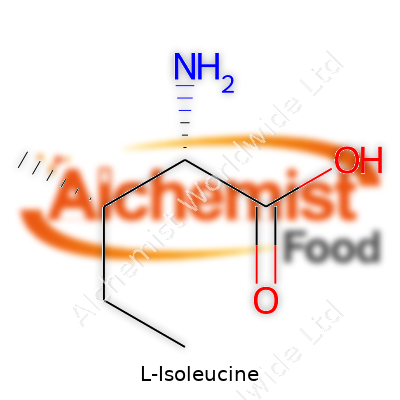
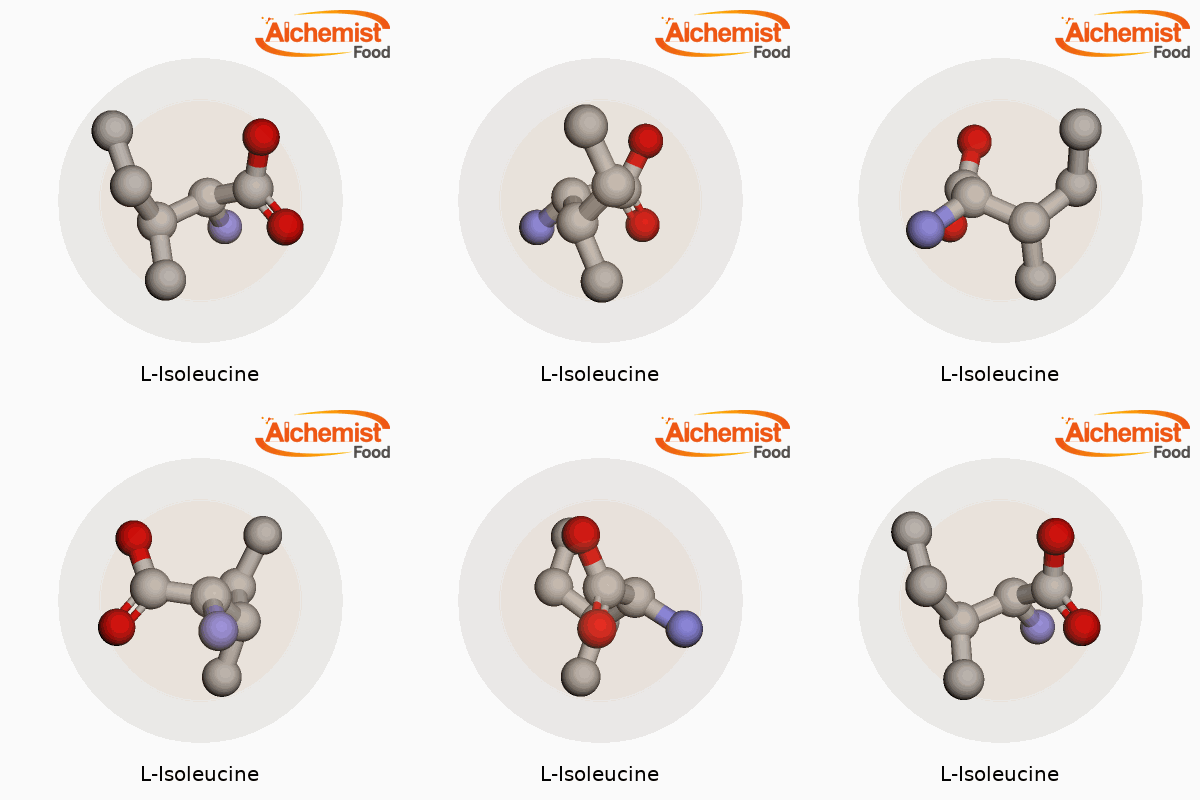
| Names | |
| Preferred IUPAC name | (2S,3S)-2-amino-3-methylpentanoic acid |
| Other names |
2-Amino-3-methylvaleric acid Isoleucine Ile |
| Pronunciation | /ˌaɪ.soʊˈluː.siːn/ |
| Preferred IUPAC name | (2S,3S)-2-amino-3-methylpentanoic acid |
| Other names |
(S)-2-Amino-3-methylpentanoic acid Isoleucine Ile Ileu 2-Amino-3-methylpentanoic acid |
| Pronunciation | /ˌaɪ.soʊˈluː.siːn/ |
| Identifiers | |
| CAS Number | 73-32-5 |
| Beilstein Reference | 1724533 |
| ChEBI | CHEBI:17191 |
| ChEMBL | CHEMBL578 |
| ChemSpider | 14424 |
| DrugBank | DB00197 |
| ECHA InfoCard | ECHA InfoCard: 100.003.732 |
| EC Number | 2.6.1.42 |
| Gmelin Reference | 8787 |
| KEGG | C00407 |
| MeSH | D000070638 |
| PubChem CID | 6306 |
| RTECS number | NN3335000 |
| UNII | 804D497F8E |
| UN number | UN3335 |
| CompTox Dashboard (EPA) | DTXSID7021583 |
| CAS Number | 73-32-5 |
| Beilstein Reference | 1724532 |
| ChEBI | CHEBI:17191 |
| ChEMBL | CHEMBL769 |
| ChemSpider | 5030 |
| DrugBank | DB00197 |
| ECHA InfoCard | 100.086.206 |
| EC Number | EC 2.6.1.42 |
| Gmelin Reference | 8443 |
| KEGG | C00407 |
| MeSH | D007512 |
| PubChem CID | 6306 |
| RTECS number | NI5950000 |
| UNII | V6K8 4Y3W 8B5 |
| UN number | UN3335 |
| CompTox Dashboard (EPA) | DTXSID0024702 |
| Properties | |
| Chemical formula | C6H13NO2 |
| Molar mass | 131.17 g/mol |
| Appearance | White crystalline powder |
| Odor | Odorless |
| Density | Density: 1.3 g/cm³ |
| Solubility in water | Slightly soluble in water |
| log P | -2.5 |
| Vapor pressure | Negligible |
| Acidity (pKa) | 2.32 |
| Basicity (pKb) | 2.36 |
| Magnetic susceptibility (χ) | -9.47×10⁻⁶ cm³/mol |
| Refractive index (nD) | 1.504 |
| Dipole moment | 1.05 D |
| Chemical formula | C6H13NO2 |
| Molar mass | 131.17 g/mol |
| Appearance | White crystalline powder |
| Odor | Odorless |
| Density | 0.24 g/cm³ |
| Solubility in water | Slightly soluble in water |
| log P | -2.78 |
| Vapor pressure | Vapor pressure: <0.01 hPa (20 °C) |
| Acidity (pKa) | 2.36 |
| Basicity (pKb) | 3.03 |
| Magnetic susceptibility (χ) | -9.52×10⁻⁶ cm³/mol |
| Dipole moment | 1.12 D |
| Thermochemistry | |
| Std molar entropy (S⦵298) | 223.0 J·mol⁻¹·K⁻¹ |
| Std enthalpy of formation (ΔfH⦵298) | -528.5 kJ/mol |
| Std enthalpy of combustion (ΔcH⦵298) | −3623 kJ·mol⁻¹ |
| Std molar entropy (S⦵298) | 143.3 J·mol⁻¹·K⁻¹ |
| Std enthalpy of formation (ΔfH⦵298) | -537.5 kJ/mol |
| Std enthalpy of combustion (ΔcH⦵298) | −3741 kJ mol⁻¹ |
| Pharmacology | |
| ATC code | A11AA03 |
| ATC code | A11AA03 |
| Hazards | |
| Main hazards | May cause respiratory irritation. |
| GHS labelling | GHS07 |
| Pictograms | GHS07 |
| Signal word | Warning |
| Hazard statements | No hazard statements. |
| NFPA 704 (fire diamond) | 1-0-0 |
| Autoignition temperature | +452 °C |
| Lethal dose or concentration | LD50 oral rat 5000 mg/kg |
| LD50 (median dose) | LD50 (median dose): Oral, rat: > 5 g/kg |
| NIOSH | SR2656000 |
| PEL (Permissible) | PEL (Permissible Exposure Limit) of L-Isoleucine: Not established |
| REL (Recommended) | 2 g |
| Main hazards | May cause respiratory tract irritation. May cause eye irritation. May cause skin irritation. |
| GHS labelling | GHS07, Warning, H315, H319, H335 |
| Pictograms | GHS07 |
| Signal word | No signal word |
| Hazard statements | Not a hazardous substance or mixture according to the Globally Harmonized System (GHS) |
| Precautionary statements | P261, P264, P270, P272, P273, P280, P302+P352, P305+P351+P338, P312, P332+P313, P362+P364 |
| NFPA 704 (fire diamond) | 1-0-0 |
| Autoignition temperature | +455°C |
| Lethal dose or concentration | LD50 Oral Rat 5000 mg/kg |
| LD50 (median dose) | LD50 (median dose): Rat oral 15,000 mg/kg |
| NIOSH | NM 9800000 |
| PEL (Permissible) | 10 mg/m3 |
| REL (Recommended) | 2 g |
| Related compounds | |
| Related compounds |
L-Leucine L-Valine L-Alanine L-Glutamine L-Methionine |
| Related compounds |
L-Leucine L-Valine L-Alanine L-Glutamine |



