L-Glutamine: Unpacking A Crucial Amino Acid
Digging Into the History of L-Glutamine
L-Glutamine first caught the attention of scientists in the late nineteenth century. The Swiss chemist Ernst Schulze and his team detected this amino acid in plant tissues while studying the chemistry of proteins. Its recognition grew rapidly in the early twentieth century as nutritionists, doctors, and biochemists noticed L-Glutamine’s role in muscle metabolism and its sheer abundance in the human body. During World War II, doctors began to see its promise for trauma recovery in war injuries, thanks to glutamine’s influence on wound healing and immune response. Since those foundational years, decades of research have built a thorough picture, leading to its commonplace appearance in hospital settings, sports nutrition products, and laboratory experiments across the world.
L-Glutamine at a Glance: Product Overview
This amino acid shows up in the form of a white, crystalline powder with no strong taste or odor. You often find it in tubs labeled as a dietary supplement or folded into meal replacement shakes and protein blends. Powdered L-Glutamine dissolves in water and mixes easily with juices, smoothies, and shakes. These commercial products usually highlight purity, promising over 99% L-Glutamine by weight, aimed at both those watching macronutrients and patients following strict clinical guidelines. Manufacturers often stress that their product is “free from fillers,” or “pharmaceutical grade”—a reassuring detail for athletes, medical patients, and people with allergies.
Physical & Chemical Properties That Stand Out
L-Glutamine carries a molecular formula of C5H10N2O3 and tips the scales at about 146.15 g/mol. As a neutral, polar amino acid, it melts between 185 and 192°C. Place it in water, and it dissolves with little fuss, but throw it in ether or alcohol and it barely moves. Stability often depends on temperature and humidity; moisture and heat can prompt L-Glutamine to convert slowly into pyroglutamic acid or decompose, so sealed packaging and climate-controlled storage aren’t just recommendations, they’re strict requirements in quality facilities.
Technical Specifications & Labeling You’ll See
Regulators and buyers look for clarity and accuracy on L-Glutamine labels. Most supplement bottles and medical-grade product vials provide precise batch numbers so any contamination or quality problem can be traced and fixed. Quality standards for purity rest high—typical labels cite “Pure L-Glutamine ≥99%” or “USP grade.” Top manufacturers offer Certificates of Analysis from third-party labs verifying identity, purity, microbial limits, and heavy metals testing to match global standards—USP (United States Pharmacopeia), EP (European Pharmacopeia), or JP (Japanese Pharmacopeia) among them. Beyond basic stats, clear allergen statements and application-specific instructions reduce mistakes in clinical or sports use. Pediatric or hospital versions often specify “for enteral or parenteral administration” and detail contraindications to guide medical professionals toward safe use.
How L-Glutamine Is Made
Factories and labs used to rely heavily on extracting L-Glutamine from protein hydrolysates—breaking down natural proteins using acid or enzymes, then separating out the amino acids. That approach eventually ran up against cost and purity limits. Advances in fermentation flipped the script. Most modern L-Glutamine comes from fermentation, where specific strains of bacteria (often Corynebacterium glutamicum) get fed sugars in carefully calibrated nutrient broths. These microbes pump out glutamine, which workers then isolate, filter, and crystallize for the shelves. This process supports large-scale, economical, and clean output, hitting purity levels hospitals and supplement industries demand. Genetic engineering now lets manufacturers tweak strains for higher yield and lower energy use—a point of pride as the industry shifts toward sustainability and cost savings.
Chemical Reactions & Modifications Put to Use
L-Glutamine steps up in several kinds of laboratory and industrial chemistry. In its simplest form, it regularly converts by cyclization into pyroglutamic acid under heat or acidic conditions. Scientists sometimes modify L-Glutamine for drugs or peptide synthesis by swapping the amide group (–CONH2) or tinkering with the α-amino group to create analogs with fresh pharmacological twists. This core flexibility helps researchers experiment with new candidate molecules for therapies, signaling molecules, or as substrates in advanced organic chemistry routes. Some protein researchers use L-Glutamine as a “protecting group”—its chemical structure shields sensitive sites during peptide assembly processes, making sure they arrive as intended at the final step.
Synonyms & Product Names You May Encounter
Look through ingredient lists and chemical inventories, and L-Glutamine hides behind a few alternate names: 2-Amino-4-carbamoylbutyric acid, Glutamic acid 5-amide, or sometimes just Gln or Q as short codes in protein sequences. In health and nutrition shopping, common brand names dress it up—label designers trade on phrases like “Pure Glutamine,” “L-Gln Powder,” or “Gluta-Fuel.” Medical suppliers keep it simple: “L-Glutamine for Oral Solution” or “L-Glutamine Injection, USP.” In research catalogs, you’ll see the CAS number 56-85-9 and registration in global chemical safety registries.
Meeting Safety & Operational Standards
Careful handling stands as a requirement in production and laboratory spaces. For dietary applications, agencies like the FDA in the US or EFSA in Europe have analyzed L-Glutamine’s safety and classified it as GRAS (Generally Recognized As Safe) at normal dietary consumption levels. In healthcare, safety updates and guidelines stem from clinical research as well as post-market checks on intravenous and enteral administration. Manufacturing spaces follow GMP (Good Manufacturing Practices), with controlled room environments, routine residue checks, and regular microbial and endotoxin screening. Protective dust masks and gloves shield workers from throat and eye irritation that can arise from airborne powder, especially in high-volume filling areas. Proper training keeps mistakes and contamination at bay, benefitting both workers and end users.
How L-Glutamine Gets Used
Applications keep spreading thanks to reliable results in health, research, and nutrition. In hospitals, doctors prescribe glutamine as a supplement for critically ill patients, those recovering from surgery, and individuals facing long bouts of illness—people whose muscle mass and immune systems teeter close to the edge. Athletes reach for L-Glutamine powder after tough workouts, hoping to recover faster from muscle soreness and to cut down on infections during hard training. In the lab, researchers grow cell cultures on media spiked with L-Glutamine, since it fuels cell growth and keeps the cultures dividing at healthy rates. Animal feed producers mix it into special blends for farmed fish, poultry, or livestock, aiming to improve growth rates and immune resilience. Newer uses even brush up against skincare, with topical glutamine winding its way into formulations for damaged or sensitive skin.
What’s Driving Research & Development
Over the past two decades, a surge in research aimed to close the knowledge gap about L-Glutamine’s mechanics and long-term effects. Teams across universities, biotech firms, and clinics compared glutamine-supplemented and standard feeding in cancer patients, burn victims, elite athletes, and those battling chronic gut diseases. Some trials zoomed in on the gut barrier, finding that glutamine helps strengthen mucosal linings in the digestive tract, potentially lowering the risk of leaks that let harmful bacteria through. Other experiments critiqued marketing claims linked to faster muscle growth or immune strength in healthy adults; findings raised questions about the size and consistency of those effects outside clinical settings. R&D money chases new fermentation strains and purification tech, both to improve production yields and cut impurities that could cause allergen issues. In pharmaceutical circles, L-Glutamine stands as a backbone in drug delivery research, where stability and compatibility with other actives drive innovation at the patent level.
Peering Into Toxicity Research
Much of toxicology data links back to high-dosage lab animal studies and hospital data tracing adverse effects in vulnerable groups. Researchers poured high concentrations of L-Glutamine into rodents' diets, observing that well below 30g per day, negative effects rarely appear. In hospital trials, patients intravenously fed glutamine rarely experienced organ toxicity or dangerous metabolic changes, though researchers flagged caution for people with severe liver or kidney damage—these organs process extra nitrogen, and loading them can cause unwanted pressure. With retailers and influencers pushing megadoses to the fitness crowd, it falls to regulators and research groups to watch for new trends in kidney or metabolic strain in otherwise healthy adults over time. So far, evidence supports regular servings as safe for the majority, with rare exceptions tied to underlying health issues.
What Lies Ahead for L-Glutamine
Looking across industries, signals for future growth appear both in established and emerging uses for L-Glutamine. Hospitals and intensive care units increasingly include glutamine-enriched formulas in protocols for trauma care, cancer recovery, and severe infection cases. The sports nutrition field continues to experiment with dose, timing, and stacking L-Glutamine with related amino acids, backed by studies hoping to clarify which combinations lead to real, repeatable performance gains. In pharmaceutical research, a wave of new delivery methods—like nanoparticle-bound or slow-release forms—stands poised for clinical trials, set to match L-Glutamine’s absorption profile to specific patient needs. Meanwhile, the push for more eco-friendly production methods leans heavily on smarter, gene-edited fermentation strains. As researchers trace out the full spectrum of L-Glutamine’s roles in gut health, immunity, and aging, its place in the toolkit for health, performance, and research looks secure for decades ahead.
What are the benefits of taking L-Glutamine?
What L-Glutamine Does in the Body
L-Glutamine is an amino acid that shows up everywhere in our daily lives. For people who hit the gym or run miles on the weekend, it plays a part in muscle recovery and repair. After a tough workout, muscles feel sore and tired. Part of this happens because they use up stored glutamine. Replenishing levels might help speed up bouncing back, keeping you on track with your routine and goals.
Digestive Health and Immunity
Gut health affects so much more than people first realize. L-Glutamine fuels the cells lining the intestine. It acts like a battery, keeping the digestive system in good shape. Some folks dealing with digestive issues, like irritable bowel syndrome or leaky gut, look at L-Glutamine as a tool in their approach. A healthy gut links directly to a better immune system. The cells fighting off unwelcome germs need glutamine, especially during times of stress or illness.
Stress, Recovery, and Glutamine
Life brings stress, both physical and mental. The body burns through glutamine at higher rates during illness, injury, or high-pressure times. Think about long days, trouble sleeping, or coming back after surgery—glutamine drops in the blood. Supplementing can keep things balanced, making the recovery process smoother. This detail matters not just for athletes but for anyone healing from sickness or dealing with long-term stress.
Fitness and Athletic Performance
People who train hard know the value of smart recovery. Muscles don’t grow during workouts; they build up during rest. L-Glutamine levels dip after tough training. That’s why some athletes take it, hoping for less muscle soreness and quicker muscle building. It’s not a miracle powder, but studies suggest that it can help reduce muscle wasting and support the immune system after endurance exercise. For bodybuilders and people aiming for fitness goals, L-Glutamine can become part of a larger program alongside protein, hydration, and rest.
Potential Solutions for People Considering L-Glutamine
L-Glutamine isn’t only for bodybuilders or those with medical diagnoses. People under chronic stress or recovering from injury can benefit, but it pays to start with food sources. Beef, chicken, fish, dairy, and certain vegetables (like spinach and cabbage) pack plenty of natural glutamine. For those thinking about supplements, research points toward 5–10 grams daily as a common dose for athletes. It’s important to get real medical advice before jumping in, especially for people with liver or kidney issues or those managing other health problems. Supplements aren’t a fix-all, but they help when part of a broader plan focused on nutrition, exercise, and sleep.
The Bigger Picture
Our bodies run thousands of complex systems day in and day out. Supporting digestion, recovery, and immunity means thinking about more than just any one protein or powder. Decades of study back up the importance of glutamine. The choice to supplement should start with curiosity and information, not just promises on a label. Approaching health in a steady, informed way helps you make the most of what science offers—and that’s worth holding onto anytime the next trendy supplement pops up.
How should I take L-Glutamine supplements?
Practical Guidance for Taking L-Glutamine
Most people get curious about L-glutamine after reading how it may help muscles recover faster or support gut health. The big question always comes up: how should you actually take this supplement for real-life benefits? Walking into a health store or scrolling through online listings, you’ll see powders, capsules, flavored mixes, and more—enough to make your head spin.
Understanding How Much L-Glutamine Works
Let’s keep it simple. Science shows that a lot of athletes and people recovering from illness often look toward daily doses ranging from 5 to 10 grams, usually spread out over the day. Clinical studies have found this amount safe, though going far above it doesn’t always give better results. Some folks new to supplements feel stomach rumbling if they take it all at once. If that’s you, splitting it into smaller doses makes life easier.
I tried using one scoop mixed into a morning smoothie, then another in the afternoon after workouts. That worked better for my digestion than swallowing big capsules. The powder itself tastes mild, so I found it easy to hide in yogurt or juice.
Best Times to Take L-Glutamine
Some people swear by using L-glutamine right after workouts to beat soreness and muscle fatigue. Others with gut issues find more benefit before meals, especially when trying to soothe a cranky stomach lining. Research backs both methods. One study published in the “Journal of Nutrition” found better muscle protection when supplementing right after exercise. On the gut-health side, people with IBS and similar issues reported less bloating and distress when taking smaller amounts before eating.
What About Safety and Purity?
Not every supplement on a shelf is created equal. I stopped grabbing just any bottle once I learned that some brands skip quality checks. Smart move: look for products tested by groups like NSF International or USP, which check for contaminants. Remember, if labels avoid listing where the glutamine comes from, that’s a red flag.
Doctors and registered dietitians also stress the importance of talking to a healthcare professional before starting, especially if you have kidney or liver concerns or take other medications. L-glutamine can interact with certain drugs, though side effects are rare.
Fitting L-Glutamine Into a Real Diet
Supplements alone never work miracles. I realized the biggest improvement happened only after dialing in basic habits—getting enough sleep, managing stress, and eating balanced meals. Lean meats, beans, and eggs already supply some glutamine. For most healthy adults, a supplement works best as a short-term boost, not a permanent fix.
Home mixers and smoothie fans have an easy way to take L-glutamine without noticing it. Those who travel or hate powders find capsules more convenient. The main goal stays the same: steady, daily use for a few weeks, matched with a watchful eye for any odd side effects. Honest communication with health professionals helps spot rare complications early.
In the end, L-glutamine works as a tool, not a cure-all. Used mindfully—with clean sources and sensible daily doses—it can support recovery, soothe the gut, and fit into many healthy routines.
Are there any side effects of L-Glutamine?
Understanding What L-Glutamine Really Does
Walk into any supplement store, and L-Glutamine takes up plenty of shelf space. Fitness coaches swear by it, gut health advocates sprinkle it in their shakes, and weekend warriors throw it in post-workout smoothies. The body already makes some on its own—it isn’t something foreign like a crazy stimulant. Still, the surge in popularity means more people jump in without much thought about possible side effects, especially for folks tracking every detail of their health.
Possible Side Effects Aren’t Always Obvious
Your body treats L-Glutamine as a friendly neighbor for the most part. Those who take normal doses rarely complain to their doctors about anything dramatic. What crops up sometimes—feeling bloated, a little stomach cramping, or a mild headache. Once in a while, someone might get a rash or feel a bit dizzy. Most people never even notice.
At the gym, some buddies toss it in everything and say, “It’s just amino acid; what’s the problem?” I used to nod along until my own brother, heavy into supplements, felt queasy for days. His doctor pointed to the new powder on his kitchen counter. It turned out he was doubling up between shakes and ready-made protein bars. Once he cut the dose, he felt normal again.
Who Should Pay Extra Attention
No two bodies are clones. Studies show most healthy adults handle moderate supplementation, up to about 30 grams a day, without big issues. But take a step back if you deal with liver disease, kidney trouble, or seizure disorders. The reason is simple—the organs that process every scoop might not keep up if they’re already overworked.
Young kids and those pregnant or breastfeeding need to be even more cautious. There just isn’t enough data showing it’s safe to add extra amino acids to their routines.
L-Glutamine And Gut Issues: Not Always A Miracle
Fans often claim it helps heal the gut or keeps Crohn’s at bay. Research teams have dug into this idea. Some studies tossed out minor good results in certain people, but nothing comes through as a miracle. Sometimes, big doses make GI symptoms even worse—think more gas, more discomfort, not less.
Anyone juggling more than one condition should check with a real medical professional. A friend of mine with Crohn’s saw improvements in her energy, but got extra cramping until her nutritionist dialed the amounts back down.
Safe Use Calls For Common Sense
Companies keep selling bigger tubs, promising bigger benefits. Still, overdosing won’t turn back the clock or fast-track results—it usually backfires. Sticking with doses found in regular food and talking things through with someone who knows your medical history always helps more than scooping mindlessly.
As with any new supplement, quality matters. Buying from brands that list clear ingredients, batch test for contaminants, and follow current good manufacturing practices protects your wallet and your body. Fakes and fillers lurk everywhere online, and these may cause side effects not tied to L-Glutamine itself.
Smart Steps Everyone Can Take
If you feel off after starting L-Glutamine, it’s not worth pushing through. Track your reaction, talk it over with your healthcare team, and read labels closely. Getting nutrients from whole foods still wins out for most everyday needs. For folks chasing an edge or managing a health condition, it pays to know what’s going into your body and why.
Is L-Glutamine safe to use daily?
L-Glutamine in the Spotlight
L-Glutamine pops up in gyms, health food shops, and even hospital pharmacies. Fitness enthusiasts often swear by it for recovery, and doctors sometimes give it to people who need extra support, especially during times of stress or illness. The buzz around it usually focuses on muscle repair, gut health, and immune support. With all this hype, a lot of folks start asking if it’s okay or even healthy to take every day.
Personal Experiences Speak Loudly
Back in college, I started using L-Glutamine on my coach’s advice after tough practice sessions. I noticed less soreness and quicker bounce-back, but a few teammates who doubled their doses didn’t fare so well. They ended up complaining about stomachaches and, in one case, two days of persistent headache. That taught me that more doesn’t always equal better, even with a popular amino acid like this.
What Researchers Have Found
Scientific studies show that L-Glutamine is actually the most common amino acid floating around in the bloodstream. Our bodies make it naturally, and it comes in plenty of foods, like beef, eggs, tofu, and even cabbage. Hospitals sometimes use it to help patients recovering from surgery and to treat certain gut issues. It has a strong safety record at normal dietary levels and in medically supervised doses up to 30 grams a day over short periods. Most people stick to 5-10 grams per day without any reported problems.
Still, experts point out that very high doses over long stretches haven’t been researched well. Animal studies suggest possible kidney strain if someone pushes the limits for weeks on end. That’s not proof this will happen to people, but it’s a reminder not to assume that just because a little is good, more is always harmless.
One thing that doesn’t get enough attention is that people with liver disease or certain mental health conditions—like those with a history of mania—should steer clear or talk to a doctor first. L-Glutamine changes nitrogen balance in the body and, in rare cases, could mess with mood or make things harder for weakened kidneys or livers.
Should You Take It Every Day?
For healthy adults eating a balanced diet, daily L-Glutamine often won’t cause trouble, especially if people stick with moderate amounts. Many registered dietitians still advise getting most amino acids from whole foods, which deliver dozens of benefits an isolated supplement can’t match. Supplements may play a role for certain tough training routines or if a doctor recommends it for gut health. It makes sense to look at the bigger picture—how much protein are you already getting? How do your guts feel day to day? Are you dealing with long-term illness?
Reading labels, checking for third-party testing, and starting small can help minimize risks. If you notice digestive changes, strange fatigue, or headaches, hit pause and talk to a healthcare professional. Anyone with kidney or liver problems, or those on prescription meds, should bring up L-Glutamine supplements with a doctor first.
Practical Steps for Safe Use
Prioritize real food like meat, fish, beans, or dairy for your amino acid needs. If you want to try L-Glutamine for muscle recovery or gut comfort, use only the dose recommended by a trusted expert. Keep it simple: don’t mix and match piles of supplements, and don’t see them as a solution for a lousy diet. Listen to your body and make changes slowly.
Can L-Glutamine help with muscle recovery and growth?
Digging Into the Hype
People chasing fitness goals talk about L-glutamine as if it were some kind of miracle supplement. Gyms echo with stories about “super quick recovery” and “gains overnight” after adding this amino acid to the shaker bottle. But stories and science don’t always line up. L-glutamine is a building block for protein, and muscles use protein to heal after workouts. Plenty of products in stores use this fact to grab attention, but it takes more than fancy packaging to tell if a supplement makes much of a difference.
What I Noticed In My Training
Years of picking up heavy weights, running hills, and pulling hamstrings have tuned my focus on anything that promises faster recovery. Time is precious. Rest days stretch long enough, so anything that turns soreness into readiness has value. I’ve tried L-glutamine both after grueling squats and when training for a marathon left my legs shot. Sometimes I noticed less muscle soreness the next morning. Other times, my legs still felt like concrete. Over time, I realized the basics—eating well, sleeping enough, getting enough total protein—carry much more weight for muscle gains and faster healing than any single amino acid powder ever did.
Looking at the Facts
Glutamine sits near the top in the body’s amino acid chart. It’s found in steak, chicken, eggs, beans, and even some vegetables. Muscles already make plenty of glutamine, especially when healthy people eat a balanced diet. Supplements get a lot more attention in circles where training stress goes through the roof—think pro bodybuilders, extreme endurance athletes, or hospitalized patients recovering from trauma. Studies on sick or burned patients suggest glutamine helps with healing. Most research on healthy athletes, though, paints a less clear picture.
A meta-analysis published in 2019 looked at trials with athletes taking glutamine. Some found tiny drops in muscle soreness or a bounce-back in sprint performances, but none saw major leaps in muscle growth just from popping extra pills. The International Society of Sports Nutrition said most athletes and weekend warriors already get enough glutamine from food. Stacking it on top does little. One interesting twist: extreme endurance athletes burning thousands of calories, or those with stomach issues, sometimes see extra benefit. Their supplies can run low.
Why People Still Take It
People want an edge. After a tough workout, the smallest hope for quicker recovery gets tempting. Companies push L-glutamine as an “insurance” policy for hard training. The powder stirs easily, barely tastes like anything, and rarely causes side effects. In hot gym cultures or among bodybuilders chasing every percent, even a whisper of extra performance can justify the price.
A Smarter Path for Recovery and Muscle Growth
Focusing on the big rocks first does more for recovery than chasing single nutrients. A good training plan, plenty of sleep, and protein spread through each meal support muscle repair better than an extra scoop of one amino acid. Eggs, lean meats, beans, tofu—these bring a bundle of amino acids, including glutamine, plus vitamins and minerals that powders can’t match. Staying hydrated, taking short walks after tough sessions, and not letting stress run wild keep the body in a better place to grow strong.
Some people with medical issues or athletes training at the fringe feel the benefit from targeted glutamine. For most, building a plate heavy on natural, protein-rich foods and respecting rest days turns out to be the real game changer.
What are the benefits of taking L-Glutamine?
Understanding L-Glutamine
L-Glutamine steps onto the scene as an amino acid your muscles and gut rely on. Most folks get it from protein-rich food—chicken, fish, eggs, beans, even spinach piles it on your plate. Under the strain of hard workouts, illness, or stress, the need grows. The body doesn’t always keep up. That’s when support from supplements comes in.
L-Glutamine and Muscle Recovery
I’ve watched athletes at the local gym downing their post-workout shakes. They swear L-glutamine stirs into those after-sweat routines for good reason. Hard exercise pulls glutamine from muscle stores. Low levels can leave you wiped out, slow your bounce-back, make it easier to get sore or even sick. Supplementing has helped plenty of people feel less muscle soreness after pushing themselves at the gym. A handful of studies point to a quicker recovery after heavy training, and I’ve noticed fewer workout buddies skipping sessions from fatigue when they keep up with their glutamine routine.
Gut Health and Immunity
Digestion deserves more credit for keeping people happy and healthy. L-glutamine plays a big role here. Your intestines use it to repair and maintain their lining. Folks with digestive issues—like irritable bowel or Crohn’s—sometimes face low glutamine levels. Doctors at clinics near me even recommend it to patients bouncing back from gut surgeries. That nutrient helps patch up damaged tissue and strengthens your natural barrier against germs. When gut lining starts leaking, trouble follows: more inflammation, frequent illness, stubborn infections. Keeping glutamine plentiful can help plug those leaks.
L-glutamine doesn’t just focus on the gut. Like an unsung hero, it also helps your immune cells do their job. During periods of stress — think marathon training or fighting off a flu bug — the body churns through glutamine. If supplies run short, the immune defense tanks, and catching every bug at work or at the gym gets all too common. Several clinical trials back up the idea that L-glutamine supports infection resistance and immune cell production in high-pressure moments.
Who Should Think About Supplementation?
L-glutamine gets plenty of use in the fitness world, but anyone dealing with physical stress can see benefits. Hospitalized patients with severe injuries, burns, or infections often improve with glutamine added to their feeding plans. Endurance athletes using lots of energy, seniors who may not eat quite enough, or folks facing chronic digestive problems form another group who may gain from extra glutamine.
The Safety Picture
My own experience and conversations with nutrition professionals show glutamine supplements are usually safe for most adults if taken as directed. Still, people with kidney or liver disease need to talk to a doctor before adding any new supplement. Doses above 30 grams a day bring risk of stomach upset — moderation always wins. Looking at research, no study has raised red flags for healthy people at typical supplement levels around 5–10 grams daily.
Ways to Bridge the Gap
For those thinking about adding L-glutamine, food remains the foundation. A balanced diet with lean meats, eggs, legumes, dairy, and greens typically does the trick. Athletes or those recovering from illness might talk to a healthcare provider about targeting their intake. Supplements give a more concentrated form, especially useful during times when physical stress or medical conditions burn through glutamine at a faster rate than diet alone can provide.
L-glutamine brings a lot to the table: faster workout recovery, better gut health, more reliable defenses against everyday bugs, and real help for people under meaningful physical stress. I’ve watched it make a visible difference for gym regulars, patients, and friends managing medical recovery. Staying informed and using it wisely unlocks real-world benefits you can count on.
How should I take L-Glutamine and what is the recommended dosage?
Understanding L-Glutamine in Daily Life
L-Glutamine turns up a lot in nutrition shops and fitness circles. I first came across it during a tough stretch in marathon training, when muscle soreness and flagging energy slowed me down. The hype around this amino acid had roots in its connection to muscle support, gut health, and even immune response. After digging through published research and asking both sports dietitians and my own doctor, I found that L-Glutamine really can play a role—but only in the right doses and with the right timing.
Real Numbers: How Much Do You Need?
For most people who eat enough protein and aren’t under extreme stress, the body makes plenty of L-Glutamine on its own. Yet, high-intensity exercise, serious illness, or surgery can tip the scales and boost demand. That’s where supplementation steps in.
Recommended daily dosages float between 5 to 10 grams a day. Research from the Journal of Nutrition and other reputable sources supports this range as both safe and useful for athletes and those with extra needs. For instance, endurance athletes add L-Glutamine before or just after workouts, with 5 grams mixed into a glass of water or protein shake. Some gym regulars take a serving between meals to help with recovery, reporting less muscle soreness and gastric distress.
Ways to Take L-Glutamine That Actually Work
Powdered L-Glutamine dissolves well in cold or room-temperature liquids. Capsules work for anyone who dislikes the mild taste. Water, juice, or shakes make good mixers. I once stirred it into morning smoothies, which masked the flavor and fit my routine. Waiting until after exercise gives muscles the most direct benefit, according to friends who work in sports medicine. A split dose—half before and half after a heavy workout—makes sense for those pushing physical limits.
Consistency helps more than high doses. Taking 5 grams each day right after exercise offers a steady supply the body can use. Extreme doses, such as 20-30 grams, don’t offer more benefits and can upset the stomach. People with chronic illnesses or struggling to recover from injuries sometimes need more, but a doctor or registered dietitian should oversee larger amounts.
Is L-Glutamine Safe For Everyone?
Most healthy adults tolerate standard doses well. Some gastrointestinal complaints pop up at high doses: bloating, gas, or a mild stomach ache. Those with kidney or liver issues need special caution, since excess amino acids can tax these organs. Pregnant or breastfeeding women and people with diagnosed health conditions should always consult a qualified healthcare provider before starting any supplement. Every body reacts a little differently, and personal medical history matters. Safety doesn’t come from a label on a tub of powder alone.
Making It Part of a Smarter Routine
I’ve learned that no supplement replaces balanced meals and enough sleep. L-Glutamine makes sense for intense training periods or bouts of illness—but it works best as part of a bigger picture. Quality protein, carbs for recovery, and a focus on gut health round out the approach. If you eat well, stay honest about your limits, and listen to your body, L-Glutamine can fit in smoothly. It pays to keep track of how you feel and make adjustments or seek professional input if anything seems off.
Are there any side effects of using L-Glutamine?
What is L-Glutamine?
Walk into any gym supplement aisle and bottles of powder with words like "recovery" and "muscle support" on the label catch your eye. L-Glutamine often pops up in the mix. It's a naturally occurring amino acid, meaning the body makes it on its own, and you also get a boost from meats, eggs, and plant-based proteins. Athletes mix it into their shakes to bounce back after hard workouts. Folks with digestive issues hear it might support their gut. Health stores love to put it in the spotlight.
Short-Term and Common Side Effects
I’ve tried L-Glutamine during marathon season, following advice from a running buddy who said it helped with muscle soreness. For most healthy adults, it sits well with the body in moderate amounts. Studies do show, though, that even a supplement considered "safe" can bring some mild side effects. Some people feel a bit of stomach upset, cramping, or get that gassy discomfort that lingers during the day. A few report headaches or skin rashes. Rare, but possible.
Kids, pregnant women, and people dealing with liver or kidney problems should always speak with a healthcare provider first. The kidneys process extra amino acids, so anyone with a kidney issue counts as high risk. Ignoring this can add extra stress to the body.
Long-Term Use: Red Flags and Unknowns
Supplements attract people who want an easy fix, but popping L-Glutamine for months without a break means entering a gray zone. Medical research hasn't pinned down the long-term effects for healthy people. The FDA doesn't keep a close eye on supplements like it does with prescription meds. Enlarged doses—beyond what's in food—don't always slip by without fuss. High doses have been linked to seizures in rare cases, especially for those who already have seizure disorders.
Some researchers raise questions about its role in cancer. Tumors sometimes thrive on glutamine, so anyone with a history of cancer or certain chronic illnesses should ditch the supplement aisle altogether unless their doctor clears it.
Why People Still Reach for L-Glutamine
The marketing machine behind supplements makes big promises. Athletes hear claims about muscle recovery. Folks with IBS get told it might patch up "leaky gut." The scientific evidence sometimes backs up mild benefits for people under intense stress, or with short bowel syndrome, but results flicker when you look for big changes in healthy people or casual gym rats. Checking the labels and even calling brands to ask for third-party testing details has become a habit for me—quality varies and contamination with other substances isn’t unheard of.
Practical Steps for Safe Use
Doctors and registered dietitians make the best source for advice, not influencers or sales reps. Anyone considering L-Glutamine should start with food sources first. Those protein-rich meals deliver amino acids without guesswork about purity or dosage.
Anyone still curious about supplements should keep tabs on how much they're taking and for how long. Watch for side effects, and move quickly to talk with a health professional if anything feels off—trouble breathing, rash, ongoing cramps, or confusion aren’t worth toughing out. Supplements promise easy gains, but real gains come with informed choices and honest conversations with professionals.
Is L-Glutamine safe for long-term use?
Looking Beyond the Hype
Walk into any supplement shop, and amino acids fill the shelves. L-glutamine claims everything from muscle recovery to gut health, and people want something that feels natural. After training at the gym for years and spending plenty of evenings reading supplement labels, I get why L-glutamine is so popular. It’s marketed as something straight from the body, a building block used for muscles and immune function. Before anyone commits to daily supplements for months or even years, clear answers matter more than sales pitches.
What Science Has Actually Shown
Research backs up certain benefits for people under stress–think burns, trauma, surgery, or grueling endurance training. Hospitals sometimes use L-glutamine to help critical patients recover. Outside of those intense situations, science gets murkier.
For healthy adults who train regularly, large studies haven’t shown dramatic boosts in muscle, performance, or weight loss when adding L-glutamine pills or powders. Some people with digestive issues report feeling better, pointing to possible links between glutamine and gut lining health, but studies on long-term effects are far from conclusive.
Safety for the Long Haul
The body makes its own glutamine and handles increased amounts when needed. Most people taking moderate daily doses–often up to 30 grams a day–experience few side effects in short trials lasting a few weeks. Nausea, stomach discomfort, or headache sometimes pop up but usually fade when people stop using it.
Long-term use lasts months or years. On this question, science comes up short. Few studies run beyond twelve weeks, so experts rely on indirect evidence and real-world experience. So far, healthy kidneys and livers seem able to process extra glutamine without trouble–if the doses stay reasonable. People with kidney or liver disease, or those recovering from cancer, need to be extremely careful since glutamine might speed up certain metabolic pathways with unpredictable results.
Possible Concerns
Supplements always raise purity questions. I learned early to be skeptical of “natural” claims when a few powders caused rare allergic reactions due to hidden contaminants or undeclared ingredients. The supplement industry in many countries faces few checks for consistency and purity, so third-party tested brands always get my trust over cheap, unknown names.
There’s another layer, too. No one really tests what happens when L-glutamine stacks with other common supplements or specific long-term medications. Isolated problems might not show up in brief clinical trials, but patterns emerge only over years. Responsible supplement makers should sponsor and publish long-term human trials. In the meantime, anyone taking it for long stretches should look out for subtle changes in digestion, energy, or mood–and talk openly with a doctor, especially if chronic medical issues are part of their story.
Practical Advice and Safer Paths
People eager to try L-glutamine over months or years should talk to a knowledgeable dietitian or physician before they settle into a habit. Look for third-party tested products, keep daily doses moderate, and check for fresh research updates every year. Bodies are built to get most amino acids through food. Prioritize real meals first, reflect on what works personally, and treat supplements as tools, not magic cures. Health doesn’t live in a powder tub, but in choices stacked day after day.
Can L-Glutamine help with muscle recovery and workout performance?
L-Glutamine and Its Place in the Gym Bag
Ask any long-term gym enthusiast, and L-Glutamine will show up sooner or later in their supplement list. L-Glutamine, a popular amino acid, occurs naturally in the body but often gets more attention from those chasing gains or seeking faster recovery. After spending years lifting weights and cycling through sore muscles, I started digging into which supplements actually made a difference and which ones belong in the same category as fad diets.
How Does L-Glutamine Work in the Body?
Muscular effort takes a toll, even for those with a carefully planned training schedule. Stress from tough workouts drains the body of glutamine, especially during periods of intense activity or after injuries. In the body, glutamine acts as a building block for protein and supports immune cell function—a double hit for muscle repair and overall resilience.
Research shared by the National Institutes of Health outlines that glutamine levels drop significantly after prolonged and strenuous training, leaving room for possible deficits. Countless athletes turn to supplements hoping to fill this gap, convinced that an extra scoop will keep them coming back from hard sessions faster.
Muscle Recovery: Science or Hype?
Glutamine’s popularity isn’t without reason. Some studies suggest that supplementing can help ease muscle soreness, especially after really heavy or unique training sessions that go beyond normal routine. A review published in the Journal of the International Society of Sports Nutrition points to mixed results—some athletes saw a reduction in muscle soreness and strength loss, but others noticed little change. My own recovery experience echoes that uncertainty—sometimes it seemed to help, sometimes my soreness didn’t budge.
Unlike protein powder, which packs a clear, science-backed punch for muscle building, glutamine doesn’t deliver instant, dramatic results. It does help those at risk for deficiencies—endurance athletes, people recovering from illness, or those following vegetarian diets. For others, especially those with balanced nutrition, stacking glutamine may not deliver the performance leap hoped for.
Workout Performance and Endurance
Some gym-goers think glutamine gives an edge for pushing through tough sets. Evidence is still up in the air. Most studies show glutamine doesn't have a direct impact on strength or aerobic power in people who already eat enough protein. Energy, focus, and those last few reps at the end of a brutal workout seem to come more from carbohydrates and mental grit than an amino acid supplement.
Safety and Who Benefits Most
Most people handle glutamine well at recommended doses—around 5 to 10 grams per day for adults. Problems pop up only with much larger doses, which usually aren't found in typical supplements. As someone with a lifelong cautious approach to supplements, reading product labels and sticking to reputable brands always seemed sensible, especially with any product promising miracle results.
For anyone with kidney or liver conditions, glutamine supplements can cause trouble. Doctors should be part of the conversation before adding new products to the mix, especially for those juggling medications or chronic health issues.
Final Thoughts: Worth It?
Glutamine earns a spot on the supplement shelf for athletes staring down intense training blocks, people dealing with regular injury recovery, or vegetarians. Those eating enough protein and training at a moderate level tend to get what they need from food. Soreness and performance gains seem to rely more on overall habits—nutrition, sleep, consistency—than chasing the latest supplement. If adding glutamine feels right, paying attention to your body's signals will always beat following gym trends blindly.
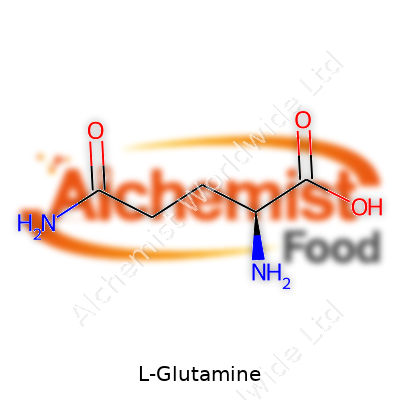
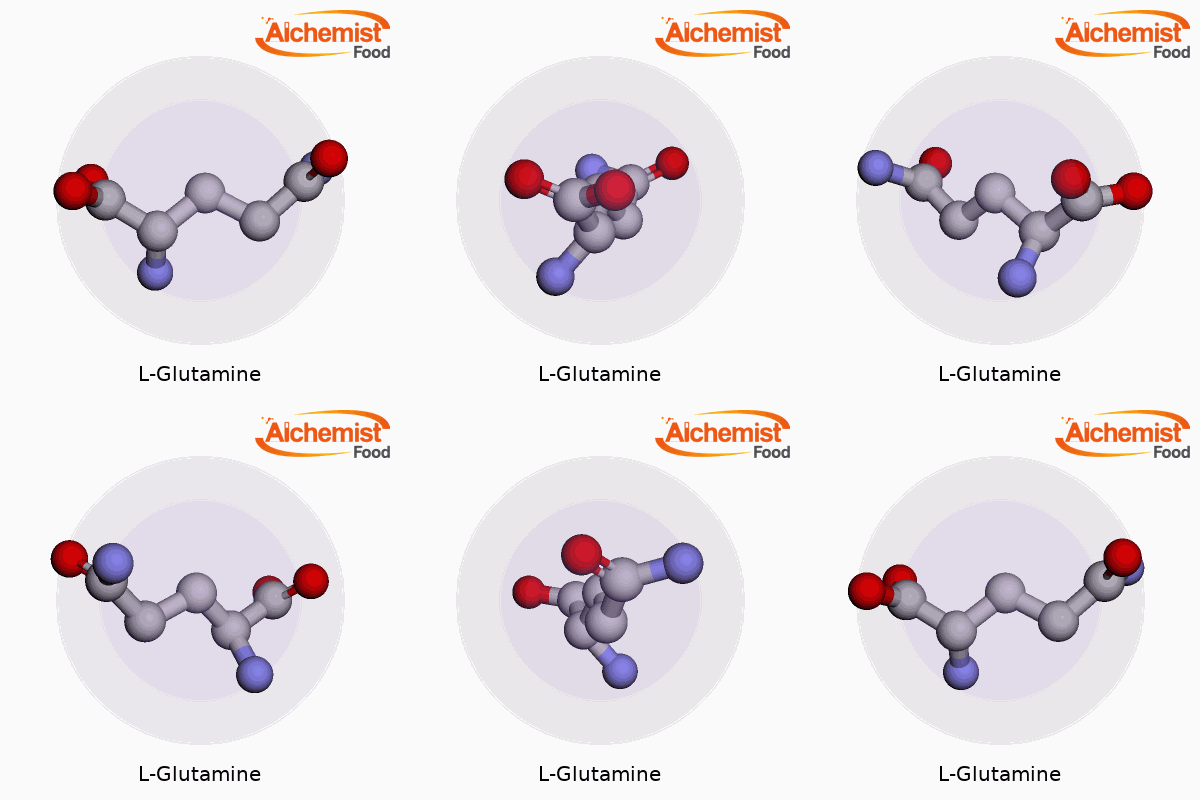
| Names | |
| Preferred IUPAC name | (2S)-2,5-diamino-5-oxopentanoic acid |
| Other names |
2-Amino-4-carbamoylbutyric acid Glutamic acid, 2-amino-, amide Levoglutamide GLN |
| Pronunciation | /ɛl ɡluːˈteɪmiːn/ |
| Preferred IUPAC name | (2S)-2,5-diamino-5-oxopentanoic acid |
| Other names |
2-Amino-4-carbamoylbutanoic acid Glutamic acid, 2-amino-, amide Levoglutamide L-Glutamin L(-)-Glutamine |
| Pronunciation | /ɛl ɡluːˈtæmiːn/ |
| Identifiers | |
| CAS Number | 56-85-9 |
| 3D model (JSmol) | `/JSMOL/ = 3D: C(CC(C(=O)O)N)C(=O)N` |
| Beilstein Reference | 3444342 |
| ChEBI | CHEBI:28300 |
| ChEMBL | CHEMBL1059 |
| ChemSpider | 5465 |
| DrugBank | DB00130 |
| ECHA InfoCard | ECHA InfoCard: 100.037.289 |
| EC Number | EC 2.6.1.2 |
| Gmelin Reference | 6828 |
| KEGG | C00064 |
| MeSH | D005947 |
| PubChem CID | 5961 |
| RTECS number | MV8051000 |
| UNII | 7FPO9Y3556 |
| UN number | UN No. 2811 |
| CompTox Dashboard (EPA) | urn:epa.compTox:DTXSID9044223 |
| CAS Number | 56-85-9 |
| Beilstein Reference | 107171 |
| ChEBI | CHEBI:28300 |
| ChEMBL | CHEMBL595 |
| ChemSpider | 6926 |
| DrugBank | DB00130 |
| ECHA InfoCard | 100.086.484 |
| EC Number | EC 2.6.1.2 |
| Gmelin Reference | 69189 |
| KEGG | C00064 |
| MeSH | D-Glutamine: D005957 |
| PubChem CID | 5961 |
| RTECS number | MC8225000 |
| UNII | 7M19V6S47H |
| UN number | UN1324 |
| Properties | |
| Chemical formula | C5H10N2O3 |
| Molar mass | 146.15 g/mol |
| Appearance | White crystalline powder |
| Odor | Odorless |
| Density | 0.72 g/cm3 |
| Solubility in water | 3.3 g/100 mL (20 °C) |
| log P | -3.49 |
| Acidity (pKa) | 5.65 |
| Basicity (pKb) | pKb: 9.13 |
| Magnetic susceptibility (χ) | -9.2·10⁻⁶ |
| Refractive index (nD) | 1.55 |
| Dipole moment | 4.5043 D |
| Chemical formula | C5H10N2O3 |
| Molar mass | 146.15 g/mol |
| Appearance | White crystalline powder |
| Odor | Odorless |
| Density | 0.77 g/cm3 |
| Solubility in water | Slightly soluble in water |
| log P | -3.5 |
| Vapor pressure | Negligible |
| Acidity (pKa) | 5.65 |
| Basicity (pKb) | 7.75 |
| Magnetic susceptibility (χ) | Diamagnetic |
| Refractive index (nD) | 1.544 |
| Dipole moment | 5.8367 Debye |
| Thermochemistry | |
| Std molar entropy (S⦵298) | 99.3 J·mol⁻¹·K⁻¹ |
| Std enthalpy of formation (ΔfH⦵298) | –878.9 kJ·mol⁻¹ |
| Std enthalpy of combustion (ΔcH⦵298) | -1897 kJ/mol |
| Std molar entropy (S⦵298) | 41.4 cal·K⁻¹·mol⁻¹ |
| Std enthalpy of formation (ΔfH⦵298) | -833.10 kJ/mol |
| Std enthalpy of combustion (ΔcH⦵298) | -1576 kJ mol⁻¹ |
| Pharmacology | |
| ATC code | A16AA05 |
| ATC code | A16AA05 |
| Hazards | |
| Main hazards | May cause respiratory irritation |
| GHS labelling | GHS07, Exclamation mark |
| Pictograms | veg;gluten-free;fssai;nosoy |
| Signal word | No signal word |
| Hazard statements | Hazard statements: Not a hazardous substance or mixture according to Regulation (EC) No. 1272/2008. |
| Precautionary statements | Keep out of reach of children. If you are pregnant, nursing, taking any medications or have any medical condition, consult your doctor before use. Store in a cool, dry place. Do not use if seal under cap is broken or missing. |
| NFPA 704 (fire diamond) | 1-0-0 |
| Autoignition temperature | Autoignition temperature: 406°C (763°F) |
| Lethal dose or concentration | Oral LD₅₀ (rat): >5,000 mg/kg |
| LD50 (median dose) | LD50 (median dose): >30 g/kg (rat, oral) |
| NIOSH | Not Listed |
| PEL (Permissible) | SEL=0.02 mg/m3 |
| REL (Recommended) | 10 g |
| IDLH (Immediate danger) | Not listed |
| GHS labelling | GHS07, Warning, H315, H319, H335 |
| Pictograms | Do not use if pregnant or nursing, Keep out of reach of children, Consult healthcare provider if taking medication, Store in a cool dry place |
| Signal word | Warning |
| Hazard statements | H315: Causes skin irritation. H319: Causes serious eye irritation. H335: May cause respiratory irritation. |
| Precautionary statements | Food supplements should not be used as a substitute for a varied, balanced diet and healthy lifestyle. Do not exceed the recommended daily dose. Keep out of reach of young children. Store in a cool, dry place. |
| NFPA 704 (fire diamond) | 1-0-0-H |
| Autoignition temperature | 520 °C (968 °F; 793 K) |
| Lethal dose or concentration | LD50 Oral Rat 8,570 mg/kg |
| LD50 (median dose) | LD50 (median dose): 30 g/kg (oral, rat) |
| PEL (Permissible) | Not established |
| REL (Recommended) | 10 g |
| Related compounds | |
| Related compounds |
Glutamic acid Glutamine synthetase Gamma-Aminobutyric acid (GABA) Glutamate N-Acetylglutamine |
| Related compounds |
Glutamic acid Glutamine synthetase Glutaminase Alpha-ketoglutarate L-Glutamic acid hydrochloride |



