Understanding L-Glutamic Acid: Its Journey, Value, and Future
Historical Development
L-Glutamic acid started catching attention in the early 20th century, after Japanese scientist Kikunae Ikeda isolated it from seaweed and unlocked the secret behind the beloved fifth taste—umami. Its roots stretch back into fermentation vats, soy sauce workshops, and fish broth kitchens across Asia, but then the world caught on. As production ramped up, new manufacturing processes followed, mainly microbial fermentation, turning an expensive, labor-intensive discovery into something that could show up in dishes and labs around the globe. The historical arc here shows us how curiosity turned culinary delight into industrial mainstay, and how scientific persistence drove costs down and usability up.
Product Overview
Today, L-glutamic acid shows up as a fine white crystalline powder, usually sold by the kilogram for industry or in capped bottles for the supplement crowd. It pops up on ingredient lists as a flavor enhancer, a protein building block, and a chemical feedstock. Its popularity isn't hard to explain—its clean, savory note makes food taste better, and its crucial biological role means it ties together nutrition and science.
Physical & Chemical Properties
This amino acid packs both amine and carboxylic acid groups on its carbon backbone, making it water soluble and highly stable under everyday conditions. It melts at high temperatures, hangs tough in acidic or basic solutions, and carries a faintly acidic tang. Glutamic acid’s zwitterionic nature—bearing both positive and negative charges at physiological pH—allows it to play important roles in metabolic processes, ensuring it can shuttle around within proteins and across cellular membranes.
Technical Specifications & Labeling
On a label, you see details like purity, usually above 99%, and notes on microbial content, heavy metals, and moisture levels. In my experience reviewing safety data sheets, you come across specifications for individual impurities, solubility measures, and details distinguishing L- from D-forms. In the supplement world, L-glutamic acid mostly appears as “free form,” signaling it is not bound to other amino acids but available for absorption right away. Labels rarely skimp on warnings about allergy risks or gluten contamination simply because consumer trust rides on transparency these days.
Preparation Method
Fermentation rides at the center of most commercial glutamic acid production. Producers rely on carefully selected microbes—usually strains of Corynebacterium glutamicum—fed with sugar solutions. These bacteria churn out glutamic acid as part of their natural metabolism. After fermentation, chemists filter, crystallize, and refine the acid to hit food or supplement grade standards. Older, less common methods include acid hydrolysis of wheat gluten or chemical synthesis, but they generate more waste and cost more to scale. Consistency in production makes or breaks a business here, and over the last few decades, most players have settled firmly into fermentation lanes for cost and quality.
Chemical Reactions & Modifications
Glutamic acid doesn’t just sit in the bag as-is. In the food industry, basic treatment converts it to monosodium glutamate (MSG), its more famous cousin. This simple reaction—mixing glutamic acid with sodium hydroxide—makes it more stable for food applications and enhances solubility. Chemists also use it as a starting point for other chemicals. The amine and carboxyl groups can form peptide bonds, take on protecting groups in organic synthesis, or be chemically modified into other useful compounds. Medical researchers have looked at esterification and acylation modifications to tweak its biological availability and targeting.
Synonyms & Product Names
Depending on where you look, L-glutamic acid appears under a handful of aliases. You will see it listed as 2-aminopentanedioic acid, glutamate (when in salt form), or simply as “free glutamic acid” in protein breakdowns. Industry standards recognize both L- and D- forms, but only L-glutamic acid shows up in living systems or food products.
Safety & Operational Standards
Factories producing L-glutamic acid follow strict standards—think GMP, HACCP, and ISO rules. Having walked through supplement manufacturing sites before, I can vouch that sanitation protocols, traceability from raw material to finished drum, and real-time hazard analysis all keep safety at the front. Personal protective equipment comes with the package; the white powder flies easily, and inhalation risks are real for workers. Food grade and pharma grade stock demand regular batch analysis, swab tests, and third-party verification before anything ships.
Application Area
Glutamic acid ranges across food processing, animal feed, pharmaceuticals, and even biodegradable plastics. Food makers lean on it to enhance flavor and cut sodium levels in natural and artificial seasonings. Supplement firms add it to amino acid blends and post-workout formulas thanks to its role in energy metabolism. The livestock industry spikes feed with glutamate sources to drive feed uptake. Drug manufacturers look to glutamic acid for more than one role—as a neurotransmitter precursor, in epilepsy research, and as a building block for novel antibiotics and biodegradable polymers. The versatility comes straight from its central role in both taste and metabolism.
Research & Development
In research, teams push glutamic acid’s boundaries. Fermentation improvements have driven yields up and waste outputs down using gene-edited microbial strains. Beyond just making it cheaper, scientists focus on specialty applications: medical research into its role as an excitatory neurotransmitter, agricultural uses aiming at more bioavailable feeds, and advanced polymers spun out from glutamic acid derivatives. There’s a steady stream of papers examining how this amino acid interacts with the brain, modulates immune response, or acts as a building block for novel products.
Toxicity Research
Toxicity concerns tend to circle around monosodium glutamate, not pure glutamic acid, and most studies show its risk profile for healthy people runs low. Some experiments drop massive doses into lab animals and only then see negative effects—far above what shows up in diets or food applications. Still, a subset of individuals report sensitivities known as "Chinese restaurant syndrome," so consumer and worker protection guidelines stay in place, especially in powdered workplaces. Regulatory bodies across the US, EU, and Asia regularly review allowable limits, and oversight continues to evolve alongside science.
Future Prospects
Looking forward, L-glutamic acid sits at a crossroads. The food industry keeps hunting solutions for sodium reduction without sacrificing flavor, and glutamic acid often answers that call. In sustainability circles, the push for biodegradable plastics points toward polyglutamate-based biopolymers. Medicine opens new doors too, with gene therapies and precision drugs harnessing glutamic acid’s action in the brain. Synthetic biology may soon offer plants or algae engineered for in-situ production, reshaping supply chains. Success here comes from collaboration—food scientists tweaking blends, chemists engineering reactions, regulatory teams vetting safety, and public engagement driving acceptance. That’s how this century-old compound remains central in labs, factories, and kitchens.
What is L-Glutamic Acid used for?
What L-Glutamic Acid Does in the Body
L-Glutamic acid shows up in every cell of the body. It's not some rare or exotic chemical; instead, it's a basic amino acid found in foods like cheese, meat, soybeans, and eggs. It often pops up in my kitchen: grated Parmesan is bursting with it. The brain relies heavily on it, using it as a key neurotransmitter. If you've heard someone talk about “glutamate,” they're usually talking about the same amino acid—just in a slightly different form. Glutamic acid drives essential processes like memory and learning. Without enough of it, brain signals don't fire like they should.
L-Glutamic Acid Beyond the Brain
Doctors speak about glutamic acid with deep respect, not just for brain health, but also for what it does for the stomach and muscles. This amino acid helps make other important compounds in the body, including glutamine and the ever-famous gamma-aminobutyric acid (GABA). Both support general wellness—glutamine for gut lining and immune strength, GABA for calm and good sleep.
Walk through any grocery aisle, and you'll find traces of this amino acid in processed foods. It serves as the backbone for monosodium glutamate (MSG), which got a bad rap for a while, but the FDA and global health authorities have called it safe. Restaurants love it for the rich, savory flavor it gives to broth, sauces, and snacks. People who grew up on homemade ramen or grilled steak appreciate that extra “umami”—the meaty, deep taste that sets certain dishes apart.
Industrial and Medical Applications
Manufacturers use L-glutamic acid far beyond food flavoring. In my time working in a vitamin shop, supplement bottles would fly off the shelves during stressful college exam seasons. Athletes come in, too, after tough workouts, looking for something to speed up muscle recovery. Glutamic acid turns into glutamine, which helps repair muscle tissue after exercise or supports gut health during illness.
Pharmaceutical companies research L-glutamic acid for potential roles in epilepsy and brain disorders. While not a cure, it’s a useful building block. They also study it for metabolic support in certain kids with inherited disorders. Its safety record, at regular dietary levels, stays solid.
Challenges and Potential Risks
Like many nutrients, problems come up when things get out of balance. Too much glutamic acid from supplements, especially when taken without professional advice, can lead to headaches or brain fog in sensitive folks. I’ve seen customers return products after a few days, complaining of feeling “wired” or suddenly fatigued. Some parents worry about MSG in diets, but science hasn’t supported widespread health risks at normal intake levels.
To avoid side effects, consumers benefit from eating a balanced diet and consulting health professionals before adding new supplements. Lab-tested vitamins have become common, helping shoppers avoid contamination or excessive doses. Knowing what goes into a supplement—where it comes from, who verifies its safety—matters just as much as the nutrients it provides.
Better Awareness, Smarter Choices
Food scientists keep looking for safer, better ways to use amino acids in cooking and medicine. By choosing whole foods and trusted brands, families gain the benefits of glutamic acid without the risks. I’ve seen people combine better knowledge with good habits: eating leafy greens, lean meats, and fermented foods instead of only reaching for powders or pills. That habit gives the best shot at feeling healthy every day.
Is L-Glutamic Acid safe to take as a supplement?
Understanding L-Glutamic Acid
L-glutamic acid doesn’t grab headlines like vitamin C or omega-3s, but it plays a vital role in our bodies. As one of the non-essential amino acids, it helps make proteins, supports brain function, and serves as a building block for the neurotransmitter glutamate. Most people get plenty just by eating a regular diet filled with proteins like meat, eggs, dairy, and some plant-based foods. Given how common glutamic acid is in foods, folks often start to wonder—should you add even more through a pill or powder?
Safety and Side Effects
Most healthy adults break down this amino acid with no trouble. Taking standard amounts of L-glutamic acid as a supplement rarely causes issues for people with no major health problems. At high doses, stomach upset, dry mouth, headaches, or increased anxiety may show up. There have even been rare case reports—someone with kidney disease, for example, experienced complications after supplementing, likely because their body couldn’t clear the excess as efficiently.
L-glutamic acid isn’t the same as MSG (monosodium glutamate), but both eventually turn into glutamate in the body. Some people say they feel flushed or get headaches after eating foods with added MSG, often referred to as "Chinese Restaurant Syndrome," though double-blind studies have mostly failed to confirm consistent reactions in the wider population.
Possible Benefits
Supplement companies often market L-glutamic acid for muscle growth, improved memory, or faster recovery. There’s not a lot of high-quality evidence backing up these big claims. If you’re eating enough protein—say, from chicken, fish, lentils, tofu, or dairy—your body already gets several grams of glutamic acid each day just from food. Your digestive tract processes it quickly, and your brain regulates how much of it enters to avoid overload.
Who Might Need to Be Cautious
Kids, pregnant women, and those with health problems involving the liver, kidneys, or neurological system should check with their doctors before using these supplements. Individuals who have a history of sensitivity to glutamate, or who take medications for epilepsy or certain mental health conditions, need to be extra cautious. People with asthma sometimes report issues when exposed to excess glutamate.
Navigating Supplement Choices
Anybody considering new supplements should stick to reputable brands that test their products for dosing and contamination. Third-party verifications, such as NSF Certified for Sport or US Pharmacopeia (USP) markings, can help weed out risky options. Reading ingredient lists and actual dosages listed on the label makes a real difference.
What Makes Sense for Most People?
High-protein diets make extra supplementation pretty much redundant for the average adult. If you’re curious about new trends or products, talk to a registered dietitian or your healthcare provider. They stay updated about the latest research and look at your situation holistically. Personal experience tells me most people chasing performance benefits get more out of solid training, sleep habits, and wholesome meals than bottles from the supplement aisle.
Bottom Line
L-glutamic acid doesn’t carry big risks at normal levels for healthy adults, but the benefits touted by supplement marketers rarely stand up to close scientific review. Real-life improvement tends to start from nutrition basics. Pouring more glutamic acid into the mix makes sense only for specific health needs—and only under a professional’s guidance.
What are the potential side effects of L-Glutamic Acid?
Looking Closer at an Everyday Amino Acid
L-Glutamic acid pops up everywhere: in protein-rich foods, cell nutrition mixes, and dietary supplements. It plays a major role in keeping nerve cells firing smoothly and fueling muscles during tough workouts. Folks who love pushing hard at the gym or balancing stressed-out days sometimes add it to their daily routine. Some see it as a way to recover quicker or sharpen mental focus. The body produces its own supply, though people do top up from time to time, hoping for an extra boost. With all this attention, digging into the lesser-discussed side effects packs real value—especially since supplement use keeps growing.
What Can Go Wrong?
L-Glutamic acid isn’t some mysterious chemical—humans eat and make it all the time. Most get along fine with normal amounts from meat, dairy, beans, and leafy greens. The story changes a bit when doses climb higher with supplements. For some, headaches sneak in. Digestive systems might grumble—think gas, stomach pain, or bouts of diarrhea when numbers go beyond what most diets offer. In rare cases, flushing, sweat, or a feeling of restlessness follows. On the mental side, sensitive folks may notice mood shifts or anxiety, especially with big jumps from baseline intake.
Researchers have flagged the brain’s special relationship to glutamic acid. Nerve cells rely on it for sending signals, but too much can overstimulate brain circuits. The term “excitotoxicity” sometimes pops up in medical journals, describing a chain reaction where excess glutamate overwhelms neurons. Scientists study this in relation to conditions like epilepsy, migraines, and certain neurodegenerative diseases. No need for panic—dietary sources don’t usually approach dangerous levels, but those who already battle brain-related health problems should double-check before grabbing a new supplement.
Real-Life Experience and Concerns
I remember chasing every natural supplement in my twenties, hoping each would offer some magic fix for stress and recovery. L-Glutamic acid promised mental clarity and energy. After a few weeks of higher doses, I didn’t exactly turn into a superhuman. More often, a jittery feeling crept in, and my gut felt unsettled. Back at my family’s dinner table, nobody ever had issues from the glutamic acid in lentil soup or roast chicken. The problems started only with concentrated powders. Story after story from gyms, Facebook groups, and wellness forums echoed the same: extra isn’t always better.
What Science Tells Us
The U.S. Food and Drug Administration includes glutamic acid on its list of ingredients recognized as safe, at least when used in food and when the daily amount stays close to what a balanced meal plan offers. Published medical reports often tie problems to massive overdoses, usually found in experiments or rare health scenarios. Regular folks should pay attention to serving sizes on supplement labels and not fall into the “more is better” trap. Pairing any supplement with dehydration, high stress, or a poor sleep schedule can worsen unwanted effects. People with kidney trouble or disorders that affect brain chemistry live at higher risk and should always bring their doctor into the conversation before using these products.
Making Smart Choices Moving Forward
Real health breakthroughs don’t emerge from big promises on powder tubs. They come from honest self-reflection and careful listening to the body’s signals. Reading ingredient lists, asking questions, and sticking close to natural food sources usually sets anyone up for success. Anyone worried by symptoms—gut issues, mood swings, extra headaches—should consider a pause or a check-up. Science doesn’t know everything yet about how concentrated glutamic acid affects everyone, but starting with whole foods, balanced meals, and clear conversations with health pros will never let you down.
How should I take L-Glutamic Acid and what is the recommended dosage?
What L-Glutamic Acid Actually Does
L-Glutamic acid often gets mentioned in nutrition circles, but many people still wonder about its real value. This amino acid shows up naturally in a lot of proteins you eat—think beef, poultry, eggs, dairy, tofu, and even spinach. Your body counts on it to help with energy production, brain function, and the building of muscle tissue. People sometimes mistake it for glutamine, but these two are related rather than identical. Glutamic acid acts as a neurotransmitter in the brain, helping to keep nerves firing and supporting memory and focus.
The Right Way to Take L-Glutamic Acid
Based on my experience with dietary supplements and after digging through legitimate clinical sources, I’ve found that most folks get enough glutamic acid from food, especially those who eat a balanced diet rich in protein. Supplements might come into the picture for serious athletes, folks dealing with heavy physical stress, or people whose doctors diagnose a deficiency.
You usually find glutamic acid as a powder or capsule. If you have a medical reason to use it as a supplement, drink plenty of water with the powder—it can taste strong and a bit sour. Capsules offer a neutral taste. Try to take it with a meal so your digestive system doesn’t get overwhelmed, as amino acids can be potent when digested in concentrated form.
Check the label for instructions, because different brands choose different strengths and serving sizes. Most reputable sources suggest between 500 milligrams to 1,000 milligrams per day for adults who have a real deficiency or certain health needs. This range shows up in small clinical trials focused on brain health and support for people with intense athletic regimens. Anything past 3,000 milligrams a day crosses into risky territory unless specifically prescribed by a dietitian or doctor. The FDA hasn’t set a daily value for glutamic acid itself, since your body makes it on its own if you eat enough high-quality protein.
Watch for headaches, stomach upset, or mood changes if you start a supplement. That’s rare, but it happens, and you’ll want to check in with your doctor if you notice side effects.
Why You Should Talk to a Professional First
Many people chase supplements thinking they offer some shortcut to better health, but the story with amino acids like L-glutamic acid calls for a bit of caution. Too much can actually act as an excitotoxin in the brain. That means it might overstimulate nerve cells, especially for individuals sensitive to MSG (monosodium glutamate) or who have neurological conditions such as epilepsy.
Your health background really matters. People with kidney disease or neurological vulnerabilities need careful professional monitoring if they experiment with amino acid supplements. Some medications, including some for mental health, interact with high levels of amino acids.
What Actually Works
If your doctor recommends L-glutamic acid and you decide to take it, find a supplement brand with third-party testing for purity. Don’t just grab the cheapest bottle from a big-box store. Track any changes in your focus, energy, or stomach comfort for at least a week. Most importantly, keep your expectations based on facts—amino acids help when there’s a real shortage, but they won’t act as performance magic without a solid diet and regular movement.
To sum it up, most folks get what they need from whole food. If you’re dealing with a specific health condition and your provider suggests a supplement, follow their recommended dose closely. Science says moderation and professional advice outweigh guesswork.
Can L-Glutamic Acid interact with other medications or supplements?
Taking a Closer Look at L-Glutamic Acid
Many people use amino acids as part of their supplement routine, hoping to support brain function, muscle growth, or gut health. L-glutamic acid stands out because it’s an amino acid the body already makes. You’ll find it in a lot of protein-rich foods and even as a flavor enhancer in the form of MSG. It helps chemical messages zip around in your brain, fuels immune cells lining the gut, and keeps mental energy ticking over.
Mixing Supplements: The Hidden Conversation
L-glutamic acid doesn’t act alone. It shares the stage with many other substances we eat and drink. Some folks take prescription drugs, vitamins, or other amino acids along with it. This is where things can get complicated.
For example, people taking medications for seizures often need to be careful. L-glutamic acid plays a big role in nerve signaling. Old studies found giving high amounts to some epilepsy patients actually made seizures worse. While eating normal amounts from food doesn’t usually cause trouble, large supplemental doses may not be a good idea for anyone with a seizure disorder.
Another example comes from cancer treatment. Certain drugs designed to block glutamate receptors get prescribed for brain tumors. Adding extra glutamic acid from a supplement might work against what those drugs aim to do. It’s a reminder that anything that tinkers with brain chemistry can clash with medications treating the brain.
People with some mental health conditions run into similar issues. Antipsychotic drugs, for instance, often affect glutamate levels in the brain. Piling on extra L-glutamic acid may unpredictably change how those drugs work, especially for people with a history of schizophrenia.
Side Effects: What the Research Shows
Research shows large doses of L-glutamic acid may trigger headaches, stomach aches, or feelings of anxiety in some people. Many reactions happen when supplements get taken on an empty stomach or in very high quantities. Unlike food-based sources, pure amino acid powders hit the bloodstream much faster.
Mixing L-glutamic acid supplements with other amino acid products, especially ones high in glutamine or aspartic acid, may throw off the body’s delicate amino acid balance. Competition among amino acids at the blood-brain barrier can crowd out some while favoring others, leaving a person feeling off-kilter or mentally foggy. This point shows up often in sports nutrition when athletes stack several supplements in hopes of squeezing out performance gains.
What Makes Sense Going Forward
Most people eating a balanced diet get enough L-glutamic acid from food. People considering high doses from supplements—especially anyone taking medication for brain, gut, or nervous system conditions—ought to check with a doctor, nurse, or pharmacist before starting. Doctors and pharmacists see medication lists from a bird’s-eye view. Pharmacists spend years learning which supplements might clash with prescription drugs. I’ve seen plenty of people assume something as “basic” as an amino acid carries zero risk, only to deal with big medical headaches later.
Taking the time to ask questions at the pharmacy or during a check-up puts everyone on the same page. Stacking pills or powders together might seem simple, but biology thrives on balance. Supporting evidence and expert advice help keep that balance working for us, not against us. Honest conversations around the supplements counter make a difference, especially in a world where everyone wants to invest in their health.
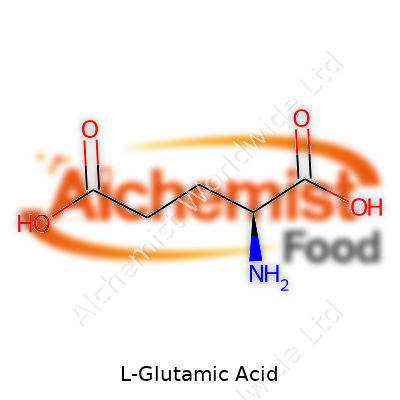
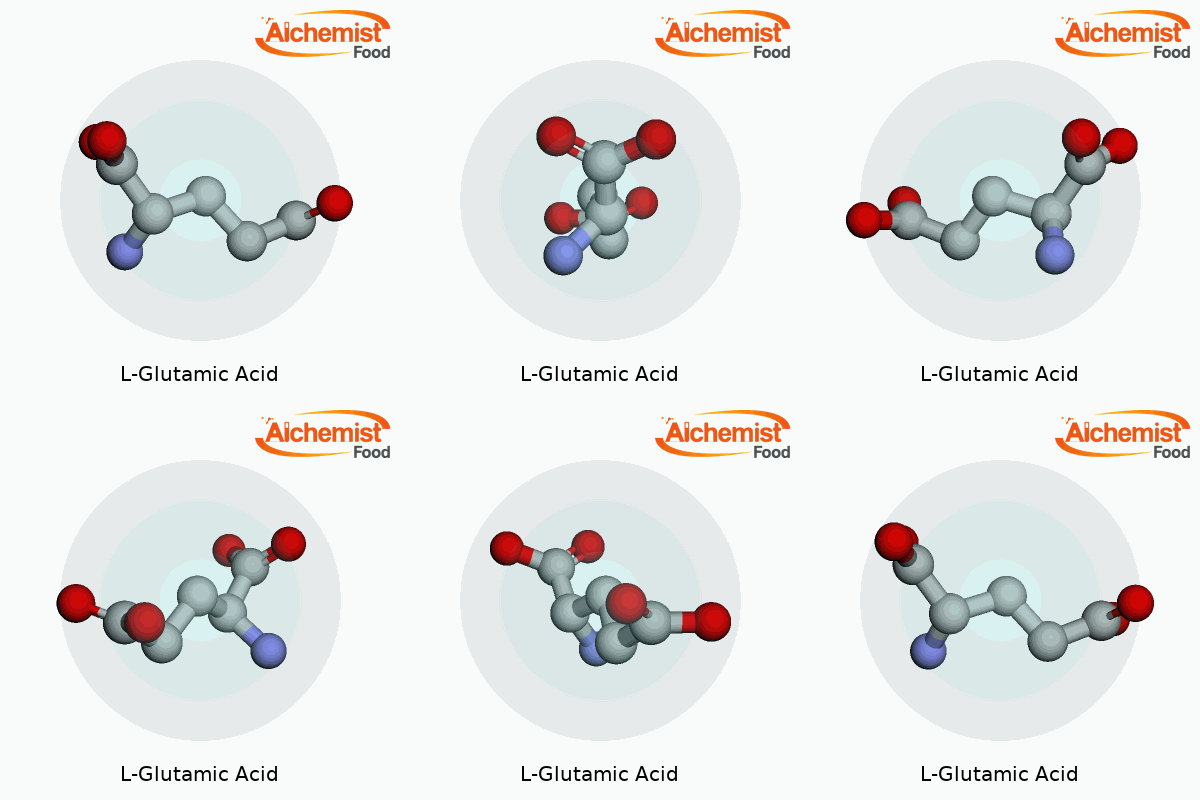
| Names | |
| Preferred IUPAC name | (2S)-2-aminopentanedioic acid |
| Other names |
D-glutamic acid Glutamic acid Glutamate 2-Aminopentanedioic acid Glutaminic acid |
| Pronunciation | /ɛl-ɡluːˈtæmɪk ˈæsɪd/ |
| Preferred IUPAC name | (2S)-2-aminopentanedioic acid |
| Other names |
Glutamic acid 2-Aminopentanedioic acid Glutamate Monoamino glutaric acid Glutaminic acid |
| Pronunciation | /ɛl-ɡluˈtæmɪk ˈæsɪd/ |
| Identifiers | |
| CAS Number | 56-86-0 |
| Beilstein Reference | 506104 |
| ChEBI | CHEBI:16015 |
| ChEMBL | CHEMBL472 |
| ChemSpider | 546 |
| DrugBank | DB00142 |
| ECHA InfoCard | 100.038. |
| EC Number | 1.4.1.13 |
| Gmelin Reference | 5899 |
| KEGG | C00025 |
| MeSH | D005957 |
| PubChem CID | 611 |
| RTECS number | MV6069608 |
| UNII | W6AP7QXK29 |
| UN number | UN number: "UN2967 |
| CAS Number | 56-86-0 |
| Beilstein Reference | 97021 |
| ChEBI | CHEBI:29985 |
| ChEMBL | CHEMBL686 |
| ChemSpider | 595 |
| DrugBank | DB00142 |
| ECHA InfoCard | 100.039.585 |
| EC Number | EC 200-293-7 |
| Gmelin Reference | 8787 |
| KEGG | C00025 |
| MeSH | D005951 |
| PubChem CID | 611 |
| RTECS number | MA3325000 |
| UNII | 3NHV3Q67TI |
| UN number | UN2967 |
| CompTox Dashboard (EPA) | DTXSID8021485 |
| Properties | |
| Chemical formula | C5H9NO4 |
| Molar mass | 147.13 g/mol |
| Appearance | White crystalline powder |
| Odor | Odorless |
| Density | 1.46 g/cm³ |
| Solubility in water | Slightly soluble in water |
| log P | -3.22 |
| Vapor pressure | Negligible |
| Acidity (pKa) | 4.07 |
| Basicity (pKb) | 3.22 |
| Magnetic susceptibility (χ) | -9.77×10⁻⁶ cm³/mol |
| Refractive index (nD) | 1.544 |
| Viscosity | Viscous liquid |
| Dipole moment | 4.55 D |
| Chemical formula | C5H9NO4 |
| Molar mass | 147.13 g/mol |
| Appearance | White crystalline powder |
| Odor | Odorless |
| Density | 1.54 g/cm³ |
| Solubility in water | Slightly soluble in water |
| log P | -3.22 |
| Vapor pressure | Negligible |
| Acidity (pKa) | 3.22 |
| Basicity (pKb) | 9.67 |
| Magnetic susceptibility (χ) | -19.6·10⁻⁶ cm³/mol |
| Refractive index (nD) | 1.52 |
| Viscosity | Viscous liquid |
| Dipole moment | 2.26 D |
| Thermochemistry | |
| Std molar entropy (S⦵298) | 151.0 J·mol⁻¹·K⁻¹ |
| Std enthalpy of formation (ΔfH⦵298) | −1009.6 kJ/mol |
| Std enthalpy of combustion (ΔcH⦵298) | −1460.6 kJ·mol⁻¹ |
| Std molar entropy (S⦵298) | 112.3 J·mol⁻¹·K⁻¹ |
| Std enthalpy of formation (ΔfH⦵298) | -983.7 kJ/mol |
| Std enthalpy of combustion (ΔcH⦵298) | −1465.9 kJ·mol⁻¹ |
| Pharmacology | |
| ATC code | A13AA04 |
| ATC code | A13AA04 |
| Hazards | |
| Main hazards | Harmful if swallowed. Causes serious eye irritation. Causes skin irritation. May cause respiratory irritation. |
| GHS labelling | GHS07, Exclamation mark, Warning, H319, Causes serious eye irritation. |
| Pictograms | GHS07 |
| Signal word | Warning |
| Hazard statements | Hazard statements: "H319 Causes serious eye irritation. |
| Precautionary statements | P264, P270, P280, P301+P312, P330, P501 |
| NFPA 704 (fire diamond) | 1-1-0 |
| Flash point | 100°C |
| Autoignition temperature | Autoignition temperature: 494°C |
| Lethal dose or concentration | LD50 (oral, rat): 10000 mg/kg |
| LD50 (median dose) | LD50 (median dose): Mouse oral 4520 mg/kg |
| NIOSH | WSJ700 |
| PEL (Permissible) | 10 mg/m³ |
| REL (Recommended) | 30 mg/kg Bw |
| IDLH (Immediate danger) | 800 mg/m3 |
| Main hazards | Harmful if swallowed. Causes serious eye irritation. Causes skin irritation. May cause respiratory irritation. |
| GHS labelling | GHS07, GHS05 |
| Pictograms | GHS07 |
| Signal word | Warning |
| Hazard statements | H319: Causes serious eye irritation. |
| Precautionary statements | Precautionary statements: P261, P264, P271, P272, P302+P352, P321, P332+P313, P362+P364 |
| NFPA 704 (fire diamond) | 1-1-0 |
| Flash point | 100°C |
| Autoignition temperature | 400°C |
| Explosive limits | Not explosive. |
| Lethal dose or concentration | LD50 Oral Rat 15,800 mg/kg |
| LD50 (median dose) | MSG: 4.6 g/kg (rat, oral) |
| NIOSH | RS3710000 |
| PEL (Permissible) | 10 mg/m3 |
| REL (Recommended) | 30 mg |
| IDLH (Immediate danger) | 500 mg/m³ |
| Related compounds | |
| Related compounds |
Monosodium glutamate Glutamine N-Acetylglutamic acid Glutamic acid hydrochloride α-Ketoglutaric acid |
| Related compounds |
Glutamine Monosodium glutamate Glutamic acid hydrochloride α-Ketoglutaric acid GABA (Gamma-Aminobutyric Acid) |



