L-Citrulline DL-Malate: A Deep Dive
Historical Development
People first drew attention to L-citrulline in the early twentieth century after Japanese researchers isolated it from watermelon, bringing a new amino acid into the nutrition world. The rise of sports science and molecular biology led researchers to see broader potential in citrulline. Combining it with DL-malate traces back a few decades, as the fitness and wellness industries searched for substances that could help both athletic and everyday performance. Malic acid, which plays an important role in the Krebs cycle, naturally attracted attention for its potential effect on energy metabolism. By synthesizing L-citrulline with DL-malate, chemists created a compound that both offers benefits of a non-essential amino acid and a metabolic cofactor. Now, it appears in supplement aisles globally, bridging old botanical science and modern clinical application.
Product Overview
What stands on the shelf labeled “L-Citrulline DL-Malate” isn’t just a workout supplement. This white powder brings together two solid scientific backgrounds. L-citrulline helps the body widen blood vessels and plays a role in removing ammonia. Malate comes from apples and other fruits, linking to energy conversion inside cells. Once blended, these two components turn into a product that athletes take for endurance, people with fatigue take for vitality, and researchers examine for the way it helps nitric oxide production and clearance of metabolic wastes. Supplements often come in 2:1 or 1:1 ratios of citrulline to malate, with the taste running slightly tart—thanks to the malic acid backbone.
Physical & Chemical Properties
On the bench, L-citrulline DL-malate appears as a fine, crystalline white powder. It dissolves easily in water and sits stable under standard room temperatures. The blend has a moderately acidic pH around 3 to 4, making it suitable for beverage mixes and capsules alike. The compound does not easily absorb moisture from the air but carries a faintly fruity scent if handled closely. Stability persists for at least two years if kept dry and away from direct sunlight. In laboratory conditions, the product separates cleanly through chromatography, letting manufacturers guarantee purity levels above 98%. Both citrulline and malate in this form resist breakdown until mixing with acids or strong bases, which rarely happens outside of chemical testing.
Technical Specifications & Labeling
Each package carries information that serious users want to see—batch numbers, expiry dates, and concentration of each component. Brands often state the ratio, such as “L-citrulline:DL-malate 2:1,” which lets dietitians and coaches fine-tune intake. Good producers print certificates of analysis reflecting purity, heavy metal limits, and microbial profiles, meeting global standards like USP or EP. Routine labels break down serving size, equivalent doses of amino acid, and total malic acid content. No reputable supplement skips allergy warnings and country of production details. GMP certification and third-party laboratory verifications land front and center, so users know the product avoids contamination and adulteration commonly troubling the sports supplement scene.
Preparation Method
The synthesis process brings together pure L-citrulline, extracted by fermenting plant sources or produced by chemical synthesis, with DL-malic acid (a racemic mixture from apple-derived malate or synthesized from fumaric acid). Technicians blend these solids in precise stoichiometric ratios under low heat and vacuum conditions, facilitating salt formation through direct acid-base interaction. Modern facilities automate this process to minimize human contamination and keep dosing exact. Filtration and recrystallization steps follow, washing away excess moisture and leftover reactants. Each finished batch undergoes particle sizing and blending to assure each scoop or capsule delivers an even distribution. Factories package the powder with desiccant packs, sealing in both freshness and potency until reaching the end user.
Chemical Reactions & Modifications
Once the pure salts are mixed, no new covalent bonds appear between citrulline and malate. Only ionic interactions form, giving stability in dry conditions. Lab scientists can modify ratios to favor increased malic acid, sometimes targeting specific clinical applications such as treatment of muscle fatigue in metabolic disorders. Research groups experiment by swapping in other carboxylic acids or producing esters, but most products stick to the familiar DL-malate variant since it balances taste, solubility, and metabolic effect. For the curious chemist, reactions occur readily under mild temperature, rarely needing harsh catalysts or complicated post-processing. Analytical chemistry identifies possible degradation products—mainly simple organic acids or amino fragments—none of which cause concern when products meet purity benchmarks.
Synonyms & Product Names
Consumers and scientists alike encounter a batch of alternative names. Supplement bottles may feature “Citrulline Malate,” “L-citrulline malic acid salt,” “2:1 Citrulline Malate,” or “Malic acid L-citrulline.” In the research world, chemical registries cite “L-citrulline, DL-malate” to reflect the separate chiralities of both components. Retailers sometimes abbreviate to “CM” or “L-CM” on ingredient lists. Less frequently, one finds trade names, particularly among European manufacturers, branding the compound with proprietary names, but on chemical registration and customs manifests, only full compound names pass regulatory scrutiny.
Safety & Operational Standards
Every major producer faces strict safety regulations—GMP, ISO 22000, and regional food safety certification, to keep both product and public secure. Cleanrooms with HEPA filtration and frequent microbial testing limit the risk of bacterial or fungal contamination. Workers wear full body PPE and rotate shifts to avoid fatigue-driven mistakes. Routine heavy metal assays rule out lead, mercury, and cadmium, which may sneak in during lower-quality production. Sample retention and traceability, from raw material to finished batch, allow quick recalls if a quality signal fails. Labels flag the source of both amino acid and acid salt, letting users with fruit allergies avoid apple-derived malate. Extra assurance comes from third-party audits and certificate sharing, making transparency a backbone of product safety.
Application Area
L-citrulline DL-malate covers a lot of ground in human health and sports. Top usage appears among strength athletes and runners, who take it to push through high-rep training or tough competitions. Scientific studies point to improved exercise tolerance, better blood flow, and faster recovery from exertion. Clinics use it to support cardiovascular health, finding it helps relax blood vessels. Gym-goers hoping for a “pump” or longer-lasting muscle endurance use it as a pre-workout. Beyond sports, some research groups investigate roles in treating erectile dysfunction, chronic fatigue, and mitochondrial disorders. Beverage companies add it to sports drinks for its tangy flavor, letting the functional benefit ride along with refreshment. A broader appeal appears among older adults who look for ways to maintain energy without stimulants.
Research & Development
Clinical trials in the past decade brought more credibility to L-citrulline DL-malate, moving it beyond anecdotal use. Researchers carried out studies on blood flow improvement and exercise tolerance, showing measurable gains over placebo. Collaborations with universities have shed light on its role in ammonia clearance and the arginine-nitric oxide pathway. Formulators look for ways to enhance absorption or combine it with other ingredients like beta-alanine or taurine, sometimes seeking synergies in the fight against both muscle fatigue and oxidative stress. Established journals continue to publish meta-analyses reviewing safety data, synthesizing thousands of case studies. Some teams investigate personalized dosing schedules based on genetics or underlying medical conditions, nudging the science closer to individualized nutrition.
Toxicity Research
Most safety studies rate L-citrulline DL-malate as low-risk, with no serious adverse events reported at typical supplement doses. Oral intake up to 15 grams per day over weeks leaves healthy participants without organ damage or abnormal blood chemistry. Some subjects notice mild digestive upset—usually bloating or loose stools—especially at high doses or when not taken with food. Animal tests, both acute and chronic, report no carcinogenic risk or birth defects, even at multiples of human equivalent doses. Regulatory authorities in the US, EU, and Japan allow supplement sale so long as purity and labeling meet their respective health codes. Rarely, those with certain metabolic disorders or kidney compromise should avoid heavy supplementation, as a preventive step against uncommon ammonia overload or renal stress.
Future Prospects
Looking ahead, new research into L-citrulline DL-malate will likely steer it into new directions. Clinical scientists consider using it as adjunct therapy in hypertension, heart failure, and advanced diabetes, where better blood flow and ammonia clearance help manage hard-to-treat symptoms. Innovations in formulation—like timed-release capsules or micro-encapsulated powders—aim to improve uptake and minimize taste concerns. Patient advocacy groups push for more studies among women, older adults, and those with chronic illness who get less attention in the current athletic focus. In sports nutrition, trends shift toward stacking products, so blending L-citrulline DL-malate with other nitric oxide boosters or adaptogens becomes more common. The future stands open for smart manufacturing, tighter safety standards, and creative applications in clinical nutrition and functional foods, moving the product beyond its roots in the gym.
What are the benefits of taking L-Citrulline DL-Malate?
Feeling the Burn and Pushing Through
Long gym sessions or even a short run after work can drain a person quickly. L-Citrulline DL-Malate, a combination of the non-essential amino acid citrulline and malic acid, has built a reputation among fitness-minded people for one simple reason: it helps keep workouts going strong. After years of lifting, cycling, and playing pickup basketball, I started searching for ways to recover faster and stay motivated. Hearing from others that this supplement took the sting out of muscle fatigue, I gave it a shot.
Taking citrulline pushes your body to produce more nitric oxide. I noticed better blood flow, which really showed up in endurance training. Muscles get more oxygen, and lactic acid doesn’t feel nearly as devastating mid-set. That translates into squeezing out an extra rep, lasting another minute on the treadmill, or hitting a personal best on the bike. Research backs this up. A 2010 study in the “Journal of Strength and Conditioning Research” found that men who used citrulline malate performed more bench press reps and reported less muscle soreness in the days that followed.
Faster Recovery, Less Soreness
Anyone who has climbed stairs the day after squats knows muscle soreness can wreck motivation. I’ve struggled through this too many times to count. Citrulline malate has made a difference for me. It speeds up ammonia clearance, which means the body recovers faster from heavy effort. After hard workouts, I’re less likely to wake up groaning and fantasizing about skipping the gym. That feeling keeps people coming back for more, and the science here isn’t just anecdotal. Supplementing with this compound showed lower ratings of soreness after difficult training in several well-designed trials.
Natural Energy Without Jitters
Many people reach for coffee or high-stimulant pre-workouts to get through busy days or tough Mondays. Over time, that can mess with sleep, focus, and make some folks edgy. L-Citrulline DL-Malate offers an option that feels far smoother. Malic acid plays a role in the Krebs cycle — the process your body uses to crank out energy from food. Instead of a shaky rush, expect steady stamina. For me, this meant fewer crashes and less reliance on caffeine to power through late afternoons or weekend hikes.
Supporting Heart Health
A fit heart keeps you in the game for years, not just months. By supporting better circulation, L-Citrulline DL-Malate can help keep blood pressure in check. People with slightly elevated blood pressure have found that citrulline supplementation lowered their numbers. Although no supplement replaces a healthy diet or medical advice, adding citrulline provides gentle support for cardiovascular health.
How to Use It and What to Watch Out For
In gyms and online forums, you’ll find people discussing dosing as if it's an exact science. Truth is, everyone’s different. I’ve had good results with 6 to 8 grams about an hour before a workout. Start small and see how your body feels. Some folks do experience mild stomach discomfort at higher doses, but most tolerate it well. Always read up, consult a healthcare provider, and make sure supplements fit into a bigger plan for eating well, moving often, and resting up.
Supplements don’t turn you into a superhero or erase bad habits overnight. But L-Citrulline DL-Malate can be a tool for those committed to regular movement and recovery without unnecessary hype.
How should I dose L-Citrulline DL-Malate for best results?
Personal Experience With L-Citrulline Malate
L-Citrulline Malate has found a regular spot on my kitchen shelf next to the protein jar. The first time I tried it, my friend, who competes in local cycling events, swore by it for improving pumps and fighting off muscle fatigue. I was skeptical. Plenty of supplements throw out big promises. After a few weeks of trying it—mixing six grams with water about 40 minutes before my gym sessions—I noticed a marked difference. Workouts felt smoother, with less burn setting in during those higher rep sets.
What Science Tells Us
Studies back this up. Research published in the Journal of Strength and Conditioning Research looked at resistance-trained men who used L-Citrulline Malate before their workouts. They managed more bench press repetitions and felt less sore the next day. Most trials use a six to eight-gram dose of Citrulline Malate, taken about 30 to 60 minutes pre-workout. This sweet spot supports better blood flow and increases nitric oxide levels, which can lead to those bigger muscle pumps, greater nutrient delivery, and potentially more endurance.
Figuring Out Your Dose
Six to eight grams seems like the golden mean for most. People weighing over 200 pounds sometimes push as high as 10 grams, split between two doses. But more isn't always better. I experimented with 10 grams before a leg session and felt a bit queasy. After a few attempts, I settled back to six grams. Stomach upset is a common issue if you go too high too fast. I learned to mix it with plenty of water, and the body adjusted over a couple of days.
DL-Malate Ratio: What To Know
Most products come as L-Citrulline DL-Malate in either a 2:1 or 1:1 ratio. That means, in the 2:1 version, you get about two-thirds pure citrulline and one-third malic acid by weight. The 1:1 powder offers half and half. When checking your label, calculate your pure citrulline intake. Six grams of 2:1 contains four grams of citrulline; the rest is malate. DL-Malate helps support energy production in your cells, so it's part of why this combination feels more powerful than straight L-citrulline.
Safety Matters
L-Citrulline Malate has a solid safety record. I always recommend checking with a healthcare professional if there’s a history of heart or kidney issues. It’s safe for most healthy adults in doses up to 10 grams daily. I avoid mixing it with other nitric oxide boosters unless I know exactly what I’m taking, since too much vasodilation might cause headaches or low blood pressure. Water intake makes a difference—not just to avoid stomach upset, but also to help with absorption.
Using It Consistently
Missing a dose here or there won’t kill progress. Still, consistent use primes the body for repeat performance. I stick to pre-workout dosing, which fits best with the timing seen in research. Some athletes take another dose post-workout, but I’ve never seen enough evidence to show that’s better than once per day before training.
Key Points for Real Results
- Start with six grams of 2:1 L-Citrulline Malate 40 minutes before exercise.
- Use plenty of water to mix it and ease digestion.
- Track how your body responds over two weeks and adjust the dose if needed.
- Check label ratios to ensure you’re getting enough citrulline per scoop.
- Consult a doctor if you have health concerns, especially heart or kidney-related.
Are there any side effects associated with L-Citrulline DL-Malate?
Real-World Experience with L-Citrulline DL-Malate
L-Citrulline DL-Malate has become a familiar name in fitness communities. People reach for it to boost exercise performance, chase better pumps at the gym, and recover a little faster after a tough workout. What grabs attention is the way friends at the gym talk about it, the buzz on online forums, and the popularity in pre-workout stacks. L-Citrulline itself is an amino acid that supports nitric oxide production, and DL-Malate comes from malic acid, which plays a role in energy production. The combination seems to offer more stamina and less muscle soreness, so it’s no shock this supplement draws a steady crowd.
What Side Effects Show Up?
Most people heading into supplementation want to know if side effects sneak in. In practice, the vast majority of healthy adults don’t report anything serious after taking L-Citrulline DL-Malate in standard doses (between six and eight grams daily is common among gym-goers). A few stories pop up here and there about an upset stomach, diarrhea, or bloating—most often when someone takes more than the recommended dose. In my own experience, friends often share complaints about minor digestive discomfort if they pile on two high-scoop servings too close together.
Dizziness and headaches sometimes get mentioned, too, though less often. People with low blood pressure or those taking medications to lower blood pressure should watch out, since the nitric oxide boost can drop blood pressure further. Not everyone is aware at the outset, but this info matters, especially if you have underlying conditions or take heart medications.
Digging Into the Research
Studies typically confirm that L-Citrulline DL-Malate is well-tolerated at common dosages. Research in athletes rarely flags major risks, even over several weeks of use. Still, very few long-term studies track what happens after months or years of regular use. Medical professionals point out that anything influencing blood pressure or kidney function shouldn’t be taken lightly, particularly for folks dealing with chronic illness or taking other medications.
A 2020 review in the journal Nutrients examined reported adverse effects and found them infrequent and mild, mostly relating to gut discomfort. The FDA classifies both citrulline and malate as generally recognized as safe (GRAS) in foods, but few supplements go through the same scrutiny as prescription drugs.
Why It’s Important to Listen to Your Body
Many athletes believe more is always better, so scoop sizes creep up. That’s usually where side effects begin to show up, especially if hydration or nutrition falls short. I’ve witnessed gym partners ignore signals like queasiness or lightheadedness, brushing them off or blaming other factors. The temptation to double up for faster results rarely pays off.
Trusting your own experience and reading signals from your body goes a long way. If digestive trouble, headaches, or anything unusual crops up, timing, dose, and even hydration play a role. Adjusting those factors can bring relief without scrapping the supplement altogether.
Smart Habit-Building and Safer Use
Not every trend fits everyone. Honest communication with a healthcare provider can head off complications. Blood pressure, medications, and chronic health concerns call for more caution than blanket advice on a fitness forum. Buying from reputable supplement brands that test for purity and label accuracy also cuts down on the risk of taking more—or less—of an ingredient than you expect.
L-Citrulline DL-Malate holds promise for people chasing performance and quicker recovery. Most users only experience mild side effects if anything at all. Starting slow, watching reactions, and talking with your doctor if you have health concerns help you make the most of this supplement, without the nasty surprises that sometimes pop up in the world of sports nutrition.
When is the best time to take L-Citrulline DL-Malate?
Understanding Why Timing Matters
Stepping into the gym or pounding the pavement for a morning run, performance supplements can raise a lot of questions. L-Citrulline DL-Malate sits high up on the list of interest, especially for anyone chasing bigger pumps, reduced fatigue, or a sharper boost in endurance. But timing makes all the difference, just like with a good meal before a race: do it right, and you’ll notice it; get it wrong, and you might wonder what all the hype is about.
What Actually Changes When You Time It Right
Pop L-Citrulline DL-Malate onto your tongue, and the science kicks in. The body changes this amino acid into arginine, which plays a starring role in making nitric oxide. That sounds technical, but for a track runner, cyclist, or weightlifter, this means easier blood flow, better oxygen delivery, and more nutrients sent to tired muscles. I noticed personally how my legs felt less heavy during sets after I settled on a timing routine. Less burn in the last reps and less crash afterward.
A lot of folks ask if it matters when they dose it. Studies show that taking L-Citrulline DL-Malate about an hour before a hard session allows the blood levels to peak when the muscles call for it most. People looking for improved pumps in the gym or those aiming to delay fatigue usually aim for this one-hour window. This approach stacks up with what trainers push and what peer-reviewed sources like the Journal of Strength and Conditioning Research suggest. By giving the supplement enough time to process, you won’t waste its power during your warm-up or miss the benefits before you grab the barbell.
Workout Goals—Personalizing Your Intake
Athletes usually turn to doses from 6 to 8 grams — research backs this range for a blend of results and safety. I remember testing both sides: less than 4 grams didn’t deliver much, but 8 grams unlocked endurance gains on high-rep leg days. Those chasing simple recovery might dial it differently. For the average person getting into evening group classes or participating in a recreational soccer match, that one-hour mark still delivers. It’s not just for bodybuilders.
A personal tip from years spent prepping for early-morning competitions: keep your pre-workout routine steady. Mix your L-Citrulline DL-Malate with water or your morning smoothie before lacing up your shoes. Avoid taking it with food that sits heavy because this can slow how fast the supplement hits your blood. I noticed best effects with a nearly empty stomach.
How Can You Enhance Its Effects?
Drinking plenty of water maximizes the pump effect as hydrated muscles use nitric oxide better. Pairing L-Citrulline DL-Malate with other supplements like creatine or branched-chain amino acids might amplify results if you adjust for personal needs and keep within recommended guidelines. If you’re new, start low, check in with a licensed health professional, and track how you feel over time.
Nobody can guarantee perfect outcomes every time. Still, listening to research, watching for how your own body reacts, and being consistent with timing make the difference between another dusty bottle on the supplement shelf and real, repeatable progress.
Bottom Line: Make the Dose Match the Activity
Every workout tells its own story, and the best results come when choices match specific goals. For those who want a real boost — whether for the pump that builds confidence in the mirror, or the endurance to finish a 10K — timing the L-Citrulline DL-Malate dose about an hour before activity gives the body a solid shot at success. Start smart, keep it consistent, and the benefits often follow.
Is L-Citrulline DL-Malate safe to use with other supplements?
Looking at L-Citrulline DL-Malate on the Shelf
Every time I step into a supplement store, countless tubs and bottles promise bigger pumps, sharper focus, or quicker recovery. Many pre-workout blends include L-Citrulline DL-Malate front and center. Athletes and gym regulars swear by it for supporting energy during tough sessions. So, stacking it with other supplements seems like a logical step. The real question comes down to safety—not only in the lab, but in real-world routines where vitamins, creatine, or protein shakes fill backpacks and kitchen shelves.
L-Citrulline DL-Malate and Its Function
The compound itself brings together L-Citrulline (an amino acid found in watermelon) and DL-Malate (a form of malic acid from fruit). Together, they help boost nitric oxide and support energy cycling in the body. I have used it during intense training blocks, noticing reduced fatigue and sometimes an extra set squeezed out before muscles demand rest. Runners, weight lifters, and cyclists have caught on for good reason. The science backs up these effects, such as a 2010 study that showed improved aerobic performance and muscle recovery.
Mixing Supplements: Common Combinations
Most people, myself included, rarely use L-Citrulline DL-Malate alone. It often joins caffeine for alertness, beta-alanine for tingles and endurance, or creatine for strength boosts. Manufacturers understand this well; many pre-mixed formulas already combine these.
The reality is, these supplements work through different biological pathways. L-Citrulline mainly supports blood flow. Creatine helps drive short bursts of muscular power by refilling cellular energy stores. Beta-alanine changes acid buildup in the muscle, helping with repeated effort. Over the years, researchers haven’t found any dangerous interactions among these combinations when used as directed. Even studies combining these with caffeine—sometimes blamed for jitters or raised heart rate—find no lasting issues in healthy adults.
Concerns, Downsides, and Special Cases
Still, safety can’t mean tossing anything and everything into a shaker cup. The biggest issue I’ve seen isn’t usually about L-Citrulline mixing badly with other ingredients; it’s about stacking products with overlapping components. Too much caffeine from a pre-workout and an energy drink in the same session, or swallowing multiple scoops thinking more equals better, raise the real risks.
Digestive upset sometimes pops up, especially at doses above 8 grams at once. My own trial with high doses on an empty stomach led to some stomach gurgling and a few sprints to the bathroom. Sensitive individuals can notice this too, so starting lower and working up makes sense.
People with health conditions such as low blood pressure, or those on medications like nitrates, should tread carefully. L-Citrulline boosts nitric oxide, which can further lower blood pressure—sometimes a bonus for athletes but not for everyone. Kidney disease creates its unique problems, as increased amino acid breakdown creates more work for compromised organs.
Supporting Smarter Supplement Use
I always recommend reading ingredient panels closely. Many products look different but carry nearly identical ingredient profiles—and stacking without awareness can silently double or triple your intake. Checking with a healthcare provider, especially if chronic illness or prescription drugs enter the equation, remains smart practice. Peer-reviewed sources and regulatory oversight like the NSF Certified for Sport or Informed Choice badges help keep quality high and contaminants low.
L-Citrulline DL-Malate, taken on its own or with other common sports nutrition products, remains a safe choice in most healthy adults’ routines. Staying informed, tracking doses, and understanding your own body’s response make all the difference between reaping rewards and risking setbacks.
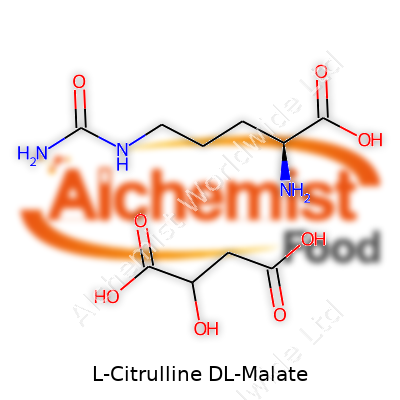
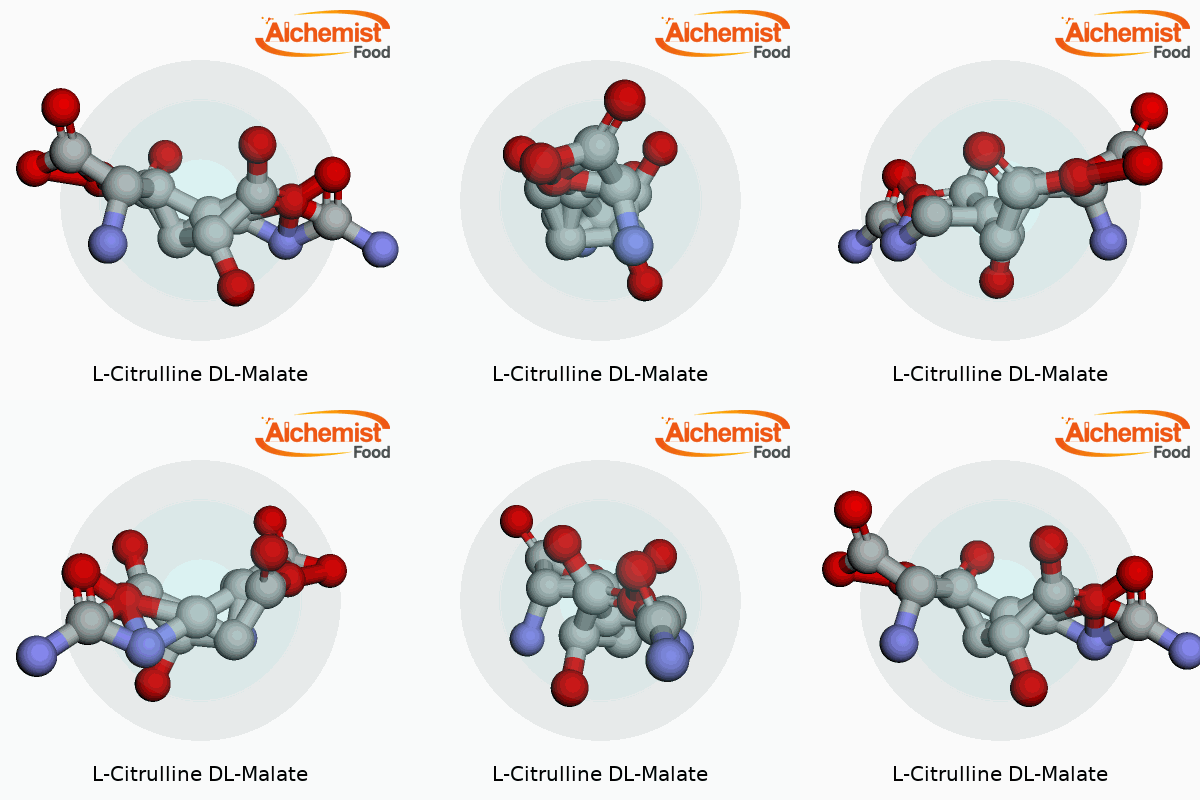
| Names | |
| Preferred IUPAC name | 2-Amino-5-ureidopentanoic acid; 2-hydroxybutanedioic acid |
| Other names |
Citrulline malate L-Citrulline malate 2-Amino-5-(carbamoylamino)pentanoic acid DL-malate Malic acid L-citrulline salt |
| Pronunciation | /ɛl sɪˈtrʊliːn diː ɛl ˈmæleɪt/ |
| Preferred IUPAC name | 2-Amino-5-ureidopentanoic acid; 2-hydroxybutanedioic acid |
| Other names |
Citrulline Malate L-Citrulline Malate 2:1 Citrulline Malate DL-Malic acid salt of L-citrulline |
| Pronunciation | /ɛl sɪˈtruːliːn diː ɛl ˈmæleɪt/ |
| Identifiers | |
| CAS Number | 54940-97-5 |
| Beilstein Reference | Beilstein Reference: 1723094 |
| ChEBI | CHEBI:57405 |
| ChEMBL | CHEMBL1231544 |
| ChemSpider | 4295057 |
| DrugBank | DB11727 |
| ECHA InfoCard | 01eeef59-13cb-41f6-8a53-83e5169e7bc7 |
| EC Number | EC 200-306-6 |
| Gmelin Reference | Gmelin Reference: 83308 |
| KEGG | C00327 |
| MeSH | D-Citrulline |
| PubChem CID | 129709015 |
| RTECS number | WHX3C21G66 |
| UNII | M0DJZ7M31Z |
| UN number | Not regulated |
| CompTox Dashboard (EPA) | DTXSID60878372 |
| CAS Number | 54940-97-5 |
| Beilstein Reference | 3612227 |
| ChEBI | CHEBI:15627 |
| ChEMBL | CHEMBL1236586 |
| ChemSpider | 159435 |
| DrugBank | DB00153 |
| ECHA InfoCard | 03b8408f-70cd-4444-aaa7-1c0d111af8c9 |
| EC Number | EC 222-760-3 |
| Gmelin Reference | 264963 |
| KEGG | C00327 |
| MeSH | D-Citrulline: "D000923" Malates: "D008288 |
| PubChem CID | 439246 |
| RTECS number | WH0175000 |
| UNII | 4Y8F71G49Q |
| UN number | UN number: Non-regulated (No UN number assigned) |
| CompTox Dashboard (EPA) | DTXSID7070282 |
| Properties | |
| Chemical formula | C10H19N3O8 |
| Molar mass | 309.27 g/mol |
| Appearance | White crystalline powder |
| Odor | Odorless |
| Density | Density: 0.65 g/cm³ |
| Solubility in water | Soluble in water |
| log P | -2.2 |
| Acidity (pKa) | 5.45 |
| Basicity (pKb) | 11.13 |
| Refractive index (nD) | 1.522 |
| Viscosity | Viscous liquid |
| Dipole moment | 2.13 D |
| Chemical formula | C10H19N3O8 |
| Molar mass | 309.27 g/mol |
| Appearance | White crystalline powder |
| Odor | Odorless |
| Density | Density: 1.415 g/cm³ |
| Solubility in water | Soluble in water |
| log P | -3.5 |
| Acidity (pKa) | 5.4 |
| Basicity (pKb) | 8.41 |
| Magnetic susceptibility (χ) | -6.2×10⁻⁶ cm³/mol |
| Refractive index (nD) | 1.515 |
| Dipole moment | 3.32 D |
| Pharmacology | |
| ATC code | A16AA06 |
| ATC code | A16AA10 |
| Hazards | |
| Main hazards | May cause respiratory irritation. May cause eye irritation. May cause skin irritation. May be harmful if swallowed. |
| GHS labelling | GHS07 |
| Pictograms | Allergen-free, Vegan, No Artificial Additives, Non-GMO, Gluten-free |
| Signal word | Warning |
| Hazard statements | Hazard statements: Not a hazardous substance or mixture according to Regulation (EC) No. 1272/2008. |
| Precautionary statements | Precautionary statements: P264, P270, P301+P312, P330, P501 |
| NFPA 704 (fire diamond) | NFPA 704: 1-0-0 |
| LD50 (median dose) | 6300 mg/kg (rat, oral) |
| NIOSH | NA343 |
| PEL (Permissible) | Not established |
| REL (Recommended) | 6 g |
| Main hazards | May be harmful if swallowed. Causes serious eye irritation. May cause respiratory irritation. |
| GHS labelling | GHS07, Exclamation mark, Warning, May cause respiratory irritation (H335), May cause eye irritation (H319), May cause skin irritation (H315) |
| Pictograms | Supplement Facts, Allergen Free, Vegan, Non-GMO, Gluten Free, Lab Tested |
| Signal word | Warning |
| Hazard statements | Hazard statements: Not a hazardous substance or mixture according to Regulation (EC) No. 1272/2008. |
| Precautionary statements | Precautionary statements: If medical advice is needed, have product container or label at hand. Keep out of reach of children. Read label before use. |
| NFPA 704 (fire diamond) | Health: 1, Flammability: 0, Instability: 0, Special: - |
| Flash point | > 212°C |
| Lethal dose or concentration | LD50 (oral, rat): >5000 mg/kg |
| LD50 (median dose) | LD50 (median dose): Oral, Rat: 12,000 mg/kg |
| PEL (Permissible) | Not Established |
| REL (Recommended) | 6 g per day |
| Related compounds | |
| Related compounds |
L-Citrulline Malic acid L-Arginine Citrulline malate L-Ornithine Arginine alpha-ketoglutarate |
| Related compounds |
Citrulline L-Arginine Citrulline Malate L-Ornithine L-Citrulline DL-Malic Acid Arginine Alpha-Ketoglutarate |



