L-Carnitine Tartrate: Unpacking Its Role in Health, Nutrition, and Beyond
Tracing the Historical Path of L-Carnitine Tartrate
L-Carnitine came into focus more than a century ago, pulled out of meat extracts by Russian scientists who first isolated it in the early 1900s. Their curiosity about muscle vitality set the foundation. Fast forward through decades of research, chemists unraveled the pathways inside cells where carnitine supports how bodies burn fat for energy. The leap to L-Carnitine Tartrate followed in the twentieth century, as technical minds sought forms that blend solubility, stability, and ease of use. This pairing of L-carnitine and tartaric acid emerges out of need for a supplement that dissolves easily, stores well, and powers up physical performance.
Getting to Know the Product
Open up a container of L-Carnitine Tartrate, and what you’ll notice is a fine, white powder that gives off little smell. It mixes into water quickly, which accounts for its popularity in sports supplements and nutrition drinks. Used by athletes hoping for faster recovery and daily wellness seekers alike, L-Carnitine Tartrate brings together natural energy support with a neutral taste that doesn’t spoil the flavor of a drink or food. Whether you’re mixing a protein shake or manufacturing an energy tablet, the format suits speedy use and reliable dosage.
Physical and Chemical Logic
Looking beneath the surface, L-Carnitine Tartrate shows predictable behavior under lab scrutiny. It melts at relatively low temperatures, dissolves in water, and resists breaking down until heated strongly. Chemically, it brings together two parts: L-carnitine, an amino acid compound, and tartaric acid, which comes from familiar sources like grapes. This union boosts bioavailability and absorption, so what your body gets out of a supplement comes closer to what’s printed on the label. On the molecular scale, this makes a difference for both effectiveness and shelf life—a fact not lost on manufacturers striving for honest labels.
Diving into Technical Specifications and Labeling
Anyone reading a supplement bottle expects truth in every figure. L-Carnitine Tartrate often comes with a carnitine content marked between 68% and 72% by weight, and water content usually stays well below 1%. Purity sits above 98% for most pharmaceutical and food uses. You’ll see batch data for heavy metals, microbial tests, and confirmation of the L-isomer—all as part of industry drive for consistency and safety. Regulatory bodies in North America, Europe, and Asia require documentation on source, handling, and identity. The paperwork can feel endless but traces back to stories where corners cut in supplement quality have led to real harm.
Demystifying Its Formation and Industry Methods
The industrial path to L-Carnitine Tartrate depends on fermentation, chemical synthesis, or a combination. Most manufacturers start with biosynthesis of L-carnitine itself using strains of bacteria or yeast, fed on sugar sources. Scientists then introduce tartaric acid, sourced from winemaking or synthetically derived. Careful pH control and purification follow, with the final product filtered, dried, and milled. Anyone who’s worked in ingredient manufacturing knows costs can rise quickly when corners can’t be cut—so every step, from raw material testing to grinding the final batch, shows up in the price tag and regulatory burden.
Chemistry in Practice: Reactions and Modifications
The carnitine part holds an amino group and a carboxylate, letting it form salts with acids like tartaric. During blending, these interact in a way that preserves most of the original properties of carnitine, yet with greater solubility. Experts testing new blends sometimes tweak molecular ratios or add stabilizers depending on intended shelf life. Pharmaceutical labs sometimes develop microcapsules or combine carnitine tartrate with other ingredients, targeting release rates or masking taste. Not every combination passes muster. Enough failed trials have driven home the need for solid chemical understanding if something is going to reach the market in a safe, shelf-stable fashion.
Synonyms and Product Naming Across the Globe
Walk into health shops around the world, or leaf through research, and the names vary: L-Carnitine L-Tartrate, Carnipure, LCLT, and L-CLT. All point back to roughly the same molecule. Clients ask, “Are these identical? Is this real carnitine?” With slight differences in grade and brand—say, Swiss-sourced Carnipure vs. generic variants—the basics stay the same, but patent holders sometimes tout unique purity or eco-friendliness angles to stand out in a crowded marketplace. The language on containers carries marketing claims, but genuine carnitine tartrate remains the heart of all labels that pass regulatory inspection.
On Safety, Operation, and Industry Best Practices
Working with any food-grade supplement ingredient means controlling for contamination and managing exposure. Facilities demand food-safe gloves, dust controls, and careful storage away from strong acids or bases. Missteps in weighing or blending can impact batch-to-batch strength. Global standards like ISO 22000, GMP, and HACCP set protocols for cleanliness, traceability, and response to unexpected quality issues. Reputable suppliers test for residues and update safety data sheets annually. Accidental spills in a plant require cleanup procedures no less careful than with pharmaceuticals. If you ever thought food ingredient handling looked easy—spend a week in a major plant during audit season and the point hits home.
Where L-Carnitine Tartrate Goes: Applications Big and Small
Athletes chasing quicker recovery have long trusted carnitine tartrate, since data shows a role in reducing fatigue and soreness after tough workouts. Functional foods reach for it to enrich bars, drinks, and dietary supplements. Medical nutrition products for heart and kidney health, as well as rare carnitine deficiency syndromes, depend on precise doses that only high-purity forms can deliver. Pet nutrition and livestock feed see benefits on the energy metabolism side too, where animal growth rates tie back to the same molecular pathways as in humans. Outside the food space, some cosmetic lines explore carnitine for fat metabolism claims, especially in topical gels, though absorption through the skin often runs into scientific skepticism.
Research Pushes the Boundaries
Studies link L-Carnitine Tartrate with increased energy availability, muscle repair, and possibly cognitive support, but research doesn’t always shake out as clear-cut or conclusive. Large reviews, like those published in “Nutrients” and “Amino Acids,” draw attention to both strengths and limitations in existing trials—effects often vary based on age, baseline health, or training status. Some research points to modest fat-burning and performance effects, yet benefits seem less dramatic in already-fit populations. More scientists examine its interaction with medications, and how genetics affect individual response. Clearly, informed supplementation relies on honest education and guidance, not marketing hype.
Poking at Toxicity and Safety in Real Terms
Most safety reviews, like those by the European Food Safety Authority and Health Canada, report that L-Carnitine Tartrate stays safe when used in recommended amounts—usually up to 2 grams a day for adults. GI upset can pop up with high doses, and rare allergic reactions exist. Long-term concerns often focus on metabolite formation such as TMAO, though no clear conclusions tie normal use to risk. Animal studies keep labs honest; high-caliber research digs at chronic exposure and what happens over years, not just weeks. Users with heart or kidney disease should check with a doctor before supplementing heavily. Hands-on experience echoes the science: moderation, transparency on batch testing, and ongoing review keep risk under control.
Where the Road Leads: Considering Future Prospects
Manufacturers chase more stable, more absorbable forms of carnitine, hoping for sharper effects and simpler packaging. Medical fields want targeted delivery for heart and brain disorders. Companies eyeing sustainable sourcing look closely at fermentation versus chemical synthesis, since more buyers now care about environmental footprint. Regulations will likely keep tightening, rooting out fly-by-night suppliers in the wake of contamination scandals. At the same time, emerging research can expand applications to aging support, mental wellness, and even rare genetic conditions. Real change needs both open-minded researchers and tough, science-backed regulation—by now, users demand supplements built on trust, traceability, and visible impact.
What are the benefits of taking L-Carnitine Tartrate?
A Practical Guide to L-Carnitine Tartrate
L-Carnitine Tartrate keeps coming up in conversations at the gym and around health forums. Friends talk about quicker recovery, better energy, and sometimes even fat loss. My own experience started with curiosity about its real value—beyond the shiny packaging you find at supplement shops.
Energy Support You Can Feel
Plenty of people who lift weights chase that extra edge. L-Carnitine Tartrate helps bring fatty acids into your muscles where they get burned for energy. Science backs this up: research in the Journal of Physiology shows that it helps your muscles use more fat for fuel, especially during endurance training. If you’ve ever slogged through the tail end of a tough workout, an energy boost makes a world of difference.
Unlike some supplements loaded with caffeine or mysterious blends, L-Carnitine Tartrate sticks to a clear job. The support isn’t wild or jittery, but over time, those longer, more productive training sessions stack up. Regular use helped me push through plateau weeks—something you notice when you stick to a routine.
Muscle Recovery, Not Just for Elite Athletes
Weekend warriors and competitive athletes both dread soreness that drags into their next session. Clinical studies, including one in the Journal of Strength and Conditioning Research, show L-Carnitine Tartrate can reduce muscle damage markers. After heavy squats or long runs, muscle aches didn’t get in the way nearly as much once I added it to my regimen. One reason? It cuts down on free radicals, helping your muscles bounce back faster so you walk up stairs the day after leg day without wincing.
Potential in Fat Metabolism
Lots of supplements promise a slimmer waistline, but not all deliver. L-Carnitine Tartrate doesn’t burn fat on its own, but it helps the body use existing fat for energy during exercise. Clinical trials from the American Journal of Clinical Nutrition show mild fat loss over time—if you stick to consistent workouts and good food choices. This ingredient won’t undo late-night pizza runs, but it supports your hard work in the gym by keeping your body ready to tap into fat stores when you need them.
Safety and Smart Use
Nobody wants a miracle cure to become a problem. L-Carnitine Tartrate has a good reputation for safety in recommended amounts. Scientific reviews from the National Institutes of Health highlight rare side effects like mild stomach upset or “fishy” odor, usually at high dosages—not the amounts typically seen in daily supplements. Products from reputable brands go through third-party testing, providing another layer of confidence.
Making Informed Choices
Not every supplement fits every person, but L-Carnitine Tartrate stands out as one that’s been around long enough for the research to catch up. If energy and recovery matter in your life, it’s a tool worth considering. Read from trusted sources, check for certifications, and talk with a health professional who has experience with supplementation. My own results reflected what the science shows: a steady improvement in training capacity, better recovery, and a dose of motivation to keep chasing personal bests.
How should I take L-Carnitine Tartrate and at what dosage?
Understanding the Reason for Supplementing
People ask about L-Carnitine Tartrate because they’ve heard it could support fat burning, boost workout performance, or speed up recovery. This supplement comes up often in gym locker rooms and fitness circles. As someone who’s spent years at both ends of the fitness spectrum—cardio as a beginner, strength training in later years—I’ve witnessed L-Carnitine bottles pass from veteran athletes to newcomers. But most don’t really pause to ask why they are taking it or how much is too much.
The Science Behind L-Carnitine Tartrate
The body naturally produces L-Carnitine from amino acids, mostly in your liver and kidneys. It helps transport fatty acids into the mitochondria—the part of the cell that makes energy. People who eat animal products usually get enough from a balanced diet, though vegetarians and older adults can have lower levels.
Athletes interested in physical performance sometimes opt for L-Carnitine Tartrate because research hints at improved recovery and energy. One study published in the Journal of Physiology found that those supplementing with L-Carnitine experienced less post-exercise muscle soreness. That can matter if you’re hitting the gym several days in a row or working manual labor.
Ideal Dosage and Timing
Most folks interested in L-Carnitine Tartrate want to know, “How much should I actually take?” Evidence suggests a range—most experts recommend between 1,000 to 2,000 mg per day. The sweet spot for a typical adult lands right around 2 grams daily. This dosage reflects what most research papers use and what’s commonly seen in product instructions.
Experience taught me that taking the whole amount at once sometimes upsets the stomach. Splitting the dose—half in the morning, half before a workout or in the afternoon—usually feels gentler. Capsules or powder mixed with water both work. Taking it alongside food helps stave off digestive issues.
Who Should (and Shouldn’t) Take It
Not everyone benefits equally. Folks with genetic conditions that block carnitine production or serious deficiencies need to work with a doctor, not just grab supplements at the supermarket. Athletes looking for a tiny performance edge find it helpful, and older adults with lower natural levels sometimes use it under medical guidance. For healthy young people eating a balanced, animal-based diet, the boost may not feel dramatic.
Anyone considering supplements needs to remember drug interactions. Blood pressure and thyroid medications can get mixed up with carnitine. Always best to check with a pharmacist or healthcare provider before adding something new, especially if taking other medications.
Solutions for Smart Supplementing
Over the years, I’ve learned that chasing every new powder rarely gives sustainable results. Instead, consistency in training, sleep, and nutrition gets better returns. L-Carnitine Tartrate works best as part of a well-rounded approach. For those deciding to try it, start on the lower end—500-1,000 mg—and pay attention to how your body feels, increasing if you tolerate it well.
Buying from reputable sources matters. Cheap supplements sometimes skip quality controls. Look for brands certified by third parties, such as NSF or Informed Choice, to avoid contaminants or fake fillers. I’ve also found that keeping a simple wellness journal helps spot if there’s any difference or if it’s just an expensive ritual.
Striking a Balance
Adding L-Carnitine Tartrate sometimes makes sense, especially during intense training blocks or when trying to bounce back from fatigue. For many, the basics lay the real foundation—plenty of sleep, enough protein, and listening to the body’s own signals. Supplements aren’t magic bullets, but in the right hands, they can nudge progress along.
Are there any side effects associated with L-Carnitine Tartrate?
Understanding What L-Carnitine Tartrate Does
L-Carnitine Tartrate gets plenty of attention from athletes and fitness enthusiasts for its role in energy production. It helps turn fat into energy, and people hoping for more stamina or fat loss stock up on bottles. Yet, it makes sense to pause before adding anything new to a routine, even something found in health shops everywhere.
Real Reports of Side Effects
Most people I know who try L-Carnitine Tartrate look for a performance boost and leave it at that. For healthy adults, sticking with standard doses usually doesn’t cause serious harm. Mild symptoms turn up sometimes, like upset stomach, cramping, or diarrhea. I’ve heard a friend mention a fishy body odor after a few weeks, something medicine has linked to certain carnitine supplements. Reviewing medical studies, it’s clear this isn’t rare—your body breaks the compound down, and some of the byproducts leave the body through sweat or breath. No one enjoys that surprise in the gym locker room.
Occasional headaches or restlessness can also pop up. These effects mirror what happens if you take too much of many supplements. Some folks wonder about more serious risks, looking at links to an increased production of a substance called TMAO. Research out of the Cleveland Clinic brought this up: high TMAO levels may push heart disease risk higher in some people.
Is It Safe for Everyone?
Healthy people tolerate small, recommended amounts, but this doesn’t mean anyone can just grab a bottle and swallow a handful. Kidney patients, for instance, often get told to skip L-Carnitine Tartrate unless a doctor approves. That warning matters—I’ve seen relatives with kidney disease struggle with substances their doctors forgot to warn them about.
If someone has thyroid problems or takes blood thinners or seizure medicines, checking with a health professional comes before trying any new supplement. Mixing certain meds and L-Carnitine Tartrate changes how drugs work, and that creates preventable risks. Teenagers, pregnant people, and breastfeeding mothers really can’t count on existing studies to guarantee safety, either. Gaps in research show up in all sorts of places, and being cautious makes sense.
Quality Matters More Than Hype
I shop for supplements and always look for brands that publish third-party lab results. Poor quality issues sneak into the market, from underdosed pills to hidden ingredients. The FDA flags supplements as a loosely regulated space—no one inspects every bottle before it hits the shelf. Having lived through a tainted supplement scare with my running group, I stopped trusted labels based on stranger’s online reviews.
Possible Solutions and Smarter Usage
Nutrition and exercise always come before chasing results through a pill. If someone still wants to try L-Carnitine Tartrate, sticking with the lowest possible dose under expert guidance lowers the odds of a bad reaction. Watching out for side effects, no matter how mild, isn't just hype. Keeping an open line with a healthcare provider helps catch rarer problems early. If something feels odd or unexpected, stopping the supplement makes sense, and taking note helps inform the next visit with the doctor.
Can L-Carnitine Tartrate help with weight loss or fat burning?
Understanding What L-Carnitine Tartrate Is
L-Carnitine Tartrate has found a spot on supplement shelves, especially among those chasing weight loss and improved athletic performance. It’s a form of carnitine—an amino acid derivative that the body creates naturally. You get carnitine from foods like red meat and dairy, but supplements often use the tartrate form because the body absorbs it quickly.
The Claim: Fat Burn and Energy Boost
Manufacturers advertise carnitine as a fat burner. The idea is simple: carnitine transports fatty acids into the mitochondria, the part of the cell that creates energy. If you move more fatty acids, you “burn” more fat and lose weight—at least, that’s the theory. You’ll see plenty of flashy marketing around this concept. For many, it’s tempting to reach for a pill that seems to promise more energy and a faster metabolism.
What Research Really Shows
I’ve seen people in the gym popping L-Carnitine like candy, convinced it’s their secret weapon. Looking at clinical studies paints a different picture. Most research on healthy adults shows that supplementing with L-Carnitine does not lead to significant or consistent fat loss. For example, a 2016 review in Obesity Reviews rounded up several studies—some found minor decreases in body fat, others saw little to no change. Most effects pop up in older adults or people with carnitine deficiencies, not healthy folks eating balanced diets.
There’s another twist: exercise matters. Strong evidence suggests carnitine’s transport role only makes a noticeable difference when paired with regular, intense exercise. A person sitting at a desk all day won’t see the same results as someone pounding out interval sprints or lifting heavy weights. The body needs a reason to burn fat for fuel, and that comes from moving more and eating less—no shortcuts there.
Risk and Side Effects
Supplements always come with risks. Too much carnitine can produce “fishy” body odor, nausea, cramps, and diarrhea. Some researchers also link carnitine metabolism to a substance called TMAO, which, at high levels, might bump up your risk for heart disease. Weighing those risks against benefits that aren’t well established puts the supplement in a grey area for most healthy adults.
Better Paths to Weight Loss
In all my years working with nutrition clients, sustainable fat loss still comes from smart eating, regular movement, and patience. No supplement gets around that. Focusing on whole foods—lean proteins, colorful vegetables, and complex carbs—fuels the body in ways a capsule cannot. Regular exercise does more than just burn calories; it spurs muscle growth and keeps metabolism humming.
Where L-Carnitine Might Help
Some groups might benefit. Athletes pushing extreme endurance or people with diagnosed deficiencies occasionally see better recovery or slight improvements in exercise performance. Those cases are the exception, not the rule. Teaming up with a registered dietitian or physician makes sense before adding something like this to a daily routine.
Solutions for Confusion
Clearer supplement labeling, more third-party testing for purity, and stronger guidance from healthcare professionals could keep people safer and more informed. It’s time to shift the focus back onto realistic choices—quality food, sensible exercise, and honest conversations—rather than magic powders. Letting go of shortcuts frees up mental space for the habits that really get results.
Is L-Carnitine Tartrate safe to use with other supplements or medications?
Understanding L-Carnitine Tartrate
People interested in fitness or recovery often hear about L-Carnitine Tartrate. This supplement helps move fatty acids into cells, turning them into energy, and supports muscle recovery. Fitness enthusiasts and anyone looking to improve energy sometimes add it to their routines, usually stacked with other supplements like protein powder, creatine, or pre-workout formulas.
Mixing Supplements Is Common—But Not Always Simple
Many supplement users combine different products, hoping for faster results or more energy. Still, I’ve noticed that mixing pills and powders without much thought can backfire. Sometimes these combinations cause mild stomach upset, but deeper health issues could build up, especially if a person also takes daily medications.
Potential Problems with Medication Interactions
L-Carnitine Tartrate on its own doesn’t spark many alarms. For most healthy adults, side effects—such as nausea or mild cramps—tend to stay minor. Yet, people taking medicines for thyroid, blood pressure, or seizures face a different risk profile. Thyroid medications in particular stand out, as L-Carnitine can block how the body absorbs thyroid hormones. I’ve worked with folks who felt sluggish or noticed changes in how their medicine worked after introducing new supplements.
Blood thinners like warfarin also come up in these conversations. Even trace changes in clotting time can have real consequences. Some early research hints that L-Carnitine Tartrate may reduce the effectiveness of anticoagulants. On the other hand, for those who take medications for epilepsy, there’s a possibility that L-Carnitine interacts with their prescriptions. These possible effects are not part of most supplement packaging, so reading up or talking to a doctor becomes crucial.
Stacking with Other Sports Supplements
Combining L-Carnitine Tartrate with whey protein, creatine, BCAAs, or caffeine-based products happens a lot at gyms. From personal and shared experience among trainers, these stacks rarely cause immediate harm in healthy people, but nobody should take for granted that just because something is “natural,” it carries zero risk. High stimulant loads from pre-workouts, for example, can raise blood pressure and strain the heart, especially in those with undiagnosed issues. Throwing L-Carnitine into that mix adds another layer. Even though most healthy adults don’t report strong side effects, the body doesn’t always tolerate high supplement intake, especially over months or years.
Quality Counts More Than Labels
Contamination, inaccurate dosing, or hidden ingredients challenge supplement safety. Not every powder or capsule comes from a reputable source, and fake products do circulate online. I’ve seen athletes test positive for banned substances because of contaminated supplements. ConsumerLab and NSF offer third-party testing, and I recommend these as starting points for anyone serious about their health.
Safer Use Starts with Clear Communication
Open conversations with healthcare providers make a real difference. If a doctor knows about every supplement and medication, they can check for risks. Especially for anyone living with a chronic disease or using prescription meds—it’s not just about what works best in the gym, but what keeps you safe long-term. Even those who only use over-the-counter products should track everything they take. In my own practice, keeping a supplement diary helps spot patterns, side effects, or subtle changes in mood or health.
Building Smarter Habits
L-Carnitine Tartrate offers real benefits to some people, but informed use matters most. Clear information, honest reporting, and a willingness to ask tough questions about what goes into your body stand above marketing claims and gym trends. For anyone starting a new supplement, safety comes from taking time to learn and from trusting more than the label on the bottle.
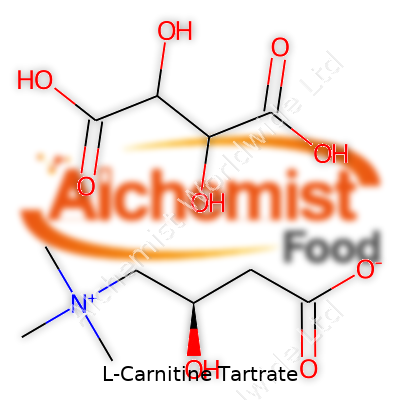
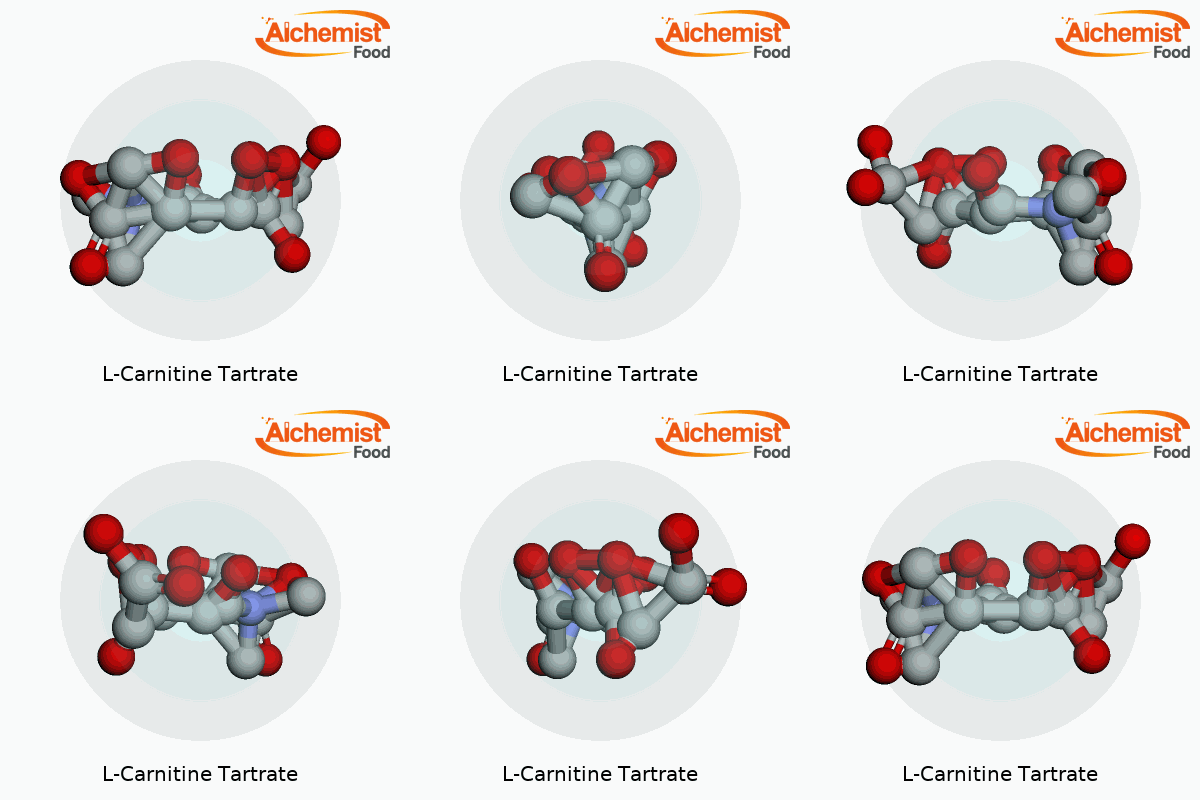
| Names | |
| Preferred IUPAC name | (2R)-3-carboxy-2-hydroxy-N,N,N-trimethylpropan-1-aminium (2R,3R)-2,3-dihydroxybutanedioate (1:1) |
| Other names |
L-carnitine L-tartrate Carnitor tartrate Levocarnitine tartrate LCLT |
| Pronunciation | /ˌelˈkɑːrnɪtiːn ˈtɑːrtreɪt/ |
| Preferred IUPAC name | (2R)-3-carboxy-2-hydroxy-N,N,N-trimethylpropan-1-aminium; (2R,3R)-2,3-dihydroxybutanedioic acid |
| Other names |
L-carnitine L-tartrate Levocarnitine tartrate Carnitine tartrate LCLT Carnitene tartrate |
| Pronunciation | /elˈkɑːrnɪtiːn ˈtɑːrtreɪt/ |
| Identifiers | |
| CAS Number | 36687-82-8 |
| 3D model (JSmol) | `3D model (JSmol) string for L-Carnitine Tartrate: C(C(=O)O)C(CC(=O)O)(N)C[N+](C)(C)C` |
| Beilstein Reference | 1818731 |
| ChEBI | CHEBI:132175 |
| ChEMBL | CHEMBL1201538 |
| ChemSpider | 76122 |
| DrugBank | DB08842 |
| ECHA InfoCard | 03-2119944331-54-0000 |
| EC Number | E 327 |
| Gmelin Reference | 502162 |
| KEGG | C00318 |
| MeSH | D-Carnitine Tartrate |
| PubChem CID | 166563 |
| RTECS number | OJ6305000 |
| UNII | M8F9002DX9 |
| UN number | UN2811 |
| CompTox Dashboard (EPA) | DTXSID0028095 |
| CAS Number | '36687-82-8' |
| Beilstein Reference | 3774703 |
| ChEBI | CHEBI:132609 |
| ChEMBL | CHEMBL1200451 |
| ChemSpider | 12572 |
| DrugBank | DB08842 |
| ECHA InfoCard | 13c4b358-6e80-4d70-9694-43a54eec4c56 |
| EC Number | 516-635-5 |
| Gmelin Reference | 772985 |
| KEGG | C00712 |
| MeSH | D-Carnitine Tartrate |
| PubChem CID | 166563 |
| RTECS number | OW7410000 |
| UNII | 6DH1W9VH8Q |
| UN number | Not regulated |
| CompTox Dashboard (EPA) | urn:lsid:epa.gov.comptox.dashboard:DTXSID0040304 |
| Properties | |
| Chemical formula | C11H19NO8 |
| Molar mass | 238.25 g/mol |
| Appearance | White crystalline powder |
| Odor | Odorless |
| Density | 1.15 g/cm3 |
| Solubility in water | In water: 20 g/100 mL (20°C) |
| log P | -4.1 |
| Vapor pressure | Negligible |
| Acidity (pKa) | pKa = 3.8 |
| Basicity (pKb) | pKb ≈ 12.2 |
| Magnetic susceptibility (χ) | Diamagnetic |
| Refractive index (nD) | 1.526 |
| Viscosity | Viscous liquid |
| Dipole moment | 6.50 D |
| Chemical formula | C11H21NO3·C4H6O6 |
| Molar mass | 290.31 g/mol |
| Appearance | White crystalline powder |
| Odor | Odorless |
| Density | 1.15 g/cm³ |
| Solubility in water | Very soluble in water |
| log P | -4.1 |
| Vapor pressure | Negligible |
| Acidity (pKa) | pKa = 3.8 |
| Basicity (pKb) | 0.81 |
| Magnetic susceptibility (χ) | -5.8 × 10⁻⁶ cm³/mol |
| Refractive index (nD) | 1.558 |
| Dipole moment | 4.49 D |
| Thermochemistry | |
| Std molar entropy (S⦵298) | 557.5 J·mol⁻¹·K⁻¹ |
| Std enthalpy of formation (ΔfH⦵298) | -1616.6 kJ/mol |
| Std enthalpy of combustion (ΔcH⦵298) | -3625 kJ·mol⁻¹ |
| Std molar entropy (S⦵298) | 389.9 J·mol⁻¹·K⁻¹ |
| Std enthalpy of combustion (ΔcH⦵298) | −5181 kJ/mol |
| Pharmacology | |
| ATC code | A16AA01 |
| ATC code | A16AA01 |
| Hazards | |
| Main hazards | Harmful if swallowed. Causes serious eye irritation. May cause respiratory irritation. |
| GHS labelling | GHS07, GHS08 |
| Pictograms | Vegan, Allergen-free, Non-GMO, Gluten-free |
| Signal word | Warning |
| Hazard statements | Hazard statements: Not a hazardous substance or mixture according to Regulation (EC) No. 1272/2008. |
| Precautionary statements | Keep container tightly closed. Store in a cool, dry, and well-ventilated place. Avoid contact with eyes, skin, and clothing. Wash thoroughly after handling. Do not ingest. Use personal protective equipment as required. |
| NFPA 704 (fire diamond) | 1-0-0 |
| Flash point | > 175°C |
| Autoignition temperature | > 210 °C (410 °F; 483 K) |
| Lethal dose or concentration | LD50 (oral, rat): > 5,000 mg/kg |
| LD50 (median dose) | LD50 (median dose) of L-Carnitine Tartrate: "5000 mg/kg (oral, rat) |
| PEL (Permissible) | Not established |
| REL (Recommended) | 500 mg |
| Main hazards | May cause respiratory irritation; harmful if swallowed; may cause eye, skin, and respiratory tract irritation |
| GHS labelling | GHS07, GHS08 |
| Pictograms | Muscle, Energy, Weight, Vegan, Capsule |
| Signal word | Warning |
| Hazard statements | Hazard statements: Not a hazardous substance or mixture according to Regulation (EC) No. 1272/2008. |
| Precautionary statements | Store in a cool, dry place. Keep container tightly closed. Avoid contact with eyes, skin, and clothing. Wash thoroughly after handling. Use only with adequate ventilation. |
| NFPA 704 (fire diamond) | 1-0-0 |
| Autoignition temperature | > 205 °C |
| Lethal dose or concentration | LD50 (oral, rat): >5000 mg/kg |
| LD50 (median dose) | LD50 (median dose): Rat oral >5000 mg/kg |
| NIOSH | Not Listed |
| PEL (Permissible) | Not established |
| REL (Recommended) | 2000 mg/day |
| IDLH (Immediate danger) | Not established |
| Related compounds | |
| Related compounds |
Carnitine Acetylcarnitine Propionyl-L-carnitine Levocarnitine L-Carnitine Fumarate L-Carnitine Base L-Carnitine HCl |
| Related compounds |
Acetyl-L-carnitine Propionyl-L-carnitine L-Carnitine Levocarnitine L-Carnitine fumarate L-Carnitine HCl Glycine propionyl-L-carnitine |



