L-Carnitine-L-Tartrate: A Closer Look at Science, Use, and Future Direction
Historical Development
Interest in carnitine picked up in the early 1900s as scientists explored muscle extracts to better understand how cells burn fat. Early researchers like Vladimir Gulewitsch isolated carnitine from beef extracts in Russia before others in Germany followed suit. Over decades, research connected carnitine’s role in ferrying long-chain fatty acids into mitochondria for energy production. Fast-forward to the late twentieth century and supplement manufacturers started producing L-carnitine-L-tartrate, a salt formed by bonding L-carnitine with tartaric acid, aiming for quick absorption and practical formulation. Fitness and clinical nutrition worlds began studying this form in earnest around the 1990s as athletes sought recovery aids and clinicians looked for metabolic boosters. Today, you can trace a straight line from the early curiosities about muscle energy to today’s broad range of supplement products, all rooted in these foundational biochemistry studies.
Product Overview
L-Carnitine-L-tartrate looks like a white, crystalline powder with a mild, almost sweet smell. As a dietary supplement ingredient, it shows up in capsules, tablets, powders, and functional beverages. Most on the market offer high solubility, promising absorption benefits. The blend of carnitine with tartrate brings out a stable, easily dosed product with both shelf life and taste appeal compared to pure L-carnitine. Commercial versions often outperform older, standalone carnitine or tartrate salts in terms of handling and storage, making life easier for both manufacturers and end users.
Physical & Chemical Properties
Chemically, L-carnitine-L-tartrate contains two main pieces: L-carnitine, which weighs 161.2 g/mol, and tartaric acid, which weighs 150.1 g/mol. The combined salt tips the scale at about 368.4 g/mol. It dissolves easily in water, hovering around neutral pH in solution, which works for beverages, powders, and capsules. In my experience with supplement testing, the taste is hardly noticeable, and the powder disperses smoothly in liquids or semi-solids. This makes it practical for both clinical and consumer use, bypassing the grittiness or strong flavor you’d expect from less refined carnitine forms.
Technical Specifications & Labeling
Because people swallow carnitine-L-tartrate for health benefits, supplement makers stick close to purity, identity, and potency guidelines. Specifications for food and pharma use include a minimum assay, low moisture content, and near-zero impurity levels such as heavy metals or residual solvents. Labels specify the weight of carnitine provided per serving, sometimes breaking this down between the “active” carnitine base and the “whole salt” weight. As with other dietary ingredients, national and global regulations demand ingredient listing, allergen status, and good manufacturing practice certification — smart moves for transparency and consumer trust.
Preparation Method
Factories create L-carnitine-L-tartrate through a straightforward reaction between pure L-carnitine (synthesized via chemical or fermentation methods) and L-tartaric acid, stirred and gently heated in aqueous solution. The salt crystallizes, then moves through washing, drying, and milling to reach a uniform powder. Production stays under tight controls, with modern equipment filtering out byproducts and verifying purity at each stage. Analytical testing, from HPLC to FTIR, confirms that the end product meets the required molecular ratio and quality standards.
Chemical Reactions & Modifications
The main transformation for L-carnitine-L-tartrate involves blending two natural acids to create a salt without changing the core structure of L-carnitine. Large-scale labs sometimes experiment with incorporating amino acid or mineral chelates to see if absorption or tissue targeting can be improved, but for now, the classic tartrate combo remains the staple. Any further modification happens post-manufacturing, mostly through micronization, granulation, or coating to achieve specific dosing formats. Researchers sometimes explore ester derivatives in animal trials, tracking tissue uptake and activity, though these rarely reach the mainstream supplement market.
Synonyms & Product Names
On ingredient lists and in research, names pile up: LCLT, Carnitine Tartrate, L-carnitine tartrate, even Bicarnitine tartrate. Brand names pepper product packaging from region to region. In the supplement industry, you’ll run across terms like “Carnipure” or “Carniking”—both point to specific suppliers who guarantee high purity and traceability. I’ve seen athletes and nutritionists often skip the chemistry lesson, sticking with “carnitine tartrate” in conversation and focusing on results.
Safety & Operational Standards
Food safety agencies, including the FDA and EFSA, set the ground rules for L-carnitine-L-tartrate use. It appears on the Generally Recognized as Safe (GRAS) list in the United States for food applications, validated by decades of toxicology and human use studies. Factory operators adhere to food GMPs, track allergens, and document ingredient provenance from raw material through finished batch. The supplement industry, where I’ve spent a good chunk of my professional time, relies on on-site audits, product testing, and certificates of analysis as safeguards against adulteration — a pattern repeated across countries with advanced regulatory oversight. Hazards in production stay low, so most operational standards focus on cross-contamination, solvent residues, and microbial cleanliness.
Application Area
L-carnitine-L-tartrate gained ground in sports nutrition for accelerating muscle recovery, cutting down tissue damage, and supporting fatty acid metabolism, which plays a key role in endurance and weight management. I’ve seen supplement stacks for runners and bodybuilders almost always include carnitine, not so much for quick energy, but for long-haul recovery especially after strenuous workouts. Medical uses revolve around treating carnitine deficiency in genetic metabolic disorders, supporting heart function, and managing PCOS-related insulin issues. Some dietitians suggest carnitine salts to help elderly patients retain muscle function when caloric intake drops. Beyond sports and clinical use, food scientists sometimes add carnitine tartrate to functional drinks and fortifying infant formulas, combining palatability and safety.
Research & Development
Over the past twenty years or so, the number of carnitine tartrate studies exploded as universities and supplement brands searched for evidence to separate hype from fact. Key studies reported faster recovery times post-exercise, drops in muscle soreness, and deeper mitochondrial support, especially when athletes took daily doses around 2 grams. Research on cognitive effects and mood support lagged but started growing, catching interest with aging populations. Trials in metabolic diseases like diabetes or heart failure haven’t nailed down definite outcomes yet, though improvements in free fatty acid metabolism and nitrogen balance turn up regularly in pilot studies. Industry R&D keeps chasing minor tweaks to boost solubility or target delivery, but the tartrate form stands up as the workhorse in almost every published clinical trial with positive results.
Toxicity Research
Toxicologists keep close eyes on L-carnitine salts for side effects, especially at high doses. Animal studies chart a broad margin of safety. Most documented human effects at or below 3 grams per day stick to mild gastro issues like nausea and cramps. Very high doses—in the range of tens of grams—spurred loose stools, but not severe toxicity. Over the long haul, evidence points to low risk, which matches my experiences in sports clinics and nutrition programs where patients took daily doses for months without serious complaints. Caution picks up in populations with cardiovascular concerns linked to trimethylamine-N-oxide (TMAO) production, given recent findings showing how gut flora transforms carnitine in some people. Still, controlled trials can adjust for such risk factors when screening volunteers and reporting results.
Future Prospects
L-carnitine-L-tartrate looks set to play a growing role in specialized nutrition as the science of individual metabolism moves forward. Companies invest in next-generation blends, personalizing intake through digital tracking of recovery markers and genetic markers for carnitine profile. The sports world stays hungry for edge-through-recovery science, so demand pushes ongoing exploration into synergistic blends with other micronutrients like creatine and beta-alanine. Long-term, population trends—rising rates of metabolic syndrome, longer lifespans, and more active elderly—drive R&D to adapt the old muscle science for new health frontiers. Regulatory harmonization and better clinical trial design should help confirm benefits in chronic disease settings or new functional food applications. Interest in the microbiome-carnitine connection hints that future product development could move toward probiotics or prebiotics that optimize both safety and performance in everyday users.
What is L-Carnitine-L-Tartrate used for?
What Is L-Carnitine-L-Tartrate?
L-Carnitine-L-Tartrate isn’t a flashy supplement you hear about in trendy diet circles, but it earns plenty of attention in sports and fitness. It’s a blend of the amino acid–like compound L-carnitine and tartaric acid. L-carnitine is something the body makes from scratch using lysine and methionine. Its main job is to help shuttle fatty acids into our cells’ mitochondria, where fat turns into energy.
Why Athletes and Fitness Fans Use It
Walk into any gym and you’ll see bottles labeled L-Carnitine-L-Tartrate on the supplement shelf. The compound gets a lot of credit for its link to exercise recovery. Some research points to its ability to relieve muscle soreness after tough workouts. A study published in the “Journal of Strength and Conditioning Research” found that people who took L-Carnitine-L-Tartrate saw lower markers of muscle damage and felt less fatigue after heavy exercise sessions.
Energy matters during a workout, whether you’re lifting weights, playing soccer, or training for a long run. L-Carnitine-L-Tartrate may help your body use fat for fuel, giving an energy nudge during moderate or intense exercise. For anyone who’s ever hit a mid-workout slump, a supplement that can support energy production feels like a small advantage worth exploring.
Real-World Relevance
Taking recovery seriously can change how often you train and how good you feel about each session. Back when I started running half-marathons, the sore legs after each long training day slowed my progress more than anything else. L-Carnitine-L-Tartrate helped me bounce back faster. Research backs up this benefit—athletes using this supplement often report less soreness and are able to return to full training routines more quickly.
It isn’t just elite athletes who see benefits. Weekend warriors, fitness enthusiasts chasing personal bests, and anyone looking for an energy lift can find something useful in this supplement. A study in “Metabolism: Clinical and Experimental” highlighted improvements in recovery and reduced tissue damage in participants taking L-Carnitine-L-Tartrate, all without major side effects.
Health Considerations and Evidence
Quality matters. Products can vary a lot, and some formulas don’t provide the actual amounts listed on their labels. Picking reputable brands and checking for third-party testing helps reduce this risk.
Specialists emphasize that L-Carnitine-L-Tartrate works best as a piece of a bigger puzzle. No supplement cancels out the effects of poor sleep, a bad diet, or skipping warm-ups. The science is positive, but not every study draws the same conclusions on performance benefits. Anyone with chronic conditions like kidney disease should talk with a doctor before starting a new supplement routine.
Possible Solutions for Common Issues
Not everyone benefits in exactly the same way. Tracking changes in energy levels, recovery speed, and training progress over time is important. Journaling these changes helps spot real improvements versus placebo effects or coincidental changes. For those worried about accuracy in labeling, buying from companies that share third-party lab reports brings peace of mind.
Rather than seeing L-Carnitine-L-Tartrate as a magic fix, pairing it with good nutrition, hydration, and sleep brings more reliable results. For coaches and athletes alike, keeping communication open about supplement use ensures safety and better long-term outcomes.
How should I take L-Carnitine-L-Tartrate supplements?
Why People Choose L-Carnitine-L-Tartrate
A lot of folks chase better workouts, faster recovery, or just an energy boost that doesn’t end in a caffeine crash. I started reading into L-Carnitine-L-Tartrate after hitting a plateau at the gym. Recent research suggests it helps with muscle soreness and lets athletes recover faster, so it isn’t surprising this supplement has gained popularity. The science connects l-carnitine with how the body uses fat for energy, and the tartrate salt form gets absorbed quickly. You’ll find bodybuilders, endurance athletes, and weekend runners all curious if it can give them an edge.
How Real People Use It Every Day
Checking the labels and sticking close to recommended doses goes a long way. The usual suggestion: between 1,000 and 2,000 milligrams a day. My trainer pointed out that more isn’t always better—too much can upset your stomach. Folks often split their dose, taking half before exercise and the rest with a meal. That approach sticks with the research showing athletes who took their L-Carnitine-L-Tartrate before and after workouts saw better recovery after tough sessions.
The body absorbs L-Carnitine-L-Tartrate better with carbs. So I’ll toss it in with my oatmeal and banana before hitting the gym. Manufacturers warn against mixing it into piping hot drinks or exposing the powder to lots of moisture, so that’s something I always double-check when prepping my shake. Some capsules skip the flavors and aftertaste, but for those who go the powder route, a splash of juice can cover bitterness.
Risks, Side Effects, and Honest Talk
Most people handle L-Carnitine-L-Tartrate without issues, especially at moderate doses. Diarrhea and nausea often show up when folks go overboard. People with thyroid issues or certain seizure disorders should check in with their doctor, since L-carnitine can interact with those conditions. Pregnant women and those breastfeeding face more unknowns, so skipping supplements is the safer bet there.
I’ve heard from others who experience a “fishy” body odor now and then after regular use—turns out it’s a rare side effect, but something to be aware of. Staying in touch with your own body, being honest about any uncomfortable changes, and pausing the supplement if things feel off always beats blindly sticking with something just because the label sounds promising.
Building Smarter Habits and Seeking Out Proven Brands
Labels tempt with high numbers and buzzwords, but not all supplements pass quality checks. Supplements aren’t as tightly regulated as medications, so researching brands counts for a lot. I always hunt for companies that test their products with third-party labs and list every ingredient. Ingredients should be simple and clear: L-Carnitine-L-Tartrate, not a kitchen-sink blend of fillers or mysterious extracts.
Combining supplements without talking to a doctor sometimes backfires. L-carnitine, for example, mixed with blood thinners or thyroid medication, can complicate things. Setting personal goals and tracking how you feel from week to week helps keep your supplement game effective and safe. No magic fix replaces mindful eating, sleep, and smart training—L-Carnitine-L-Tartrate works best as a bonus to those healthy habits, not a shortcut.
Are there any side effects of L-Carnitine-L-Tartrate?
Looking at the Experience, Not Just the Studies
A lot of folks in gyms and nutrition circles talk about L-Carnitine-L-Tartrate. Some say it helps with exercise recovery, others swear it’s the answer to dropping stubborn fat. It’s a molecule made from amino acids, and our bodies use it to ferry fatty acids into cells, turning them into energy. I’ve seen it on the shelves in powder and capsule form, usually marketed to boost recovery or support weight control.
But not enough people talk plainly about what happens after you take it. Many expect lightning-fast energy or shredded muscles, but nobody wants a supplement that throws their gut into chaos. Here’s what stands out from the studies — and from what I’ve heard and felt.
Digestion Tends to React First
Gastrointestinal upset pops up as the most common side effect. Nausea, cramping, loose stools — I once took a high dose before a tough workout and had to cut it short because my stomach just wouldn’t settle. Research lines up with what me and others report. User-driven forums back this, with people mentioning similar discomfort on higher doses ranging from 2 to 6 grams per day.
Some folks brush it off, but daily discomfort changes your motivation fast. Starting with a lower dose, like 500 mg, sometimes smooths the ride, especially if you take it with food.
What About That Fishy Smell?
L-Carnitine sometimes gives you a faint fishy odor, especially on the breath or sweat. I’ve noticed it in clients after a couple weeks of daily supplementation. This happens because gut bacteria break carnitine down into trimethylamine, which smells pretty strong. It’s not dangerous, but it can feel awkward at the gym or in meetings. Staying hydrated seems to help, but some folks just find the odor too much. Doctors mainly mention it as a nuisance instead of a medical problem.
Honest Talk on Heart Health
The kicker with L-Carnitine actually links back to the gut again. Some research points to a metabolite called TMAO, which may play a role in heart disease. The science is early but worth paying attention to, especially if heart trouble runs in the family. The Cleveland Clinic flagged this possible risk over ten years ago, and the story keeps evolving, but doctors agree: folks with existing cardiovascular issues should talk to their care team before trying it.
Who Might Need to Avoid It
Certain groups should probably skip L-Carnitine-L-Tartrate altogether. People with seizure disorders have reported more frequent episodes after using carnitine supplements. Young children and pregnant women don’t have enough safety data for doctors to give the green light. If there’s kidney or liver trouble, supplementing any amino acid can throw things off balance.
Finding a Fit: Is the Benefit Worth It?
Supplements look simple but bodies rarely respond in textbook ways. For every story of faster recovery, there’s someone who couldn’t get past the cramping or weird odor. Basic blood work can check for deficiencies before you even consider extra carnitine. If you’re healthy and still curious, a low dose with a meal beats jumping into megadoses.
Most importantly, let your own experience guide you. No label or influencer beats honest feedback from your body and your healthcare provider.
Is L-Carnitine-L-Tartrate safe for long-term use?
L-Carnitine-L-Tartrate and Everyday Health
Supplements fill the shelves these days, promising everything from muscle recovery to sharper focus. L-Carnitine-L-Tartrate pops up often, especially in fitness circles. It’s supposed to move fatty acids into the mitochondria, where your body can burn them for energy. Gym-goers reach for it, hoping for quicker recovery and maybe a little boost in performance.
Digging into the safety question, experience and science say a supplement isn’t always safe just because it’s easy to buy. Many treat these products as harmless, like vitamins or protein powder. Back in my days of training for triathlons, I watched friends drop L-Carnitine packets into their shakes, convinced that better results would follow. Few stopped to ask what happens if they kept it up for months or even years.
What We Really Know
Research gives some reassurance. Clinical studies show that most healthy adults tolerate L-Carnitine-L-Tartrate in doses up to 3 grams daily for a few weeks without trouble. Athletes in trials report fewer sore muscles after tough workouts. These short-term results encourage people to stick with it for the long haul.
Yet, long-term safety doesn’t rest on short experiments. Doctors and nutritionists often point out the lack of large, long-term human studies. The supplement has not been tracked in everyday use over multiple years, especially in individuals with common health conditions like diabetes or heart disease. That means safety can’t be guaranteed over time.
Some findings suggest caution. The Cleveland Clinic reviewed how some forms of L-Carnitine might affect gut bacteria, promoting production of a substance called TMAO. High TMAO levels have been linked in some studies to heart disease, at least in those already at risk. Research continues, but most experts ask for careful, individualized guidance before using L-Carnitine for the long term.
Real Risks and Real-Life Experience
Side effects make themselves known sometimes too. Upset stomach, nausea, and muscle cramps can develop. A neighbor of mine quit L-Carnitine after three months, after dealing with digestive discomfort. Everyone tolerates supplements differently, so one person’s friendly workout buddy might turn into another’s daily annoyance.
I have seen supplement use drift into dependency. People hope for a magic pill. Meanwhile, the basics—good food, sleep, solid training—still make the most difference. Products like L-Carnitine sometimes distract from more proven routes.
Young people ask about risk, especially those chasing faster gains. Teens and young adults often overlook how little long-term data exists. Nutrition experts remind them to think through every new supplement as they would for medication: with skepticism and attention to proven science.
Seeking Safer Paths
For most, checking with a physician before starting L-Carnitine makes sense, especially for those taking medications or managing chronic health issues. Dieticians recommend sticking to what the research proves—short stints, moderate doses, and no wild promises. A smart approach means listening to real science and the signals your own body sends.
Until science catches up and robust studies illuminate the decades-long effects, patience pays off. The supplement aisle might tempt, but the best results grow from steady habits and choices grounded in trust—both in evidence and in personal experience.
Can L-Carnitine-L-Tartrate help with weight loss or athletic performance?
What L-Carnitine-L-Tartrate Brings to the Table
Plenty of people chasing fitness goals have heard of supplements that promise results in a bottle. L-Carnitine-L-Tartrate lands on the list—some folks swear it burns fat, builds muscle, and beats sluggish recovery times after a workout. My years coaching runners and keeping myself in shape put me in touch with every new fad, and this one has stuck around long enough to deserve a look under the hood.
How L-Carnitine-L-Tartrate Works
L-carnitine shuttles fatty acids to the mitochondria in cells, turning body fat into fuel. Athletes and gym regulars take it hoping the body will start using more of its own fat to power a workout, leading to leaner muscle and shorter recovery time. L-Tartrate is just a form that the gut apparently absorbs quickly.
Weighing the Science and Hype
Researchers have spent years untangling whether these supplement claims stack up. Clinical studies published in journals like the Journal of Physiology and Metabolism show mixed results. Some research points to a boost in muscle carnitine levels and a drop in muscle soreness after exercise, especially in folks just starting out or pushing through heavy lifting. Others don’t spot much difference in long-term endurance or significant fat loss compared to a sugar pill.
In my personal experience with both amateur athletes and ordinary gym-goers, results skew individual. One marathon trainee might crank out more miles before feeling dead-legged, another reports zero change. Factors like baseline fitness, diet, and genetics matter here. Younger, healthy adults tend to already have enough carnitine floating around if they eat meat or dairy. Vegans or older adults with lower carnitine stores might see more pronounced results.
Chasing Weight Loss: Real-World Impact
Many hope that supplementing carnitine will melt away stubborn belly fat, but the real-world pounds lost look pretty modest for most. Evidence in overweight or obese folks suggests it shaves off a pound or two over several months, according to meta-analyses from sources like the Obesity Reviews journal. Compare that tiny edge to what you get from cutting calories or putting in more time moving each week, and the supplement doesn’t look magical.
What actually makes a difference for weight control—and this holds up in every scientific review I’ve seen—is a mix of diet change, strength training, and consistent cardio. L-Carnitine may offer a bonus to people lacking enough through food, but popping pills can’t carry the weight of unhealthy choices elsewhere.
Are There Downsides?
Most users tolerate this stuff without trouble, but some get stomach upset, a fishy body smell, and headaches. Rarely, extra carnitine could cause a dangerous buildup for people with preexisting medical conditions, like kidney disease. If you already juggle several supplements or take medications, a conversation with a sports dietitian or doctor stays smart.
Smarter Paths to Better Performance
For those hunting for an edge in the gym or out on the trail, no single pill replaces hard effort or quality food. I tell my clients to focus first on what they eat, how often they move, and how they recover after activity. Supplements stay in the background, supporting very specific needs, not starring center stage. For most healthy adults, L-Carnitine-L-Tartrate won’t make the biggest difference—but for some, especially where diet or age leaves a gap, it has a place as part of a bigger health picture.
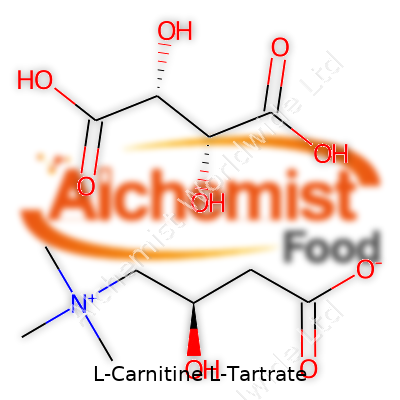
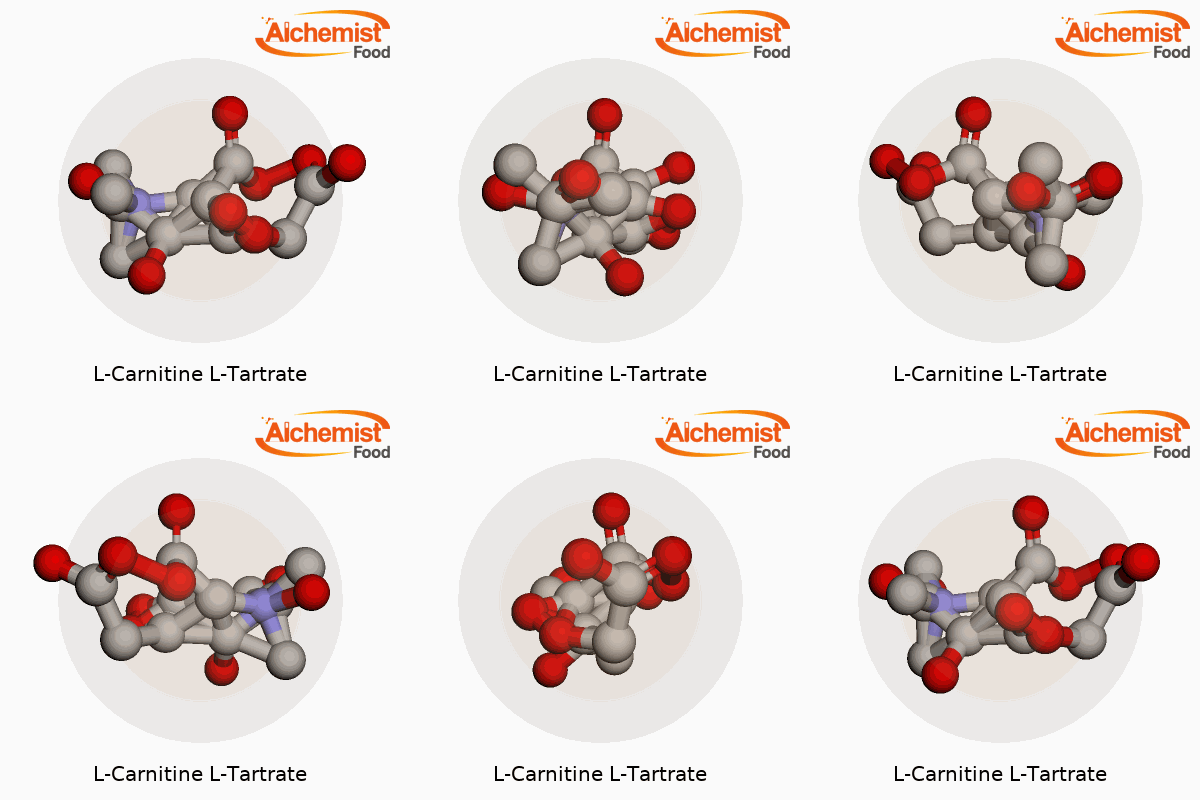
| Names | |
| Preferred IUPAC name | (1R,2R)-3-[(2R)-3-hydroxy-4-(trimethylammonio)butanoyloxy]butanoate |
| Other names |
LCLT Levocarnitine tartrate L-Carnitine tartrate Carnitine tartrate |
| Pronunciation | /ɛlˈkɑːrnɪtiːn ɛlˈtɑːrtreɪt/ |
| Preferred IUPAC name | (2R)-3-Hydroxy-4-(trimethylazaniumyl)butanoate;(2R,3R)-2,3-dihydroxybutanedioate |
| Other names |
LCLT Levocarnitine tartrate Carnitine tartrate L-Carnitine tartrate |
| Pronunciation | /ˌelˈkɑːrnɪtiːn ˌelˈtɑːrtreɪt/ |
| Identifiers | |
| CAS Number | 36687-82-8 |
| Beilstein Reference | 1702782 |
| ChEBI | CHEBI:132153 |
| ChEMBL | CHEMBL1201091 |
| ChemSpider | 2826823 |
| DrugBank | DB08842 |
| ECHA InfoCard | 13c4bedc-32e1-4841-807c-5316fc6f4b24 |
| EC Number | 3.1.1.28 |
| Gmelin Reference | 2052671 |
| KEGG | C16048 |
| MeSH | D017382 |
| PubChem CID | 166563 |
| RTECS number | OJ8585000 |
| UNII | 2WYD3456Q8 |
| UN number | Not regulated |
| CompTox Dashboard (EPA) | DTXSID6052028 |
| CAS Number | 36687-82-8 |
| Beilstein Reference | 171168 |
| ChEBI | CHEBI:132153 |
| ChEMBL | CHEMBL1201754 |
| ChemSpider | 22850304 |
| DrugBank | DB08842 |
| ECHA InfoCard | 03ed0fbe-0511-4032-995c-cf8375fa07dc |
| EC Number | E 327 |
| Gmelin Reference | 1658514 |
| KEGG | C16094 |
| MeSH | D-Carnitine Tartrate |
| PubChem CID | 166563 |
| RTECS number | OJ6306000 |
| UNII | 8K85H2N4C4 |
| UN number | Not regulated |
| CompTox Dashboard (EPA) | DTXSID8023207 |
| Properties | |
| Chemical formula | C11H19NO8 |
| Molar mass | 390.4 g/mol |
| Appearance | White crystalline powder |
| Odor | Odorless |
| Density | 0.7 g/cm³ |
| Solubility in water | Very soluble in water |
| log P | -4.2 |
| Vapor pressure | Negligible |
| Acidity (pKa) | ≈3.8 |
| Basicity (pKb) | 4.76 |
| Refractive index (nD) | 1.515 |
| Viscosity | Viscous liquid |
| Dipole moment | 5.5858 D |
| Chemical formula | C11H19NO8 |
| Molar mass | 341.31 g/mol |
| Appearance | White crystalline powder |
| Odor | Odorless |
| Density | 1.176 g/cm³ |
| Solubility in water | Very soluble in water |
| log P | -4.1 |
| Acidity (pKa) | Strong acid (1.8) |
| Basicity (pKb) | 10.23 |
| Magnetic susceptibility (χ) | Diamagnetic |
| Refractive index (nD) | 1.548 |
| Viscosity | Viscous liquid |
| Dipole moment | 4.98 D |
| Thermochemistry | |
| Std molar entropy (S⦵298) | 395.6 J·mol⁻¹·K⁻¹ |
| Std molar entropy (S⦵298) | 357.5 J·mol⁻¹·K⁻¹ |
| Std enthalpy of formation (ΔfH⦵298) | -1434.2 kJ/mol |
| Pharmacology | |
| ATC code | A16AA01 |
| ATC code | A16AA01 |
| Hazards | |
| GHS labelling | GHS07, Exclamation mark, Warning, H315, H319, H335 |
| Pictograms | Non GMO, Gluten Free, Vegan, Dairy Free, Soy Free |
| Signal word | Warning |
| Hazard statements | H315, H319 |
| Precautionary statements | Wash hands thoroughly after handling. Do not eat, drink or smoke when using this product. |
| NFPA 704 (fire diamond) | NFPA 704: 1-0-0 |
| Autoignition temperature | > 210°C (410°F) |
| Lethal dose or concentration | LD50 (oral, rat): > 5000 mg/kg |
| LD50 (median dose) | LD50 (median dose): 5,000 mg/kg (rat, oral) |
| NIOSH | null |
| PEL (Permissible) | Not established |
| REL (Recommended) | 2000 mg per day |
| GHS labelling | GHS07; Warning; H315, H319, H335; P264, P280, P305+P351+P338, P337+P313 |
| Pictograms | Supplement Facts, Allergen-Free, Gluten-Free, Vegan, Non-GMO |
| Signal word | Warning |
| Hazard statements | Hazard statements: H315, H319 |
| Precautionary statements | Keep container tightly closed. Store in a cool, dry place. Avoid breathing dust. Wash thoroughly after handling. Use with adequate ventilation. |
| NFPA 704 (fire diamond) | Health: 1, Flammability: 0, Instability: 0, Special: - |
| Flash point | > 240 °C |
| Autoignition temperature | > 400°C |
| Lethal dose or concentration | LD50 (oral, rat): > 5000 mg/kg |
| LD50 (median dose) | LD50 (median dose): 5,000 mg/kg (rat, oral) |
| NIOSH | null |
| PEL (Permissible) | No PEL established |
| REL (Recommended) | Recommended: 1000 mg |
| IDLH (Immediate danger) | Not established |
| Related compounds | |
| Related compounds |
Acetylcarnitine Propionyl-L-carnitine Gamma-butyrobetaine Levocarnitine |
| Related compounds |
L-Carnitine L-Tartaric acid Acetyl-L-carnitine Propionyl-L-carnitine |



