L-Carnitine Hydrochloride: More Than a Supplement Ingredient
Historical Development
L-Carnitine first appeared on scientists’ radar in the early twentieth century, discovered in animal tissues. Its name draws from “carnis,” the Latin for meat, hinting at early knowledge that red meat naturally carries this compound in abundance. Chemists spent decades sorting out its structure and function, with real momentum kicking in after the 1950s, when researchers found L-carnitine played a key role in shuttling fatty acids across mitochondrial membranes. This breakthrough added fuel to the study of fatty acid metabolism, with practical implications in sports science and medicine. The hydrochloride salt, a stable and efficient form of the nutrient, soon followed—making it easier for supplement makers to pack both stability and bioavailability into each dose.
Product Overview
L-Carnitine Hydrochloride stands as the most widely used supplemental version of L-carnitine. It appears in powder or crystalline form, blending easily with water. Countless nutrition companies use it in capsules, liquids, or powders for sports and wellness, packaging it as a daily boost for energy or metabolic support. Manufacturing batches follow tight pharmaceutical and food industry standards, focusing not just on purity, but also on ways this product can be tailored for specific consumer needs. This supplement’s cost structure strikes a balance: accessible enough for athletes and regular folks, but still viewed as a premium ingredient by formulators looking for efficacy plus safety.
Physical & Chemical Properties
In the lab, L-Carnitine Hydrochloride shows up as a white crystalline powder with a faint characteristic odor and a slightly bitter taste that rarely interferes with product flavoring. It blends swiftly in water at both room temperature and warm conditions, making it convenient in liquid shots or powder mixes. Chemically, its robustness stands out: it resists breaking down at normal temperatures, and only extreme heat or acidic chemicals trigger change. Many in the supplement industry like it for this reason, as it stabilizes shelf life and holds bioactivity even in complex formulations. Molecularly, it doesn’t just wait to act—it is actively transported after ingestion and gets straight to work in the body.
Technical Specifications & Labeling
Regulatory frameworks around L-Carnitine Hydrochloride push strict boundaries for product quality. Nutrition and supplement makers face clear rules: accurate labeling and documentation trace the exact amount per serving down to the milligram, accounting for elemental content and residual solvents. Most countries recognize it as safe at typical dosages, though the U.S. and EU require that every batch must meet purity levels above 98%. Labels not only disclose concentrations, but must warn about any potential allergens or manufacturing byproducts. The traceability and authenticity trail extends from raw material sourcing all the way to finished bottles, with diligent batch testing required for certification. As counterfeit products slip into global markets, these safeguards matter more every year.
Preparation Method
Industrial chemists usually synthesize L-Carnitine Hydrochloride by chemical reaction of L-carnitine base with hydrochloric acid, performed under meticulously controlled conditions to prevent the formation of D-carnitine or impurities that could spoil potency or safety. The process starts with purified L-carnitine sourced via fermentation of selected bacterial strains or through chemical extraction from plant or meat materials. Once hydrochloric acid enters the reaction vessel, the result is a salt form that carries superior storage stability and mixes effortlessly with most common excipients. Post-synthesis, filtration and multiple washing cycles remove byproducts—then dryers and milling machines produce a fine, consistent crystalline powder ready for packaging or blending.
Chemical Reactions & Modifications
In supplement manufacturing, technical teams look for ways to modify L-carnitine’s molecule without losing its signature activity. Esterification represents one well-traveled route, with acetyl-L-carnitine and propionyl-L-carnitine standing as well-known derivatives, each tweaking the molecule to focus on different clinical targets like brain or heart metabolism. Hydrochloride salt formation doesn’t just stabilize the molecule against heat, but also improves its willingness to dissolve—critical for formulas destined for beverages or chewables.
Synonyms & Product Names
You might spot this compound under alternative names like L-carnitine HCl, Carnitin hydrochlorid, Levocarnitine Hydrochloride, or just plain Carnitine Monohydrochloride in old technical literature. Brand names across global supplements twist this further: some call it “muscle carnitine” or market it in blends with creative branded identities, but the underlying molecule stays the same. Potential confusion rises with DL-carnitine, a synthetic mix of D- and L- isomers, but health authorities warn against D-form consumption due to its potential for toxicity or lack of biological use.
Safety & Operational Standards
Working with L-Carnitine Hydrochloride at an industrial scale, workers handle the same kinds of health and safety issues faced during food ingredient manufacture. Dust control gets strict attention, not least because inhaling product dust can irritate mucous membranes and skin; proper ventilation and protective gear are standard. Storage conditions focus on keeping temperature and humidity low, since even this robust molecule falls prey to clumping or minor degradation if exposed for long periods. Documentation trails start before a single drum leaves the manufacturer—traceability from raw material, batch codes, and independent testing leave little room for shortcuts. These standards not only keep factory workers safe, they provide a direct link back to product safety in the consumer’s home.
Application Area
In practice, L-Carnitine Hydrochloride’s footprint reaches beyond gym lockers and supplement shops. Sports nutrition chose this molecule early for its reputation in burning fat or supporting energy levels, but doctors sometimes prescribe it for patients facing metabolic trouble, like those unable to synthesize enough on their own due to rare genetic disorders or kidney failure. Animal feed isn’t left out—producers add it to feed for livestock and racing animals where energy and muscle development mean profit or performance. Some baby formula recipes call for it, since infants, especially preemies, may not create enough themselves. Scientific curiosity about its exact reach in the body still grows, especially in areas like aging, cognitive decline, or metabolic syndrome.
Research & Development
University labs and corporate R&D hubs keep L-Carnitine Hydrochloride under the microscope, chasing answers on its interactions with fat and sugar metabolism, how dosage schedules shift blood concentrations, or whether it offers measurable results in athletes pushing their boundaries. Clinical trials move from tabletop to treadmill to hospital bedside. Data piles up showing some muscle recovery and endurance benefits, though results fluctuate between users, perhaps reflecting genetic or dietary backgrounds. The next generation of research pushes on too: combinatorial supplements, bio-optimized delivery systems, and tailored nutrigenomic approaches that try to unlock more of its molecular power.
Toxicity Research
Toxicologists have given L-Carnitine Hydrochloride more scrutiny than most over-the-counter supplements. Decades of clinical testing place its safety baseline high: oral administration at dosages up to several grams per day produces only mild and reversible side effects in most people, usually limited to occasional stomach upset or fishy body odor at higher intakes. No clear links to severe toxicity at reasonable dosages exist in mainstream literature, but rare case reports caution against ignoring possible adverse reactions in those with metabolic vulnerabilities. Safety testing focuses on separating it from the D-isomer, which accumulates in tissues and raises red flags for interrupted fatty acid metabolism. Regulatory agencies monitor supply chains, and raw material suppliers invest in high-precision chromatography to certify each batch meets safety specs.
Future Prospects
L-Carnitine Hydrochloride’s story will likely expand in directions that may surprise even industry insiders. Rapid shifts in how people monitor and manage their own health have energized supplement innovation, with custom-tailored formulations and smart packaging now on the horizon. Pharma and biotech companies probe for new medical uses, from neuroprotection to adjunct cancer therapy, aiming to back up each claim with robust trials and biomarker tracking. Patient-centric delivery methods—think slow-release capsules or flavor-masked liquid shots—stand to drive wider adoption. At the research frontier, molecular biologists look to tweak L-carnitine’s structure for applications in metabolic disease, with hopes of fine-tuning its effects for maximum personal benefit. For all the interest, though, the real test comes not from hype or trending diets but from robust, transparent science guiding each new use.
What are the main benefits of L-Carnitine Hydrochloride?
Energy, Stamina, and the Real-World Gains
Some people can bike for hours. Others huff their way through ten minutes on a treadmill. Often, it’s not just grit—it’s how well bodies burn fat for energy. L-Carnitine Hydrochloride helps shuttle long-chain fatty acids into the mitochondria, the cell’s energy plant, so the body can turn stored fat into fuel. I’ve watched gym regulars pop L-carnitine and then attack workouts with a bit more pep. This isn’t magic powder stuff—there are controlled studies that back the claim. A paper in the journal Nutrients (2018) noted increased fat oxidation and improved exercise performance in athletes who stuck with carnitine. Whether you’re training for a marathon or chasing kids, more efficient energy can make the day feel more manageable.
Muscle Recovery After the Grind
Delayed-onset muscle soreness used to sideline me for days after tough workouts. Research shows that L-Carnitine Hydrochloride can help reduce exercise-induced muscle damage. It’s not just about speedier recovery, either, but also less soreness. That’s a real win for anyone who wants to stick to regular exercise. A European Journal of Sports Science article found carnitine supplementation lowered markers of tissue damage and improved recovery in competitive athletes. Regular folks also noticed they could hit the gym again sooner. Good nutrition and sleep always matter, but carnitine sometimes brings an extra boost for those slow-to-recover muscles.
Supporting Heart and Brain Health
Heart disease has touched almost every family I know. L-Carnitine catches the eye of cardiologists since it’s involved in fatty acid metabolism. Some studies link carnitine supplementation to improved symptoms in patients with angina and congestive heart failure. The heart depends on fat for energy, so fueling its engine matters. A review in the journal Circulation (2013) showed lower mortality and fewer arrhythmias in patients given carnitine after a heart attack. While it’s no stand-alone therapy, it earns its place as a supportive tool for cardiac rehab and possibly for folks at risk.
Weight Management on a Practical Level
Plenty of people trying to lose weight look for anything to kickstart progress. L-Carnitine Hydrochloride’s link to fat burning gives it a spot in the supplement lineup for some. A meta-analysis in Obesity Reviews (2016) found that adding L-carnitine could support modest weight loss compared to diet and exercise alone. Results will always depend on calorie intake and how active someone stays, but anyone who feels stuck might look to carnitine for a bit of help. It’s not a miracle, but for some, it takes the edge off stubborn plateaus.
Tips for Safe L-Carnitine Use
Quality matters. L-carnitine supplements differ—some products contain fillers or don’t deliver what’s on the label. Look for supplements third-party tested for purity. Some people experience mild side effects like nausea or cramps, so start small and see how your body responds. People on medications for thyroid issues or heart conditions should check with a healthcare provider first.
Putting It All Together
L-Carnitine Hydrochloride lives in a sweet spot between everyday wellness and athletic performance. Its links to energy production, muscle recovery, heart health, and possible weight support stand on a mix of research and real-world experimentation. Supplements can't replace solid food and consistent habits, but the science and stories around L-carnitine give it more staying power than most fitness fads.
How should I take L-Carnitine Hydrochloride for best results?
Getting to Know L-Carnitine Hydrochloride
L-Carnitine Hydrochloride gets a lot of attention in gyms and fitness circles. It plays a part in how cells generate energy, especially during exercise. I remember the hype when a teammate at my old boxing club claimed it upped his sprint recovery. Hearing stories is one thing. Knowing how and why to take it gets better results.
Why Dose and Timing Matter
Choosing the right dose sits at the core of supplementing. Most studies land on a range between 500 to 2,000 milligrams per day for adults. Too low and the effect gets lost. Swing too high, and side effects like nausea or cramps can creep in. I stick with the lower end to start. That approach lets my gut adjust and gives a fair chance to spot any reaction.
My best training sessions happened after taking L-Carnitine Hydrochloride about 30 minutes before hitting the gym. Science backs this approach. According to research from the Journal of Physiology, plasma levels climb within half an hour after intake. Fat-burning gears up most around exercise, so adding it pre-workout matches up with how the body prefers to use it.
Mixing with Food or Fasting?
Some folks drop L-Carnitine Hydrochloride on an empty stomach. That can boost absorption for some types of supplements. In practice, I’ve felt mild stomach upset with nothing else in the tank. A small snack, especially something with carbs, takes the edge off and sometimes seems to help absorption. Supplements work best when they fit your personal routine and comfort.
Form and Absorption Count
Not every L-Carnitine Hydrochloride product acts the same. Powder and liquid move into the bloodstream quicker than capsules. If chasing performance right before a ride or run, powder mixed into water works fastest for me. Capsules are easier for daily routines and for traveling. Either way, drinking an extra cup of water with the dose does away with any bitter aftertaste.
Who Benefits Most?
People with high-intensity training routines and those on plant-based diets seem to notice the most change. That fits my experience as a former endurance athlete and a vegetarian. Meat and dairy eaters usually get more L-carnitine through diet, but vegans often land short. For anyone short on naturally rich foods, a gentle supplement fills the gap.
Watch for Realistic Results
Supplements invite hope, but magic doesn’t happen overnight. I’ve seen subtle improvements in how sharp I feel post-workout or during long runs, rather than massive transformation. Research supports L-carnitine for reducing muscle soreness and maybe helping recovery in older adults, according to Mayo Clinic sources. If you’re after fat loss, the magic leans on full routines—reasonably timed nutrition, enough sleep, and movement you enjoy every day.
Safety and Caution
Even with all benefits, some folks should check with a doctor first. If you have heart conditions, kidney trouble, or use lots of prescription meds, run it by a healthcare professional. Reports on side effects remain low, but some people get fishy breath or stomach cramps when pushing dose higher.
The Small Stuff Matters
Best results come from mixing smart use with self-awareness. Tune into what changes as you settle into a routine. Track how you feel, not just how you look. Over time, you’ll know if L-Carnitine Hydrochloride fits your plan—or if something else better supports your training goals.
Are there any side effects associated with L-Carnitine Hydrochloride?
L-Carnitine: More Than Just a Supplement Buzz
Walk into any supplement store and you’ll see L-Carnitine Hydrochloride on the shelf, promising better fat burning and more energy. Some athletes swear by it, claiming it boosts their performance and helps with recovery. But like any supplement, it’s smart to ask what else comes with the benefits. My own path into health started after noticing trends in clients’ supplement stacks. People add new things, hoping for an edge, but they sometimes worry less about what else might come along for the ride.
Digging into Possible Side Effects
Nothing on a nutrition label tells the whole story. Most studies show that for healthy adults, L-Carnitine Hydrochloride rarely causes serious problems at standard doses—usually around 500-2,000 mg per day. Nausea tops the list of complaints when people take more than they need. Some notice stomach cramps or loose stools, and a few mention a “fishy” body odor. That last one comes from a byproduct called trimethylamine, which the liver struggles to break down fast enough in some folks. It’s not dangerous, but it’s not exactly pleasant either.
Clinical research dives deeper. A study published in The American Journal of Clinical Nutrition tracked regular users. The main issues came up at higher doses and often faded once folks cut back. One thing most people miss: even “natural” amino acid supplements can have a real impact on gut bacteria. L-Carnitine gets converted by gut microbes into something called TMAO, and high TMAO levels have raised flags for possible links to heart issues. The science isn’t clear-cut, but if your family history tilts toward heart disease, keeping an eye on these numbers makes sense.
Why Context Matters: Every Body Is Different
No supplement works in isolation. Someone training for a marathon approaches nutrition differently than someone fighting chronic fatigue. A few conditions, such as hypothyroidism or kidney problems, change how L-Carnitine behaves in the body. People with kidney issues can’t clear byproducts as easily, so buildup poses real risks. My years working with clients with complex health backgrounds drove one point home: one-size-fits-all advice rarely helps anyone.
Mixing L-Carnitine with other medications adds another wrinkle. Antibiotics, thyroid drugs, and blood thinners can create odd interactions. I always encourage people to carry a full list of supplements and prescriptions to their doctor. These conversations matter, especially since supplement use often goes unmentioned during routine appointments.
Thinking About Safer Use
People often look for the quickest route to more energy or faster recovery. The supplement industry counts on this drive, but the best choice is often a mix of patience and good information. Pre-existing health conditions shape what works for you, and simple blood work tells more than marketing ever could. Those with questions about L-Carnitine can talk to a registered dietitian or healthcare provider who keeps up with current research.
Even if you’re healthy, tracking how a new supplement feels makes sense. Side effects like upset stomach or changes in body odor act as signals. If something feels off, dropping the supplement and checking in with a professional usually clears things up. Informed choices keep those supplement experiments headed in the right direction, with less chance for surprise speed bumps along the way.
Is L-Carnitine Hydrochloride suitable for vegetarians and vegans?
L-Carnitine's Source and Production
Many of us know someone counting protein shakes or looking for ways to boost energy at the gym. L-Carnitine Hydrochloride pops up on supplement labels promising support for fat metabolism and athletic performance. The name alone sounds synthetic, and a lot of people assume it’s always plant-based or at least neutral. The real story has a few more details that matter for anyone following a vegetarian or vegan lifestyle.
L-Carnitine itself lives in animal cells, playing a vital role shuttling fatty acids across mitochondria for energy. The original source for supplement forms came from beef or pork. But demand has changed, and most L-Carnitine Hydrochloride in supplements today gets made using fermentation—a process using bacteria or yeast and a plant-derived feedstock, not animal tissue.
Reading Labels and Asking Questions
Still, not all supplements get created equal. I’ve picked up bottles that use big claims like “pure” or “natural” but don’t list their sources. Companies sometimes use animal-based materials during manufacturing or to refine raw ingredients, and that detail often slips by consumers. Certifications matter: a vegan label or third-party organization like The Vegan Society or Vegetarian Society on the packaging offers stronger verification than a claim tucked into the marketing copy.
What Science Tells Us About L-Carnitine
Plant-based diets supply very little L-Carnitine by default. Red meats and some dairy products pack the most, so it makes sense that vegans and strict vegetarians end up with lower blood levels. Some small studies point out that most healthy people make enough L-Carnitine from lysine and methionine (two amino acids from food). Others—like athletes, older adults, or certain groups with metabolic disorders—might benefit from supplements if advice from a healthcare professional encourages it.
One issue pops up with long-term supplementation. A 2013 study in Nature Medicine raised questions about the link between excess L-Carnitine and TMAO (a compound tied to heart disease risk). Gut bacteria break down extra carnitine, especially in meat eaters. Vegans and vegetarians generally have lower levels of both L-Carnitine and the microbes that create TMAO, but it’s a detail worth knowing for anyone thinking about high-dose supplements on a regular basis.
Looking for Solutions
Transparency works better than complicated jargon. Supplement makers should open up about where their ingredients come from and how they process them. More companies have responded to customer pressure by clearly stating the origin of their L-Carnitine and offering vegan-certified versions.
Doctors and registered dietitians help sort out who needs extra L-Carnitine. For most plant-based eaters eating a variety of whole foods, the body adapts and manufactures enough. For those with unique health or athletic needs, testing and guidance remove the guesswork.
The Takeaway for Everyday Choices
In my experience, standing in the supplement aisle gets confusing fast. Ingredient lists grow longer, and the fine print matters. As a vegetarian, I read past the marketing, look for certifications, and ask questions. If information isn’t easy to find, I send a direct message to the manufacturer.
L-Carnitine Hydrochloride supplements can fit into vegetarian and vegan diets—if the source is truly plant-based and free from animal byproducts. The industry has the tools to make that clear. Until every company follows through, the burden sticks with shoppers to read every label or ask until they get answers they trust.
Can I take L-Carnitine Hydrochloride with other supplements or medications?
Understanding What L-Carnitine Hydrochloride Actually Is
L-Carnitine Hydrochloride pops up on the shelves of supplement stores, especially where athletes and fitness folks shop. Some claim it helps burn fat, support energy, and boost recovery. The hydrochloride form may absorb more easily, so some people reach for this version instead of the classic L-carnitine. It’s not a magic fix anyone should add to their daily routine without thinking things through.
Combining L-Carnitine with Other Supplements
Stacking supplements is common. People add L-Carnitine to shakes with protein, creatine, or even caffeine for a bigger energy punch. But, mixing products has real risks—especially since the supplement industry isn’t tightly regulated. Interactions don’t always show up right away. Caffeine mixed with L-Carnitine, for example, can leave you feeling overstimulated. Certain fat-burners on the market already contain stimulants, so adding more can lead to jitters or a racing heart. Zinc, magnesium, B-vitamins, or amino acids don’t pose obvious risks with L-Carnitine, but nobody should assume “natural” means “safe.”
Combining L-Carnitine with Prescribed Medications
Doctors see people every day who don’t mention all of the supplements they take. Some drugs used for thyroid conditions, for example, may interact with L-Carnitine. Reports show that L-Carnitine can lower how much thyroid hormone enters cells. For anyone taking hormone replacement like levothyroxine, that can cause problems. Certain antibiotics—such as pivampicillin—can compete for absorption. Blood-thinners, medications for high blood pressure, and drugs that affect the heart or nervous system may also create trouble if mixed unknowingly. Anyone facing a chronic health condition should not add L-Carnitine Hydrochloride on a whim.
Why Disclose Everything to Your Healthcare Provider?
In the exam room, people talk about diet, exercise, and illness—but they often forget about that pre-workout mix or the handful of pills from the health store. Health professionals can only offer good advice if they know the full picture. A study in the Journal of the American Medical Association showed that over half of regular supplement users never mention these to their doctors. Problems like palpitations, high blood pressure, or digestive upset may stem, in part, from supplement and drug stacking.
How to Make Safe Decisions
Blindly following supplement trends will trip anyone up. Start by seeking out credible information—scientific journals, registered dietitians, or board-certified physicians, not social media influencers. Read labels for ingredients and dosing, and if in doubt, ask. Anyone managing a health issue or taking prescription meds should have a checklist at every medical appointment. Sharing that list reduces the risk of an unexpected event.
Moving Forward
Supplements aren’t one-size-fits-all. They sometimes help those who play high-intensity sports or have dietary gaps, but that doesn't mean everyone benefits. Open communication and solid advice keep wellness on track. Supplements and medications can work together—or against each other. Attention, honesty, and care keep things balanced.
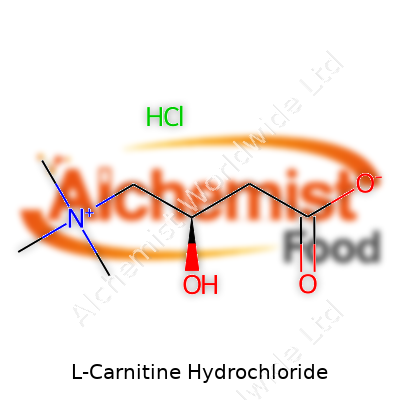
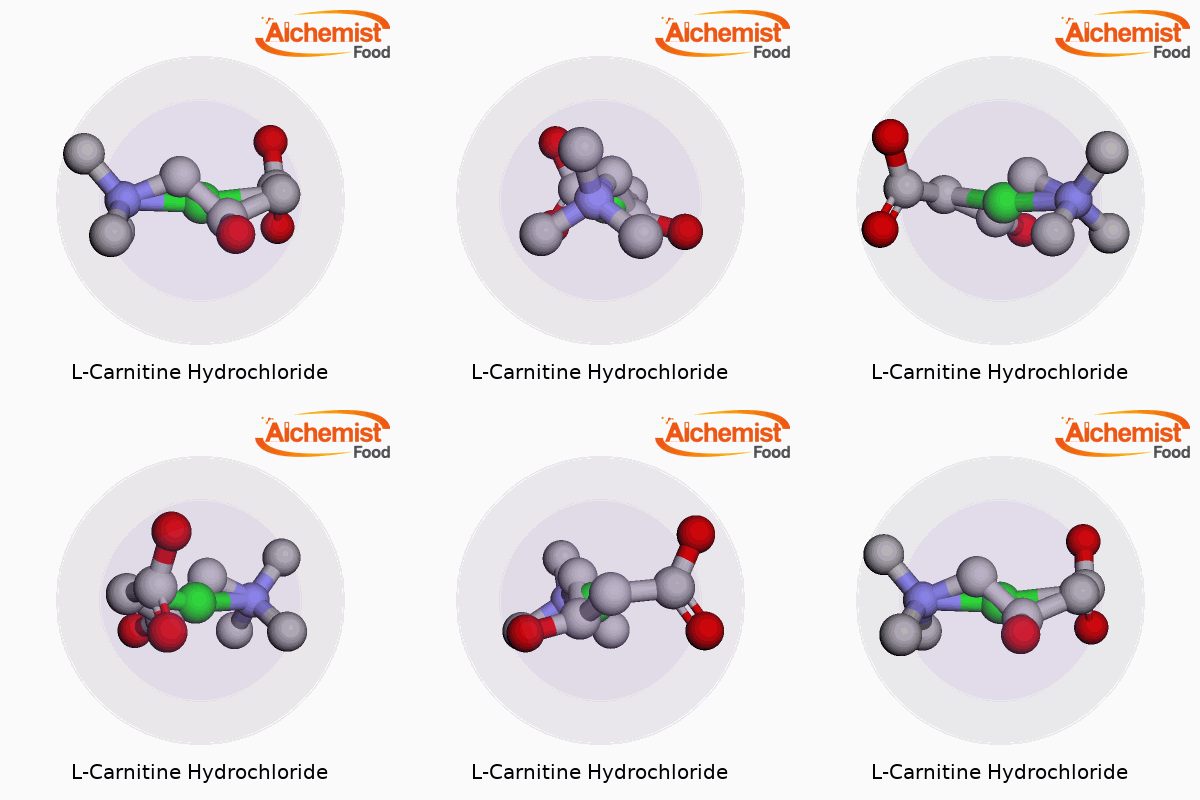
| Names | |
| Preferred IUPAC name | (3R)-3-hydroxy-4-(trimethylazaniumyl)butanoate chloride |
| Other names |
L-Carnitine HCl Levocarnitine hydrochloride Carnitine hydrochloride |
| Pronunciation | /ɛlˈkɑːrnɪtiːn haɪˌdrɒklaɪd/ |
| Preferred IUPAC name | (3R)-3-hydroxy-4-(trimethylazaniumyl)butanoate chloride |
| Other names |
Levocarnitine HCl L-Carnitine HCl Carnitine Hydrochloride β-Hydroxy-γ-trimethylaminobutyric acid hydrochloride |
| Pronunciation | /ɛl kɑːrˈnɪtiːn haɪdrəˈklɔːraɪd/ |
| Identifiers | |
| CAS Number | 6645-46-1 |
| Beilstein Reference | 3560083 |
| ChEBI | CHEBI:74435 |
| ChEMBL | CHEMBL1389 |
| ChemSpider | 123944 |
| DrugBank | DB08842 |
| ECHA InfoCard | 100.031.066 |
| EC Number | 3.1.3.7 |
| Gmelin Reference | 92324 |
| KEGG | C00318 |
| MeSH | D017382 |
| PubChem CID | 83055 |
| RTECS number | MW3860000 |
| UNII | 66P23S1ETS |
| UN number | UN Number not assigned |
| CompTox Dashboard (EPA) | DTXSID2034072 |
| CAS Number | 6645-46-1 |
| 3D model (JSmol) | Here is the JSmol 3D model **string** for **L-Carnitine Hydrochloride**: ``` CC([C@@H](C[N+](C)(C)C)O)Cl ``` This is the SMILES string, which can be used to generate a 3D model in JSmol or similar cheminformatics tools. |
| Beilstein Reference | 1849735 |
| ChEBI | CHEBI:31624 |
| ChEMBL | CHEMBL1597 |
| ChemSpider | 62950 |
| DrugBank | DB08842 |
| ECHA InfoCard | 100.032.530 |
| EC Number | EC 200-767-1 |
| Gmelin Reference | 60756 |
| KEGG | C00318 |
| MeSH | D017325 |
| PubChem CID | 10917 |
| RTECS number | OJ6950000 |
| UNII | UNII-936JST6JCN |
| UN number | Not regulated |
| CompTox Dashboard (EPA) | DTXSID1040676 |
| Properties | |
| Chemical formula | C7H15NO3·HCl |
| Molar mass | 197.66 g/mol |
| Appearance | White crystalline powder |
| Odor | Odorless |
| Density | 0.6 g/cm³ |
| Solubility in water | Very soluble in water |
| log P | -5.56 |
| Acidity (pKa) | -2.8 |
| Basicity (pKb) | 5.4 |
| Magnetic susceptibility (χ) | -6.2e-6 |
| Dipole moment | 7.07 D |
| Chemical formula | C7H16ClNO3 |
| Molar mass | 197.65 g/mol |
| Appearance | White crystalline powder |
| Odor | Odorless |
| Density | 1.2 g/cm3 |
| Solubility in water | Very soluble |
| log P | -5.44 |
| Vapor pressure | Negligible |
| Acidity (pKa) | 1.98 |
| Basicity (pKb) | 3.8 |
| Magnetic susceptibility (χ) | -7.34×10⁻⁶ cm³/mol |
| Refractive index (nD) | 1.571 |
| Dipole moment | 6.22 D |
| Thermochemistry | |
| Std molar entropy (S⦵298) | 455.7 J·mol⁻¹·K⁻¹ |
| Std enthalpy of formation (ΔfH⦵298) | -693.5 kJ/mol |
| Std enthalpy of combustion (ΔcH⦵298) | -3775 kJ/mol |
| Std molar entropy (S⦵298) | 300.6 J·mol⁻¹·K⁻¹ |
| Std enthalpy of formation (ΔfH⦵298) | -693.2 kJ/mol |
| Std enthalpy of combustion (ΔcH⦵298) | −3687 kJ/mol |
| Pharmacology | |
| ATC code | A16AA01 |
| ATC code | A16AA01 |
| Hazards | |
| Main hazards | Harmful if swallowed. Causes serious eye irritation. Causes skin irritation. |
| GHS labelling | GHS02, GHS07 |
| Pictograms | GHS07 |
| Signal word | Warning |
| Hazard statements | Hazard statements: H315, H319, H335 |
| Precautionary statements | P261, P264, P270, P272, P273, P280, P301+P312, P302+P352, P305+P351+P338, P308+P313, P312, P321, P330, P332+P313, P337+P313, P362+P364, P501 |
| NFPA 704 (fire diamond) | Health: 1, Flammability: 0, Instability: 0, Special: - |
| Flash point | > 192.3 °C |
| Autoignition temperature | > 260°C (500°F) |
| Lethal dose or concentration | LD50 (oral, rat): > 5000 mg/kg |
| LD50 (median dose) | LD50 (median dose) = 3,960 mg/kg (Rat, oral) |
| PEL (Permissible) | Not established |
| REL (Recommended) | 500 mg per day |
| Main hazards | Harmful if swallowed. Causes serious eye irritation. May cause respiratory irritation. |
| GHS labelling | GHS07;Warning;H315,H319,H335 |
| Pictograms | GHS07, GHS08 |
| Signal word | Warning |
| Hazard statements | Hazard statements: "H315: Causes skin irritation. H319: Causes serious eye irritation. H335: May cause respiratory irritation. |
| Precautionary statements | Wash hands thoroughly after handling. IF IN EYES: Rinse cautiously with water for several minutes. Remove contact lenses, if present and easy to do. Continue rinsing. If eye irritation persists: Get medical advice/attention. |
| Flash point | 140°C |
| Autoignition temperature | > 240 °C |
| Lethal dose or concentration | LD50 (Rat, oral): 5000 mg/kg |
| LD50 (median dose) | LD50 (median dose): 5000 mg/kg (rat, oral) |
| NIOSH | Not Listed |
| PEL (Permissible) | Not established |
| REL (Recommended) | 500–2,000 mg per day |
| IDLH (Immediate danger) | Not listed |
| Related compounds | |
| Related compounds |
Acetyl-L-carnitine Propionyl-L-carnitine L-Carnitine tartrate L-Carnitine fumarate D-Carnitine O-Acetyl-L-carnitine L-Carnitine orotate L-Carnitine magnesium citrate |
| Related compounds |
Acetylcarnitine Propionyl-L-carnitine L-Carnitine tartrate L-Carnitine fumarate L-Carnitine inner salt Gamma-butyrobetaine |



