L-Carnitine Fumarate: An In-Depth Commentary
Historical Development
L-Carnitine emerged out of research on muscle extracts at the turn of the twentieth century. Scientists noticed that this naturally occurring compound played a part in how muscles used fat. As the decades rolled on, organic chemists worked through the tangle of its structure and function, landing on a more refined synthesis in the latter half of the century. The smoking gun, in terms of why all the fuss, came out of nutritional biochemistry labs, where it became clear by the 1980s that L-Carnitine deficiency produced visible health problems, especially in infants and individuals with metabolic disorders. The fumarate salt came onto the scene later, as manufacturers aimed to stabilize L-Carnitine, often a sticky, hygroscopic material in its raw form, for broader use in food and supplements.
Product Overview
As a supplement or food fortifier, L-Carnitine Fumarate serves one main purpose: supporting the body’s fat metabolism. This compound links L-Carnitine, the shuttle for long-chain fatty acids into mitochondria, with fumaric acid, an intermediate of the Krebs cycle. The result is a product that handles better during manufacturing and stays stable on the shelf. More than just the sum of its parts, this combination lets formulators craft tablets and capsules that hold up under everyday conditions. I’ve seen a growing trend in its use across sports nutrition, especially among fitness enthusiasts looking to tweak their body’s use of fats.
Physical & Chemical Properties
You won’t mistake this compound for sugar—it forms a white to off-white crystalline powder, picks up moisture if left out, and carries a faintly tart taste thanks to the fumarate. Chemically, the formula stacks C8H15NO4•C4H4O4, marrying L-Carnitine’s quaternary ammonium structure with the resilience of fumaric acid. Its solubility in water helps for beverage applications, something formulators favor, while its melting point sits high enough to handle tablet pressing without decomposition. The pH in solution remains slightly acidic, which often matters to product developers looking for compatibility in mixed formulations.
Technical Specifications & Labeling
Manufacturers typically set assay limits from 97 to 103% on an anhydrous basis. Heavy metal content stays capped at under 10 ppm to pass food grade regulations. Purity requirements cut out residual solvents down to a near trace, reflecting both regulatory pressure and consumer concern. Labeling laws demand clear specification of the form—“L-Carnitine Fumarate”—along with net content and instructions for storage, usually “keep in a dry place, below 25°C.” Allergen status, non-GMO claims, and batch traceability often appear right on the bulk drum or retail packaging, giving downstream customers the visibility they expect. If you’re supplying sports nutrition brands, you can expect even tighter requirements on banned substances and cross-contamination.
Preparation Method
Industrial production often starts with the direct reaction of pure L-Carnitine base and fumaric acid in aqueous solution. Purified L-Carnitine, generally obtained via chemical synthesis or fermentation, gets combined with stoichiometric amounts of pharmaceutical grade fumaric acid. Careful control of temperature and agitation produces a salt that crystallizes upon cooling. After filtration and washing, drying under reduced pressure removes water without causing degradation. Strict adherence to GMP protocols carries through the entire process, minimizing contamination risks. Real-world plant situations often face the practical hurdle of controlling particle size and flow for high-speed filling operations.
Chemical Reactions & Modifications
Chemists who look to tweak L-Carnitine for targeted release profiles might turn to other acid pairing salts, but the fumarate version keeps things simple. In aqueous solutions, the salt dissociates, releasing L-Carnitine and fumaric acid ions. That’s critical for supplement efficacy, as only the free L-Carnitine gets transported into cells. Under typical supplement formulation conditions, L-Carnitine Fumarate remains stable, but intense heat or exposure to strong acids and bases starts to break it down. So, keeping formulations within suggested pH and temperature ranges prevents unwanted loss of potency before the consumer ever gets the product.
Synonyms & Product Names
Outside the lab, suppliers and brands list this compound as “L-Carnitine Fumaric Acid salt” or “Levocarnitine Fumarate.” Regulatory agencies might call out its INCI or CAS numbers, but most labels stick with recognizable names. In sports nutrition aisles, you’ll see a range of commercial product names, some wrapped inside multi-ingredient blends. International manuals sometimes spell out the full systematic name, but day-to-day practitioners generally use the shortest version that clears customs and keeps inspectors happy.
Safety & Operational Standards
The safety record owes a lot to decades of toxicology work. L-Carnitine and fumaric acid both fall under GRAS (Generally Recognized As Safe) status, with regulators flagging no major red flags in normal use scenarios. Big exceptions pop up in the context of infants with underlying metabolic disorders or those with rare fumarase deficiency—though most commercial products go through a risk assessment to avoid these edge cases. In industrial plants, operators follow standard precautions: minimal dust, gloves, goggles, and proper ventilation. GMP paperwork tracks every batch back to the original raw material supplier to catch potential adulteration before it hits the market.
Application Area
Supplement shelves and sports nutrition tubs still drive the lion’s share of demand, but broader applications keep cropping up. Food technologists now eye L-Carnitine Fumarate for functional beverages, powders, and even nutritional bars. Pharmaceutical developers sometimes use it to support adjunct therapy in patients with specific fatty acid oxidation disorders. I saw interest spike recently among vegan and vegetarian consumers, since plant-based diets may mean lower endogenous L-Carnitine levels. Pet food formulators experiment with it for senior animals where muscle loss becomes an issue. Even animal feed and aquaculture researchers test its ability to boost energy utilization in livestock.
Research & Development
Academic groups track studies on weight management, cardiovascular health, and recovery from exercise-induced fatigue. Meta-analyses still climb a steep hill sorting out actual improvements in athletic performance, but the biochemistry on fat oxidation rings true in cell and animal models. Researchers equip new studies with validated biomarkers and cross-over designs, looking to clarify benefit for real-world users. Ingredient suppliers work to standardize particle size and improve solubility for modern formulations, partnering with contract manufacturers to produce cleaner label versions. The rise of personalized nutrition ignites further interest, as gene-diet interactions steer more people toward supplements tailored for their body’s metabolic quirks.
Toxicity Research
Toxicologists have combed through animal studies and human trial data, hunting for signs of overdose or long-term side effects. At standard doses, L-Carnitine Fumarate consistently stays well below toxicity thresholds. High oral intakes sometimes cause mild stomach upset, but do not result in organ damage or severe outcomes. The rare risk of fishy body odor links to the metabolism of trimethylamine, especially in individuals with genetic differences in gut flora. Researchers pay special attention to populations with existing kidney dysfunction, as excess intake may exacerbate symptoms. Regulators place caps on maximum recommended daily intake to guard against misuse, especially in high-concentration supplements.
Future Prospects
Ever-increasing consumer interest in healthy aging and metabolism gives L-Carnitine Fumarate a solid runway for growth. Ingredient houses look to build cleaner, fermentation-based production routes to address natural-label demands. Sustainability enters the spotlight as supply chains hunt for non-animal, renewable sources. Digital health platforms may soon channel research into custom-blended supplements tailored by genetic profile or activity tracking data. Pharmaceutical researchers continue exploring its role in rare metabolic diseases and as an adjunct for heart disorders. On the technology front, new encapsulation methods and delivery systems promise to open the door for even broader use across edible, drinkable, and even topical categories.
What is L-Carnitine Fumarate used for?
What It Does in the Body
L-Carnitine Fumarate often pops up in the world of sports supplements, but many don’t realize its reach stretches way beyond the gym. I bumped into this nutrient during a rough patch of low energy and persistent mental fog. After some research and chats with health professionals, I learned L-Carnitine plays a key role in the way our bodies use fat for power. It helps shuttle fatty acids into cells where those get turned into fuel, not just for moving weights but also for what’s going on inside our organs. The fumarate part supports the energy cycle, linking up with the citric acid cycle, so the impact isn’t just gym-focused or limited to burning calories.
Tiredness, Heart Health, and Brain Function
Many folks chase L-Carnitine Fumarate to tackle fatigue. Science backs this up. Some doctors suggest it for people fighting chronic tiredness, especially those wrestling with heart issues. The heart leans heavily on fat as an energy source. Research shows L-Carnitine helps those with angina and chronic heart failure keep up stamina. The fumarate adds to energy production, a big deal for cells that work non-stop, like in the heart muscle.
Brain function also ties into this. Older adults sometimes see memory slip or mental clarity fade. Studies show L-Carnitine, especially in forms like this one, may protect brain cells and support sharp thinking. Some experts note it might slow memory loss when paired with a balanced diet and regular activity.
Why Athletes Love It
A conversation with athletes, from runners to lifters, usually brings up recovery and muscle soreness. L-Carnitine Fumarate crops up in many training routines. Some refer to a 2011 study from the University of Connecticut, where athletes taking L-Carnitine had less muscle damage and soreness after intense training. Recovery times shortened, and workouts improved. Still, nutritionists say it’s not a miracle fix. It depends on maintaining a healthy lifestyle—good food and sleep—and for athletes with already high L-Carnitine levels, the effect often stays small.
Vegans and vegetarians stand out in L-Carnitine discussions because most get less from diet. Red meat naturally contains more, so those avoiding animal foods may consider supplements if they struggle with energy or stamina, always after consulting a healthcare professional.
Addressing the Supplement Hype
The wellness industry loves buzzwords, and every few years a new supplement claims the top spot. L-Carnitine Fumarate sometimes appears in flashy weight loss products. There’s some science, but not much proof that it alone burns fat quickly. A 2016 review in “Obesity Reviews” sums up results: helping with fat metabolism, sure, but without a balanced diet and regular movement, don’t expect miracles. That aligns with my own experience working with clients as a nutrition coach; the best results come from steady routines, not shortcuts.
Choosing and Using Supplements
Quality matters a lot. Supplements aren’t all created equal, and contamination issues have made the news. Picking products from reputable manufacturers, checking for third-party testing reports, and talking with qualified professionals can dodge a lot of problems. People taking medication or with chronic health concerns should always get a green light from a doctor.
L-Carnitine Fumarate supports energy, heart, and brain power. Its value grows for people with certain health concerns or those who eat little to no meat. Most benefits show up when used as part of a healthy lifestyle, not in isolation.
How should I take L-Carnitine Fumarate?
Understanding L-Carnitine Fumarate
Walking through any health store aisle, bottles of L-Carnitine Fumarate catch the eye. The supplement world often throws big promises at us, but I have always looked for real substance backed by science. L-Carnitine Fumarate stands out — not just another trend that fades away. This compound combines L-carnitine, a nutrient that helps shift fatty acids into the energy centers of our cells, with fumaric acid, a natural substance found in our body’s own energy process. That’s what gives it a bit of an edge against regular L-carnitine forms.
Why People Turn to L-Carnitine Fumarate
Stories from gym friends fueled my curiosity. A few folks used it for muscle recovery, others focused on weight goals, and some looked for a little kick to tackle mild fatigue. There’s emerging research that hints at L-carnitine’s role in helping the body use fat for fuel, aiding heart health, and improving muscle power in some older adults. Not every result works magic overnight. Personal experience taught me that food plays the biggest role in feeling good, but something like this can support the process, provided we use it wisely.
How to Take It Properly
Most L-Carnitine Fumarate supplement bottles suggest 500 to 2,000 mg per day. That number doesn’t suit everyone. I have seen nutritionists caution people to start at the low end and listen to their body. It works best split into two doses — before a workout and with breakfast — instead of one big scoop. Taking it with some food, especially one that contains carbs, tends to help absorption. A glass of water along with the capsule prevents the dry mouth and helps with digestion.
Factors That Matter Before Starting
Doctors I trust always remind us to check the label for third-party certification. Contamination and under-dosing sneak into the bargain brands. If you already use blood-thinners or thyroid medication, a real conversation with your doctor comes before any supplement. People who stick with all-natural diets, vegans in particular, get less carnitine from food, so a supplement might fill a need. Yet, those with kidney, liver, or heart conditions should not grab a bottle off the shelf without that medical seal of approval — stories of upset stomach, mild cramps, or even the rare case of an odd body odor pop up in some users.
What Else Supports Results
Supplements never replace good habits. I found it matters more to cook at home, focus on sleep, and check in with my routines. Cutting corners or skipping meals won’t let L-Carnitine Fumarate work any wonders. Hydration should also be a daily focus — muscles and metabolism both lag when you miss that. Weight goals, more energy, or a happier recovery process all circle back to the basics: real meals, consistent sleep, movement, and honest conversations with your health team.
Takeaway for Anyone Interested
Using L-Carnitine Fumarate has its place, but it does not step in as a fix-all. Trustworthy brands, starting low, and adding it to smart daily habits give you the best odds of benefit. The smartest move comes from curiosity, paying attention to your own body, and keeping an honest dialogue with your healthcare provider at every milestone.
Are there any side effects of L-Carnitine Fumarate?
Looking Closer at L-Carnitine Fumarate
L-Carnitine Fumarate appears in gyms, supplement stacks, and health food stores with promises to boost energy, support weight loss, and enhance athletic performance. Marketers call it a game-changer for people who want better workouts or metabolic health. The key idea centers around L-Carnitine’s role in shuttling fatty acids into the mitochondria, where energy fires up for the cells. Add fumarate—another element involved in the body’s natural energy cycle—and the supplement takes on an upgraded reputation.
Unpacking Side Effects Based on Real Experience
No supplement comes without trade-offs. I remember science conferences where nutritionists warned athletes about putting too much hope in pill bottles. For most people, taking recommended doses of L-Carnitine Fumarate does not spark dramatic negative effects in the short term. Still, some people experience mild to moderate digestive trouble. I’ve talked to a few friends who mention a sour stomach feeling, nausea, cramping, or even diarrhea after a few days of regular use. Those with sensitive stomachs might notice more discomfort.
One odd thing about L-Carnitine: it can trigger a distinct fishy body odor for some users. This happens when the body produces trimethylamine as it metabolizes excess carnitine, a side effect backed by several clinical reports. The smell isn’t dangerous, but it feels socially awkward and sends folks searching for answers.
Long-Term Risks and Heart Health
Research on long-term side effects shows a more complicated picture. Some studies connect high carnitine intake to a rise in blood levels of trimethylamine-N-oxide (TMAO). Too much TMAO links to higher heart disease risk, according to papers in journals like Nature Medicine. The connection looks stronger in people who take large doses or combine carnitine with red meat-heavy diets. For people already concerned about their cardiovascular health, it makes sense to pause before adding L-Carnitine Fumarate to their routine.
I’ve seen fitness communities divide into two camps—one side swears by the supplement, and the other points to the risk data and prefers to steer clear. Both groups raise valid points. Safety often depends on the dose, the rest of one’s diet, and individual metabolism.
Special Populations and Drug Interactions
Health supplements don’t work the same for everyone. Pregnant women, children, and people with epilepsy face greater risks from high L-carnitine doses. There have been rare reports of muscle weakness or seizures among these groups. People with kidney disease—especially those on dialysis—should steer clear without a doctor’s clear approval, as carnitine can build up to unhealthy levels.
Some drugs interact poorly with carnitine. Acenocoumarol, a type of blood thinner commonly prescribed in Europe, can react unpredictably. Thyroid medications also clash with it, sometimes altering hormone levels in the body. A pharmacist friend told me he checks for supplement use when patients have new prescription side effects.
Smart Ways Forward
Education matters. Anyone interested in L-Carnitine Fumarate benefits should check in with a healthcare provider, especially if prescription medications or medical conditions are in play. Reading unbiased science reviews, rather than falling for marketing hype, protects both wallet and well-being. Health goals matter, but long-term safety carries equal weight.
Is L-Carnitine Fumarate safe for long-term use?
What L-Carnitine Fumarate Does in the Body
L-Carnitine Fumarate draws some attention in fitness circles, often promoted for boosting energy and helping with fat metabolism. This compound blends L-carnitine, a nutrient made in the liver and kidneys, with fumaric acid, a substance naturally produced during the body's energy-making process. Both elements play roles in turning fat into energy. L-carnitine transports long-chain fatty acids into the cells’ powerhouses, the mitochondria. Fumarate participates in the energy cycle. This combined ingredient ends up in supplements sold for exercise recovery, weight management, and even heart health.
What the Science Shows About Safety
The big question: Is it safe over the long haul? Most clinical trials and studies focus on L-carnitine by itself, rather than the fumarate form, but this component doesn't raise new risks by chemical structure alone. Researchers have spent decades looking at carnitine's effects in healthy people, older adults, and those with heart or kidney problems. Standard doses commonly fall between 500 mg to 2,000 mg per day. At these levels, side effects mostly show up as mild — think stomach discomfort, fishy body odor, or loose stools. Rare allergic reactions can happen, especially with poor-quality supplements or high doses.
Long-term use has a track record. Some studies run for months or even years and report little more than mild digestive issues in a small fraction of participants. Researchers watch for warning signs around nerve health, heart function, or altered metabolism, especially as many buyers think more is better. Worry about high carnitine intake has come up because, inside the gut, bacteria can turn it into a chemical called TMAO. High TMAO blood levels link to heart disease in some studies, but so far, a clear cause-and-effect path hasn’t been proven. No robust evidence supports the idea that moderate, responsible supplementation drives up major health risks for most people.
Quality, Context, and Common-Sense Use
Not all supplements live up to the label. Low-quality fillers or poor manufacturing practices can slip into the market, causing more trouble than the ingredient itself. Choosing products tested by third parties—groups like NSF International or USP—matters far more than picking based on flashy marketing. Proven brands tend to take quality control seriously.
The body already makes carnitine, and most people get enough through food, especially red meat. Some groups may need more, including older adults, vegetarians, people managing certain genetic or kidney conditions, or those on long-term medical diets. For everyone else, adding extra L-carnitine doesn’t automatically translate to better health or athletic performance. Oversupplementing won’t speed up fat loss if diet and exercise are missing from the picture.
Things to Watch, and Smarter Decisions
Anyone thinking of using L-carnitine fumarate day in, day out should consider some basics. It’s smart to check with a healthcare provider, especially if you take prescription drugs for heart issues, diabetes, or thyroid problems. Carnitine can interact with some medicines, changing how the body processes them or raising the chance of side effects. People managing chronic health issues, women who are pregnant or breastfeeding, or those with genetic carnitine disorders should avoid long-term use unless guided by a specialist.
For the average healthy person, using moderate amounts of L-carnitine fumarate as part of a balanced approach hasn’t shown big risks in research. Still, chasing the latest enhancement or hoping for effortless benefits never works in the long run. Good food, steady exercise, and enough rest outperform any supplement. L-carnitine fumarate, if used, should play a small supporting role, not the main act.
Can L-Carnitine Fumarate aid in weight loss or athletic performance?
As someone who has searched for ways to shed pounds or break through a fitness plateau, it’s hard to avoid supplements like L-Carnitine Fumarate. Drugstore shelves and fitness influencers both make big promises, but how much of it holds up in the real world?
What Actually Happens in the Body?
L-Carnitine is a naturally occurring nutrient, found mostly in red meats and produced in small amounts by the liver and kidneys. Its role is to shuttle fatty acids into the cell’s power plants — mitochondria — for energy production. The “Fumarate” part is a form that supposedly optimizes absorption and supports energy through the Krebs cycle. The concept seems simple: get more fatty acids burning, see more fat loss, perform stronger during workouts.
I tried L-Carnitine blends back in my long-distance running days, mostly drawn in by the buzz about faster recovery and extra energy. At best, I noticed a mild uptick in post-run energy, but nothing that screamed “miracle.”
Weight Loss: Separating Fact From Mania
Plenty of marketing wraps L-Carnitine Fumarate in words like “fat burner” and “shreds belly fat,” but digging into the science paints a mixed picture. A review in the journal Obesity Reviews (2020) checked several dozen human trials, and the effect on weight was often small. Some overweight folks did see a modest drop — usually one or two kilograms — but only with diet and exercise already in play. The supplement alone never seemed to turn anyone into a “fat-burning machine.”
From what I’ve seen at the gym and in the clinic, people who believe in quick fixes usually stay frustrated. Success with weight management always circles back to small changes: moving more, eating with intention, staying consistent. That being said, folks struggling with genetic carnitine deficiencies or chronic fatigue sometimes feel real improvement, but that’s not most healthy adults.
Does It Help With Exercise?
Athletes hunting for an edge face a market flooded with bright labels and bolder claims. Research in sports medicine journals, such as a 2018 review from Frontiers in Nutrition, highlights L-Carnitine’s biggest advantage in reducing muscle soreness after tough workouts and speeding recovery. Endurance and strength numbers rarely budge much, though. For serious competitors, every bit of extra recovery matters, but average gymgoers probably won’t break any records from supplementation alone.
In my own case, I focused on sleep, hydration, and a balanced plate. The times I played with supplements, the biggest improvements always came from training smarter, not popping pills or powders.
Safety, Real-World Costs, and Smarter Choices
L-Carnitine Fumarate rarely triggers side effects in typical doses. Still, some folks get tummy issues or notice a fishy smell in sweat. High doses may impact people with certain seizure risks.
The money side matters too. Many bottles cost more than a few weeks of fresh fruits or extra protein. If a person already gets enough L-Carnitine from their diet by eating fish, poultry, or dairy, paying out for a supplement makes little difference. Doctors and registered dietitians I trust recommend approaching these products with healthy skepticism, especially for anyone juggling health conditions.
Looking Toward Smarter Solutions
Instead of hoping for a shortcut in a capsule, building a healthy eating pattern, sleep routine, and consistent movement still win in the long run. If someone’s genuinely curious about L-Carnitine or any supplement, talking honestly with a healthcare professional can sort hype from what’s helpful, particularly for individual goals or health histories. Supplements may play a role for some, but the basics of health still run the show.
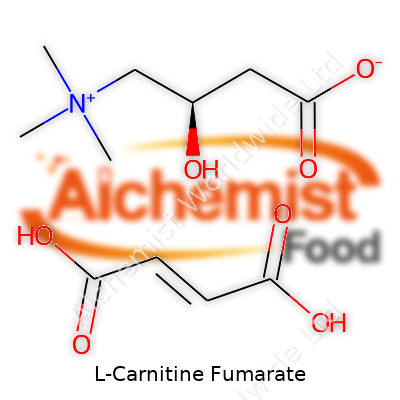
| Names | |
| Preferred IUPAC name | (3R)-3-hydroxy-4-(trimethylazaniumyl)butanoate;(E)-but-2-enedioic acid |
| Other names |
L-Carnitine fumaric acid Levocarnitine fumarate Carnitine fumarate |
| Pronunciation | /ɛl ˈkɑːr.nɪˌtiːn ˈfjuː.məˌreɪt/ |
| Preferred IUPAC name | (3R)-3-hydroxy-4-(trimethylazaniumyl)butanoate;(E)-but-2-enedioic acid |
| Other names |
L-Carnitine fumaric acid Levocarnitine fumarate |
| Pronunciation | /ˌɛlˈkɑːrnɪtiːn fjuːˈmɑːreɪt/ |
| Identifiers | |
| CAS Number | 90471-79-7 |
| Beilstein Reference | 1736029 |
| ChEBI | CHEBI:132246 |
| ChEMBL | CHEMBL74948 |
| ChemSpider | 10129540 |
| DrugBank | DB14919 |
| ECHA InfoCard | 100.233.499 |
| EC Number | E 366 |
| Gmelin Reference | 87755 |
| KEGG | C00489 |
| MeSH | D017327 |
| PubChem CID | 10393380 |
| RTECS number | GU7175000 |
| UNII | 423D2ES8PQ |
| UN number | Not regulated |
| CompTox Dashboard (EPA) | DTXSID8045543 |
| CAS Number | 90471-79-7 |
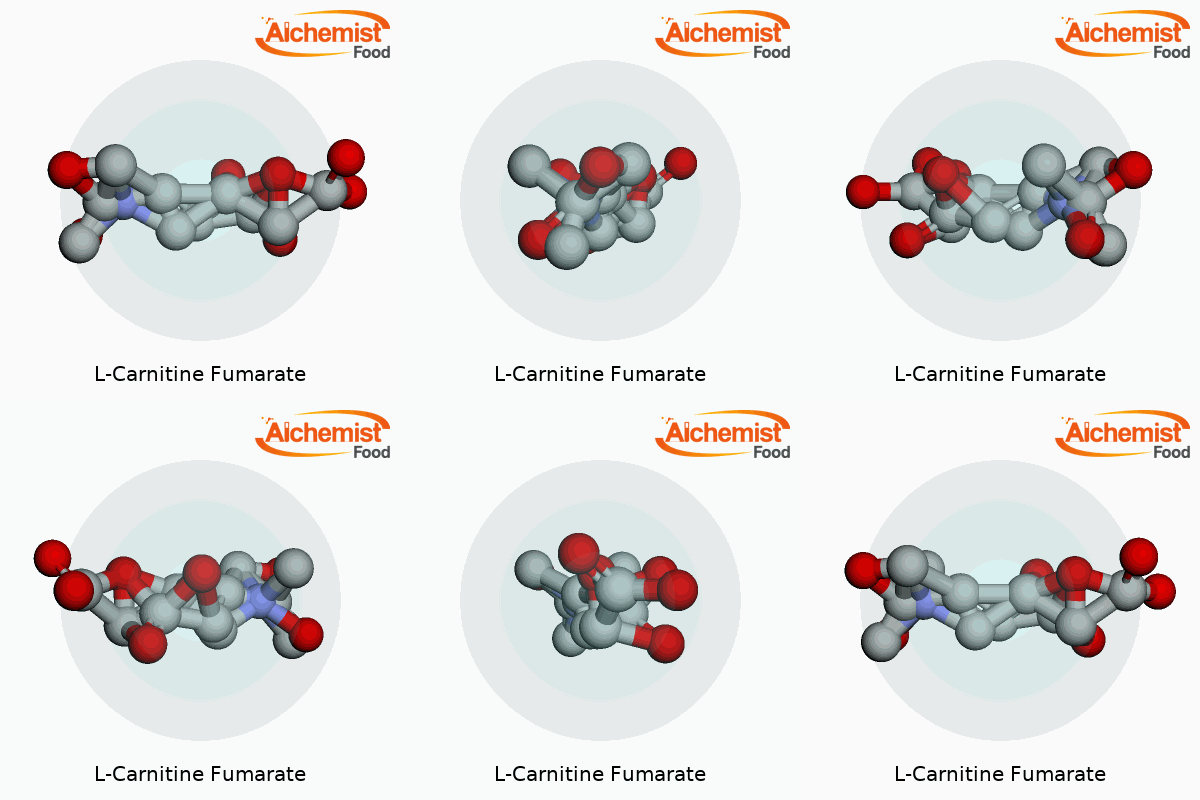
| 3D model (JSmol) | `/gomol?pdbid=l-carnitine%20fumarate` |
| Beilstein Reference | 1848214 |
| ChEBI | CHEBI:132153 |
| ChEMBL | CHEMBL: CHEMBL1273 |
| ChemSpider | 21710238 |
| DrugBank | DB01827 |
| ECHA InfoCard | ecNumber: 242-696-9 |
| EC Number | EC 3.1.1.32 |
| Gmelin Reference | 75435 |
| KEGG | C02571 |
| MeSH | D02BB01 |
| PubChem CID | 3034423 |
| RTECS number | GU9375000 |
| UNII | 50776B3N0G |
| UN number | Not regulated |
| CompTox Dashboard (EPA) | DTXSID3046256 |
| Properties | |
| Chemical formula | C8H15NO2·C4H4O4 |
| Molar mass | 372.30 g/mol |
| Appearance | White crystalline powder |
| Odor | Odorless |
| Density | Density: 0.6 g/cm³ |
| Solubility in water | Soluble in water |
| log P | -4.1 |
| Acidity (pKa) | pKa = 3.83 |
| Basicity (pKb) | 3.8 |
| Refractive index (nD) | 1.571 |
| Viscosity | Viscous liquid |
| Dipole moment | 5.94 D |
| Chemical formula | C10H20N2O6 |
| Molar mass | 388.50 g/mol |
| Appearance | White crystalline powder |
| Odor | Odorless |
| Density | 1.179 g/cm³ |
| Solubility in water | Soluble in water |
| log P | -4.2 |
| Acidity (pKa) | pKa = 3.8 |
| Basicity (pKb) | 5.4 |
| Magnetic susceptibility (χ) | -5.7×10⁻⁷ |
| Refractive index (nD) | 1.525 |
| Dipole moment | 4.02 D |
| Thermochemistry | |
| Std molar entropy (S⦵298) | 472.0 J·mol⁻¹·K⁻¹ |
| Std enthalpy of combustion (ΔcH⦵298) | -3530 kJ/mol |
| Std molar entropy (S⦵298) | 358.5 J·mol⁻¹·K⁻¹ |
| Std enthalpy of formation (ΔfH⦵298) | -1208.7 kJ/mol |
| Pharmacology | |
| ATC code | A16AA01 |
| ATC code | A16AA01 |
| Hazards | |
| Main hazards | Harmful if swallowed. Causes serious eye irritation. Causes skin irritation. |
| GHS labelling | GHS07, GHS08 |
| Pictograms | Vegan, Gluten-Free, Dairy-Free, Soy-Free, Non-GMO |
| Signal word | Warning |
| Hazard statements | H319: Causes serious eye irritation. |
| Precautionary statements | IF IN EYES: Rinse cautiously with water for several minutes. Remove contact lenses, if present and easy to do. Continue rinsing. If eye irritation persists: Get medical advice/attention. |
| NFPA 704 (fire diamond) | Health: 1, Flammability: 1, Instability: 0, Special: - |
| Lethal dose or concentration | LD50 (oral, rat): >5000 mg/kg |
| LD50 (median dose) | LD50 (oral, rat): >5,000 mg/kg |
| PEL (Permissible) | Not established |
| REL (Recommended) | 500-2000 mg/day |
| Main hazards | Harmful if swallowed. Causes serious eye irritation. Causes skin irritation. |
| GHS labelling | GHS07, Warning, H319, P264, P280, P305+P351+P338, P337+P313 |
| Signal word | Warning |
| Hazard statements | No hazard statements. |
| Precautionary statements | P264, P270, P273, P301+P312, P305+P351+P338, P501 |
| NFPA 704 (fire diamond) | Health: 1, Flammability: 1, Instability: 0, Special: - |
| Flash point | > 220 °C |
| Autoignition temperature | > 400 °C |
| Lethal dose or concentration | LD50 (oral, rat) > 5000 mg/kg |
| LD50 (median dose) | LD50 (median dose): Rat oral LD50 > 5000 mg/kg |
| NIOSH | Not listed |
| PEL (Permissible) | Not established |
| REL (Recommended) | 500 mg |
| IDLH (Immediate danger) | Not established |
| Related compounds | |
| Related compounds |
L-Carnitine Fumaric acid L-Carnitine Tartrate Acetyl-L-Carnitine Propionyl-L-Carnitine |
| Related compounds |
L-Carnitine Fumaric acid L-Carnitine tartrate L-Carnitine hydrochloride Acetyl-L-carnitine |



