L-Carnitine: An In-Depth Look from Story to Science
From Discovery to Industry
For over a century, L-Carnitine has grown from a scientific curiosity to a product found in health aisles and hospital charts. Researchers first identified this compound in the early 1900s, drawn from meat extracts and noticed for its role in muscle movement of beetles. Curious biochemists in the 1950s mapped L-Carnitine’s link with energy metabolism, loafing through stacks of animal studies and later human trials. The leap from lab bench to market shelves hit stride in the late 1970s, as supplement companies spun its reputation for fat metabolism into capsules and serums for athletes, bodybuilders, and those chasing metabolic health. Over time, L-Carnitine found endorsements both from the wellness community and sections of modern medicine focused on inherited metabolic conditions, cardiovascular health, and kidney disease.
Understanding What Sits in the Bottle
Today’s L-Carnitine comes in several forms: the simple base molecule, tartarate or fumarate-bound versions, and liquid solutions. At its core, L-Carnitine looks like a white crystalline powder, holding no flavor and dissolving cleanly in water. Chemically, it lands in the quaternary ammonium compound family and shares similarities with amino acids. Weight for weight, its chemical formula settles on C7H15NO3, and it proudly boasts a molecular mass of 161.2 g/mol. Walk into nutrition labs or pharmacies, you’ll spot labels that highlight its purity, shelf stability, and low moisture content, sometimes reaching a stated 98% or higher purity. Labels reflect these measurements side by side with warnings on storage, temperature ceiling, and expiry to protect product quality from light or humidity.
How It’s Made and How It’s Marked
Most large-scale L-Carnitine today comes from industrial fermentation. Producers turn sugars and nutrients over to specialized strains of bacteria—often in steel tanks running for days—letting nature’s enzyme-driven workhorses string together the essential backbone. Stirred reactors and carefully set pH curves avoid the headache of contamination or racemization, which would flip the molecule to its less useful D-form. Post-fermentation steps include extraction, purification over ion exchange resins, and spray drying for a fine powder. Each stage, from batch run to final jar, gets documented in technical sheets with reference to industry standards like USP or EP, batch number, and performance in chemical analysis: solubility tests, melting point (usually sitting snug at about 197°C), optical rotation, and loss on drying. In grocery stores and clinics, product names like Levocarnitine and Vitamin Bt often double as alternate signals for the same supplement.
Safety Calls and Handling Habits
Anyone who’s worked in a supplement facility or chemical plant knows there’s an art to balancing a product’s promise with regulatory guardrails. L-Carnitine rates as low toxicity through oral, dermal, or inhalation routes in animal studies, giving peace of mind to both factory crews and finished product users. Still, guidelines urge sensible storage at cool temperatures, dry spaces, and minimal light exposure. Material safety data sheets remind workers to wear gloves and, in larger spills, to use eye protection and ventilation. In line with food and pharmaceutical regulations, testing aflatoxin contamination, residual solvents, or microbe counts lay groundwork for both trust and compliance—especially because purity lapses carry risks for sensitive groups like infants or those on dialysis. Labels must spell out dosage, intended use, and warnings about self-prescription outside professional oversight.
Where L-Carnitine Works
Anyone in sports nutrition or hospital medicine can reel off a list of reasons for L-Carnitine use. Fitness enthusiasts lean on it to shave off body fat, sharpen recovery, or stretch endurance. Doctors target its metabolic punch for heart muscle diseases, certain forms of angina, or patients grafted onto long-term dialysis. In pediatrics, it shows up on prescriptions for inherited metabolic hits like primary carnitine deficiency. Animal feed makers add it to broiler diets and pet nutrition for growth and reproductive support, often backed by trials showing modest boosts to weight gain and reproductive traits. Beauty brands look for its involvement in fat cell metabolism and its fresh entries into skin cream formulas. The U.S. Food and Drug Administration and European regulators recognize most L-Carnitine products as safe, so long as they follow labeled dosage and purity standards.
Science, Toxicity, and the Fine Print
Researchers logged thousands of studies on oral L-Carnitine across human subjects and animal models. Doses ranging from 500 mg to several grams per day appear tolerated, though some individuals complain of mild stomach upset, nausea, or a telltale fishy breath after heavy supplementation. Poisoning is rare, mostly connected to sky-high intakes or impurities in illegally manufactured material. Large-scale toxicity reviews swing to the side of safety, citing a lack of mutagenic changes, poor accumulation in the body, and rapid kidney removal. Still, a small knot of debate centers on TMAO—a byproduct linked loosely with heart risk—produced after intestinal bacteria digest carnitine. Studies chase these worries, yet most doctors agree that normal dosing does not burden heart health in most healthy folks or risk-prone groups when moderate intake remains the rule.
What’s Next: Research and Horizons
Interest in L-Carnitine keeps growing, both for consumer markets and for clinics hungry for non-drug therapies. Scientists hope to use engineered microbes to ramp up purity and lower production costs. Interest runs high in tailoring derivatives for better absorption, less odor, or new health effects. Clinical teams push to see if L-Carnitine can slow frailty in aging, stave off nerve disease, or help with weight control. There’s movement in regenerative medicine too, with curiosity on whether L-Carnitine supports tissue healing or protects brain cells after trauma. Regulatory agencies keep a cautious eye on marketing claims, calling out unsupported promises, and demanding tougher post-market surveillance. Public interest will likely keep L-Carnitine’s place at the table—so long as researchers and producers keep addressing both benefits and boundaries in a changing landscape shaped by evidence, safety calls, and growing consumer demand.
What is L-Carnitine and what does it do?
Understanding L-Carnitine
L-Carnitine shows up on a lot of supplement labels, often in bold with promises about energy and fat loss. Common in energy drinks, workout powders, and even some “brain booster” capsules, L-Carnitine stands out because it comes from both the food we eat—especially red meat—and what our body produces. The body does a pretty impressive job making it from amino acids, as long as we’re eating enough protein and getting vitamins like C and B6.
What Does L-Carnitine Actually Do?
L-Carnitine helps shuttle fatty acids into the cell’s “power plants,” called mitochondria. That’s where fat turns into something useful: energy. Think of it as an airport shuttle driving passengers (fatty acids) to their gate (mitochondria) in time for take-off (energy production). Without enough, the process slows down and energy dips. People often notice this, especially during exercise or long days on their feet.
L-Carnitine and Exercise
Fitness enthusiasts see L-Carnitine as a way to get more out of a workout. The theory says—by moving more fat into the mitochondria, bodies burn more fat during exercise, possibly leading to a leaner body shape or extra endurance. Research has a mixed track record. Some studies suggest small boosts in performance, especially for people who are low in carnitine to begin with. Others find little difference. If someone eats a balanced diet heavy on meat, they probably have enough already. Vegetarians or older adults might be a different story, since body stores can dip with age or diet choices.
Potential Benefits Beyond the Gym
Doctors have quietly relied on L-Carnitine for decades to help with certain medical conditions. It’s prescribed to people whose bodies can’t make enough, often due to genetic issues or kidney disease. There’s evidence for its use in managing heart conditions—helping people who’ve had heart attacks, assisting with angina, and even easing symptoms of peripheral artery disease. Research continues into whether it helps with brain health, diabetes, and nerve pain, though results remain up in the air.
Real Risks and Everyday Use
Skepticism matters whenever a supplement hits health headlines. L-Carnitine mostly looks safe, especially in doses found in food. High-dose supplements or energy drinks with stacked ingredients change that story. People sometimes report nausea, stomach cramps, or a fishy body odor. There’s also mounting interest from researchers looking at gut bacteria: high L-Carnitine intake, especially from supplements, might raise certain compounds (TMAO) linked to heart disease. Scientists want longer and larger studies before calling it a real threat, but for some, moderation counts. Anyone with kidney problems, heart concerns, or a knack for supplements needs to talk it over with a medical professional.
Thinking About Supplement Choices
Supplements fill shelves and digital carts. Nutritional gaps happen, and sometimes health needs push a person toward L-Carnitine. For most, smart food choices—lean meats, dairy, beans—cover the basics. Experience tells me there’s always a current “miracle” compound, and what works for one body or lifestyle gets complicated quickly for someone else. Trustworthy advice, a bit of science, and attention to how your own body reacts often count for more than any flashy label or marketing pitch. If L-Carnitine has a place, it should fit into a larger plan built around real food, good sleep, and smart movement. That approach never goes out of style.
How should I take L-Carnitine for best results?
What L-Carnitine Brings to the Table
L-Carnitine pops up often in gyms and supplement shops. It’s a natural compound, shaped by the body from amino acids. Muscle cells depend on it to help move fatty acids into the cell’s “power plants” (mitochondria), where they get burned as energy. Many gravitate toward it hoping for fat burning, energy, or recovery benefits.
Not every supplement lives up to the online buzz. L-Carnitine does play a real biological role, but experience and research show that results hinge on how and why you take it. If you’re hoping to shed pounds, you’ll still need to follow sound nutrition and move often—you can’t swap lean protein and vegetables for a scoop of powder and expect transformation.
Forms and Absorption—How L-Carnitine Enters the Game
You’ll see L-Carnitine as pills, liquids, or powders. Acetyl-L-carnitine (ALCAR) slips into the brain better, while L-carnitine L-tartrate gets marketed to folks hitting the gym. For day-to-day endurance, research points more to standard L-carnitine.
Most studies recommend taking it close to or with a meal. It absorbs best when insulin levels rise, so sipping it with breakfast or lunch makes sense. If you’re swallowing it on an empty stomach, your body won’t take in as much. I’ve tried mixing it in smoothies, and the taste isn’t too strong if blended with fruit.
Who Really Benefits?
Endurance athletes tend to see more payoff. Some studies show cyclists and runners who take L-carnitine regularly can perform a bit longer before feeling “the wall.” For those eating mostly plants, supplementing gives an edge because red meat is the main dietary source.
On the other hand, if you eat plenty of beef or lamb, or you’re not training for endurance milestones, the impact shrinks. People managing certain health conditions—like some heart problems or genetic carnitine deficiencies—follow doctor’s guidance instead of self-dosing.
How Much and How Often Works Best
A typical dose for most adults falls between 1,000 and 2,000 mg per day. Taking more rarely brings greater results and may cause stomach trouble. Consistency matters more than high dosing—taking it daily for several weeks lines up with how it works in the body. Quick fixes don’t happen with this supplement.
Look for powders or capsules from companies who test their products for heavy metals and quality. Third-party testing gets top marks in my book. Some people experience fishy-smelling sweat, so sticking with clean brands reduces that risk.
What to Avoid—And What to Watch
Don’t count on L-carnitine for huge fat loss. Studies find effects are modest at best—diet and daily movement drive real change. Folks with epilepsy or thyroid conditions need to talk to their doctor before jumping in, as this supplement can interfere with medications. People on blood thinners or with kidney disease should be cautious due to interactions.
L-carnitine isn’t a cure-all. Used wisely, it might add a small boost for those who train hard, or those with dietary gaps. Reading research and staying realistic keeps expectations grounded and your health in the clear.
Are there any side effects of using L-Carnitine?
Getting to the Heart of Supplement Use
People chase boosts in energy and endurance, hoping supplements will fill the gaps in their busy lives. Walk through any gym and you’ll stumble on bottles of L-Carnitine, with fitness enthusiasts swearing by its benefits for fat burning and workout recovery. For those new to supplements, the draw seems magical. I remember popping those capsules in my twenties, eager to blast stubborn fat, thinking I’d found a shortcut. Yet, once the glow of the marketing faded, my body had its own messages.
What’s Really in That Capsule?
L-Carnitine comes from amino acids and helps the body turn fat into energy. Your liver and kidneys make small amounts, and you stock up more from red meat, dairy, and fish. The idea of getting a little extra from a pill might sound harmless. What most people don’t realize is, even a “natural” supplement brings unexpected changes, especially when you outpace what your organs want to process.
Side Effects: Not Just on Paper
Digestive upset ranks high on the list. A rough stomach, cramps, and diarrhea often visit people who start high doses, even if they never skimped on their diet. The body can rebel at sudden loads, as I’ve experienced. My morning routine would sometimes hit a snag, leaving me wondering if the supposed gains matched the discomfort. Science agrees: clinical studies key in on these symptoms at dosages above 3 grams a day.
Fishy smell tops user complaints, often joked about on fitness forums. Not much fun sitting through meetings worried about body odor. This happens from trimethylamine production after the body breaks down L-Carnitine. The detail rarely makes the supplement labels, but it’s no myth if you’ve been there.
Reports connect L-Carnitine with a rise in trimethylamine-N-oxide, or TMAO, in the blood. Why care? High TMAO levels turn up in research linked with heart disease risk. Nobody wants to trim a few pounds at the price of their heart health. Studies from places like the Cleveland Clinic back this up, so shrugging off these effects doesn’t cut it. It’s not just a statistic if you’ve lost relatives to heart trouble—these outcomes feel personal.
There’s also the question of seizures. People with seizure disorders find that L-Carnitine could push them toward more episodes. Doctors warn about this, and for good reason, personal safety comes first.
Who Should Think Twice?
Pregnant and breastfeeding women need caution. Kids shouldn’t use it haphazardly either. People with liver or kidney disease often face more risk than reward. If you’re juggling several meds, interactions creep up, sometimes leading to a spike in blood pressure or other complications nobody signs up for willingly.
Better Approaches and Real Solutions
Doctors and registered dietitians stress that most folks meet their needs through daily meals, not capsules. Think of a plate with lean meats, some dairy or legumes, and you likely hit the mark for L-Carnitine. For those chasing energy, regular sleep and balanced meals move the needle further than any supplement. If you feel stuck with low energy or slow recovery, real health checks uncover thyroid or anemia issues, rather than reaching for a quick fix.
Skepticism pays off with supplements like this. After all, there’s nothing wise about trading away long-term health for fleeting promises on a label.
Can L-Carnitine help with weight loss?
The Hype Behind the Supplement
Some folks look at L-carnitine like it’s a miracle supplement. Social media fitness pages love to show off bottles and promise trimming fat gets easier with a few daily capsules. I’ve heard friends talk about it at the gym, swapping stories about “boosting fat burning” with L-carnitine before a tough workout. With all this buzz, it’s easy to hope that just taking this supplement will help lose the stubborn pounds we struggle with.
What L-Carnitine Actually Does
L-carnitine’s main job in the body deals with moving fatty acids into cells so they can be burned for energy. Our bodies make this compound in the liver and kidneys using amino acids lysine and methionine. We also get some from eating meat and dairy. Research on rats made L-carnitine sound promising, leading to the wave of supplement brands touting it for fat loss. But our bodies work differently from a lab animal, and that matters.
I like diving into studies when I hear big claims. The best evidence comes from clinical trials, not just folks’ gym anecdotes. The consensus among experts, like those from the National Institutes of Health (NIH) and European Food Safety Authority (EFSA), says that L-carnitine supplements do not melt away fat for most healthy people. For someone with a rare deficiency or recovering from a tough illness, there might be medical reasons to take it. Most of us don’t have that problem. Our bodies tend to make exactly what we need from a balanced diet.
The Truth About Weight Loss Shortcuts
I know how tempting it sounds to grab the easier path, hoping a supplement can make results show up faster. I’ve worked with clients as a health coach who feel disappointed when the scale doesn’t budge after weeks of trying the latest pill. It’s a tough moment, but it’s also a wake-up call. No supplement replaces old-fashioned effort—nourishing food choices, daily activity, and enough sleep.
Studies on L-carnitine for weight loss in adults show small benefits, if any. One meta-analysis in Obesity Reviews (2020) looked at over a dozen trials. Average extra weight lost was less than two pounds after weeks or months, and the effects faded as soon as people stopped taking the supplement. That’s less weight than a hearty meal can add by the next day.
How to Support Real Results
If motivation drops from lack of obvious results, a supplement will not fix that for most folks. Relying on shortcuts often leads to frustration, not breakthrough. Instead, committing to regular activity and getting enough protein and veggies goes much further. For anyone set on trying something for an extra boost, investing in time with a registered dietitian or personal trainer usually brings better health than hoping for magic from a pill.
L-carnitine, like many supplements, often draws attention as another quick fix. Sticking with habits that bring steady progress and trusting in strategies backed by lots of real-world evidence matters most. Health comes from choices made every day, rarely from a single ingredient in a bottle.
Is L-Carnitine safe to use with other supplements?
The Big Question About Safety
L-Carnitine often pops up in the fitness world for its role in energy production and fat burning. Many people stack it with other supplements, chasing better focus, more power, or faster recovery. The question lingers: does combining L-Carnitine with other substances create safety risks?
Real-World Experience Meets Science
I started using supplements as a college athlete. I liked L-Carnitine for morning cardio, but I also tossed protein, creatine, and the usual multivitamin into my daily routine. At the same time, I wondered if all these pills and powders could clash. I looked for answers in research and turned to nutritionists who stressed the importance of paying attention to the body. Feeling off after starting a new combo usually signals a problem.
Blood pressure jumps, heart rate spikes, and digestive issues—all real side effects people notice when mixing supplements carelessly. L-Carnitine on its own rarely causes trouble at typical doses, but throw in other substances and things start to get complicated. Certain pre-workout supplements, for example, pile on caffeine and stimulants. Pair those with L-Carnitine and someone with heart concerns could run into issues. Research supports caution: some studies highlight the risk of gastrointestinal upset, and a few point to potential increases in atherosclerosis-related compounds like TMAO in heavy, long-term users. According to the National Institutes of Health, moderate use seems fine for most healthy adults, but combining supplements amps up unpredictable outcomes.
Interactions That Matter
Stacking L-Carnitine with creatine, BCAAs, or a basic multivitamin hasn’t shown widespread problems in studies or through years in sports nutrition circles. Still, stacking often brings a lot of overlapping ingredients. Popular pre-workouts contain vitamins, trace minerals, and amino acids alongside stimulants. If the same nutrients show up in multiple products, someone could stumble into vitamin or mineral overdoses. Yet, many casual supplement users skip over this detail and hope for the best.
For people dealing with medical conditions or taking medication, the landscape looks different. L-Carnitine can interact with certain thyroid drugs, anticoagulants, or medications for epilepsy. Here, mixing supplements goes beyond fitness and steps into the realm of drug-nutrient interactions, which might carry real risk. Health professionals and registered dietitians track patient supplement intake for this very reason, especially in hospital or rehabilitation settings.
Solutions and Smarter Choices
One answer is basic: read the labels, understand each product, and talk to a doctor or pharmacist before lining up a kitchen counter full of tubs and bottles. Keep doses reasonable. More never means better in this game. Ask professionals for advice when combining lesser-known supplements or if prescription drugs are in the mix.
Bloodwork and routine checkups help catch any problems early. Pay attention to signals from your own body—fatigue, headaches, or unexpected changes shouldn’t get ignored. For the average gym-goer with no underlying health concerns, sensible use keeps things simple and safe. Curiosity brings people into the world of supplements, but only self-awareness and real information keep them out of trouble.
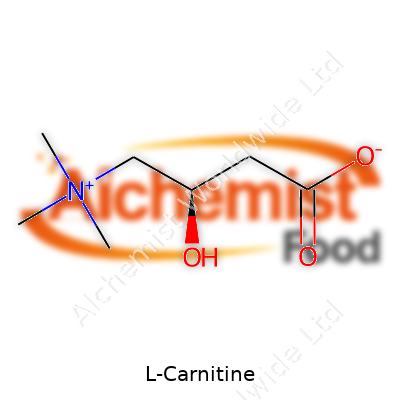
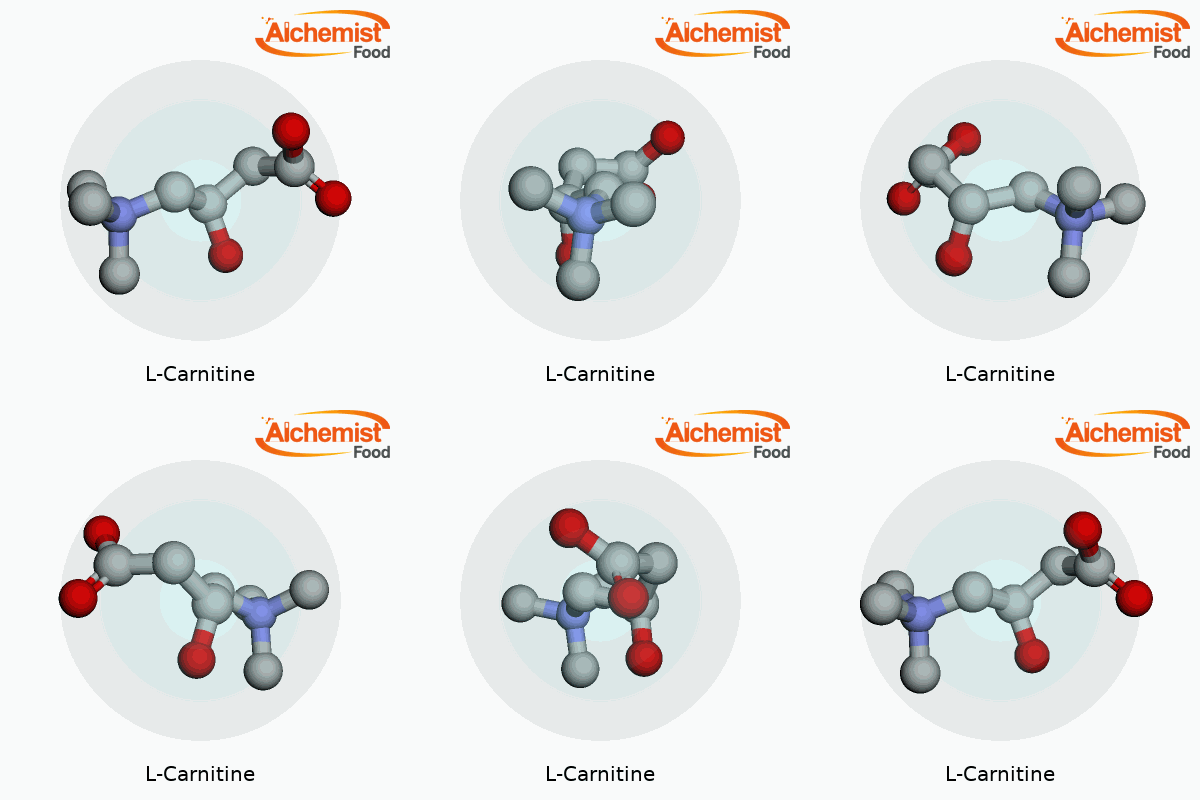
| Names | |
| Preferred IUPAC name | (3R)-3-hydroxy-4-(trimethylazaniumyl)butanoate |
| Other names |
Levocarnitine Carnitine Vitamin BT L-3-Hydroxytrimethylaminobutyric acid |
| Pronunciation | /el ˈkɑːr.nɪˌtiːn/ |
| Preferred IUPAC name | (3R)-3-hydroxy-4-(trimethylazaniumyl)butanoate |
| Other names |
Carnitine Levocarnitine Vitamin Bt L-Carnitina γ-Trimethylaminobutyric acid |
| Pronunciation | /ɛlˈkɑːrnɪtiːn/ |
| Identifiers | |
| CAS Number | 541-15-1 |
| Beilstein Reference | 1745134 |
| ChEBI | CHEBI:16045 |
| ChEMBL | CHEMBL1431 |
| ChemSpider | 5059 |
| DrugBank | DB00563 |
| ECHA InfoCard | 100.037.840 |
| EC Number | 1.1.1.108 |
| Gmelin Reference | 69594 |
| KEGG | C00318 |
| MeSH | D017325 |
| PubChem CID | L-Carnitine: 272 |
| RTECS number | OO7000000 |
| UNII | FBX650S0HS |
| UN number | UN2811 |
| CAS Number | 541-15-1 |
| Beilstein Reference | 1716117 |
| ChEBI | CHEBI:16045 |
| ChEMBL | CHEMBL1719 |
| ChemSpider | 5756 |
| DrugBank | DB00563 |
| ECHA InfoCard | 100.036.378 |
| EC Number | EC 3.1.1.108 |
| Gmelin Reference | 54811 |
| KEGG | C00318 |
| MeSH | D017639 |
| PubChem CID | 1080 |
| RTECS number | UU7875000 |
| UNII | GVC8M9C0GX |
| UN number | Not regulated |
| CompTox Dashboard (EPA) | urn:epa.compound:110-17-8 |
| Properties | |
| Chemical formula | C7H15NO3 |
| Molar mass | 161.2 g/mol |
| Appearance | L-Carnitine is typically a white, crystalline powder that is odorless and has a slightly bitter taste. |
| Odor | Characteristic |
| Density | 1.13 g/cm3 |
| Solubility in water | Very soluble |
| log P | -5.73 |
| Vapor pressure | Negligible |
| Acidity (pKa) | pKa = 3.81 |
| Basicity (pKb) | 5.66 |
| Magnetic susceptibility (χ) | Diamagnetic |
| Refractive index (nD) | 1.503 |
| Dipole moment | 7.2802 D |
| Chemical formula | C7H15NO3 |
| Molar mass | 161.2 g/mol |
| Appearance | Clear to white crystalline powder |
| Odor | Characteristic |
| Density | 1.13 g/cm3 |
| Solubility in water | Very soluble in water |
| log P | -5.56 |
| Acidity (pKa) | pKa = 3.8 |
| Basicity (pKb) | 5.09 |
| Magnetic susceptibility (χ) | -6.1×10⁻⁶ |
| Refractive index (nD) | 1.521 |
| Dipole moment | 6.22 D |
| Thermochemistry | |
| Std molar entropy (S⦵298) | 207.5 J·mol⁻¹·K⁻¹ |
| Std enthalpy of formation (ΔfH⦵298) | -699.0 kJ/mol |
| Std enthalpy of combustion (ΔcH⦵298) | -3874 kJ/mol |
| Std molar entropy (S⦵298) | 203.5 J·mol⁻¹·K⁻¹ |
| Std enthalpy of formation (ΔfH⦵298) | -699.8 kJ/mol |
| Std enthalpy of combustion (ΔcH⦵298) | -3770.8 kJ/mol |
| Pharmacology | |
| ATC code | A16AA01 |
| ATC code | A16AA01 |
| Hazards | |
| Main hazards | May cause gastrointestinal discomfort, nausea, vomiting, diarrhea, abdominal cramps, and rare cases of fishy body odor. |
| GHS labelling | GHS07, GHS08 |
| Pictograms | Lactose free, Gluten free, Vegan, Vegetarian |
| Signal word | Warning |
| Hazard statements | No hazard statements. |
| Precautionary statements | Food supplements should not be used as a substitute for a varied and balanced diet and a healthy lifestyle. Do not exceed the recommended daily dose. Keep out of reach of young children. Not recommended for children, pregnant or breastfeeding women. |
| NFPA 704 (fire diamond) | 0-1-0 |
| Flash point | > 77 °C |
| LD50 (median dose) | LD50 (oral, rat) >5000 mg/kg |
| PEL (Permissible) | Not established. |
| REL (Recommended) | 500–2,000 mg per day |
| IDLH (Immediate danger) | Not listed |
| Main hazards | May cause gastrointestinal discomfort, nausea, vomiting, diarrhea, muscle cramps, and in rare cases, may be associated with a fishy body odor or increased risk of seizures in predisposed individuals. |
| GHS labelling | GHS07, GHS08 |
| Pictograms | Vegan, Sugar-Free, Gluten-Free, Lactose-Free, Non-GMO |
| Signal word | Warning |
| Hazard statements | No hazard statements. |
| Precautionary statements | Keep out of reach of children. Consult your healthcare professional before use if you are pregnant, nursing, taking medication, or have a medical condition. Store in a cool, dry place. Do not use if seal is broken or missing. |
| NFPA 704 (fire diamond) | 1-0-0 |
| Flash point | Flash point: >100°C |
| Autoignition temperature | 400 °C (752 °F; 673 K) |
| Lethal dose or concentration | LD50 (oral, rat): > 5 g/kg |
| LD50 (median dose) | > 5 g/kg (oral, rat) |
| REL (Recommended) | 2 g/day |
| Related compounds | |
| Related compounds |
Acetylcarnitine Propionyl-L-carnitine Gamma-butyrobetaine Choline Betaine Trimethyllysine |
| Related compounds |
Acetylcarnitine Propionyl-L-carnitine Butyryl-L-carnitine Gamma-butyrobetaine Trimethyllysine |



