L-Arginine Hydrochloride: A Closer Look
Historical Development
Chemists first isolated arginine from lupine seedlings in the late 19th century. During those days, the field of amino acids was still young, and folks got pretty excited as new members of the family made their debut. What followed set up a foundation for modern nutritional science and laboratory medicine. Decades passed, and researchers pieced together its contributions to metabolic cycles. By the mid-20th century, arginine blended with hydrochloride caught the attention of both supplement formulators and drug manufacturers. Popular texts from those eras describe early purification methods and highlight how industrial use and demand grew with a better understanding of amino acid therapy.
Product Overview
L-Arginine Hydrochloride steps up as the hydrochloride salt form of arginine, a semi-essential amino acid. In this state, it dissolves better in water than the free base, which explains why so many oral and injectable products select the salt for delivery. Nutritional supplement companies stock it in powder, granule, or tablet form, each marketed with specific claims that often zero in on athletic performance, circulatory support, fertility, or growth. Hospital pharmacies lean on injectable forms, while researchers often reach for the crystalline material due to its reliability in assays and biochemical applications.
Physical & Chemical Properties
L-Arginine Hydrochloride usually turns up as a white crystalline powder, stable under ordinary conditions. The pure substance packs a faint odor and absorbs moisture readily. Its melting point falls around 222°C with decomposition, which is enough heat to break the bonds between its arginine core and hydrochloride. Solubility in water runs high, sitting at about 140 grams per 100 milliliters at room temperature. For pH, aqueous solutions lean acidic because of the extra chloride. People working with the substance catch on quickly to its taste—a bitter, salty kick that tends to mask well in strong flavors but stands out in unflavored mixes.
Technical Specifications & Labeling
Technical grade and pharmaceutical-grade material differ in limits for heavy metals, loss on drying, and total plate count. Pharmaceutical suppliers label compositions for both purity and enantiomeric excess, often quoting figures above 98.5% for the L-isomer. Nutritional supplement standards can slide more, but US and EU pharmacopeias demand detailed batch certifications. In practice, packaging displays recommended dosages, storage temperatures below 30°C, and warnings about keeping containers tightly sealed. Some countries require batch testing for prohibited impurities, which comes as a relief for those watching for unauthorized additives.
Preparation Method
Factories often start the commercial process using fermentation. Microbial strains known for churning out L-arginine feed off sugar substrates, and after broth completion, workers crash out arginine with acid, then blend it with hydrochloric acid to yield the hydrochloride salt. This route gives high yields and lets processors skip tricky resolution steps needed with racemic synthetic routes. After filtration and crystallization, the salt receives several rounds of purification—charcoal filtration, ion-exchange chromatography, and quick-dry techniques, especially for batches going to medical grade.
Chemical Reactions & Modifications
Lab chemists see L-Arginine Hydrochloride as a reliable starting point for modification. You can convert it to arginine esters or dial into peptide synthesis thanks to its protected guanidine group. The hydrochloride base resists mild hydrolysis but reacts under strong alkali. Scientists tracking nitric oxide pathways depend heavily on the reactivity of arginine’s guanidino group with nitric oxide synthase. This reaction paved much of the pathway for cardiovascular research, and later work introduced custom conjugates for both drug delivery and imaging.
Synonyms & Product Names
Beyond the standard “L-Arginine Hydrochloride,” product listings go by “L-Arginine HCl,” “2-Amino-5-guanidinovaleric acid hydrochloride,” or “Arg HC1 Powder.” In pharma texts, the INCI name appears as “Arginine Hydrochloride,” while chem suppliers reference CAS No. 1119-34-2. Store shelves sometimes use creative takes such as "Nitric Oxide Precursor Powder" or "Argi+ Strength Tabs," which reflect the marketing lean rather than scientific pedigree.
Safety & Operational Standards
Working with L-Arginine Hydrochloride rarely rings alarm bells, but factories and labs stick to gloves and dust control due to its mild irritant properties. In large doses, powder may lead to gastrointestinal upset or, less commonly, trigger headaches or mild hypotension in sensitive folks. Regulations demand warnings not to exceed recommended doses, especially when underlying cardiovascular disease or blood pressure instability exists. GMP standards instruct on individual lot tracking, micro testing, and thorough sanitation protocols for machines hitting contact surfaces. The substance is considered safe for food and pharma use, but safety data sheets do urge care over long-term storage, humidity, and accidental inhalation.
Application Area
Healthcare draws the biggest share, thanks to L-Arginine Hydrochloride’s profile as a nitric oxide precursor. Physicians sometimes prescribe it for rare metabolic errors, while supplement fans credit it for circulation and exercise benefits. Hospitals add it to parenteral nutrition formulas, especially where patients don’t get enough amino acids. The food industry taps the ingredient for flavoring agents and as an acidity regulator in specialty goods. Manufacturers in the cosmetic sector use trace levels in balms and creams for humectant or pH-modifying duty. In the testing lab, the salt serves as a standard for calibrating amino acid analysis or in enzyme reaction research, which seems to always stretch in new directions.
Research & Development
Research doesn’t slow down, not with new findings about cardiovascular health, immunity, and metabolic function showing up each month. Studies focus on how L-Arginine Hydrochloride fares in chronic disease settings such as hypertension, heart failure, and wound care. Published results sometimes reveal improvements in endothelial function, though outcomes depend a lot on starting health, age, and dose. Academic interest also covers cognitive effects, recovery after trauma, and reproductive health, drawn by arginine’s impact on hormone and growth factor release. In my own time following these studies, I see more researchers now considering how blends with citrulline or other amino acids might boost outcomes or reduce side effects.
Toxicity Research
Dosing plays the biggest role in toxicity questions. At ordinary dietary or supplement levels, studies paint a picture of solid safety, but high levels can unsettle the stomach or drive imbalances in potassium and other electrolytes. Researchers using animal models have also flagged changes to blood pressure and renal function in extreme cases. Anecdotal reports about asthma risk or herpes virus reactivation crop up in social media and rare case studies, but most clinical reviews find no widespread connection. Food safety authorities in Europe and North America both list L-Arginine Hydrochloride as safe when used as directed, underscoring the importance of label adherence and medical guidance for high-dose or clinical use.
Future Prospects
It looks like demand for L-Arginine Hydrochloride will push higher. More athletes and patients seek ways to support circulation, growth, or immune function, and doctors rely on its stability in nutrition protocols. Upcoming research targets not just cardiovascular health but also neuroprotection, kidney function, and aging. Companies keep working on forms with better palatability and longer shelf life. Regulatory agencies tighten standards, which pushes suppliers to refine trace impurity profiles and better genetic strain control for fermentation. As the science maps out more targets, collaboration between nutritionists, clinicians, and chemists promises a deeper understanding of this once-simple amino acid salt.
What are the benefits of L-Arginine Hydrochloride?
Understanding L-Arginine Hydrochloride
L-Arginine Hydrochloride shows up in a lot of nutritional conversations, especially among people interested in fitness, heart health, or just trying to keep their energy steady throughout the day. This amino acid isn’t just another supplement trend. It has honest, science-backed impact on the body.
Improving Blood Flow the Natural Way
Doctors and researchers often point to the way this amino acid helps the body produce nitric oxide. This gas widens blood vessels, which keeps blood moving smoothly. For anyone dealing with high blood pressure, or even the occasional cold hand or foot, better blood flow makes a difference. Researchers at the Mayo Clinic and the Cleveland Clinic both reference studies that show benefits here. I know folks who started using it under medical advice and felt an improvement in workouts and daily energy.
Boosting Athletic Performance
Athletes and gym regulars talk up L-Arginine Hydrochloride for a reason. The better your blood flows, the more oxygen your muscles can grab during tough workouts. I have seen runners and weight lifters swear they recover faster and push harder after adding this supplement, as their trainers or doctors suggested. A University of Exeter study in the Journal of Applied Physiology backs up these stories with real data. The main point: faster recovery and less fatigue during exercise.
Encouraging Heart Health
Each year, heart disease turns lives upside-down for millions. L-Arginine Hydrochloride isn’t a cure, but by helping keep blood vessels relaxed and flexible, it reduces the risk linked with high blood pressure and cholesterol. The American Heart Association mentions that supporting arteries can help keep blood pressure steady. Small steps count in this space. I have family members who take this supplement alongside their prescribed medication, and their doctors have seen small but promising improvements.
Helping Wound Healing and Immunity
Injuries and wounds take a real toll, especially for older adults or people with diabetes. Research in Clinical Nutrition found that patients using L-Arginine Hydrochloride supported collagen production, which speeds up recovery. Walking through a hospital after surgery, you see doctors paying extra attention to nutrition—including amino acids—to cut down complications. Anyone who’s dealt with slow healing knows even small improvements matter.
Potential Solutions and Practical Use
Using L-Arginine Hydrochloride isn’t a silver bullet. The risks and benefits rely on your personal health, and talking to a healthcare professional keeps things safe. Dose matters. Too much may cause upset stomach, or mess with other medications. Instead of grabbing every supplement in sight, aim for the balance: track your body’s response, check in with doctors regularly, and combine smart nutrition with movement. Some people might see better results from whole foods like turkey, nuts, or soybeans. Supplement companies need to keep transparency in labeling, so buyers know exactly what they’re getting.
Credibility Matters
Trust takes real-world evidence, not just claims. Look for medical reviews, real patient stories, and up-to-date research whenever thinking about supplements like L-Arginine Hydrochloride. Prioritize honest conversations with your healthcare team. In my experience, practical steps, clarity, and a team-based approach make the biggest difference for long-term health.
What is the recommended dosage for L-Arginine Hydrochloride?
Facts About L-Arginine Hydrochloride
L-Arginine Hydrochloride shows up on the supplement shelves for athletes, folks looking for a boost in blood flow, and sometimes those dealing with certain cardiovascular issues. It’s an amino acid, found naturally in food like meat, fish, dairy, nuts, and soy. Stories run wild about its value, but information about dosage can get confusing and sometimes a little too casual.
What The Research Says
Most research pins daily dosages anywhere from 3 grams to 8 grams, depending on the purpose. In clinical trials looking at blood pressure, doses landed around 6 grams per day, split into two or three portions. Some studies focusing on athletic performance tested with lower doses, starting at about 2 grams—though the upper limit jumped closer to 10 grams, sparking more digestive complaints along the way.
My own experiment with it started curious and cautious. After hearing a mix of faint praise and caution in my gym circle, I picked a moderate dose of 3 grams before workouts, hoping for a bit more stamina. I didn’t sprint faster, but muscles did feel pumpier. On workout forums and across dietitian blogs, most users and professionals echoed something similar: more isn’t always better. For most healthy adults, research rarely justifies doses higher than 9 grams daily, and gastrointestinal issues like bloating or loose bowel movements kick in before benefits climb much higher.
Who Shouldn’t Try High Dosages?
People who take blood pressure medication, those with kidney or liver issues or pregnant individuals shouldn’t add high amounts. The evidence linking very high doses to herpes outbreaks comes up now and then, because L-Arginine can encourage viral replication in people with recurring cold sores. It’s never been a one-size-fits-all fix, so doctors always urge anyone on prescribed medications or with complicated health conditions to talk to them first.
Why Getting It Right Matters
Supplements look safe, but the long-term data trails behind. By sticking with those 3 to 8 grams split across the day, side effects stay mild for most people. I’ve spoken with athletes who ramped up their intake and wound up regretting it in marathon bathroom sessions. The risk never outweighs the unproven benefit, especially since most healthy diets deliver at least a gram or two from regular meals anyway.
Some supplement makers push “pump” products with L-Arginine Hydrochloride blended in, promising a shortcut to bigger lifts or a healthier heart. Real transparency shows there’s no regulatory agency vetting labels for accuracy. Third-party testing companies like NSF or USP offer better peace of mind for anyone set on supplementing. In one study, the actual contents on some bottles didn’t match the ingredients at all.
Practical Advice and Smarter Solutions
Food offers a safe, predictable way to get essential amino acids, including arginine, especially with a balanced diet. Those determined to take supplements should start at the low end, paying attention to how their body responds and sticking to brands with third-party quality checks. Healthcare professionals have the full context for tailoring this advice, especially for people with underlying health problems or those already on medication.
Supplements won’t fix poor sleep, a weak diet, or skipping medical care. L-Arginine Hydrochloride can play a supporting role, but smart use—grounded in evidence—matters much more than a number on a label.
Are there any side effects of taking L-Arginine Hydrochloride?
What Draws Folks To L-Arginine?
You see L-Arginine jars lining the shelves at health stores. People take this amino acid hoping for better workouts, sharper focus, and stronger hearts. Some folks like me have been drawn in by stories at the gym or health blogs claiming serious muscle pumps or quicker recovery. There’s real science behind L-Arginine too—our bodies use it to make nitric oxide, a molecule that helps blood vessels relax. That’s why some doctors suggest it for heart health and some athletes swear by it.
The Side of the Story No One Likes To Talk About
Nothing comes without trade-offs. L-Arginine Hydrochloride could mean extra energy and better blood flow, but the ride often includes bumps. I’ve watched fitness friends talk excitedly one month, then quietly drop their supplement the next. The most common complaints circle around digestion. Stomach cramps, diarrhea, or nausea hit some people pretty soon after starting. Researchers estimate around 10% of users run into these problems, according to a study published in the International Journal of Sports Nutrition. These effects don’t sound glamorous and can drop motivation fast.
High doses seem to be the trouble spot. Studies suggest that doses above 9 grams per day make stomach pain much more likely. No one wants their pre-workout shake to turn into a long bathroom break. Sometimes, shaky blood sugar or headaches pop up, which makes this supplement a questionable choice when driving or working a physical job.
Who Should Keep Their Distance?
Not everyone should reach for this amino acid. Folks dealing with asthma could see symptoms flare up. People with herpes or cold sores need to be careful. L-Arginine can feed outbreaks because the virus craves it. If you take medications for blood pressure, there’s a bigger risk. This supplement pushes blood pressure lower, and too much of that can make you dizzy or faint. A clinical trial listed in the American Journal of Medicine found people on nitrates for heart trouble ended up in the ER after stacking L-Arginine without talking to their doctor.
Longevity, Safety, Decisions
Many people chase supplements hoping for shortcuts to better health. In truth, lifestyle always wins out over any pill or powder. If someone feels the urge to try L-Arginine Hydrochloride, checking in with a healthcare professional first makes a world of difference. Blood work and a full medical history reveal risk factors that a GNC cashier will never spot. It’s tempting to follow every gym trend. I've watched people recover faster with better sleep and nutrition, not larger doses of supplements.
Paying attention to side effects lets you catch small problems before they grow. Recording anything odd—headaches, gut issues, changes in mood—gives a doctor a clear path to help. Small, gradual changes always give better feedback than big leaps. The more folks talk honestly about these products with friends and doctors, the safer everyone ends up. Supplements have a place, but they never replace sleep, eating real food, and tuning in to your own body.
Can L-Arginine Hydrochloride be taken with other supplements or medications?
Understanding L-Arginine Hydrochloride in Daily Health
L-Arginine Hydrochloride often appears on supplement shelves with claims about boosting nitric oxide, supporting heart health, and powering up workouts. I’ve noticed more people around me picking up bottles of it, sometimes alongside stacks of other pills and powders. All these overlapping labels catch the eye, but most folks probably wonder if piling them up is a good idea—especially if they’re also relying on prescription medications.
Why L-Arginine Draws Attention
People seek out L-Arginine for a reason. This amino acid plays a role in making nitric oxide, which helps blood vessels relax and supports blood flow. Athletes and gym-goers often look at it as a way to get more out of each set. Some doctors suggest it for chest pain related to heart issues. L-Arginine Hydrochloride comes in because it’s easier for the body to absorb than plain L-Arginine.
Combining L-Arginine with Other Supplements
Mixing this supplement with others creates a bit of a tangle. Vitamins, minerals, amino acids—plenty of products on the market contain blends that feature L-Arginine alongside things like creatine, citrulline, or even magnesium. Taking them together doesn’t automatically mean trouble, but doubling up without reading labels wastes money or crowds the system with more than it needs.
Some combinations do cause problems. Citrulline and L-Arginine both affect nitric oxide. Too much can sometimes mean headaches or low blood pressure. I’ve seen people combining multiple "pre-workout" mixes only to end up dizzy. Before tossing a handful of capsules into a morning smoothie, a solid plan matters—a chat with a pharmacist or nutrition expert can clear up confusion about useful doses and whether they actually add up to more benefit.
Mixing L-Arginine with Prescription Medications
The bigger concern shows up with prescribed medicine. L-Arginine affects blood vessels, just like some medications. People taking blood pressure drugs, nitrates for chest pain, or even drugs for erectile dysfunction might see a stronger result than intended. The impact can show up as a rapid drop in blood pressure.
Blood thinners and diabetes medications also share a tight relationship with L-Arginine. Anyone on those kinds of prescriptions ought to bring supplements up with their doctor. A review published in “Drugs” reported interactions and side effects—headaches, stomach pain, and changes in potassium levels showed up in some clinical trials. The Food and Drug Administration hasn’t stamped these mixes with a guarantee, so making adjustments without professional advice doesn’t pay off.
Sorting Out the Best Plan
Health trends prompt a steady stream of new products each month, and it’s easy to fall for the idea that "stacking" leads to better results. Experience—both my own and what I’ve watched others go through—suggests that being open with a doctor about all supplements remains the smartest route. Honest conversations catch risks early. Many times, dietary tweaks or single-ingredient changes deliver the same impact without unknown side effects.
For those using L-Arginine Hydrochloride and other products together, a notebook can help—writing down what’s being taken (and any changes noticed) makes for better conversations in the clinic. Research and transparency matter more than novelty. Trust builds from sharing details, following clear science, and adjusting thoughtfully alongside a trained medical professional.
Who should avoid using L-Arginine Hydrochloride?
Straight Talk on Risks
L-Arginine, especially in its hydrochloride form, pops up all over supplement shelves. Athletes and bodybuilders reach for it hoping for that edge in muscle pump and recovery. People with circulation issues see the promise of better blood flow. It sounds like a good deal—more nitric oxide, better circulation, potential protection for the heart. It looks safe on the surface. Still, it’s not a one-size-fits-all supplement. There’s a good chunk of people who should stay clear or talk to a doctor before popping a capsule.
Heart Problems: Not Always a Friend
Heart disease sits at the top of the chart as the condition most folks think L-Arginine could help. The harsh reality: after a heart attack, it doesn’t seem to help recovery and, in sad cases, may worsen outcomes. In 2006, a study published in JAMA showed that patients recovering from a heart attack did worse on L-Arginine. Too much vasodilation can put extra stress on a heart that’s struggling. For folks with recent heart attacks or unstable angina, the smart move is to steer clear unless a doctor says otherwise.
Blood Pressure Medication Mix-Ups
L-Arginine lowers blood pressure by opening up blood vessels. Pairing it with prescription drugs like ACE inhibitors or nitrates can send blood pressure tumbling too fast. I’ve seen patients get faint or dizzy because they stacked supplements and medicine, trying to double-up on benefits. You’re better off focusing on either the drug or the supplement, under supervision, to avoid dangerous drops in blood pressure.
Herpes Simplex and Viral Issues
The herpes simplex virus uses arginine to reproduce. People with a history of cold sores or genital herpes often find their outbreaks get worse when they use supplements high in arginine. Lysine helps counteract this effect, but loading up on L-Arginine tips the balance in the wrong direction. My advice for anyone who struggles with herpes: avoid L-Arginine or at least watch closely for increased frequency or severity of outbreaks.
Kidney Problems: Strain and Risks
Your kidneys process amino acids like arginine. Anyone with chronic kidney disease or on dialysis faces extra stress if they use L-Arginine supplements. Too much can build up and mess with electrolyte balance. I’ve talked to nephrologists who see these complications in the lab results. A failing kidney shouldn’t take on extra work processing supplements. Always talk to a renal specialist before adding anything that could make matters worse.
Children, Pregnant Women, and Chronic Illness
No parent wants to take risks with a child’s growth or health, and safety data for L-Arginine remains thin for both kids and pregnant or breastfeeding women. Doctors stay cautious with good reason. The body’s chemistry changes fast in pregnancy, and growing kids need balance, not excess. Unless a healthcare provider specifically recommends it for a rare metabolic problem, supplements like these don’t belong in the routine for children or expectant mothers.
Practical Solutions for Safe Supplement Use
Getting caught up in supplement hype is easy these days. Before trying L-Arginine, think honestly about your own medical conditions, current medications, and risk factors. Talk openly with your healthcare provider and bring in research-backed evidence. Stick to recommended dosages, and always watch for side effects. Look for transparency from manufacturers—tested, third-party verified, clear dosing instructions. Most importantly, remember that no powder or pill can replace sleep, real food, and regular movement.
In the end, the right answer always depends on your unique health story. Better to ask questions early than deal with complications later.
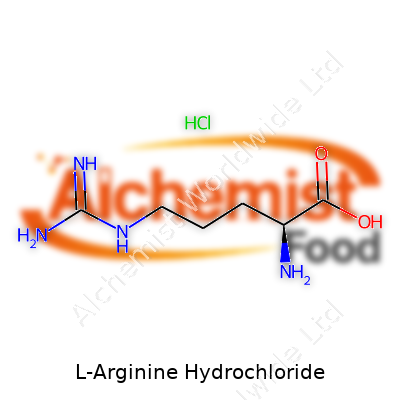
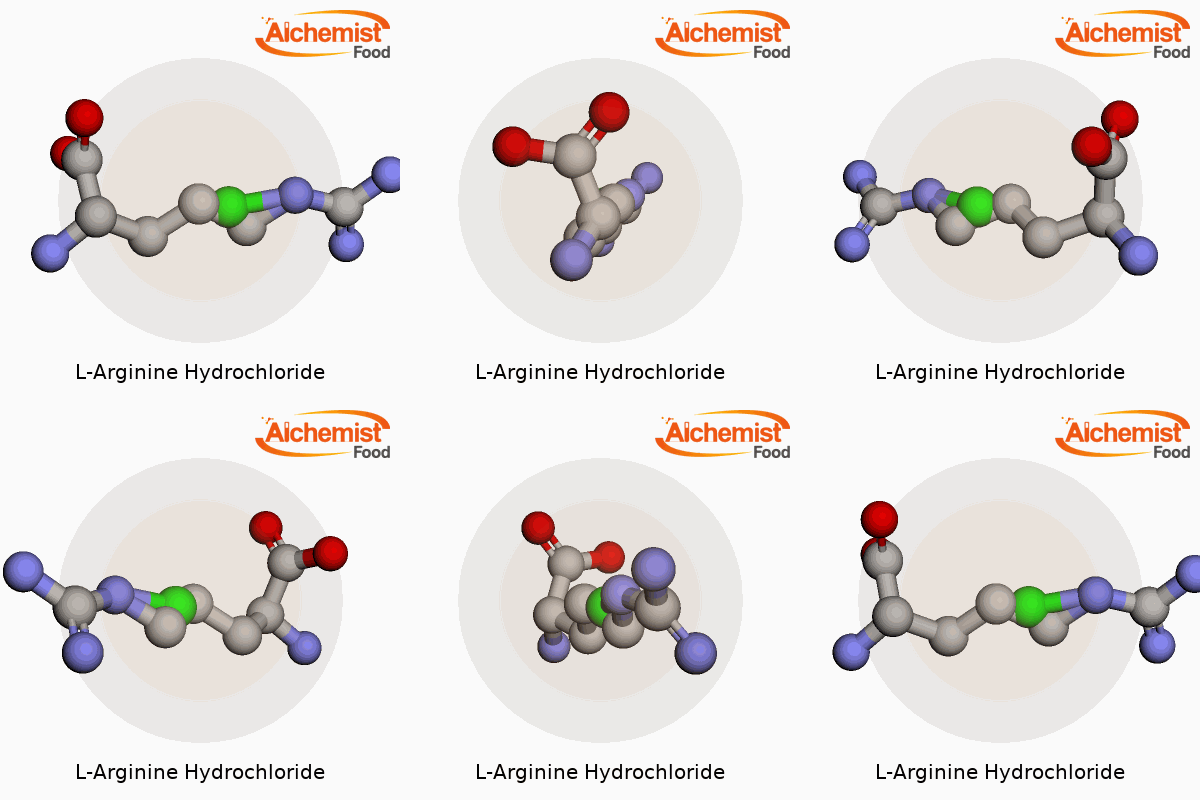
| Names | |
| Preferred IUPAC name | (2S)-2-amino-5-guanidinopentanoic acid;hydrochloride |
| Other names |
Arginine hydrochloride L-Arginine HCl 2-Amino-5-guanidinopentanoic acid hydrochloride L-Argininium chloride L-Arginine monohydrochloride |
| Pronunciation | /ɛl-ɑːˈdʒɪn.iː haɪˌdrɒk.ləˈraɪd/ |
| Preferred IUPAC name | (2S)-2-amino-5-guanidinopentanoic acid;hydrochloride |
| Other names |
L-Arginine HCl Arginine hydrochloride 2-Amino-5-guanidinopentanoic acid monohydrochloride Arginine monohydrochloride |
| Pronunciation | /ɛl-ɑːrˈdʒɪniːn haɪdrəˈklɔːraɪd/ |
| Identifiers | |
| CAS Number | 1119-34-2 |
| Beilstein Reference | 3569539 |
| ChEBI | CHEBI:44773 |
| ChEMBL | CHEMBL1201478 |
| ChemSpider | 70322 |
| DrugBank | DB00114 |
| ECHA InfoCard | ECHA InfoCard: 100.029.760 |
| EC Number | 211-539-9 |
| Gmelin Reference | 83784 |
| KEGG | C00062 |
| MeSH | D050591 |
| PubChem CID | 62693 |
| RTECS number | AS4375000 |
| UNII | 71GA618DNS |
| UN number | UN1759 |
| CAS Number | 1119-34-2 |
| Beilstein Reference | 3596808 |
| ChEBI | CHEBI:62973 |
| ChEMBL | CHEMBL17159 |
| ChemSpider | 168145 |
| DrugBank | DB00114 |
| ECHA InfoCard | 100.033.464 |
| EC Number | 211-539-9 |
| Gmelin Reference | 8415 |
| KEGG | C1827 |
| MeSH | D020139 |
| PubChem CID | 62698 |
| RTECS number | ASB9106010 |
| UNII | 68PDQ0N21J |
| UN number | UN1760 |
| CompTox Dashboard (EPA) | DTXSID2048637 |
| Properties | |
| Chemical formula | C6H15ClN4O2 |
| Molar mass | 210.66 g/mol |
| Appearance | White crystalline powder |
| Odor | odorless |
| Density | 1.36 g/cm3 |
| Solubility in water | Very soluble in water |
| log P | -4.04 |
| Vapor pressure | <0.01 mmHg (20°C) |
| Acidity (pKa) | 13.2 |
| Basicity (pKb) | 8.7 |
| Magnetic susceptibility (χ) | -41.5 × 10⁻⁶ cm³/mol |
| Refractive index (nD) | 1.635 |
| Viscosity | Viscosity: 2.37 cP (20°C, 20% in water) |
| Dipole moment | 3.06 D |
| Chemical formula | C6H15ClN4O2 |
| Molar mass | 210.66 g/mol |
| Appearance | White crystalline powder |
| Odor | Odorless |
| Density | 1.51 g/cm3 |
| Solubility in water | Very soluble in water |
| log P | -4.32 |
| Acidity (pKa) | 12.5 |
| Basicity (pKb) | 12.48 |
| Magnetic susceptibility (χ) | -20.7×10⁻⁶ cm³/mol |
| Refractive index (nD) | 1.631 |
| Dipole moment | 4.01 D |
| Thermochemistry | |
| Std molar entropy (S⦵298) | 210.6 J·K⁻¹·mol⁻¹ |
| Std enthalpy of formation (ΔfH⦵298) | -274.7 kJ/mol |
| Std enthalpy of combustion (ΔcH⦵298) | -2931 kJ/mol |
| Std molar entropy (S⦵298) | 150.7 J·mol⁻¹·K⁻¹ |
| Std enthalpy of formation (ΔfH⦵298) | -274.9 kJ/mol |
| Std enthalpy of combustion (ΔcH⦵298) | -2084 kJ/mol |
| Pharmacology | |
| ATC code | B05XA05 |
| ATC code | B05XA15 |
| Hazards | |
| Main hazards | May cause respiratory irritation. |
| GHS labelling | GHS07, GHS05 |
| Pictograms | GHS07 |
| Signal word | Warning |
| Hazard statements | Hazard statements: Causes serious eye irritation. |
| Precautionary statements | Keep container tightly closed. Store in a cool, dry place. Use personal protective equipment as required. Avoid breathing dust/fume/gas/mist/vapors/spray. Wash thoroughly after handling. Do not eat, drink or smoke when using this product. |
| NFPA 704 (fire diamond) | 1-0-0 |
| Flash point | > 203 °C |
| Autoignition temperature | 449 °C |
| Lethal dose or concentration | LD50 (Oral, Rat): 16,500 mg/kg |
| LD50 (median dose) | LD50 (median dose) of L-Arginine Hydrochloride: "10500 mg/kg (Rat, oral) |
| NIOSH | RN:40944 |
| PEL (Permissible) | PEL (Permissible Exposure Limit) for L-Arginine Hydrochloride: Not established |
| REL (Recommended) | 3 g |
| Main hazards | Harmful if swallowed. Causes serious eye irritation. |
| GHS labelling | GHS07, Exclamation mark |
| Pictograms | GHS07 |
| Signal word | Warning |
| Hazard statements | Hazard statements: May cause respiratory irritation. |
| Precautionary statements | Keep container tightly closed. Store in a cool, dry place. Avoid breathing dust. Wash thoroughly after handling. Use personal protective equipment as required. |
| NFPA 704 (fire diamond) | 1-0-0 |
| Autoignition temperature | 425 °C |
| Lethal dose or concentration | LD50 (oral, rat): 4710 mg/kg |
| LD50 (median dose) | LD50 (median dose) of L-Arginine Hydrochloride: 4.5 g/kg (oral, rat) |
| NIOSH | RN:627-77-0 |
| PEL (Permissible) | Not established |
| REL (Recommended) | 500 mg |
| IDLH (Immediate danger) | No IDLH established. |
| Related compounds | |
| Related compounds |
L-Arginine L-Arginine alpha-ketoglutarate L-Arginine aspartate L-Citrulline L-Ornithine L-Lysine D-Arginine Arginine ethyl ester Arginine nitrate Arginine sulfate |
| Related compounds |
Arginine L-Arginine Arginine alpha-ketoglutarate Arginine ethyl ester Arginine methyl ester L-Arginine aspartate L-Arginine malate L-Arginine pyroglutamate L-Arginine base |



