L-Arginine: A Deep Dive into Its Journey and Future
Historical Development
L-Arginine came into scientific focus in the late 19th century after chemists first isolated it from lupin seeds. Over the next few decades, researchers began mapping out its biological roles, learning that L-Arginine supported nitrogen balance in the body. A turning point arrived with the discovery that this amino acid is a precursor to nitric oxide—a molecule that governs blood flow, signals immune responses, and even shapes memory. By the 1980s and ‘90s, L-Arginine had gone from being a mere dietary building block to a compound at the center of heart health and metabolic research. The renewed attention allowed both the pharmaceutical and supplement industries to develop a wide spectrum of formulations, each targeting different health concerns from athletic performance to cardiovascular support.
Product Overview
Manufacturers usually present L-Arginine as a fine, white powder or as capsules and tablets for oral use. The supplement aisle features formulations tailored for athletes, heart health, and immune support. Besides dietary supplements, pharmaceutical-grade L-Arginine fills another niche, often used intravenously in hospital settings. In agriculture, it’s found in livestock feeds. The food industry uses it as a flavor enhancer and stabilizer, due to its unique taste and solubility properties, while cosmetic companies sometimes include it for moisturizing purposes.
Physical & Chemical Properties
L-Arginine bears the chemical formula C6H14N4O2 and stands out for its basic guanidino group. At room temperature, it appears as a crystalline, odorless solid. It dissolves easily in water but much less in alcohol, which shapes how it gets incorporated into solutions and mixtures. The melting point for pure L-Arginine is above 230°C, and its isoelectric point sits around 10.76—making it distinctly alkaline among amino acids. Because it can pick up and donate protons, it matters greatly in fermentation and protein science, and even more so in designing food and supplement blends that balance flavor and stability.
Technical Specifications & Labeling
Quality control depends on setting standards for purity, moisture content, and residual solvents. The United States Pharmacopeia (USP) and European Pharmacopoeia lay out detailed benchmarks—purity above 98.5%, strict limits for heavy metals, and transparency around allergens or source material like animal-derived substances. Labels should clear up whether the Arginine is L-form (bioactive in the body) or racemic, indicate batch number, expiration date, and mention whether vegan, allergen-free, or non-GMO status apply. Professional settings demand Certificates of Analysis with every batch, showing lab-verified data for compliance and safety.
Preparation Method
Two main approaches define modern L-Arginine manufacturing. The older route, extraction from animal proteins like gelatin or keratin, now sees less use thanks to dietary restrictions and contamination concerns. Fermentation has become the go-to process, employing genetically optimized strains of bacteria—often Corynebacterium glutamicum—to convert sugars into L-Arginine in stainless steel tanks. Downstream, the product undergoes filtration, crystallization, and drying. This microbial production enables high yields, keeps impurities down, and fits the demand for non-animal, sustainable sourcing.
Chemical Reactions & Modifications
L-Arginine stands out for its willingness to bond, thanks to its guanidino moiety. In biochemistry, it accepts methyl groups, turning into homoarginine or methylated Arginine variants. Enzymes in human cells can deaminate, oxidize, or acylate it, producing everything from nitric oxide to ornithine and urea. Industrial chemists sometimes tweak L-Arginine through acetylation, cyclization, or esterification, coming up with derivatives suited for extended-release drugs or for targeted action in cosmetic serums. These modifications open doors for patents and custom applications that simplify delivery or improve shelf life.
Synonyms & Product Names
Across packaging and research papers, L-Arginine might show up as 2-amino-5-guanidinopentanoic acid or simply “Arginine.” In the supplement world, folks run across names like “Arginine Hydrochloride” for the salt form or “L-Arg” as a shorthand for the L-enantiomer. Some brands call it “AjiPure” if made by Ajinomoto or “Pharma-Grade L-Arginine.” Each name fits different buyers—from nutritionists who want unambiguous labeling to athletes looking for familiar terms.
Safety & Operational Standards
Manufacturers, healthcare professionals, and regulators enforce strict rules around handling, purity, and dosing. L-Arginine generally has a strong safety profile, though overdosing can trigger gastrointestinal upsets, low blood pressure, or complications for people with herpes virus or those on particular heart medications. GMP certifications ensure factories monitor for microbial and chemical contamination. In clinical situations, pharmacists and physicians double-check dosing and renal function, as excessive intake sometimes loads the kidney with excess nitrogen. Transparent reporting, staff training, and regular audits keep workplace and consumer risk in check.
Application Area
Medicine turns to L-Arginine for managing chest pain, controlling high blood pressure in pregnancy, and supporting recovery from wounds and surgery. Its vasodilating action matters for athletes, who see it as a booster for muscle pump and endurance. In veterinary practice, it’s fed to livestock for growth and immune function. Food scientists turn to it not just for fortification but for keeping certain flavors round and palate-friendly. Skincare companies use it to replenish the skin’s moisture barrier, claiming it helps restore softness and pliability.
Research & Development
Scientists spend much of their effort studying L-Arginine as a nitric oxide precursor, which shapes blood vessel health, brain function, and even immune defense against pathogens. New research explores its impact on metabolic syndrome, diabetes, erectile dysfunction, and even dementia. Clinical trials often focus on how it can amplify the effect of other supplements or medications, or support post-exercise muscle recovery. Genetically engineered bacterial strains bring fermentation yields higher every year, cutting costs and environmental footprint. Computer modeling and analytics probe how small modifications affect both activity and absorption inside the body, pointing toward smarter, better-absorbing formulations.
Toxicity Research
Toxicologists haven’t found L-Arginine to be acutely poisonous, even at high doses in animal studies. Risks rise for certain groups—people with kidney or liver problems, or those prone to herpes outbreaks. Regular excessive supplement use sometimes upsets the balance of amino acids, taxing the urea cycle or disrupting electrolyte levels. Recent research warns against using it without medical advice during severe infections or recent heart attacks, as nitric oxide can worsen outcomes in certain conditions. These red flags make consumer education and professional oversight central to safe use.
Future Prospects
Interest in L-Arginine shows no signs of fading, thanks to new insights about cardiovascular health, metabolism, and aging. Fermentation-based synthesis methods keep getting more sustainable, while bioengineers tinker with even more efficient bacteria to keep up with surging global demand. Formulators in sports nutrition and functional foods experiment with novel delivery forms—sustained-release capsules, nanoemulsions, even topical gels. Researchers keep pursuing combinations with other nutrients, like citrulline or antioxidants, to magnify health benefits without triggering side effects. Personalized medicine hints at dosing strategies tailored by genetics, metabolism, and lifestyle, pushing the story of L-Arginine into the next generation.
What are the benefits of taking L-Arginine?
Supporting Heart Health Every Day
L-Arginine doesn’t always make headlines like some other supplements on the market, but people start to notice when it impacts something as significant as blood flow. In the body, L-Arginine converts to nitric oxide, which relaxes blood vessels. This is important for anyone watching their blood pressure. The American Heart Association highlights the value of healthy arteries, and L-Arginine plays a role here, facilitating smoother circulation in a way diet alone sometimes can’t manage. After increasing workouts, I felt my recovery improved—my muscles seemed to relax more, and minor aches faded out faster than before, likely thanks to better blood flow.
Boosting Physical Performance
Athletes and fitness fans often search for an edge that feels natural. L-Arginine lands in a lot of pre-workout formulas for good reason. Nitric oxide increases oxygen delivery and supports nutrient flow to muscles. In my own training, taking this supplement led to feeling more energized during longer sessions. This wasn’t some overnight miracle, but a gradual, steady shift—like finishing a run and still having fuel left. Studies, such as those in the International Journal of Sports Medicine, back up these observations by showing measurable gains in exercise tolerance and recovery time.
Better Sexual Health and Stamina
Discussions about sexual health don’t show up at most dinner tables, but there’s no use in dodging the truth. L-Arginine supports normal erectile function by improving blood flow in a natural way. Clinical research shares a steady drumbeat: higher nitric oxide equals better function, less frustration, and improved quality of life. For some couples—especially men facing age-related changes—a safe, non-prescription way to tackle this issue can transform confidence. As always, medical advice matters, especially if someone already uses medication for heart conditions.
Potential Metabolic Support
People fighting extra pounds or unstable blood sugar often hear about every supplement under the sun. Most are duds. L-Arginine, though, shows up in studies with some promising results. It assists insulin production and could support healthy metabolism. This isn’t a substitute for vegetables or regular walks, but combined with better habits, it may help tip the odds in favor of steady progress. Harvard Medical School researchers have shared reports suggesting improved glucose metabolism after regular supplementation.
Risks and Practical Guidance
No supplement deserves blind trust. L-Arginine can trigger side effects, including digestive issues and blood pressure shifts, especially in large doses. The Food and Drug Administration hasn’t approved it as a treatment for any disease, and results vary widely from person to person. Trusted healthcare professionals should guide any decision about adding it to a daily routine, particularly for people on medication or managing chronic conditions.
Making Informed Choices
Taking control of health means weighing real-life experience, evidence, and honest self-reflection. L-Arginine isn’t a universal solution, but it does carry meaningful benefits when used with care and understanding. By watching how my body responds and talking with a physician, I learned whether it earned a daily spot alongside my vitamins. Checking supplement quality and third-party testing marks is a smart step, too—when dealing with your own health, shortcuts rarely pay off.
How should L-Arginine be taken for best results?
L-Arginine, often claimed as a staple in pre-workout routines and heart health stacks, garners a lot of buzz for good reason. It's an amino acid that matters, especially for those interested in blood flow, gym gains, or overall vitality. But just grabbing a bottle and tossing capsules back with some juice isn't always enough. Results depend on how and when you use it, what you eat alongside it, and a touch of common sense.
The Basics of L-Arginine
Our bodies use L-Arginine to produce nitric oxide, a molecule that helps relax blood vessels. That’s why athletes and folks with cardiovascular concerns keep an eye on it. Better blood flow can back up exercise performance, support blood pressure, and help with muscle recovery. The key question is how to take it in a way that your body actually uses it, without it just ending up as a number on your supplement tracker.
Getting the Timing Right
Most people I know either pop L-Arginine in the early hours before they hit the gym, or they add it to a nighttime routine. Research points toward taking it before workouts—about 30 to 60 minutes out. That window means it’s in your system once you’re moving. On rest days or for folks using L-Arginine for blood pressure or general health, spreading doses out through the day can be smart. Taking too much at once often brings on stomach issues, and no one looks forward to that distraction at work or the gym.
Empty Stomach or With a Meal?
Absorption matters. Swallowing L-Arginine on a full stomach can blunt how much your body absorbs. Based on what we know, taking L-Arginine on a mostly empty stomach—maybe two hours after a meal—gets more of it into your bloodstream. Personally, putting it right after coffee and before breakfast has led to fewer gut grumbles and better results. If you have a sensitive stomach, splitting the dose into smaller amounts throughout the day can help you avoid side effects.
Dosing and Form
Most studies work with doses between 2 and 6 grams per day. Overdoing it won’t bring added benefits and ramps up the risk of cramps, diarrhea, and general stomach upset. Powder mixes easily into water, but capsules work if you’re not a fan of the taste. Consistency wins out over mega-dosing. Anyone new to L-Arginine might want to start at the lower end of that range and pay attention to how their body responds.
Pairing and Stacking
L-Citrulline often pairs well with L-Arginine. Citrulline changes into Arginine in the kidneys, and some research hints that this route leads to higher blood levels than Arginine alone. For those chasing bigger pumps or trying to manage blood pressure naturally, stacking the two might make sense. It’s always worth talking to a health professional before stacking or if mixing with prescription medications since L-Arginine can interact with blood pressure drugs or certain erectile dysfunction treatments.
What to Watch Out For
Not everyone should jump on the L-Arginine train. Folks with herpes virus outbreaks, cirrhosis, or pregnancy should steer clear unless a doctor gives the all-clear. Too much Arginine can trigger side effects, especially in people with kidney or liver issues. Anyone using blood-thinners needs to double-check safety since improved blood flow and medication side effects could combine in unpredictable ways.
L-Arginine works best with a clear plan, a focus on timing and dose, and honest conversations with your healthcare provider. Mixing intention with information leads to real results, in and out of the gym.
Are there any side effects or risks associated with L-Arginine?
Understanding the Real Deal with L-Arginine
L-Arginine turns up a lot in health circles. People take it for blood flow, gym performance, and heart support. The talk usually plays up its potential, but not everyone hears about the flipside—the risks and side effects that can surprise even the most careful supplement user.
Gut Reaction: What Happens in Daily Life
Stomach trouble stood out right away for me. People in my family tried L-Arginine after hearing it would help their circulation. Nausea, bloating, and loose stools came within days, which matched reports from the Mayo Clinic and Cleveland Clinic. These problems mostly popped up with higher doses, sometimes even messing up daily plans.
I remember once helping an older family member manage their supplement drawer, watching as L-Arginine’s supposed “natural” label led to blind trust. That experience really drilled home how many of us assume “natural” means risk-free. In fact, anything that tweaks how blood vessels work deserves close attention, especially for folks managing health conditions.
The Heart Angle and Blood Pressure Dips
This supplement acts as a precursor to nitric oxide, which relaxes blood vessels. Some athletes see it as a win for performance, but the story doesn’t end with gym results. Too much vessel relaxation can lower blood pressure fast, even dangerously so, if you’re already on medication for hypertension. Johns Hopkins Medicine points this out in their materials for cardiac patients. I’ve seen cases where mixing these types of products with prescribed pills led to lightheadedness or even falls.
Risks for Heart Disease and Herpes
Folks with previous heart attacks used to take L-Arginine hoping for vessel repair. Research published by the Journal of the American Medical Association tracked outcomes in heart attack survivors, and the data looked grim: death risk actually climbed for those taking L-Arginine. Unfortunately, supplement marketing rarely gives warnings this stark up front.
For anyone with a history of herpes outbreaks—cold sores or genital herpes—L-Arginine may stoke the fire. The amino acid helps the herpes virus build new proteins, making flare-ups more likely. Some dermatologists flag this right away.
Real-World Factors: Medications and Preexisting Conditions
Mixing L-Arginine with ED drugs, blood thinners, or blood pressure meds adds layers of risk. It can also interact with diabetes meds, pushing blood sugar out of a safe range. Friends and patients living with Crohn’s or asthma need to steer clear as well, since the supplement can trigger symptom flare-ups.
Trust, Oversight, and Smarter Choices
Supplements aren’t watched by the FDA the way prescriptions are. Doses vary, fillers sneak in, and content doesn’t always match the label. I’ve learned the hard way to question bold health claims and to ask my doctor, not the guy at the supplement shop.
Trust builds through open conversations between people and professionals. Sharing real stories, bringing the risks out from behind the “miracle” curtain, and talking over goals with medical teams can protect against nasty surprises. Good information and grounded conversations stand taller than any overhyped label or celebrity endorsement.
Can L-Arginine help with muscle growth or athletic performance?
The Hype Behind L-Arginine
Anyone who’s spent time in a gym or shopped for supplements knows the draw of products promising muscle growth and explosive strength. L-Arginine lands on many labels, promoted as the shortcut to better pumps and quicker gains. It’s an amino acid that helps the body make nitric oxide, linked to improved blood flow, so the pitch sounds simple—more blood, more muscles fed, more muscle grown.
What Science Actually Shows
Plenty of fitness ads feature impressive before-and-after shots with L-Arginine. But turning to peer-reviewed science tells a different story. Research shows that L-Arginine does increase nitric oxide levels in the blood. Some studies measured a minor uptick in endurance for elite athletes, but the gains are small—a few more reps here, a bit more oxygen uptake there. For the average weight lifter or runner, these changes barely make a dent.
Harvard Health and the Mayo Clinic both highlight that the benefits for muscle building just aren't there for most people. Studies with athletes often fail to show meaningful improvements in strength, muscle mass, or sprint times. Instead, the body seems to self-regulate, limiting the effect L-Arginine can actually achieve in muscle tissue. For most who eat a balanced diet, there’s already enough arginine floating around for normal function.
A Glimpse at Potential Risks
Supplements may look harmless in shiny jars, but overuse can trigger real problems. Some people end up with stomach pain, bloating, or even drops in blood pressure, especially at high doses. That risk jumps for anyone on heart medication or with certain health conditions. Natural dietary sources like turkey, seeds, nuts, and legumes cover most needs without the side effects.
Solutions Beyond the Supplement
People chase muscle growth through shortcut supplements, chasing a “magic pill” for quick progress. I’ve watched friends spend hard-earned cash on bottles, hoping their bench press will skyrocket. Once the novelty fades, most admit that gains come from the old standbys: consistent training, enough sleep, and real food. Study after study shows that resistance exercise triggers muscle growth far better than any pill. Stretching before lifting, dialing in workout form, and increasing intensity over time drive the best results.
Nobody likes to hear that there’s no overnight fix, but adding a scoop of L-Arginine usually won’t tip the scales. Instead, planning meals with enough lean protein and carbs gives the body raw material to recover and grow. Hydration and smart rest turn out to be much stronger allies for anyone serious about athletic performance.
What Matters Most for Muscle Growth
The supplement world keeps growing, and marketing works hard to convince us every blend offers the next step up. Looking back at my own training over the years, the biggest improvements always came after dialing in habits—showing up for regular sessions and keeping nutrition steady. Real progress comes from a combination of small, sustainable choices. L-Arginine alone doesn’t move the needle much, despite the hype. For long-term progress, a well-rounded plan wins every time.
References:- Harvard Health Publishing: “Amino acids and the athlete.”
- Mayo Clinic: “L-Arginine: Doesn’t live up to performance promises.”
- Journal of the International Society of Sports Nutrition: “Effects of L-Arginine supplementation on exercise performance.”
Is L-Arginine safe to use with other supplements or medications?
The Buzz Around L-Arginine
Walk into any health store, and you’ll see L-Arginine sitting on the shelf, right alongside protein powders and fish oil. Some folks grab it to boost athletic performance, others to support their heart or improve circulation. The interest isn’t misplaced—L-Arginine helps the body make nitric oxide, which widens blood vessels, a function at the core of many claimed benefits. But conversations rarely end on benefits. The real concern pops up once people consider stacking it with other supplements or medications. Is it safe?
What Matters with L-Arginine: Mixing and Matching
Health doesn’t hinge on magic pills. Mixing L-Arginine with other supplements can feel like throwing everything into a smoothie and hoping it works. Some combinations might help, while others stir up problems. For instance, taking L-Arginine alongside medications like nitrates (often prescribed for chest pain or heart issues) or drugs for erectile dysfunction can dangerously drop blood pressure. People who rely on blood pressure meds or even certain diuretics won’t want that kind of risk either. Don’t forget the interactions with blood thinners—this amino acid has been linked to a higher bleeding risk in some situations.
Sports supplements add complexity too. Energy-boosting pre-workouts or nitric oxide boosters often pile on ingredients like caffeine, citrulline, or taurine. Stacking these together with L-Arginine could overstimulate the cardiovascular system. Short-term, this means headaches, dizziness, or even heart palpitations. The hype may sound harmless, but the body rarely responds to heavy-handed combinations with a thank-you.
Real Stories in the Mix
I’ve seen friends and gym regulars dive headfirst into supplement stacks, sometimes chasing performance at the expense of sense. One friend mixed L-Arginine with his usual pre-workout, didn’t realize both churned out nitric oxide, and ended up light-headed and anxious mid-lift. Afterward, he read the fine print, talked to his doctor, and adjusted his plan. Learning by experience cost him a scary afternoon in the squat rack.
Doctors, pharmacists, and even some trainers see similar stories every week, especially as more people buy supplements online without much guidance. Research journals have documented cases of worsened asthma, lowered blood pressure, and interactions with statins. These aren’t theoretical risks—real people end up in emergency rooms after mixing supplements without understanding the science behind them.
Useful Facts and Smart Steps
Research has found that L-Arginine is generally safe for most healthy adults at moderate doses, usually up to six grams daily. Add more, or mix it with strong medications, and safety starts to wobble. For those with herpes infections, L-Arginine could trigger outbreaks. People with kidney or liver problems face greater risk because the body processes amino acids through these organs.
Trying to be healthy shouldn’t turn into a guessing game. The best way to include L-Arginine or any supplement is to talk things through with a healthcare professional. Take particular care if there’s a history of heart disease, high blood pressure, or chronic illness, or if you’re already on medications. Bring a full list of what you plan to take. Pharmacists can flag risky combinations. Reliable websites run by hospitals or universities offer well-researched advice, unlike quick tips on a fitness post.
Finding Balance
Supplements shouldn’t push health into the danger zone. Instead of stockpiling powders and pills, focus on understanding what each ingredient does. Find a comfortable routine, ask for advice, and pay attention to the body’s real-time signals. Informed choices keep benefits up front and risks in check.
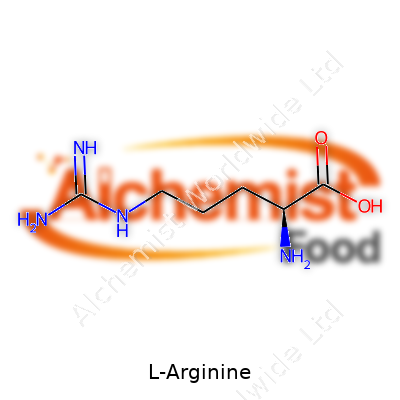
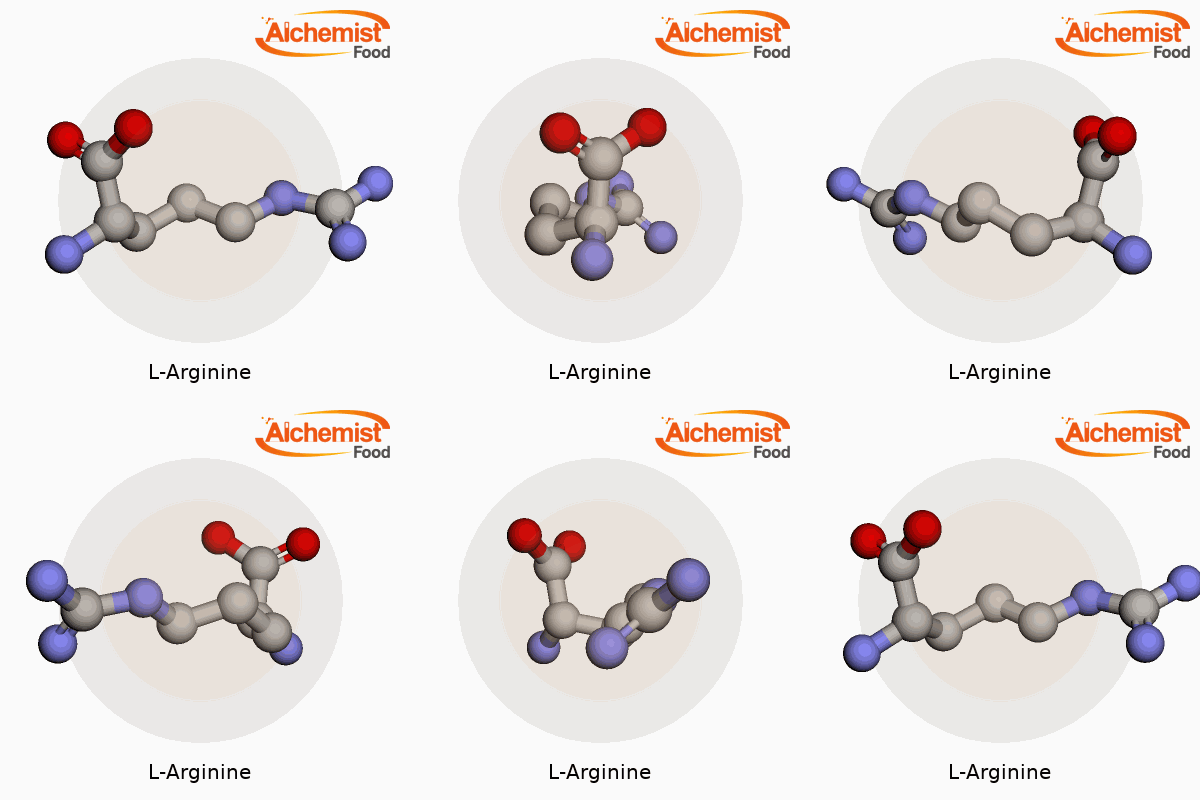
| Names | |
| Preferred IUPAC name | (2S)-2-amino-5-guanidinopentanoic acid |
| Other names |
2-Amino-5-guanidinopentanoic acid Arg Arginine |
| Pronunciation | /ˌɛl ɑːrˈdʒɪniːn/ |
| Preferred IUPAC name | (2S)-2-amino-5-guanidinopentanoic acid |
| Other names |
L-2-Amino-5-guanidinopentanoic acid Arginine Arg R |
| Pronunciation | /ˌɛl ɑːrˈdʒɪniːn/ |
| Identifiers | |
| CAS Number | 74-79-3 |
| 3D model (JSmol) | `3D model (JSmol)` string for **L-Arginine**: ``` CC(C(=O)O)N=C(N)N ``` *(This is the SMILES string representing the 3D structure for viewing in JSmol)* |
| Beilstein Reference | 1720807 |
| ChEBI | CHEBI:32682 |
| ChEMBL | CHEMBL1429 |
| ChemSpider | 497 |
| DrugBank | DB00114 |
| ECHA InfoCard | 03c22516-1205-4cb4-a3ce-3b9d7886989b |
| EC Number | 211-EXPECTED-9 |
| Gmelin Reference | 37721 |
| KEGG | C00062 |
| MeSH | D017382 |
| PubChem CID | 6262 |
| RTECS number | CFY4066000 |
| UNII | 81G40H8B0T |
| UN number | “UN2811” |
| CAS Number | 74-79-3 |
| Beilstein Reference | 3490866 |
| ChEBI | CHEBI:32682 |
| ChEMBL | CHEMBL amino acid identifier for L-Arginine is: CHEMBL1507 |
| ChemSpider | 826 |
| DrugBank | DB00114 |
| ECHA InfoCard | 100.086.247 |
| EC Number | 211-519-9 |
| Gmelin Reference | 82642 |
| KEGG | C00062 |
| MeSH | D009969 |
| PubChem CID | 6262 |
| RTECS number | AY1360000 |
| UNII | 81G40H8B27 |
| UN number | “UN1759” |
| Properties | |
| Chemical formula | C6H14N4O2 |
| Molar mass | 174.20 g/mol |
| Appearance | White crystalline powder |
| Odor | Odorless |
| Density | DENSITY: 1.261 g/cm³ |
| Solubility in water | Soluble in water |
| log P | -4.21 |
| Vapor pressure | Negligible |
| Acidity (pKa) | 12.5 |
| Basicity (pKb) | pKb: 4.10 |
| Magnetic susceptibility (χ) | -21.2 × 10⁻⁶ cm³/mol |
| Refractive index (nD) | 1.510 |
| Viscosity | Viscous liquid |
| Dipole moment | 4.07 D |
| Chemical formula | C6H14N4O2 |
| Molar mass | 174.20 g/mol |
| Appearance | White crystalline powder |
| Odor | Odorless |
| Density | 1.261 g/cm³ |
| Solubility in water | 146 g/L (20 °C) |
| log P | -4.06 |
| Acidity (pKa) | 12.48 |
| Basicity (pKb) | 8.75 |
| Magnetic susceptibility (χ) | -6.5×10⁻⁹ cm³/mol |
| Refractive index (nD) | 1.510 |
| Dipole moment | 9.2402 D |
| Thermochemistry | |
| Std molar entropy (S⦵298) | 283.6 J·mol⁻¹·K⁻¹ |
| Std enthalpy of formation (ΔfH⦵298) | -1176.3 kJ/mol |
| Std enthalpy of combustion (ΔcH⦵298) | -2742.9 kJ/mol |
| Std molar entropy (S⦵298) | 218.0 J·mol⁻¹·K⁻¹ |
| Std enthalpy of formation (ΔfH⦵298) | -1096.3 kJ/mol |
| Std enthalpy of combustion (ΔcH⦵298) | -3776 kJ/mol |
| Pharmacology | |
| ATC code | B06AX26 |
| ATC code | B06AX02 |
| Hazards | |
| Main hazards | Harmful if swallowed. Causes serious eye irritation. May cause respiratory irritation. |
| GHS labelling | GHS07 |
| Pictograms | GHS07 |
| Signal word | Warning |
| Hazard statements | H315: Causes skin irritation. H319: Causes serious eye irritation. H335: May cause respiratory irritation. |
| Precautionary statements | P102 Keep out of reach of children. P270 Do not eat, drink or smoke when using this product. P264 Wash hands thoroughly after handling. P301+P312 IF SWALLOWED: Call a POISON CENTER/doctor if you feel unwell. P330 Rinse mouth. |
| NFPA 704 (fire diamond) | 1-0-0 |
| Flash point | > 206.2 °C |
| Autoignition temperature | 466°C |
| Lethal dose or concentration | LD50 (oral, rat): 5110 mg/kg |
| LD50 (median dose) | LD50 (median dose) of L-Arginine: 15,700 mg/kg (oral, rat) |
| PEL (Permissible) | 3-6 g/day |
| REL (Recommended) | 3–6 g/day |
| IDLH (Immediate danger) | Not established |
| Main hazards | Harmful if swallowed. Causes serious eye irritation. May cause respiratory irritation. |
| GHS labelling | GHS02, GHS07 |
| Pictograms | GHS07 |
| Signal word | Warning |
| Hazard statements | H319: Causes serious eye irritation. |
| Precautionary statements | Keep out of reach of children. If pregnant or nursing, consult your health care provider before using this product. Store in a cool, dry place. Do not use if safety seal is broken or missing. |
| Flash point | 208.9 °C (407.9 °F; 482.0 K) |
| Autoignition temperature | 466°C |
| Lethal dose or concentration | LD50 (oral, rat): 15,900 mg/kg |
| LD50 (median dose) | LD50 (median dose): 3,900 mg/kg (oral, rat) |
| NIOSH | RN=74-79-3 |
| PEL (Permissible) | Not Established |
| REL (Recommended) | 3000–6000 mg per day |
| Related compounds | |
| Related compounds |
L-Ornithine L-Citrulline Agmatine Creatine L-Lysine L-Histidine L-Arginine hydrochloride L-Arginine alpha-ketoglutarate |
| Related compounds |
L-Citrulline L-Ornithine L-Lysine L-Glutamine Agmatine L-Histidine L-Arginine HCl L-Arginine Alpha-Ketoglutarate |



