L-Alanine: An In-Depth Look at a Small but Pivotal Amino Acid
Historical Development
L-Alanine has stood the test of time, finding its identity in the mid-19th century through isolation from silk fibroin. Pioneering biochemists recognized its fundamental presence in protein structure. Back in those early laboratories, scientists harnessed basic hydrolysis techniques and rudimentary crystallization skills to tease out L-Alanine, fueling curiosity about its role in nutrition and cellular function. Uncovering this amino acid opened doors to understanding protein biochemistry and forged a path for later discoveries into metabolic cycles, laying groundwork for not just nutritional science, but also analytical chemistry and industrial scale-up.
Product Overview
L-Alanine emerges as a non-essential amino acid building block in protein biosynthesis. It occupies a niche in supplements, food additives, and pharmaceutical preparations. Manufacturers tailor it in crystalline powder form, drawing on fermentation or enzymatic synthesis. Each sector values its solubility in water and stability under food-grade conditions, calling on it for applications spanning flavor enhancement, intravenous nutrition, and bodybuilding supplements. Product labels usually flag purity, grade, and batch details, with applications ranging from medical infusions to fortification in pre-packed snacks, highlighting a bridge between science and daily living.
Physical & Chemical Properties
L-Alanine appears as a white, odorless crystalline powder, slightly sweet on the palate. Its molecular formula—C3H7NO2—distills to essentials, boasting a molecular weight close to 89.1 g/mol. This amino acid dissolves readily in water and resists breakdown under standard lab temperatures. In solution, it holds a zwitterionic state, balancing acidic and basic functional groups around a central chiral carbon. Its melting point hovers around 297°C (with decomposition), and it maintains optical activity thanks to the L-configuration. These features promise reliable handling for formulation scientists and biochemists alike.
Technical Specifications & Labeling
Producers of L-Alanine follow established benchmarks to guarantee consistency—often referencing pharmacopeia like USP, EP, or JP when supplying to food or health fields. Typical specs include minimum purity (usually >98%), defined optical rotation, heavy metal limits, and moisture control. Labels embody traceability: identification codes, production date, expiration, storage cue, and usage warnings, reflecting regulatory requirements. Transparency in these records supports not just safety, but also economic trust between companies, distributors, and end-users. Many labs—my own included—appreciate this paper trail for rooting out supply chain hiccups or tracing back performance issues in blend formulations.
Preparation Method
Production routes for L-Alanine have evolved from animal hydrolysis to more refined and scalable approaches. Industrial firms now gather it mainly via fermentation, leveraging microbial strains engineered for high-yield conversion of glucose or other substrates. Bacterial cultures, such as Corynebacterium glutamicum, work under controlled pH and aerobic conditions, spinning out grams of product over hours to days. Enzymatic synthesis, using L-alanine dehydrogenase and pyruvate, offers another reliable route—particularly in pharma. Classic racemic synthesis finds less favor today, given regulatory and efficiency concerns. By scaling up these methods, manufacturers serve both bulk and specialty markets without steep sustainability trade-offs.
Chemical Reactions & Modifications
L-Alanine’s amino and carboxyl groups invite chemical derivatization. These features let it act as a ligand mediator in peptide synthesis and as a substrate for deamination in enzymology. In the building of peptides or polypeptides, L-Alanine’s methyl side chain offers stability without excessive steric hindrance—a godsend in organic chemistry. Preparation of derivatives—such as esters or amides—enables tailored solubility, bioavailability, or binding kinetics depending on application. Some modification techniques also allow radiolabeling or other tagging for research, making L-Alanine central to tracer studies of biochemical pathways in both plant and animal systems.
Synonyms & Product Names
Industry tags L-Alanine under several aliases: (S)-2-Aminopropanoic acid, 2-Aminopropionic acid, L-α-Alanine, and its related sodium or hydrochloride salts in specialized formulations. Product names in commerce—such as Alamin, L-Anin, or AL-Ala—usually reflect the final use case, whether in medical, food, or agricultural settings. These synonyms find their way onto chemistry registries, safety data sheets, and procurement catalogs, preventing confusion during global trade or multi-state regulatory submissions.
Safety & Operational Standards
Handling L-Alanine in the lab feels straightforward, yet standards matter. Food and pharma producers uphold cGMP protocols, ensuring cross-contamination, metal contamination, and allergen risk are kept to a minimum. Personal experience underscores the value of simple measures—gloves, eye protection, dust masks—to avoid ingestion or eye contact with fine powders. Regulatory frameworks, including FDA, EFSA, and JECFA, specify upper intake limits or purity standards for use in food and injectables, after reviewing toxicology data. Continuous operator training and batch-level traceability play vital roles in reducing workplace risk and consumer exposure.
Application Area
L-Alanine underpins broad uses. Hospitals rely on it in intravenous nutrient mixtures and oral rehydration solutions. Food technologists value it for its mild sweetness and umami enhancement, helping mask bitterness or rounding off processed food flavors. Sports nutrition brands roll out L-Alanine supplements with claims around muscle recovery and energy stabilization. Research labs apply it in standard curves, protein sequencing, and enzymatic assays. Animal feed manufacturers add it to boost growth or protein quality in livestock. Its versatility emerges in one story after another—from the compounding pharmacy technician mixing it in a custom blend, to the chef relying on flavor stability in a protein shake.
Research & Development
Research into L-Alanine never stands still. Scientists pick apart its metabolic roles in gluconeogenesis and nitrogen transport, exploring connections with conditions such as diabetes or hepatic coma. Medical research targets whether controlled dosing can improve recovery rates in patients with metabolic stress or trauma. Chemists move beyond classic applications, developing derivatives for improved delivery or specialized uses in biosensors. Each year, patent filings highlight process optimizations or novel formulations, signaling sustained investment. Open access journals track new findings about its influence on protein structure or cellular signaling, keeping curiosity burning far beyond just biochemistry lectures.
Toxicity Research
Researchers have put L-Alanine through the paces in toxicity screening, both acute and chronic. Studies in rodents and in vitro models stack up evidence: this amino acid poses low toxicity in standard doses, with no mutagenic or teratogenic effects at nutritional levels. That brings peace of mind in pharma or food, but regulators stress ongoing vigilance as novel delivery modes—like injectables or slow-release supplements—hit the market. High-dose trials monitor for potential kidney or hepatic stress, especially in vulnerable populations. Guidance from regulatory bodies aligns with a cautious but evidence-rich approach. Real-world cases of L-Alanine poisoning remain rare, echoing what bench scientists have long observed.
Future Prospects
As global markets seek clean-label and functional ingredients, L-Alanine’s future looks anything but static. Producers invest in eco-friendly, high-yield microbial strains and energy-efficient purification. New synthesis techniques and application research keep expanding its reach in clinical nutrition, sports health, plant-based foods, and smart pharmaceuticals. Research points to roles in targeted therapy delivery and metabolic disorder management, beyond its original nutritional profile. Academics and industry collaborate on pathways for upcycling agricultural byproducts, tying L-Alanine into the broader bio-economy. The appetite for safe, stable molecules in tomorrow’s food and health systems ensures demand—and innovation—remain robust.
What are the main health benefits of L-Alanine?
The Building Block for Everyday Energy
L-Alanine belongs on anyone’s list of useful nutrients. In my own journey to improve energy and focus, amino acids came up over and over. L-Alanine gets overlooked, yet it forms the backbone for how muscles fuel up—especially if you exercise or just try to keep your stamina up during a tough week. This amino acid plays a key role in helping the body convert simple sugars into usable energy. By supporting this sugar-to-energy pathway, L-Alanine assists the liver in managing blood glucose, a process that matters to people with diabetes, athletes, and anyone watching their health.
Tissue Repair and Muscle Recovery
In day-to-day life, muscles break down a bit from movement, work, or gym sessions. L-Alanine provides one of the necessary links for the body to repair minor muscle wear and tear. It shuttles nitrogen and carbon groups between tissues, which helps do everything from detoxifying built-up lactic acid to building new cells. I’ve noticed that after a heavy workout, adding high-protein foods rich in L-Alanine—like turkey, lean beef, or even plant-based proteins—helps speed up my recovery time. Less soreness and quicker bounce-back let me get through the next day in better shape.
Buffering the Effects of Stress
Mental strain reflects in the body, and here’s where L-Alanine shows another side. During long-term or high stress, muscles and organs start breaking down proteins to supply energy. L-Alanine gets released as part of this recycling. Supplementing or eating more foods with this amino acid helps protect muscles and supports the liver as it deals with byproducts of stress. Scientists have found that people under massive physical or mental pressure—think night shift workers or endurance athletes—often benefit from consistent, moderate L-Alanine intake.
Supporting the Immune System
L-Alanine plays an underappreciated role in immune support. Immune cells use it to multiply and fight off invaders. If you recover slowly from illnesses or want to shore up your defenses, L-Alanine offers a straightforward way to help. Studies have shown that it helps white blood cells flourish in the face of infection. Realistically, immunity draws on a balance of all amino acids, but L-Alanine holds a crucial spot because of the way it supports both energy generation and tissue repair.
Liver Health and Detoxification
The liver carries out heavy detox work. L-Alanine helps by transferring ammonia, produced when proteins break down, safely to the liver, where it gets changed into urea and leaves the body through urine. For folks taking lots of medication, exposed to pollution, or living with chronic health issues, this function means a lot. The body’s ability to clear toxins hinges on having enough amino acids, and L-Alanine fits right into that puzzle.
Practical Ways to Boost L-Alanine
Getting enough L-Alanine calls for either a balanced diet with high-quality protein sources or in some cases, a thoughtful supplement plan. Foods like eggs, dairy, beans, and meats provide natural options; supplements offer more targeted support. Anyone interested in adding L-Alanine should check with a healthcare professional—especially people with kidney issues or metabolic disorders. For most folks, bumping up dietary intake can make a real difference in energy levels, muscle repair, and resilience.
Is L-Alanine safe for daily supplementation?
What L-Alanine Means for Everyday Health
L-Alanine comes up often in wellness circles, especially among people who take fitness and nutrition seriously. It's one of the building blocks the body uses to create proteins. Anyone who eats enough protein through meat, beans, dairy, or certain grains gets a fair amount daily. Athletes and supplement companies pitch L-Alanine as helpful for energy and muscle performance, suggesting that adding more could boost workouts or recovery. But people want to know if it's actually a safe habit to get into every day.
What Does the Research Say?
Science has looked at L-Alanine mostly through studies about endurance, muscle metabolism, and blood sugar control. L-Alanine plays a role in the glucose-alanine cycle, where muscles release alanine, travel to the liver, and help create glucose. Bodies already do this naturally, especially during long workouts. Healthy adults who eat enough protein usually meet their needs. Studies suggest most people handle extra L-Alanine doses—up to a few grams daily—without serious side effects. At high levels, some people might notice digestive discomfort, like nausea or cramps, but these reports stay rare and mild.
The U.S. National Institutes of Health and European Food Safety Authority haven’t flagged L-Alanine as risky when taken through food or supplements within reasonable amounts. No official upper safety limit exists, which says a lot about its low risk among healthy people. Researchers still call for more long-term data before greenlighting large daily doses indefinitely, especially in children, pregnant women, or people with underlying health conditions.
Safety Factors Worth Considering
No supplement comes risk-free. L-Alanine usually blends safely into a diet, but it can put pressure on the kidneys when used in very high doses, particularly if kidney function stays below normal. Rare metabolic disorders, like alanine-glyoxylate aminotransferase deficiency (linked to kidney stones), make high L-Alanine intake risky. For people with diabetes, L-Alanine may influence blood sugar levels, making it smart to check in with a doctor before starting anything new.
Healthcare providers and registered dietitians note that most supplements aren’t strictly regulated. A person buying L-Alanine off the shelf might not get the purity or amount promised on the label. Contaminants happen, and they can cause bigger issues than the supplement itself. This lack of oversight means sticking to trusted brands and avoiding megadoses looks smarter every day.
Do Most People Need L-Alanine Supplements?
I’ve met many gym-goers—and the majority want to save money and skip unnecessary pills. L-Alanine doesn’t work like caffeine, creatine, or protein shakes, where clear benefits show up for certain goals. Some people with rare disorders could benefit, but the average person who eats a variety of foods reaches their body's needs without difficulty. Unless a doctor points out a specific deficiency or problem, most folks get more value by buying whole foods and focusing on balanced meals.
What Smarter Supplement Use Looks Like
If someone still wants to try L-Alanine, moderation goes a long way. Sticking to low doses, checking with a qualified healthcare provider, and reading labels from reputable companies offers some protections. Anyone with chronic medical conditions, young children, or those pregnant or breastfeeding need extra caution. Those with a history of kidney or liver issues should skip self-prescribing anything new.
L-Alanine counts as one more tool in the nutrition world, but it works best as part of a complete approach—good food, steady movement, and respect for honest medical advice. Supplements plug gaps, but they can’t stand in for smarter habits over weeks and years.
What is the recommended dosage for L-Alanine?
Looking at L-Alanine’s Role
L-Alanine gets plenty of attention in supplement guides and fitness forums. People talk it up for improving energy and helping muscles recover after hard workouts. Behind the scenes, L-Alanine works as a building block for protein. It also helps the liver turn sugar into clean energy. These are not minor processes—your muscles rely on these steps every single day.
What’s the Real Story with Dosage?
After digging through research, most clinical studies rarely settle on one-size-fits-all advice for L-Alanine supplementation. Unlike amino acids like BCAAs and glutamine, L-Alanine doesn’t feature in many high-quality human studies. Some athletes take 2 to 6 grams per day, split into two doses. For general well-being, there’s rarely a strong call for extra supplementation if someone’s eating a variety of protein sources and not pushing their body through extreme endurance events or strict diets.
Most diets built around lean meats, fish, eggs, beans, and dairy fill daily L-Alanine needs without extra help. The body covers its bases, producing L-Alanine as needed. This is not some rare amino acid—your muscles supply plenty during stress or exercise.
Safety and Long-Term Use
No one likes unpleasant surprises in their health routine. L-Alanine lands on GRAS (Generally Recognized As Safe) lists in the United States. Scientists over at the FDA reviewed the facts. No red flags popped up for toxicity or allergy risks at doses commonly seen in supplements. That said, chugging excessive amounts can overload the kidneys and might mess with blood sugar. In rare medical diets, such as protein restriction in kidney disease, a doctor might say skip extra L-Alanine.
Other amino acids got more attention for side effects. L-Alanine remains one of the more gentle entries in the supplement aisle. But it’s a mistake to think “more is always better.” No study proved any boost in energy or muscle preservation for healthy folks beyond what’s already in their diet.
Why Dosing Recommendations Still Matter
Doctors, dietitians, and fitness coaches get questions about supplements all day. People want to push harder, get leaner, feel sharper. L-Alanine looks harmless, but every supplement piles up on the liver and kidneys. Sticking to 2–6 grams for short periods—if a coach or dietitian gives the green light—seems safe for adults. Too much for too long, or mixing dozens of amino acid pills at once, just piles stress on the body.
Better Solutions for Boosting Amino Acid Intake
For most people, variety at the dinner table makes all the difference. Grilled chicken, tofu, eggs, lentils, even an occasional cheese plate keep muscle-building amino acids high and steady. Only in rare, grueling athletic conditions do people run low on L-Alanine from diet alone. Before reaching for yet another powder, double-check if food is already meeting those needs. If blood sugar control or any health concern lingers, talk it through with a healthcare provider who understands dietary supplements and real-world eating habits.
Are there any side effects of using L-Alanine?
Spotlight on L-Alanine
Walk into any supplement store and shelves overflow with amino acids, including L-Alanine. It’s one of those non-essential amino acids our bodies already produce, and it pops up in many protein powders and sports nutrition blends. Most folks take it for muscle health or extra energy, and it’s pitched as safe because we make it naturally. The big question remains: what happens with a scoop or capsule too many? Does it cause trouble for your body, or is it smooth sailing?
Everyday Experience with L-Alanine
Ask someone who hits the gym or follows a strict training routine, and they might mention trying amino acid supplements like L-Alanine. For years, I dabbled with these during marathon training seasons. No wild side effects jumped out, but sticking with common sense doses helped. Most stories from supplement users echo the same: stick to moderate doses, respect your body, and things usually go fine.
Potential Side Effects Worth Watching
Pop science forums and medical sites warn less about L-Alanine than other supplements. Still, take too much, and issues show up. Some users report mild stomach upset, headaches, or tingling in their hands or feet. At higher doses, there’s a possibility for a dip in blood sugar. For folks with diabetes or certain metabolic disorders, an extra jolt of L-Alanine could throw off glucose balance. That’s not something to treat lightly.
Digging into the Science
PubMed and other research platforms show studies with few consistent complaints about side effects in healthy adults. No supplement goes under the radar, though. Studies show that flooding your system with any one amino acid might affect the balance or absorption of others. The FDA and health authorities call for careful use, pointing out that just because something is natural doesn’t give it a free pass.
Why the Details Matter
Many people equate “natural” with “safe,” thinking anything the body already makes must be okay in larger doses. But experience tells a different story. For instance, boosting just one amino acid—without balancing nutrients—risks digestive issues or, in rare cases, kidney strain. People with certain health conditions need to tread carefully with any new supplement.
Keeping Things Safe and Simple
Healthcare pros always recommend talking with a doctor before starting anything new, especially if you already take medications or have a medical condition. For folks using protein supplements, checking the ingredient list for hidden L-Alanine helps avoid accidental high intake. The data and experience both suggest that moderate, responsible use is key to avoiding problems.
Better Ways Forward
More research on L-Alanine would help clear up long-term safety questions. Transparency from supplement brands makes a difference—clear labeling, straightforward information, and no overblown claims. Healthier habits start with informed choices, so discussing changes with your provider always pays off.
Taking cues from both science and everyday experience helps people enjoy the benefits of L-Alanine without losing sight of potential risks. Personalizing your approach while respecting your body and staying curious about the science behind supplements offers the best way to make safe, effective choices.
Can L-Alanine be taken with other amino acids or supplements?
Practical Insights on Everyday Supplement Stacking
Amino acids have become a staple in gym bags and kitchen cabinets, earning a reputation as building blocks for more than protein shakes. L-Alanine, often overshadowed by heavy hitters like leucine or glutamine, plays its role in glucose production and energy support, especially for athletes or those who go long hours without meals. The usual question pops up: “Can I take L-Alanine with other amino acids or supplements?” After spending years juggling workout routines and recovery meals, I've learned a few things the hard way.
L-Alanine Mixes Well in Most Routines
From a nutritional perspective, L-Alanine doesn’t compete with other standard amino acids or cause any turf war in your system. In fact, the body treats hundreds of different amino acids daily, both from meals and supplements. L-Alanine serves as a key ingredient in the glucose-alanine cycle, helping transfer nitrogen and fuel to the liver, which supports blood sugar during extended exercise or fasting.
I’ve grouped L-Alanine with essential amino acid blends, BCAAs, and single-ingredient packets like glycine or lysine. There’s no magic trick in timing; most folks who stack these supplements target their use around workouts or meal gaps, hoping to support recovery and muscle retention.
No Major Red Flags, Just a Few Caveats
Healthy individuals don’t face risks mixing L-Alanine with other amino acids or standard supplements like creatine, magnesium, or electrolytes. Peer-reviewed research shows L-Alanine doesn’t constrict absorption or compete for transporters in a way that undermines its neighbors. It’s not like iron blocking calcium or zinc dominating copper—amino acids usually play well together unless folks go overboard.
Consuming extreme doses never brings better results. The FDA doesn’t regulate amino acid supplements as medicines, which leaves companies wide latitude on dosages. Most powders offer a couple of grams per serving, well beneath levels used in clinical trials looking at diabetes or liver disorders. Problems show up when users go far beyond label suggestions or treat bulk amino acids like candy. Irritated gut, headaches, or nausea remind us moderation always wins.
What Science and Personal Experience Teach Us
Years of lifting weights, running track, and working with clients taught me that stacking amino acids pays off most for folks active enough to wear out their muscle fuel day after day. For sedentary folks, focus shifts to whole food quality. Animal studies and limited human trials show L-Alanine can buffer fatigue and reduce muscle breakdown, yet its benefits multiply when blended into a balanced routine—protein-centered meals, enough sleep, and regular movement.
Evidence supports combining L-Alanine with BCAAs or glutamine for individuals who either fast, restrict calories, or need help preserving lean mass. This group should still check their full nutrition profile since overuse of single amino acids can nudge amino acid balance out of sync over long periods. Not every supplement works the same for every lifestyle or metabolism, and self-experimentation sometimes backfires.
Simple Steps for Smarter Supplementation
Smart supplementing starts with asking: what am I missing? Bloodwork from a doctor, not just a list from a social feed, can reveal what truly needs bolstering. Anyone juggling medications or managing kidney or liver conditions must talk with a clinician before stacking L-Alanine with anything else, since rare interactions sometimes pop up. For most others, a common-sense approach—read the label, start slow, track changes, and be honest about results—makes a real difference.
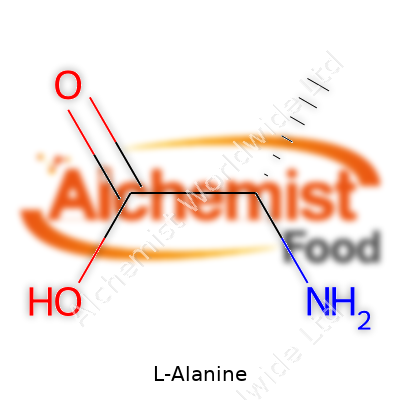
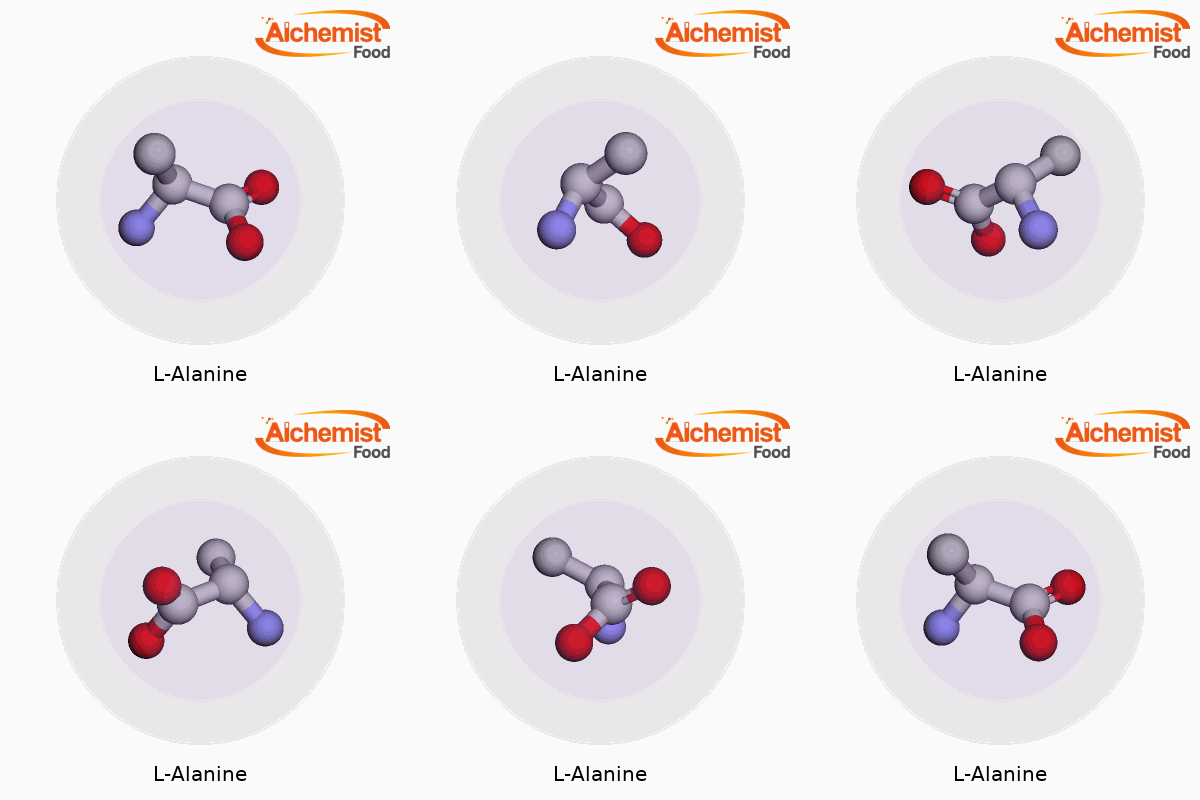
| Names | |
| Preferred IUPAC name | (2S)-2-aminopropanoic acid |
| Other names |
alpha-Alanine 2-Aminopropanoic acid Ala Aminopropionic acid |
| Pronunciation | /ˌɛl.əˈlæn.iːn/ |
| Preferred IUPAC name | (2S)-2-aminopropanoic acid |
| Other names |
Ala 2-Aminopropanoic acid α-Aminopropionic acid L-2-Aminopropanoic acid |
| Pronunciation | /ˌɛl.əˈlæn.iːn/ |
| Identifiers | |
| CAS Number | 56-41-7 |
| Beilstein Reference | 1718725 |
| ChEBI | CHEBI:16977 |
| ChEMBL | CHEMBL112 |
| ChemSpider | 595 |
| DrugBank | DB00160 |
| ECHA InfoCard | 100.039.355 |
| EC Number | 2.6.1.2 |
| Gmelin Reference | 5967 |
| KEGG | C00041 |
| MeSH | D008060 |
| PubChem CID | 5950 |
| RTECS number | AY2990000 |
| UNII | QI9Y7510AK |
| UN number | Not regulated |
| CAS Number | 56-41-7 |
| Beilstein Reference | 1718735 |
| ChEBI | CHEBI:5729 |
| ChEMBL | CHEMBL1224 |
| ChemSpider | 595 |
| DrugBank | DB00160 |
| ECHA InfoCard | 100.033.878 |
| EC Number | 2.6.1.2 |
| Gmelin Reference | 58218 |
| KEGG | C00041 |
| MeSH | D000686 |
| PubChem CID | 5950 |
| RTECS number | AY2990000 |
| UNII | 9DLQ4CIU6V |
| UN number | UN3335 |
| Properties | |
| Chemical formula | C3H7NO2 |
| Molar mass | 89.09 g/mol |
| Appearance | White crystalline powder |
| Odor | Odorless |
| Density | 1.432 g/cm³ |
| Solubility in water | 166 g/L (20 °C) |
| log P | -2.85 |
| Vapor pressure | <0.01 hPa at 20 °C |
| Acidity (pKa) | 2.34 |
| Basicity (pKb) | pKb = 3.70 |
| Magnetic susceptibility (χ) | -9.53×10⁻⁶ |
| Refractive index (nD) | 1.496 |
| Dipole moment | 1.35 D |
| Chemical formula | C3H7NO2 |
| Molar mass | 89.09 g/mol |
| Appearance | White crystalline powder |
| Odor | Odorless |
| Density | 1.424 g/cm3 |
| Solubility in water | 166 g/L (20 °C) |
| log P | -2.85 |
| Acidity (pKa) | 2.34 |
| Basicity (pKb) | 1.80 |
| Magnetic susceptibility (χ) | -14.2×10⁻⁶ cm³/mol |
| Refractive index (nD) | 1.498 |
| Dipole moment | 1.35 D |
| Thermochemistry | |
| Std molar entropy (S⦵298) | 86.99 J·mol⁻¹·K⁻¹ |
| Std enthalpy of formation (ΔfH⦵298) | −467.05 kJ/mol |
| Std enthalpy of combustion (ΔcH⦵298) | -1477 kJ/mol |
| Std molar entropy (S⦵298) | 86.90 J·mol⁻¹·K⁻¹ |
| Std enthalpy of formation (ΔfH⦵298) | -464.1 kJ/mol |
| Std enthalpy of combustion (ΔcH⦵298) | -1506.7 kJ/mol |
| Pharmacology | |
| ATC code | A16AA04 |
| ATC code | A16AA09 |
| Hazards | |
| Main hazards | May cause respiratory irritation. |
| GHS labelling | GHS07, Warning, H319 |
| Pictograms | GHS07 |
| Signal word | Warning |
| Hazard statements | No hazard statements. |
| Precautionary statements | P261, P305+P351+P338 |
| NFPA 704 (fire diamond) | 1-0-0 |
| Flash point | 97 °C |
| Autoignition temperature | 485 °C |
| Lethal dose or concentration | LD50 Rat oral 15,800 mg/kg |
| LD50 (median dose) | LD50 (median dose): Oral rat LD50 > 5110 mg/kg |
| NIOSH | BW6460000 |
| PEL (Permissible) | PEL: Not established |
| REL (Recommended) | 30 mg/kg bw |
| IDLH (Immediate danger) | No IDLH established |
| Main hazards | May cause irritation to the eyes, skin, and respiratory tract. |
| GHS labelling | GHS07 Warning |
| Pictograms | GHS07 |
| Signal word | Warning |
| Hazard statements | No hazard statements. |
| Precautionary statements | P264, P270, P301+P312, P330, P501 |
| NFPA 704 (fire diamond) | 1-0-0 |
| Flash point | 80 °C |
| Autoignition temperature | 460 °C |
| Lethal dose or concentration | LD50 Oral rat 15,800 mg/kg |
| LD50 (median dose) | LD50 (median dose): Oral rat LD50 = 15,800 mg/kg |
| NIOSH | SW1190000 |
| PEL (Permissible) | 10 mg/m3 |
| REL (Recommended) | 12.4 |
| IDLH (Immediate danger) | No IDLH established. |
| Related compounds | |
| Related compounds |
L-Valine L-Leucine L-Isoleucine L-Serine Glycine D-Alanine |
| Related compounds |
Alanine D-Alanine β-Alanine 2-Aminoisobutyric acid |



