Hydroxycitronellal: The Multi-Faceted Fragrance Ingredient
Historical Development
Hydroxycitronellal has journeyed from simple botanical extraction in perfumery’s early days to high-volume synthesis driven by advances in organic chemistry. Its story traces back to pioneers in fragrance and flavor science, who sought to model nature’s alluring notes for mass production. Perfume houses once depended on botanicals like citronella and lemongrass, but modern chemists fine-tuned the process, isolating and transforming constituents into Hydroxycitronellal by hydrogenating citronellal. This shift unlocked consistent quality, broader supply, and price stability. Over time, industry regulations and consumer preferences have shaped both process and purity, leading to the contemporary product that supports an enormous swath of personal care, household, and industrial applications.
Product Overview
Hydroxycitronellal fills an essential gap in the world of scents, lending a signature sweet floral and lightly green note that recalls lily of the valley and muguet. Its presence defines many classic perfumes but moves beyond luxury — it freshens soaps, personal hygiene goods, creams, and even air fresheners. It once gained a reputation as a workhorse in synthetic fragrances, cutting costs without sacrificing beloved aromatics. Industries rely on its relatively low odor threshold, which means a modest amount delivers a surprisingly intense impact, helping makers walk a thin line between cost efficiency and experience.
Physical & Chemical Properties
Hydroxycitronellal stands as a clear, faintly yellowish liquid at room temperature. A molecular formula of C10H20O3 and a molecular weight just under 190 unite with a boiling point above 230°C, high enough for stability but low enough for gentle evaporation on skin and surfaces. It dissolves easily in oils and alcohols, blending well into compatible matrices. Its refractive index provides a critical fingerprint for quality assurance in labs, while a density just a touch lighter than water influences both storage and handling. Small shifts in these values often point to impurities or adulteration, making property data not just theoretical but lucrative for quality controllers.
Technical Specifications & Labeling
Manufacturers don’t take shortcuts; international standards demand tight controls on purity, aldehydes, and trace byproducts. An assay above 95% purity isn’t a lofty goal — it’s the industry norm. Labeling isn’t just for legal tick-boxes: batch numbers, production dates, and hazard symbols matter greatly to downstream users counting on reliable, safe ingredients. Agencies like IFRA press for ever-greater transparency due to emerging research and rising allergy concerns. Producers lean on certified specifications not only for compliance but for winning contracts with big-name consumer brands. Digital traceability helps pinpoint lot variations, critical in safeguarding public health and upholding reputations.
Preparation Method
Most commercial Hydroxycitronellal emerges from the controlled hydrogenation of citronellal, a process that pairs heat, pressure, and nickel catalysts in an oxygen-minimized chamber. Few outside the specialty chemical world see the painstaking optimization needed to minimize unwanted byproducts — think oxides, dichlorides, or resinous masses. Each step, from feedstock blending to post-reaction neutralization and fractional distillation, gets meticulously monitored. Small adjustments at the bench level — catalyst surface area, hydrogen flow rates, or precise timing — spell the difference between clean, marketable fragrance and a compromised lot bound for rework or disposal.
Chemical Reactions & Modifications
Chemists don’t stop with bulk synthesis. They tweak Hydroxycitronellal through safe functionalization, such as selective oxidation or ester formation, to build more complex aroma molecules. These creative steps expand its use far beyond what nature could offer. Formulators often couple it with fixatives or antioxidants, spotting potential incompatibilities before mass rollout. It reacts mildly under normal conditions, but can engage with acids, bases, and strong oxidizers. Careful management prevents off-odors, discoloration, or loss of strength in finished products. Sometimes, blending partners undergo in-situ tweaks, such as timed acidification, deepening the final olfactory effect for end-users seeking signature scents.
Synonyms & Product Names
Naming matters for compliance and cross-border trade. Hydroxycitronellal appears on datasheets as 7-hydroxy-3,7-dimethyloctanal, alpha-Hexylidene glyceraldehyde, or even its older trade names, each tailored to regional chemistries or regulatory codes. In the EU’s reach database, these synonyms carry specific CAS numbers, ensuring suppliers and users speak the same chemical language. Even in consumer products, obscure labeling hides familiar ingredients, letting brands harness positive consumer experiences without triggering allergies or regulatory flags.
Safety & Operational Standards
Hydroxycitronellal keeps safety officers busy. It presents a mild skin and respiratory irritant hazard, spurring strict PPE rules in blending or packaging. MSDS sheets outline meticulous storage away from heat and incompatible chemicals. Spill kits and ventilation protocols come standard in plants that handle it — the cost and downtime from accidents often outweighs any initial shortcuts. Transport relies on UN codes, and regulatory bodies occasionally update reactivity warnings in response to new incident data. The increased scrutiny from green chemistry advocates pushes for ongoing audits, not just box-ticking.
Application Area
Hydroxycitronellal’s value comes from its flexibility. It sweetens soaps and bubble baths, sitting at the core of floral blends or bridging sharp aldehydes and musk notes into a smooth harmony. Air care manufacturers rely on its longevity, while cosmetic chemists use it to build top notes that fade into subtle undercurrents. Cleaning product innovators have also embraced it, making utilitarian spaces feel just a bit more welcoming. Some pharmaceutical topical creams sneak it in for a gentler scent profile, counting on its stability under a range of pH and heat conditions.
Research & Development
Companies pour effort into tweaking production to raise yields and reduce waste, often leveraging computational models and pilot plants. Recent work focuses on developing bio-based feedstocks to shrink the carbon footprint of upbeat scents, though technical hurdles remain in cost and scalability. Formulation scientists and toxicologists keep an eye on emerging data to extend its reach into stricter product claims, such as hypoallergenic lines and "clean beauty." R&D teams also experiment with encapsulation to deliver timed scent release, a game changer for laundry or ambient fragrance systems aiming for days, not hours, of persistence.
Toxicity Research
Concerns about sensitization gradually reshape where and how Hydroxycitronellal lands in consumer goods. Decades of patch tests, animal studies, and human trials offer a solid safety record—most users see minimal reaction at everyday doses. That said, tight usage caps apply in products for sensitive populations, echoing trends seen across other allergens. IFRA recommendations carry weight, often dictating allowable concentrations for global brands. Toxicologists tire of repeating basic findings, but regulatory updates hinge on ongoing vigilance, particularly as exposure patterns change with new delivery systems.
Future Prospects
Hydroxycitronellal’s future will likely pivot on sustainability and health trends. Demand surges globally, yet climate policy and natural resource constraints push all fragrance players toward greener production techniques and stricter disclosure. Some see an opportunity in redesigned catalytic pathways or fermentation-based processes — these might lower both environmental impact and cost, tilting the market in favor of innovators. At the same time, digital traceability provides more than a marketing edge; it arms the industry with real-time insights to catch contamination or drift in product performance. A deeper understanding of molecular allergenicity and metabolism may further refine usage guidelines, guiding both science and marketing. Expect Hydroxycitronellal to adapt, keeping one foot in traditional floral scents and another in the evolving world of responsible chemistry.
What is Hydroxycitronellal used for?
Fragrance That Runs Deep
Step into any cosmetics aisle and check the labels. Hydroxycitronellal pops up in perfumes, body lotions, and deodorants. It’s not a tongue-twister for nothing — this compound packs a sweet, floral scent, reminiscent of fresh-cut lemons and spring blossoms. Perfumers love it because a drop sparks a clean, dewy note that turns a basic soap into something you want to breathe in again and again.
Behind the Scenes in Personal Care
Most folks overlook how much effort goes into the scent of everyday products. Science backs this up: our brains link pleasant smells to comfort and cleanliness. Hydroxycitronellal delivers just that, creating instant appeal. After a long day, a splash of scented lotion or a wash with fragrant shower gel changes the mood. Brands use this effect to keep customers coming back for the same products year after year.
Making Cleaning Products Tolerable
Anybody who’s scrubbed a kitchen knows tough cleaners aren’t famous for their aroma. Adding this fragrance gives detergents and soaps a boost. The lemony, floral scent helps mask harsh chemical smells, making routine chores less of a trial. Products don’t just work better; they feel better to use.
The Allure in Fine Fragrance
Famous perfumes from Paris to New York often start with a base of hydroxycitronellal. Brands like Chanel and Dior rely on it for heart and mid-notes that linger, adding romantic, powdery texture between the zesty open and musky dry-down. Fragrance is less about the front label and more about these little bottle secrets.
Health and Allergy Concerns
No ingredient comes without trade-offs, and hydroxycitronellal draws attention from dermatologists and allergists. Some people break out in hives or develop itchy skin after using products containing this compound. Studies published in journals like “Contact Dermatitis” tracked skin reactions and flagged hydroxycitronellal as a common allergen in sensitive folks. Europe sets limits on how much can be used, underlining the need to balance luring scents with safety.
Transparency and Safer Choices
Consumers expect clarity about what goes into their products. Labels list hydroxycitronellal to help people make informed decisions, especially if they have a history of sensitivities. Dermatologist-backed brands often opt for fragrance-free lines or use lower concentrations to help high-risk groups avoid irritation. On the industry side, thorough safety testing and ongoing research track reactions and update best practices as new findings come out.
A Call for Responsible Formulation
Experienced formulators don’t just chase a pleasant aroma. They weigh safety data and public health studies when deciding what to blend in. Industry experts say the future lies in refining synthetic fragrances, improving allergen screening, and keeping consumers in the loop. Aromatic compounds like hydroxycitronellal will keep their spot in products, as long as companies listen to scientists and to those who use the products.
From spritzing perfume before a first date to washing up after a messy dinner, hydroxycitronellal adds a splash of bright, inviting scent. Its story isn’t just chemistry — it’s about how everyday experiences shape the products we trust, and how we push for safer, more enjoyable choices.
Is Hydroxycitronellal safe for skin?
The Ingredient Behind Fresh Scents
Hydroxycitronellal doesn’t show up on labels with big print but it’s usually hiding in that long list of ingredients in perfumes, lotions, and even laundry detergents. This chemical brings a sweet floral scent with a hint of lily. Perfumers have relied on it for decades to mimic the smells many people recognize from high-end cosmetics. Still, just because it smells good doesn’t mean it treats everyone’s skin equally.
Fact-Checking the Risks
The push for more natural and transparent beauty products opened up a tough conversation around synthetic fragrance ingredients. Hydroxycitronellal commonly triggers questions about skin sensitivity and allergic reactions. Scientific research — including studies from organizations like the European Commission’s Scientific Committee on Consumer Safety (SCCS) — shows it can cause allergic contact dermatitis, especially for people with sensitive or broken skin. Published data reveals Hydroxycitronellal ranks among the top 25 fragrance allergens in Europe, which deserves notice.
Personal experience matters too. After years in the skincare field, I’ve seen plenty of people develop red, itchy rashes where a new fragrance product touched their skin. Patch testing often points back to Hydroxycitronellal and other fragrance molecules. The numbers back that up. According to the North American Contact Dermatitis Group, fragrance mix sensitivity hits more than 10% of adults tested with suspected skin allergies.
Regulation Keeps the Door Partly Open
The European Union sets a limit: maximum concentration of 1% in leave-on products and 2.5% in rinse-off formulas. These numbers aren’t pulled from thin air — they come from detailed safety reviews. In the U.S., the Food and Drug Administration leaves more responsibility with companies, urging them to ensure ingredient safety but not enforcing specific concentration limits. This leaves some uncertainty for American consumers who have to trust manufacturer transparency.
One point many people miss: perfume allergens, including Hydroxycitronellal, don’t just come from “fake” synthetic sources. Nature packs similar structures in essential oils like citronella and lemon balm. People looking for “all-natural” alternatives won’t always dodge this allergen.
The Need for Patch Testing
Someone with a history of fragrance allergy can’t afford to play guessing games. Patch testing gives a clear answer before a product touches a bigger patch of skin. Dermatologists often suggest this step for those who notice persistent redness or sensitivity after using personal care products, especially on the neck, face, or hands. Avoiding risky ingredients only gets harder as companies widen the range of fragrances and trade names. Even products marketed as “fragrance-free” can slip in small amounts to mask other odors.
Paths Toward Safety and Transparency
Consumers deserve honest labeling. European regulations push companies to clearly list when Hydroxycitronellal appears in a product, but similar requirements remain spotty in other parts of the world. Full disclosure lets allergy-prone shoppers make safer choices. In my experience, customer trust always grows when companies explain why they use certain ingredients and post allergy information upfront.
Calling something “safe for skin” leaves out too much of the story. Skin safety depends on the individual, product concentration, how and where it’s applied, and a history of skin sensitivity. Hydroxycitronellal continues to give personal care brands a versatile scent tool, but for people prone to allergies, vigilance and honest labeling matter much more than a sweet-smelling promise.
Does Hydroxycitronellal cause allergies?
Why People Start Asking About Hydroxycitronellal
Walk into any beauty aisle and a stack of perfume bottles lines the shelves. Scan the ingredient lists and you’ll spot “hydroxycitronellal” on hair sprays, creams, even soaps. This little-known word actually matters if you care about how your skin reacts. I began noticing it after my teenager broke out in hives after trying a new scented lotion. Turns out, hydroxycitronellal isn’t just a random chemical; it’s one of the core ingredients responsible for that cooling, fresh, floral scent in so many personal care products.
Who Gets Affected
About 1% to 2% of people in Europe react to fragrances containing hydroxycitronellal based on data from dermatology clinics. Most never know its name—unless they’re unlucky, like my daughter, and see the swelling and redness firsthand. Hydroxycitronellal gets flagged as a known skin allergen in the EU and has to appear in the ingredients list if over certain amounts. Scientists classify it as a “contact allergen,” which means it may kick off an immune response after touching the skin. Typical signs: redness, itching, blisters or dry flaky patches—especially behind the knees, around the neck, or on wrists.
Why Companies Keep Using It
It’s easy to blame the companies, but the truth is, hydroxycitronellal brings a soft green note to fragrances and masks chemical odors in many everyday items. Companies want products to not just clean your skin or hair, but leave you wanting to sniff your wrist. Scented products bring back memories and trigger emotions—science calls this the Proust effect, and hydroxycitronellal helps nail it. Without it, many creams and sprays just feel less inviting.
The Science Behind the Sensitization
I dug into studies and learned that hydroxycitronellal can bond with skin proteins and create new structures the immune system sees as threats. The immune system doesn’t always start off reacting; sometimes, it takes months or years of repeated use. Once sensitized, a tiny dab can set off a full-blown rash. Patch tests remain the best tool doctors have to pinpoint this allergy in stubborn cases of eczema or dermatitis. A 2015 review from the Journal of the European Academy of Dermatology & Venereology highlights hydroxycitronellal among the top twenty fragrance allergens flagged by doctors in both office workers and salon professionals.
How to Handle Hydroxycitronellal Allergies
No one wants to walk around covered in hives. If you or your child finds irritation linked back to products with hydroxycitronellal, swap to “fragrance-free” or “hypoallergenic” versions. Double-check ingredient lists—hydroxycitronellal isn’t always obvious in natural-sounding aromas like “lily,” “muguet,” or “fresh spring.” If allergy symptoms won’t quit, an appointment with a dermatologist and a proper allergy panel makes a real difference. Many brands now offer alternatives using other ingredients or natural essential oils, but these bring their own allergy risks, too.
Looking Ahead
More regulations now force companies to identify potential fragrance allergens on packaging, yet consumers still wade through long chemical lists. Everything points to clearer labeling and more transparency around chemicals in everyday items. Trusting your own skin’s signals and responding quickly—rather than guessing—goes a long way. People deserve to feel safe, not just smell good, when using self-care items. That’s something everyone can get behind.
What products contain Hydroxycitronellal?
A Look at the Ingredient
Hydroxycitronellal pops up often as a fragrance ingredient. To people outside the world of cosmetics and cleaning aisles, the name doesn’t ring any bells, but honestly, it’s hiding in plain sight. I keep thinking about all the times I’d never even glanced at the back of a shampoo bottle or air freshener packaging, not realizing fragrances come from long lists of chemicals—this one included.
Personal Care Products
Shampoos, conditioners, and body washes often rely on Hydroxycitronellal for that sweet, floral scent. Even some natural products go for synthetic fragrances because they last longer and cost less. I remember checking a bottle of hand cream labeled “orchid” and finding Hydroxycitronellal listed right near the bottom. It gives that freshly-cut blossom smell, the kind that’s supposed to make daily routines a little more pleasant. Deodorants and lotions also tap into its ability to mask sweat and add a gentle perfumed note.
Household Cleaners
Stepping away from bathrooms, look under the sink where bottles of all-purpose cleaners, dish soaps, and laundry detergents live. Brands bank on fresh-smelling homes—Hydroxycitronellal is one reason so many surface sprays have a floral or citrus edge. Detergents stick with it, too. Evidence from ingredients lists shows up throughout top-selling laundry brands, promising that your sheets or shirts keep a light, spring-like aroma after every wash. Even floor cleaners throw it in, betting on the psychology of a house that smells “clean.”
Perfumes and Colognes
The most concentrated use happens in perfumes and colognes. Big-name fragrance houses describe Hydroxycitronellal as a backbone for “muguet”—that's lily of the valley. This molecule brings creamy, fresh, slightly green notes that help round out all sorts of blends. Perfume chemists rely on its ability to anchor lighter scents that could otherwise disappear after an hour. Scans through databases like the International Fragrance Association’s list reveal it among the usual suspects in fine fragrances.
Other Surprising Spots
Hydroxycitronellal turns up in lipsticks and foundations, even though makeup gets associated more with color than scent. Candles and air fresheners draw from the same well. I’ve walked into plenty of home goods stores with scented candles stacked from floor to ceiling, many boasting “spring rain” or “white bouquet”—sure enough, those fragrances rely on this compound. Essential oil blends sold for diffusers may contain it as well, though it’s nearly always part of proprietary “fragrance” blends, so you have to dig through ingredient lists or request specifics from companies.
The Allergy Issue
One problem: Hydroxycitronellal can trigger allergic reactions, especially for people with sensitive skin or scent intolerances. The European Union now requires it to appear on labels if present over certain amounts. Friends of mine with eczema keep an eye out for it, since even small exposures can cause a rash or itching. Some consumer guides suggest patch tests when trying out new personal care products, just to keep surprises at bay.
What to Watch For
People who want to avoid Hydroxycitronellal need to get good at reading labels—especially since the simple word “fragrance” on a bottle might hide its inclusion. Choosing products marked as fragrance-free or hypoallergenic can help, though it takes persistence. More brands now offer full lists of scent ingredients, thanks to consumer pressure and changing regulations. It's smart to check before trying something new, especially for those of us with allergy concerns or a skin condition in the family.
Is Hydroxycitronellal natural or synthetic?
Diving Into Everyday Ingredients
I pick up a bottle of lotion or a candle off the shelf and catch a clean, floral scent. That fragrance is likely working hard to make the experience pleasant. Hydroxycitronellal is a substance driving many of those fresh, bed-linen type notes. But not many folks ask where it comes from. Is it pulled from the flowers themselves, or pieced together in a lab?
What Lies Behind the Scent
Hydroxycitronellal doesn’t tumble straight out of a lemon grove or a flower bush. It starts out with citronellal—this compound does show up in citronella oil, coming from lemongrass and similar plants. Still, hydroxycitronellal itself rarely arrives in bottles directly from nature. Perfume and soap makers turn to synthetic production, crafting it through chemical processes in factories rather than squeezing it from petals.
From my chemistry background, I’ve seen that taking something natural, tweaking it, and creating a new ingredient is pretty standard fare. Industrial processes offer batch-to-batch reliability and keep prices steady. Laboratories can make hydroxycitronellal on a large scale because extraction from plants would give such a low yield that the cost shoots up.
Why the Label Matters
People buy “natural” perfumes or skin creams and think they’re skipping chemicals. That’s a comforting thought, but words on labels don’t always match reality. Even scents that sound garden-fresh may come mostly from synthetic sources. The fragrance industry leans into synthetics to capture specific smells and support mass production while making scents more affordable.
Concerns pop up about allergies or skin reactions. Hydroxycitronellal carries a reputation for causing irritation in some people, often landing on lists of known allergens in cosmetics. The International Fragrance Association sets limits for use. Reading the small print helps anyone who has sensitive skin avoid surprises. Years ago, a friend of mine with eczema had a tough time tracking down what caused her rash. After some determined research, she realized it was from a “nature-inspired” lotion packed with synthetic compounds, including hydroxycitronellal.
Synthetic Fragrances: Pros and Cons
Synthetics give us consistency. Soap smells the same whether you buy it in June or January. They also let companies save resources and avoid over-harvesting rare plants. But there’s a trade-off. Many folks care about traceability and knowing what’s touching their skin. Synthetic scents sometimes push environmental concerns too. Factories use energy, generate by-products, and occasionally rely on petrochemicals. The modern world balances convenience with transparency.
A Way Forward
I watch the market and see a craving for honest ingredient sourcing. Consumers turn to brands that offer full disclosure about what’s in every bottle. The demand for “clean” beauty puts pressure on companies to spell out which fragrance ingredients are nature-made and which are human-made. Regulatory agencies do their part, listing common allergens, but making sense of technical jargon isn’t easy for everyone.
Better educational efforts can help people interpret labels and understand what synthetic means for them personally: less mystery, fewer surprises. Researchers also keep working on bio-based alternatives, tapping into new ways of manufacturing scents with renewable resources. The goal stays the same—make familiar scents safe, approachable, and as clear as possible for anyone using them.
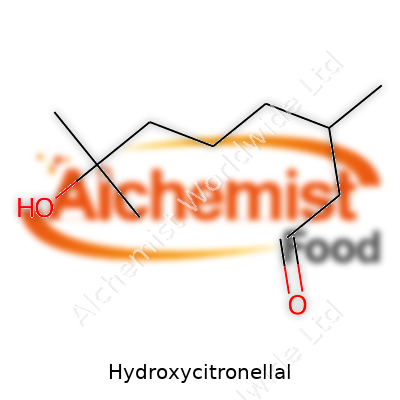
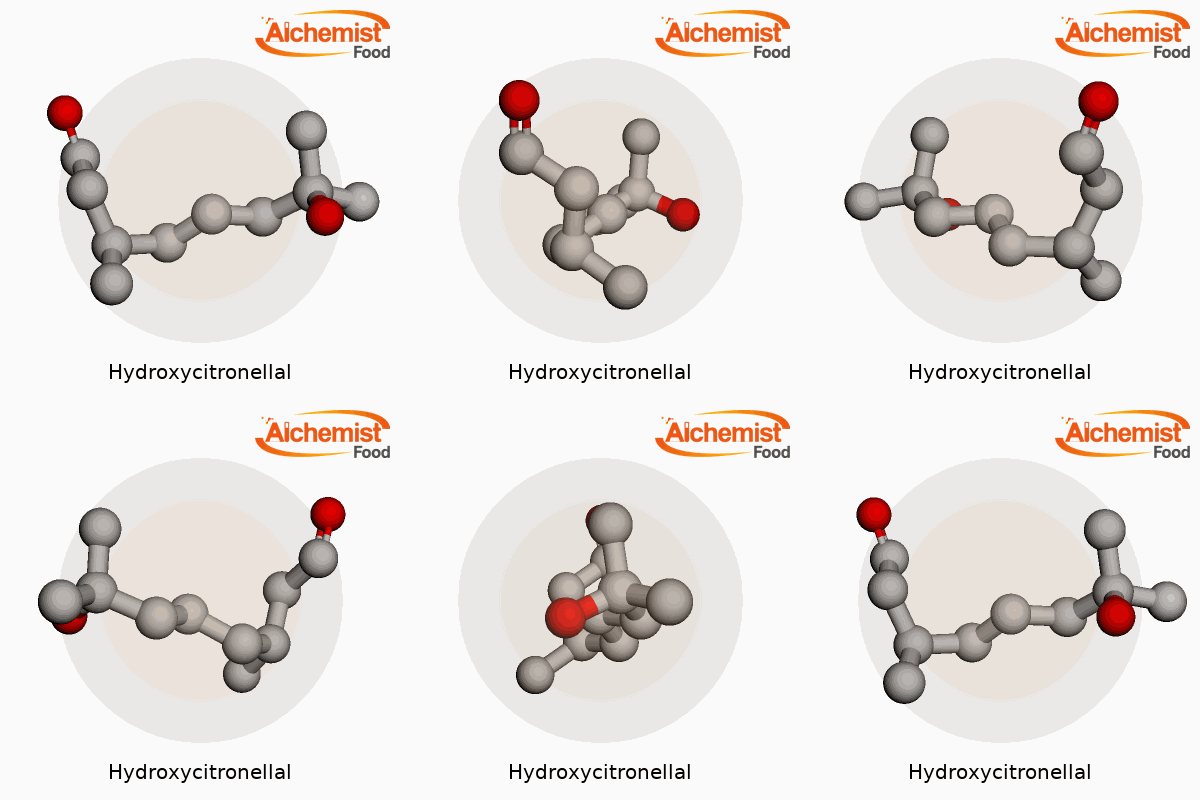
| Names | |
| Preferred IUPAC name | 3,7-dimethyloctane-1,7-diol-5-al |
| Other names |
7-Hydroxy-3,7-dimethyloctanal 3,7-Dimethyl-7-hydroxyoctanal Hydroxycitronellol aldehyde 3,7-Dimethyl-7-hydroxyoctanal β-Hydroxycitronellal |
| Pronunciation | /haɪˌdrɒksɪsɪtrəˈnɛlæl/ |
| Preferred IUPAC name | 3,7-dimethyloctane-1,7-diol-5-al |
| Other names |
7-Hydroxy-3,7-dimethyloctanal 3,7-Dimethyl-7-hydroxyoctanal Hydroxy citronellal |
| Pronunciation | /haɪˌdrɒksiˌsɪtrəˈnɛlæl/ |
| Identifiers | |
| CAS Number | 107-75-5 |
| Beilstein Reference | 1209287 |
| ChEBI | CHEBI:28116 |
| ChEMBL | CHEMBL48658 |
| ChemSpider | 5735 |
| DrugBank | DB14683 |
| ECHA InfoCard | 100.018.366 |
| EC Number | 203-376-6 |
| Gmelin Reference | 9697 |
| KEGG | C07144 |
| MeSH | D06.049.300.495.400 |
| PubChem CID | 16715 |
| RTECS number | HO8400000 |
| UNII | F0T2UY6185 |
| UN number | UN3082 |
| CAS Number | 107-75-5 |
| Beilstein Reference | 1209370 |
| ChEBI | CHEBI:28183 |
| ChEMBL | CHEMBL278693 |
| ChemSpider | 25981 |
| DrugBank | DB11251 |
| ECHA InfoCard | 100.013.705 |
| EC Number | 204-475-3 |
| Gmelin Reference | 128148 |
| KEGG | C01857 |
| MeSH | D006868 |
| PubChem CID | 8907 |
| RTECS number | RH6530000 |
| UNII | X8ZP3L1A10 |
| UN number | UN3082 |
| Properties | |
| Chemical formula | C10H20O3 |
| Molar mass | 198.29 g/mol |
| Appearance | Colorless to pale yellow liquid |
| Odor | sweet floral lily |
| Density | 0.982 g/cm3 |
| Solubility in water | Insoluble |
| log P | 2.28 |
| Vapor pressure | 0.0261 hPa at 25 °C |
| Acidity (pKa) | 14.37 |
| Basicity (pKb) | 1.96 |
| Refractive index (nD) | 1.4560 |
| Viscosity | Viscous liquid |
| Dipole moment | 2.78 D |
| Chemical formula | C10H20O2 |
| Molar mass | 188.29 g/mol |
| Appearance | Colorless to pale yellow liquid with floral odor |
| Odor | sweet floral lily |
| Density | 0.978 g/cm3 |
| Solubility in water | slightly soluble |
| log P | 2.3 |
| Vapor pressure | 0.0217 mmHg at 25°C |
| Acidity (pKa) | 14.52 |
| Basicity (pKb) | 14.14 |
| Refractive index (nD) | 1.4550 |
| Viscosity | Viscous liquid |
| Dipole moment | 2.62 D |
| Thermochemistry | |
| Std molar entropy (S⦵298) | 216.7 J·mol⁻¹·K⁻¹ |
| Std enthalpy of formation (ΔfH⦵298) | -463.3 kJ/mol |
| Std enthalpy of combustion (ΔcH⦵298) | -3376 kJ·mol⁻¹ |
| Std molar entropy (S⦵298) | 405.6 J·mol⁻¹·K⁻¹ |
| Std enthalpy of formation (ΔfH⦵298) | -564.6 kJ/mol |
| Std enthalpy of combustion (ΔcH⦵298) | -4067.8 kJ/mol |
| Pharmacology | |
| ATC code | A04AD12 |
| ATC code | D02AE04 |
| Hazards | |
| Main hazards | Causes skin irritation. Causes serious eye irritation. May cause an allergic skin reaction. |
| GHS labelling | GHS07, GHS09 |
| Pictograms | GHS07 |
| Signal word | Warning |
| Hazard statements | H317: May cause an allergic skin reaction. |
| Precautionary statements | Precautionary statements: P261, P272, P273, P280, P302+P352, P321, P333+P313, P362+P364 |
| Flash point | > 113°C |
| Autoignition temperature | 140 °C (284 °F; 413 K) |
| Lethal dose or concentration | LD50 (oral, rat): 3500 mg/kg |
| LD50 (median dose) | LD50 (median dose): 3400 mg/kg (rat, oral) |
| NIOSH | GY8875000 |
| REL (Recommended) | 0.4% |
| Main hazards | Causes skin irritation. May cause an allergic skin reaction. Causes serious eye irritation. |
| GHS labelling | GHS07, Warning |
| Pictograms | GHS07 |
| Signal word | Warning |
| Hazard statements | H317: May cause an allergic skin reaction. |
| Precautionary statements | P261, P272, P273, P280, P302+P352, P333+P313, P362+P364 |
| NFPA 704 (fire diamond) | 1-0-0 |
| Flash point | 93°C |
| Autoignition temperature | 140 °C |
| Lethal dose or concentration | LD50 (oral, rat): 3600 mg/kg |
| LD50 (median dose) | LD50 (median dose): 3500 mg/kg (oral, rat) |
| NIOSH | GR8575000 |
| PEL (Permissible) | PEL: Not established |
| REL (Recommended) | 1.0% |
| Related compounds | |
| Related compounds |
Citronellal Citronellol Geraniol Linalool Nerol |
| Related compounds |
Citronellal Geraniol Citral Citronellol Hydroxycitronellol |



