Hexane: An Ongoing Story in Chemistry and Industry
Historical Development
Hexane didn’t pop out of nowhere. Digging back, folks learned about paraffin hydrocarbons in the mid-19th century as part of the refining of crude oil. Hexane fits into the straight-chain alkane family, which drew plenty of interest for its steady performance as a solvent. Chemists saw its power to dissolve oils and fats, a property that industrial oil processors and labs didn’t overlook. Over time, its industrial extraction methods improved, in part driven by demand for purer fractions and cleaner working conditions in everything from laboratories to factories. In those early days, careless handling often led to safety risks. But discoveries around fractionation and distillation led the charge to purer, safer, and more consistent batches. I remember reading how solvent extraction of vegetable oils using hexane in the 1930s changed the game for food industries struggling with cost and quality.
Product Overview
Hexane belongs to the saturated hydrocarbon family—aliphatic, straight-chain or sometimes branched. Coming out of petroleum distillation, it rarely arrives as a pristine single molecule from commercial suppliers. Most of the hexane labeled “reagent grade” carries small amounts of similar molecules, like cyclohexane or heptane. Still, its key role as a solvent in extraction and cleaning processes made it a mainstay in many sectors. Manufacturers put out both pure n-hexane and “technical hexane” blends. This stuff turns up in oil extraction, adhesives, rubber cement production, lab reagents, leather dressing, and carefully controlled cleaning agents.
Physical & Chemical Properties
Hexane pours as a colorless, volatile liquid, bringing a faint gasoline-like smell that most people would spot even at low concentrations. Toss a match near it, and you get a quick, hot flame — the flash point comes in around -23°C, and it boils at roughly 69°C. With a density around 0.66 g/cm3, it floats on water, never mixing, just spreading out in that familiar rainbow sheen. Hexane loves breaking down greasy or oily substances, which explains its popularity in food processing and degreasing. Still, all this volatility means strict rules on how to store and move the product. I’ve seen more than one nervous plant supervisor fretting over those storage tanks, because you mess this up and you risk not just money, but injury.
Technical Specifications & Labeling
Commercial hexane comes with its label listing purity level, test method for purity (such as gas chromatography), and any contaminants. Regulatory bodies like OSHA and the EPA keep tabs on the nitty-gritty, like permissible airborne concentration (TLV: 50 ppm for n-hexane) or hazardous impurities such as benzene and toluene. On the packaging you’ll spot UN identification numbers (UN 1208), correct hazard pictograms, and handling instructions that aren’t just there for compliance—they save lives. Quality specs also tend to list the exact blend so buyers know what solvent power and volatility to expect. Skipping these details would put both processes and people at unnecessary risk.
Preparation Method
Oil refineries crank out hexane as a fraction in the process of refining crude petroleum. The trick comes in drawing off the so-called light naphtha cut and then using distillation columns to separate hexane from similar alkanes. Further purification involves scrubbing with acid, water, and even molecular sieves for super-high purity needs. Labs sometimes carry out smaller extractions or syntheses, typically through reactions involving the catalytic hydrogenation of hexenes, though industry sticks with straight distillation for cost and scale reasons. This supply chain gets monitored tight—from the gas pump to the oil seed press—since contamination screws up both laboratory and industrial applications.
Chemical Reactions & Modifications
Hexane itself rarely ends up as the main actor in chemical reactions, but it sees plenty of use as a solvent that supports more active partners. Given enough heat and a strong oxidizer, it cracks into smaller hydrocarbons, but most users want it to remain inert. Industries sometimes apply controlled chlorination, rolling out derivatives like hexyl chloride for surfactants or specialty chemicals. In the lab, it’s the preferred medium for conducting Grignard or organolithium chemistry where water or oxygen would spoil the results. Proper handling means ensuring the absence of acidic or oxidative agents, as nasty byproducts crop up fast if hexane interacts with chlorine or ozone, leading to corrosion or dangerous vapors.
Synonyms & Product Names
Chemists and plant workers talk about hexane using a lot of nicknames and numbers: n-hexane, hexyl hydride, dipropyl, and more commonly as “technical hexane” for the commercial blends. Buyers see “petroleum ether” on some drums, a label that can mean hexane-rich mixtures tailored for solvents or coating. Companies also sell under branded names depending on their market focus—some hinting at high purity for electronics, others pitching lower-purity extractant washes to oilseed processors. It pays to check the detailed chemical composition, since brand labels often muddy the clarity of what’s inside the drum.
Safety & Operational Standards
Anyone working with hexane has to respect the stuff. It evaporates fast, builds up flammable vapors, and causes dizzy spells or headaches if inhaled at high concentrations. Plant engineers enforce strict ventilation and personal protective equipment, since chronic exposure leads to nerve damage, muscle weakness, and numbness. Insurers and regulators don’t joke about static discharge; storage tanks require bonding and grounding, along with flame arrestors on vents. Folk using it in labs don gloves and work under fume hoods. Regulatory standards call for spill kits, good eye protection, and constant air monitoring. I’ve seen safety audits hammer on everything from transfer hoses to emergency shut-off valves because past carelessness left too many scarred or killed.
Application Area
Hexane shows up across the board. Food processors use it for oilseed extraction—think soybean and canola oil. Even with better alternatives, hexane’s efficiency keeps it in heavy rotation. It strips fats and waxes from plant matter with remarkable efficiency. In manufacturing, it’s a go-to solvent for adhesives, cleaning agents, and specialty coatings. Footwear makers and furniture shops like its quick-drying effect. Labs keep it on hand for chromatography and sample prep for pollutant analysis, sometimes as a carrier for other substances. Rubber industries rely on hexane for producing elastomers and latex products. Despite environmental concerns, cost and reliability keep hexane relevant for now.
Research & Development
Research keeps chipping away at the environmental and health impacts. Academic labs and corporate R&D teams push for “greener” substitutes, tweaking the process to use less hexane or switch to bio-based solvents like plant terpenes, ethyl lactate, or even supercritical CO2. Yet old habits die hard when alternative solvents underperform in oil yields or cost too much. Scientists keep refining detection and removal methods for hexane residue in edible oils, knowing that consumer safety and tighter rules may force a change. Teams working in sustainable chemistry search for catalysts and processes that can match the extraction efficiency hexane brings without the baggage of toxicity. I recall talking to one seed processing engineer frustrated by pilot tests: greener solvents made nice headlines, but scaling up introduced big headaches and left factories wary of change.
Toxicity Research
Medical research draws from case studies of chronic exposure—factory workers, lab techs, or tinkerers who spent years around open vats lacking modern fume hoods. Chronic exposure to high concentrations of n-hexane, over time, can lead to peripheral neuropathy. The nerves in hands and feet take the hardest hit, with symptoms from tingling to irreversible muscle wasting. Studies also look at inhalation risks, showing that hexane vapor causes headaches, fatigue, and in sustained high doses, brain and organ damage. Regulatory research tests food products for any leftover solvent, knowing that even tiny amounts raise public health alarms. The rise of bio-monitoring and stricter detection limits keeps both food and chemical industries on their toes.
Future Prospects
Hexane faces a crossroads. Growing pressure for safer, eco-friendly processes pushes industries to experiment with greener alternatives, but economic inertia and high performance keeps hexane in play. Regulatory agencies ponder tightening public health standards, spurring chem firms and startups to race toward safer substitutes. Some countries face tougher residue limits in oils and foods, pushing innovation on both sides—improved purification or full process revamps. In the service industries and small shops, better ventilation and stricter training programs address immediate health risks, but the story isn’t over. As alternative solvents become cheaper, cleaner, and better, old-timers in the industry may retire the hexane drum, but that switch depends on practical results in heat, throughput, and worker safety.
What is hexane used for?
The Ubiquity of Hexane in Everyday Life
Step into a kitchen, pick up a bag of chips, and chances are hexane played a part in getting those snacks crisp and tasty. Most of us never hear much about hexane, but food companies rely on this solvent to extract vegetable oils from soybeans and other seeds. Hexane’s knack for dissolving oil quickly and efficiently move it up the list of “go-to” chemicals for manufacturers trying to keep costs down and production up.
Beyond the Snack Aisle: Other Uses
Factories turn to hexane for more than just flushing oil out of seeds. Its role stretches into making glues for shoes, cleaning agents for textiles, and in the labs, hexane gives scientists a simple way to separate mixtures. I worked in a lab mixing up soil samples, and hexane showed up every time we needed to pull apart compounds or clean glassware. It handles greasy messes without leaving much behind, which is why technicians keep it handy around their benches.
Concerns Others and I Have Seen Firsthand
Hexane’s efficiency comes with a cost. People who work with the chemical can run into some rough health effects. Anyone spending long days around the solvent knows the headaches, dizziness, or even mild confusion that can come from inhaling fumes. My friend who ran a bottling line would sometimes mention numbness in his fingers after a week of handling hexane-soaked rags. Scientific studies back this up: chronic exposure causes nerve damage, and safety watchdogs sound alarms about its risks in confined work spaces.
Food for Thought: What’s Left Behind?
Questions crop up about how much hexane ends up in the final food product. Regulations in North America and Europe force companies to keep residue levels low. Still, reports point out that trace amounts sometimes sneak through, especially in processed foods featuring soy. The short-term risk might seem minor to most eaters, but if you care about what goes into your body, these details stick in your mind.
So Why Keep Using Hexane?
Money and efficiency stand front and center. Hexane pulls oil out quicker and with better yields than old-fashioned pressing. Companies that swap it for gentler, water-based methods—or mechanical pressing—see profits shrink and prices jump. Consumers have come to expect cheap, abundant oil, and changing that expectation means shifting the entire supply chain. That isn’t a quick or painless process.
What Can Be Done?
Better ventilation and personal protection become the first line of defense for those working with hexane. Companies with strong safety cultures often invest in closed-loop systems that keep fumes away from people, and routine air testing guards against dangerous build-ups. On the food side, pushing for alternatives, like expeller-pressed or cold-pressed oils, gives shoppers a way to opt out of hexane-heavy production. If more people demand these products, companies will pay attention.
Looking Ahead
I’ve seen activists and scientists work together to raise public awareness, which is already making companies rethink their practices. Research on alternative solvents—like ethanol or carbon dioxide—moves forward, promising cleaner extraction if they can scale up efficiently. Change never comes easy, but conversations about hexane show that paying attention, asking questions, and seeking out safer options make a difference.
Is hexane safe to handle?
The Reality of Working with Hexane
Handling chemicals always brings a set of risks, and hexane deserves some real attention. Folks ask about safety for a good reason. This clear solvent pops up in everything from food extraction to industrial cleaning. In a lab or a factory, it often feels as basic as water, but underestimating hexane can bring consequences for workers and the environment.
Why Hexane Gets Used
Hexane gets picked for one big reason: it dissolves stuff that water just won’t touch. Oil-seed processors reach for it to extract soybean oil. Labs use it to clean and separate. The low boiling temperature means it evaporates quickly, and it isn't expensive, making it a practical choice for companies eyeing profit margins.
Yet, cost and convenience sometimes blind people to risks. Having worked next to industrial solvents, I’ve seen how easy it is to treat these liquids like harmless household products. Old timers wipe down benches with hexane-soaked rags. Air sometimes has that sweet-smelling haze. It doesn’t seem scary, unless you know what's really happening in your lungs.
Health Impact Comes Quick
Breathing in hexane vapor can quietly mess with your nerves. Several cases show chronic exposure leads to numb fingers, muscle weakness, and even permanent nerve damage. Some countries tracked workers who cleaned printing presses or made shoes and noticed that shaky hands and memory problems showed up years after their jobs changed.
The stuff acts fast too. Spend an hour in a poorly-ventilated shop and brain fog creeps in. Persistent headaches show up. There is no real warning sign until the symptoms land. For anyone who skips gloves or overlooks ventilation fans, the danger ramps up. Skin can also dry out, crack, or soak up hexane straight into the bloodstream.
Sneaky Environmental Risks
Handling hexane isn’t just about personal risk. Dumping waste or spilling it reaches much farther than a workshop floor. Hexane slips into soil and groundwater. Animals pick it up, and it doesn’t always break down fast. It floats off in the air, adds to smog, and can trigger long-term air quality problems in tightly packed cities or small-town industrial zones alike.
Getting Real About Safer Practices
Ignoring basic safety just doesn’t make sense. Synthetic gloves, goggles, and good air flow make a difference. I learned early on that skimping on protective gear can cut a working life short. Training matters. Not just hazy briefings with unreadable binders—clear instructions from folks who’ve seen accidents happen.
Shops and labs have tools that help. Local exhaust systems snap up fumes before they float around breathing zones. Solvent-resistant aprons and storage cabinets block splash and vapor risks. Anyone can build good habits—swapping open pans for sealed containers, labeling bottles clearly, locking up storage each shift.
Pushing Toward Better Alternatives
Some industries look for alternatives—something with less toxicity or easier disposal. Switching won’t always come easy for every plant. Each change means paperwork, cost adjustments, and trial runs with new chemicals. Still, protecting health and keeping contamination out of communities pays off for everyone.
The next time someone swipes a rag through hexane, it’s worth asking: is that shortcut worth the risk? Stewardship starts at the bench or worktable, not just in a policy manual.
What are the health effects of exposure to hexane?
Getting Familiar with Hexane
Step into any large kitchen or food processing plant, and you’ll likely find hexane at work. This colorless solvent slips quietly into the oils we eat, especially in snacks and cooking essentials. Factories rely on it to separate oil from seeds like soybeans and canola because it works fast and keeps production costs down. Even after refining, traces often linger in the products. Hexane turns up in many industrial jobs too—including glue, shoes, and printing ink—bringing workers close to the stuff, often on a daily basis.
Health Concerns: Beyond the Label
Folks keeping jobs in industries using hexane sometimes complain of dizziness, headaches, and irritation in their noses and throats after a shift. The health impact doesn't just stop at annoying discomfort. Over time, ongoing inhalation or skin contact can lead to more troubling outcomes. The big worry centers on nerves: exposure can cause numbness, tingling, and muscle weakness, especially in hands and feet. Medical studies, including investigations from the Centers for Disease Control and Prevention (CDC) and the Occupational Safety and Health Administration (OSHA), connect steady workplace exposure to a type of nerve damage called “peripheral neuropathy.”
This nerve problem creeps up quietly, showing as clumsy hands or feet and occasional pain. Recovery isn’t always quick—sometimes, the damage sticks even after exposure stops. Acute poisoning, which can happen from big doses, brings in confusion, slurred speech, and, in rare cases, coma. Most people feel something’s wrong before it gets that far, but low-level exposure draws less attention, slipping through the cracks in safety routines.
Bringing Fact into Focus
Looking at the numbers, OSHA sets the workplace exposure limit for hexane at 500 parts per million (ppm) averaged over eight hours, but several public health experts call even that too high. A 2017 report from the European Food Safety Authority (EFSA) found that some food products, including vegetable oil and baked snacks, carry low but measurable residues. The science isn’t finished yet on long-term effects from eating trace amounts, but high-exposure studies still make a strong case for caution.
Protecting Ourselves and the People Producing Our Food
Accidents and sloppy industry practice can make hexane exposure far more serious. Proper ventilation cuts down vapor in the air. Gloves, masks, and training prevent skin and lung contact, giving workers a fighting chance. Running frequent inspections and updating cleaning schedules keeps build-up from sneaking into surprise exposure events.
On the table at home, everyone benefits when companies limit or swap out hexane. Pressed oils that skip the solvent process usually have little to no hexane at all—think extra-virgin olive oil and other “cold-pressed” options. Shop with curiosity, ask questions, check for certifications about processing. Government watchdogs should press hard for more transparency, faster adoption of safer alternatives, and smarter labeling to help families and workers make informed choices.
Better Health Starts with What We Don't See
My own time working near packaging lines made hexane’s presence feel routine, almost invisible, even among long-timers. Yet a sharp headache or tingly fingers after a long shift tell a story the label doesn’t. Hexane exposure can seem like an issue far from the kitchen table or classroom, but by shining a light on risks, we take simple steps—wear gear, buy mindfully, speak up for change—that add years of healthy life for workers and safer meals for families.
How should hexane be stored?
Hexane Isn’t Just Any Liquid
People working with solvents know hexane doesn’t give many second chances. Used everywhere from labs to food processing, hexane’s volatility adds plenty of risk along the way. Unlike water or salt, a careless spill doesn’t dry up with daylight or mop up with a towel. Fires can start without warning. Leaks move quietly through storage areas, carrying the fumes farther than most expect. That’s a recipe for disaster if folks treat hexane like some harmless cleaning agent.
Fire Hazards Call for Real Action
Most accidents with hexane trace back to sloppy storage. This liquid catches fire quickly, even from a single spark or warm light fixture. Too many people underestimate just how little vapor it takes for a serious flash, making it tempting to stash it in odd corners or rusty drums. I’ve seen a neglected can near a shop heater ignite an entire workbench in seconds, scorching a week’s pay and putting lives in jeopardy.
The National Fire Protection Association (NFPA) ranks hexane as a “Class IB flammable liquid.” This isn’t a technical label to gloss over—it’s a strong warning. Safe storage means using metal safety cans with tight closures. Leaning on old milk jugs, food containers, or questionable plastic jerry cans risks both spills and vapor leaks. Each shortcut sets the stage for a costly emergency.
Ventilation Makes the Difference
Fumes from hexane don't just smell bad. They seep into nearby rooms and risk long-term health, not to mention feeding a fire before anyone notices. Proper storage calls for cabinets designed to handle volatile solvents. These cabinets should have vents that whisk away fumes before they build up. Good airflow also works against rust and keeps temperature swings under control. I've worked in spaces where unventilated closets left gas headaches and worries about hidden leaks—and the peace of mind good ventilation brings really can’t be overstated.
Don’t Mix Chemicals With Overconfidence
Too many still stack hexane next to acids, oxidizers, or random junk just to save time. Never trust luck with compatibility. Squeezing incompatible chemicals together can trigger reactions without warning, especially if a small leak sneaks out. Take time to read Safety Data Sheets. Check how hexane reacts in mixed company, and assign clear zones for flammable liquids, far from acids or oxidizers.
Lock, Label, and Log
Security doesn’t always mean padlocks and iron gates, but careless storage leads to theft, loss of product, and one mistake turning into something worse. Hazards jump when unauthorized folks get access—kids at home, untrained staff on the night shift, or even visitors who see a container and get curious. Clear labels help everyone recognize the risks, especially in emergencies where responders need to know what they’re up against.
Good record-keeping brings accountability. Track dates, use-by information, and volumes so containers don’t linger past their prime. Old hexane can break down, increasing vapor risk and pressure inside the vessel—one more danger waiting for a hot day.
Moving Toward Safer Habits
Training shapes smart decisions. Newcomers can’t learn by osmosis or guesswork. Simple habits—wearing goggles, working in ventilated areas, closing containers immediately—set a culture where respect for hexane becomes second nature. Regular drills and honest talks about near-misses keep lessons fresh without waiting for real disasters.
Emergency plans matter, too. Fire extinguishers closer than a sprint away, spill kits ready by storage cabinets, contact numbers for poison control visible—these proving small investments pay back big if things ever go sideways.
Storing hexane safely isn’t just about following a rulebook. It’s about turning respect into routine, making sure care and common sense win every time.
Is hexane flammable?
Everyday Chemistry Carries Real Risks
If you’ve ever handled paint thinners, glue, or read the label on extraction solvents, you’ve probably seen the term “hexane.” I worked a stint in a chemical storage facility during college, and the word pretty much lived between two bold red diamonds: flammable and danger. Hexane isn’t some theoretical hazard. It’s about as flammable as gasoline.
What Makes Hexane Catch Fire?
Hexane’s boiling point is only a few degrees hotter than warm tap water. It evaporates faster than spilled vodka, turning from liquid to invisible vapor easily. Striking a match nearby or running a machine that’s sparking could set those invisible vapors ablaze. The lower explosion limit hovers around 1.1%, which means a little vapor mixed into air gives a perfect recipe for a flash fire. Anyone who’s opened a container of hexane in a small, closed room has smelled it before even seeing the liquid.
Workshops, Kitchens, and Classrooms
Food companies, labs, even hobbyists extracting plant oils often reach for hexane. Back in high school chemistry, our teacher ran a demo to show how it extracts seed oils. The lesson didn’t stop with the experiment. He called attention to the fume hood and reminded us to stay clear, gloves and goggles on, and to keep any flame far away. Even a tiny spark from static electricity or an old appliance motor could make things go wrong in an instant.
Why Care? Stories and Numbers
Reports from safety watchdogs reveal dozens of fires each year linked to careless handling of solvents like hexane. In 2022, investigators studied a fire at a food processing plant. Sparks from a malfunctioning light ignited hexane vapors. Nobody wants their workplace in the news for something that easily avoided. Insurance payouts and injury consequences reach into the millions when workplaces ignore basic storage and ventilation.
Better Handling Starts with Respect
People tend to underestimate risk when they can’t see it. Hexane vapor leaks out of open drums or containers, hugging the ground and creeping toward ignition sources. Instead of leaving things to chance, training everyone who handles chemicals helps a lot. Good ventilation, real physical barriers against sparks, and flammable-proof storage turn what looks like boring routines into lifesavers.
Safer Alternatives, Smart Controls
Several companies and researchers push for greener solvents where possible—cyclohexane, heptane, or non-volatile oils, depending on the work. Sometimes, nothing beats hexane for a specific chemical job; in those cases, using explosion-proof fans, grounding equipment, and constant air monitoring protect people and property. I remember a technician who restored his shop’s old exhaust system just to bring hexane fumes below the threshold for flammability, and it paid off.
Takeaway
Hexane’s flammability isn’t just chemical trivia. Ask almost anyone who has handled it in an industrial or educational setting, and they’ll tell you those red warning diamonds don’t exaggerate. Whether you see hexane in the lab, the factory, or a school demonstration, the rules matter. Keep the air moving, keep sparks away, and keep accidents from becoming tomorrow’s headlines.
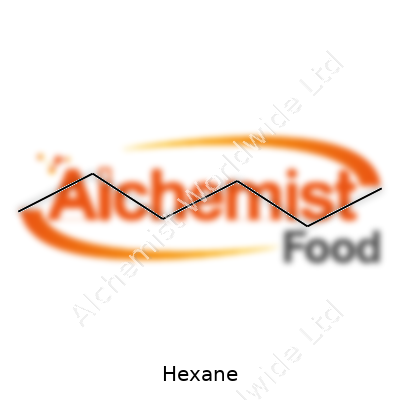
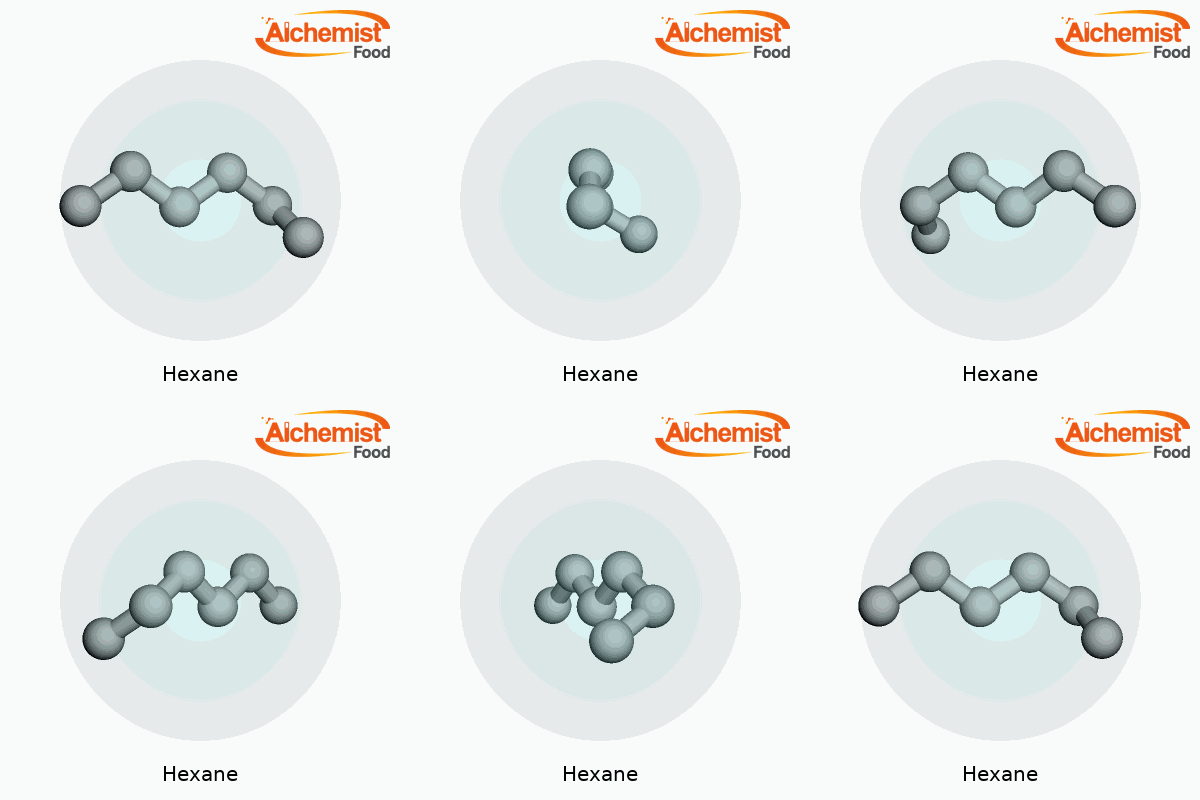
| Names | |
| Preferred IUPAC name | hexane |
| Other names |
Hexyl hydride N-Hexane |
| Pronunciation | /ˈhɛk.seɪn/ |
| Preferred IUPAC name | hexane |
| Other names |
diphane hexyl hydride n-hexane |
| Pronunciation | /ˈhɛk.seɪn/ |
| Identifiers | |
| CAS Number | 110-54-3 |
| Beilstein Reference | 635685 |
| ChEBI | CHEBI:29021 |
| ChEMBL | CHEMBL: CHEMBL1333 |
| ChemSpider | 8032 |
| DrugBank | DB13855 |
| ECHA InfoCard | 100.000.601 |
| EC Number | 3.2.1.63 |
| Gmelin Reference | 6350 |
| KEGG | C02218 |
| MeSH | D006606 |
| PubChem CID | 8058 |
| RTECS number | MN9275000 |
| UNII | 68X4040L1D |
| UN number | UN1208 |
| CAS Number | 110-54-3 |
| Beilstein Reference | 635689 |
| ChEBI | CHEBI:29021 |
| ChEMBL | CHEMBL128967 |
| ChemSpider | 8074 |
| DrugBank | DB13855 |
| ECHA InfoCard | 03b59ec0-d8b0-4e61-9e7d-9a210fa2f4a0 |
| EC Number | EC 203-777-6 |
| Gmelin Reference | 37746 |
| KEGG | C00171 |
| MeSH | D006591 |
| PubChem CID | 8058 |
| RTECS number | MN9275000 |
| UNII | 3S6277Y60B |
| UN number | UN1208 |
| Properties | |
| Chemical formula | C6H14 |
| Molar mass | 86.18 g/mol |
| Appearance | Clear, colorless liquid |
| Odor | Gasoline-like |
| Density | 0.6548 g/cm³ |
| Solubility in water | 0.0095 g/100 mL (20 °C) |
| log P | 3.90 |
| Vapor pressure | 17.6 kPa (at 20 °C) |
| Acidity (pKa) | ~50 |
| Basicity (pKb) | ~16 |
| Magnetic susceptibility (χ) | −7.6×10⁻⁶ |
| Refractive index (nD) | 1.3749 |
| Viscosity | 0.31 mPa·s |
| Dipole moment | 0.09 D |
| Chemical formula | C6H14 |
| Molar mass | 86.18 g/mol |
| Appearance | Colorless liquid with a mild, gasoline-like odor. |
| Odor | gasoline-like |
| Density | 0.659 g/cm³ |
| Solubility in water | 0.0095 g/100 mL (20 °C) |
| log P | 3.90 |
| Vapor pressure | 17.6 kPa (at 20 °C) |
| Acidity (pKa) | ~50 |
| Basicity (pKb) | Hexane has a pKb value of approximately 22 |
| Magnetic susceptibility (χ) | −7.9×10⁻⁶ |
| Refractive index (nD) | 1.3750 |
| Viscosity | 0.3 mPa·s |
| Dipole moment | 0.09 D |
| Thermochemistry | |
| Std molar entropy (S⦵298) | 229.2 J·mol⁻¹·K⁻¹ |
| Std enthalpy of formation (ΔfH⦵298) | -198.7 kJ/mol |
| Std enthalpy of combustion (ΔcH⦵298) | -4163 kJ/mol |
| Std molar entropy (S⦵298) | 344.0 J·mol⁻¹·K⁻¹ |
| Std enthalpy of formation (ΔfH⦵298) | -198.7 kJ/mol |
| Std enthalpy of combustion (ΔcH⦵298) | -4163.0 kJ/mol |
| Pharmacology | |
| ATC code | V04CX09 |
| ATC code | V04CX02 |
| Hazards | |
| GHS labelling | GHS02, GHS07, GHS08 |
| Pictograms | GHS02,GHS07,GHS08 |
| Signal word | danger |
| Hazard statements | H225, H304, H315, H336, H361f, H373, H411 |
| Precautionary statements | H225, H304, H315, H336, H411, P210, P261, P273, P301+P310, P331, P303+P361+P353, P405, P501 |
| NFPA 704 (fire diamond) | 1-4-0 |
| Flash point | -23 °C |
| Autoignition temperature | 234 °C |
| Explosive limits | 1.2% - 7.7% |
| Lethal dose or concentration | Lethal dose or concentration (LD50) for hexane: "LD50 (oral, rat) = 25,000 mg/kg |
| LD50 (median dose) | LD50 (median dose) of Hexane: Oral-rat LD50: 25 g/kg |
| NIOSH | MN9275000 |
| PEL (Permissible) | 500 ppm |
| REL (Recommended) | 50 ppm |
| IDLH (Immediate danger) | 1100 ppm |
| GHS labelling | GHS02, GHS07, GHS08 |
| Pictograms | GHS02,GHS07 |
| Signal word | Danger |
| Hazard statements | H225, H304, H315, H336, H361f, H373, H411 |
| Precautionary statements | P210, P261, P271, P280, P301+P310, P303+P361+P353, P304+P340, P312, P331, P337+P313, P370+P378, P403+P233, P403+P235, P405, P501 |
| NFPA 704 (fire diamond) | 1-4-0 |
| Flash point | -22 °C |
| Autoignition temperature | 223 °C |
| Explosive limits | Explosive limits: 1.1–7.5% |
| Lethal dose or concentration | LD50 oral rat 25,000 mg/kg |
| LD50 (median dose) | LD50 (median dose) of Hexane: 25 g/kg (oral, rat) |
| NIOSH | RN: 110-54-3 |
| PEL (Permissible) | 500 ppm |
| REL (Recommended) | 100 ppm |
| IDLH (Immediate danger) | 1100 ppm |
| Related compounds | |
| Related compounds |
Cyclohexane 2-Methylpentane 3-Methylpentane 2,2-Dimethylbutane 2,3-Dimethylbutane Heptane |
| Related compounds |
n-Pentane 2-Methylpentane 3-Methylpentane 2,2-Dimethylbutane 2,3-Dimethylbutane Cyclohexane |



