Glycerine: More Than a Sweet Liquid
Historical Development
People first noticed glycerine in the late 1700s during experiments with olive oil and lead oxide. Michel Scheele figured out that this sweet, thick liquid showed up when he heated fats with powerful bases. Use then felt pretty limited, mostly floating around scientific curiosity. By the mid-1800s, after soap makers fired up their boilers with animal fats and alkalis, soap and glycerine appeared as sides of the same coin. Dynamite’s invention in the 1860s pulled glycerine out of obscurity, since making nitroglycerine called for clean, pure stocks. After that, scientists kept tweaking the process. Interest never died down: world wars, soap factories, and medicine made sure demand for glycerine remained constant. Production slid away from just animal fats to vegetable oils, and soon, chemists used propylene from petroleum to fill gaps during lean years. Those hand-me-down discoveries from centuries ago keep shaping today’s industries, showing how persistence and adaptation drive chemical progress.
Product Overview
Looking at pure glycerine, clear liquid feels cool and syrupy when running through the hands. It tastes unmistakably sweet, not much unlike light corn syrup. The pharmacy aisle often displays little brown bottles, ready for skin, hair, throat, and even baked goods. Manufacturers refine it to 99.5% or higher, with food and pharma grades demanding extra tests. Industrial versions stay in the background—thicker, darker, or with chemical residues still present. Cost usually rises the cleaner the product gets. Most shoppers know it as a moisturizer, but it ends up in everything from cough syrups and toothpaste to explosives and antifreeze. This odd career jump reflects both chemistry’s flexibility and modern life’s endless hunger for simple but adaptable raw materials.
Physical & Chemical Properties
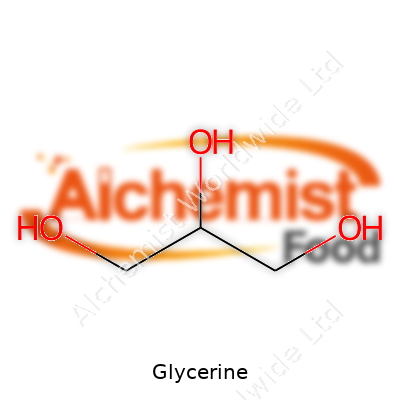
Pouring out of a beaker, glycerine looks almost syrup-like, but sits colorless and odorless. Viscosity changes with temperature—a chilly bottle barely moves, but warm it up and the liquid slips through fingers with ease. Boil it hard enough, and vapors start to rise at about 290°C. Glycerine absorbs water without fuss, pulling humidity from surrounding air, often leaving bottles sticky if left uncovered. Chemically, it carries three hydroxyl groups ready for bonding, which makes it highly compatible as both a solvent and a building block. Density hovers at 1.26 grams per cubic centimeter, heavier than water but still light enough to pour by hand. This combination explains why formulators count on glycerine for consistency and mouthfeel in foods, medicine, and personal care.
Technical Specifications & Labeling
Labeling standards seem strict, especially in sectors concerned with safety and health. Food-grade glycerine, usually refined to above 99.7%, passes intense scrutiny for contaminants like diethylene glycol and heavy metals. The U.S. Pharmacopeia and European Pharmacopoeia set benchmarks for water content, color, and absence of odor. Technical grades, destined for industry, might allow looser specs. Barrels often feature batch numbers, net weight, purity percentage, and hazard notes. Labels in the consumer realm focus on “vegetable-derived,” which signals plant sourcing instead of animal fats or synthetic petrochemical options. Certifications for kosher, halal, and allergen-free push transparency, giving both buyers and regulators easy checkpoints. These practices help keep public trust and prevent costly mistakes, especially when a single bad batch can ripple through global supply chains.
Preparation Method
Fat splitting stands as the backbone of traditional glycerine production. Natural oils—from coconut, palm, soy, or tallow—meet water and either alkali (in soap-making) or high-pressure hydrolysis. Resulting soap and crude glycerine go separate ways. The crude product usually contains 50-80% glycerine, with the rest made up of water, salts, and leftover fatty acids. Purification calls for vacuum distillation and activated carbon to remove traces of color and smell. In tighter markets, chemists look to petrochemicals: propylene, a byproduct from oil refineries, undergoes hydrogenolysis to yield synthetic glycerine, free from plant- or animal-derived impurities. Waste from biodiesel manufacturing now offers another feedstock, as transesterification between vegetable oils and methanol forms methyl esters (for fuel) and glycerine side streams in massive volumes. Production tech keeps evolving, but the basics—breaking big molecules into smaller building blocks—have stayed the same.
Chemical Reactions & Modifications
Reactivity springs from those three hydroxyl groups. Reacting with acids yields esters—think nitroglycerine, which packs energy into tiny glass vials. Heating with strong acids or bases makes acrolein, useful in manufacturing acrylic plastics and other intermediates but also dangerously pungent and toxic. Glycerine reacts well to form polyethers or polyesters when blended with appropriate monomers, especially in polyurethane foams. Oxidation, using platinum or silver catalysts, leads to compounds like glyceric acid, tartronic acid, and mesoxalic acid, each with small industrial niches. Chemists regularly modify glycerine to add tailored side chains, improving water solubility or fat dissolution, so it keeps pace with modern demands from drugs, coatings, and cosmetics.
Synonyms & Product Names
Across trade and science, names shift to fit the language of the audience. “Glycerol” often speaks to chemists, while “glycerine” crops up in older medical or industrial documents. Labels sometimes feature “1,2,3-propanetriol,” especially in research and safety data sheets. Soaps, lotions, and cough syrups prefer “vegetable glycerin.” Biodiesel facilities call their byproduct “crude glycerol,” a name that hints at its mixed composition. Common synonyms tidily package its legacy, reflecting centuries of overlap between old-world chemistry and modern industrial practice.
Safety & Operational Standards
Handling pure glycerine rarely poses real danger; skin contact or accidental taste causes almost no worry. Greater concern crops up in industrial environments, where impurities or crowded processes may introduce risks. Regulatory bodies have set workplace exposure limits, mostly to protect from fine mist inhalation or contact with contaminated batches carrying diethylene glycol. In food or pharmaceutical facilities, cleanliness, protective gloves, and closed piping limit exposure. Waste management focuses on separating glycerine from hazardous organics—since burning or dumping without thought can generate toxic acrolein. Fire marshals care about nitroglycerine formation, and education campaigns remind operators not to mix waste haphazardly. Safety rules arose from hard-learned lessons, showing the value of boundaries even with apparently gentle chemicals.
Application Area
Glycerine travels across markets with ease. Grocery aisles display it in frostings, candies, and processed foods, where it locks in moisture and softens textures. Pharmaceutical companies turn to it for syrups, cough drops, and as a tablet binder or stabilizer in vaccines. In body care, lotions, soaps, and hair products depend on its hydrative pull, with skin quickly soaking up the retained water. Industrial uses reach into resins, antifreeze, plastics, and alkyd paints. In explosives, mixing with strong acids forms classic blasting compounds; old mining towns once stored it under lock and key. Recent years see pharma research increasing, as custom-synthesized derivatives open doors to new drugs or specialized coatings. Glycerine’s reach owes much to that blend of price, performance, and safety—enabling a role in almost any sector.
Research & Development
Labs, both corporate and university, keep pushing the boundaries. Finding safer, greener synthesis paths remains a central goal, as waste from biodiesel and soap factories stacks up. Pilot projects now explore bacteria engineered to ferment low-grade sugars into high-value glycerine, slashing reliance on fossil fuels. Chemists create new surfactants, pharmaceuticals, and biodegradable plastics using modified glycerine as a feedstock. Companies worry about batch-to-batch consistency and cost, so in-line testing and process analytics have become the norm. Consumers demand renewable sourcing and transparent labeling, forcing reformulation at mass scale. On the research front, glycerine’s close chemical kinship with sugars and alcohols gives scientists a flexible scaffold—a blank canvas for inventing next-generation polymers or medical ingredients. The field stays lively, both in pursuit of efficiency and to answer rising questions about sustainability and human safety.
Toxicity Research
Pure glycerine stands among the safest chemicals in widespread use, but science still takes nothing for granted. Research tracks long-term ingestion, skin contact, and breakdown byproducts in the environment. Oral doses of pure material barely bother rodents or humans, but batches adulterated with diethylene glycol or heavy metals proved disastrous in infamous pharmaceutical scandals. Dermal studies hint at rare allergic responses, though such events fill more anecdotal than statistical records. Environmental monitoring watches drainage streams, as breakdown under anaerobic conditions can stress aquatic life by depleting oxygen. Attention now turns toward transformed derivatives—like acrolein or nitroglycerine—which hold very different toxicity profiles and demand extra caution. Vigilant research backs every claim, reminding the world that even “safe” compounds deserve scrutiny, especially with new modifications emerging each year.
Future Prospects
The next wave may come from combining chemistry with waste management, as surplus glycerine piles up from biodiesel production. Startups and academic consortia look to upgrade waste into chemicals for biodegradable plastics, cosmetics, and pharmaceuticals, aiming to cut both cost and landfill use. Biotechnologists search for novel microbial strains that snip glycerine’s backbone with high accuracy, making medicines or specialty flavors without oil feedstocks. Pharma giants investigate new pro-drug delivery systems, counting on glycerine’s compatibility in the body and its skill in carrying active molecules through stubborn barriers. For the sustainable-minded, new regulations offer incentives for plant-derived glycerine, challenging fossil-dependent markets to reinvent procurement. The future favors those who mix historical perspective with an eye on emerging technology—proving that some humble building blocks still have much to offer in the global push for innovation and safety.
What is glycerine used for?
A Staple in Everyday Life
People cross paths with glycerine more often than they think. I’ve learned over the years that this sweet, clear liquid finds its way into homes, stores, and even hospitals through a long list of products. In my cabinet, there’s hand soap, toothpaste, and cold medicine—all tapped with a dash of glycerine. Science backs this up: the ingredient appears in almost every self-care aisle, from skin creams to shaving gel. Glycerine comes from fats and oils, an old process built on chemistry that’s now a global business lasting centuries.
Champion of Skincare Products
Almost every popular lotion or moisturizer uses glycerine. The stuff grabs onto water and keeps skin from drying out. Dermatologists trust it since decades of research show fewer allergic reactions compared to other moisturizers. My skin dries out in winter, and glycerine keeps it smooth. Research from peer-reviewed journals points out its deeper power: helping the skin barrier heal after tiny cuts or scrapes. This explains why leading brands put it in creams for sensitive skin.
Food and Beverage Uses
Glycerine walks right off the shelves and into food factories—a fact I found surprising when I first read an ice-cream label. It sweetens, moistens, and acts as a preservative for baked goods, energy bars, and frostings. It’s not just filler; the FDA recognizes it as “generally safe,” so it joins the ingredient lists of many mass-market snacks. Some food scientists highlight its use for folks who need fewer sugars, since glycerine gives a gentle sweetness without raising blood sugar as quickly as plain sugar.
Pharmacy and Medicine
Hospitals keep glycerine in their toolkits for many reasons. Pharmacists use it to help pills keep their shape or power up cough syrups and elixirs. In hospitals, they mix it into solutions that rehydrate the body or to ease constipation for people recovering from surgery. I’ve seen it as an ingredient in children’s syrups because of its safety and mild taste. The World Health Organization even includes it in some oral rehydration products for treating dehydration.
Beyond the Obvious
Somewhere between the hardware store and the craft shop, glycerine turns up in surprising places. Some manufacturers use it to keep tobacco fresher, or as a key part in antifreeze for cars. Artists use glycerine to keep paint from drying too fast. In printing, printers rely on it as a lubricant to stop machines from jamming. All these uses boil down to simple science: glycerine’s ability to attract and hold water and mix well with other liquids makes it valuable well outside the kitchen or bathroom.
Why It Matters
Glycerine has a strong safety record stretching back generations. Data from regulatory agencies point to minimal risk if used correctly, which builds trust among families and professionals. At the same time, sourcing and sustainability grow in importance. The shift from animal-based production to plant oils—especially palm and soy—raises real environmental concerns. Consumers and companies need to ask tough questions about the source. Choosing products made from certified sustainable palm oil, or switching to plant oils with a lower carbon footprint, supports a cleaner future. That’s a small step with ripple effects.
Seeking Smarter Choices
Knowledge about common ingredients matters. If people look closer, they see how glycerine plays a crucial role in daily comfort, health, and even the performance of tools and foods. As science and industry move along, the push for cleaner, fairer sources of glycerine becomes part of the wider challenge of living responsibly—without losing the everyday miracles we’ve come to expect.
Is glycerine safe for skin?
What Makes Glycerine So Popular?
Glycerine pops up everywhere. Open a bottle of face wash, squirt some hand lotion, or even try a basic bar soap—odds are, you’ll see it on the label. It’s a humectant, meaning it draws water into the top layer of skin. That’s a fancy way of saying it helps keep things hydrated. Years back, my grandma swore by rubbing pure glycerine onto winter-cracked knuckles, and honestly, I do the same with my own hands today.
Plenty of research backs up its effects. According to peer-reviewed work in the journal Contact Dermatitis, glycerine offers moisture that lingers. You know how some creams leave your hands sticky or oily? Glycerine absorbs quickly, and you lose that slick feeling. Dermatologists from the American Academy of Dermatology recommend it, especially for people dealing with dry or flaky patches.
What About Safety?
It’s easy to wonder if something so common could have downsides. Most products use plant-based or synthetic versions. Data from the U.S. Food and Drug Administration puts it in their list of ingredients “generally recognized as safe,” whether it’s going on skin or into food. My own experience—plus dozens of years of folks using it without drama—gives me peace of mind.
Side effects almost always tie back to allergies. Some people feel a mild burning sensation or develop a rash. These cases tend to happen with full-strength liquid glycerine, not the diluted stuff in mainstream lotions. The risk looks even smaller when it’s one piece of a blend alongside other hydrators and skin oils. Mayo Clinic recommends a quick patch test behind the ear or on the forearm, because knowing your own skin is the true test.
Is Glycerine Suitable for All Skin Types?
Most skin types get along well with it, particularly those facing dryness. Glycerine captures water from the air or deeper skin layers and pulls it toward the surface, helping skin feel soft and plump. If someone’s got eczema or chronically chapped skin, that relief makes a real difference. Even oily or acne-prone skin can benefit since glycerine doesn’t clog pores. I’ve seen friends with sensitive complexions tolerate formulas that feature it, even when other rich creams cause breakouts.
The story can shift a bit in dry climates. There, pure glycerine might tug water out from under the surface rather than from outside air, so using it with a heavier cream can help lock in moisture. Layering it beneath a simple moisturizer in the winter months keeps my face calm through windburn and heaters drying out the air.
What’s Next for People with Concerns?
Transparency helps. Reputable brands list glycerine and other main ingredients openly and provide details about sourcing. Look for clinical studies when you’re unsure—a 2016 review in International Journal of Cosmetic Science highlighted its benefits in healing minor wounds and soothing eczema. Dermatologists advocate sticking to products designed for facial or body skin rather than food-grade bottles from the drugstore for best results.
If you ever spot redness, itching, or stinging, swap out products and talk with a professional. Otherwise, for most, it’s safe to say that the simple, colorless syrup our grandparents relied on keeps standing the test of time—just as practical now as it was then.
Can glycerine be ingested?
What Glycerine Actually Is
Walk through any grocery store, flip a few product labels, and chances are you'll spot glycerine tucked inside ingredient lists everywhere—from cough syrup to cake mixes. Glycerine, also spelled glycerin or glycerol, is a sweet, syrupy liquid that comes from fats and oils. Manufacturers get it from both animal and plant sources. In my own kitchen cupboard, I’ve accidentally picked up a bottle of food-grade glycerine meant for icing, thinking it looked a lot like some home remedies I've seen folks recommend online.
Food and Medicine: How Glycerine Shows Up
Folks have been putting glycerine in foods and medicine for a long time. It keeps things moist, helps blend oil and water, and makes life easier for dentists and chefs alike. The FDA classifies food-grade glycerine as “generally recognized as safe” (GRAS) when it’s used as a food additive. The World Health Organization sees it the same way for normal use. Every time someone slathers on a store-bought icing, chances are they've eaten a bit of glycerine without even noticing.
In my experience, you also see glycerine in cough syrups, lozenges, and some herbal tinctures. It’s handy for soothing throats or keeping liquid medicines stable. The taste—just a little sweet—means you don’t have to choke down something unpleasant. But it’s not a main event ingredient; it simply keeps things together and palatable.
Swallowing Glycerine: Risk or No Big Deal?
Stories pop up from time to time about folks using industrial or “technical” grade glycerine, either to save money or out of confusion. That’s where problems can actually start. Technical grade isn’t meant for the dinner table or the medicine cabinet—it can carry impurities you don’t want in your system. If you ever see a bottle without proper labels or warnings, skip it. Only products marked as food-grade or pharmaceutical-grade should go anywhere near your mouth.
Medical research backs up the idea that food-grade glycerine causes few problems in small amounts. Most people can pass a teaspoon or two through their system with no issue. Too much in a short period, though, leads to upset stomach, headaches, nausea, or diarrhea. Folks with diabetes should pay particular attention—glycerine still counts as a carbohydrate, and it can raise blood sugar a little. My diabetic family members know to check a product's ingredients, just to be safe.
Looking for Solutions: Safe Use and Better Awareness
Avoiding trouble with glycerine boils down to being picky about your sources. Double-check the label for food or pharmaceutical grade. Take note of where it comes from. If something looks like it belongs in a laboratory or mechanic’s shop, don’t bring it into your kitchen.
Clearer labeling could help, too. Not everyone knows the difference between technical and food-grade. Stores and suppliers have a role here—to make sure products are on the right shelf and spelled out in plain language. Schools and home science kits could offer short lessons about how ordinary-sounding ingredients differ from shop to shop.
As someone who grew up around home bakers and amateur chemists alike, I see every reason to stay curious but cautious. Glycerine, used properly, serves up sweetness and stability in countless recipes and remedies. It’s only when folks ignore source, dose, and purpose that the risks go up. Information, not fear, is what keeps us safe around the table.
Is glycerine a natural or synthetic product?
Understanding Glycerine’s Roots
Step into your local pharmacy and scan through products — from soaps to cough medicine — and you’ll spot glycerine. The translucent, syrupy liquid usually ends up in everyday routines. The topic sparks debate in science and wellness circles: is glycerine a natural ingredient, or does it come from synthetic processing? It’s worth taking a closer look, since consumers care about origins. Having made my own soap in the kitchen and picked through ingredient labels as a parent, I know how much transparency matters.
How Glycerine Gets Made
Glycerine pops up in two main forms. Some manufacturers extract it from natural fats and plant oils. If you’ve ever cooked bacon, you’ve seen how fat renders and separates, and that old-fashioned process has roots in the same chemistry. Today, companies take animal tallow or vegetable oils—coconut or soy show up most often—and heat them together with water and pressure. Out comes crude glycerine, which then gets refined for pharmacy shelves or food factories.
Factories can go another route. They produce synthetic glycerine using petroleum-based sources, such as propylene, a compound from crude oil. This method gained popularity when demand spiked during wars and industry booms. Synthetic production steps away from agriculture and uses chemistry that isn’t based in the natural fats we eat or burn.
Is There a Difference?
Chemically speaking, both forms work out to C3H8O3. Lab tests can’t pick apart plant-based from synthetic molecular blends. Yet, the source brings up bigger questions, especially if you care about animal products, sustainability, or food safety. For people who avoid animal-derived ingredients or follow vegan guidelines, plant-derived glycerine offers peace of mind. One 2022 report from Grand View Research projects a rising preference for vegetable-based cosmetics and pharmaceuticals, as consumers want labels that spell out natural origins.
Food regulations in the U.S. and Europe say glycerine counts as a safe food additive, so it turns up in cake mixes, chewing gum, and even low-carb processed snacks. Some parents I know hunt down “vegetable glycerine” on cough syrups for their toddlers, hoping to keep ingredients clean and plant-based. Synthetic versions haven’t raised health alarms, but the idea of petroleum in your chocolate bar sparks concern for people who value clean eating.
The Environmental Question
Growing palm or coconut for plant-based glycerine carries its own baggage — rainforests get cleared, and monoculture farms stretch for miles. On the other side, synthetic production depends on fossil fuels and emits greenhouse gases. Governments and companies face tough choices about which footprint feels lighter or more justifiable. According to the International Energy Agency, processed vegetable oil, when traced back to farms that practice land stewardship, can shrink environmental impact. Certifications and supply chain audits play a role, but the landscape is far from simple.
Looking Forward: Solutions and Choices
Every year, technology brings new answers. Some biotech labs develop yeast and bacteria that ferment sugars into high-purity glycerine, slashing the need for petroleum or huge plantations. Producers tap into food waste, turning scraps and used cooking oil into fresh batches. These approaches aren’t perfect, but they hint at a way forward — one that respects health and planet.
As a shopper trying to do right by both family and planet, reading ingredient sources offers a small measure of control. If sustainability stands as a priority, supporting companies that share transparent sourcing and responsible processing can help shift the market. After all, a little information on a label can make the everyday decision — natural or synthetic — matter more than it seems.
What are the side effects of using glycerine?
Glycerine’s Appeal and Everyday Uses
Glycerine shows up in everything from soaps and lotions to cough syrups and baked goods. It keeps things moist, feels smooth on the skin, and even sweetens that medicine you grew up dreading. Walk through any pharmacy, and the ingredient list almost always has it. As someone with dry skin, I’ve reached for products with it myself, knowing it draws water into the outer layer. With so many uses, most people just assume it's harmless. That doesn’t always tell the whole story.
What Can Go Wrong with Glycerine?
Applying it to skin usually goes just fine for most people. Some might notice redness, stinging, or itching. I remember slapping on a moisturizing cream one winter and feeling my cheeks heat up and itch. Glycerine was one of the main ingredients. Turns out, for some, especially at higher concentrations or with already sensitive skin, it can trigger mild reactions. It doesn’t compare to a harsh chemical reaction, but it still matters.
Swallowing glycerine, as in certain cough syrups or as a sweetener, generally passes without trouble—at least in the quantities found in foods or medicines. Drinking large amounts, though, can upset your stomach. Symptoms might show up as nausea or even diarrhea. Working in a pharmacy years ago, people often told me that cough syrups could leave them feeling queasy. Glycerine, in high doses, draws water into the intestines. This means loose stools or mild dehydration if someone overdoes it.
Inhaled Glycerine and Recent Questions
The vaping trend put glycerine under a different spotlight. E-liquids often use it for that thick cloud of vapor. Inhaling anything but air isn’t without risk. Research keeps uncovering early signs that inhaled glycerine can cause short-term throat or airway irritation. There’s not enough data to say for sure what happens years down the line, but anyone with asthma or lung concerns should probably steer clear. The American Lung Association flags these risks, and that’s not the kind of advice to ignore.
Digestive and Kidney Concerns
Some people with certain kidney conditions or those who store up extra fluid in their bodies have to take caution. Glycerine can shift fluid around in the body, which may put extra stress on the kidneys or disrupt delicate balances of electrolytes, especially if taken by mouth regularly in larger amounts. This rarely comes up with ordinary lotion and soap, but stronger doses show up in some constipation products called suppositories—times like this, you want a doctor’s guidance.
Who Should Watch Out?
Babies and the elderly have thinner skin and more fragile systems. Their bodies react more strongly. If you’re dealing with eczema, allergies, or a condition where your body reacts to almost everything, patch testing becomes more than a good idea. Reading product labels has saved me from weeks of scratching.
What Makes Safer Use Possible?
Using products as directed, and not in huge amounts, brings safer outcomes for almost everyone. Letting skin dry before covering it up with a heavy cream, drinking plenty of water with any oral product, and checking labels for other ingredients that cause irritation all play a role. Reports from the National Institutes of Health show the risks stay low for most healthy adults sticking to standard usage.
Moving Forward
Looking at the fine print and paying attention to how your body feels keeps glycerine use comfortable. Health care providers can help make sense of irritation or ongoing gut problems. As science learns more about how substances like glycerine interact with the body, advice evolves—but staying aware of your own reactions makes all the difference.
| Names | |
| Preferred IUPAC name | propane-1,2,3-triol |
| Other names |
Glycerol Glycerin 1,2,3-Propanetriol Glycyl alcohol 1,2,3-Trihydroxypropane |
| Pronunciation | /ˈɡlɪsəriːn/ |
| Preferred IUPAC name | propane-1,2,3-triol |
| Other names |
Glycerol Glycyl alcohol 1,2,3-Propanetriol Glycerin |
| Pronunciation | /ˈɡlɪsəriːn/ |
| Identifiers | |
| CAS Number | 56-81-5 |
| Beilstein Reference | 1230825 |
| ChEBI | CHEBI:17754 |
| ChEMBL | CHEMBL277145 |
| ChemSpider | 595 |
| DrugBank | DB04077 |
| ECHA InfoCard | 03a9e0cf-0cd7-4722-9843-6fc3c7131e0c |
| EC Number | 200-289-5 |
| Gmelin Reference | 8217 |
| KEGG | C00116 |
| MeSH | D005957 |
| PubChem CID | 753 |
| RTECS number | MA8050000 |
| UNII | PED6APL4GV |
| UN number | UN3078 |
| CAS Number | 56-81-5 |
| Beilstein Reference | 821873 |
| ChEBI | CHEBI:17754 |
| ChEMBL | CHEMBL682 |
| ChemSpider | 723 |
| DrugBank | DB04077 |
| ECHA InfoCard | 100.000.021 |
| EC Number | 200-289-5 |
| Gmelin Reference | 6046 |
| KEGG | C00116 |
| MeSH | Glycerol |
| PubChem CID | 753 |
| RTECS number | MA8050000 |
| UNII | PDC6A3C0OX |
| UN number | UN1175 |
| Properties | |
| Chemical formula | C3H8O3 |
| Molar mass | 92.09 g/mol |
| Appearance | Clear, colorless, odorless, and syrupy liquid |
| Odor | Odorless |
| Density | 1.26 g/cm³ |
| Solubility in water | Soluble in water |
| log P | -1.76 |
| Vapor pressure | <0.1 mmHg (20°C) |
| Acidity (pKa) | 14.15 |
| Basicity (pKb) | 9.5 |
| Magnetic susceptibility (χ) | -0.685 |
| Refractive index (nD) | 1.472 |
| Viscosity | 1200 - 1500 mPa·s (at 20°C) |
| Dipole moment | 2.56 D |
| Chemical formula | C3H8O3 |
| Molar mass | 92.09 g/mol |
| Appearance | Clear, colorless, odorless, and viscous liquid |
| Odor | Odorless |
| Density | 1.26 g/cm³ |
| Solubility in water | Miscible |
| log P | -1.76 |
| Vapor pressure | 0.000106 hPa (20°C) |
| Acidity (pKa) | 14.15 |
| Basicity (pKb) | 9.5 |
| Magnetic susceptibility (χ) | −0.680×10⁻⁶ |
| Refractive index (nD) | 1.473 |
| Viscosity | 1.25 - 1.26 Pa.s |
| Dipole moment | 2.56 D |
| Thermochemistry | |
| Std molar entropy (S⦵298) | 187.9 J·mol⁻¹·K⁻¹ |
| Std enthalpy of formation (ΔfH⦵298) | –669.6 kJ/mol |
| Std enthalpy of combustion (ΔcH⦵298) | -1870.7 kJ/mol |
| Std molar entropy (S⦵298) | 197.0 J·mol⁻¹·K⁻¹ |
| Std enthalpy of formation (ΔfH⦵298) | -669.6 kJ/mol |
| Std enthalpy of combustion (ΔcH⦵298) | -1877 kJ/mol |
| Pharmacology | |
| ATC code | A06AX01 |
| ATC code | A06AX01 |
| Hazards | |
| Main hazards | May form explosive mixtures with air; contact with strong oxidizers may cause fire or explosion. |
| GHS labelling | Non-hazardous according to GHS |
| Pictograms | GHS07,GHS08 |
| Signal word | Warning |
| Hazard statements | Hazard statements: Not a hazardous substance or mixture according to the Globally Harmonized System (GHS). |
| Precautionary statements | P264, P270, P301+P312, P330, P501 |
| Flash point | 199 °C |
| Autoignition temperature | Autoignition temperature of Glycerine is 370°C |
| Explosive limits | Not explosive |
| Lethal dose or concentration | LD₅₀ (oral, rat): 12,600 mg/kg |
| LD50 (median dose) | 12600 mg/kg (Rat, oral) |
| NIOSH | WC6475000 |
| PEL (Permissible) | PEL: 15 mg/m³ |
| REL (Recommended) | 15.0 |
| IDLH (Immediate danger) | No IDLH Established. |
| Main hazards | May be harmful if swallowed or inhaled; may cause skin and eye irritation. |
| GHS labelling | Not a hazardous substance or mixture according to the Globally Harmonized System (GHS) |
| Pictograms | GHS07,GHS08 |
| Hazard statements | Hazard statements: Not a hazardous substance or mixture. |
| Precautionary statements | P264, P270, P301+P312, P330, P501 |
| NFPA 704 (fire diamond) | 1-0-0-W |
| Flash point | 199°C |
| Autoignition temperature | Autoignition temperature of Glycerine is "370°C |
| Explosive limits | Explosive limits: 0.9–2.3% |
| Lethal dose or concentration | LD50 (oral, rat): 12,600 mg/kg |
| LD50 (median dose) | 12600 mg/kg (rat, oral) |
| NIOSH | GL1975000 |
| PEL (Permissible) | 250 mg/m³ |
| REL (Recommended) | 600 mg/kg bw |
| Related compounds | |
| Related compounds |
Ethylene glycol Propylene glycol Glycerol monostearate Glycerol tristearate Mono- and diglycerides of fatty acids |
| Related compounds |
Ethylene glycol Propylene glycol Glycerol acetate Monolaurin Diglyceride Triglyceride |



