Glutamic Acid: Roots, Properties, and its Evolving Footprint
Historical Development
Glutamic acid first turned up in the kitchen before chemistry labs even took notice. Long before the term “umami” found its way into food circles, Japanese scientist Kikunae Ikeda extracted glutamic acid from seaweed broth in 1908. That story doesn’t just follow the changed path of a molecule; it traces how food and science nod at each other across time. The early 20th century saw fermentation techniques spark a production revolution, moving the compound from laboratory samples into everyday meals through monosodium glutamate (MSG). Around mid-century, industrial demand surged. Manufacturers pressed for efficient microbial fermentation using Corynebacterium glutamicum. It went from something found in a bowl of soup to major players in biomanufacturing seeking to streamline and scale production for markets everywhere.
Product Overview
Few people talk about glutamic acid, though almost everyone’s kitchen has felt its reach. It sits on ingredient lists, either in its free acid form or as MSG, seasoning everything from canned vegetables to instant noodles. Nutritionists know it for its role as a non-essential amino acid, a backbone for protein synthesis inside the body. Nutrition aside, industry labs use it for building pharmaceuticals, plasticizers, and specialized polymers. Manufacturers appreciate its dual identity: something safe for food, yet versatile for industrial chemistry. This kind of range makes glutamic acid a bridge between health, dining, and manufacturing needs.
Physical & Chemical Properties
Glutamic acid holds steady as a white, odorless crystalline powder at room temperature. With a melting point near 225°C, it doesn’t cave in easily under heat—something that plays well for both food processing and lab-scale syntheses. Once in water, it dissolves without fuss, giving mildly acidic solutions owing to a carboxyl group that likes to give up a proton or two. The molecule itself carries two carboxylic groups and an amino group, which explains its strong role as a building block in biochemistry. In the body, you’ll find it swinging between L and D isomers, though food and pharma almost always stick to the L-form.
Technical Specifications & Labeling
Quality checks run tight for this amino acid. Food grade glutamic acid shows up on labels simply as “L-glutamic acid” (E620 in Europe). Chemical manufacturers stick to purity thresholds above 99% by HPLC, and specified moisture content targets avoid caking or spoilage during storage. Most regulations call for absence of heavy metals, synthetic dyes, and persistent organic contaminants. Proper labeling in Europe, North America, and most of Asia strings together information about form (free acid or salt), batch number, and date of manufacture. Labels make or break compliance with safety and trade rules, so even a typo or faded print can grind things to a halt.
Preparation Method
Fermentation still dominates as the workhorse process. Industry-scale fermenters loaded with select strains of Corynebacterium glutamicum chew through molasses or glucose, pumping out glutamic acid in the broth. Chemical synthesis can sidestep the microbes, using acetylcyanohydrin derivatives, but fermentation stays cheaper and greener. After fermentation, the broth gets filtered, purified through carbon and resin columns, and then crystallized using acidification and temperature drops. On paper, the procedure looks clean; in practice, every batch demands careful control to avoid impurities or overuse of defoamers. Spent biomass either feeds livestock or moves out as compost, rounding out a full production loop.
Chemical Reactions & Modifications
As an amino acid, glutamic acid stands ready for both peptide bonding and straightforward modification of its side-chain carboxyl group. Through decarboxylation, it delivers GABA (gamma-aminobutyric acid), a neurotransmitter trending in supplement aisles for claims around relaxation and focus. Pharmaceutical chemists convert glutamic acid to various derivatives, spinning off anticonvulsants and metabolic intermediates. The free acid can slip into esterification, amidation, or cyclization reactions; this lets it step up as a chiral ligand or core in asymmetric synthesis. Structured properly, glutamic acid derivatives improve the absorption profile of certain drugs, giving more options for extended-release or targeted therapies.
Synonyms & Product Names
Walk through any ingredient catalog and glutamic acid wears different hats: “L-Glutamate,” “E620,” “2-Aminopentanedioic acid,” or “Glutaminic acid.” In food labeling, especially outside the US, simple “glutamate” tags often point to salts like monosodium glutamate rather than the free acid. Pharmaceuticals might list its name in Latin, “Acidum Glutamicum,” for regulatory filings. Specialty product names show up in fertilizer, animal nutrition, and polymer markets, serving roles from chelators to stabilizers under proprietary brands.
Safety & Operational Standards
Food and pharma-grade manufacturers work closely with HACCP and GMP guidelines. Manufacturing lines scrub surfaces and audit ingredient sourcing to root out contamination before it gets any chance to spread. Glutamic acid’s safety for oral and topical use remains strong—both WHO and FAO assign it “Generally Recognized as Safe (GRAS)” status. Respiratory exposure in powder blending areas draws attention for occupational safety: workers suit up with dust masks and gloves to cut the risk of mild but annoying symptoms like throat irritation. Environmental guidelines steer manufacturers towards waste minimization and responsible discharge, since process water and cleaning fluids can carry trace amino acids into wastewater streams.
Application Area
Glutamic acid lines up as a multitool in both food and non-food applications. Every time food gets a flavor boost—instant soup, deli meats, soy sauce—there’s a fair shot it owes a nod to glutamic acid or its salts. Healthcare walks another path. Specialty pharmacies tap glutamic acid to make drugs that steer neurotransmitter activity. Supplement brands bottle it as a cognitive support additive with strong claims about memory, though clinical backing varies across markets. Material science labs work with it as a chiral precursor for biodegradable polymers, adhesives, and coatings that break down safely outside the industrial setup. Even livestock producers lean on glutamic acid for its role in nutritional feed blends or as a chelate to improve micronutrient absorption.
Research & Development
Biotechnology researchers keep pressing for smarter, cleaner, and faster fermentation processes. The top challenge stays the same—driving up yield while holding down costs. Gene-edited bacterial strains now outperform classic wild types by re-routing metabolic pathways, which lets producers cut waste and lower downstream processing loads. Some labs work on immobilized enzyme systems, hoping to scale up glutamic acid production from agricultural lignocellulose instead of sugarcane or corn. On the functional side, structural biologists probe how modified glutamic acid side chains fit into new peptide drugs or protein analogs. Pharmaceutical R&D sometimes uses isotopically-labeled glutamic acid to trace metabolic pathways in clinical research, pushing for deeper insight into its moves inside the human body.
Toxicity Research
Decades of study have formed a mostly straightforward consensus. At dietary levels found in normal meals—even with added MSG—glutamic acid doesn’t exhibit toxicity to the average healthy adult. Animal experiments run before regulatory approvals set the oral LD50 at amounts well beyond reasonable exposure, pointing toward low risk of acute poisoning. Rare hypersensitivity cases, often labeled as “MSG symptom complex,” have stirred public concern, but controlled clinical work repeatedly links reactions to expectations rather than measurable physiological changes. Long-term high-dose supplementation in animal models occasionally links to excitotoxicity, mostly when other metabolic pathways go awry, but this scenario doesn’t play out under standard dietary conditions. Risk assessors keep tabs on new food formulations to spot any chance of unexpected negative outcomes, especially for young children or vulnerable adults.
Future Prospects
Glutamic acid looks set to hold its place as food manufacturers lean harder into flavor enhancement with cleaner labels. Regulatory shifts toward transparency will keep changing how product labels are designed and how supply chains document raw material origin. Researchers in green chemistry look at glutamic acid as a feedstock for next-generation bioplastics, aiming for products that perform like conventional plastics but decompose safely after disposal. Synthetic biology teams push for modified forms that slip into pharmaceutical development and crop science. As protein-rich diets gain traction, both in plant-based and traditional food markets, the demand for fermentation-based amino acids like glutamic acid only grows. This signals a broader move where sustainability, safety, and science converge in an ingredient that once just made soup taste better.
What is glutamic acid used for?
More Than a Flavor Maker
It’s hard to talk about cooking or snack foods without running into glutamic acid. Anyone who’s shaken a little MSG on their stir fry knows that savory “umami” flavor. That taste lands front and center because of glutamic acid, an amino acid that shows up in both natural and added forms. But its story isn’t only about the zing in your soup or the richness in parmesan—the uses stretch into surprising territory, and a closer look helps explain why scientists, food producers, and medical professionals talk about it so much.
The Body’s Building Block
Most people see glutamic acid as a food additive, but I recognize it first as something basic to being alive. The human body builds its proteins using about twenty standard amino acids, with glutamic acid among the most common players. Muscles, the brain, and immune cells all call on it to do their day-to-day work. People sometimes worry about processed food, but our brains turn glutamic acid into glutamate for nerve signaling every second, long before someone sprinkles MSG at the dinner table.
Kids on the playground, working adults, and seniors all use proteins that lean on glutamic acid. Without it, muscles struggle, thinking slows down, and wound healing stalls. Glutamic acid doesn’t just pop up because food engineers need a better taste profile; the human body literally runs on it.
Fueling Food Innovation
Glutamic acid and its cousin, monosodium glutamate, fuel the boom in snacks and ready-made meals. This isn’t only about taste. Food manufacturers use glutamic acid to lift flavors, especially in plant-based or low-sodium recipes that need deeper savory notes. Restaurants hungry for five-star reviews and packaged meal producers both hunt for that layered umami taste, and glutamic acid delivers. It’s why homemade broth rarely hits the same deep flavor as a soup cube—the latter gets help from MSG or naturally derived glutamic acid. The science checks out, too: studies from the International Journal of Food Science & Technology show that glutamic acid increases consumer preference for reduced-salt foods, which matters as doctors urge people to cut down on sodium.
Medicine and Supplements
Recently, glutamic acid found a place in clinics and pharmacies. It turns up as a supplement for people with nerve disorders or after surgery, based on research showing it helps nerve cells recover. Scientists at Johns Hopkins and the Mayo Clinic studied it for use in epilepsy and muscle diseases, but the safest use sticks to prescribed doses. People sometimes grab over-the-counter glutamic acid for energy or mental focus. I tell friends to be careful—too much can stress the nervous system and trigger headaches or worse. Doctors know the research, and they set the safest limits after careful trials.
A Cleaner Way Forward
Researchers keep looking for ways to make glutamic acid production cleaner, cheaper, and safer. Bacterial fermentation changed everything in the last century, letting food companies make tons of MSG without animal ingredients or harsh chemicals. Now, biotechnology researchers in places like Japan and South Korea search for ways to use less energy and grow microbes that pump out pure glutamic acid. As food allergies rise, transparency about ingredient sourcing matters more than ever. Labels should make it easy for parents, teachers, or cooks to spot glutamic acid and know whether it came from wheat, soy, or synthetic sources.
Balancing Flavor, Health, and Facts
Like salt or sugar, glutamic acid works best in balance. It belongs in kitchens, labs, and clinics because it solves problems, adds flavor, and keeps the body’s basic systems on track. The key is to use clear labeling, honest science, and common sense. If you follow the research, keep portions in check, and recognize it for what it is—a natural tool, not a villain—then glutamic acid proves to be more friend than foe.
Is glutamic acid safe to consume?
Getting to Know Glutamic Acid
Walk into any grocery store and pick up a bag of chips, a bottle of soy sauce, or canned soup. There’s a good chance you’ll find glutamic acid or its salt form, monosodium glutamate (MSG), among the ingredients. Glutamic acid stands as one of the 20 amino acids that our bodies use to make proteins. Foods like tomatoes, mushrooms, cheese, seaweed, and even human breast milk naturally contain it. Its role in making savory flavors pop explains why cooks and food makers lean on it.
Concerns Over Safety
Plenty of folks worry about eating additives. MSG in particular gets side-eyed. Some years back, “Chinese Restaurant Syndrome” grabbed headlines, and stories about headaches or flushed cheeks fueled suspicion. Critics argued that MSG and glutamic acid weren’t safe for daily life. Real research has not backed these stories up. Double-blind, placebo-controlled studies from respected places like the FDA and JECFA (part of the World Health Organization) couldn’t turn up solid proof that glutamic acid or MSG trigger allergic or toxic reactions in the average healthy person.
Using my own kitchen table as an example: Our family loves broth and noodle soup, both big on umami flavor. Every so often, relatives would ask if the MSG sprinkled in the pot could be bad for us or for kids. These doubts feel real and important. But talking through the research and our own experience—nobody in the group gets sick from this stuff—usually brings a bit of calm.
How the Body Handles Glutamic Acid
Bodies break down and rebuild amino acids endlessly, turning protein into the basic fuel for muscles, organs, and immune cells. Glutamic acid slips right into this mix. The digestive tract processes glutamate effectively, using most of it right away before it reaches the bloodstream. Scientists trace how the gut takes up free glutamate and finds almost none entering circulation in risky amounts after a meal.
People with special sensitivity or certain disorders—like those with a rare condition called glutamate dehydrogenase deficiency—should speak with a doctor about amino acid intake. For the vast majority, eating foods rich in glutamic acid lands squarely in the safe zone.
Looking At the Bigger Picture
Eating habits draw from taste and tradition. Many cuisines value glutamic acid for the punch it gives to dishes. Softer cheeses, ripe tomatoes, and cured meats show how natural glutamate flavors the food world. The numbers align with common sense. Safe limits set by agencies come out far above regular daily consumption. An average adult in the U.S. eats about 13 grams of glutamic acid daily, most from natural sources like dairy and vegetables rather than from anything added to processed foods.
Navigating Solutions for Uneasy Eaters
My own advice to anyone unsure: Check the labels, talk to a healthcare provider, and pay attention to personal reactions. If certain snacks cause problems, skip them and find satisfying options that bring out umami in natural ways (like mushrooms or tomatoes). Science points to glutamic acid being safe for most people; knowing your own body always matters most.
What are the side effects of glutamic acid?
What Glutamic Acid Does in the Body
Glutamic acid stands out in nutrition because it helps cells in the brain talk to each other. Doctors and researchers have relied on it to explain some connections with learning and memory. Food scientists often point to this amino acid because it appears naturally in foods like tomatoes, cheese, and soy sauce. Most folks run into it when talking about MSG, or monosodium glutamate, a flavor booster in packaged snacks and restaurant dishes.
Possible Side Effects Most People Overlook
Not everyone feels great after eating foods high in glutamic acid or MSG. A handful complain about headaches, flushing, sweating, chest pain, or feelings of weakness after eating a big dose. This collection of symptoms got the nickname "Chinese restaurant syndrome," but research never found strong proof linking MSG or glutamic acid to real harm in most folks. Still, some people react when they eat too much, especially those with asthma, a history of allergies, or tendencies toward migraines.
Scientists ran dozens of studies trying to tease out if glutamic acid or MSG causes true allergy-type reactions. So far, double-blind tests rarely show consistent problems when people don’t know what they’re eating. In real life, though, someone with sensitive health might notice changes in blood pressure or heart rate after a meal full of MSG, even if those effects don’t happen to everyone.
Concerns for People with Specific Conditions
Glutamic acid plays a role in the development of brain signals, and when the body can't manage it right, things sometimes go sideways. Folks with rare genetic errors in metabolism can build up too much glutamic acid. Too much causes confusion, irritability, or even seizures. That’s not normal for most people, but it reminds us that not all bodies handle every nutrient the same way.
Kids with autism spectrum disorder or people with epilepsy sometimes have different glutamate regulation in the brain. It’s tough to say changing diet changes these conditions, but some families notice shifts in behavior or seizure frequency after changing glutamate-rich foods.
What Scientific Groups Say
Agencies like the U.S. Food and Drug Administration, European Food Safety Authority, and World Health Organization dug deep into the evidence. All three groups found no clear danger for the general public, if people eat normal amounts of glutamic acid or MSG — the kind found in regular diets. Problems usually pop up only with doses higher than anyone gets from a home-cooked meal.
Doctors warn about supplements. It’s one thing to eat tomatoes, mushrooms, or cheese with natural glutamic acid, another to take it in pill or powder form. Supplements let people swallow far more than the body expects, which sometimes triggers digestive upsets, mood swings, or strange feelings of restlessness.
Thoughts from Nutrition Practice
After years working with people facing food sensitivities, small groups react to glutamate and MSG, even if big studies call these reactions rare. The safest path for sensitive folks: listen to your own signals, keep a food diary, and test how different foods make you feel. Most healthy people can eat glutamic acid without trouble. It’s the mega-doses — not the dashes of flavor in recipes — that seem to trip up the body’s balance.
For anyone considering supplements, check with a doctor or registered dietitian before diving in. Most of the time, a balanced diet with real foods gives all the glutamic acid the body needs, minus the risk of wild swings in brain chemistry or odd symptoms.
Is glutamic acid the same as MSG?
Basics of Glutamic Acid and MSG
Walking down grocery aisles, I see Japanese soy sauce on shelves and snack labels shouting “No MSG!” in bold print. Glutamic acid pops up often in chatter about healthy eating. Plenty of people wonder if this amino acid is just another name for monosodium glutamate (MSG). The short answer: not exactly, though they’re close cousins.
What Makes Glutamic Acid Special
Glutamic acid turns up naturally in foods like cheese, tomatoes, mushrooms, and meat. It’s one of the twenty amino acids used to build protein in the body. Research published in journals like The American Journal of Clinical Nutrition shows that glutamic acid helps nerves function well. Food manufacturers rely on glutamic acid’s savory punch to make flavors richer. Chefs might call it “umami.”
How MSG Enters the Picture
MSG isn’t made in a lab from scratch. It’s salt combined with glutamic acid, forming a white crystal that dissolves in water. Chemically, MSG looks almost identical to the natural glutamate found in food, except for the sodium atom. The flavor boost from MSG comes from that same umami: it’s why a bowl of ramen tastes so satisfying or why parmesan cheese transforms a simple pasta.
Misinformation and Fears
Many people think MSG is toxic or unhealthy. That belief took hold in the late 1960s, when a letter to a medical journal described headaches and other symptoms after eating Chinese food. Scientists have tested MSG over decades—hundreds of studies, including reviews by the FDA and World Health Organization, have failed to find risks for most people when eaten in normal amounts. Despite that, the myth that MSG causes illness persists in many communities, sometimes influenced by racism or outdated science.
Where Does This Leave Glutamic Acid?
Tossing chopped tomatoes in a salad, grilling mushrooms, or sprinkling parmesan all deliver natural glutamic acid. MSG added to chips or seasonings is just a purified, isolated form of the same thing. The difference comes down to purity and source. Both kick up flavor, both spark responses in our taste buds, and both get processed the same way in our guts.
Why It Matters
My experience working in restaurants taught me how quickly misinformation spreads in kitchens and among diners. Distrust can keep tasty and perfectly safe foods off the table, especially in families worried about “artificial” ingredients. Science tells a different story. Nutritional research supports the safety of both glutamic acid and MSG for most people. Those with super rare reactions—something called “MSG Symptom Complex”—usually only deal with symptoms after eating huge amounts, far more than you’d get from adding a sprinkle to soup.
Building Trust Through Clear Information
Shoppers and home cooks deserve honest labeling and strong science. Clear nutrition education can empower families to make confident choices about what goes in the shopping cart and onto the dinner table. Sharing facts about glutamic acid and MSG—how they really work, how our bodies use them—helps break down old myths. It can let us all center flavor and fun in eating, knowing good science has our backs.
Can glutamic acid help with brain function?
What Glutamic Acid Brings to the Table
Glutamic acid gets tossed around a lot in conversations about food, eating habits, and brain health. You’ll often hear that it’s one of those building blocks—an amino acid—woven tightly into the fabric of nearly everything we eat. I learned in college biology that it helps build proteins inside our bodies, but its real claim to fame sits in the realm of the brain. The story isn’t quite as simple as “eat more, think better.” Still, glutamic acid deserves some attention.
The Brain’s Side of the Story
Our brains rely on signals shooting from one nerve cell to another. Glutamic acid, in the form of glutamate, drives this process. Think of it as a chemical messenger that keeps information moving between cells. Without enough glutamate, memory gets fuzzy, learning drags, and focus just slips away. Researchers found glutamate shapes nearly every part of our thoughts, from solving math problems to remembering a childhood home.
Still, eating large amounts of glutamic acid—through protein-rich meals or foods flavored with MSG—won’t force sharpened thought overnight. The body keeps a tight leash on how much glutamate reaches the brain. In fact, dangerous spikes in glutamate can tip the balance and kill off nerve cells. Medical experts caution against boosting levels too high through diet or supplements without real clinical oversight.
What Science Says Right Now
Plenty of studies link natural glutamate balance to strong thinking skills. In Alzheimer’s disease, for example, glutamate gets tangled up; nerve cells can’t catch messages smoothly, and memories break down. Drugs like memantine aim to help by blocking excess glutamate and giving brain cells some quiet time to recover. The takeaway: having the right amount seems more important than going above and beyond on purpose.
Interestingly, most folks get plenty of glutamic acid from everyday eating. Meats, cheeses, beans, and some vegetables pile it onto the plate. The body does a decent job shuffling glutamic acid between muscles, liver, and brain on its own terms. For healthy adults, adding extra through supplements hasn’t shown dramatic improvements in mental agility or focus.
Folks managing special situations—like those on a strict vegan diet, athletes training hard, or people with chronic health conditions—sometimes ask if they’re missing out. Current science suggests that anyone meeting their daily protein needs gets more than enough glutamic acid. Nutritionists stress the broad approach: plenty of whole foods, balanced meals, and variety keeps brain chemistry running right.
Finding Balance and Possible Solutions
People looking for a mental edge often reach for supplements or new “smart” foods. It’s easy to wish for a quick fix by tweaking one nutrient. True brain health doesn’t revolve around any one chemical. Getting regular sleep, moving more, eating whole grains, leafy greens, and lean protein, spending time with friends, and managing stress play a bigger role than glutamic acid supplements ever could.
Doctors and registered dietitians point to the basics: trust your body’s built-in system to sort out amino acids from food, and let your brain do the rest. Anyone with trouble thinking clearly or sudden memory changes should talk to a health professional. Sometimes, chasing after single nutrients can distract from bigger health solutions waiting just outside the supplement bottle.
Trusting Facts and Lived Experience
We’re hardwired to want sharper focus and better memory. While glutamic acid holds importance in the story of the brain, science supports a more rounded approach to caring for ourselves. Listen to your body’s real needs, stick close to foods that feed you well, choose habits with proven benefits, and keep learning—inside and outside the kitchen.
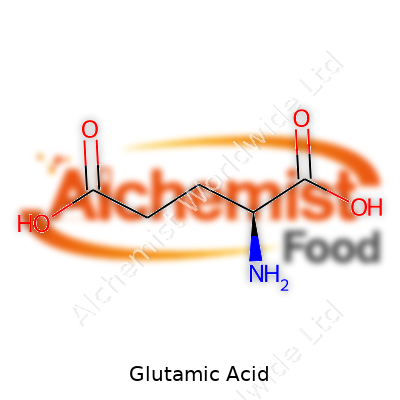
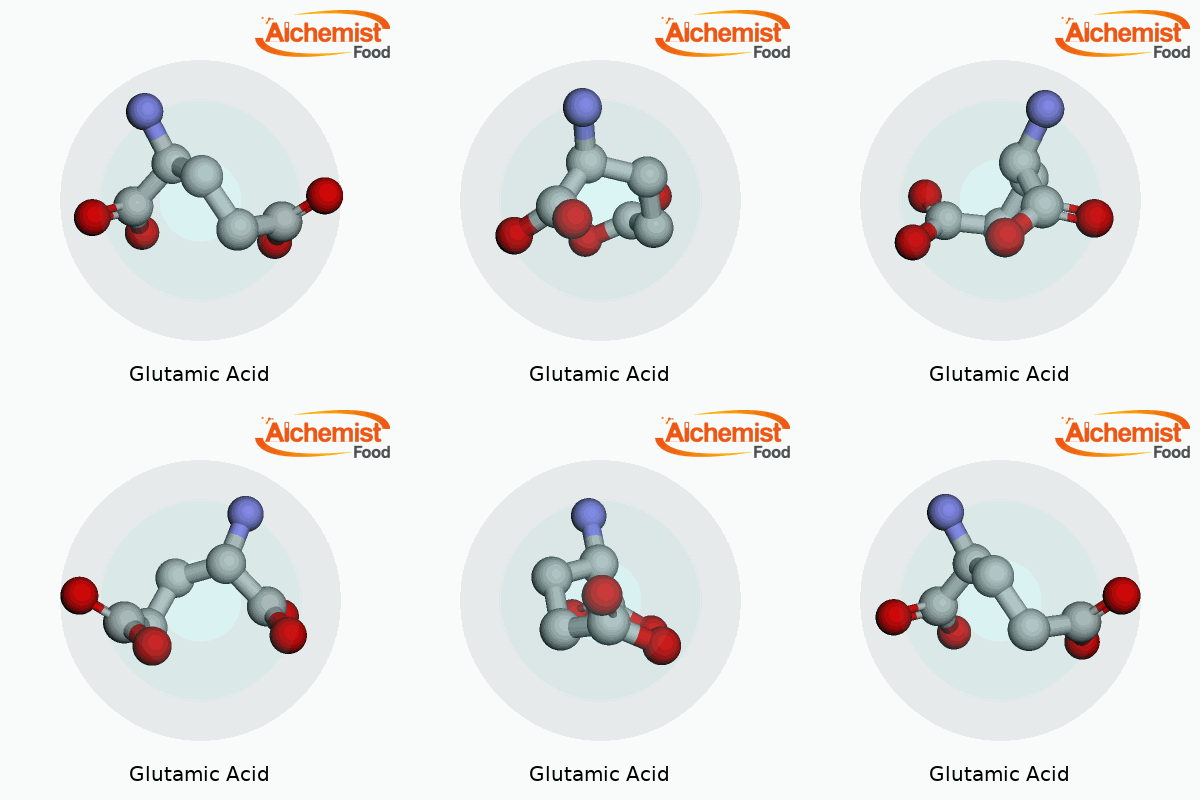
| Names | |
| Preferred IUPAC name | 2-aminopentanedioic acid |
| Other names |
2-Aminopentanedioic acid D-Glutamic acid Glutamate Glutaminic acid Glutamicum acid L-Glutamic acid |
| Pronunciation | /ɡluːˈtæmɪk ˈæsɪd/ |
| Preferred IUPAC name | 2-Aminopentanedioic acid |
| Other names |
Acidum Glutamicum Amidoglutaric acid Glutaminic acid 2-Aminopentanedioic acid Glutamate |
| Pronunciation | /ɡluːˈtæmɪk ˈæsɪd/ |
| Identifiers | |
| CAS Number | 56-86-0 |
| Beilstein Reference | 3198763 |
| ChEBI | CHEBI:29988 |
| ChEMBL | CHEMBL Glutamic Acid: **CHEMBL107** |
| ChemSpider | 565 |
| DrugBank | DB00142 |
| ECHA InfoCard | 03d2b505-532f-4a5f-94f6-a45a49986b32 |
| EC Number | E 620 |
| Gmelin Reference | Gmelin Reference: **9428** |
| KEGG | C00025 |
| MeSH | D005957 |
| PubChem CID | 611 |
| RTECS number | MC3425000 |
| UNII | 3KX376GY7L |
| UN number | UN2967 |
| CAS Number | 56-86-0 |
| Beilstein Reference | 17164 |
| ChEBI | CHEBI:18237 |
| ChEMBL | CHEMBL595 |
| ChemSpider | 632 |
| DrugBank | DB00142 |
| ECHA InfoCard | 100.039.427 |
| EC Number | 2.6.1.2 |
| Gmelin Reference | 540557 |
| KEGG | C00025 |
| MeSH | D005978 |
| PubChem CID | 611 |
| RTECS number | MN9100000 |
| UNII | 3KX376GY7L |
| UN number | UN2967 |
| CompTox Dashboard (EPA) | DTXSID0024709 |
| Properties | |
| Chemical formula | C5H9NO4 |
| Molar mass | 147.13 g/mol |
| Appearance | White crystalline powder |
| Odor | Odorless |
| Density | 1.46 g/cm³ |
| Solubility in water | 0.86 g/100 mL (25 °C) |
| log P | -3.22 |
| Vapor pressure | Negligible |
| Acidity (pKa) | 4.25 |
| Basicity (pKb) | 9.67 |
| Magnetic susceptibility (χ) | −24.3·10⁻⁶ cm³/mol |
| Refractive index (nD) | 1.563 |
| Dipole moment | 4.25 D |
| Chemical formula | C5H9NO4 |
| Molar mass | 147.13 g/mol |
| Appearance | white crystalline powder |
| Odor | Odorless |
| Density | 1.46 g/cm³ |
| Solubility in water | slightly soluble |
| log P | -3.22 |
| Vapor pressure | Negligible |
| Acidity (pKa) | 4.25 |
| Basicity (pKb) | 9.67 |
| Magnetic susceptibility (χ) | -26.2e-6 |
| Refractive index (nD) | 1.52 |
| Viscosity | Viscous liquid |
| Dipole moment | 10.30 D |
| Thermochemistry | |
| Std molar entropy (S⦵298) | 153.3 J·mol⁻¹·K⁻¹ |
| Std enthalpy of formation (ΔfH⦵298) | -1109.5 kJ/mol |
| Std enthalpy of combustion (ΔcH⦵298) | -1414.7 kJ/mol |
| Std molar entropy (S⦵298) | 150.6 J·mol⁻¹·K⁻¹ |
| Std enthalpy of formation (ΔfH⦵298) | −1006.5 kJ/mol |
| Std enthalpy of combustion (ΔcH⦵298) | −1561.8 kJ/mol |
| Pharmacology | |
| ATC code | N05CM02 |
| ATC code | N07AA03 |
| Hazards | |
| Main hazards | Harmful if swallowed. Causes serious eye irritation. Causes skin irritation. |
| GHS labelling | GHS05, GHS07 |
| Pictograms | GHS07 |
| Signal word | Warning |
| Hazard statements | H319: Causes serious eye irritation. |
| Precautionary statements | IF IN EYES: Rinse cautiously with water for several minutes. Remove contact lenses, if present and easy to do. Continue rinsing. IF INHALED: Remove person to fresh air and keep comfortable for breathing. IF ON SKIN: Wash with plenty of water. |
| NFPA 704 (fire diamond) | 1-1-0 |
| Flash point | 100°C |
| Autoignition temperature | Autoignition temperature: 410°C |
| Lethal dose or concentration | LD50 oral rat 15,900 mg/kg |
| LD50 (median dose) | 1040 mg/kg (rat, oral) |
| NIOSH | RA0350000 |
| PEL (Permissible) | 10 mg/m³ |
| REL (Recommended) | 30 mg/kg bw |
| IDLH (Immediate danger) | Not listed. |
| Main hazards | Harmful if swallowed. Causes serious eye irritation. Causes skin irritation. May cause respiratory irritation. |
| GHS labelling | GHS07, GHS09 |
| Pictograms | GHS07 |
| Signal word | Warning |
| Hazard statements | No hazard statements. |
| Precautionary statements | P264, P270, P301+P312, P330 |
| NFPA 704 (fire diamond) | 2-1-0 |
| Flash point | 100°C |
| Autoignition temperature | 440°C |
| Lethal dose or concentration | LD50 oral rat > 5,000 mg/kg |
| LD50 (median dose) | 10900 mg/kg (Rat, oral) |
| NIOSH | RA0350000 |
| PEL (Permissible) | 10 mg/m³ |
| REL (Recommended) | 30 mg/kg bw |
| Related compounds | |
| Related compounds |
Monoammonium glutamate Monosodium glutamate Monopotassium glutamate Calcium diglutamate Magnesium diglutamate |
| Related compounds |
Monosodium glutamate Glutamine Gamma-aminobutyric acid (GABA) Alpha-ketoglutaric acid Glutamate Aspartic acid N-Methyl-D-aspartic acid (NMDA) |



