Glucosamine: A Down-to-Earth Look at a Storied Compound
Historical Development
Glucosamine traces its origins back to the late 19th century, when German surgeon Georg Ledderhose first isolated it from cartilage. The real push for commercial interest grew in the mid-20th century, as aging populations in Europe and North America spurred demand for solutions to joint pain and osteoarthritis. Researchers in the 1960s began synthesizing glucosamine in the lab, but it wasn't until the late 1990s that the supplement industry caught fire, with drugstores and supermarkets stocking shelves full of glucosamine in every form imaginable. My first run-in with glucosamine came after a basketball injury, when an athletic trainer recommended a daily tablet. At that point, the compound had left the research labs behind, finding a permanent spot in consumer culture. Glucosamine’s path from obscure sugar derivative to household term mirrors the journey many supplements take as science, public interest, and industry all collide.
Product Overview
Most folks know glucosamine as a white, crystalline powder showing up in tablet and capsule form. Some brands blend it into topical creams or beverage mixes, though pills dominate. Nearly every product I’ve seen in stores is labeled as either glucosamine sulfate or glucosamine hydrochloride—both derived, in large part, from the shells of shellfish. Suitable for dietary supplementation, the product usually gets promoted for joint health, with taglines promising support for cartilage, mobility, and comfort. It’s a go-to for anyone anxious about knees or elbows that grind and creak. Some veterinarians recommend it for dogs dealing with the same issues, which shows how wide the net has been cast for this supplement.
Physical & Chemical Properties
In the lab, I remember glucosamine presenting as an odorless, crystalline powder, dissolving well in water. Unlike proteins or complex fats that require tricky handling, glucosamine handles like a sugar. Its molecular structure—C6H13NO5—sets it apart from table sugar because of the amino group tacked onto its ring. This gives it some interesting chemical quirks. Its melting point falls around 150 °C (302 °F). The powder doesn’t absorb much water from the air, so it stores easily at room temperature. These properties let manufacturers blend it into tablets without handling nightmares, driving down costs and making mass production possible.
Technical Specifications & Labeling
Labels on glucosamine products list type, dosage (often 500 mg to 1500 mg per pill), and source, since those allergic to shellfish can run into trouble. Some brands base products on corn or other plant sources, giving vegetarians a safe route. Four out of five bottles on any pharmacy shelf, in my experience, print the required “dietary supplement” disclaimer, which spells out that the FDA hasn’t evaluated the claims being made. Technical specs sometimes list purity levels, excipients, and product codes. Traceability to batch and lot numbers, often in tiny print, aims to show the product’s journey through production. This all aligns with U.S. and EU supplement regulations, though quality tests vary by nation and manufacturer.
Preparation Method
Industrial production mostly starts with the hydrolysis of chitin. Chitin, found in shrimp and crab shells by the ton, gets crushed and processed with hydrochloric acid, breaking it down to glucosamine hydrochloride. Some companies take a further step, adding sulfuric acid to make glucosamine sulfate, which dissolves better and claims more stability in certain formulations. Alternative methods, based on fermenting fungal biomass, have emerged as vegan demand grows, though these carry higher costs. Manufacturing, from my lab experiences and industry sources, depends heavily on filtering, washing, and precipitating the end product, after which it gets dried, milled, and tested for impurities.
Chemical Reactions & Modifications
Chemists get creative with glucosamine, making derivatives like N-acetylglucosamine by adding acetyl groups—or blending with other molecules to boost absorption. Sulfate and hydrochloride forms are prepared by targeted reactions with sulfuric or hydrochloric acids. Some research aims for modified analogs believed to enter cartilage cells more easily or to last longer in the bloodstream. I’ve read studies where minor tweaks, such as methylating the amino group, gave rise to entirely new properties, though none have made the leap to clinical shelves yet. Each new modification looks for better uptake, more targeted action, or improved shelf life.
Synonyms & Product Names
Walk into any pharmacy and you’ll see glucosamine referred to by a handful of names: D-glucosamine, 2-amino-2-deoxy-D-glucose, or just plain glucosamine sulfate/hydrochloride. Patent applications and ingredient lists sometimes use technical labels, though most brands stick to glucosamine for simplicity. Some global products might use localized names, but the core ingredient stays the same. Pet supplements, like those marketed for dogs or horses, sometimes hide the word behind joint health formulations, though savvy shoppers likely spot it in the fine print.
Safety & Operational Standards
Ensuring safety in manufacturing gets plenty of attention, given how widely used these products are. U.S. manufacturers must follow current Good Manufacturing Practices (cGMPs), enforced by the FDA, covering everything from source material to final bottling. European legislation demands similar rigor, adding extra pressure for purity and traceability. Labs commonly screen each batch for lead, arsenic, and other contaminants, since crustacean shells can carry heavy metals from polluted waters. Workers involved in production handle acids, solvents, and airborne powder with gloves and masks to stave off allergic reactions or chemical burns. Rigorous record-keeping and periodic inspections reduce risks of contamination and mislabeling, boosting consumer trust in the end product.
Application Area
Glucosamine found fame for its use in joint supplements, targeting knees, hips, and spines worn down from aging or athletics. Orthopedic clinics often recommend it to older adults with early signs of osteoarthritis, and the sports world has embraced it as a preventive measure. Veterinarians prescribe the same compounds for arthritic dogs and horses, which says a lot about cross-species trust in its safety profile. Topical creams make a smaller, niche mark among those reluctant to swallow pills. Some researchers have looked at using glucosamine in skincare, banking on its potential to support collagen formation and wound healing, though oral administration remains dominant. Outsiders might not know that the ingredient also pops up in biochemistry labs, where scientists track how sugars enter cells or churn through metabolic pathways.
Research & Development
Glucosamine’s popularity keeps scientists busy. Universities and pharma companies run clinical trials testing its ability to slow cartilage breakdown and ease pain. Results swing between promising and modest, sparking debate over exactly who benefits. My favorite study showed mild benefits in knee pain, especially for those just entering osteoarthritis territory, but less effect for folks with advanced disease. Research now leans toward combinations—pairing glucosamine with chondroitin or MSM to multiply effects. Molecular biologists delve into mechanisms, studying how glucosamine tweaks inflammatory responses and triggers cartilage repair in animal models. On the consumer side, new delivery methods, like slow-release tablets and “joint shots,” keep the market humming. Every year delivers a new angle—rarely a revolution, but incremental moves forward.
Toxicity Research
In dozens of studies, glucosamine scores well for safety. Toxicity sits low, with most adults tolerating daily doses of 1500 mg without trouble. Reported issues rarely go past mild stomach upsets or a slight chance of allergic reaction, mostly in folks with shellfish sensitivities. Animal toxicity tests, where researchers loaded up rats and dogs with massive doses, found only minor side effects, mostly gastrointestinal, and only at extremes no human would take. Still, ongoing monitoring matters. Some researchers have flagged concerns about mild impacts on glucose metabolism, urging caution among diabetics. Pregnant women and young children get the usual “consult your doctor” advice, since long-term studies in those groups lag behind. Most supplement safety complaints tie back to manufacturing, such as contamination, rather than the molecule itself.
Future Prospects
With global populations pushing older every year, demand for compounds supporting joint health keeps climbing. Researchers hunt for more potent, bioavailable forms, eyeing fermentation and synthetic biology for sustainable, allergen-free supply chains. Formulators look to blend glucosamine with new anti-inflammatory or antioxidant ingredients, hoping for joint support with broader health benefits. Advances in delivery—like once-weekly patches or encapsulated beads—promise higher effectiveness and better compliance. In parallel, tech like blockchain for supply chain management looks set to further bolster traceability and consumer confidence. BETTER data from large-scale, randomized trials remains the gold standard needed to quiet ongoing debate about who reaps the most benefit. With new science, better manufacturing, and tailored products, the future for glucosamine appears robust, especially for those feeling age in their knees.
What is glucosamine used for?
Finding Answers in the Supplement Aisle
Glucosamine gets a lot of shelf space in the pharmacy—tucked into corners next to big bottles of fish oil, magnesium, and multivitamins promising everything from heart health to better sleep. Folks with aching knees or stiff fingers might reach for it, hoping for a little relief. I remember an older neighbor kept a bottle in her kitchen, convinced it was the only thing that made her hands work in the cold. So what’s all the fuss about? Why do so many people pin their hopes on glucosamine?
Understanding the Basics
Glucosamine is a natural compound found in healthy cartilage—cushioning that helps our joints handle years of walking, kneeling, and even the occasional ill-advised dance at a wedding. As people age, this flexible padding wears down and aches start appearing. That’s where glucosamine pills come in. The idea is simple: give the body more of the building blocks it needs to keep that cartilage stronger for longer.
Most folks use glucosamine to help with symptoms of osteoarthritis. Doctors estimate that millions in the U.S. deal with pain, swelling, and stiffness from this slow grind-down of their joints. Knees, hips, and hands get hit the worst. Pain pills help, but not everyone feels good about long-term use. That’s why glucosamine, promising a gentler and more natural path, grabs attention. The most popular types on the shelves are glucosamine sulfate and glucosamine hydrochloride, each with believers and critics weighing in on which one works best.
Science Versus Stories
Talk to people who use glucosamine and you’ll hear everything from "It gave me my morning walks back," to "I never noticed a difference." Research results match those mixed experiences. Some studies suggest it helps with mild pain and stiffness, especially in the knees. Others see little to no benefit compared to sugar pills. Health experts at the Mayo Clinic and the National Institutes of Health admit that evidence remains a mixed bag. Some European medical groups support its careful use, especially for those who wish to delay stronger medications or surgery.
Quality matters. Some glucosamine products contain additional ingredients like chondroitin or MSM. Buyers should check labels, stick with brands that test for purity, and talk to their pharmacist if they already take medicine for diabetes or blood thinners. People with shellfish allergies also need to stay cautious—many glucosamine supplements come from crustacean shells.
Safe Use and Smarter Choices
I try not to reach for a pill unless it makes sense. Anyone thinking about glucosamine should talk to their doctor, especially if they juggle other health issues. Supplements aren’t a ticket back to pounding pavement or playing pickup basketball, but when pain gets in the way of everyday life, even a little help makes a big difference. Gentle exercise and stretching give the best shot at keeping joints working day in and day out, but for some, adding glucosamine is worth a try, especially if they prefer to avoid stronger painkillers.
Working toward healthier joints takes patience and honest conversations about risks, costs, and expectations. Each ache tells a story, and while glucosamine doesn’t offer a magic fix, real people want options that help them stay active and independent. That matters more than flashy claims or trendy bottles on store shelves.
Are there any side effects of taking glucosamine?
Looking at the Truth of a Popular Supplement
Many people reach for glucosamine with hope it will protect their joints or ease their osteoarthritis pain. Walk through any pharmacy and you’ll spot shelves lined with this supplement—capsules, powders, gummies. It promises a lot: less stiffness, better mobility, maybe a slower track to knee replacement. But one question lingers behind those glossy labels. Are there any downsides to popping glucosamine every day?
Real Experiences Shed Light on Risks
People often trust supplements because they feel natural and gentle. The truth is, even natural products can cause trouble. Doctors sometimes warn folks with shellfish allergies that glucosamine comes from shellfish shells. I’ve talked to older family members eager to try it—one uncle, for example, left with rashes and digestive upset after a few weeks. Reports show others have the same story: nausea, heartburn, gas, bloating. It’s not just rare cases.
Studies over the past decade back this up. In research published by the National Institutes of Health, mild symptoms—upset stomach, constipation, and headaches—showed up in a decent chunk of participants. These effects usually faded when they stopped the supplement, but for some, it meant skipping their daily walks or skipping certain foods to feel settled.
Bigger Health Questions
Glucosamine doesn’t play well with every condition. People with diabetes should pay extra attention. There’s some evidence that the supplement nudges blood sugar up in certain folks, though findings haven’t been the same in every study. For anyone watching their glucose or taking insulin, it turns into a bit of a gamble.
Another group—people on blood thinners like warfarin—should pause before adding glucosamine to their routine. The supplement can interact with the blood thinners, leading to bruising or bleeding, which can turn a simple cut into a much bigger problem. Here, doctors often suggest finding another path to joint health.
The Evidence: Does It Work?
This supplement’s reputation for easing joint pain rests on mixed evidence. Some large studies, including the Glucosamine/Chondroitin Arthritis Intervention Trial, haven’t found it works much better than a placebo for most people. Still, those who feel relief swear by it. Placebo or not, relief matters to those dealing with daily pain, but relying on hopes and testimonials ignores possible side effects.
Figuring Out the Safe Route
Cautious decision-making gives the best shot at managing risk. People considering glucosamine should talk to their doctor, especially with a long medical history. Regular check-ins let them catch any sneaky changes in blood sugar or unusual bruising. For anyone with allergies, checking the ingredient source saves headaches down the line.
Besides monitoring, taking only what’s needed and using credible brands reduces risks. Some products get imported from places with loose controls over purity—hidden contaminants show up in random tests. Skeptical thinking and sticking with brands that test their products protects against ingredients no one bargained for.
Looking Beyond Supplements
Supplements rarely outpace basics like daily movement, balanced food, and sticking with treatments that have passed real-world trials. Stretching, resistance training, and eating enough protein matter more than anything you’ll find in a pill. I’ve seen older neighbors bounce back from knee troubles with steady physical therapy, not supplements, and science stands with them. Glucosamine plays a part for some, but knowing its rough edges lets people make clear-headed choices about their health.
How long does it take for glucosamine to work?
Looking Past the Hype
Some people reach for glucosamine the moment their knees start aching or fingers feel a little stiff. Glucosamine sits near the top of the supplement world for joint support, partly from word of mouth and partly from hope that something simple could help dodge more painkillers or surgery. Walk into a pharmacy, and you’ll see it next to fish oil and multivitamins, all promising a future with fewer creaks and groans.
No Magic Pill: The Waiting Game
Truth is, there’s no overnight fix. Most clinical trials show glucosamine might take anywhere from four to twelve weeks to show any benefits—if it does at all. That slow burn often disappoints folks who expect to feel better after a few days. I remember an uncle of mine, always running, trying to relieve years of soccer injuries. He took glucosamine faithfully, every day, measuring out his pills. Six weeks in, things started to feel different. Not perfect, but he could tie his shoes without wincing.
Scientists point to osteoarthritis as the main target for glucosamine, and not every aching joint comes from cartilage thinning out. Harvard Medical School notes mixed results: some people swear by it, some feel nothing. If you see improvement, it often sneaks up slowly—a little less morning stiffness, a slightly longer walk before discomfort sets in.
Figuring Out Why Everyone’s Results Differ
Supplements come with plenty of variables. Glucosamine’s quality matters. Dosages in studies usually run about 1,500mg a day. Some pills have added chondroitin, which further muddies the conversation about what’s actually helping. A person’s age, weight, and level of joint damage also play a role.
Diet can shape results. As someone who grew up on home-cooked meals heavy on meat and broth, it’s easy to see how folks interested in joint health often eat differently than those who head for the drive-thru. Exercise counts, too. Regular movement keeps the muscles around joints stronger, letting supplements like glucosamine possibly make more of an impact.
Backing the Claims with Research
Glucosamine sulfate, the form most often studied, gets nods of approval from organizations like the Arthritis Foundation. Some meta-analyses published in journals such as “The Cochrane Database of Systematic Reviews” report small but statistically significant pain relief from glucosamine sulfate for knee osteoarthritis. Results feel underwhelming for hip or spine problems. The American College of Rheumatology doesn’t recommend glucosamine for routine osteoarthritis management, yet plenty of doctors tell their patients to try it if acetaminophen isn’t doing the trick. It rarely causes side effects, which keeps it on the table for experimentation.
Finding a Smarter Path Forward
If you’re considering glucosamine, keeping expectations fair means thinking long-term. Write down how you feel today, then check back every couple of weeks. Many people give it three months before deciding to continue. Don’t stop moving or eat only processed meals just because you’re trying a supplement. If it helps, that’s good news, but it won’t regrow worn cartilage.
The healthiest approach pairs realistic hope with skepticism. Talk to a healthcare provider before starting, especially with other medications in the mix. Glucosamine isn’t a miracle, and it doesn’t replace the basics: good food, steady movement, and sometimes, a little patience.
Can I take glucosamine with other medications?
What’s Behind the Buzz Around Glucosamine?
People explore glucosamine hoping for relief from joint aches. The supplement promises to ease morning stiffness and keeps knees from complaining on long walks. The market doesn’t just sell pills or capsules; it sells the hope of feeling younger, possibly dodging pain linked to aging and arthritis, without running to a doctor every few months.
Mixing Glucosamine With Prescription Drugs
Plenty of folks grabbing a bottle of glucosamine from the shelf already take other medication. Over half of adults over 60 juggle more than one drug every day. Blood thinners like warfarin, diabetes medicines, blood pressure pills—these are common companions.
Here's where it gets bumpy. Glucosamine pushes up the risk of bleeding when combined with blood thinners. Harvard Medical School notes reports of increased bruising and nosebleeds in some users. If blood sugar runs high, some evidence suggests glucosamine tweaks sugar levels, which could complicate things for people injecting insulin or swallowing metformin.
Doctors in family clinics warn patients about mixing supplements and prescription meds. They do it for good reason. Facts matter. Polypharmacy can harm more than it helps, especially when new substances like glucosamine slip into the mix unnoticed.
Real Life Decisions and Responsibility
No label at the pharmacy will replace a good conversation with a healthcare professional. Pharmacists and doctors sift through your health story and pick up on issues before they threaten your safety. They ask simple questions: “Are you taking aspirin every day?” “Any blood sugar concerns?” Those questions save more trouble than any warning tucked in fine print.
Older adults and folks dealing with long-term health problems may want to chase after natural fixes. I’ve seen the hope in their eyes. I’ve seen the frustration after news stories hype miracle cures, only to result in a muddle of side effects once new pills and old pills collide. In practice, some patients ignore supplement use when talking to their practitioner, either thinking it’s harmless or fearing a lecture. This silence can backfire, leading to avoidable complications.
What’s Next for Safe Supplement Use?
Close the gap between what the bottle promises and what your body can handle. Bring up glucosamine with your clinician before adding it to your daily lineup. List every prescription and over-the-counter drug you use, not just the ones you think matter. Ask pointed questions: “I’ve heard glucosamine can mess with warfarin. Is this true for me?”
The Mayo Clinic, CDC, and NIH keep updated guides on drug-supplement interactions. Using their resources helps build a safer routine. Writing down every medication and supplement before heading to a doctor’s visit makes for clear conversations and fewer missed risks.
Health choices rarely fit a perfect plan, especially as we age or our conditions shift. We lean on knowledge gathered from researchers, pharmacists, and doctors—those who spend years untangling these puzzles. Wisdom comes from sharing details openly, not from hoping for the best after grabbing the latest supplement trending on wellness blogs.
What is the recommended dosage for glucosamine?
Glucosamine in Daily Life
You notice friends and family reaching for glucosamine bottles when knee pain or stiffness flares up. It’s on pharmacy shelves, sports shops, and even at the grocery checkout. The conversation around joint health feels personal these days; aging parents and peers talk more about mobility than ever before. Choosing a safe and effective dose matters, especially with so many opinions online and in magazines.
Standard Dosage Backed by Research
Most people aiming for joint comfort take 1,500 milligrams of glucosamine sulfate each day. This figure comes straight from academic studies that put the supplement to the test, no matter the manufacturer. Either split into three 500 mg doses throughout the day or taken all at once, this amount tends to show up in trials looking at osteoarthritis and joint pain. Some people take less—say, 500 or 1,000 milligrams—hoping for fewer stomach troubles. Others have tried more and regretted it, reporting nausea or diarrhea. The 1,500 mg target stands because it’s what repeatedly gets studied and recommended by organizations like the Arthritis Foundation.
Individual Differences Count
People have their own stories and genetic make-up, affecting outcomes. Someone weighing 230 pounds and putting in long hours at work on their feet might need a different approach compared to a petite retiree taking gentle walks. Personal doctors factor in age, weight, kidney health, and other medicine use when giving dosage advice. For instance, folks taking blood thinners or with shellfish allergies use extra caution, since most glucosamine originates from shellfish shells. Always worth reading the label and talking openly with a pharmacist or physician if already juggling other meds.
Glucosamine Isn’t Magic—And Not for Everyone
Plenty of folks want an easy fix. The truth—glucosamine isn’t going to regrow cartilage or erase years of wear and tear overnight. Not everyone feels relief, and some won’t feel any change at all. The longer someone takes it (research often looks at 8–12 weeks), the clearer the outcome. For those who swear by it, maintaining a steady 1,500 mg dose and keeping expectations realistic has more value than popping extra capsules. People with diabetes need to keep an eye on their blood sugar, as some research hints at slight increases.
How to Get the Greatest Benefit
Choosing a high-quality product with clear labeling ranks right up there with dose consistency. Laboratory analyses show that plenty of over-the-counter bottles miss the mark, containing less than advertised. Opting for well-established brands and checking seals for certification marks like USP or NSF makes a difference in getting what’s on the label. Sourcing glucosamine from non-shellfish origins helps those with allergies or dietary restrictions. Hydration supports joint function too—simply drinking enough water matters.
Supporting Joint Health Beyond Supplements
Glucosamine works best as one piece of a bigger puzzle. Keeping active, stretching, building muscle strength, and managing body weight play as big a role, if not more. Swapping sedentary evenings for gentle walks with friends or gardening delivers results no supplement can match alone. For those carrying questions, a trusted healthcare provider offers the most reliable pathway—especially if pain wakes you up at night or limits everyday life.
Before starting any supplement, especially long-term, make an appointment for a real conversation with your provider. Relying on experience, evidence, and some honest self-reflection supports better choices for lasting joint health.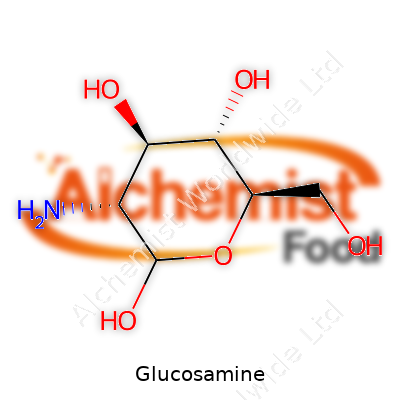
| Names | |
| Preferred IUPAC name | 2-amino-2-deoxy-D-glucopyranose |
| Other names |
Amino monosaccharide Chitosamine D-glucosamine |
| Pronunciation | /ˌɡluː.kəˈseɪ.mɪn/ |
| Preferred IUPAC name | 2-amino-2-deoxy-D-glucopyranose |
| Other names |
Chitosamine Glucosamine sulfate Glucosamine hydrochloride D-glucosamine |
| Pronunciation | /ɡluːˈkoʊ.səˌmiːn/ |
| Identifiers | |
| CAS Number | 3416-24-8 |
| Beilstein Reference | 63531 |
| ChEBI | CHEBI:5417 |
| ChEMBL | CHEMBL573 |
| ChemSpider | 7144 |
| DrugBank | DB01296 |
| ECHA InfoCard | '03c842fd-8e8a-4a60-b1b1-773d7e6b0e17' |
| EC Number | 3.2.1.52 |
| Gmelin Reference | 34987 |
| KEGG | C01342 |
| MeSH | D020163 |
| PubChem CID | 439213 |
| RTECS number | MC8221000 |
| UNII | 88L5013ESA |
| UN number | Not regulated |
| CompTox Dashboard (EPA) | DTXSID7031606 |
| CAS Number | 3416-24-8 |
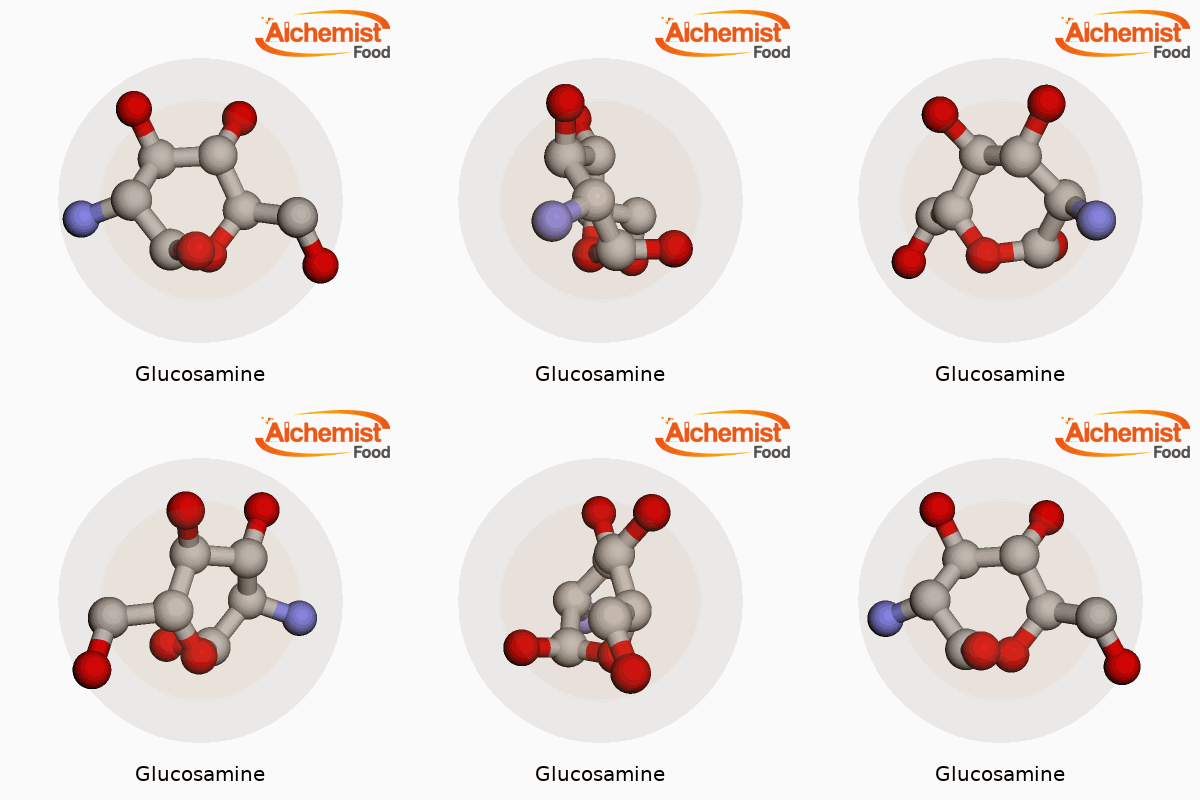
| 3D model (JSmol) | glucosamine.mol |
| Beilstein Reference | 58262 |
| ChEBI | CHEBI:5417 |
| ChEMBL | CHEMBL1239 |
| ChemSpider | 5799 |
| DrugBank | DB01296 |
| ECHA InfoCard | 100.033.799 |
| EC Number | 3.2.1.4 |
| Gmelin Reference | 109992 |
| KEGG | C00624 |
| MeSH | D018118 |
| PubChem CID | 439213 |
| RTECS number | MC6556000 |
| UNII | 88L19NO35C |
| UN number | UN2811 |
| CompTox Dashboard (EPA) | DTXSID9020083 |
| Properties | |
| Chemical formula | C6H13NO5 |
| Molar mass | 179.17 g/mol |
| Appearance | White crystalline powder |
| Odor | Characteristic |
| Density | 0.45 g/cm³ |
| Solubility in water | Soluble |
| log P | -5.1 |
| Vapor pressure | Negligible |
| Acidity (pKa) | 6.93 |
| Basicity (pKb) | 9.1 |
| Refractive index (nD) | 1.584 |
| Viscosity | Viscous liquid |
| Dipole moment | 3.8227 Debye |
| Chemical formula | C6H13NO5 |
| Molar mass | 179.17 g/mol |
| Appearance | White crystalline powder |
| Odor | Characteristic |
| Density | 0.6 g/cm3 |
| Solubility in water | Soluble in water |
| log P | -4.23 |
| Acidity (pKa) | 6.9 |
| Basicity (pKb) | 9.4 |
| Magnetic susceptibility (χ) | −15.3×10⁻⁶ cm³/mol |
| Refractive index (nD) | 1.603 |
| Viscosity | Viscous liquid |
| Dipole moment | 5.5872 Debye |
| Thermochemistry | |
| Std molar entropy (S⦵298) | 343.7 J·mol⁻¹·K⁻¹ |
| Std enthalpy of formation (ΔfH⦵298) | −971.6 kJ/mol |
| Std enthalpy of combustion (ΔcH⦵298) | -3826 kJ/mol |
| Std molar entropy (S⦵298) | 340.1 J/(mol·K) |
| Std enthalpy of formation (ΔfH⦵298) | -971.5 kJ/mol |
| Std enthalpy of combustion (ΔcH⦵298) | -3806 kJ/mol |
| Pharmacology | |
| ATC code | M01AX05 |
| ATC code | M01AX05 |
| Hazards | |
| Main hazards | May cause mild gastrointestinal discomfort, allergic reactions (especially in individuals with shellfish allergies), and may interact with anticoagulant medications. |
| GHS labelling | GHS labelling: Not classified as hazardous according to GHS |
| Pictograms | Joint health;Bone health;Mobility;Cartilage support;Pain relief |
| Signal word | Warning |
| Hazard statements | Not a hazardous substance or mixture according to the Globally Harmonized System (GHS). |
| Precautionary statements | Keep out of reach of children. Consult a healthcare professional before use if you are pregnant, nursing, taking medication, or have a medical condition. Do not exceed recommended dose. Store in a cool, dry place. |
| NFPA 704 (fire diamond) | 1-0-0 |
| Lethal dose or concentration | LD50 (oral, rat): > 5000 mg/kg |
| LD50 (median dose) | > 8,000 mg/kg (rat, oral) |
| PEL (Permissible) | Not established. |
| REL (Recommended) | 1500 mg per day |
| IDLH (Immediate danger) | Not listed |
| Main hazards | May cause mild gastrointestinal discomfort, allergic reactions (especially in those with shellfish allergy), and interactions with anticoagulant medications. |
| GHS labelling | GHS07 |
| Pictograms | pictograms":["GI disturbances","Liver toxicity","Allergic reactions","Rash"] |
| Signal word | Warning |
| Hazard statements | Not a hazardous substance or mixture according to the Globally Harmonized System (GHS). |
| Precautionary statements | Consult your healthcare professional before use if you are pregnant, nursing, taking medication, or have a medical condition. Keep out of reach of children. Store in a cool, dry place. Do not use if seal is broken or missing. |
| NFPA 704 (fire diamond) | 1-0-0 |
| LD50 (median dose) | LD50 (oral, rat): > 5000 mg/kg |
| NIOSH | GL0175000 |
| PEL (Permissible) | Not established |
| REL (Recommended) | 1500 mg |
| IDLH (Immediate danger) | Not listed / Not established |
| Related compounds | |
| Related compounds |
N-Acetylglucosamine Chondroitin sulfate Glucose Galactosamine Heparin Hyaluronic acid Keratan sulfate |
| Related compounds |
N-Acetylglucosamine Chitosan Chitin Glucose Galactosamine Hyaluronic acid Heparin Keratan sulfate |



