Genistein: A Practical Look
Historical Development
People have been drawn to soybeans for centuries. Folk medicine in Asia pointed out that regular soybean consumption brought certain health benefits. Researchers isolated Genistein from the dyer's broom plant, Genista tinctoria, toward the end of the 19th century, and the molecule got its name from this historical link. By the late 20th century, scientists realized that Genistein, a type of isoflavone, played a big part in what made soy a recurring subject in studies about heart health, menopause, and even cancer. Instead of coming from a place of pure curiosity, interest often followed emerging patterns in population health—Asians reported fewer hot flashes and certain cancers, and soy seemed intertwined. This blend of traditional practice and modern investigation shaped a long, practical relationship with Genistein.
Product Overview
Genistein is found mostly in soybeans and soy-rich foods like tofu, tempeh, and soy milk. It has a yellowish-white color and appears as a fine powder once extracted and purified. Many nutritional supplements, both single-ingredient and complex blends, use Genistein. In my experience, people often bring up Genistein when looking for non-hormonal support for bone health or relief from menopausal symptoms. Functional food manufacturers and pharmaceutical companies rely on Genistein for its potential antioxidant effects and role in modulating certain cell-signaling pathways. A bottle of Genistein at the local pharmacy or health-food store usually lists it by its concentration or percentage, and sometimes combines it with other isoflavones.
Physical & Chemical Properties
Genistein’s molecular formula is C15H10O5. The compound’s melting point typically sits around 297°C, putting it on the higher end for such plant-based molecules. It barely dissolves in water but mixes well with ethanol, dimethyl sulfoxide, and other organic solvents. Genistein’s structure—a flavone backbone with extra hydroxyl groups—supports its antioxidant capacity. That chemical stability means supplements and food additives using Genistein don’t degrade quickly, which matters for shelf life. The powder tends to clump when exposed to moisture, urging careful handling and proper storage.
Technical Specifications & Labeling
Most Genistein products specify purity levels above 98%, with clear reporting on residual solvents and heavy metals. Labels must follow local and national food or drug regulations. Consumers usually see labels listing country of origin, extraction method, and batch numbers for traceability. Pharmaceutical-grade Genistein comes with detailed certificates of analysis to back up claims of purity and safety. Extensive quality checks make sure the Genistein in capsules or functional foods delivers a consistent dose, which makes a big difference for people relying on steadiness, like those managing menopause symptoms or osteoporosis.
Preparation Method
To manufacture Genistein on a larger scale, most producers start with soy flour or defatted soybean meal. They use a combination of ethanol extraction, filtration, and concentration to isolate the isoflavones. Enzymatic hydrolysis comes into play, breaking down glycosides to free aglycones like Genistein. Afterward, purification requires column chromatography to separate other similar compounds. Labs and factories both rely on strict temperature and pH controls throughout the process. Crystallization and drying lock in purity before the compound is milled into a fine, consistent powder.
Chemical Reactions & Modifications
Genistein undergoes several well-documented chemical modifications for both research and tailored product development. Sulfation and glucuronidation make up its metabolic pathway inside the body, which is important for understanding absorption and clearance. In the lab, chemical groups can be added to improve solubility or increase bioavailability for pharmaceutical formulations. Genistein reacts with strong acids or bases, and its hydroxyl groups permit attachment to various carriers. This flexibility supports its use in new drug delivery systems, such as liposomes or nanoparticles, to increase its impact in less accessible tissues.
Synonyms & Product Names
Genistein may be listed as 4',5,7-Trihydroxyisoflavone in scientific settings. Other names include Prunetol or Sophoricol, though supplement bottles keep to simply “Genistein” or “Soy Isoflavone.” Each synonym reflects either the chemical structure or the natural source. In retail and nutrition markets, clarity steers naming; shoppers rarely encounter obscure terms, so they hunt for familiar phrases like "soy isoflavone" or "standardized Genistein extract."
Safety & Operational Standards
Manufacturers work within strict standards to guarantee safety. The U.S. Food and Drug Administration, European Food Safety Authority, and similar bodies in Asia enforce upper intake limits for isoflavones and scrutinize purity levels. Good Manufacturing Practice (GMP) certification creates a paper trail for each step, from sourcing beans to producing tablets or powders. Testing for allergens, possible GMO contamination, and solvent residues occurs for each batch that lands on shelves. These safety checks aren’t just for regulatory compliance; they answer real concerns from people with medical or dietary restrictions.
Application Area
Genistein’s uses draw from both evidence and tradition. Functional foods and dietary supplements stake a claim on bone density support and relief from hot flashes. Cosmetics companies value Genistein for its antioxidant and photoprotective properties, hoping it slows visible aging or calms irritation. More specialized applications include its presence in selective cancer therapeutics exploring Genistein’s effect on cell cycle regulation and apoptotic pathways. Livestock nutrition also puts Genistein to use, banking on its growth-promoting and stress-reducing characteristics in certain contexts.
Research & Development
Genistein sits at the heart of wide-ranging research pipelines. Scientists chase data on its anti-inflammatory, anti-cancer, and bone-protective roles. Clinical studies track the impact of long-term Genistein supplementation for people at risk for osteoporosis, metabolic syndrome, or cardiovascular disease. Pharmacologists look into new derivatives with higher bioavailability and lower breakdown rates, hoping to maximize benefit while sidestepping side effects. Food tech experts seek enhanced formulations—microencapsulation, for example—that might boost absorption or mask taste in functional snacks or bars.
Toxicity Research
Safety research gives a nuanced picture. At moderate dietary levels, Genistein shows low acute toxicity. Chronic exposure studies in rodents at very high doses reveal possible impacts on fertility and development, leading regulatory agencies to offer guidance on upper daily limits. Analysts keep an eye on hormonal effects because Genistein acts as a phytoestrogen; while many people tolerate moderate doses well, those with specific hormone-sensitive conditions—certain cancers or thyroid issues, for example—need personalized professional advice. Long-term surveillance keeps manufacturers in check, updating warning labels or dosing recommendations as new findings emerge.
Future Prospects
Innovation and curiosity push Genistein into new corners of medicine and wellness. There’s growing interest in tailored nutraceuticals, pairing Genistein with probiotics, vitamins, or other plant compounds personalized to individual health profiles. Drug developers keep exploring synthetic analogs and delivery systems to help Genistein reach tissues once hard to impact, like the brain or cancerous sites. Increasingly climate-conscious manufacturing may push producers toward greener extraction methods and non-GMO sourcing. Researchers want larger and longer clinical studies to confirm preliminary findings around prevention and treatment, especially for chronic disease. In my experience, ongoing dialogue among scientists, clinicians, producers, and consumers shapes how Genistein evolves, grounded by the day-to-day questions people ask about safety, benefit, and meaningful results.
What is Genistein used for?
A Natural Compound with Plenty of Attention
Soybeans offer a lot more than protein or fiber; they also supply genistein, an isoflavone that seems to spark as much debate as excitement among scientists and people shopping in the supplement aisle. Genistein gets some of its fame from its presence in many Asian diets, which often rely on soy-based foods like tofu and miso. Traditionally, people in these regions tend to show lower rates of certain chronic conditions, especially when compared to folks raised on more Western fare. That’s pushed a lot of interest toward genistein for decades, not just in nutrition circles but among doctors and researchers, too.
Genistein and Hormone Balancing
Many people look at genistein because it shows up in discussions about hormones, menopause, and even cancer. Structurally, genistein resembles estrogen, a major female hormone. That similarity lets it interact in some of the same places that estrogen usually works. For women dealing with menopause, hot flashes and bone loss can shake daily life. Genistein steps in as a gentler option compared to hormone replacement therapy, offering some support for symptoms without the same safety worries as synthetic hormones. A review published in Menopause (2021) points to benefits for hot flashes and bone health, especially when soy foods appear regularly on the table.
Prostate and Breast Health
Interest in genistein stretches into men’s health, too. Studies in Japan and China shed light on a possible connection between high soy intake and lower prostate cancer rates. In lab tests, genistein seems to slow the growth of certain cancer cells, blocking some of the signals that stir up tumor growth. Population studies in Asia—where genistein makes up a regular part of the diet—often link higher intake to fewer cases of both breast and prostate cancer. Though these trends spark hope, not every clinical trial brings the same results, especially outside Asia, where overall eating habits and lifestyles differ. That tells me no supplement or single food solves a complex disease, though these plant-based compounds definitely deserve continued research.
Antioxidant and Anti-Inflammatory Benefits
Eating a diet full of colorful plants has science-backed links to better health, and genistein fits that picture. Researchers in journals like Food & Function have found that genistein helps blunt some of the inflammation and oxidative stress that pile up in the body over years. Chronic inflammation sits behind heart disease, diabetes, and more. Genistein’s antioxidant punch, picked up from simple soy foods at dinner, might play a real part in that bigger story.
Choosing Genistein Wisely
Most people in the West won’t hit the levels of genistein set by daily soy meals in places like Japan. Whole foods tend to offer more than isolated supplements, not just for genistein but for other nutrients, too. If someone wants to up their intake, I always point to tofu, miso soup, and unsweetened soy milk rather than jumping right to pills. There’s a safety net in food form. For those with certain medical histories—like breast cancer survivors—sticking with food and talking things over with a knowledgeable doctor makes sense. A smart approach blends research, good food, and personal health needs.
Is Genistein safe to take as a supplement?
What is Genistein?
Genistein comes from soybeans and other legumes. It’s what scientists call an isoflavone. For anyone who eats traditional Asian cuisine, you’ve probably taken in small amounts for most of your life without noticing. In some corners of the health world, people look at Genistein as a possible support for hormone balance, bone health, and even cancer prevention.
The Appeal and the Buzz
You walk into a supplement shop or scroll online and see pills promising stronger bones, better skin, or even cancer protection—all with Genistein at the front. Plenty of the excitement started with research about lower rates of breast and prostate cancer in populations eating more soy. Some studies hint that Genistein might work like estrogen in some tissues, but not others, raising hope for women wanting relief from hot flashes and bone loss after menopause.
Under the Microscope—What Does Science Say?
There’s more to the story, though. Because Genistein interacts with the body’s estrogen receptors, it influences hormones in a way that makes some experts nervous—particularly when people swallow high doses in supplement form, far more than a person would get in a normal diet. Research in animals has shown both helpful and potentially risky effects. In humans, studies don’t paint a clear, one-size-fits-all picture. Most healthy adults eating a moderate amount of soy-based foods don’t seem at risk, according to consensus from groups like the National Institutes of Health (NIH).
Supplement makers often give dosing amounts that researchers haven’t tested in long-term studies. A science review in “Frontiers in Endocrinology” pointed out that dietary Genistein is one thing, but concentrated pills could carry more risk, especially for children, pregnant women, and anyone with a history of hormone-sensitive cancers. The FDA in the United States flags that supplements are not held to the same safety standards as prescription drugs. Even if a compound like Genistein is safe in food, the effects in supplement form can be different.
Weighing the Risks and Benefits
Some benefits pop out in limited studies: possible protection for bones, minor reduction in some cancer risk, and improvement in hot flashes. On the other hand, higher doses have shown mixed results—sometimes even stimulating the growth of hormone-related cancers in lab research. For people taking thyroid medication or blood thinners, Genistein can interact with these drugs, causing side effects. Those living with low thyroid function may want to steer clear without a doctor’s advice.
Young children and women who have had breast cancer appear especially vulnerable, according to data from the American Cancer Society and several large observational studies out of Japan and the US.
Finding a Safe Approach
Sticking to food sources—like tofu, tempeh, or edamame—lets people enjoy the benefits of Genistein without risking over-supplementation. If someone is tempted by a supplement, talking to a doctor or a registered dietitian before making the leap is a smart move. More is not always better, especially with hormone-like compounds.
With so many unknowns still in the science, moderation and medical advice matter more than chasing the latest supplement fad. Genistein has promise, but respect for its power is part of keeping yourself safe.
What are the health benefits of Genistein?
Soybeans and a Closer Look at Genistein
I grew up in a house where soy always had a place on the dinner table. My grandmother believed in the power of home-cooked tofu and edamame long before soy lattes showed up at coffee shops. Only later did I learn that those little beans pack a punch because of compounds like Genistein. Genistein is an isoflavone, mostly found in soy products, and it’s caught the attention of both researchers and health-conscious eaters. With so many supplements out there, it’s still hard to replace what nature created in a soybean.
Genistein’s Role in Hormone Balance
Let’s talk honestly—lots of people worry about hormone health, especially as they age. Genistein gets noticed because it acts a bit like estrogen in the body, though in a much weaker way. This mild mimicry matters most for women during menopause, when hot flashes and bone changes become daily concerns. Several clinical studies show that women who include more Genistein-rich foods see milder menopause symptoms. It’s not just hype—one major review in the European Journal of Nutrition showed a real drop in hot flashes with steady soy intake. That’s a practical step that doesn’t involve hormone pills or their long list of side effects.
Bone Health: More Than Just Milk
Standing in the dairy aisle, I see so many people hunting for ways to keep their bones strong. But I remember learning in nutrition class that Genistein supports bone-building cells and helps reduce breakdown. Researchers found that women eating more Genistein kept better bone density as they aged. While classic calcium advice sticks around, adding soy products to a regular diet can build extra support for bones. This matters in places where osteoporosis is a lurking problem nobody wants to talk about until a broken wrist changes a life.
Genistein and the Heart
Soy isn’t just about protein—it plays a solid hand in heart health. I’ve seen relatives trade in fatty meats for stir-fried tofu and actually put their cholesterol numbers in check. Genistein (along with other soy isoflavones) helps lower LDL, the so-called “bad” cholesterol, and may even help blood vessels flex more easily. The American Heart Association recognized that swapping in soy products for animal proteins led to a real, measurable benefit. In a world saturated with processed foods, a simple swap to traditional foods like tofu or miso soup can work wonders for blood pressure and cholesterol.
Questions and Concerns
Before anyone rushes out to gulp soy milk by the liter, it’s right to weigh the balance. Some folks worry about links between soy and certain cancers, but the science doesn’t backup those old fears for most people eating moderate amounts. The American Cancer Society points out that eating typical amounts of soy foods as part of a balanced diet hasn’t shown any increased risk—and may even help lower breast cancer risks in some groups. People with very specific medical concerns should check in with their doctor, though, especially if they use thyroid medication or have specific hormone-sensitive conditions.
More Ways to Get Genistein
Genistein fits into a real-life menu. Think tofu, tempeh, miso, natto, and plain edamame. It isn’t about swallowing a mystery pill—it’s about seeing soy as one part of a balanced plate. From Japanese breakfasts to the soybeans bubbling in my grandmother’s pot, these foods offer more than just Genistein. They bring along fiber, good fats, and a taste of food that’s stood the test of time.
Are there any side effects of Genistein?
What Is Genistein and Where Does It Show Up?
Genistein turns up quite a bit in health conversations—especially those focused on soy. It’s one of the main isoflavones in soybeans, and it brings a reputation for supporting heart and bone health, possibly lowering some types of cancer risk, and even helping with menopausal symptoms. Food marketers and supplement companies highlight these positives often. But every time something gets billed as a natural fix-all, it pays to look a little closer at safety.
Does Genistein Cause Side Effects?
Anyone who’s eaten tofu or edamame has consumed genistein. For most folks, eating moderate amounts in food doesn’t spark trouble. Digging into the science, most side effects come from taking high doses—mostly through pills and concentrated extracts, not ordinary food. That’s where real stories enter the picture.
Some women say they’ve felt digestive bloating or belly upset after using isoflavone supplements. It isn’t rare to hear about stomach aches, nausea, or light diarrhea. These issues don’t tend to last once someone stops the supplement. Speaking as someone who’s spent years listening to friends try every “phytoestrogen” out there, few stick with high doses for long because of these side effects.
Hormones sometimes play a surprising role. Genistein acts a bit like estrogen inside the body. For people managing hormone-sensitive conditions—breast cancer, uterine fibroids, or endometriosis, for example—the story gets complicated. A study published by the National Cancer Institute points to concerns that high, steady genistein levels could stimulate growth in certain cancers, especially in those not taking hormone therapy. Food levels, such as those in a serving of soy milk, don’t seem to carry this risk. But with concentrated pills, caution makes sense.
Does Genistein Interact with Medicines or Health Problems?
Doctors hear lots of talk from patients about using soy and genistein for various reasons. One immediate point: genistein can make it tougher for the thyroid gland to do its job, especially if someone already takes thyroid hormone replacement or battles thyroid disease. Research in the journal Thyroid showed goiter cases rising in groups consuming lots of soy and not enough iodine. For people with healthy thyroids and enough dietary iodine, problems stay rare, but it’s smart to keep an eye out.
Blood thinners and hormone medications don’t always play nice with genistein. Genistein may thin the blood a bit, so those on warfarin or similar drugs should talk with their doctor before adding soy isoflavone supplements. The same goes for folks using fertility aids or hormone therapy—the plant-based estrogen activity of genistein can shift hormone levels in ways nobody wants to guess at.
How Much Genistein Is Too Much?
Asian diets, which often feature more soy foods, have led researchers to look for patterns of harm. So far, soy foods—like tempeh, miso, and tofu—don’t seem risky for most people in servings typical to a balanced diet. Trouble usually shows up with concentrated extracts and powders, which crank genistein content far above food levels.
Weighing my own experience and clinical reports, moderation beats extremes. Adults with specific health worries, especially thyroid problems or hormone-sensitive cancers, stand to benefit from a conversation with a doctor or registered dietitian. Supplements always need more scrutiny than whole foods, since your body gets flooded with much more active compound per serving.
Looking at Safer Choices
People eager to get the benefits of genistein should stick with traditional soy foods—not pills or powders promising quick fixes. Checking labels, balancing nutrients, and asking health care providers about interactions matters. People with pre-existing health problems don’t always see warning labels on every supplement, so talking to someone with deep nutrition knowledge can prevent headaches down the road. Real food almost always leads to fewer problems than hyper-concentrated supplements.
How should Genistein be taken or dosed?
Understanding Genistein’s Roots
Genistein caught my eye ages ago while reading up on traditional foods like tofu and tempeh. These soy-based staples have kept generations nourished in parts of Asia, which got researchers interested in the plant compound’s possible health benefits. As a type of isoflavone, genistein acts a bit like estrogen in the body. That’s why you see headlines talking about its potential role in menopausal symptoms, bone health, and even cancer prevention. Science supports some of these uses—largely because populations eating more soy foods seem to fare better in certain health areas.
Questions Around How Much Genistein to Take
Pharmacies and online shops line their supplement sections with capsules and powders claiming “powerful isoflavone” content. Dosages show up all over the map, from a few milligrams to doses above 100 mg per pill. Deciding how to approach genistein usually starts with the natural path: people traditionally got between 20 and 40 mg daily just from soy foods. That amount appears safe for most adults, according to research from groups like EFSA and the FDA. Digging deeper, studies exploring menopause relief stick close to that range, while higher doses occasionally show up in cancer-prevention research. But high intake brings questions over hormone disruption, thyroid function, and even interactions with some medications.
Why Quality and Timing Count
Labels on supplements can mislead. Sometimes, the advertised dose refers to “soy isoflavones” in total, not genistein alone. If you want to take a precise amount, check if it specifies the genistein content itself. Absorption also varies, depending on your gut microbes—some folks actually turn genistein into more active forms, while others lose much in digestion. I’ve learned that taking these supplements with food, especially with a little healthy fat, helps the body soak up more genistein. Many nutritionists recommend spreading your intake throughout the day, mimicking traditional meal patterns. That keeps blood levels more stable, which could offer steadier benefits, especially for managing menopause symptoms.
Potential Risks and Realities
No dietary supplement flips a switch and solves problems overnight. With genistein, risks grow with megadoses. Some case reports and early studies flag dangers for people treated for hormone-sensitive cancers, those on blood thinners, or anyone with a thyroid condition. Kids, pregnant women, and people with complex medical histories should stay extra cautious. I’ve seen research showing that, for most healthy adults, a daily intake under 50 mg appears safe if it’s part of a balanced diet. Checking with a doctor or registered dietitian before starting any supplement makes sense—especially since some prescription drugs can clash with genistein.
Practical Solutions
I focus on food first. Fermented soy products and traditional legumes cover the bases for genistein and bring fiber, protein, and micronutrients with them. For folks thinking about supplements, I stress reading labels, sticking to reputable brands, and opting for amounts close to what a soy-rich diet naturally supplies. Tracking symptoms and sharing updates with your healthcare provider goes a long way. Rather than chasing the trend of “more is better,” steady, modest doses, rooted in long-standing dietary patterns, seem to work best for both safety and any benefit.
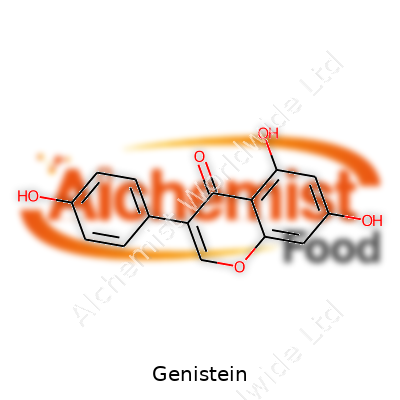
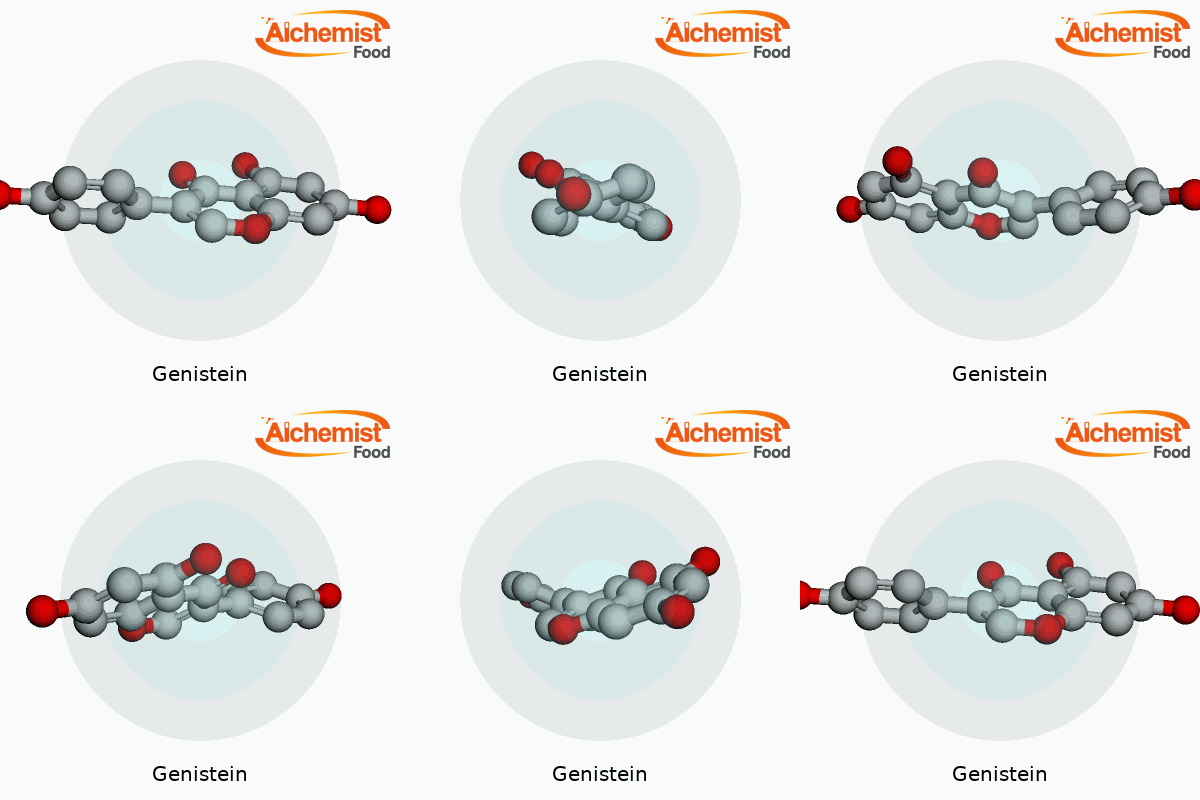
| Names | |
| Preferred IUPAC name | 4',5,7-Trihydroxyisoflavone |
| Other names |
Genisteol Genisterin Soflanine |
| Pronunciation | /ˈdʒɛnɪstiːn/ |
| Preferred IUPAC name | 4′,5,7-Trihydroxyisoflavone |
| Other names |
Genisteol Sophoricol 5,7-Dihydroxy-3-(4-hydroxyphenyl)-4H-1-benzopyran-4-one |
| Pronunciation | /ˈdʒɛn.ɪ.stiːn/ |
| Identifiers | |
| CAS Number | 446-72-0 |
| Beilstein Reference | 136528 |
| ChEBI | CHEBI:28088 |
| ChEMBL | CHEMBL: CHEMBL1231 |
| ChemSpider | 391456 |
| DrugBank | DB01645 |
| ECHA InfoCard | 03f2c7b6-fc0e-44b6-bd93-c683eec82e31 |
| EC Number | 3.1.1.62 |
| Gmelin Reference | 63286 |
| KEGG | C00350 |
| MeSH | D016572 |
| PubChem CID | 5280961 |
| RTECS number | LZ3150000 |
| UNII | DH2M815O5B |
| UN number | NR |
| CAS Number | 446-72-0 |
| Beilstein Reference | 7, 413 |
| ChEBI | CHEBI:28088 |
| ChEMBL | CHEMBL1648 |
| ChemSpider | 5048 |
| DrugBank | DB01645 |
| ECHA InfoCard | ECHA InfoCard: 100.021.144 |
| EC Number | 4.2.1.46 |
| Gmelin Reference | 85373 |
| KEGG | C06085 |
| MeSH | D016573 |
| PubChem CID | 5280961 |
| RTECS number | LZ3150000 |
| UNII | DH2M523P0H |
| UN number | UN2811 |
| Properties | |
| Chemical formula | C15H10O5 |
| Molar mass | 270.24 g/mol |
| Appearance | Light yellow crystalline powder |
| Odor | Odorless |
| Density | 1.36 g/cm³ |
| Solubility in water | Poorly soluble |
| log P | 2.66 |
| Vapor pressure | 6.9E-11 mm Hg at 25°C |
| Acidity (pKa) | 6.51 |
| Basicity (pKb) | 8.09 |
| Refractive index (nD) | 1.682 |
| Dipole moment | 3.55 D |
| Chemical formula | C15H10O5 |
| Molar mass | 270.24 g/mol |
| Appearance | Light yellow crystalline powder |
| Odor | Odorless |
| Density | 1.36 g/cm3 |
| Solubility in water | Poorly soluble |
| log P | 2.89 |
| Vapor pressure | 1.21E-11 mmHg |
| Acidity (pKa) | 6.51 |
| Basicity (pKb) | 7.33 |
| Magnetic susceptibility (χ) | -87.0×10⁻⁶ cm³/mol |
| Refractive index (nD) | 1.696 |
| Viscosity | 5.22 cP (25°C) |
| Dipole moment | 4.13 D |
| Thermochemistry | |
| Std molar entropy (S⦵298) | 227.0 J·mol⁻¹·K⁻¹ |
| Std enthalpy of formation (ΔfH⦵298) | -161.2 kJ/mol |
| Std enthalpy of combustion (ΔcH⦵298) | -3387 kJ/mol |
| Std molar entropy (S⦵298) | 229.0 J·mol⁻¹·K⁻¹ |
| Std enthalpy of formation (ΔfH⦵298) | -164.7 kJ/mol |
| Std enthalpy of combustion (ΔcH⦵298) | -3327 kJ/mol |
| Pharmacology | |
| ATC code | L02BG06 |
| ATC code | L02BX05 |
| Hazards | |
| Main hazards | May cause respiratory irritation. Causes skin irritation. Causes serious eye irritation. |
| GHS labelling | GHS05, GHS07 |
| Pictograms | GHS07 |
| Signal word | Warning |
| Hazard statements | H315, H319, H335 |
| Precautionary statements | P264, P270, P301+P312, P330, P501 |
| Flash point | Flash point: 291.8 °C |
| Lethal dose or concentration | LD50 oral rat 2,000 mg/kg |
| LD50 (median dose) | 161 mg/kg (Rat, oral) |
| NIOSH | Not Listed |
| PEL (Permissible) | PEL (Permissible) of Genistein: Not established |
| REL (Recommended) | 100 mg |
| Main hazards | Irritating to eyes, respiratory system and skin. |
| GHS labelling | GHS07, GHS08 |
| Pictograms | GHS07 |
| Signal word | Warning |
| Hazard statements | H315, H319, H335 |
| Precautionary statements | P264, P270, P301+P312, P330, P501 |
| NFPA 704 (fire diamond) | Health: 1, Flammability: 1, Instability: 0, Special: |
| Flash point | > 233.2 °C |
| Lethal dose or concentration | LD50 (rat, oral): > 2000 mg/kg |
| LD50 (median dose) | LD50: 271 mg/kg (mouse, intraperitoneal) |
| PEL (Permissible) | Not established |
| REL (Recommended) | 150 mg |



