Folic Acid: Past, Present, and Future
Historical Development
Folic acid caught the attention of scientists in the 1930s, but its journey began in Indian research labs exploring cures for anemia in pregnant women. Lucy Wills, a British hematologist, changed prenatal care after discovering that yeast extract improved anemia. Over time, researchers isolated folate from spinach leaves, but the pure crystalline form followed in 1945, as the world looked for answers to nutritional deficiencies plaguing millions. Food fortification kicked off in North America in the late 1990s, aimed squarely at reducing neural tube defects. Once governments embraced mandatory fortification of flour products, childhood birth defects dropped by nearly half in several countries. Today, the story of folic acid serves as a lesson in public health and nutritional science.
Product Overview
Folic acid goes by several names: vitamin B9, folate (in its natural form), pteroylglutamic acid, and a few others, depending on the context. Chemically, it stands as a water-soluble B vitamin used widely in supplements and fortified foods. Small, yellowish, crystal-like powder that dissolves easily in water, folic acid has become a staple additive for breads, cereals, and formula. Supplement makers package it in tablets, capsules, or syrups. Pharmacies stock high-dose variations for special medical cases, such as treating anemia or in prenatal vitamins. Food scientists prefer it over natural folate for its stability and long shelf-life, a trait that matches the needs of mass production.
Physical & Chemical Properties
Pure folic acid transforms from a yellow or orange-yellow crystalline powder, usually odorless and tasteless. Its molecular formula stands as C19H19N7O6. The melting point rests around 250°C, but decomposition starts before it ever gets liquid. You find it highly soluble in hot water, sparingly dissolving in cold water, but practically insoluble in most organic solvents like alcohol and ether. Light and oxygen degrade it, so handling happens with care and packaging often shields it from light. It shows slight acidity and forms salts with strong bases, which creates a path for pharmaceutical use. Chemists monitor it closely since the pteridine ring system—central to its function—brings on lively reactivity.
Technical Specifications & Labeling
Standard folic acid must meet strict quality levels laid out by pharmacopeias and food regulators. Content by weight usually stays above 97%, with defined limits for impurities. Particle size and moisture get tested for tablet pressing or mixing into food products. The U.S. Food and Drug Administration and European Food Safety Authority say that supplements and fortified foods should indicate both microgram content per serving and the percentage of the recommended daily intake. Childproof and light-resistant containers form part of regulatory mandates, since exposure to light or high temperatures strips away potency. Labels also include warnings for pregnant women about safe dosage, since excess can mask B12 deficiency and complicate diagnosis.
Preparation Method
Manufacturing folic acid starts with chemical synthesis, as extracting natural folate from foods remains expensive and inefficient. The industrial route often involves the condensation of p-aminobenzoylglutamic acid with 2,4,5,6-tetraaminopyrimidine sulfate, forming the pteroyl structure. Each step requires careful control of temperature, pH, and solvent to maximize purities. Since raw forms degrade under light, factories operate in low-light environments. Final crystallization, drying under vacuum, milling, and blending follow. Quality checks at every step assure compliance with pharmacopeial standards, aiming for purity and consistency. Large-scale plants in China and India lead worldwide production, supplying raw material to vitamin and processed food industries everywhere.
Chemical Reactions & Modifications
Folic acid provides a reactive pteridine core, so it adapts to various chemical transformations. Under basic conditions, its amide group forms salts suited for water-soluble drugs. Reduction with metals or biological reduction yields tetrahydrofolate, a coenzyme form central to DNA synthesis, methylation, and amino acid metabolism. Oxidation or exposure to strong acids breaks down the pteridine group and destroys vitamin activity. Organic chemists often modify folic acid for drug delivery, coupling it to nanoparticles or chemotherapy agents for targeting cancer cells. Synthetic routes create derivatives used in radiolabeling, enabling researchers to track folate uptake and metabolism within the body. Each modification harnesses some aspect of folate’s active biological roles, channeling research across medicine and nutrition.
Synonyms & Product Names
Beyond “folic acid,” the ingredient shows up on product labels as vitamin B9, folate, pteroylglutamic acid, and folacin. Pharmaceutical companies and supplement makers give it brand names—Folvite, Folacin-800, Lexiva, among others. In food labeling, cereal boxes simply mention “folic acid” in the list of B vitamins. Scientific papers may reference its various salts or derivatives, such as calcium folinate, used to “rescue” cells from methotrexate toxicity in cancer therapy.
Safety & Operational Standards
Handling folic acid rarely raises red flags, but lab workers and manufacturers gear up for powder handling to keep inhalation and dust out of the picture. Food-grade and pharmaceutical-grade folic acid pass tests for lead, arsenic, mercury, and microbiological loads, since contaminants threaten consumer safety. Facilities stick to GMP (Good Manufacturing Practice) guidelines: equipment cleaning, clean-room packaging, regular audits, and document trails for each batch. Workers wear gloves and masks to protect the product as much as themselves. Regular training and lab testing keep the safety net tight, especially since folic acid in large amounts can hide B12 deficiency symptoms without fixing the cause. The U.S. National Institutes of Health sets tolerable upper intake levels—around 1,000 micrograms daily for adults—to guard against long-term risks.
Application Area
Folic acid’s main purpose lives in nutritional supplements and food fortification. Pregnant women depend on it to help prevent neural tube defects in newborns, so it sits front and center in prenatal vitamins and multivitamins. Grain mills add it to bread flour, rice, and cornmeal as part of national health policies. Doctors prescribe high-dose folic acid for certain types of anemia and for people on medications like methotrexate, which can sap the body’s folate reserves. Beyond medicine, biotechnologists use folic acid as a marker in cell biology and metabolism research. Cancer therapies sometimes hinge on folate analogs, exploiting the vitamin’s essential role in cell division.
Research & Development
Research explores new corners of biology and nutrition, with folic acid leading studies on everything from fetal development to cognitive decline. Universities study the links between folate status, cardiovascular health, and memory, rolling out clinical trials in older adults. Structural chemists hunt for better, more absorbable forms—called folate conjugates—to reach populations that don’t benefit much from current fortification standards. Biomedical engineers develop targeted drug delivery, attaching folic acid to chemotherapy drugs, sending them straight to cancer cells. Breakthroughs in synthetic biology may soon let bacteria or algae pump out pure folic acid, raising hopes for sustainable production. International bodies track how fortification changes disease trends, feeding back lessons for future policy upgrades.
Toxicity Research
Toxicity rarely shows up at the recommended levels, but sustained megadoses creep into the danger zone. Scientists find that high folic acid intake can cover up vitamin B12 deficiency, giving a false sense of security while nerve damage progresses unseen. Some trials hint at increased risks of prostate or colorectal cancer with prolonged high intake, though results still divide experts. The FDA reviews reports of hypersensitivity reactions, even though they happen in a tiny fraction of the population. Animal studies map out safe upper dosage limits, while regular monitoring tracks serum folate concentrations in fortified populations to spot problems early.
Future Prospects
Future plans revolve around tailored fortification, finding better ways to deliver the vitamin to populations most at risk. Researchers look for a balance that avoids unintended side effects, considering genetic differences in folate metabolism. Improved labeling, with clearer dosage and warning information, could help consumers navigate new forms and applications that science may roll out. Biotechnology aims to lower production costs with engineered microbes, promising a more reliable supply chain. Advances in personalized medicine could identify the handful of people who benefit most from alternative forms or higher doses. Nutritionists continue to fight to get folic acid to the communities that need it most, especially where neural tube defect rates still run high. New discoveries, regulations, and market innovations keep the field moving, echoing the history of collaboration between scientists, policymakers, and public health advocates who learned just how powerful a single vitamin can be.
What is folic acid used for?
Understanding Folic Acid’s Role
Folic acid, the synthetic form of folate, lands a big role in everyday health. Your body uses this B vitamin to help cells grow and divide. Many folks hear about it the most during conversations about pregnancy, but its benefits reach much further. I remember my family doctor recommending a daily multivitamin with folic acid years ago—even before I planned to start a family. Back then, I wondered why such a specific vitamin mattered so much.
The Power to Prevent Birth Defects
Decades of research show that folic acid cuts the risk of neural tube defects, such as spina bifida and anencephaly, when women take enough before and during early pregnancy. Neural tube defects develop during the first month after conception, often before a woman even knows she’s pregnant. This single fact drives many public health campaigns urging women of childbearing age to get at least 400 micrograms a day from either food or supplements.
More Than a Prenatal Vitamin
Folic acid does more than prevent birth defects. It plays a steady hand in making DNA and red blood cells. Without enough folic acid, the body struggles to produce healthy red blood cells, which can spark a type of anemia. People who feel constantly run-down or easily winded sometimes learn a folate deficiency is behind it. Vegetarians and folks with digestive disorders, like celiac disease, need to pay extra attention, since their diets or absorption may fall short.
Improving Heart Health
Many know that heart disease stays the number one killer worldwide. Folic acid lowers levels of homocysteine, an amino acid linked to a greater risk of heart and blood vessel trouble. Some scientists argue that lowering homocysteine with folic acid helps keep arteries healthy. The evidence suggests it may help, though healthy habits like eating well, moving more, and ditching tobacco matter even more. That said, in areas where diets lack folate, adding folic acid can push down stroke rates and heart-related problems.
Why Food Fortification Matters
Some countries require grain products, like flour and cereal, to be fortified with folic acid for a reason. Many don’t eat enough leafy greens, beans, or citrus fruits to get enough from diet alone. After fortification started in the United States in the late 1990s, neural tube defects dropped by about 35%. It’s a program with clear public health payoff. Yet, some prefer getting nutrients from whole foods, worried too much folic acid might cover up vitamin B12 deficiency, especially in older adults.
Personal Choices That Count
For most, getting enough folic acid means checking a nutrition label, eating a mix of foods, and sometimes taking a supplement. Certain medications, such as ones used to treat seizures, can drain folate levels. Doctors may suggest a higher dose for people on those prescriptions. The bottom line—folic acid isn’t just for expecting moms, and it doesn’t work silently in the background. It supports growth, keeps red blood cells healthy, and protects new life in the earliest days. In my own health journey, understanding its importance nudged me to look closer at my plate, put a bottle of multivitamins on the kitchen counter, and remind a few friends along the way.
What are the benefits of taking folic acid supplements?
Vital for Early Pregnancy and Baby Development
Expecting a child brings plenty of advice from every corner, but folic acid stands out for good reason. I remember how my wife’s doctor explained it with urgency before we started trying for our second baby. One of folic acid’s biggest roles is reducing the risk of neural tube defects, like spina bifida, in babies. Studies from the CDC show that women who take folic acid supplements before conception and during early pregnancy slash the chances of these defects by up to 70%. That’s a serious impact for such a simple daily habit.
Doctors recommend planning ahead because many pregnancies come as a surprise. Neural tube development happens so early—often before anyone even knows they’re expecting. Supplementing with folic acid can make all the difference right from the start.
Supporting Heart Health and Red Blood Cells
Folic acid goes far beyond supporting pregnancy. This B vitamin helps your body make new red blood cells. Without enough, you can face problems like anemia, which means you feel tired, weak, and low on energy. The National Institutes of Health point out that adults, not just pregnant women, risk deficiency if diets lack leafy greens, beans, or whole grains. Folate plays a big part in breaking down homocysteine—a compound linked with heart issues—so keeping levels healthy helps lower that risk.
Researchers see fewer strokes and heart attacks among folks with good folate status. My own uncle, who had a long family history of heart disease, found that adding a folic acid supplement along with regular exercise and swapping white bread for whole grains helped lower his homocysteine numbers. It offers extra help for those already working at taking care of their hearts.
Lifting Mood and Brain Function
Depression is tough. Scientists at Harvard have found links between low folate and higher rates of depression. Folic acid helps your brain produce the chemicals it needs to regulate mood. While supplements aren’t a cure-all, they can be one piece of the puzzle—especially for folks on restricted diets or certain medications.
Older adults face another challenge as bodies naturally absorb less folate over time. This can lead to problems with memory and thinking clearly. Early research connects steady folic acid intake with sharper recall and slower mental decline with age.
Finding the Balance and Avoiding Pitfalls
Too much of a good thing never helps—overloading on supplements can hide signs of vitamin B12 deficiency, especially in seniors. It’s smart to talk to your doctor before starting anything new. Look for supplements that stick close to 400 micrograms per day, the usual recommendation for adults.
Some people—like those with celiac disease or certain rare genetic traits—might need more or less folic acid than average. Getting bloodwork and medical advice points you in the right direction. Everybody shops the vitamin aisle, but health isn’t one-size-fits-all.
Making It Part of Everyday Life
Folic acid comes in more than just a pill. Spinach, lentils, asparagus, and fortified breads pack plenty, though cooking tends to lower levels. For people eating on the go, or picky eaters (kids, I’m looking at mine), supplements fill the gap.
The science on folic acid’s effects is consistent, trusted by family doctors and big organizations alike. Added together, these benefits from pregnancy support to healthy aging highlight why so many folks, with their doctor’s input, reach for that little bottle on the shelf.
How much folic acid should I take daily?
The Role of Folic Acid
Folic acid doesn’t get as much spotlight as some other vitamins, yet its job runs deep, especially during some of life’s biggest moments. This B vitamin keeps our DNA working right and supports cell growth. Every day, our bodies call on it to help make new cells, from skin to hair to blood.
Daily Needs Depend on Who You Are
Most adults need about 400 micrograms of folic acid each day. Healthy diets can do a lot, but many people lean on supplements or fortified foods to get there. Women who plan to become pregnant, who are pregnant, or breastfeeding, need more—600 micrograms during pregnancy, 500 for breastfeeding. That adjustment cuts the risk for neural tube defects, which form in the first month and can change the course of a child’s life. I’ve seen friends carefully plan these moments, reading every label twice and talking with their doctor, and I get why they take it so seriously. One microgram missed during the right window can mean so much.
Why These Levels Matter
Missing out on folic acid can lead to real trouble. Low levels bring on anemia, which saps energy and fogs up daily living. Pregnancies run a higher risk without enough folic acid in the mix, not just for neural tube defects in babies, but also for premature birth or low birth weight. Nutrition surveys show that many folks—especially younger adults, people who skip grains, or those following restricted diets—fall short on folic acid. Bread, cereal, and pasta in the US often get a dose added just for this reason, and this public health push has paid off. Birth defects tied to low folic acid have dropped, but there’s still ground left to cover.
Pay Attention to the Upper Limit
It can sound tempting to chase every supplement in the vitamin aisle. But these pills add up quickly. For adults, the upper limit lands at 1,000 micrograms per day from supplements or fortified foods. Going overboard masks signs of vitamin B12 deficiency, especially troubling for older adults who are already at risk.
Small Changes Make a Big Difference
Focusing on real food always works best. Leafy greens, beans, nuts, and citrus pack a real punch, but getting enough from food means paying attention. I’ve leaned into quick spinach omelets, tossed in beans with soup, and kept oranges on my desk. Supplements help, but they can't erase gaps in everyday eating.
What Should You Do?
Start with your plate, watch your habits, and talk to your healthcare provider about what makes sense for you. Prepping for pregnancy or nursing changes the game—your doctor needs to know your plans. For most adults, 400 micrograms per day mixed in with balanced meals keeps health on track. Seeing those small shifts in a grocery cart adds up to real benefits. Trust the science, check your labels, and commit to the everyday choices that keep nutrients in check.
Sources Worth Knowing
The CDC and the National Institutes of Health lay out strong numbers and reasons behind these guidelines. The science lines up: folic acid saves lives, and paying attention to that daily amount isn’t just a new diet trend—it's a proven shield for health.
Are there any side effects of folic acid?
Understanding What Folic Acid Does
Folic acid often pops up in conversations about pregnancy, healthy eating, and vitamins. Many people know it as the supplement doctors recommend to women who might get pregnant, since folic acid can lower the risk of birth defects in babies. Beyond that, folic acid helps the body make new cells. It's found in leafy greens, beans, citrus fruit, and fortified grains. Because of its link to healthy babies and cell growth, folic acid gained a reputation as something everyone should consider, either through diet or with supplements.
The Other Side of the Story
Like many vitamins, folic acid sounds pretty harmless at first. Doctors rarely see problems when people get folic acid from their diet, and most folks never notice any issues when following recommended amounts in supplements. Still, problems can show up if someone takes too much, often by doubling or tripling up on supplements.
Some of the most common side effects people mention are stomach issues—nausea, bloating, or a strange taste in their mouth. Skin rashes or sleep troubles might show up in rare cases. For most people, though, mild digestive discomfort passes within hours. Still, people with allergies may react more strongly, experiencing hives or breathing issues. Reactions like that always need a doctor’s advice.
Risks That Hide Under the Surface
There’s a deeper issue tied to large doses of folic acid. Years of research, including studies from trusted medical sites and leading universities, show that an overload can mask signs of a vitamin B12 deficiency. It’s a sneaky problem: folic acid can "hide" the damage from low B12 that hurts nerves and even affects memory. Older adults face this risk more than younger people, since B12 deficiency crops up with age. Nobody wants lifelong nerve damage because extra folic acid blurred their symptoms.
Big supplements sometimes promise a quick fix, but the science connects high doses of folic acid with other health worries, like a slightly higher risk of certain cancers—including prostate and colorectal cancer. Enough researchers saw this pattern that they felt moved to warn the public. Still, these risks don’t come from eating spinach or fortified cereal—trouble tends to follow people using high-dose supplements for years on end.
A Practical Path Forward
Instead of seeing supplements as harmless, it makes sense to take a close look at what you need. Blood tests can show whether someone really needs extra folic acid, especially if they have health problems, take certain medications, or follow a restrictive diet. Doctors, not popular health trends, should point the way.
Pregnant people, or anyone thinking about pregnancy, should stick to their doctor’s advice about folic acid amounts. Parents with young kids, and folks caring for elderly relatives, can talk to a pharmacist or nutritionist before adding new supplements. People who eat a balanced diet filled with vegetables, fruit, beans, and whole grains usually meet their needs without trouble.
No one wants to worry about vitamins, but smart choices often start with a real conversation with a healthcare provider. Supplements can help at the right time, but no one should feel safer by simply adding more, especially without understanding the facts.
Can I take folic acid during pregnancy?
Why Folate Matters for Growing Families
My sister called me up two years ago, voice full of nerves, asking about vitamins for her first pregnancy. Her doctor had told her to start taking folic acid. She said, “Is this really that big a deal? Why do I need it?” I understood the worry. Pregnancy comes with a whole list of things people tell you to do. But folic acid holds a special place—because it can help protect babies from serious birth defects.
Folate, a type of B vitamin, helps the body make new cells. Our cells use it every day to build DNA. During early pregnancy, folate lays the foundation for the baby’s brain and spinal cord. If you don’t get enough, the neural tube—the structure that forms the baby’s brain and spine—may not close right. That can cause defects like spina bifida.
Doctors and Research Agree
Mountains of research back up the benefits of folic acid for pregnant women. The Centers for Disease Control and Prevention highlights that taking 400 micrograms of folic acid daily, before and during early pregnancy, can prevent up to 70% of neural tube defects. Studies have also looked at natural food sources of folate, from leafy greens to beans, but it’s hard to get enough through diet alone—especially in the first few weeks, often before a woman knows she’s pregnant.
In my practice as a health educator, I often see women surprised by how early folate matters. By the time many pregnancies get confirmed, those crucial first weeks have already passed. That’s where supplements come in. Over-the-counter folic acid pills are affordable, easy to take, and don’t cause side effects for most people.
Is More Better? Watching the Dose
Some women wonder if they should double up on vitamins. The answer is simple—more isn’t usually better. Going above the recommended dose risks hiding signs of vitamin B12 deficiency, which can create other health problems. Stick close to your doctor’s advice, always check supplement labels, and talk to your pharmacist if you take other medications.
Cultural and Food Differences
Access to fortified food varies by country and even by community. In the US, so many breads and cereals come fortified with folic acid, making it easier for most women to meet their needs. In other places, especially in rural or low-resource areas, women struggle to get enough—even when they try. Public health programs that supply folic acid are essential. Education in schools and clinics helps young women get the facts before pregnancy.
Simple Steps Can Change Outcomes
Folic acid won’t solve every pregnancy issue, but it’s a small step with big rewards. My sister stuck to her supplement routine, and both her kids were healthy. For expecting or hopeful moms, it’s one of those basic things you can control. Eat your greens, take the pill, and, if you feel unsure, call your doctor or midwife. Each step builds a stronger start for new life.
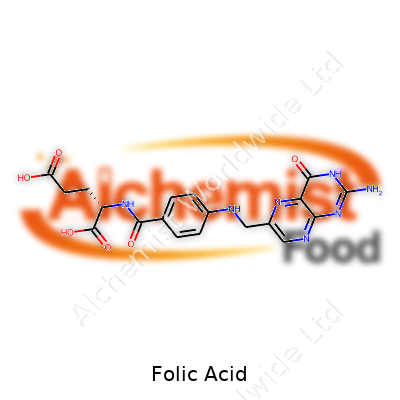
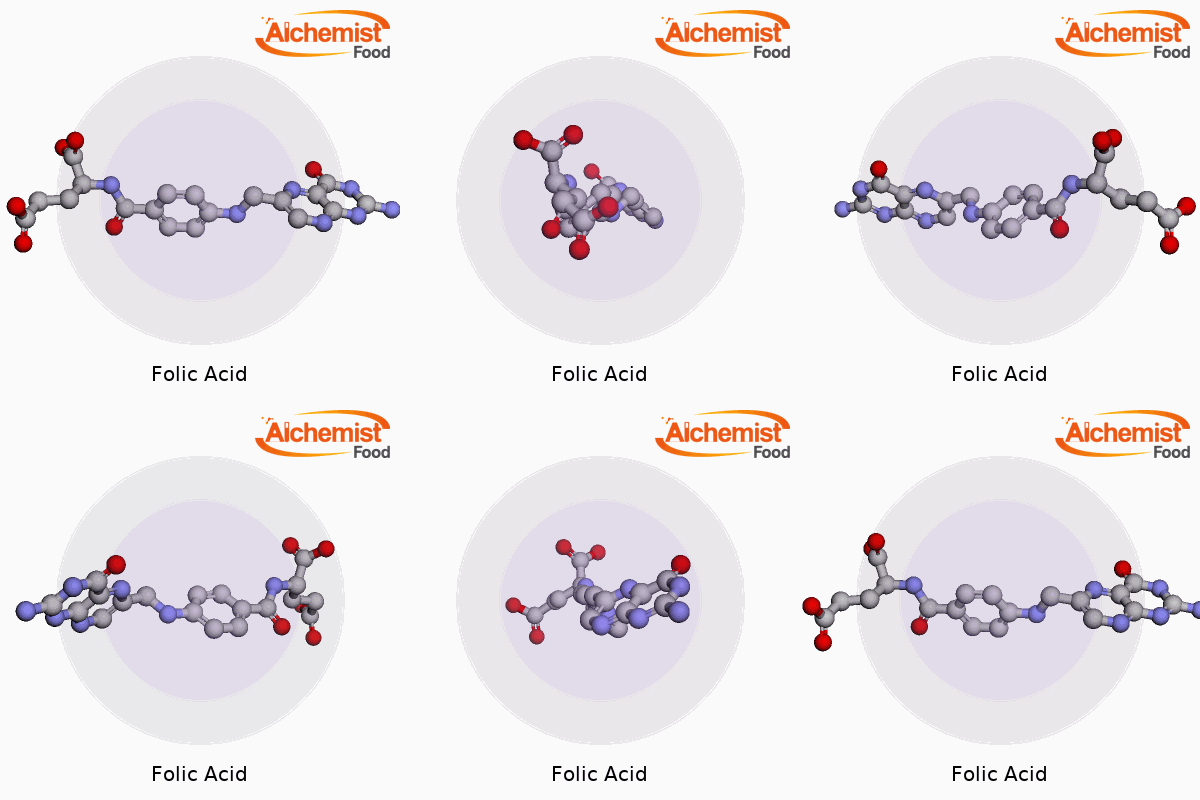
| Names | |
| Preferred IUPAC name | (2S)-2-[[4-[(2-amino-4-oxo-1,4-dihydropteridin-6-yl)methylamino]benzoyl]amino]pentanedioic acid |
| Other names |
Folacin Pteroylglutamic acid Vitamin B9 Folate |
| Pronunciation | /ˈfəʊ.lɪk ˈæs.ɪd/ |
| Preferred IUPAC name | (2S)-2-[[4-[(2-amino-4-oxo-1,4,7,8-tetrahydropteridin-6-yl)methylamino]benzoyl]amino]pentanedioic acid |
| Other names |
Vitamin B9 Folacin Pteroylglutamic acid Folate |
| Pronunciation | /ˈfəʊ.lɪk ˈæs.ɪd/ |
| Identifiers | |
| CAS Number | 59-30-3 |
| Beilstein Reference | 3568316 |
| ChEBI | CHEBI:28300 |
| ChEMBL | CHEMBL: CHEMBL1062 |
| ChemSpider | 575 |
| DrugBank | DB00158 |
| ECHA InfoCard | 100.040.799 |
| EC Number | EC 3.5.4.9 |
| Gmelin Reference | 87720 |
| KEGG | C00101 |
| MeSH | D01.047.695.578.350 |
| PubChem CID | 6037 |
| RTECS number | AQ4025000 |
| UNII | 935E97BOY8 |
| UN number | UN2811 |
| CAS Number | 59-30-3 |
| Beilstein Reference | Beilstein 90922 |
| ChEBI | CHEBI:28300 |
| ChEMBL | CHEMBL: CHEMBL1061 |
| ChemSpider | 575 |
| DrugBank | DB00158 |
| ECHA InfoCard | 100.040.756 |
| EC Number | EC 3.5.4.9 |
| Gmelin Reference | 76404 |
| KEGG | C00080 |
| MeSH | D009377 |
| PubChem CID | 6037 |
| RTECS number | GZ4800000 |
| UNII | 935E97BOY8 |
| UN number | UN2811 |
| Properties | |
| Chemical formula | C19H19N7O6 |
| Molar mass | 441.4 g/mol |
| Appearance | Yellow crystalline powder |
| Odor | Odorless |
| Density | 0.35 g/cm³ |
| Solubility in water | Slightly soluble |
| log P | -2.5 |
| Vapor pressure | Negligible |
| Acidity (pKa) | 4.8 |
| Basicity (pKb) | pKb = 6.6 |
| Refractive index (nD) | 1.736 |
| Dipole moment | 3.1109 D |
| Chemical formula | C19H19N7O6 |
| Molar mass | 441.40 g/mol |
| Appearance | Yellow or orange crystalline powder |
| Odor | Odorless |
| Density | 0.81 g/cm3 |
| Solubility in water | Slightly soluble in water |
| log P | -2.5 |
| Vapor pressure | Negligible |
| Acidity (pKa) | 4.8 |
| Basicity (pKb) | -6.8 |
| Magnetic susceptibility (χ) | -25.9e-6 cm³/mol |
| Refractive index (nD) | 1.949 |
| Dipole moment | 2.8687 D |
| Thermochemistry | |
| Std molar entropy (S⦵298) | 357.2 J·mol⁻¹·K⁻¹ |
| Std enthalpy of formation (ΔfH⦵298) | -1471 kJ/mol |
| Std enthalpy of combustion (ΔcH⦵298) | –5675 kJ·mol⁻¹ |
| Std molar entropy (S⦵298) | 249.0 J·mol⁻¹·K⁻¹ |
| Std enthalpy of formation (ΔfH⦵298) | -812.5 kJ/mol |
| Std enthalpy of combustion (ΔcH⦵298) | -2791 kJ/mol |
| Pharmacology | |
| ATC code | B03BB01 |
| ATC code | B03BB01 |
| Hazards | |
| Main hazards | Not hazardous. |
| GHS labelling | Not a hazardous substance or mixture according to the Globally Harmonized System (GHS) |
| Pictograms | PPNPN |
| Signal word | No signal word |
| Precautionary statements | Store below 25°C. Protect from light. Keep out of reach of children. |
| NFPA 704 (fire diamond) | Health: 1, Flammability: 0, Instability: 0, Special: - |
| Autoignition temperature | > 464°C (867°F) |
| Lethal dose or concentration | LD50 (rat, oral): >10000 mg/kg |
| LD50 (median dose) | LD50: >6,000 mg/kg (oral, rat) |
| NIOSH | SAF8750 |
| PEL (Permissible) | 15 mg/m³ |
| REL (Recommended) | 400 mcg |
| IDLH (Immediate danger) | Not Listed |
| Main hazards | Not hazardous according to GHS classification. |
| GHS labelling | GHS07, GHS08 |
| Pictograms | Pregnancy, Breastfeeding, Keep out of reach of children |
| Precautionary statements | If medical advice is needed, have product container or label at hand. Keep out of reach of children. |
| NFPA 704 (fire diamond) | Health: 1, Flammability: 0, Instability: 0, Special: - |
| Autoignition temperature | > 550°C |
| Lethal dose or concentration | LD50 (oral, rat): 10,000 mg/kg |
| LD50 (median dose) | LD50 (median dose): 10,000 mg/kg (Rat, oral) |
| NIOSH | FA6510000 |
| PEL (Permissible) | 400 µg |
| REL (Recommended) | 400 mcg |
| IDLH (Immediate danger) | No IDLH established. |
| Related compounds | |
| Related compounds |
Dihydrofolic acid Tetrahydrofolic acid Levomefolic acid Folinic acid |
| Related compounds |
Folinic acid Levomefolic acid Methotrexate Aminopterin |



