Ferrous Sulfate Heptahydrate: A Deep Dive into Its Journey and Impact
Historical Development
Centuries ago, ferrous sulfate heptahydrate gained attention as both a pigment and a tool in making inks. Medieval scribes relied on iron salts to produce lasting script. As industry picked up pace in the nineteenth century, iron compounds like ferrous sulfate heptahydrate became important for dyes, water purification, and fertilizer. Factories in Europe figured out larger batch production from scrap iron and sulfuric acid. Its green-blue crystals became a staple in warehouses supplying everything from farms to pharmaceuticals. Over time, the production method shifted to meet stricter purity benchmarks and swelling demand, making it more readily available and trusted across different fields today.
Product Overview
Ferrous sulfate heptahydrate surfaces everywhere, from nutrient blends for crops to nutrient supplements in therapies for iron deficiency. Its science name signals seven water molecules in every unit, setting it apart from anhydrous and monohydrate versions. Commercial lots usually show up as blue-green crystals in moisture-proof bags or drums. Anyone in agriculture, chemistry, or biomedicine likely has stories about handling or applying this compound. Its popularity rests on cost, effectiveness, and long-standing recognition by regulatory agencies across continents.
Physical & Chemical Properties
These striking blue-green crystals dissolve easily in water, making them useful where iron needs to enter solution quickly. The heptahydrate form melts just above room temperature, dropping its water load and turning white as it converts to the monohydrate. The molecular formula, FeSO4·7H2O, speaks to its composition: iron, sulfate, and water in a stable yet flexible ratio. It reacts to air, gradually oxidizing to ferric sulfate if left exposed. The taste carries a strong metallic tang, which anyone using it in supplements will not forget. A solid handle on these physical quirks means safer storage and better end results whether in lab or field.
Technical Specifications & Labeling
Industrial-quality material usually guarantees at least 98% purity. Clear labeling must state iron content, moisture, heavy metals, and insoluble matter. Pharmaceuticals face stricter scrutiny, with specifications down to parts per million for contaminants like lead and arsenic. A run-of-the-mill bag in a hardware store will have clear cuts between fertilizer grade, feed additive, and technical chemical. That transparency has roots in long-standing guidelines from organizations like ISO and the Food Chemicals Codex, reflecting the pressure from buyers who want predictable results. In my work with agricultural blends, clarity in labeling kept us ahead of penalties during inspections and made sure buyers returned the following year.
Preparation Method
Hydrated ferrous sulfate most often emerges from reacting iron filings or scrap with dilute sulfuric acid. The iron dissolves, pairs with the sulfate, and then, on cooling, crystallizes as the seven-water form. For higher-purity material, manufacturers use clean iron and controlled acid, then scrub each batch with chilled water to coax out just the heptahydrate. Decades of trial have honed the process, moving away from hand-batching to fully enclosed, temperature-regulated reactors that slice down risks of contamination. Every pound produced owes something to the balancing act between cost, purity, and local water quality, which can shift maintenance and yield up or down by several percent.
Chemical Reactions & Modifications
Ferrous sulfate heptahydrate does not just show up as a finished product. Chemists tweak it into ferric sulfate by adding oxidizers or blend it into iron complexes for specialized feeds and fertilizers. The heptahydrate loses water swiftly with heat, New forms like monohydrate or anhydrous iron sulfate result. In environmental cleanup, it grabs onto phosphates or other ions, pulling them from water. Textile work sees it team up with tannins to fix colors onto fibers. Its eagerness to oxidize means users need to keep containers sealed, or else what starts as a reliable blue-green dust ends up as a rusty, less potent powder by next season.
Synonyms & Product Names
Industry folks and scientists both call this compound by names like copperas, green vitriol, or just plain iron(II) sulfate. Regional branding might tuck it under trade names or codes, but the core chemistry remains the same. Different industries have their own slang. Farmers lean on “iron sulfate,” pharmaceutical reps go for “ferrous sulfate heptahydrate,” and textile workers might still say “copperas.” Switching between these names can trip up new buyers, so veterans always double-check paperwork before a big order—and steer new hires away from costly mistakes.
Safety & Operational Standards
Anyone handling the crystals needs sturdy gloves, a mask, and goggles. Even though it is not highly toxic, it can irritate eyes, skin, and lungs. Dust poses more trouble than chunkier crystals, so smart packagers use sealed bags and anti-dusting measures. Mixing it for agriculture or water treatment, operators must add it slowly, avoiding splashes since contact with acids only boosts risks. Training programs and detailed Safety Data Sheets come standard at reputable suppliers. OSHA and national chemical agencies spell out handling, emergency, and reporting protocols to reduce incidents in worksites, farms, and transport hubs. My experiences in bulk storage taught respect for ventilation and routine checks—lessons learned after a careless spill left a sharp metallic taste lingering for days.
Application Area
Ferrous sulfate heptahydrate shapes practices in areas ranging from soil enrichment to medicine. It treats iron-deficiency anemia in humans and livestock, improves plant chlorosis in crops, keeps algae in check in lakes, and helps bind pollutants during wastewater treatment. Gardeners pour a diluted mix onto yellowing lawns, watching grass green up within days. Water utilities rely on it to control foul odors, while tanneries use it to tense up animal hides. Some historians trace modern ink chemistry to this very compound, crucial in producing deep blacks in manuscripts. The range extends outwards every decade as research taps into affordable iron for fresh processes or formulations.
Research & Development
Universities and industrial labs alike study how to boost the stability, dissolving speed, and environmental profile of ferrous sulfate heptahydrate. Investigators track how particles interact with soil minerals and water pollutants to pinpoint ideal blends for targeted cleanup jobs. Pharmaceutical teams try to tweak absorption rates or produce micro-granules that cut gastrointestinal distress in iron supplements. Ongoing research peels away at how best to recycle spent material or coax cleaner crystals using greener reactants. On my own projects, getting a foothold in emerging green chemistry relied on trialing new coatings and blending routines—some failed, but the few that worked kept sales up while trimming waste.
Toxicity Research
Ferrous sulfate heptahydrate, like any iron salt, turns dangerous if swallowed accidentally or in large doses, especially for young children and pets. Hospitals treat iron overdoses as emergencies due to organ failure risks. Chronic over-application in soils causes toxic buildup for plants and eventually seeps into waterways, kicking off algae blooms. Over the last few decades, detailed toxicological studies led to stricter dose guidelines, mandatory warning labels, and rapid pharmacy reporting for overdoses. Close calls in warehouse handling highlight the need for immediate clean-up and medical readiness. Regulators in the United States and Europe track incidents closely, updating product safety sheets to keep pace with research findings.
Future Prospects
With global interest rising for sustainable agriculture and cleaner water, ferrous sulfate heptahydrate will keep drawing attention. Newer, recycled production streams could cut down industrial waste, while smart coatings and blends promise sharper application in precision farming. As more developing regions invest in clean water projects, low-cost iron salts gain ground in treatment plans. Some see promise in custom-formulated supplements for health, while others look at ways to shrink environmental footprints from mining and chemical plants. The field rewards risk-takers willing to fine-tune production and application strategies—a path I’ve watched turn small factories into major players in both tech and agriculture sectors over decades.
What is Ferrous Sulfate Heptahydrate used for?
Iron in Farming: Feeding Plants and Soil
Growing up in a rural community, fertilizer trucks and chemical storage sheds are a familiar part of life. One common bag label is ferrous sulfate heptahydrate. This blue-green crystal finds a steady home in crop nutrition, mainly for its iron content. Plants, just like people, struggle without iron. They end up pale and stunted, a condition farmers call chlorosis. A handful of ferrous sulfate in the soil can help wheat, vegetables, fruit trees, and turf turn green and grow with vigor.
Research from agricultural extension agencies shows that soil treated with this mineral holds better yields. Busy greenhouse operators use diluted solutions to keep expensive ornamentals looking healthy for the market. Iron-deficient soils, especially in high pH or calcareous regions, benefit the most. There's no point in seeding healthy fields with this mineral. Knowing the science behind its use saves both money and environmental risk.
Iron Supplementation Beyond the Field
Ferrous sulfate heptahydrate steps out of the fields and into the pharmacy as a source of dietary iron. People dealing with iron deficiency anemia—fatigue, pale skin, shortness of breath—often end up with these tablets under their tongue. Hospitals and clinics stock them for pregnant women, children, and adults after blood loss. Doctors trust this mineral because the body absorbs the iron efficiently. The World Health Organization lists it among essential medicines for treating anemia.
Taking these supplements without real need brings trouble. Iron overload can damage organs, especially in children. So, advice and lab testing by professionals matter before grabbing supplements from the drugstore shelf. This approach keeps medicine safe and effective.
Public Utilities and the Water We Drink
Iron stains porcelain, clogs pipes, and leaves a metallic taste in water. Many older city water systems use ferrous sulfate heptahydrate to help address these issues. The chemical reacts with impurities, especially phosphorus, and helps settle out suspended solids. Water treatment engineers swear by regular maintenance of the chemical feed system to avoid accidental overdosing or underdosing. Municipal reports reveal fewer algal blooms in rivers and lakes downstream after these treatments.
Some critics raise alarm about chemical residues, but the U.S. Environmental Protection Agency has guidelines that limit the amounts used to safe levels. Consistent water testing ensures public health stays protected, even in crisis or drought years.
Industrial Uses You Might Not See
The construction industry turns to this crystal in concrete pigments and wood preservatives. It’s more than a matter of appearance. Iron-based pigments reduce weathering effects and increase the life of both wood and stone. Factories, especially in older regions, use ferrous sulfate to treat waste before releasing water back into the environment, preventing harm to rivers and streams. Technical manuals for these plants note strict control measures, as unsafe handling could put workers and neighborhoods at risk.
Thoughts on Safer, Smarter Use
Ferrous sulfate heptahydrate keeps crops green, helps cure iron deficiency, improves drinking water, and finds a place in manufacturing. There are risks worth watching—environmental damage, unnecessary medication, workplace hazards. The smart way forward involves science-backed recommendations, strict workplace practices, and regular soil or water testing, whether on a family farm or a city utility scale.
Good stewardship reminds us to treat this mineral with respect—not just as a tool, but as a responsibility for health, food, and clean water.
How should Ferrous Sulfate Heptahydrate be stored?
Don’t Ignore the Basics
Ferrous sulfate heptahydrate is easier to handle than some of its relatives in the chemical world, but storage still matters. Tossing it on a shelf without a second thought can cause problems bigger than a messy cabinet. This compound attracts moisture from the air, which means it can clump, deteriorate, and even become hazardous under the wrong conditions. Left exposed in humid spaces, ferrous sulfate heptahydrate loses its power—it transforms from a solid that feeds plants or remedies iron deficiency into a sticky, useless mass.
Moisture Is the Real Enemy
Iron compounds never tolerate water, especially not a slow, steady drip from humidity. From years of working in labs and growing up around backyard gardens, I remember ruined bags because someone left them open after one use. That’s money down the drain and, in serious cases, a risk of forming irritating dust or even acid fumes if it reacts with certain materials.
Choosing a Proper Storage Location
If you want to protect this material, start by picking a space that stays cool and dry year-round. Basements and sheds are out unless they get constant airflow and dehumidifier action. Garages work if there’s no chance of water leaks or wild humidity swings. A climate-controlled storeroom, even a big closet with a steady temperature, keeps things safer.
Always Seal Things Up
A sealed container stops air and water from ruining the contents. Thick plastic bins with tight snap-on lids or screw-top buckets hold up well. Anything that cracks or loses its fit invites trouble. I’ve seen people reuse food containers or long-empty paint cans; they do the trick as long as they're clean and close tightly. Labels matter—if you forget what’s inside, you're dealing with a bigger headache later.
Keep Away from Kids, Pets, and Food
This isn’t something to leave open on a kitchen shelf. Kids and pets reach places you never thought possible. High shelves or locked cabinets give you peace of mind. Storing it away from food prevents mix-ups—a lesson learned after a friend made a costly error with lookalike powders.
Keep Away from Heat and Other Chemicals
Ferrous sulfate heptahydrate needs a cool spot, out of direct sun. Overheating dries it out or can sap away water, changing its makeup. It also never belongs near acids, oxides, or any reactive materials. Small leak? Mixing with the wrong thing could bring dangerous reactions. Tool benches or chemical cupboards get checked for possible cross-contamination paths all the time in reputable labs; the same standard improves peace of mind at home or on the farm.
What Happens If You Don’t Store It Right?
Neglect leads to waste and even small risks to health. Breathing in iron-laced dust irritates your nose, mouth, and lungs. Wet, spoiled product creates slippery spots on concrete, stains hands, and turns simple cleanup into a pain. Anyone using this for gardening or treating iron deficiency also ends up applying unpredictable doses, which never turns out well for plants or people.
Better Habits Save Time and Money
Storing ferrous sulfate heptahydrate right means fewer headaches in the long run. A dry, cool, secure spot stops emergencies before they start. After seeing both careful and careless storage firsthand—at farms, schools, and even small city clinics—common sense goes a long way. With a little planning, you keep the compound safe, useful, and ready to help, instead of ending up with a pile of spoiled powder no one wants to touch.
What is the recommended dosage of Ferrous Sulfate Heptahydrate?
Why Dosage Matters in Iron Supplementation
Iron plays a serious role in how our bodies work. Every cell in the body needs it to carry oxygen. Yet, a surprising number of folks find out they don’t have enough. They start looking for iron supplements, and ferrous sulfate heptahydrate often pops up as a common solution. Taking the right dose is key. Too little keeps you tired; too much can hurt your gut or worse.
What Doctors Usually Recommend
In my years writing about health and talking with doctors, a few facts come up over and over. If someone has been diagnosed with iron deficiency anemia, doctors will usually point to a dose around 325 mg of ferrous sulfate heptahydrate once or twice per day. That works out to about 65 mg of elemental iron per pill, because not all the sulfate counts as iron. It’s the elemental iron that does the lifting inside your body.
Kids need special handling. They absorb iron differently, and their bodies don’t handle too much of it. For children, health pros often recommend somewhere between 3 to 6 mg of elemental iron per kilogram of body weight every day, split into two or three doses. For example, a child weighing about 20 kilograms would take between 60 and 120 mg per day, depending on how low their own reserves sit. Those numbers aren't a guess—they come from years of solid clinical experience and guidelines set down by groups like the CDC and World Health Organization.
Paying Attention to Side Effects
People who start iron supplements often run head-first into nausea, constipation, or even black stools. These symptoms can make folks stop taking what’s supposed to help them. It’s not always just from iron. Sometimes, people take it on an empty stomach like the label says, and that stirs up trouble. Taking ferrous sulfate after a meal might make it easier for the gut to cope, even if absorption dips a little. Slow-release versions sometimes help, too.
Some people try to chase vitamin C with their iron to improve absorption, based on clinical studies. Orange juice with the pill can actually help the body pull more iron out of each dose. Yet, calcium-rich foods and some medications block absorption. It takes a bit of juggling to get it right, and checking in with a pharmacist or doctor can untangle a lot of that confusion.
Iron Overload: Why No One Should Self-Medicate
I’ve run across cases where well-meaning people load up on extra pills, thinking more iron means feeling better faster. The reality brings real danger. Too much iron damages organs, especially in small kids or those with health issues like hemochromatosis. Blood-work, not guesswork, needs to drive treatment. That’s the reason no one should treat iron levels at home without talking to a medical provider.
Making Treatment Work in Everyday Life
Getting enough iron back in your system doesn't happen overnight. Doctors run blood tests every few weeks or months to see if the treatment hits the mark—often expecting about two to three months before the numbers budge upward. Iron therapy only works when people stick with their plan, work alongside healthcare providers, and share any trouble they run into. Life gets hectic, and forgetting doses is common, so reminders from family or pill organizers can keep things on track.
Are there any side effects of using Ferrous Sulfate Heptahydrate?
The Real Impact of Iron Supplements on Health
Iron sits at the core of many discussions about nutrition and health. Ferrous sulfate heptahydrate, a form of iron often found in supplements and used to treat iron-deficiency anemia, promises to boost energy and tackle fatigue. It sounds straightforward: pop a pill and feel better. My own family doctor once handed me a prescription for ferrous sulfate after I complained of feeling wiped out all day. The idea was appealing—yet the first week brought some unwelcome surprises.
Stomach Trouble and Other Common Effects
Most people notice their stomach reacts within days. Nausea, stomach cramps, and constipation show up among users with some regularity. The reason makes sense: iron irritates the lining of the gut and can change the way your bowels work. I remember thinking my gut was playing tricks on me during the first week—moving from constipation to a sudden urge to run to the bathroom. Many users also complain about a metallic taste or even black stools. Black stool can feel alarming, but it’s a normal sign that the gut is dealing with extra iron.
Risks with Long-Term or High-Dose Use
High doses, especially without a doctor’s guidance, move beyond minor annoyances into real danger. Iron overload can harm organs, particularly the liver and heart. The risk grows for those with conditions like hemochromatosis, a genetic disorder that causes the body to absorb too much iron. Overdo it and the very mineral we depend on can start damaging cells, tissues, and long-term health. There are real consequences to ignoring dosing recommendations. Hospital emergency departments see accidental overdoses, especially in children who swallow adult tablets.
What About Allergic Reactions?
Allergy to ferrous sulfate heptahydrate isn’t impossible, but it’s rare. More dramatic cases show up: trouble breathing, rashes, or swelling around the face. If any of these symptoms appear, this is a red flag requiring immediate attention. For most people, allergic reactions won’t turn up, but it’s worth taking seriously if it does.
Mitigating Side Effects and Smart Solutions
Side effects hit hard when iron is swallowed on an empty stomach. Food softens the blow, though it may slow down how well the body absorbs the mineral. Vitamin C helps with absorption, so adding a small glass of orange juice can balance things out. Doctors often recommend starting with a lower dose, then working up—this gives the body time to adjust. Those who run into constipation often benefit from adding more water, fiber, and gentle physical activity. In some cases, switching to a different form of iron helps reduce stomach trouble.
Trust in Guidance and Individual Needs
Lab tests matter here. Only a doctor sees the full picture of iron needs, so self-diagnosing or dosing without labs sometimes causes more trouble than help. Personalized care, based on your blood work and how you respond, remains key. Follow-up blood tests check if the supplement is doing its job without triggering harm.
Understanding side effects means listening to your own body, having honest conversations with your medical provider, and respecting the signals your health gives you. For many, iron supplements rescue them from daily exhaustion, but watching for warning signs and talking openly about symptoms keeps that help from turning into harm.
Is Ferrous Sulfate Heptahydrate safe for human consumption?
Looking at Ferrous Sulfate’s Role in Food and Medicine
Ferrous sulfate heptahydrate stands out most as an iron supplement. Doctors have recommended this compound for anemia for decades. Growing up, I saw family members struggle with low iron and use supplements prescribed by their physicians, often in tablet form. This particular salt shows up in hospital pharmacies, local drugstores, and health clinics everywhere around the world.
But the question of safety still nags at people, especially as the internet fills up with scary-sounding chemical names. Ferrous sulfate heptahydrate is basically iron combined with sulfate and water. Your body needs iron to transport oxygen in the blood. When diets fall short, especially for pregnant women, kids, and people with chronic illnesses, doctors often suggest iron supplements. If you check the World Health Organization guidelines, ferrous sulfate gets a green light for treating iron deficiency anemia.
Dosing and Why It Matters
Safety always depends on dose. Iron is vital, but too much throws the body out of balance. High doses or carelessness can cause nausea, constipation, and stomach pain. Swallowing a large amount at once (especially dangerous for children) can create a medical emergency. Hospitals report that accidental iron poisoning can be fatal for young kids. That’s why packaging always urges keeping supplements out of their reach.
At the doses doctors recommend, ferrous sulfate usually works well for most people. The U.S. Food & Drug Administration classifies it as GRAS (Generally Recognized As Safe) for intended uses. Pharmacies only sell high doses under prescription, and pharmacists warn customers about side effects and interactions, such as combining iron with antacids or other minerals.
Potential Risks—Who Should Be Careful?
People with hemochromatosis (a condition that causes the body to store excess iron) must avoid extra iron altogether. Someone with other chronic health problems, such as kidney disease or certain types of anemia, needs careful medical supervision before taking iron. Taking iron supplements without checking blood levels can backfire—even though many people believe a little extra can’t hurt, excess iron builds up in organs and slowly causes damage.
Is It Used in Food?
Ferrous sulfate heptahydrate sometimes fortifies flours, cereals, and other foods. It isn’t there to add flavor; it simply boosts the iron content for people who don’t get enough through diet alone. A serving of iron-fortified cereal might give you 25% of the Recommended Dietary Allowance for adults. It’s also common in countries tackling malnutrition, and international agencies rely on it to help prevent iron deficiency.
Solutions to Ensure Safety
As a solution, clear labeling, education for parents, and regular blood checks for people at risk of iron overload all play a role in preventing problems. A family doctor will adjust iron dosage based on blood tests. If someone feels gut pain or notices black stools during supplementation, reaching out to a healthcare provider makes sense. Those who rely on processed foods should pay attention to the iron content listed on packaging, especially for growing children and pregnant women.
The Bottom Line
Ferrous sulfate heptahydrate sits on pharmacy shelves for good reason. As long as it’s used at the right dose, under medical guidance, and kept away from children, it offers a safe and affordable way to beat iron deficiency. Reading labels, sticking to recommended amounts, and working with healthcare providers all add up to safer outcomes for everyone.
What is Ferrous Sulfate Heptahydrate used for?
Iron Deficiency and Health
Most people have seen boxes of iron supplements on pharmacy shelves, but few stop to read what’s inside. Doctors often reach for ferrous sulfate heptahydrate when someone struggles with low iron. Iron isn’t just a number on a blood test; it makes the difference between an energetic morning and spending the day on the couch. It helps carry oxygen in the blood, so anyone who eats too little iron-rich food or deals with heavy blood loss can end up slow, weak, or dizzy.
Many parents around the world turn to this compound when children or elderly relatives battle anemia. In the clinic, the improvement after starting the right dose is obvious. Confidence returns, and so does the color in their cheeks. It’s important that health professionals match the right treatment to the right person, because taking too much iron can lead to stomach upset and even greater health problems. Ferrous sulfate heptahydrate gives both affordable and reliable results.
Food and Farming
Plants grow best on good soil, but modern farming can strip the dirt of its minerals. Farmers and gardeners know that pale, sick plants often need iron. Adding ferrous sulfate heptahydrate to the soil brings life back to crops, especially in places where citrus, grapes, or blueberries turn yellow from a condition called chlorosis. The compound tackles this problem much faster than adjusting the whole field’s pH or experimenting with expensive fertilizers.
People who keep lawns or golf courses green also use this mineral. Because it feeds the soil and fights moss at the same time, ferrous sulfate heptahydrate helps keep grassy spaces healthy and rich in color without a huge investment.
Water Treatment and Everyday Uses
Iron doesn’t just go into the ground or body. Cities and factories use ferrous sulfate heptahydrate to treat water, pulling out unwanted substances like phosphates and heavy metals. Clean water supports healthy communities. As water plants take in lakes or river water to supply towns, this kind of iron helps keep the whole system safer.
Textile industries also use this compound as a dye fixative. Good fabric dye needs something to help it stick, or clothing colors fade after a few washes. This iron salt offers both affordability and dependability.
Construction workers and artists also cross paths with ferrous sulfate heptahydrate sometimes. The classic “green patina” on iron and some concrete stains rely on its color-changing chemistry.
Looking Ahead: Balancing Benefits and Risks
Ferrous sulfate heptahydrate brings clear benefits but also calls for care. Overusing iron supplements, especially without medical guidance, can harm the body—it builds up and damages organs. Pouring too much on farmland or lawns can run off into streams, causing environmental problems. Safety guidelines and expert advice make sure the benefits reach people and crops without harming the wider world.
Local experience and research both show this mineral helps humans and nature thrive. Responsible use, investment in soil testing, and clear instructions in health care settings make sure ferrous sulfate heptahydrate remains a trusted ally in medicine, farming, and industry.
How should Ferrous Sulfate Heptahydrate be stored?
Tackling Rust and Clumping in the Real World
Ferrous sulfate heptahydrate shows up in agriculture, water treatment, and even as a supplement for iron deficiencies. Anyone who’s opened an old container of it will probably notice that it cakes, turns brown, or leaves stained shelves. This isn’t a mystery of chemistry. The stuff reacts fast to the world around it—air, moisture, and even sunlight can spoil it. Proper storage doesn’t just keep it looking neat; it keeps it safe and useful.
Direct Hits from Air and Water
Moisture in the air is the biggest enemy here. Ferrous sulfate heptahydrate draws in water if you leave it exposed. That extra water means the crystals can clump or start dissolving right in the bag, leading to a soggy, useless mess. At the same time, oxygen speeds up the rusting process, turning a once-bright green-blue crystal to a dull, brown dust. Spoiled product doesn’t dissolve or mix the way it should. The iron content drops off, and in a factory or on a farm, lower potency throws off the whole plan.
Heat Can’t Be Ignored
Everyone remembers heat waves on the farm or in factories. High temperatures just make ferrous sulfate heptahydrate lose its water faster, sometimes turning the product rock-solid or shrinking it down in the bag. Even a few extra degrees over time ruin what was once perfectly good stock. Storing it in a cool, dry, well-ventilated area beats any regrets later when you open the wrong bag.
Choose Smart Storage
Plastic drums with tight lids, sealed multi-layer bags, or lined metal containers work better than paper sacks or open bins. On my first summer working in a warehouse, we learned this lesson fast. The crew handled dozens of leaking sacks each week until someone spent the extra money and ordered proper storage barrels. The waste dropped overnight, and we stopped mopping iron stains from the floor.
Don’t Let Contamination Sneak In
Mixing ferrous sulfate with other chemicals can turn dangerous. In the real world, a water treatment plant might store chlorine nearby. If any spills mix with the iron salt, you set up the risk for nasty chemical reactions. Keeping storage spaces organized and clearly labeled helps avoid accidents and protects everyone in the building.
Fighting Corrosion on the Shelves
Even after the packaging gets sorted out, containers sitting on concrete floors or made from thin steel will rust from spills and condensation. Placing barrels on wooden pallets keeps them dry and lets air move around, which helps. I’ve seen a rusty shelf collapse under a heavy bag of ferrous sulfate heptahydrate, sending dust and product everywhere—a mess and a loss any operation wants to avoid.
What Actually Works Day to Day
Training goes a long way in keeping the product safe. Warehouse teams benefit from clear instructions and regular checks for leaks and label wear. If something spills or cakes up, prompt clean-up and repackaging save both time and money. Regular audits keep track of product rotation, and older stock gets used up before issues appear.
Small Steps, Big Difference
Safe storage for ferrous sulfate heptahydrate protects more than just one shipment—it keeps systems running smoothly and workers out of unnecessary danger. It’s not a complicated process, but it asks for a bit of attention and investment up front. In my experience, those early steps pay off every single time.
What are the side effects of Ferrous Sulfate Heptahydrate?
A Closer Look at Iron Supplements
Taking an iron supplement such as ferrous sulfate heptahydrate doesn’t sound very intimidating at first glance. Iron sounds like a good thing, especially when you’re feeling tired or your doctor spots anemia on a blood test. I’ve spent years working around health professionals and heard countless stories about what these pills can actually do. Experience taught me that even something meant to help can trip people up if they aren’t ready for the bumps in the road.
Common Digestive Complaints
Let’s start with what people run into most. Stomach pain, nausea, and constipation top the list. Iron hits your digestive system hard. Sometimes, folks even run to the bathroom more often because of diarrhea or get bouts of cramping after taking their daily pill. Black or tarry stools? That’s not blood, but it often gives folks a scare, especially the first time. Too much discomfort can lead people to quit these pills before they get the benefits, and recent surveys from clinics show more than a quarter of users struggle to keep this routine going for that reason.
Taste, Smell, and Oral Side Effects
Ferrous sulfate tablets often leave a metallic taste in the mouth. Some people notice this almost right away, especially if they bite into the pill by accident. Others report mild irritation of the gums or even mouth ulcers if tablets get stuck. It isn’t just about comfort—it can make people eat less, drink less water, or just start dreading the bottle. If you grew up being told to take medicine with a glass of orange juice, you’ve probably stumbled onto the simple fact that vitamin C helps iron absorb and also covers up the flavor.
How Your Body Handles Extra Iron
Healthy adults rarely end up with iron overload just from pills, but it’s a real risk for those who keep taking too much, especially without a doctor’s advice. Iron builds up in organs like the liver and heart. In rare cases, this can turn into a dangerous condition called hemochromatosis, which damages tissue over time. I’ve seen families pass this condition down the line genetically. It’s why regular blood work matters—blindly chasing more energy with supplements only raises other risks.
Allergic Reactions and Drug Interactions
True allergic reactions are rare but serious: hives, trouble breathing, swelling around the lips or tongue. These signals demand emergency care. More often, interactions sneak up in less dramatic ways. Antacids, some antibiotics, and even certain foods—like high-calcium dairy—slow down iron absorption. Sometimes doctors recommend taking tablets on an empty stomach for better results, but not everyone handles that well. Finding the right timing often requires trial and error. I’ve seen better success when pharmacists coach patients to space out doses and avoid known interactions.
Helping People Stick With Their Treatment
Iron deficiency isn’t rare, but sticking with a supplement plan takes some creativity. Doctors may suggest lower doses or trying a slow-release version, but only after checking lab results. Splitting tablets can help if one big dose is too harsh. Sometimes, pairing a supplement with a larger meal eases the stomach. Drinking water, eating high-fiber foods, and listening to your body’s feedback matter just as much. Honest discussions with healthcare providers keep things safe and more bearable in the long run.
Is Ferrous Sulfate Heptahydrate safe for human consumption?
Understanding What Ferrous Sulfate Heptahydrate Is
Ferrous sulfate heptahydrate looks like harmless blue-green crystals, usually used in gardens or water treatment. Most folks won’t pick up a bag and think of dinner, but it’s actually a regular ingredient in iron supplements. Doctors use it to treat iron deficiency, which shows up a lot more than you’d expect—up to 1 in 4 people worldwide have anemia, mostly caused by not getting enough iron.
Where It Shows Up in Real Life
Almost everyone knows someone who’s gotten tired and pale from low iron. That solution your doctor prescribes in a brown bottle? You’re often swallowing a diluted form of ferrous sulfate, sometimes straight from this heptahydrate. It’s approved by regulators like the FDA and European Food Safety Authority for use in food and supplements, so it’s not just for chemistry sets. The safety data—the kind I looked up because my younger sister needed iron pills—backs that up. Used as directed, it’s about as risky as table salt.
Why Dose and Form Matter
Iron has this reputation for being both a necessity and a problem. We need it for healthy blood, but too much irritates the stomach or, in extreme cases, damages organs. Anyone who’s ever taken iron tablets knows about the grumbling gut and dark stools. That’s not the iron going wrong; it’s the side effects of putting extra minerals in the digestive system. The same thing happens across different forms of iron supplements, not just this one.
Doctors tailor doses to what your body needs. Too much ferrous sulfate can poison a person—the safe amount and the dangerous amount aren’t far apart. That’s why supplements stick to clear, small doses. A kid swallowing a handful from a bottle at once lands in the emergency room. Adults, following instructions, rarely end up in trouble.
Contamination Concerns
Products made for industry get mixed up with stuff you would never want to eat. Rust removers or fertilizers often use ferrous sulfate with traces of heavy metals or acids. Iron supplements undergo food-grade testing, which means less risk of toxic hitchhikers. The source matters: Your hardware store bag and your pharmacy bottle are not interchangeable. This seems obvious, but mistakes happen, especially online, where packaging can mislead.
Looking for Clarity in Labels and Guidance
Anybody curious about taking a new mineral supplement should talk to a doctor or pharmacist, not just trust a label or an influencer. Iron’s crucial, but it should come from food or tested supplements. My own habit involves reading ingredient lists twice to avoid getting the wrong type. Ferrous sulfate heptahydrate is safe at medical doses under proper supervision, confirmed by decades of medical use and regulatory oversight. Anyone worried about iron intake needs their iron levels checked instead of guessing with supplements.
Staying Safe With Iron Supplements
Err on the side of caution with anything labeled for plant or industrial use—those products don’t follow the same rules as food and supplements. For people with iron deficiency, proper supplements help. For everyone else, a regular diet usually covers your iron needs. Taking the right form, in the right amount, and sourced from brands that follow safety standards, keeps this mineral helpful instead of harmful.
What is the recommended dosage for Ferrous Sulfate Heptahydrate?
The Basics of Ferrous Sulfate Heptahydrate
Iron matters for daily living. People draw energy from iron—it’s what keeps our bodies running. Ferrous sulfate heptahydrate works as a supplement to restore iron, mainly used in cases like iron-deficiency anemia. Many folks arrive at a doctor’s office lightheaded or tired, and a simple blood test points to low hemoglobin. After seeing this plenty of times, one thing stands out: iron supplements give people a tangible way to feel better over weeks.
Standard Dosage Recommendations
Docs usually settle on a range based on age and health. Adults get about 100mg to 200mg of elemental iron a day, split into two or three doses. A 325mg tablet of ferrous sulfate heptahydrate gives about 65mg elemental iron. One tablet with the morning meal, another in the evening, and maybe a third if things look more severe—this stretches out absorption and eases stomach jitters.
Kids run on smaller doses. Pediatricians often go with 3 to 6mg of elemental iron per kilogram of body weight per day. Splitting the dose throughout the day steadies iron levels and cuts the risk of stomach aches.
Real-World Problems People Face
Many stop their iron pills too soon because of cramps, constipation, or a metallic taste. It’s tempting to ditch the bottle after a few days, so the real project becomes finding ways to stick with the plan. I’ve watched a neighbor struggle with this—she started with one tablet, felt uncomfortable, then skipped days, only to get tired all over again. Persistence counts for more than perfection. Docs sometimes suggest taking pills with food, or pairing with orange juice for better absorption, even though this tips off a little stomach trouble.
There’s another layer—prescribed dosages don’t always match what supplements contain. Many supplements on shelves at pharmacies don’t clearly say how much elemental iron comes in each tablet. Trusting a healthcare provider and reading that small print on the label sets the record straight for many patients.
Paying Attention to Individual Conditions
Underlying health makes a big difference. Chronic illnesses—dialysis, ongoing inflammation, digestive issues—change what a body can handle. People with hemochromatosis or certain hereditary disorders store iron dangerously, so iron supplements move off the list. Oversupplied iron can grow toxic, quietly damaging organs. The safest way forward usually pairs lab checks with honest conversation.
Practical Steps for Anyone Taking It
Sticking to the right dose and checking blood levels with guidance from a trusted professional keeps things in a safe lane. Don’t double up if you miss a dose. Keep tabs on stomach pain or dark stools, and check in with your provider if things feel off. I’ve always found that talking openly about these side effects lets people get creative with solutions—maybe a stool softener, or switching to every-other-day dosing, something that fits a real life schedule.
Iron brings energy back, but only with steady use and good advice. This isn’t a “one size fits all” story; it’s tailored, messy, and worth a close look for each person.
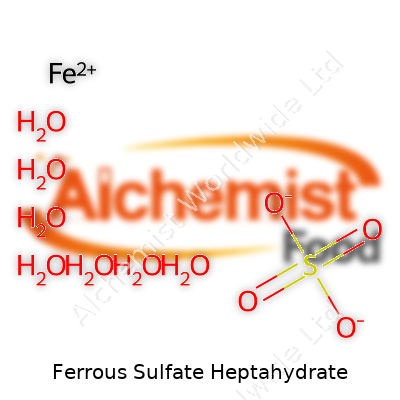
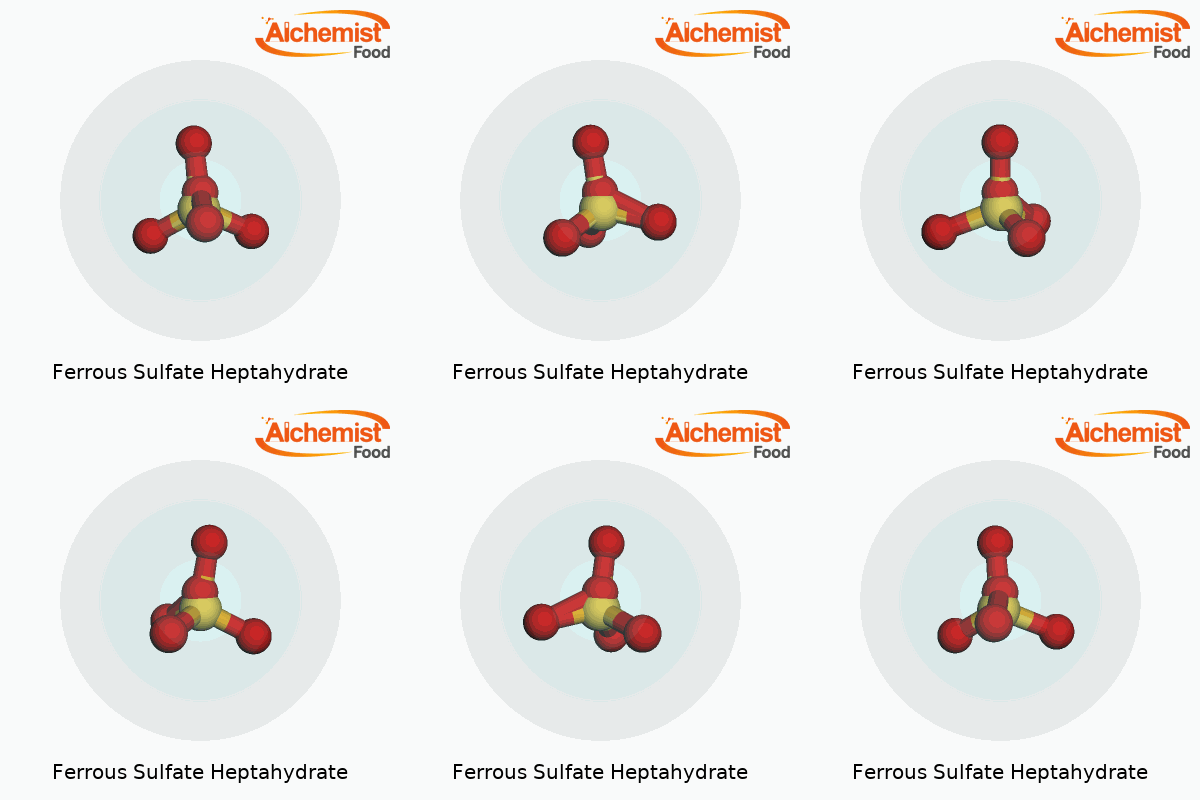
| Names | |
| Preferred IUPAC name | iron(2+) sulfate heptahydrate |
| Other names |
Iron(II) sulfate heptahydrate Green vitriol Copperas Melanterite |
| Pronunciation | /ˈfɛr.əs ˈsʌl.feɪt ˌhɛp.təˈhaɪ.dreɪt/ |
| Preferred IUPAC name | iron(2+) sulfate heptahydrate |
| Other names |
Iron(II) sulfate heptahydrate Green vitriol Copperas Melanterite |
| Pronunciation | /ˈfɛr.əs ˈsʌl.feɪt ˌhɛp.təˈhaɪ.dreɪt/ |
| Identifiers | |
| CAS Number | 7782-63-0 |
| Beilstein Reference | 1690833 |
| ChEBI | CHEBI:75832 |
| ChEMBL | CHEMBL1201537 |
| ChemSpider | 22987 |
| DrugBank | DB01077 |
| ECHA InfoCard | 100.028.765 |
| EC Number | '231-753-5' |
| Gmelin Reference | 77875 |
| KEGG | C14325 |
| MeSH | D011496 |
| PubChem CID | 24818540 |
| RTECS number | NO4565500 |
| UNII | VYPSYNLAJGM |
| UN number | UN3077 |
| CAS Number | 7782-63-0 |
| Beilstein Reference | 136873 |
| ChEBI | CHEBI:75834 |
| ChEMBL | CHEMBL1203616 |
| ChemSpider | 23722 |
| DrugBank | DB09130 |
| ECHA InfoCard | 200-066-2 |
| EC Number | 231-753-5 |
| Gmelin Reference | 82236 |
| KEGG | C14818 |
| MeSH | D019340 |
| PubChem CID | 24818665 |
| RTECS number | NO4565500 |
| UNII | VMT0OKR9HZ |
| UN number | UN3077 |
| CompTox Dashboard (EPA) | DTXSID7047552 |
| Properties | |
| Chemical formula | FeSO4·7H2O |
| Molar mass | 278.01 g/mol |
| Appearance | Blue-green crystalline solid |
| Odor | Odorless |
| Density | 1.898 g/cm³ |
| Solubility in water | Soluble in water |
| log P | -3.7 |
| Acidity (pKa) | 1.2 |
| Basicity (pKb) | 8.79 |
| Magnetic susceptibility (χ) | '+1300 x 10⁻⁶ cgs' |
| Dipole moment | 10.74 D |
| Chemical formula | FeSO4·7H2O |
| Molar mass | 278.01 g/mol |
| Appearance | Blue-green crystalline solid |
| Odor | Odorless |
| Density | 1.897 g/cm³ |
| Solubility in water | Soluble in water |
| log P | -4.7 |
| Vapor pressure | Negligible |
| Acidity (pKa) | 1.46 |
| Basicity (pKb) | 8.79 |
| Magnetic susceptibility (χ) | +660·10⁻⁶ cm³/mol |
| Viscosity | Viscous liquid |
| Dipole moment | 10.98 D |
| Thermochemistry | |
| Std molar entropy (S⦵298) | 309.4 J/(mol·K) |
| Std enthalpy of formation (ΔfH⦵298) | -1462 kJ·mol⁻¹ |
| Std enthalpy of combustion (ΔcH⦵298) | -206 kJ/mol |
| Std molar entropy (S⦵298) | 494.0 J·mol⁻¹·K⁻¹ |
| Std enthalpy of formation (ΔfH⦵298) | -1487.0 kJ/mol |
| Std enthalpy of combustion (ΔcH⦵298) | -206 kJ/mol |
| Pharmacology | |
| ATC code | B03AA07 |
| ATC code | B03AA07 |
| Hazards | |
| Main hazards | Harmful if swallowed. Causes serious eye irritation. May cause respiratory irritation. |
| GHS labelling | GHS07, GHS09 |
| Pictograms | GHS07 |
| Signal word | Warning |
| Hazard statements | H302: Harmful if swallowed. |
| Precautionary statements | P264, P270, P301+P312, P330, P501 |
| NFPA 704 (fire diamond) | 1-0-0 |
| Lethal dose or concentration | LD50 oral rat 1,390 mg/kg |
| LD50 (median dose) | Oral (rat): 1,390 mg/kg |
| NIOSH | WW4250000 |
| PEL (Permissible) | PEL (Permissible Exposure Limit) for Ferrous Sulfate Heptahydrate: "15 mg/m³ (total dust), 5 mg/m³ (respirable fraction) as iron salts (OSHA PEL) |
| REL (Recommended) | 1 mg/m³ |
| IDLH (Immediate danger) | Not established |
| Main hazards | Harmful if swallowed. Causes serious eye irritation. May cause respiratory irritation. |
| GHS labelling | GHS07, GHS08, Warning, H302, H315, H319, H335 |
| Pictograms | GHS07 |
| Signal word | Warning |
| Hazard statements | H302: Harmful if swallowed. |
| Precautionary statements | P264, P270, P301+P312, P330, P501 |
| Lethal dose or concentration | LD50 oral rat 1,390 mg/kg |
| LD50 (median dose) | 1518 mg/kg (Rat, oral) |
| NIOSH | WN1050000 |
| PEL (Permissible) | PEL: 15 mg/m³ (total dust), 5 mg/m³ (respirable fraction) |
| REL (Recommended) | 1 mg/m³ |
| IDLH (Immediate danger) | Not listed |
| Related compounds | |
| Related compounds |
Iron(II) sulfate (monohydrate) Iron(II) sulfate (anhydrous) Ferric sulfate Ferrous chloride Ferrous fumarate Ferrous gluconate Ferrous ascorbate |
| Related compounds |
Iron(II) sulfate Ferrous sulfate monohydrate Ferrous sulfate dried Iron(III) sulfate Copper(II) sulfate Zinc sulfate Magnesium sulfate |



